BasideWT- Whole Home Water Filtration System & Replacement


Is Reverse Osmosis Water the Same as Distilled Water?
Clean drinking water is essential for health, cooking, household use, and industrial applications. As more people become aware of water quality issues, advanced purification methods like reverse osmosis and distillation are becoming increasingly popular. However, many people still ask an important question: is reverse osmosis water the same as distilled water?
At first glance, both types of water may appear identical because they are highly purified and contain very low levels of contaminants. Still, the purification process, mineral content, taste, energy usage, and applications are quite different.
Understanding the difference between distilled water and reverse osmosis water can help homeowners, businesses, and industrial users choose the right water treatment solution for their needs.
Understanding Reverse Osmosis Water
Reverse osmosis water, often called RO water, is produced through a filtration process that removes contaminants using a semi-permeable membrane. This membrane blocks impurities such as dissolved salts, chemicals, bacteria, heavy metals, and sediments while allowing clean water molecules to pass through.
Modern RO systems are widely used in homes, industries, marine applications, and commercial facilities because they provide highly purified water efficiently.
Many advanced systems available through BASIDE Water Filtration Systems use multi-stage purification methods to improve water quality and safety.
How Reverse Osmosis Works
The reverse osmosis process usually includes several filtration stages:
- Sediment filtration removes dirt and particles.
- Carbon filtration reduces chlorine and odors.
- The RO membrane removes dissolved contaminants.
- Post-filtration improves taste and final water quality.
The result is clean water with significantly reduced contaminants and dissolved solids.
For example, systems like the Commercial RO Water Filter System are designed for high-efficiency purification in commercial settings.
What Is Distilled Water?
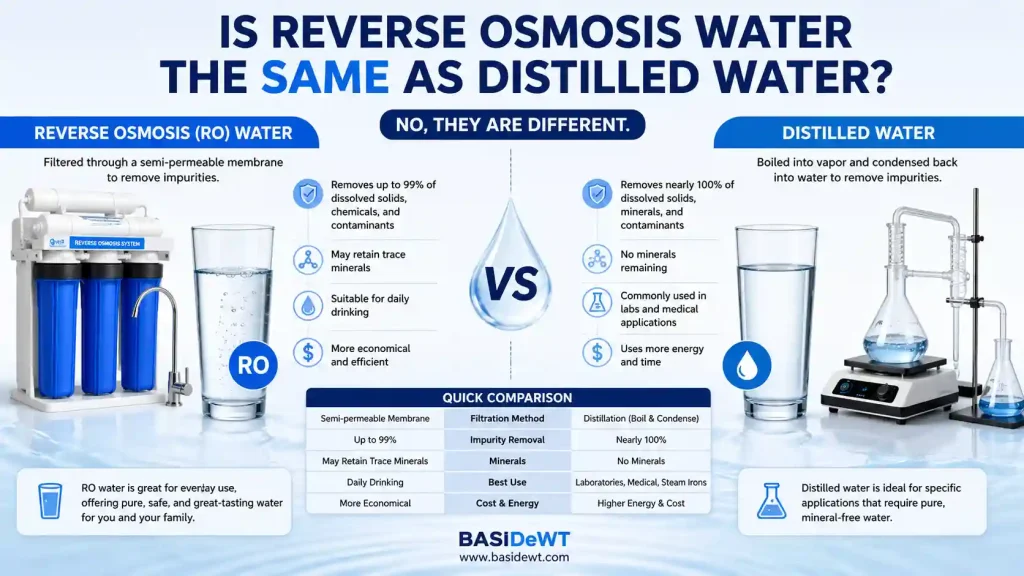
Distilled water is produced through a completely different purification process called distillation. In this method, water is heated until it turns into steam. The steam is then cooled and condensed back into liquid form.
Because contaminants and minerals do not evaporate with the steam, the collected water becomes extremely pure.
Distillation removes:
- Minerals
- Salts
- Bacteria
- Viruses
- Heavy metals
- Most contaminants
This process creates water with very low total dissolved solids (TDS).
Is Reverse Osmosis Water the Same as Distilled Water?
The simple answer is no.
Although both methods create purified water, they are not identical. The purification process, mineral retention, energy usage, and practical applications differ significantly.
Main Difference Between Distilled Water and RO Water
Here is the most important distinction:
- Reverse osmosis uses membrane filtration.
- Distillation uses evaporation and condensation.
Both methods reduce impurities effectively, but the final water quality characteristics are slightly different.
Distilled Water vs Reverse Osmosis Water
Many people compare distilled water vs reverse osmosis water because both are considered purified water options.
Here are the main differences:
| Feature | Reverse Osmosis Water | Distilled Water |
| Purification Method | Membrane filtration | Boiling and condensation |
| Energy Consumption | Lower | Higher |
| Mineral Removal | Very high | Nearly complete |
| Taste | Cleaner, slightly natural | Flat or neutral |
| Production Speed | Faster | Slower |
| Household Use | Very common | Less common |
| Industrial Applications | Wide usage | Specialized uses |
Is Distilled Water the Same as RO Water for Drinking?
Another common question is: is distilled water the same as RO water for drinking purposes?
Not exactly.
RO water is more commonly used for daily drinking because it usually retains tiny traces of minerals and has a fresher taste. Distilled water is extremely pure but may taste flat because almost all minerals are removed.
Most households prefer reverse osmosis systems because they are practical, energy-efficient, and suitable for continuous daily use.
A high-quality Under Sink RO Purifier can provide safe drinking water directly from the kitchen tap.
Benefits of Reverse Osmosis Water
Reverse osmosis systems have become extremely popular because they provide several advantages.
Effective Contaminant Removal
RO systems can reduce:
- Chlorine
- Lead
- Arsenic
- Fluoride
- Nitrates
- Sediments
- Dissolved salts
Better Taste
RO water often tastes fresher compared to distilled water because it may retain slight mineral balance.
Energy Efficient
RO filtration typically uses less energy than distillation systems.
Continuous Water Supply
Unlike distillers, RO systems can continuously produce purified water for households and businesses.
For larger applications, systems like the RO Water Treatment System are commonly used in commercial environments.
Benefits of Distilled Water
Distilled water also has important advantages, especially in specialized industries.
Extremely Pure Water
Distillation removes nearly all dissolved solids and contaminants.
Ideal for Medical and Laboratory Use
Distilled water is commonly used in:
- Laboratories
- Medical equipment
- Pharmaceutical manufacturing
- Automotive cooling systems
Reduced Mineral Buildup
Because minerals are removed completely, distilled water helps prevent scaling inside appliances and equipment.
Distilled Water vs RO Water for Appliances
When comparing distilled water vs RO water for appliances, both options can reduce mineral buildup. However, distilled water usually contains fewer dissolved minerals.
Still, RO water is often more practical and affordable for everyday use.
Many industrial users combine filtration technologies with products like RO Membranes to improve system efficiency and water purity.
Is RO Water the Same as Distilled Water in Purity?
This question depends on the intended application.
Distilled water is generally considered slightly purer because the distillation process removes nearly all dissolved solids completely. Reverse osmosis systems remove most contaminants but may still allow trace amounts of minerals or gases to remain.
However, modern multi-stage RO systems can produce extremely high-quality water suitable for many residential and industrial uses.
Which Water Is Better for Daily Drinking?
For most households, reverse osmosis water is usually the better option.
Here’s why:
- Better taste
- Easier installation
- Lower operating cost
- Faster water production
- More convenient for daily use
Distilled water is safe to drink occasionally, but most people do not use it as their primary drinking source.
According to the World Health Organization (WHO) Water Quality Guidelines, safe and properly treated drinking water is essential for maintaining public health and reducing waterborne diseases.
Common Uses of Reverse Osmosis Water
RO water is widely used in:
- Residential drinking water systems
- Restaurants
- Coffee shops
- Food processing
- Marine applications
- Commercial facilities
Specialized solutions like Boat Watermakers are designed to convert seawater into usable freshwater using reverse osmosis technology.
Common Uses of Distilled Water
Distilled water is more common in specialized applications such as:
- Medical laboratories
- Steam irons
- Automotive batteries
- CPAP machines
- Cosmetic manufacturing
Because of its ultra-pure nature, distilled water is preferred where mineral-free water is essential.
Common Mistakes People Make
Many consumers misunderstand purified water systems. Here are some common mistakes:
Assuming Both Waters Are Identical
Although both are purified, their production methods and final properties differ.
Choosing the Wrong System
Some people buy water systems without understanding their actual needs.
Ignoring Maintenance
RO systems require membrane and filter replacement for proper performance.
Products like RO Membrane Replacement help maintain filtration efficiency and water quality.
Believing Distilled Water Is Always Better
Distilled water is not automatically superior for every purpose. The best option depends on the intended use.
How to Choose Between RO Water and Distilled Water
The right choice depends on several factors:
Choose Reverse Osmosis Water If You Need:
- Daily drinking water
- Household filtration
- Better tasting purified water
- Energy-efficient filtration
- Continuous water production
Choose Distilled Water If You Need:
- Ultra-pure laboratory water
- Mineral-free appliance water
- Specialized medical applications
- Industrial precision processes
The Future of Water Purification
Water purification technology continues evolving rapidly. Modern systems now combine:
- Reverse osmosis
- UV sterilization
- Ultrafiltration
- Activated carbon filtration
- Smart monitoring systems
Advanced products like UV Water Sterilizer improve microbial protection and overall water safety.
As global water quality concerns continue growing, both RO and distilled water systems will remain important solutions for clean water production.
Conclusion
So, is reverse osmosis water the same as distilled water? The answer is clearly no.
Both methods produce highly purified water, but they use completely different purification processes and serve different purposes. Reverse osmosis water is more practical for daily drinking and household use, while distilled water is commonly used for specialized applications requiring ultra-pure water.
When comparing distilled water vs reverse osmosis water, the best choice depends on your personal needs, budget, and intended use. For most homes and businesses, reverse osmosis systems offer an ideal balance of purification performance, convenience, and affordability.
If you are considering upgrading your water quality system, exploring modern RO filtration solutions can help you achieve safer, cleaner, and better-tasting water for everyday use.
RELATED POSTS
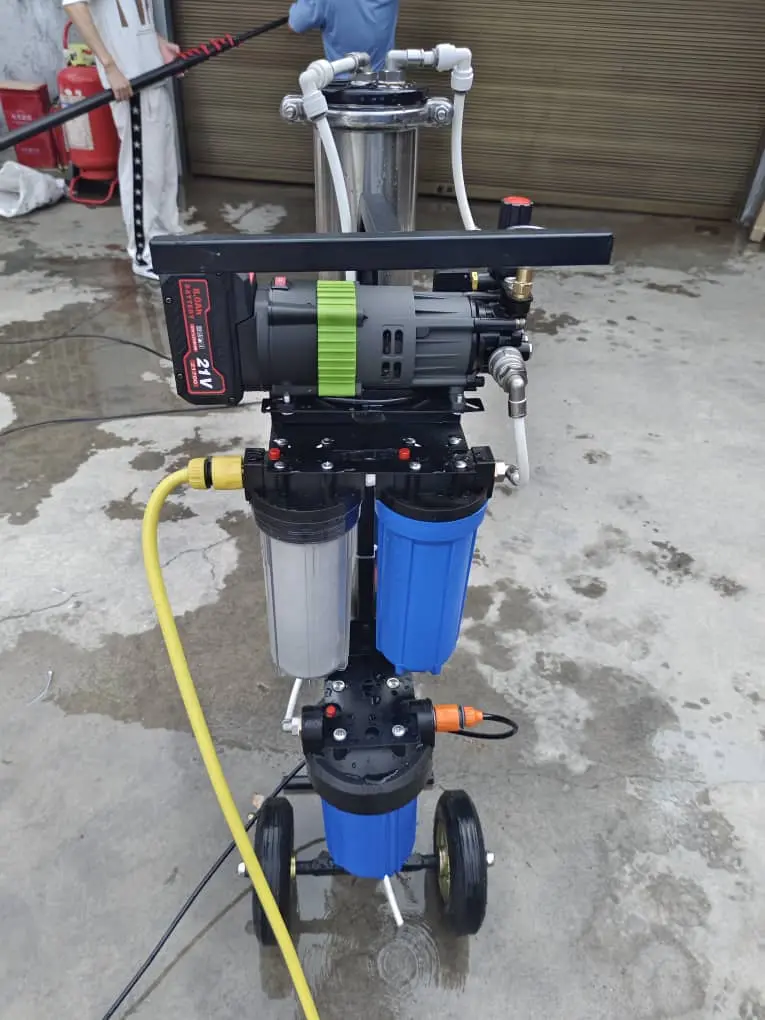
How to Choose the Best Water Fed Pole System for Your Cleaning Business
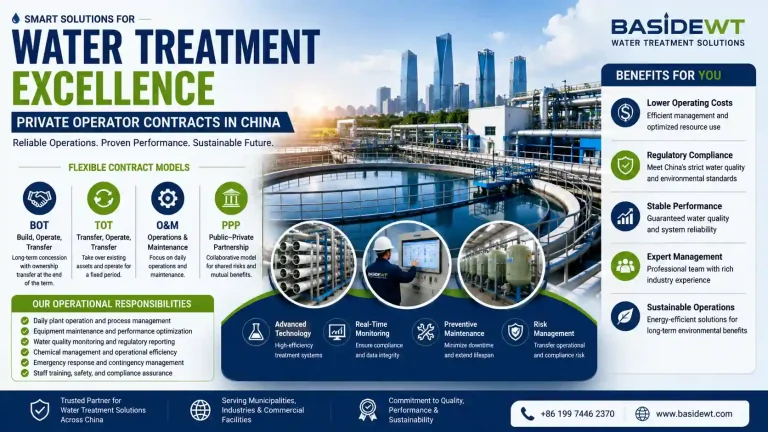
Water Treatment Plant Private Operator Contracts in China: A Complete Guide for Decision-Makers
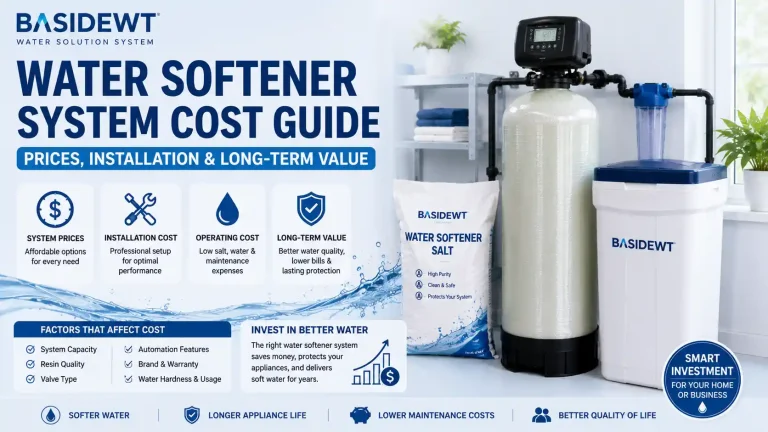
Water Softener System Cost Guide: Prices, Installation & Long-Term Value
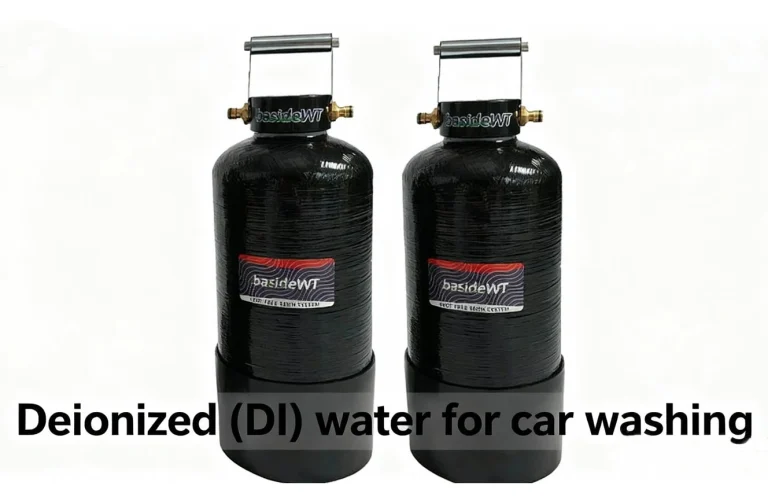
DI Water for Car Washing: The Ultimate Guide to Perfect, Spot-Free Drying
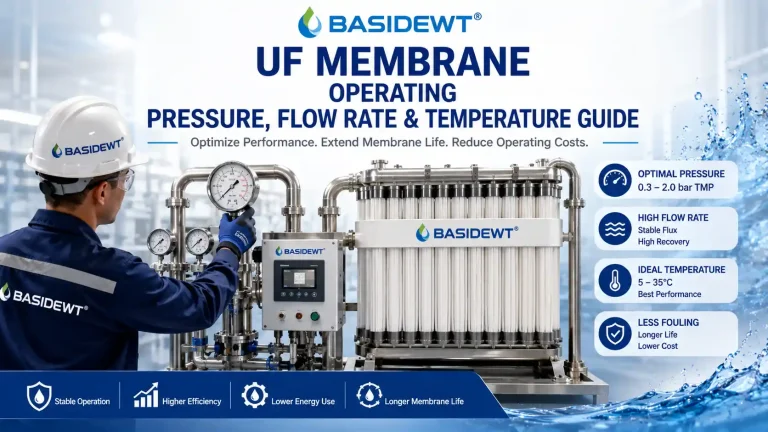
UF Membrane Operating Pressure, Flow Rate & Temperature Guide