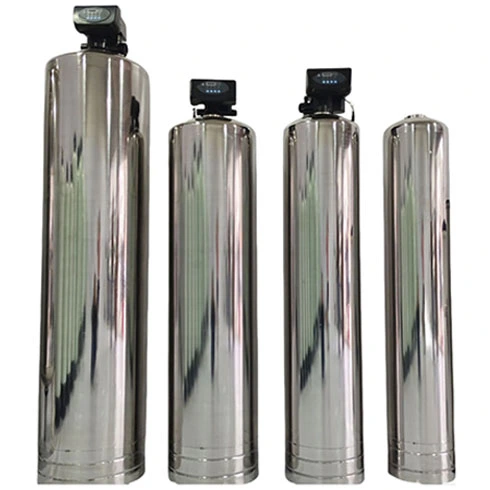
BasideWT- Whole Home Water Filtration System & Replacement


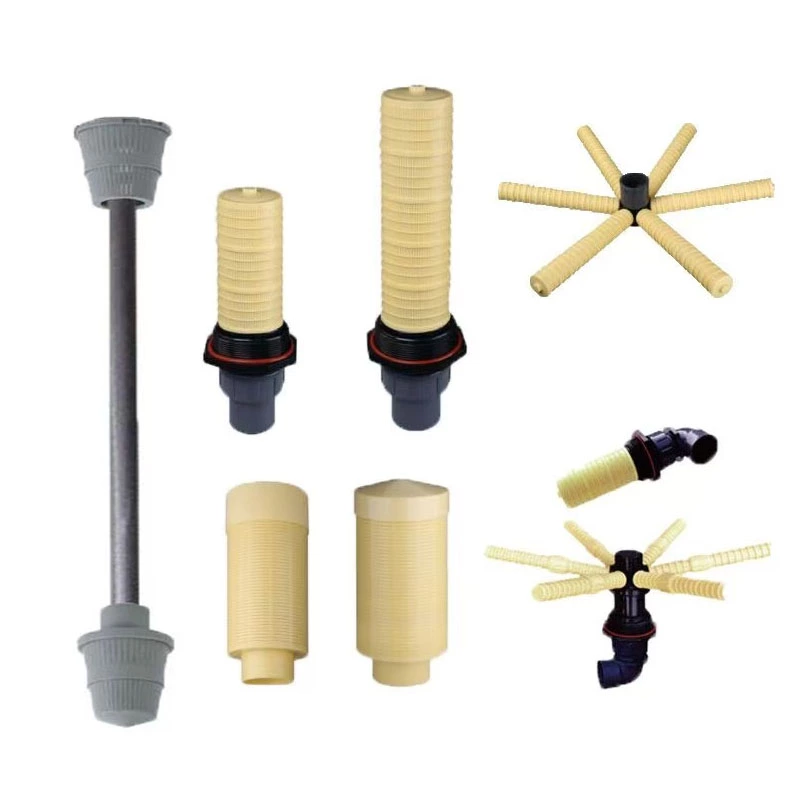
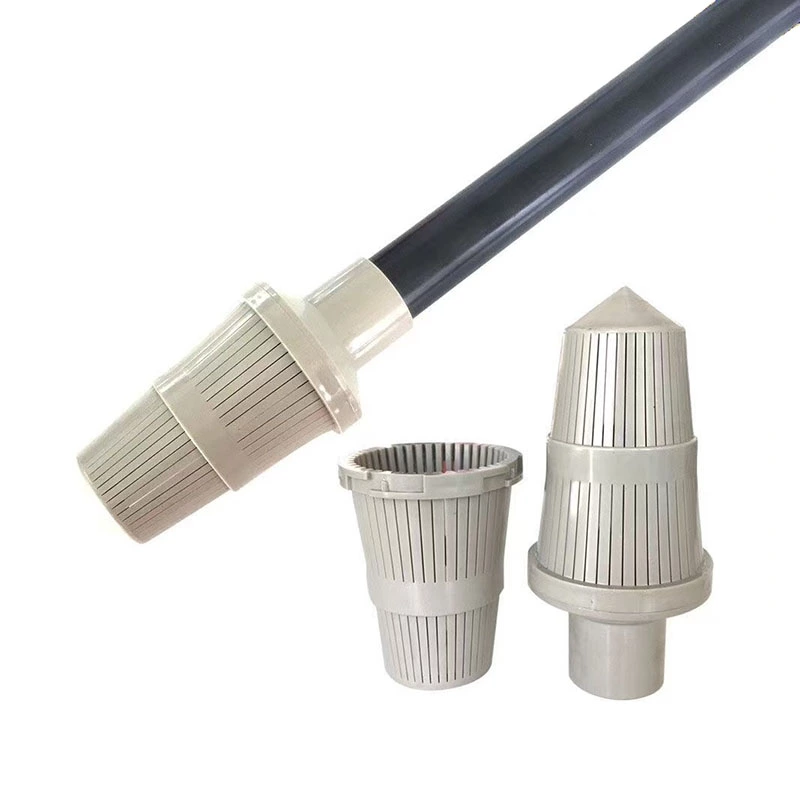
Top and Bottom Water Treatment Water Distributor for FRP Tank

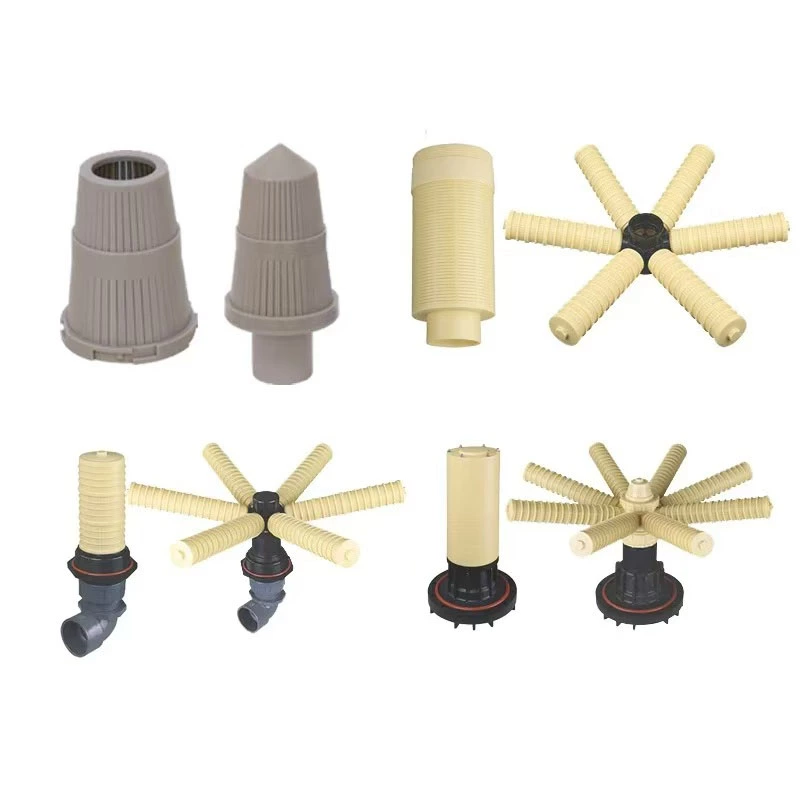

PRODUCT PARAMETERS
A Water Distributor for FRP Tank is an essential internal component that ensures even water flow and efficient filtration performance. The Top and Bottom Water Distributor from BasideWT is designed to optimize water distribution inside fiberglass pressure vessels, preventing channeling and improving system efficiency in water treatment applications.
Water Distributor Description
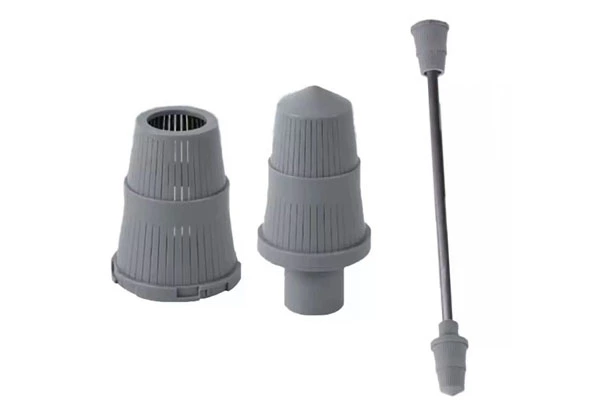
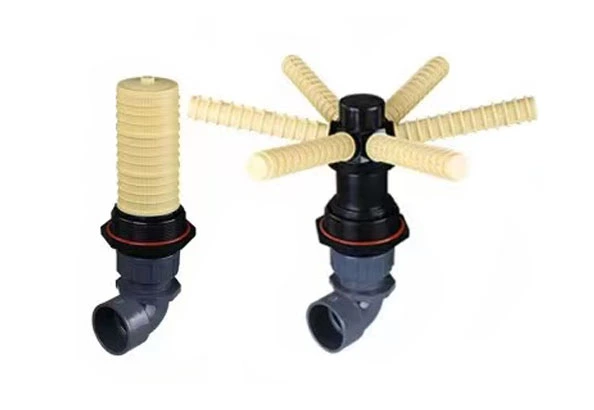
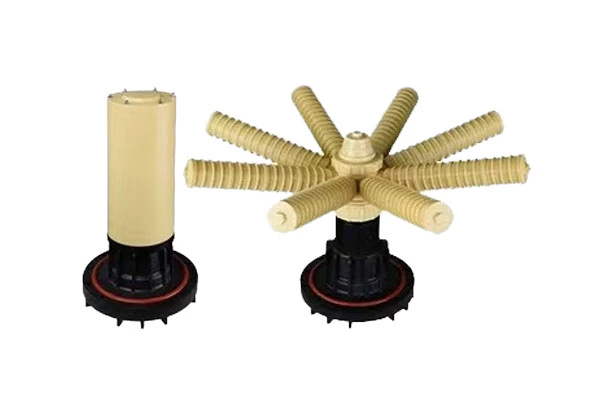
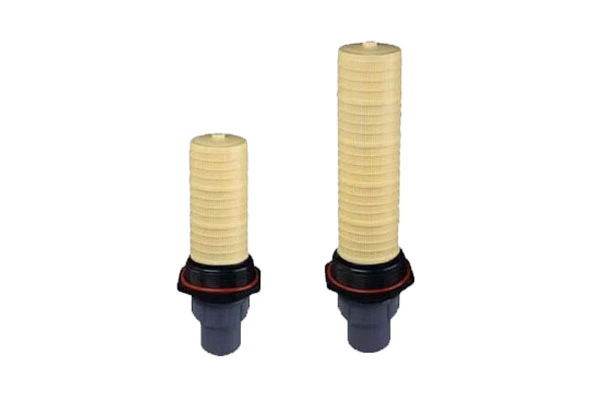
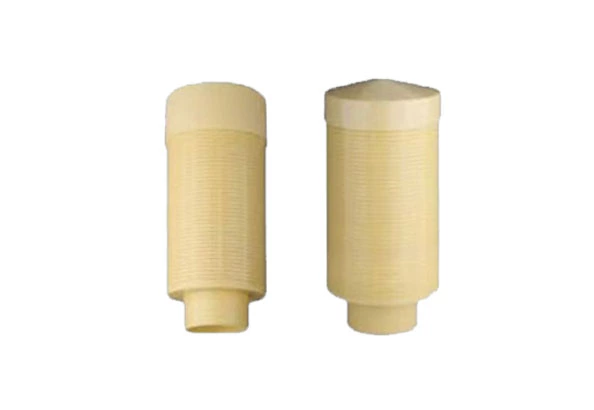
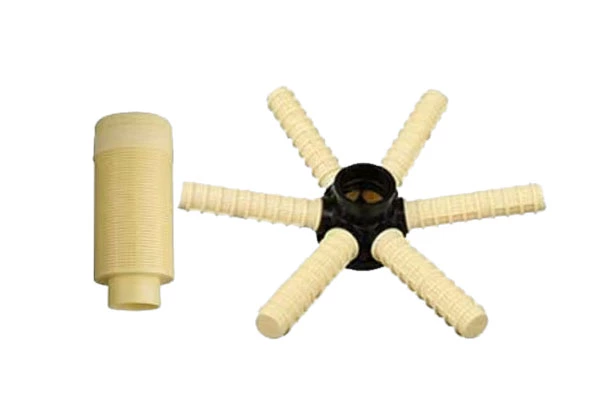
The BasideWT Top and Bottom Water Distributor is a precision-engineered component supplied as part of our water treatment parts and accessories range, designed for installation inside FRP tanks used in water treatment systems.
The top distributor evenly disperses incoming water over the filter media, while the bottom distributor collects treated water and supports backwashing. Together, they form the core of filtration, softening, and ion exchange processes.
BasideWT distributors are widely applied in RO systems, water softeners, and industrial filtration systems, ensuring balanced flow and stable pressure across the tank.
Water Distributor Types and Tank Compatibility
BasideWT supplies top and bottom water distributors for FRP pressure tanks used in filtration, water softening, and other water treatment systems. The distributor configuration should be selected according to the tank diameter, top opening, central tube size, and filtration media used inside the vessel.
The top distributor sits in the upper section of the tank and distributes incoming water evenly across the media bed. The bottom distributor sits at the lower section of the tank and collects treated water while retaining the filter media during service and backwash cycles.
Standard configurations are available for different FRP tank sizes and connection requirements. BasideWT water distributors can be supplied with 2.5″, 4″, and 6″ top opening options, while central tube connections are available in 3/4″ and 1″ sizes. This allows the distributor to be matched more accurately with the FRP pressure vessel and internal riser assembly.
Key Features and Benefits
- Uniform Flow Distribution: Prevents channeling and dead zones, ensuring maximum use of filter media.
- High-Quality Construction: Made from reinforced ABS or PVC for long-lasting performance in harsh water environments.
- Corrosion and Pressure Resistant: Designed to withstand high operating pressure and chemical exposure.
- Easy Installation: Compatible with standard 2.5″–4″ tank openings, allowing quick assembly and replacement.
- Versatile Design: Works efficiently with fiberglass pressure vessels, composite tanks, and steel vessels.
- Low Maintenance: Smooth internal surface minimizes clogging and sediment buildup.
Each BasideWT Water Distributor delivers consistent performance, improving flow balance and reducing operating costs.
How to Select the Right Water Distributor for an FRP Tank
Choosing the correct water distributor requires more than matching the tank opening. The distributor should be compatible with the FRP tank diameter, central tube, connection type, operating conditions, and filtration media.
For a proper fit, confirm the FRP tank size and top opening before ordering. The central tube diameter should also match the riser pipe used inside the vessel. Using an incorrectly sized distributor can affect water distribution, filtration performance, and backwash flow.
For filtration and softening systems, the distributor design should also suit the type of media inside the tank. Sand, activated carbon, ion exchange resin, and other filter media may require different distributor configurations to maintain effective water flow and prevent media loss during backwashing.
For custom tank sizes or specific connection requirements, contact BasideWT with your tank dimensions and distributor requirements so the appropriate configuration can be selected.
Technical Specifications
| Parameter | Details |
|---|---|
| Model Type | Top Distributor / Bottom Distributor |
| Material | ABS / PVC / PP |
| Connection Type | Male/Female Thread / Slot Assembly |
| Diameter Range | 2.5” – 4” |
| Maximum Working Pressure | 0.6 MPa |
| Temperature Range | 5°C – 50°C |
| Tank Compatibility | FRP / Composite / Steel |
| Flow Design | 360° Uniform Radial Distribution |
Water Distributor Customization and OEM Supply
BasideWT supports water distributor requirements for different FRP pressure vessel configurations. Depending on the tank design, distributors can be selected according to opening size, central tube connection, distributor type, and application requirements.
For B2B water treatment projects, customers can provide the FRP tank model, tank diameter, opening size, central tube size, and required distributor type. These details help determine the appropriate top or bottom distributor configuration for the application.
OEM and bulk supply requirements can also be discussed for water treatment equipment manufacturers, system integrators, distributors, and filtration equipment suppliers.
Applications and Use Cases
Top and Bottom Water Distributors deliver critical performance across various applications:
Across Industrial & Municipal Systems, they support high-flow filtration and treatment with lasting reliability and low pressure loss.
In Water Softener Systems, they ensure even brine and water flow to maximize ion exchange efficiency.
For Sand and Carbon Filters, they maintain uniform filtration and drive efficient backwashing cycles.
As RO Pretreatment, they protect delicate membranes by achieving complete particle removal and uniform flow.
Installation and Maintenance Tips
- Center and secure the bottom distributor at the base of the FRP tank.
- Secure the riser pipe tightly to avoid air leakage or water bypass.
- Attach the top distributor to the riser and check for firm connection.
- During operation, monitor flow balance and backwash regularly.
- If flow becomes uneven, remove and rinse both distributors with clean water.
Tip: For optimal performance, replace the distributor when physical wear or deformation occurs.
When Should a Water Distributor Be Replaced?
Inspect a water distributor when you notice uneven water flow, reduced filtration performance, media in the outlet water, or visible cracks, deformation, blockage, or connection damage. Replace the distributor if these problems affect water distribution or system performance.Replacement timing depends on water quality, operating conditions, chemical exposure, backwash frequency, and the condition of the component.
Before replacing a distributor, verify the tank opening, central tube diameter, connection type, and distributor configuration to ensure that the replacement component matches the existing FRP pressure vessel.
Related Products / You May Also Like
- BasideWT FRP Pressure Vessel
- BasideWT Water Softener Control Valve
- BasideWT Brine Tank
- BasideWT Ion Exchange Resin
Frequently Asked Questions
Q1: What is the function of a Top and Bottom Water Distributor?
A: It distributes incoming water evenly and collects treated water, improving system efficiency.
Q2: Is it suitable for both softeners and filters?
A: Yes. It fits FRP tanks in both softening and filtration systems.
Q3: How often should I replace the distributor?
A: Typically every 3–5 years, depending on water quality and operating pressure.
Q4: Are BasideWT distributors compatible with non-BasideWT tanks?
A: Our distributors accommodate most standard FRP tank sizes.
FAQs
How do I know which system is right for my home?
How to Measure Your Home’s Water Flow Rate?
How do I troubleshoot low water pressure from my system?

What contaminants does your water treatment system remove?
What’s the difference between UV, RO, and activated carbon filtration?
REQUEST A QUOTE
RELATED PRODUCTS
Water flow Flowmeter,LZS-40 Water Liquid Flowmeter,High Accuracy Plastic Tube Type Flowmeter Instrument 1-10mH Range
10-inch Transparent Backflushing Water Purifier Livestock Waterline Filter Housing High Pressure Washer Filter with Sewage Outlet
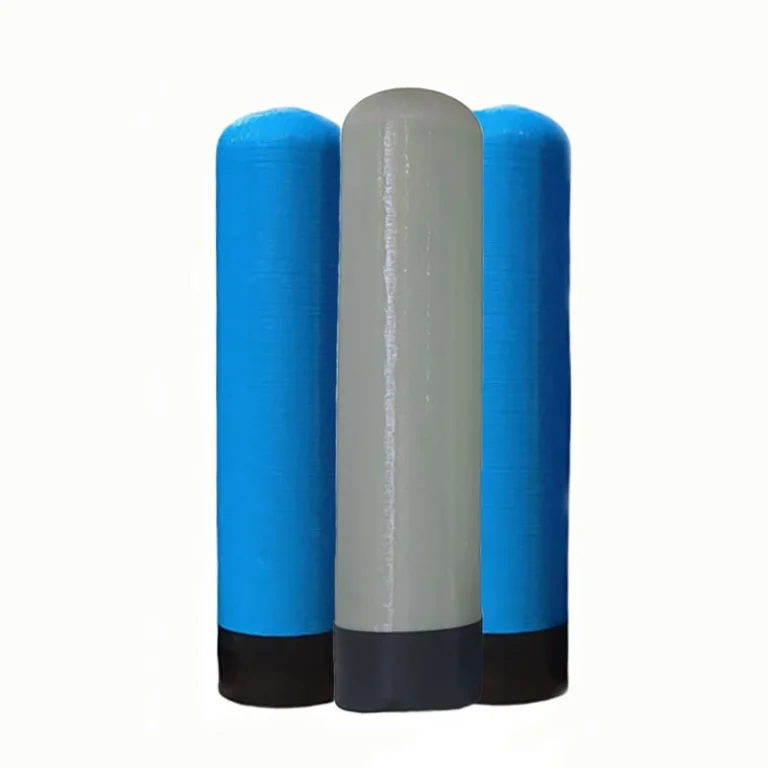
BasideWT Reverse Osmosis Frp Storage Tank 10×54
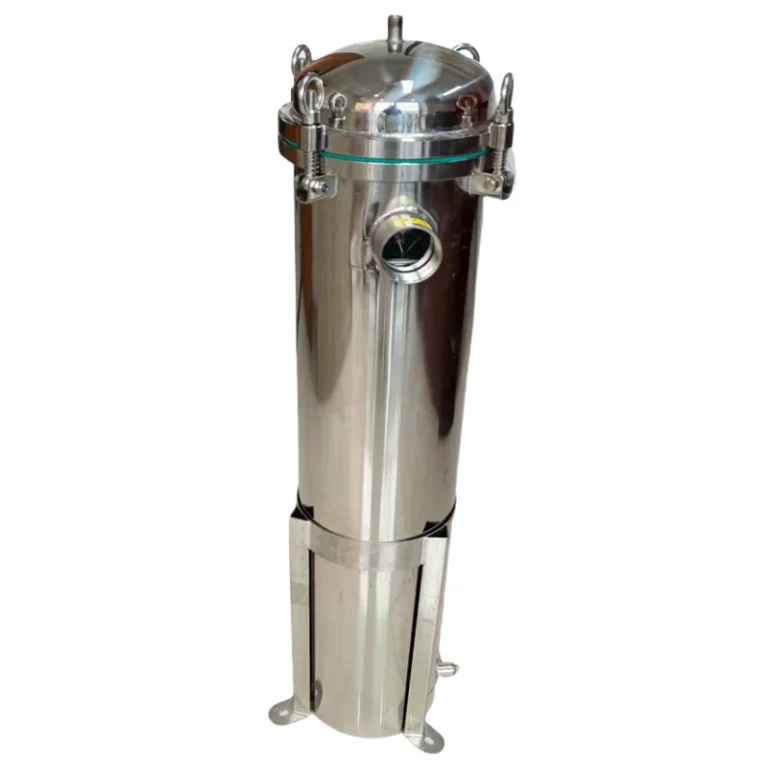
Industrial Bag Filter Housings | Precision Filters Supplier – Basidewt
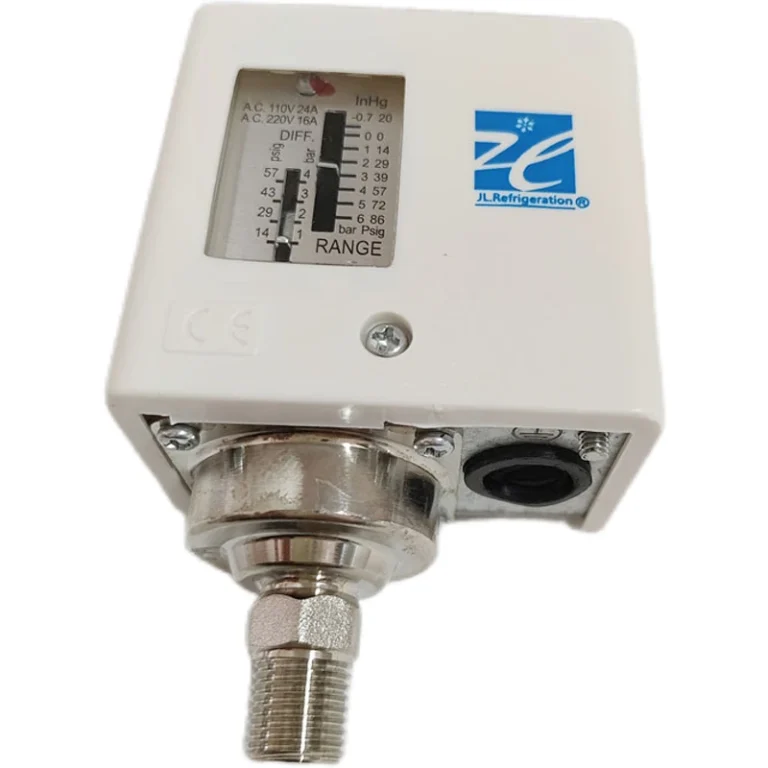
Automatic Water Pump Switch Pressure Switches Control Automatico Interruptor for Water Pumps and RO Systems