BasideWT- Whole Home Water Filtration System & Replacement


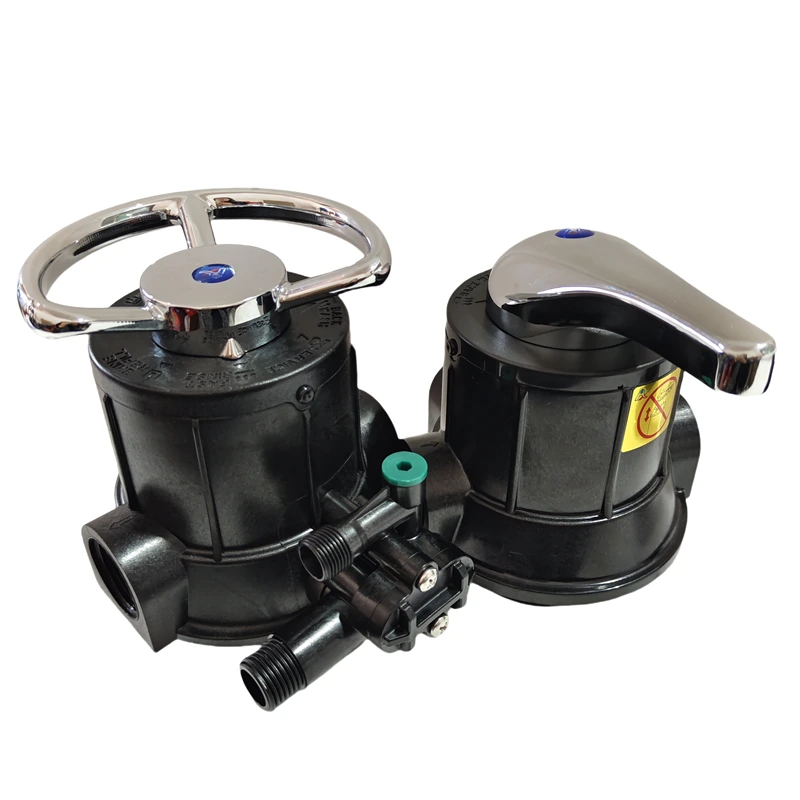
Water Filter Manual/Automatic Water Softener Control Valve-BasideWT
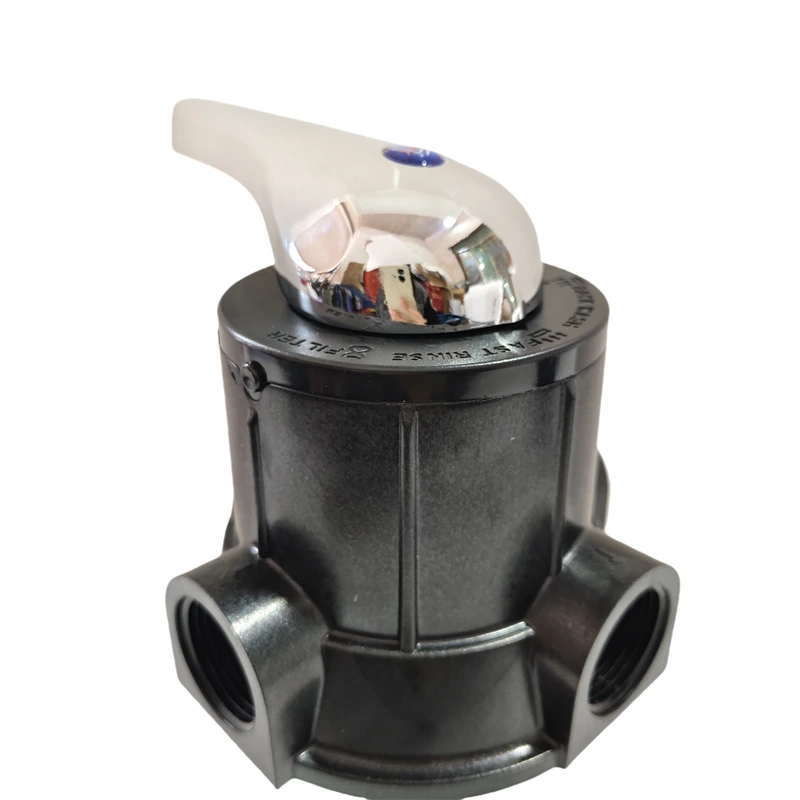
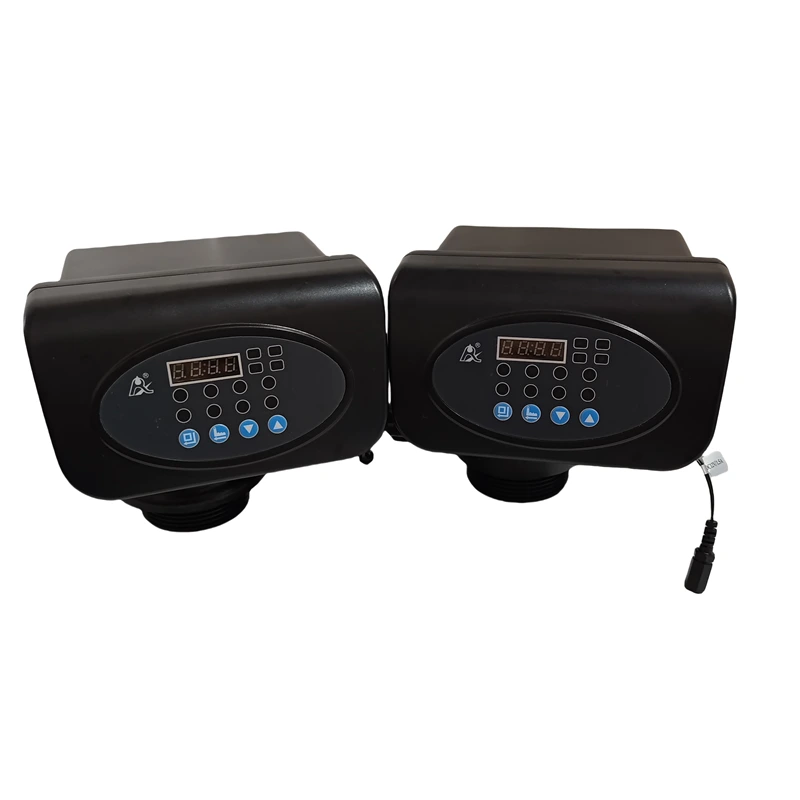
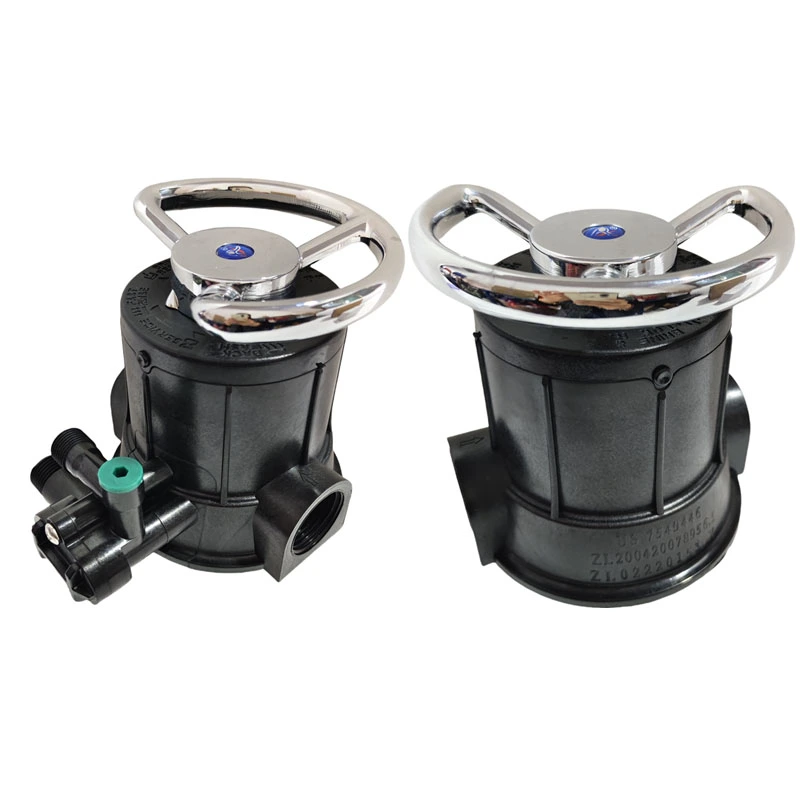
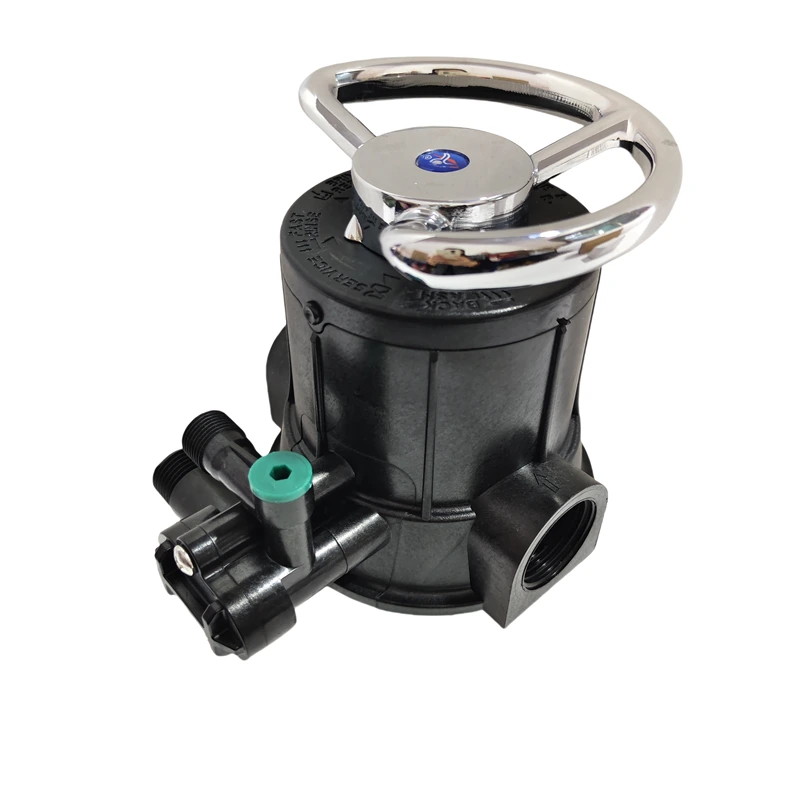
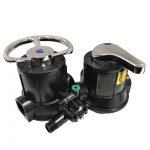
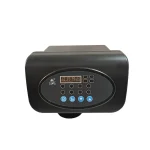
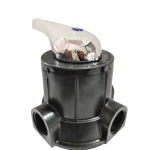
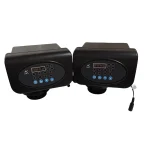
PRODUCT PARAMETERS
Manual/Automatic Water Softener Control Valve – BasideWT Reliable Control Solution for Water Treatment
A Water Softener Control Valve is the core component that manages the softening process in water treatment systems. Whether manual or automatic, this device controls regeneration cycles, flow direction, and ensures stable system performance. BasideWT, a trusted global manufacturer in the water treatment industry, delivers precision-engineered control valves designed for residential, commercial, and industrial softening applications.
Product Overview / Description
The Manual/Automatic Water Softener Control Valve regulates the flow of water and salt solution in ion exchange softening systems. It enables automatic regeneration cycles, ensuring consistent water quality while reducing manual operation.
During a typical softening cycle, the control valve directs the system through service, backwash, brine, slow rinse, brine refill, and fast rinse stages, depending on the valve model. This controlled sequence helps regenerate the ion exchange resin and prepare the softener for the next service cycle.
These valves are widely used in water softeners, ion exchange systems, RO pretreatment, and other water treatment applications where controlled service and regeneration cycles are required. Built for durability and precision, the control valve provides reliable performance even under fluctuating pressure or temperature conditions.
By using a BasideWT Water Softener Control Valve, users can enjoy stable water output and lower maintenance costs over long-term use.
Key Features and Benefits
- High-Precision Flow Control: Maintains consistent flow rate and regeneration timing for optimal softening efficiency.
- Manual & Automatic Options: Offers flexible operation to meet different system requirements and user preferences.
- Corrosion-Resistant Construction: Made of reinforced composite materials for durability in harsh water environments.
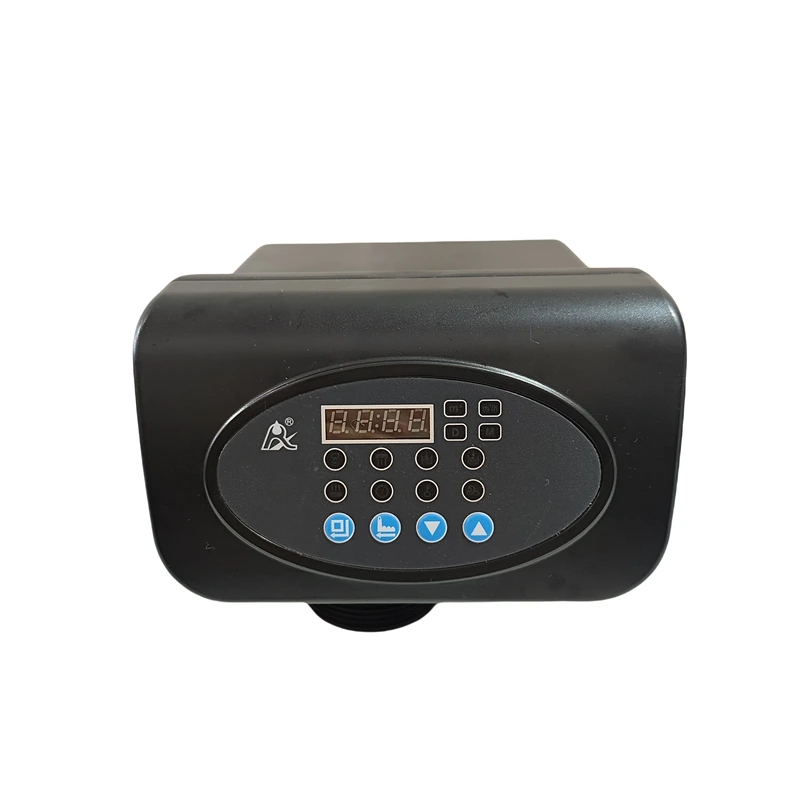
- Smart Programming (Automatic Model): Simple digital interface allows custom regeneration schedules for time or flow-based control. Automatic models can initiate regeneration according to programmed time or water-volume settings, depending on the selected controller. This helps reduce the need for manual regeneration and supports more consistent softener operation.
- Low Power Consumption: Designed for energy-efficient operation with minimal power requirements.
- Universal Compatibility: Fits most fiberglass pressure vessels and composite tanks, making installation fast and easy.
- Easy Maintenance: Modular design enables quick disassembly for cleaning or part replacement.
Each feature helps ensure the BasideWT Water Softener Control Valve provides superior performance, efficiency, and reliability for both residential and industrial users.
Technical Specifications
| Parameter | Details |
|---|---|
| Model Type | Manual / Automatic |
| Material | Reinforced Composite, Engineering Plastic |
| Connection Size | 3/4” – 2” BSP/NPT |
| Working Pressure | 0.15 – 0.6 MPa |
| Water Temperature Range | 5°C – 50°C |
| Regeneration Mode | Time-based / Flow-based |
| Mount Type | Top Mount / Side Mount |
| Suitable Tank Size | 6” × 13” to 63” × 84” |
Select the valve model according to the required service flow rate, tank size, and whether the system requires manual operation or automatic regeneration.
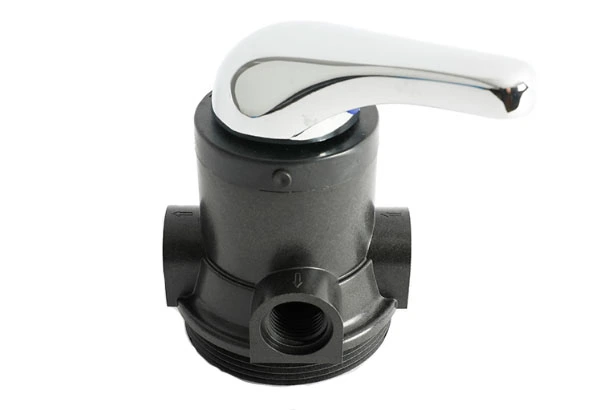
51101A(F52)
1T/H Manual Valve
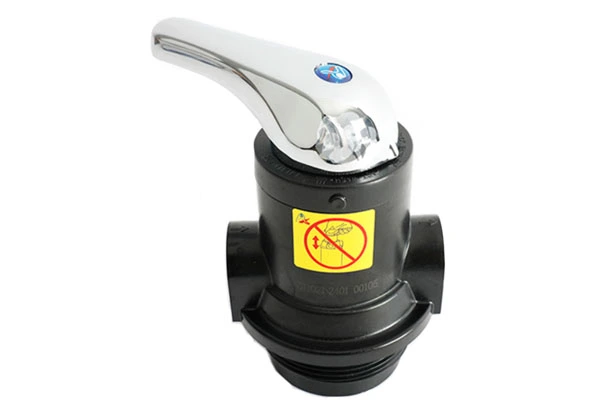
51102(F56E1)
2T/H Manual Valve
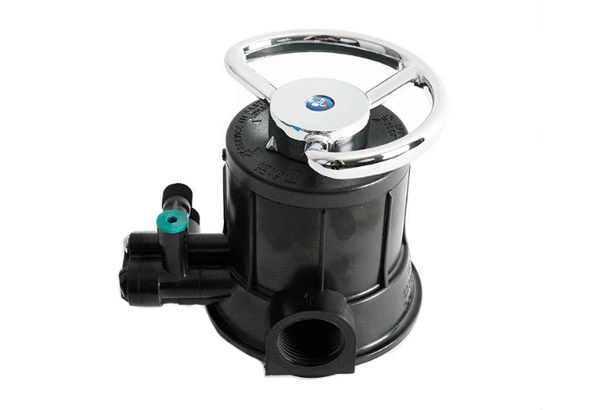
61104(F64A1)
4T/H Manual Valve
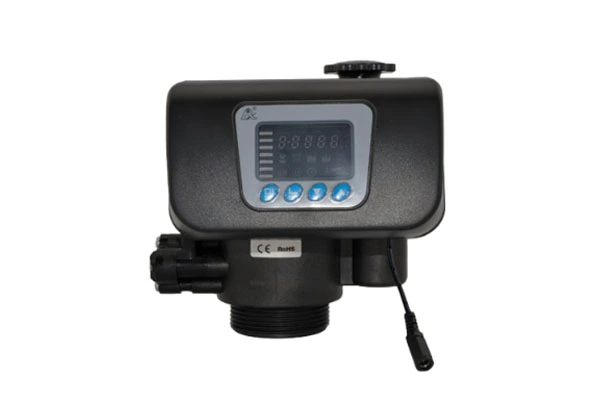
63504S_F63B1
4T/H Automatic Softener Valve
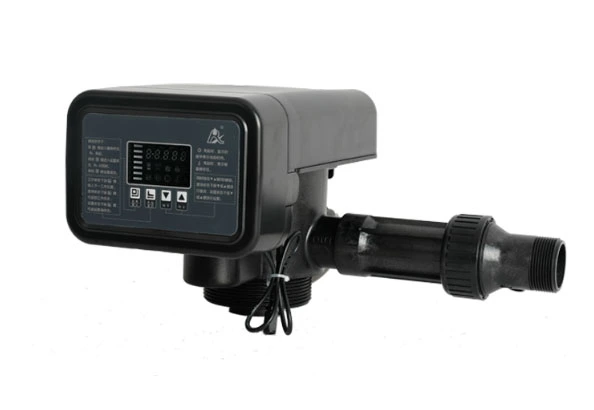
63508_F133A1
8T/H Automatic Softener Valve
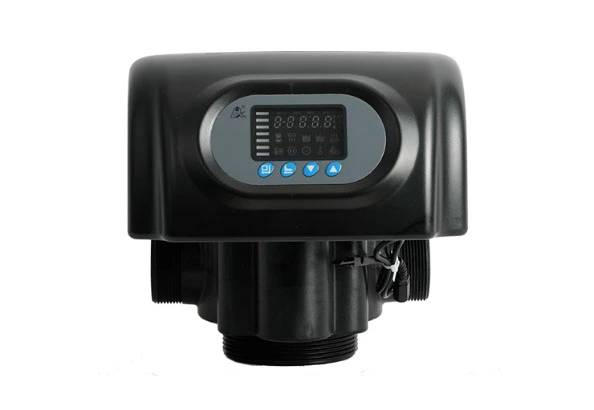
63510_F74A1
10T/H Automatic Softener Valve
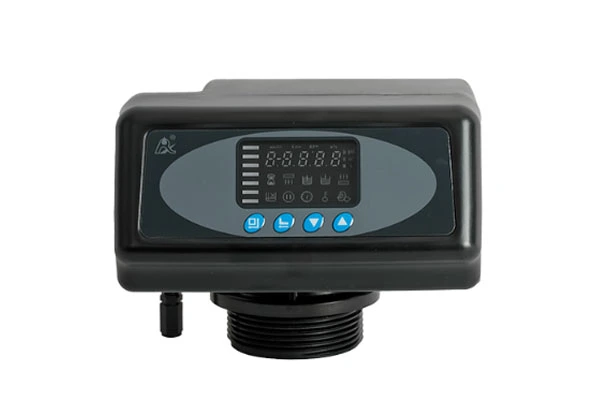
53502(F71B1)
2T/H Automatic Filter Valve
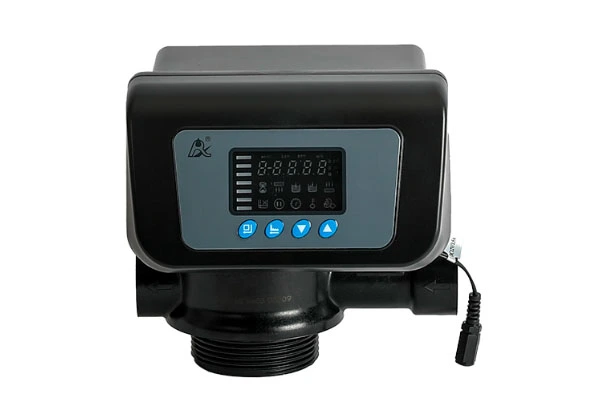
53504(F67C1)
4T/H Automatic Filter Valve
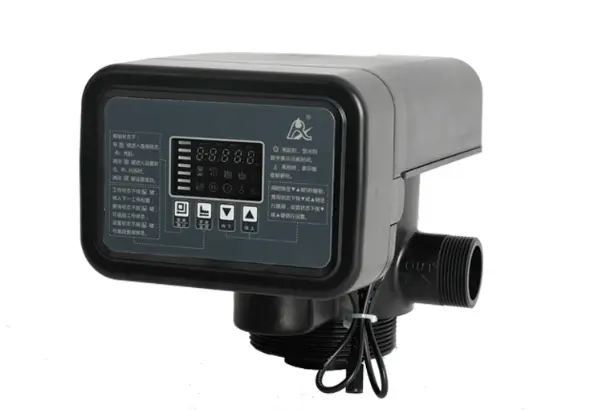
53508_F134A1
8T/H Automatic Filter Valve
Valve Compatibility and Connection Details
Before selecting a water softener control valve, confirm the tank diameter, valve mounting type, inlet and outlet connection, drain connection, and required flow rate. The valve must also match the distributor or riser tube configuration of the softener tank. Checking these dimensions before installation helps prevent connection problems and ensures correct water flow during service and regeneration.
Manual vs Automatic Water Softener Control Valves
Manual valves use a hand-operated mechanism to switch between service and regeneration positions and do not require electrical power. Automatic valves use a programmed controller to manage regeneration according to the selected control mode. Manual models are suitable where simple operation is preferred, while automatic models are useful when scheduled or flow-based regeneration is required.
Applications and Use Cases
The Water Softener Control Valve is suitable for various systems and industries:
Residential Systems
Used in home water softeners, it ensures a continuous supply of soft water for laundry, kitchen, and bathroom use.
Commercial Applications
Ideal for restaurants, hotels, and hospitals, providing consistent water softness to protect appliances and plumbing systems.
Industrial Water Treatment
Applied in boiler feed water systems, RO pretreatment, and cooling towers to prevent scaling and improve operational efficiency.
Agricultural and Food Processing
Ensures optimal water quality for irrigation systems and food production lines, protecting sensitive equipment from mineral buildup.
Installation and Maintenance Tips
Installing a Water Softener Control Valve is straightforward.
- Mount the valve on a compatible fiberglass pressure vessel.
- Connect inlet/outlet lines according to system direction arrows.
- Perform a pressure test before starting operation. Before commissioning, verify the inlet, outlet, drain, and brine connections and confirm that the valve is correctly aligned with the tank distributor or riser tube.
- For automatic models, program regeneration settings via the control interface.
For best performance:
- Check valve O-rings and seals every 6 months.
- Clean brine injectors periodically.
- Avoid operating beyond rated pressure or temperature limits.
Proper care extends the valve’s lifespan and ensures efficient regeneration cycles.
Choosing the Right Water Softener Control Valve for Your System
Selecting the right water softener valve is essential for ensuring efficient system performance and long-term reliability. When selecting a water softener control valve, compare the required flow rate, tank size, mounting configuration, connection size, and regeneration method. The valve should match the softener tank and distributor assembly to maintain proper service flow, backwash, and regeneration performance.
Note / Safety Instructions
- Avoid exposure to direct sunlight or corrosive gases.
- Store and transport the valve in a dry, dust-free environment.
- Ensure pressure does not exceed 0.6 MPa during operation.
- Do not use in water containing strong acids, alkalis, or organic solvents.
These safety measures maintain valve integrity and system stability under all operating conditions.
Related Products / You May Also Like
Control Valve Frequently Asked Questions
Q1: What is the lifespan of a Water Softener Control Valve?
A: Typically 5–10 years, depending on water quality and maintenance frequency.
Q2: How do I choose between manual and automatic valves?
A: Choose manual for small or intermittent systems, and automatic for continuous or high-demand operations.
Q3: Can the valve be used in seawater or high-salinity applications?
A: Yes, when paired with corrosion-resistant materials such as reinforced composites or brass fittings.
Q4: Is the valve compatible with other tank brands?
A: Absolutely. BasideWT valves fit most standard FRP or composite tanks in the market.
FAQs
How do I know which system is right for my home?
How to Measure Your Home’s Water Flow Rate?
How do I troubleshoot low water pressure from my system?
What contaminants does your water treatment system remove?
What’s the difference between UV, RO, and activated carbon filtration?
REQUEST A QUOTE
RELATED PRODUCTS
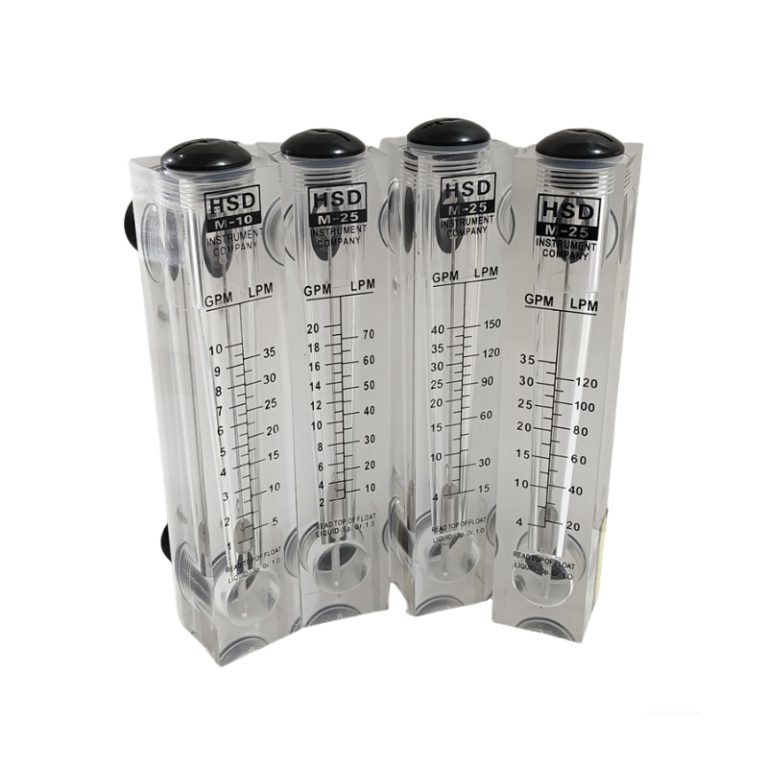
High Precision Solenoid Valve Liquid Flow Meter Water Flow Meter Panel Type Flowmeter
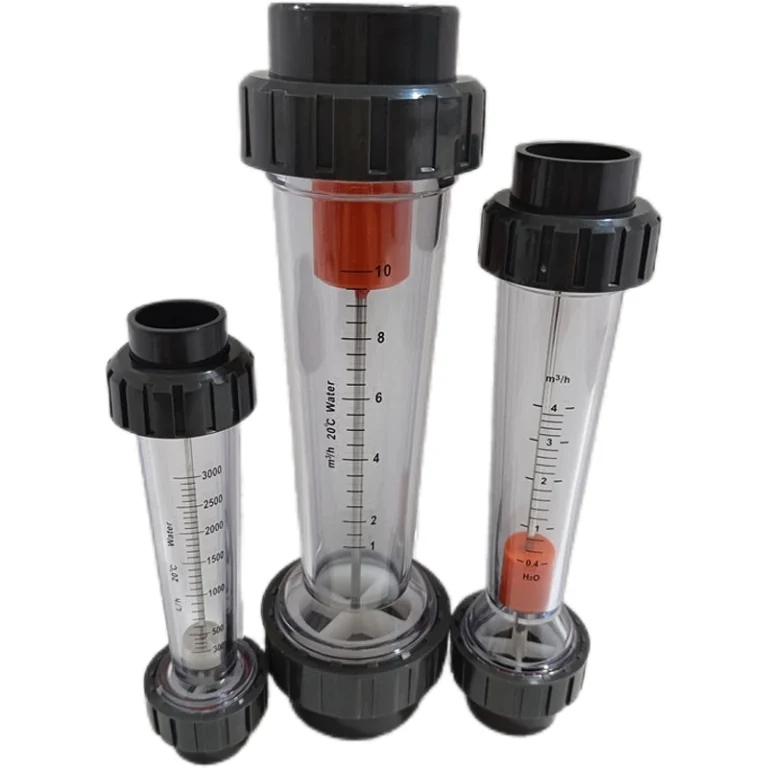
Water flow Flowmeter,LZS-40 Water Liquid Flowmeter,High Accuracy Plastic Tube Type Flowmeter Instrument 1-10mH Range
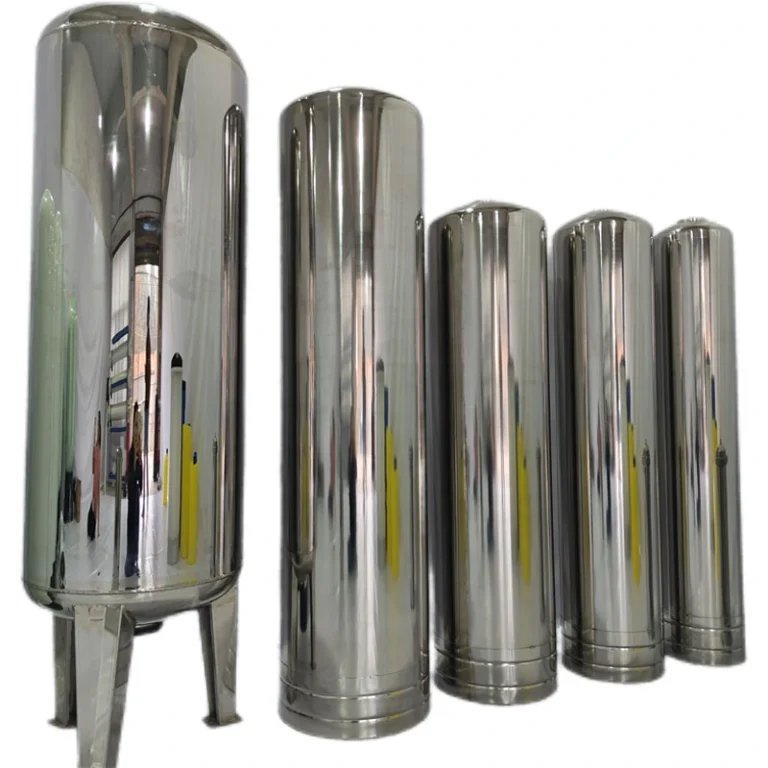
Food-Grade Stainless Steel Water Tank – 500L & 1000L Hygienic Filter Pressure Tank for Pure Storage

TDS Meter For Water Testing | Digital Purity Tester by BasideWT

FRP Water Storage Tanks for Industrial & Commercial | Custom-Made