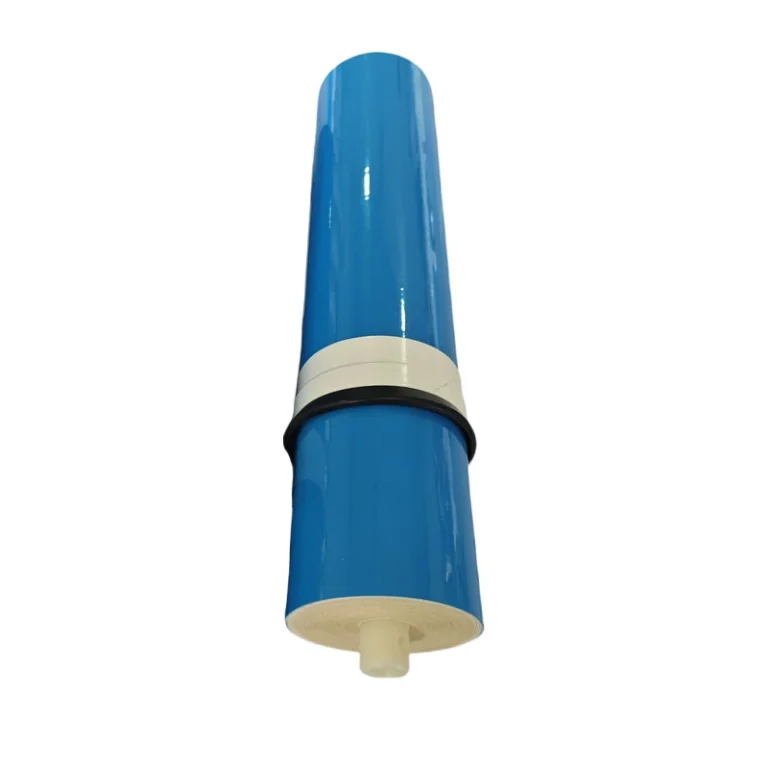
BasideWT- Whole Home Water Filtration System & Replacement


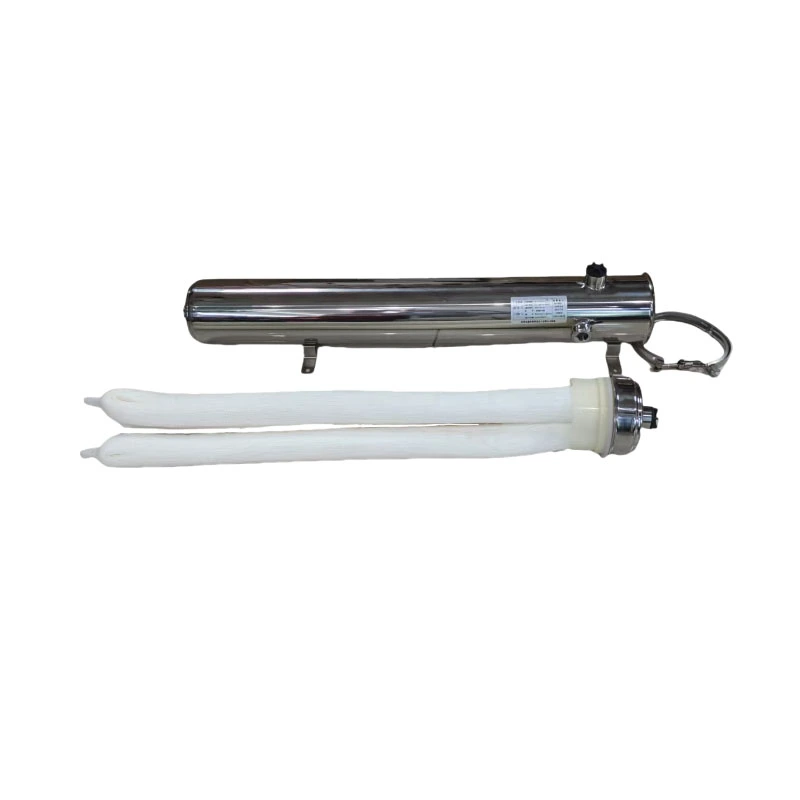
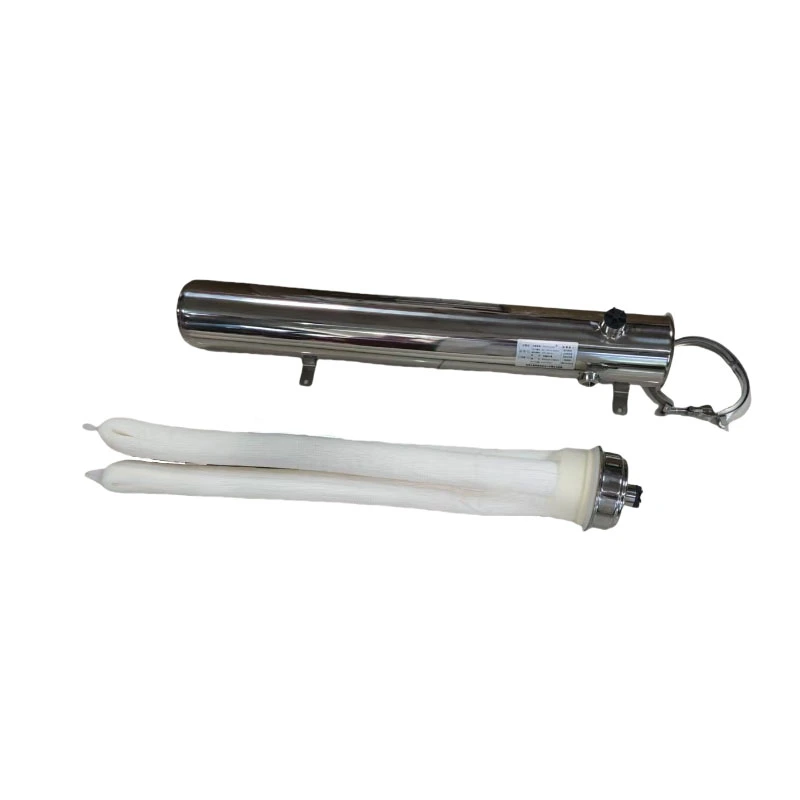
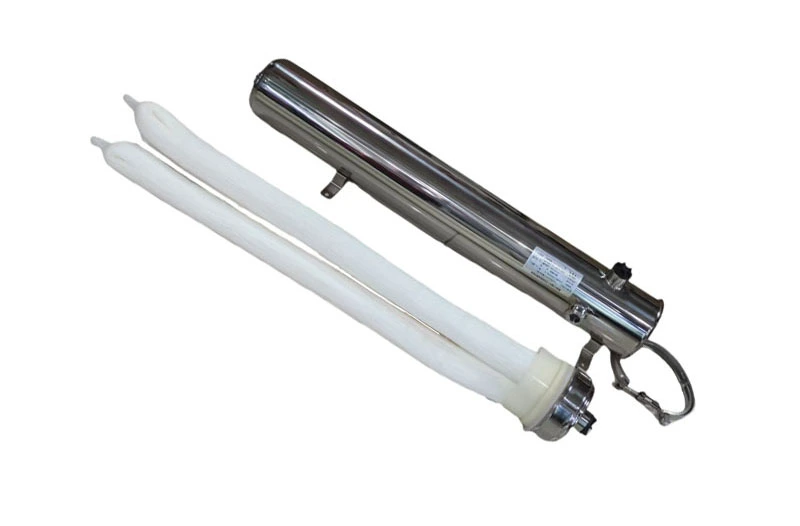
Stainless Steel UF Water Purifier With uf Membrane




PRODUCT PARAMETERS
UF Water Purifier – Stainless Steel Ultrafiltration System for Purest Water
A UF Water Purifier is a cornerstone of modern water treatment, designed to deliver purity and reliability. Our Stainless Steel UF Water Purifier, equipped with a high-performance ultrafiltration membrane, offers an exceptional solution for households and commercial spaces seeking to remove harmful contaminants without stripping water of its essential minerals. This system represents the pinnacle of durable and efficient water purification technology.
Product Overview
This product is an advanced UF Water Purifier that utilizes a hollow fiber ultrafiltration (UF) membrane as its core filtering component. It is specifically engineered for point-of-use applications, making it ideal for purifying tap water in homes, restaurants, schools, and small-scale industrial facilities. The primary function of this system is to provide safe, clean drinking water by physically screening and removing impurities.
UF Water Purifier
what is uf water purifier?
UF stands for ultrafiltration, a membrane-based filtration process. It uses a physical barrier — a semi-permeable membrane — with very tiny pores to separate out contaminants.The pore size is typically in the range of 0.01 to 0.1 micrometers (µm).
What It Removes:Bacteria, protozoa, cysts, and a lot of suspended particles (like rust, silt) are blocked by UF membranes. Some viruses may also be removed — but not all, because very small dissolved things can sometimes pass through. It can reduce turbidity and suspended solids very well.
Important: UF does not remove dissolved salts and minerals (Total Dissolved Solids, or TDS) because those can be much smaller than the membrane pores.Also, many UF systems are paired with pre-filters (like sediment filters) to protect the UF membrane.
Pressure-driven: Water is pushed (or flows) through the UF membrane due to a pressure difference. As water passes, contaminants too big for the membrane are trapped, and clean water (plus harmless dissolved minerals) goes through. Because it’s a physical barrier, it doesn’t rely on chemicals.
What It Removes:Bacteria, protozoa, cysts, and a lot of suspended particles (like rust, silt) are blocked by UF membranes. Some viruses may also be removed — but not all, because very small dissolved things can sometimes pass through. It can reduce turbidity and suspended solids very well.
Important: UF does not remove dissolved salts and minerals (Total Dissolved Solids, or TDS) because those can be much smaller than the membrane pores.Also, many UF systems are paired with pre-filters (like sediment filters) to protect the UF membrane.
Pressure-driven: Water is pushed (or flows) through the UF membrane due to a pressure difference. As water passes, contaminants too big for the membrane are trapped, and clean water (plus harmless dissolved minerals) goes through. Because it’s a physical barrier, it doesn’t rely on chemicals.
Key Features and Benefits
- Superior Filtration Accuracy: The 0.01-micron UF membrane effectively blocks bacteria, viruses, colloids, and rust, ensuring your water is not just clear but genuinely safe. Consequently, you gain peace of mind with every glass you drink.
- 304 Stainless Steel Housing: Unlike plastic counterparts, the robust stainless steel shell is corrosion-resistant, impact-resistant, and guarantees a long service life without secondary contamination.
- Mineral Preservation Technology: Interestingly, while it removes harmful pathogens, the membrane allows beneficial minerals like calcium and magnesium to pass through, enhancing both the health value and taste of your water.
- Zero Electricity & Chemical-Free Operation: This system operates purely on incoming water pressure, making it an energy-efficient and environmentally friendly purification choice.
Technical Specifications
| Specification | Details |
|---|---|
| Product Name | UF Water Purifier |
| Filtration Accuracy | 0.01 Micron |
| Operating Pressure | 0.1 – 0.5 MPa |
| Material | SS304 housing+Hollow fiber PVDF membrane |
| Function | Water Purification |
| Flow capacity | 250-500L/H |
| Inlet/Outlet | 1/2″ or 3/4″ NPT Ports |
| Model Applications | Under-sink, Pre-filtration for RO systems |
Applications and Use Cases
This versatile UF water purifier serves a wide range of scenarios. Specifically, it is perfect for providing direct drinking water in residential kitchens. Furthermore, it acts as a crucial pre-filter for Reverse Osmosis (RO) systems, protecting the delicate RO membrane from clogging. Other applications include use in food and beverage processing and agricultural water treatment, showcasing its broad utility.
Installation and Maintenance Tips
Installation is straightforward: connect the inlet to your water source and the outlet to your dedicated drinking water tap. However, it is crucial to flush the system for 10 minutes before the first use. For maintenance, regular cleaning of the stainless steel exterior is recommended. The internal UF membrane typically requires backwashing or replacement every 12-24 months, depending on feed water quality.
Safety and Usage Instructions
Always ensure the operating pressure remains within the specified range to prevent damage. Avoid installing the unit in a direct freezing environment. Importantly, if the feed water is suspected of containing chemical contaminants, a more comprehensive purification system should be considered, as a UF membrane is designed for microbiological and particulate removal.
Frequently Asked Questions
How does a UF Water Purifier differ from an RO system?
An ultrafiltration system filters out particles, turbidity, and microbiological contaminants but does not remove dissolved salts or heavy metals, which is the primary function of an RO. Therefore, UF is often chosen where water hardness is low but biological safety is a concern.
What is the typical lifespan of the UF membrane?
The membrane’s lifespan is generally 12-24 months. However, this can vary significantly based on the quality of the incoming water and usage frequency.
Can this stainless steel UF purifier be used with hot water?
No, this specific model is designed for cold water applications only. Exposure to hot water can permanently damage the ultrafiltration membrane.
What is the working principle of a PVDF Ultrafilter?
The core principle is physical separation using a 0.01-micron ultrafiltration membrane. This membrane acts as a microscopic sieve, effectively trapping and removing harmful substances like sediment, rust, suspended solids, colloids, and large organic molecules, resulting in cleaner, safer water.
How do I choose the right UF membrane for my water condition?
Choosing the correct membrane depends on your water quality. For relatively clean water, an internal pressure membrane is an economical and practical choice. If the water is visibly dirty or has high turbidity, an external pressure membrane (also known as a washable membrane) is more suitable. However, if the water is too dirty, it is crucial to install a pre-filter to protect the UF membrane and extend its lifespan.
Can a UF water purifier remove heavy metals?
This is a critical distinction. The primary disadvantage of a standard UF water purifier is that it cannot completely remove dissolved heavy metals. It is highly effective against particulate contaminants but is not designed for dissolved ions. Therefore, if heavy metal contamination is a concern, a different technology like Reverse Osmosis (RO) would be necessary.
FAQs
How do I know which system is right for my home?
How to Measure Your Home’s Water Flow Rate?
How do I troubleshoot low water pressure from my system?

What contaminants does your water treatment system remove?
What’s the difference between UV, RO, and activated carbon filtration?
REQUEST A QUOTE
RELATED PRODUCTS

Household Hollow Fiber UF Water Filter Cartridge 1/4″ NPT
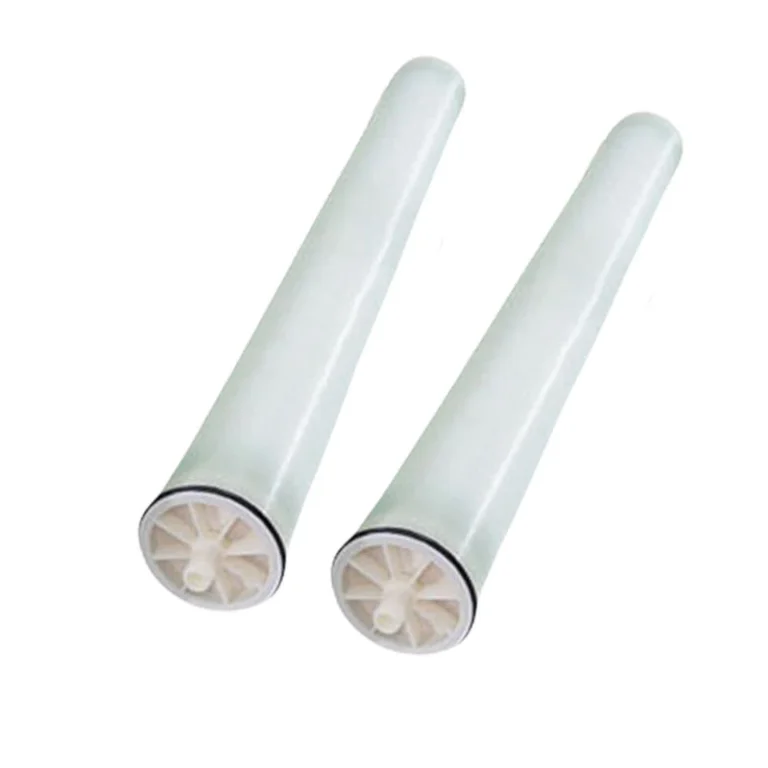
Extra Low Pressure ULP 4040 RO Membrane Element – 4 x 40 Inches for Low TDS Water
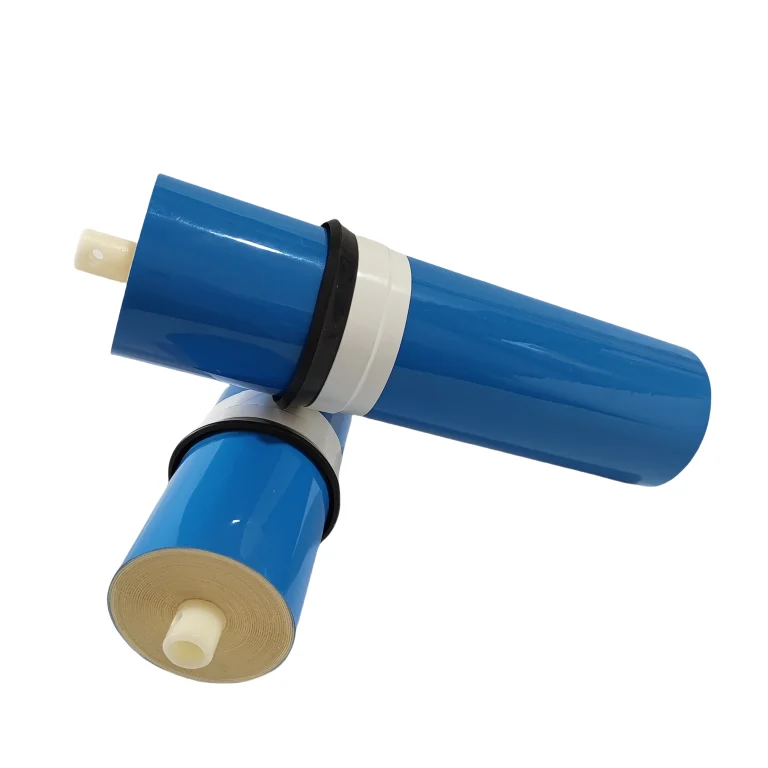
BasideWT Factory Price Water Filter Parts RO Membrane replacement 1812 75G for Home Purifier
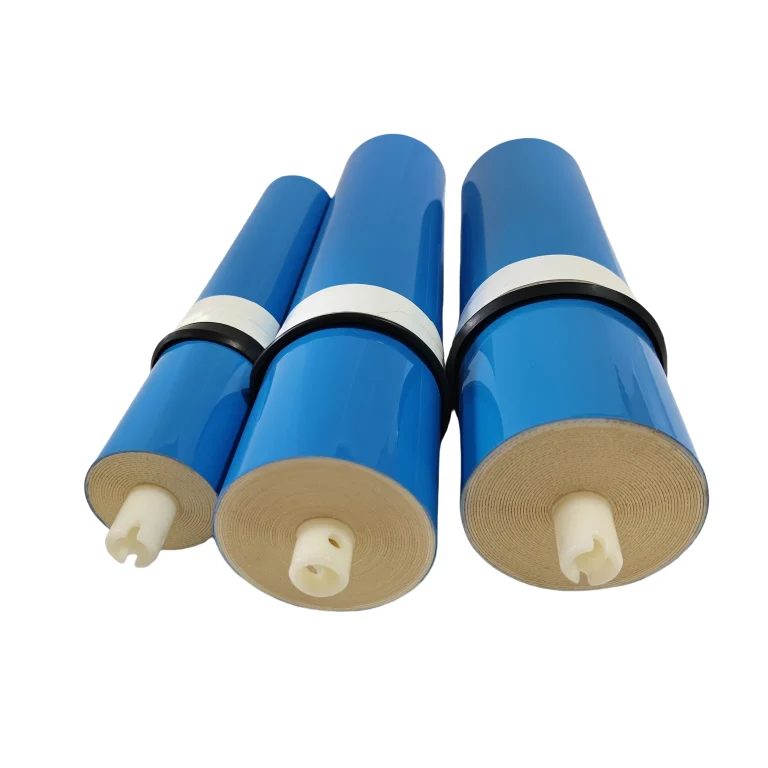
BasideWT | High Quality Reverse Osmosis RO Membrane for Under Sink Water Filter
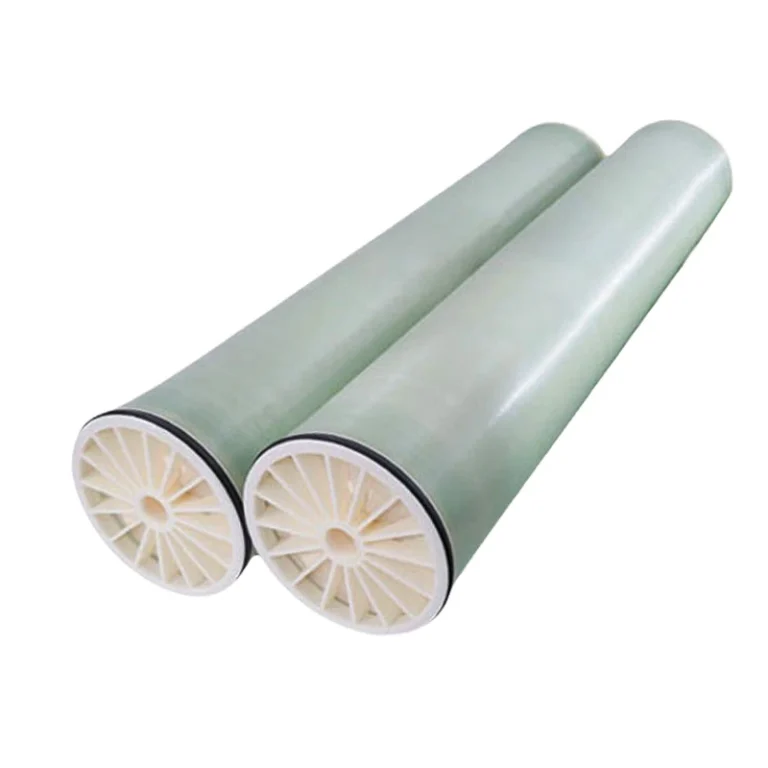
Water ULP Ultra Low Pressure Industrial 8040 Reverse Osmosis Membrane Element 8″ x 40″