BasideWT- Whole Home Water Filtration System & Replacement


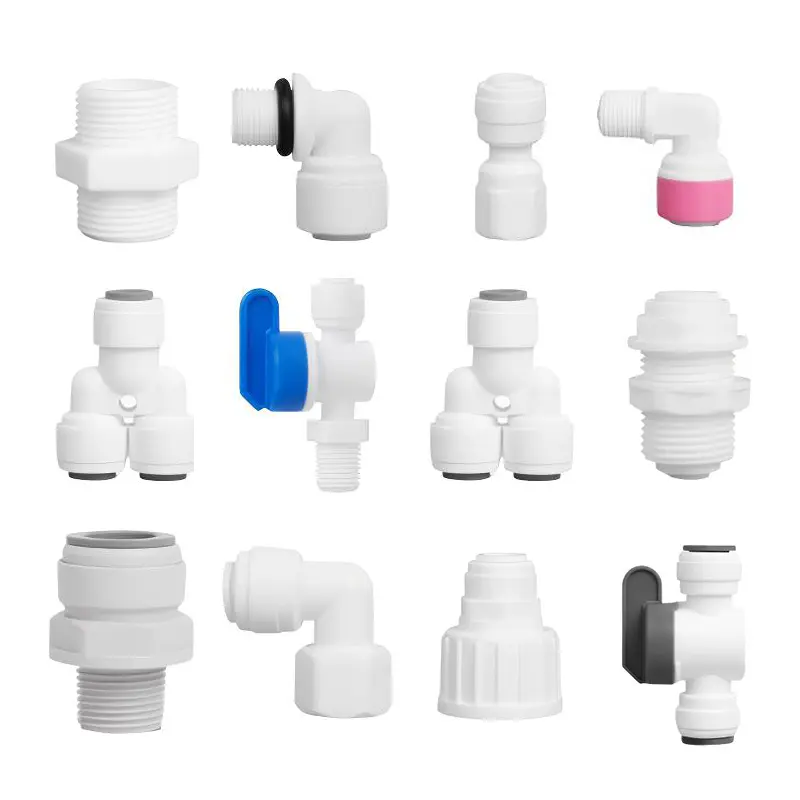
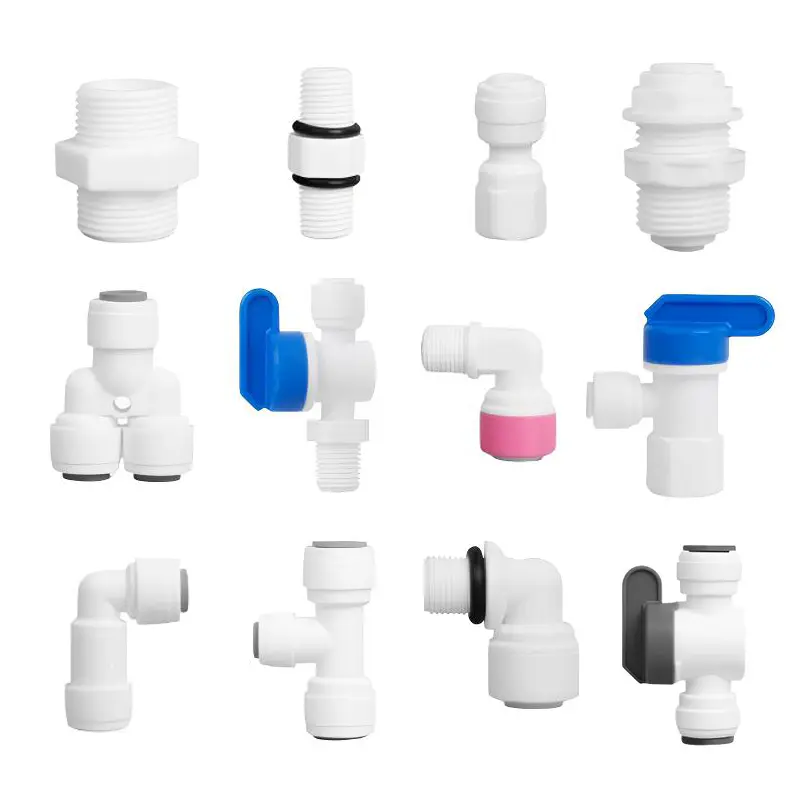
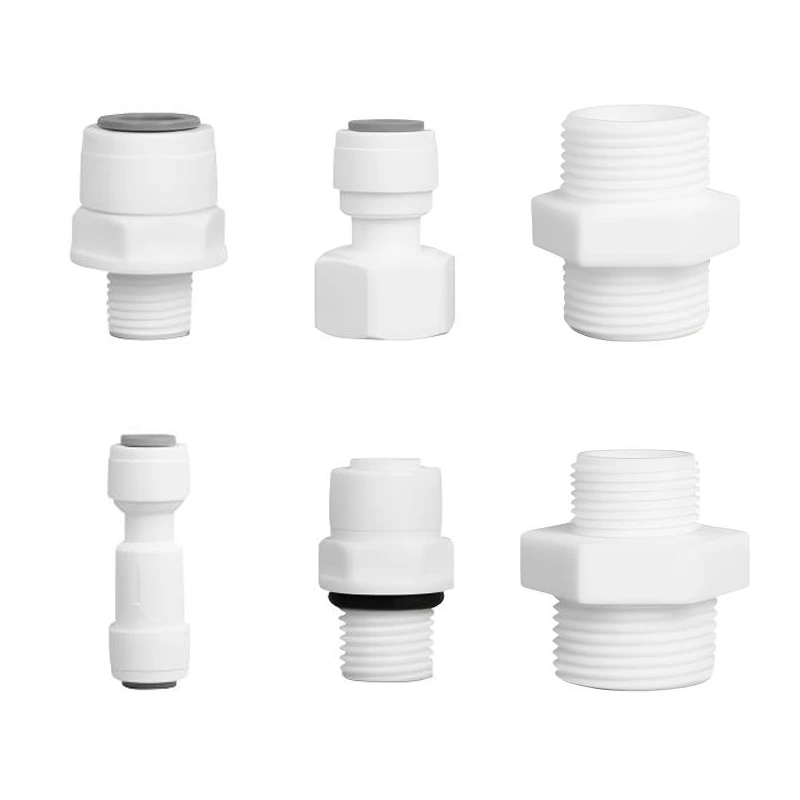
Water Connection Parts Water Filter Tube Fittings 1/4″ 3/8″ Quick Connect Fittings Push in Connector for RO System
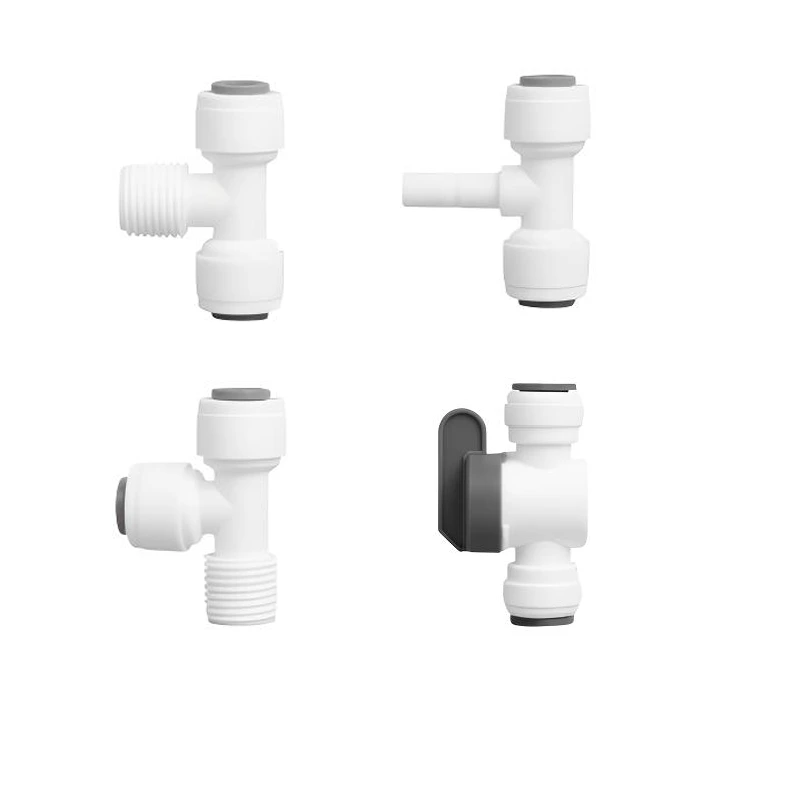
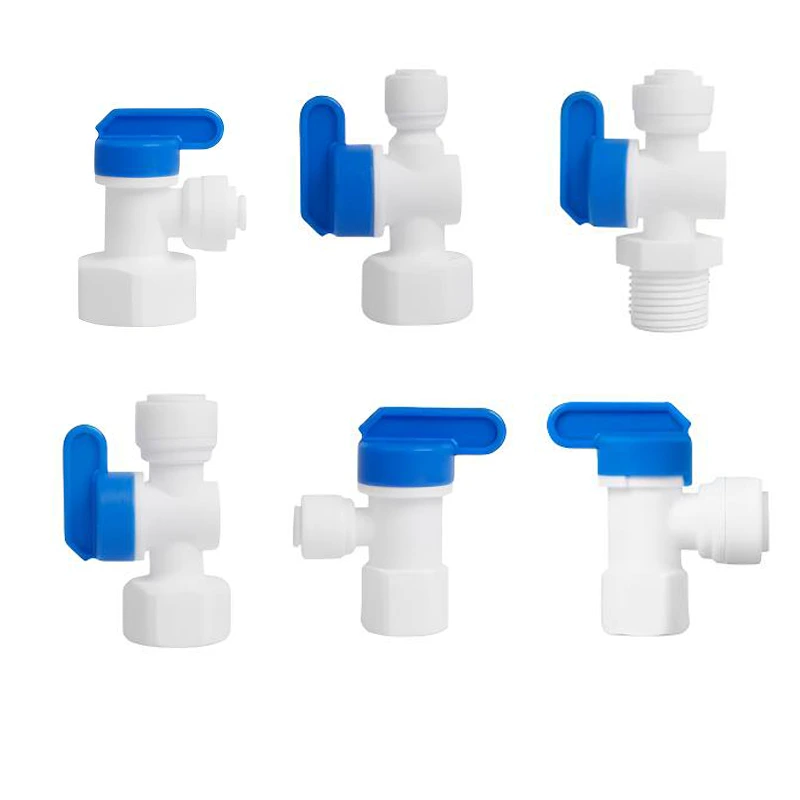
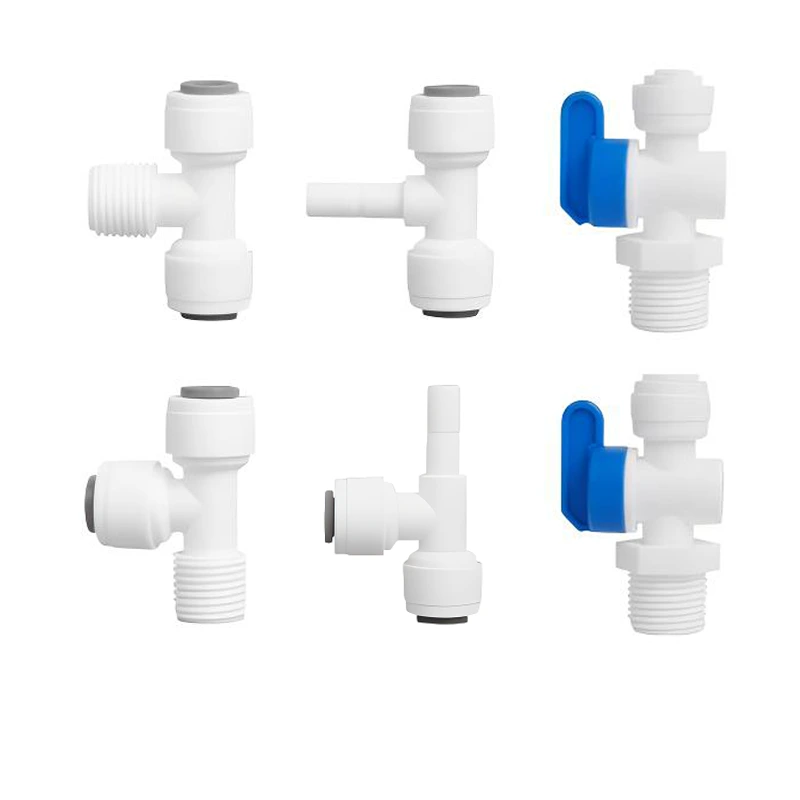
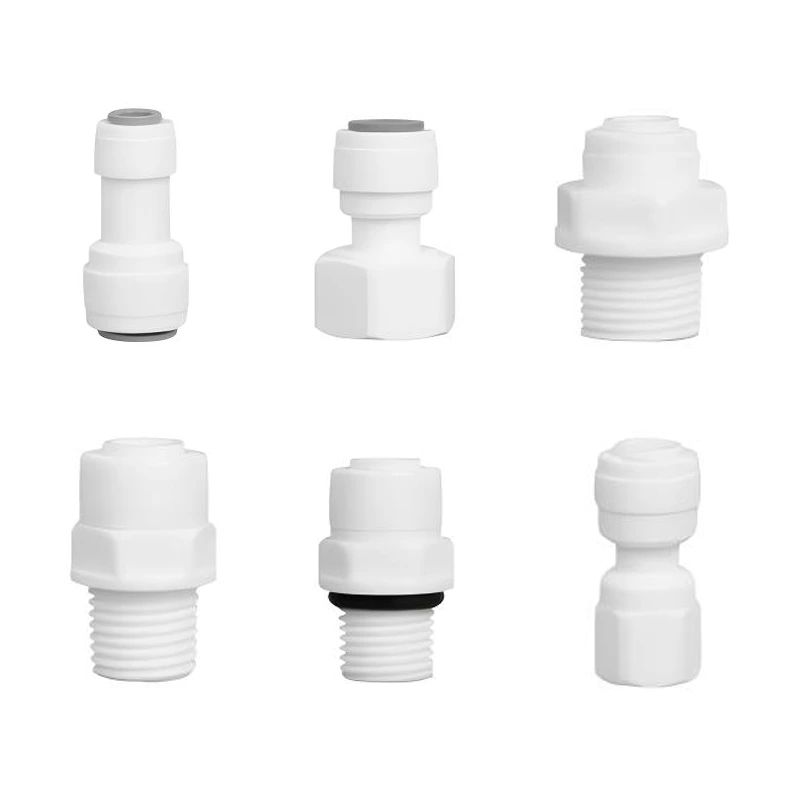
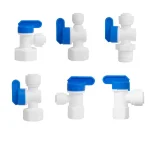
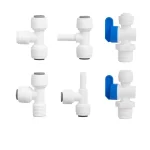
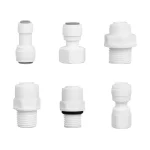
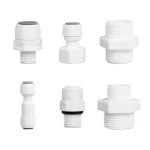
PRODUCT PARAMETERS
What is Quick Connect Fittings?
Our Union Elbow Connector is suitable for hot water (up to 150°F) and cold water (as low as 34°F). With push-fit technology, it facilitates a quick and tool-free hand connection and disconnection—eliminating the need for wrenches used with traditional threaded or flanged fittings–and can be disconnected repeatedly without damaging the fitting. This tee fitting is for connecting and branching three pipes in a RO water filter system, and it allows one exit line on the side. Fits all standard 3/8″ (35 mm) OD tubing including copper CPVC PEX, and PVC.
Quick Connect Fittings Key Features:
✅ Material: High quality polypropylene (PP) -Safe for water & food contact, no toxic and long life span under corrosion. Push-to-Connect Technology: No clamping, glue or tools required–simply push to connect the tubing for a quick and easy installation. Wide Use: Suitable for 1/4” / 3/8″ OD tubing, such as:
Polyethylene (PE) tubing
Copper tubing
CPVC, PEX, PVC pipes
RO/DI, Refrigerators, under the sink filters
✅ Reusable & Sturdy: Can be detached and reconnected several times without the strains of wear.
✅ Locking Clips (Optional): added security on high pressure applications.
Where to Use?
✔ RO/DI Water Systems (Reverse Osmosis & Deionization),Refrigerator Ice Maker Lines,Under-Sink Water Filters,Coffee Machines & Beverage Dispensers,Drip Irrigation & Plumbing Systems
Why Choose Quick Connect Fittings for Your RO System?
Traditional plumbing methods often require extra tools, time, and technical skill. Quick Connect Fittings, however, allow you to join tubing securely in seconds. Just insert the tube—it locks automatically. BasideWT’s fittings are engineered to work with multiple tubing materials, including polyethylene, PVC, and polyurethane. Therefore, whether you’re a DIY enthusiast or a professional installer, these fittings help you save effort while maintaining a clean, professional setup.
Technical Breakdown: How Push-in Fittings Work
You might wonder, what makes push-in connectors so reliable? The secret lies in the internal sealing mechanism. When a tube is inserted, an O-ring creates an immediate seal while a gripper locks the tube in place. This design ensures no leaks, even under varying water pressure. Specifically, BasideWT’s fittings are tested up to 150°F and are compatible with standard RO tubing diameters. So, whether you’re branching lines or extending your system, installation stays simple and tool-free.
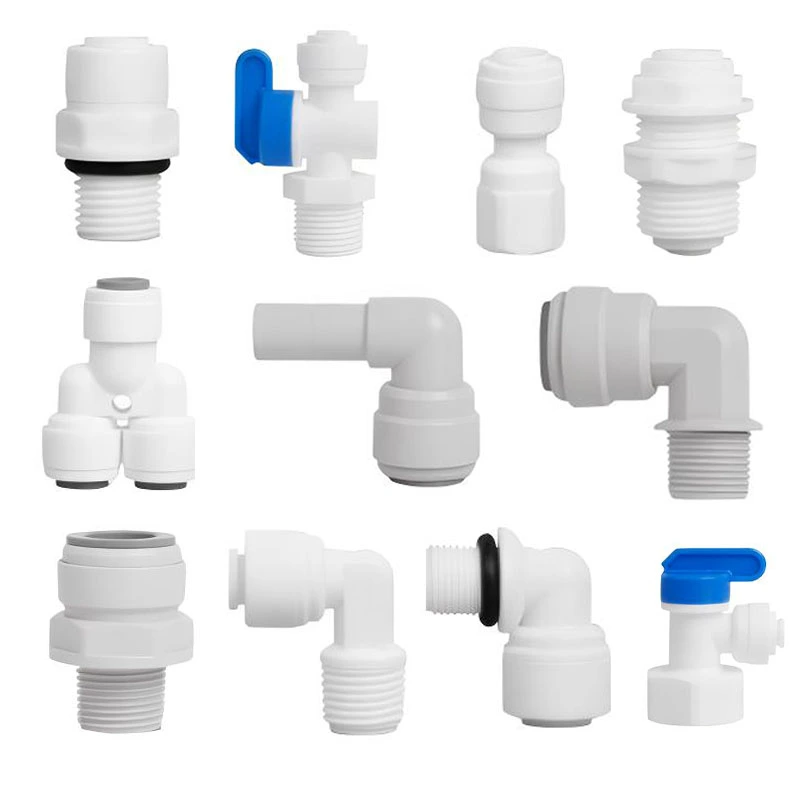
Common Applications in RO Water Filtration
RO systems often require multiple connection points, from the inlet to several filter stages and finally to the faucet. BasideWT’s fittings are ideal for creating these junctions neatly. They can link pre-filters, membrane housings, and post-filter tubing efficiently. Moreover, because they’re easy to disconnect, maintenance and filter changes become much quicker tasks.
How to Install? (Quick Connect Fittings)
Cut the Tubing Square: No crimpings or bending of the tubing.
Push to Connect: 1/4 -3/8 inch tubing fully inserted until it bottoms out.
Easy to Disconnect: Push the outer ring in - Out (11) the tube.
⚠ Pro Tip: If there is a leak, see if it is due to the following:
Crooked or incomplete tube insertion
Damaged or uneven tubing ends
FAQs
How do I know which system is right for my home?
How to Measure Your Home’s Water Flow Rate?
How do I troubleshoot low water pressure from my system?

What contaminants does your water treatment system remove?
What’s the difference between UV, RO, and activated carbon filtration?
REQUEST A QUOTE
RELATED PRODUCTS

FRP Water Storage Tanks for Industrial & Commercial | Custom-Made
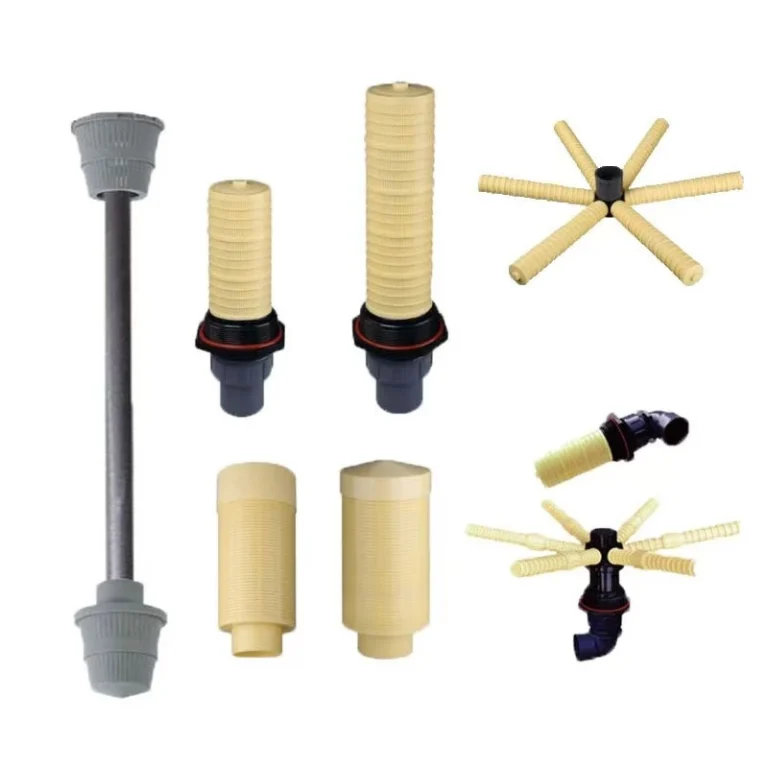
Top and Bottom Water Treatment Water Distributor for FRP Tank
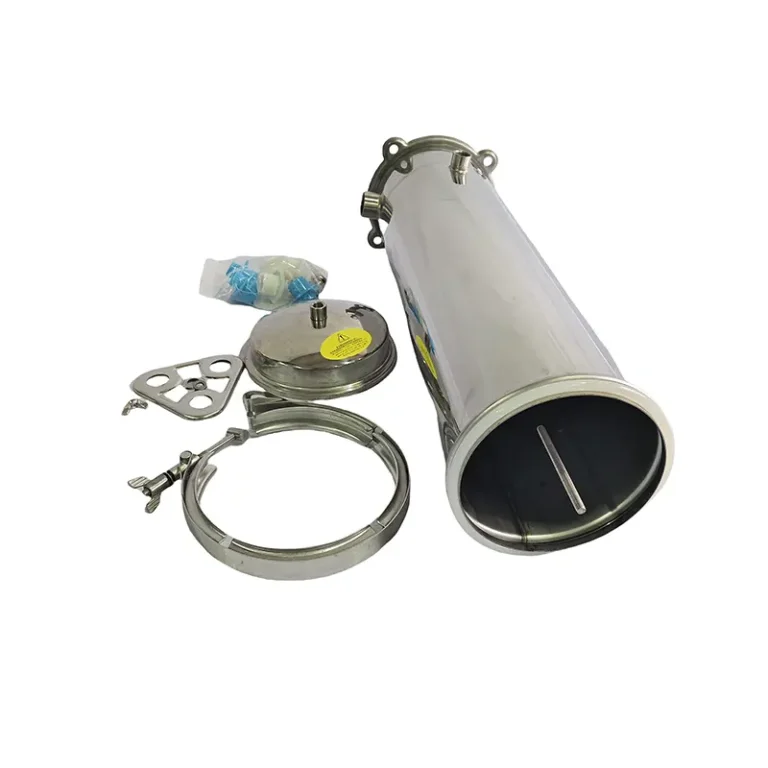
304 Stainless Steel Bag Filter Housing | Size 1 & 2 PP Sock Filter for Liquid Filtration
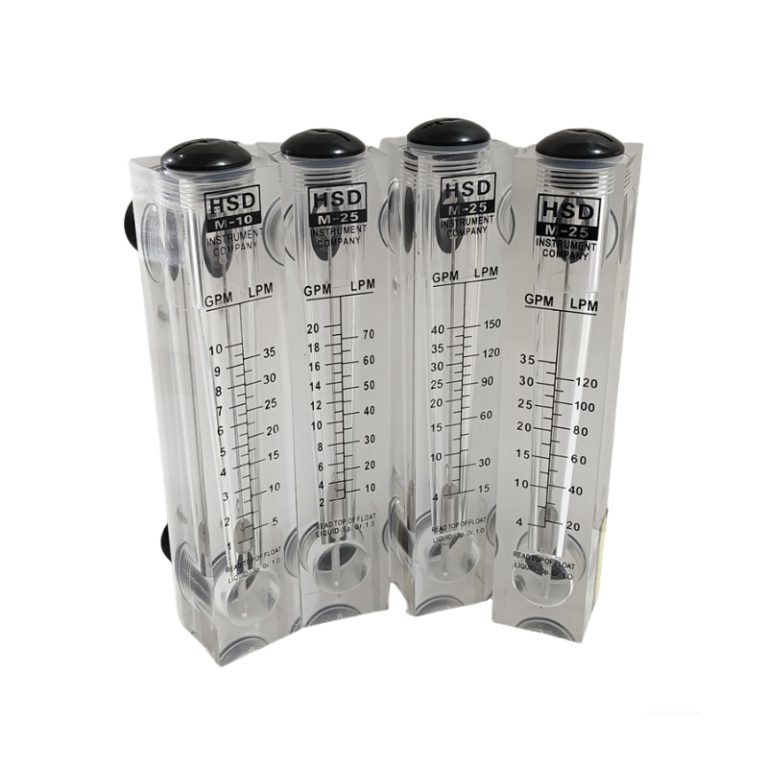
High Precision Solenoid Valve Liquid Flow Meter Water Flow Meter Panel Type Flowmeter
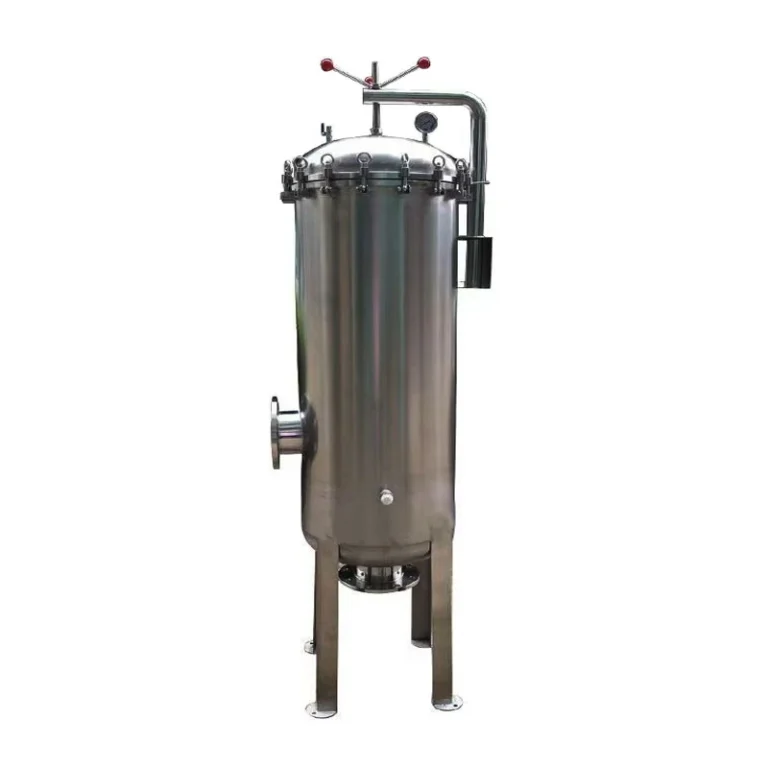
High Flow Cartridge Filter Housing | BasideWT Manufacturer