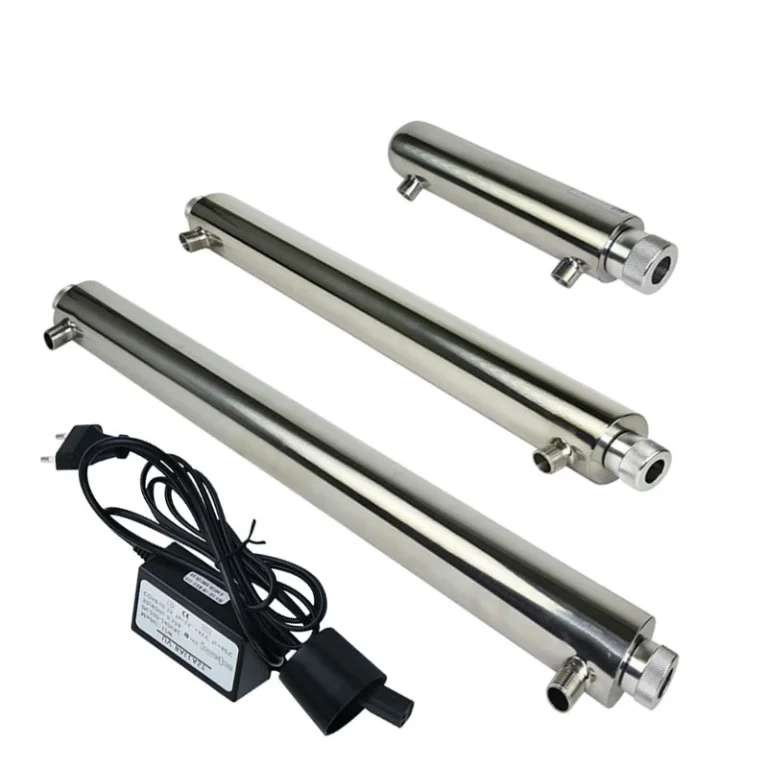
BasideWT- Whole Home Water Filtration System & Replacement


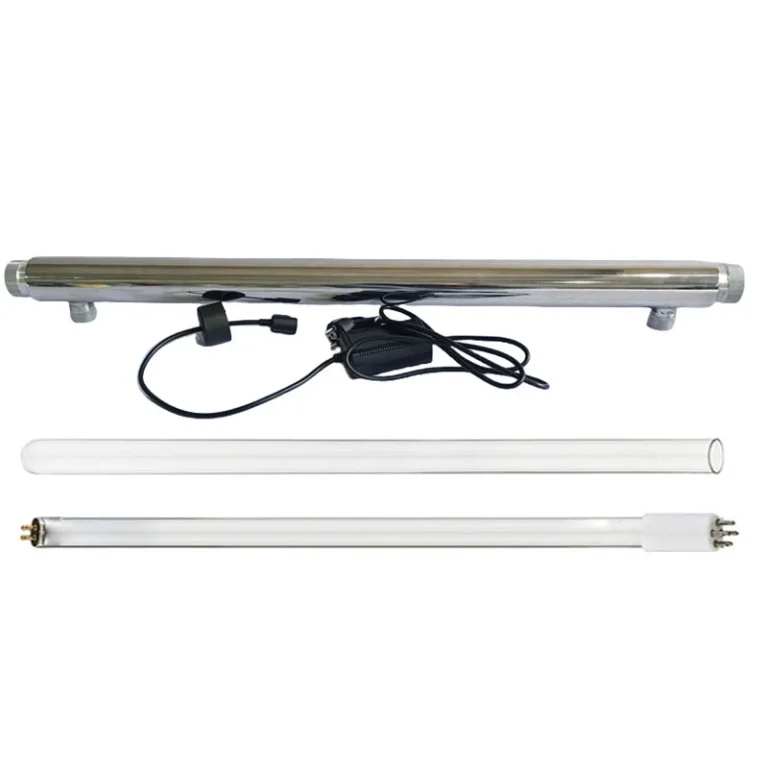
UV Light Water Sterilizer|Industrial UV System for Water Purifiers


PRODUCT PARAMETERS
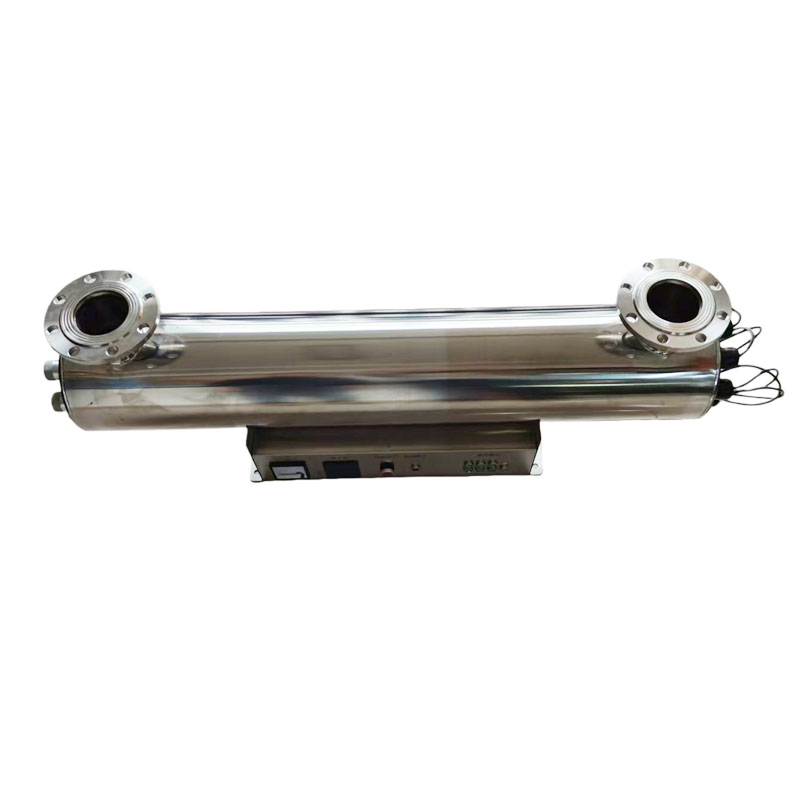
In the world of industrial water purification, where ensuring consistent and chemical-free disinfection is paramount, a reliable UV Light Water Sterilizer is an indispensable component. Engineered to meet this critical need, systems like the BasideWT Industrial UV System offer a robust and efficient barrier against harmful microorganisms. Unlike traditional methods, it provides immediate treatment without altering the water’s chemistry, making it a cornerstone of modern water safety.
How Does UV Technology Achieve Sterilization?
The core mechanism is elegantly simple yet profoundly effective. The system utilizes short-wavelength ultraviolet (UV-C) light. This light penetrates the cell walls of bacteria, viruses, and protozoa. Upon absorption, it damages their genetic material (DNA/RNA), rendering them incapable of reproducing and causing infection. Therefore, the water exiting the system is microbiologically safe.
UV Light Water Sterilizer Key Advantages
Why choose ultraviolet disinfection? The benefits are compelling:
Zero Chemical Addition: The system adds no chlorine, ozone, or other chemicals, preventing byproducts and taste alteration.
Immediate Effect: The UV system inactivates pathogens in seconds as water flows past the lamp.
Low Operational Cost: After the initial investment, running costs are primarily for electricity and annual lamp replacement.
Environmentally Friendly: It creates no hazardous waste or chemical residues.
Compact & Scalable: Systems can be designed for a wide range of flow rates and integrated into existing setups.
Critical Application Scenarios for Industrial UV Systems
This technology is not a one-size-fits-all solution; it serves specific, high-stakes environments. For instance, it is crucial in the food and beverage industry to ensure process water safety. Furthermore, it protects downstream equipment in pharmaceutical manufacturing. However, it is vital to note that a UV light water sterilizer is primarily a disinfectant, not a filter. For optimal performance, pre-filter the water to reduce turbidity.This ensures the UV light can penetrate effectively.
UV Light Water Sterilizer Installation and Maintenance
A common misconception is that advanced systems are cumbersome to maintain. The BasideWT design counters this. Installation is straightforward, involving integration into the main water line. Routine maintenance is minimal, centering on annual UV lamp replacement and periodic quartz sleeve cleaning. Interestingly, modern systems like ours feature smart sensors that monitor UV intensity, providing real-time data on system performance and alerting operators when maintenance is due.
UV Light Water Sterilizer Highlights
- EASY MAINTENANCE: Features a digital running-hour timer with an audible alert for scheduled lamp replacement.
- Precision welding and rigorous testing ensure the UV chamber withstands 100,000 cycles at 1.04MPa water hammer pressure.
- RELIABLE PERFORMANCE: Equipped with a high-output UV lamp, tested to ensure consistent germicidal intensity throughout its entire service life.
- FAIL-SAFE OPERATION: Integrated controller triggers an immediate alarm in the event of a lamp failure.
KEY PERFORMANCE SPECIFICATIONS
- Validated UV Dose: 30 mJ/cm²
- Max. Operating Pressure: 0.8 MPa (116 psi)
- Water Temperature Range: 2°C to 40°C (36°F to 104°F)
- Required UV Transmittance (UVT): > 75%
WATER QUALITY REQUIREMENTS
To ensure optimal performance and disinfection efficacy, the feed water must meet the following criteria:
- Turbidity: < 1 NTU
- Iron (Fe): < 0.3 ppm (0.3 mg/L)
- Hardness: < 7 gpg (120 mg/L as CaCO₃)
FAQs
How do I know which system is right for my home?
How to Measure Your Home’s Water Flow Rate?
How do I troubleshoot low water pressure from my system?
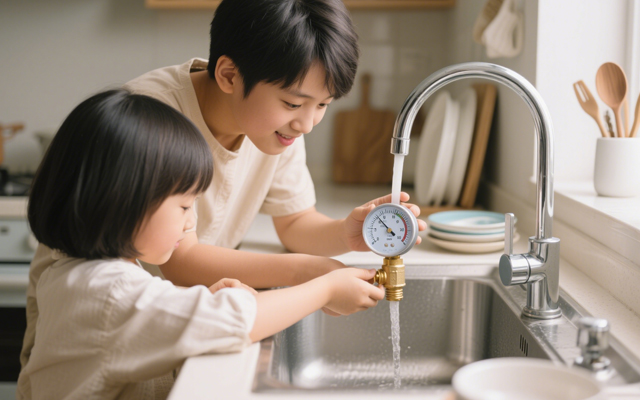
What contaminants does your water treatment system remove?
What’s the difference between UV, RO, and activated carbon filtration?
REQUEST A QUOTE
RELATED PRODUCTS
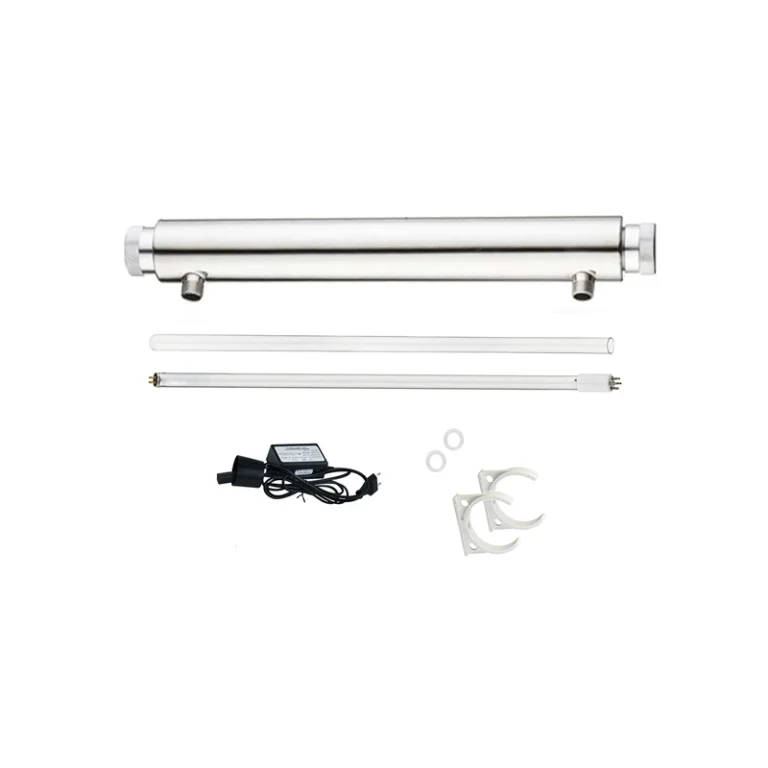
Ultraviolet Sterilizer BasideWT Light Stainless Steel Whole House UV System 2 GPM 0.4T/H
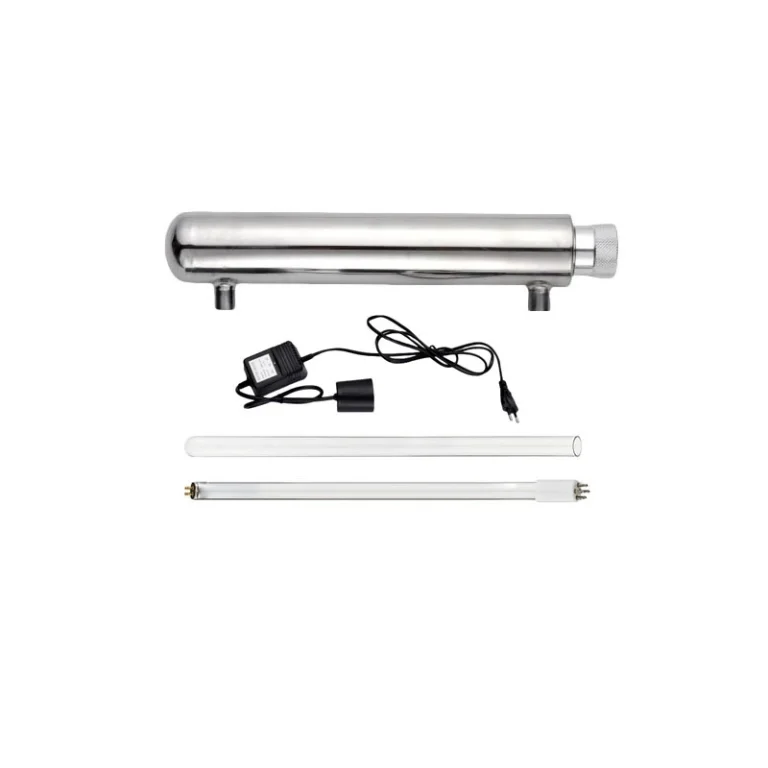
Ultraviolet Water Purifier 12W 1GPM UV Water Sterilizer | Whole House Well Water Disinfection
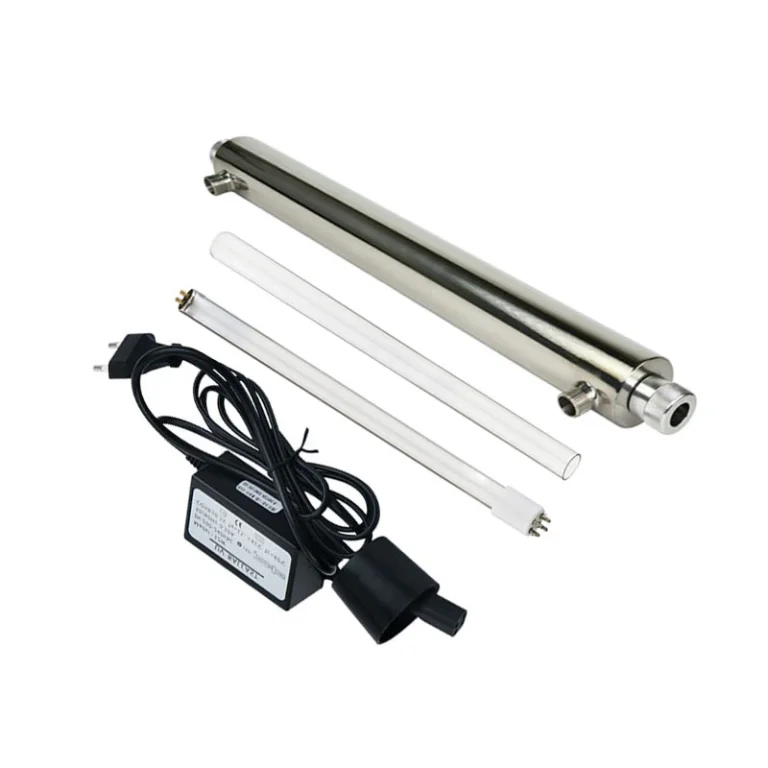
Ultraviolet 25 Watt Classic UV Sterilizer UV Quartz Sleeve Light PC-2
BasideWT 55W Ultraviolet Light UV Water Sterilizer Whole House 12gpm 55W UV Light System