BasideWT- Whole Home Water Filtration System & Replacement


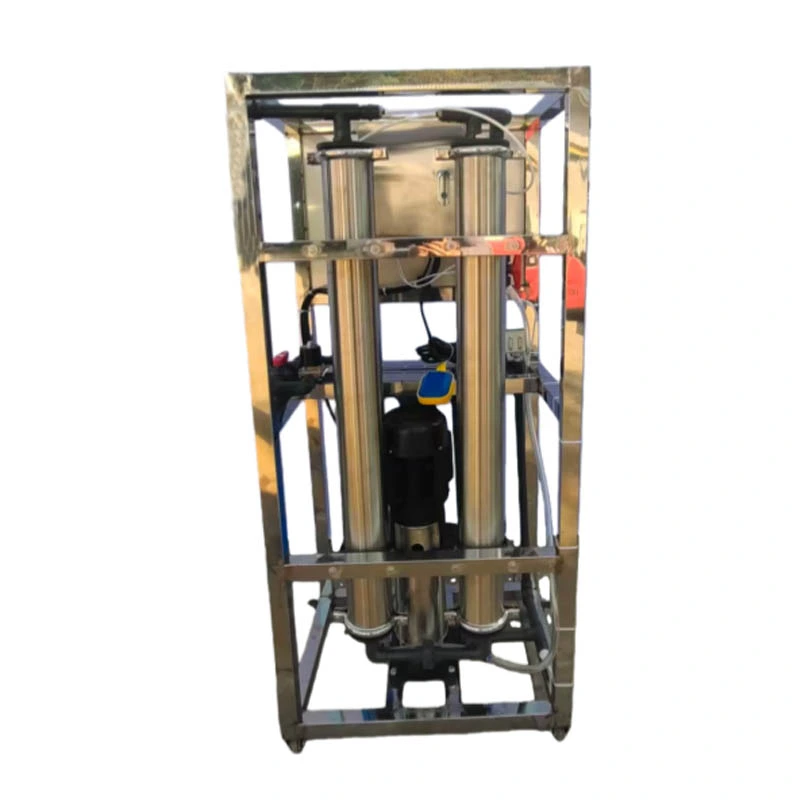
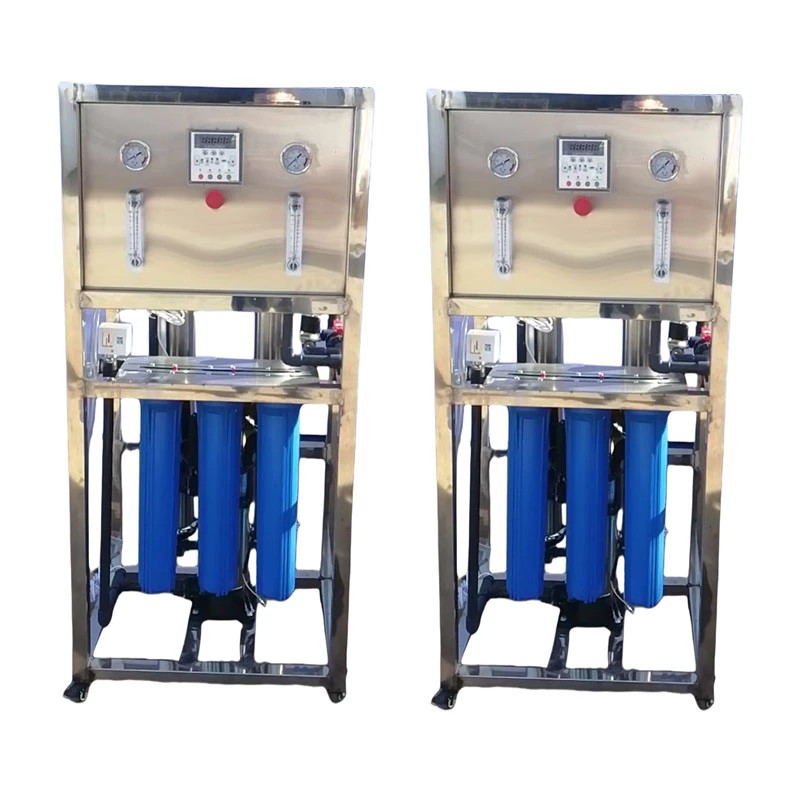
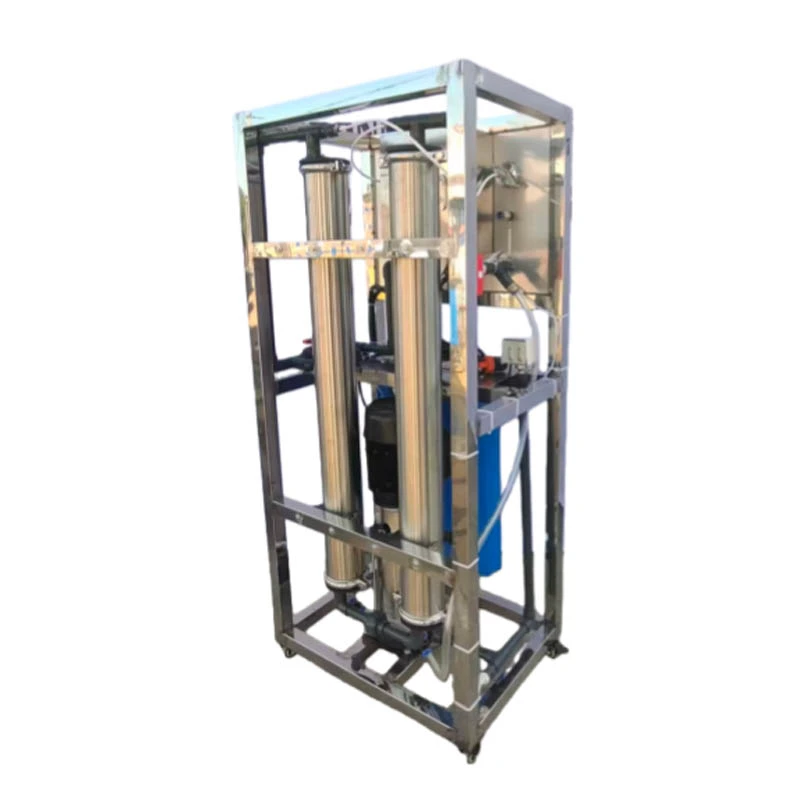
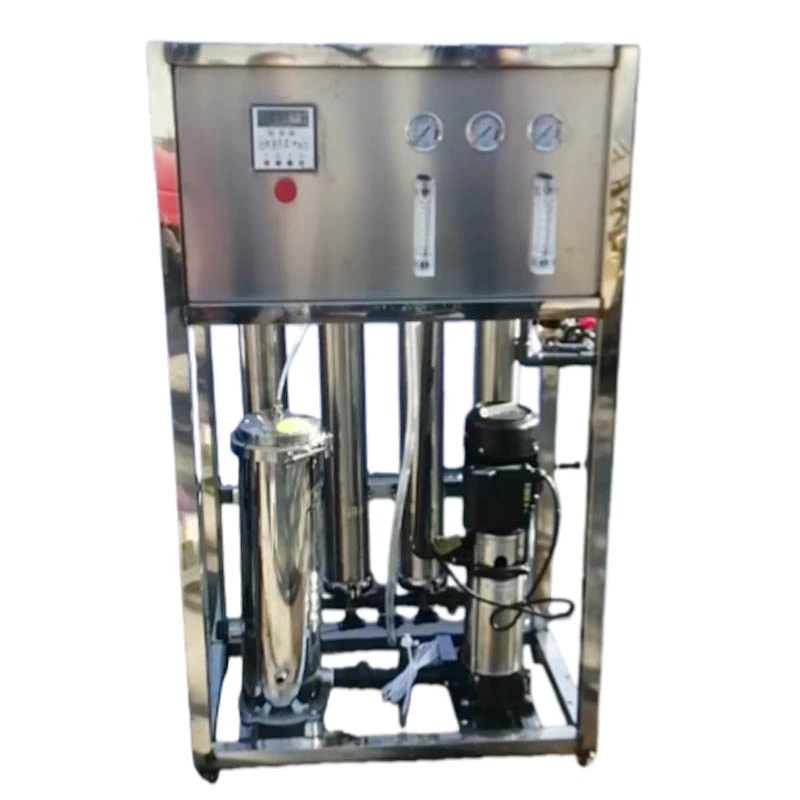
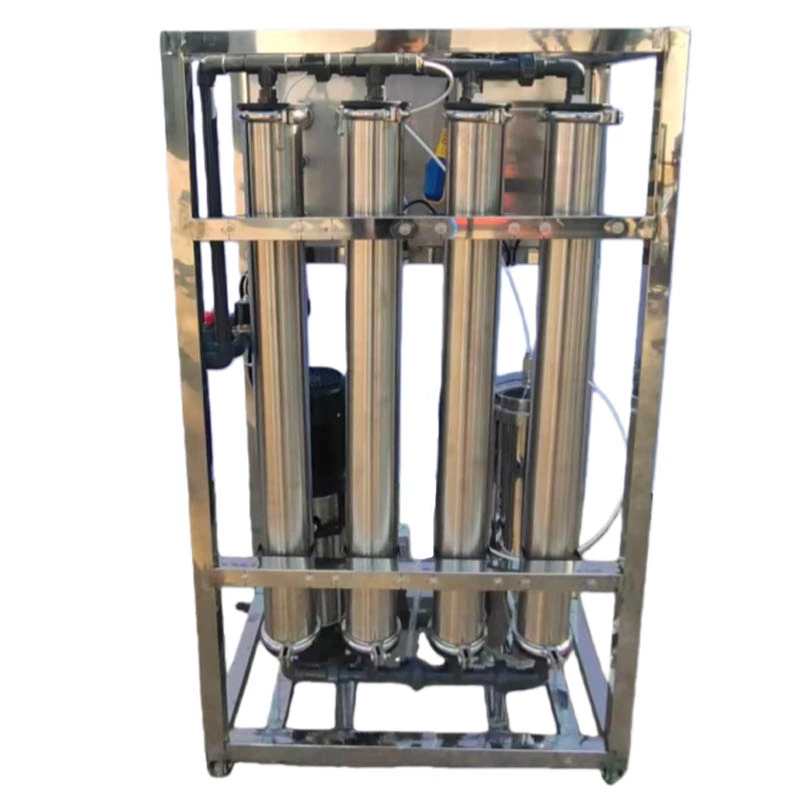
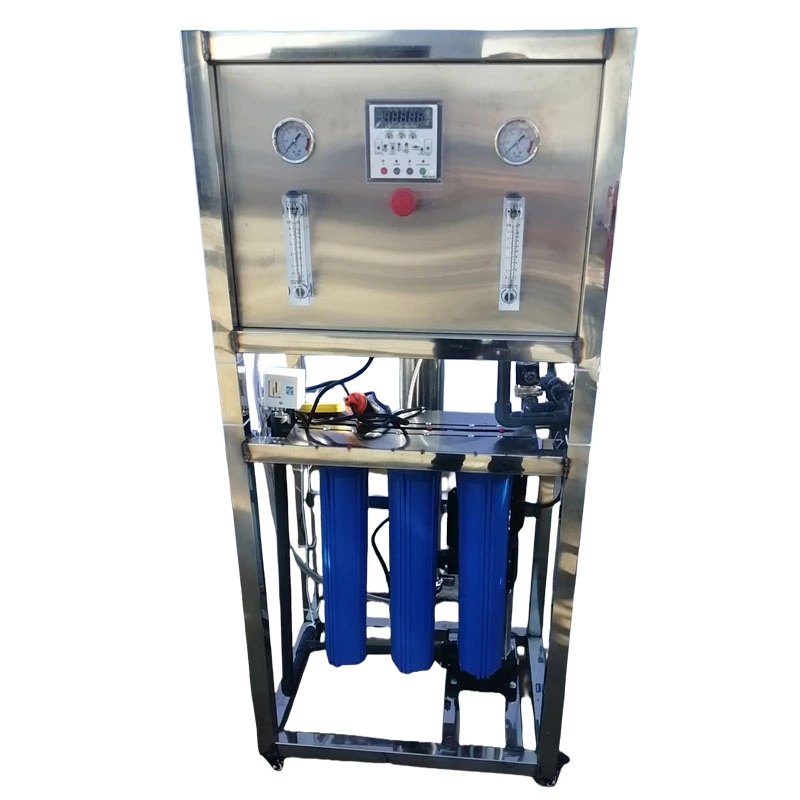
Whole-House Well Water Reverse Osmosis System
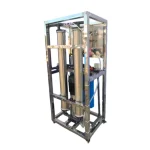
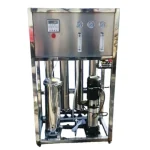
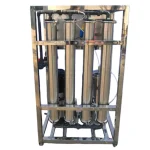
PRODUCT PARAMETERS
If you draw your own well water, ensuring its purity is an important safety measure. Well water reverse osmosis A well water reverse osmosis system provides an effective solution for removing contaminants from well water to provide great tasting, high quality drinking water. This superior filtration technology reduces;common contaminants;” some may not necessarily be in your water. So it’s a good investment in your health and well-being.
What Is a RO System for Well Water?
A Well Water Reverse Osmosis System is a treatment unit. It filters out contaminants with a semi-permeable membrane. Just imagine it as a very fine sieve that keeps impurities out. For instance, it removes sediments, minerals and chemicals from them. Curiously, this process itself uses the water pressure to expel water through the membrane. The end product: cleaner water for drinking and cooking.
Pros of using a RO system for well water
Why choose this system? The advantages are clear. (For one, it scrubs out nasty pollutants such as nitrates and heavy metals. Second, it makes water taste and smell better. Third, it lessens the effects of hard water. Indeed, A Well Water Reverse Osmosis System will prevent appliances from scaling over time. But please be aware that maintenance is required to keep the best pen out there working at its fullest potential.The end product: cleaner water for drinking and cooking.Reverse Osmosis System
If you draw your own well water, ensuring its purity is an important safety measure. Well water reverse osmosis A well water reverse osmosis system provides an effective solution for removing contaminants from well water to provide great tasting, high quality drinking water. This superior filtration technology reduces;common contaminants;” some may not necessarily be in your water. So it’s a good investment in your health and well-being.
What Is a RO System for Well Water?
A Well Water Reverse Osmosis System is a treatment unit. It filters out contaminants with a semi-permeable membrane. Just imagine it as a very fine sieve that keeps impurities out. For instance, it removes sediments, minerals and chemicals from them. Curiously, this process itself uses the water pressure to expel water through the membrane. The end product: cleaner water for drinking and cooking.
Pros of using a RO system for well water
Why choose this system? The advantages are clear. (For one, it scrubs out nasty pollutants such as nitrates and heavy metals. Second, it makes water taste and smell better. Third, it lessens the effects of hard water. Indeed, A Well Water Reverse Osmosis System will prevent appliances from scaling over time. But please be aware that maintenance is required to keep the best pen out there working at its fullest potential. But most of all, it results in safer, higher quality water.
How Does Reverse Osmosis for Well Water Process?
Let’s break down the process. There are generally pre-filters, a membrane and post-filter to such a system. Water passes through multiple stages. Perversely, it does throw water away to clear the contaminants. But the result is highly purified water. For example, it removes up to 99% of dissolved solids. So it is comprehensive and reliable.
Type of Impurities Removed by this System
Well water is very often impure. Lots of us are the focus of a Water Reverse Osmosis System. These can range from sediments, chlorine and pesticides. It also filters out heavy metals such as lead. For instance amount of arsenic and fluoride is reduced. But it may not kill all the bacteria that have been present. So, team it with disinfection if necessary. Ultimately, it provides comprehensive purification.
FAQs
How do I know which system is right for my home?
How to Measure Your Home’s Water Flow Rate?
How do I troubleshoot low water pressure from my system?

What contaminants does your water treatment system remove?
What’s the difference between UV, RO, and activated carbon filtration?
REQUEST A QUOTE
RELATED PRODUCTS
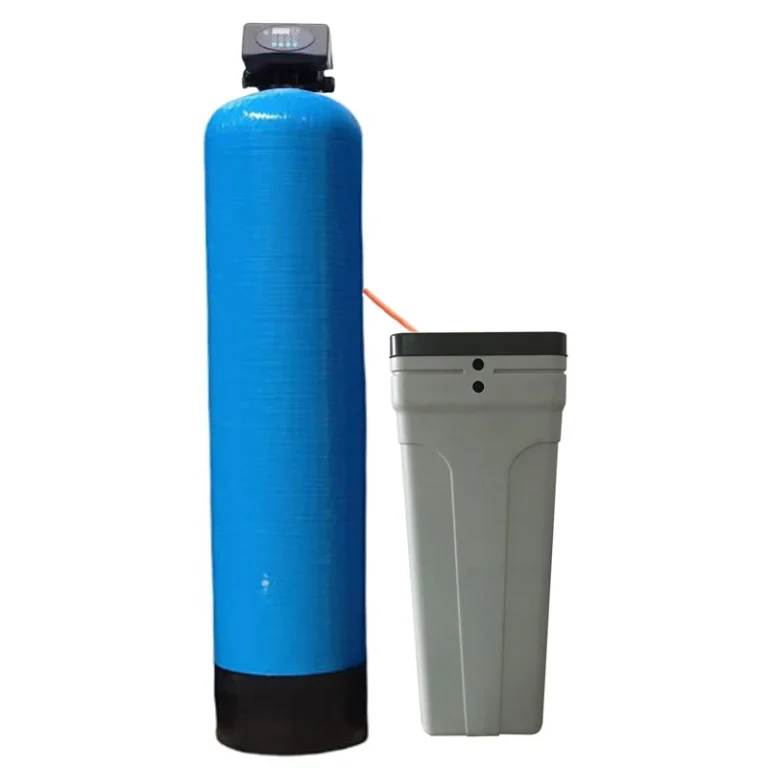
Single Column Water Softener for Iron & Hardness | Best Whole House Hard Water Filtration System
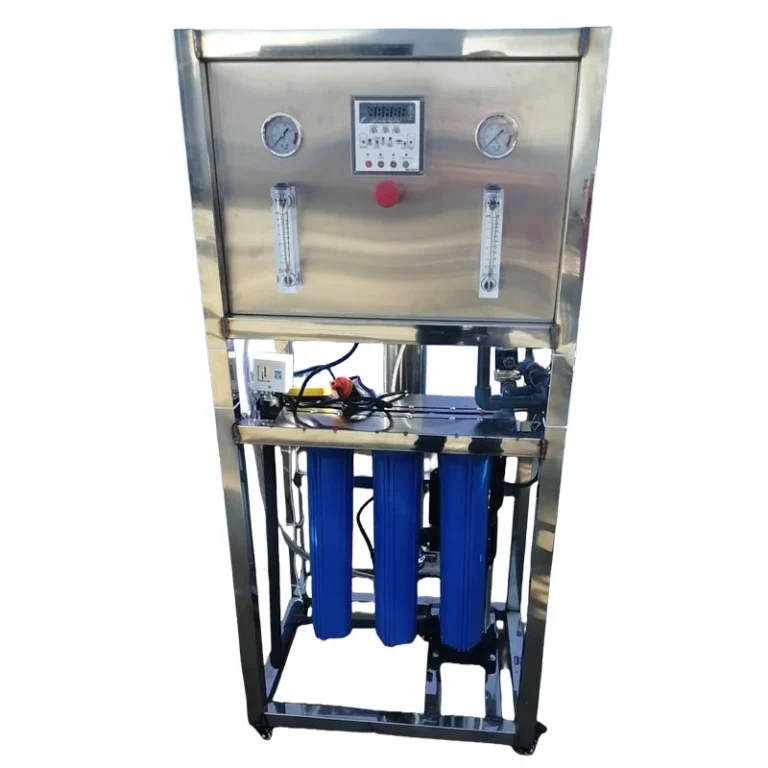
Mini Commercial RO System 250L/H | Chinese Manufacturer BasideWT
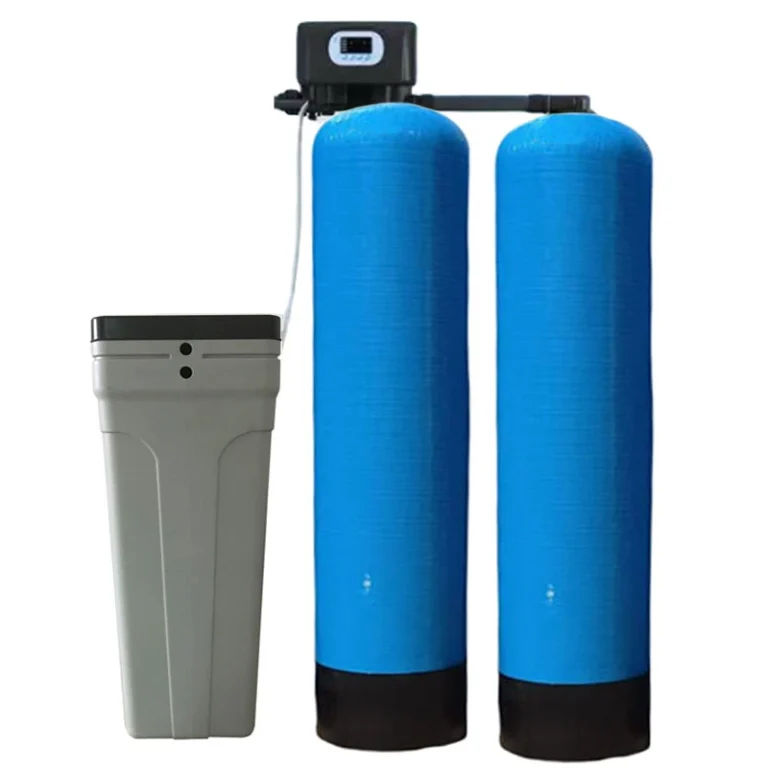
Dual-Tank Continuous Water Softening System: The Ultimate Iron Filter Solution for Well Water
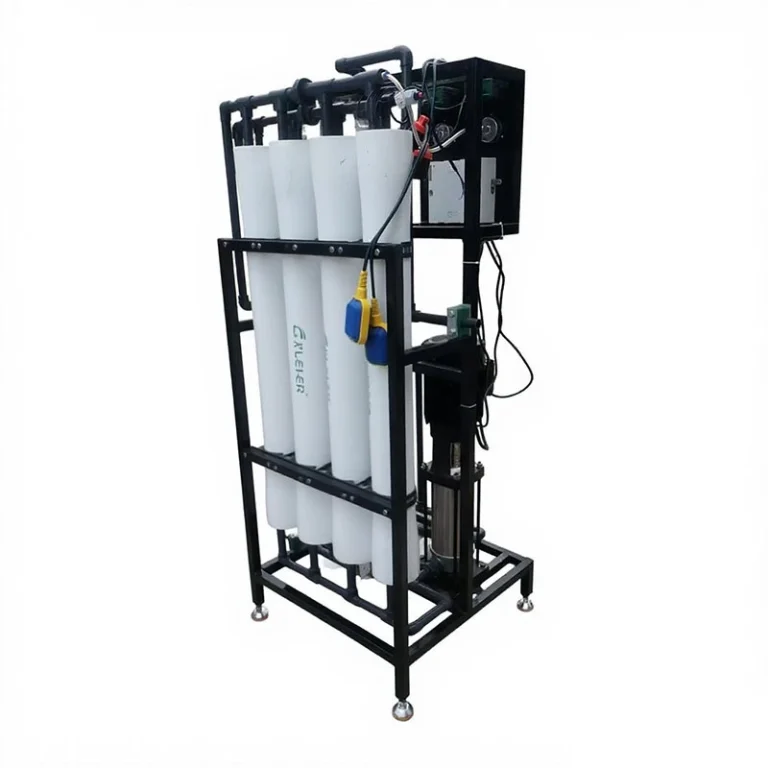
Industrial Commercial 1000L RO System Water Purifier Machine RO Water System Treatment Plant 1000 LPH With Pump PLC

1500L/H Seawater Desalination Equipment Boat Watermaker Salt Water to Drinking Water System
