BasideWT- Whole Home Water Filtration System & Replacement

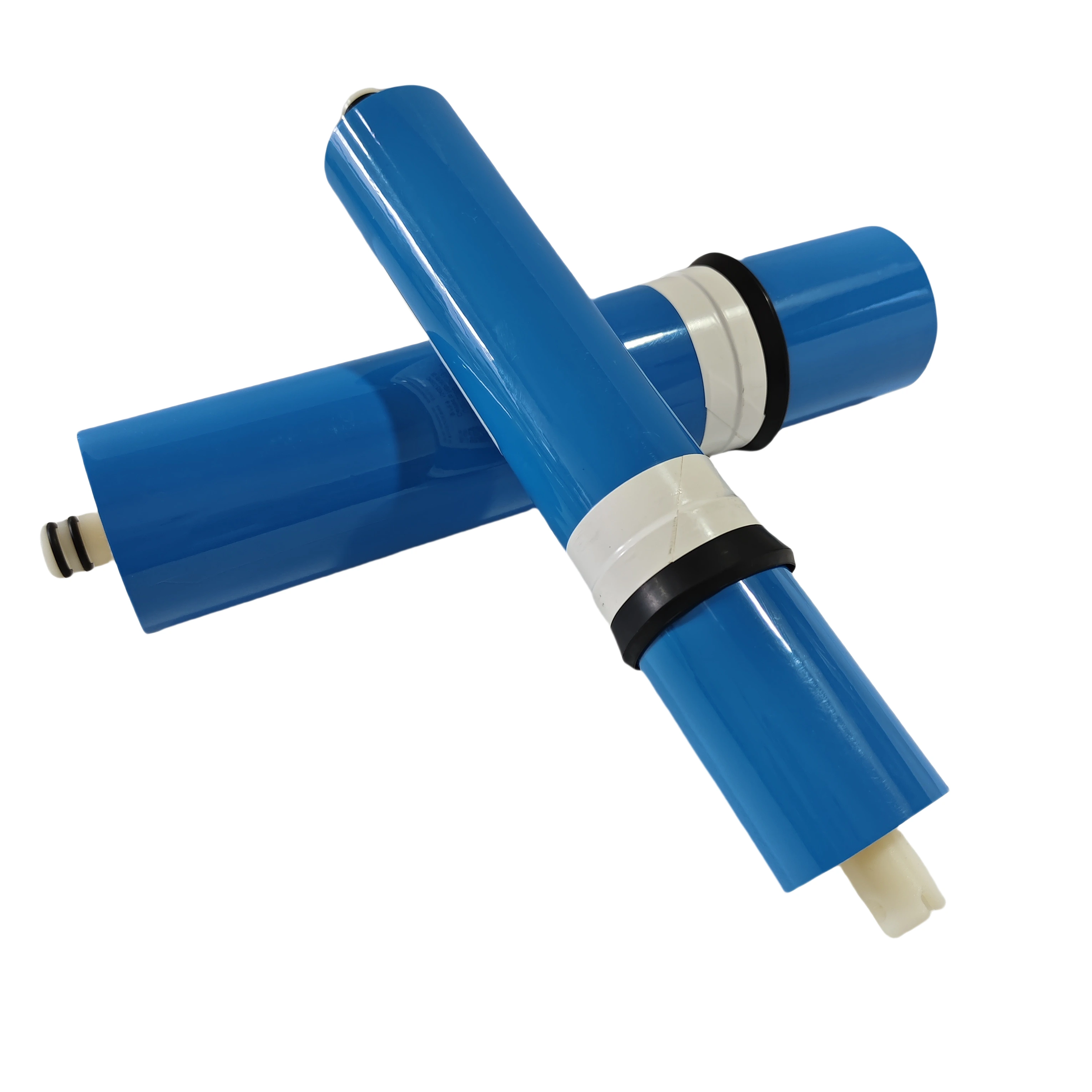
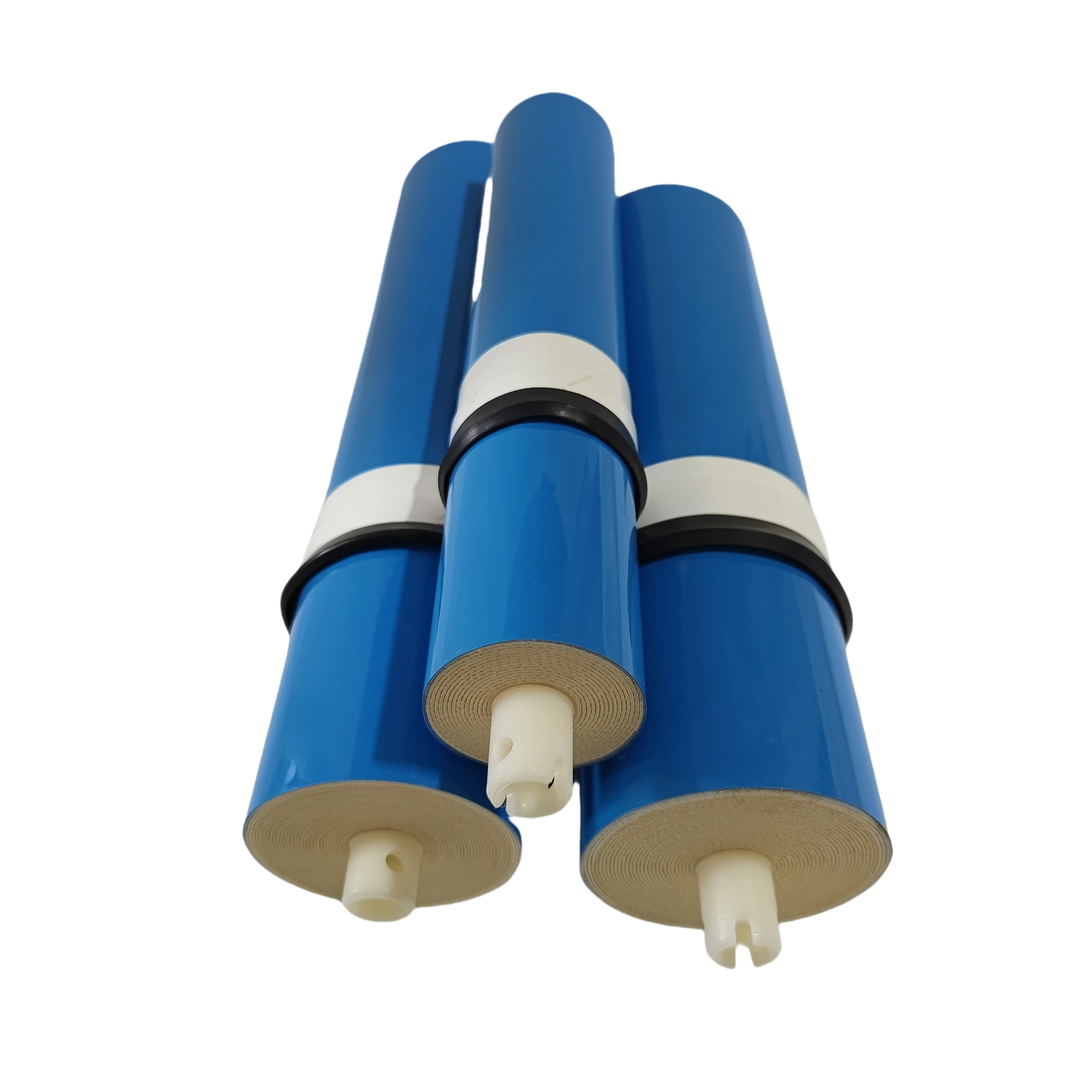
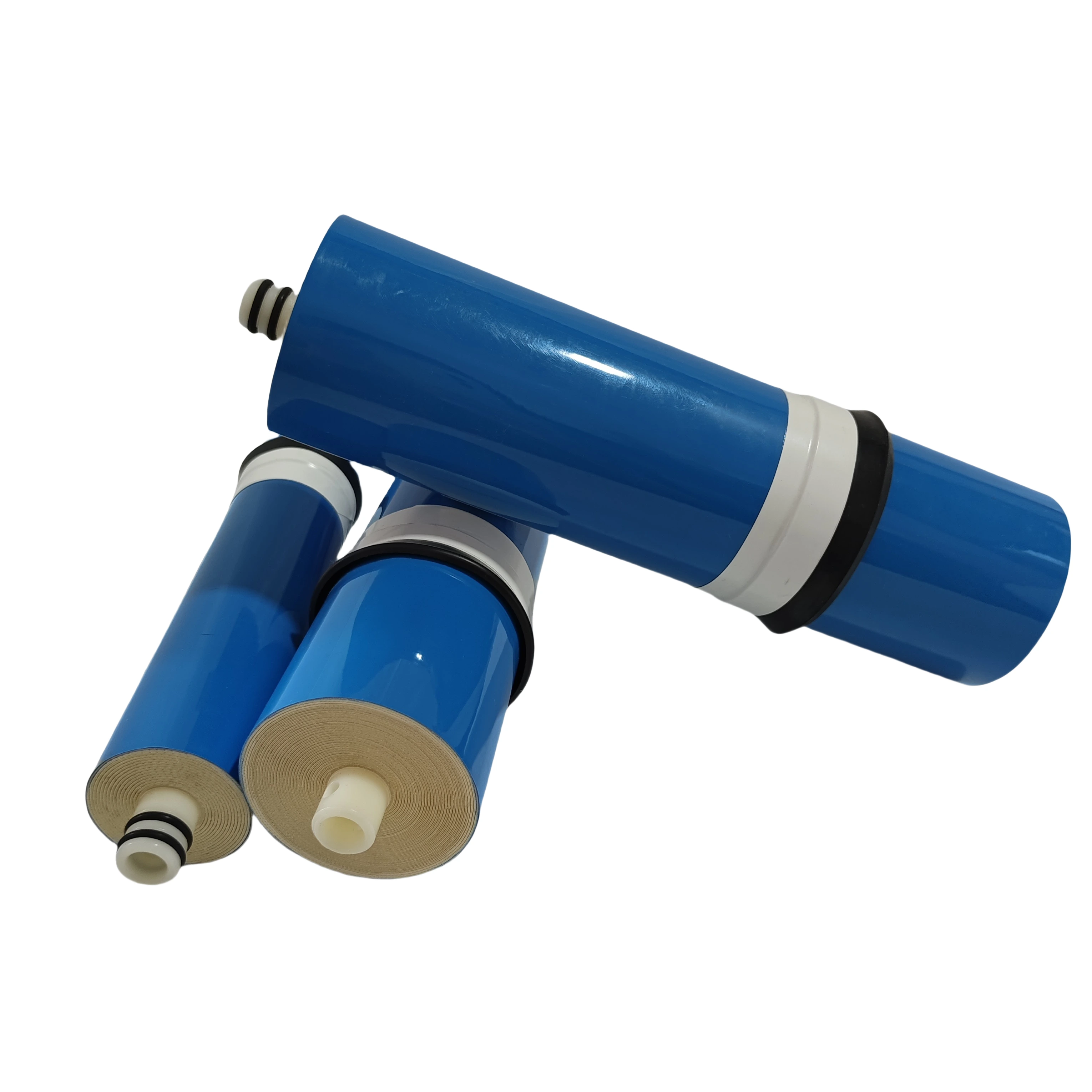
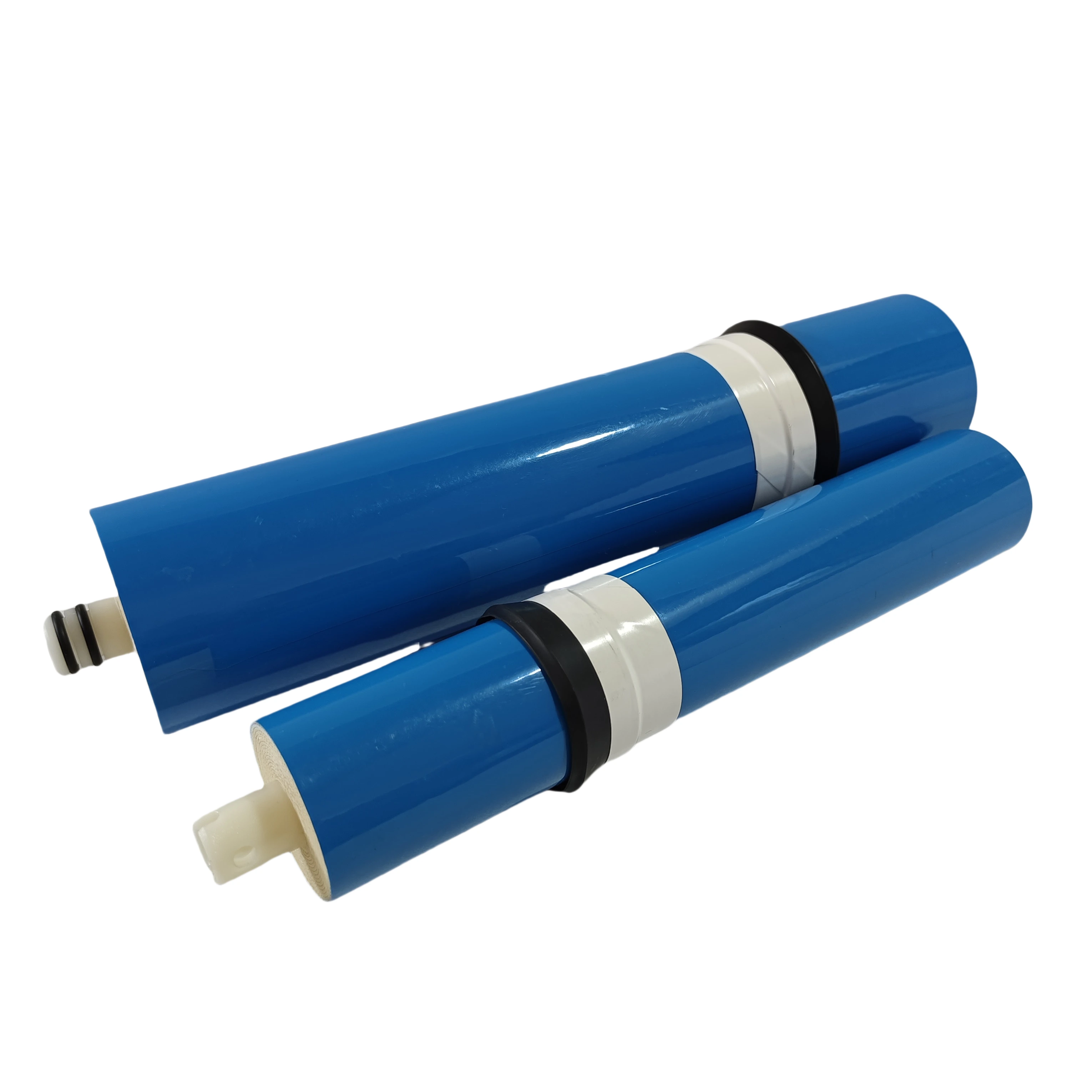
BasideWT | High Quality Reverse Osmosis RO Membrane for Under Sink Water Filter
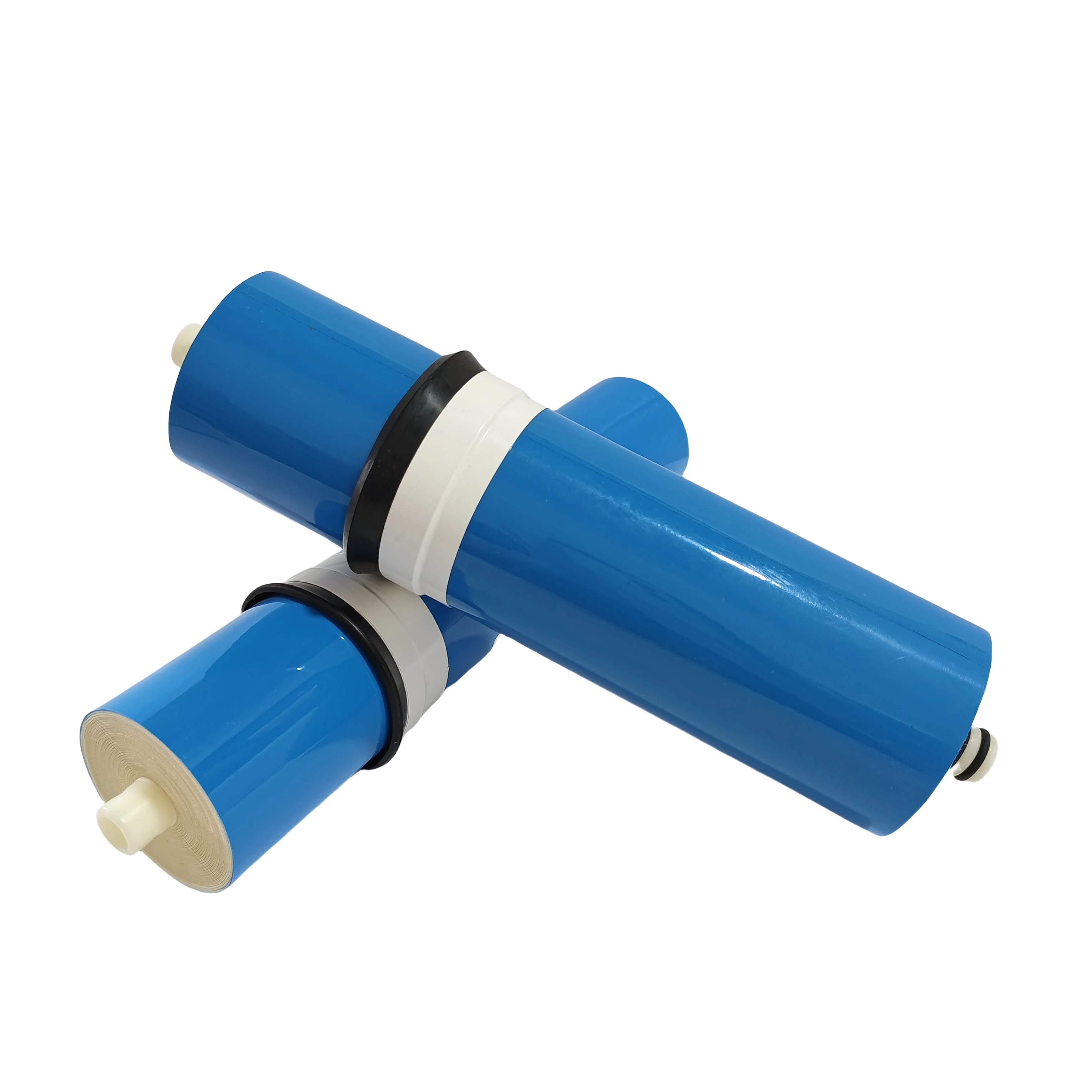
PRODUCT PARAMETERS
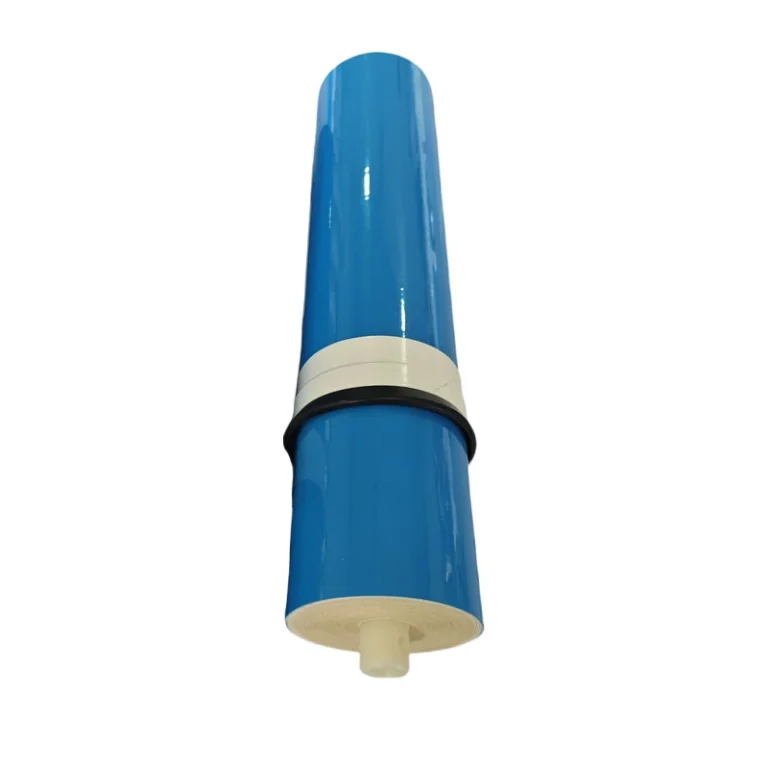
BasideWT Home Reverse Osmosis (RO) Membrane Elements
As a distinguished choice in the global water treatment field, BasideWT Home Reverse Osmosis (RO) Membrane Elements set industry benchmarks with their cutting-edge performance. With hundreds of thousands of membrane elements operating stably in water purification systems worldwide, they have earned a reputation for delivering consistent, superior quality—making them the trusted choice for RO systems in residential and office environments.
Reverse Osmosis RO Membrane Key Advantages
- Precision Filtration Performance: Constructed with tap water-grade TFC (Thin Film Composite) membrane material, these elements precisely intercept harmful substances such as bacteria, viruses, heavy metals, and organic compounds, ensuring pure and safe water quality.
- Standardized Compatibility: Designed to perfectly fit standard filter housings of residential RO systems, they offer plug-and-play convenience for point-of-use (POU) direct drinking water scenarios, providing efficient purification solutions for household drinking water.
- End-to-End Quality Assurance: Manufactured in a China-based ISO 9001:2015 certified facility, every membrane element undergoes 100% performance testing. From material R&D to final production, every process is strictly controlled to ensure long-term stable operation.
Why Your Water Filter Needs a Premium Reverse Osmosis Membrane
Clean drinking water isn’t just about taste—it’s about safety. A Reverse Osmosis RO Membrane is the core of any under-sink filtration system, removing up to 99% of contaminants like lead, chlorine, and bacteria (EPA, 2023). But not all membranes are created equal.
Our team tested multiple brands in 2025 and found that cheap membranes fail 50% faster due to poor-quality materials. *Fun fact: A high-quality membrane can last 2-3 years with proper care!
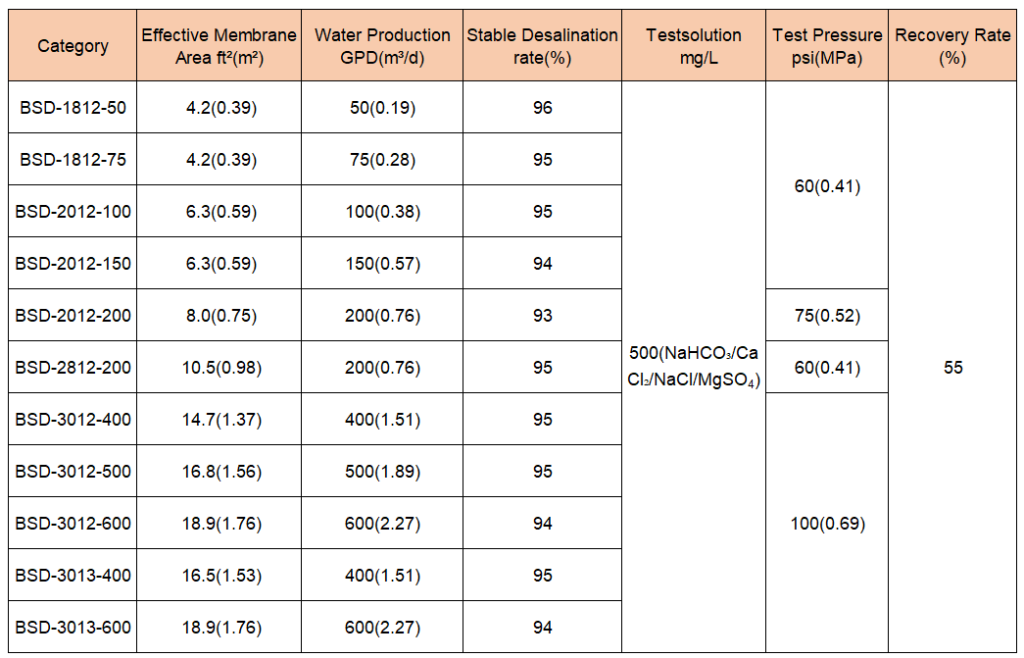
Ro Membrane performance parameters
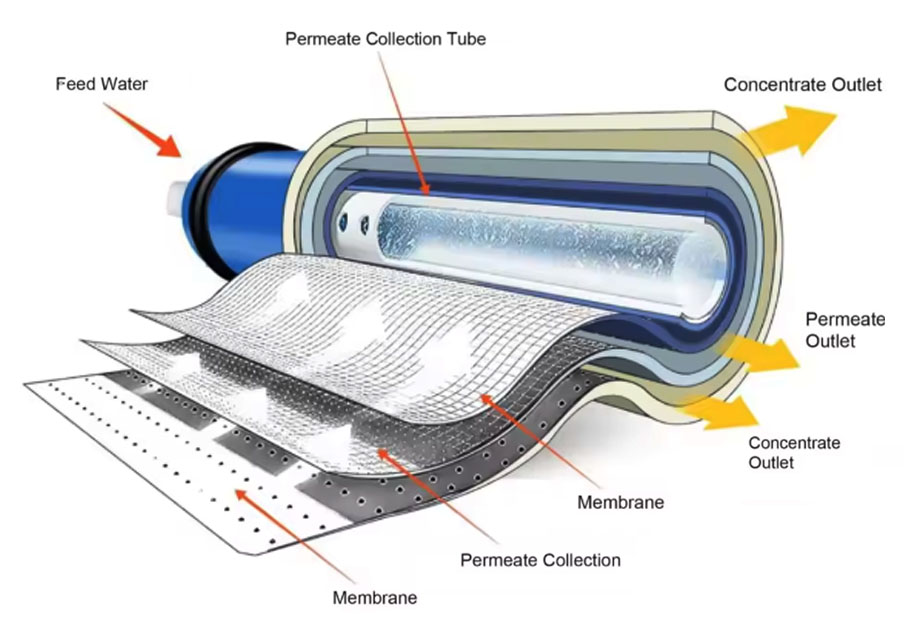
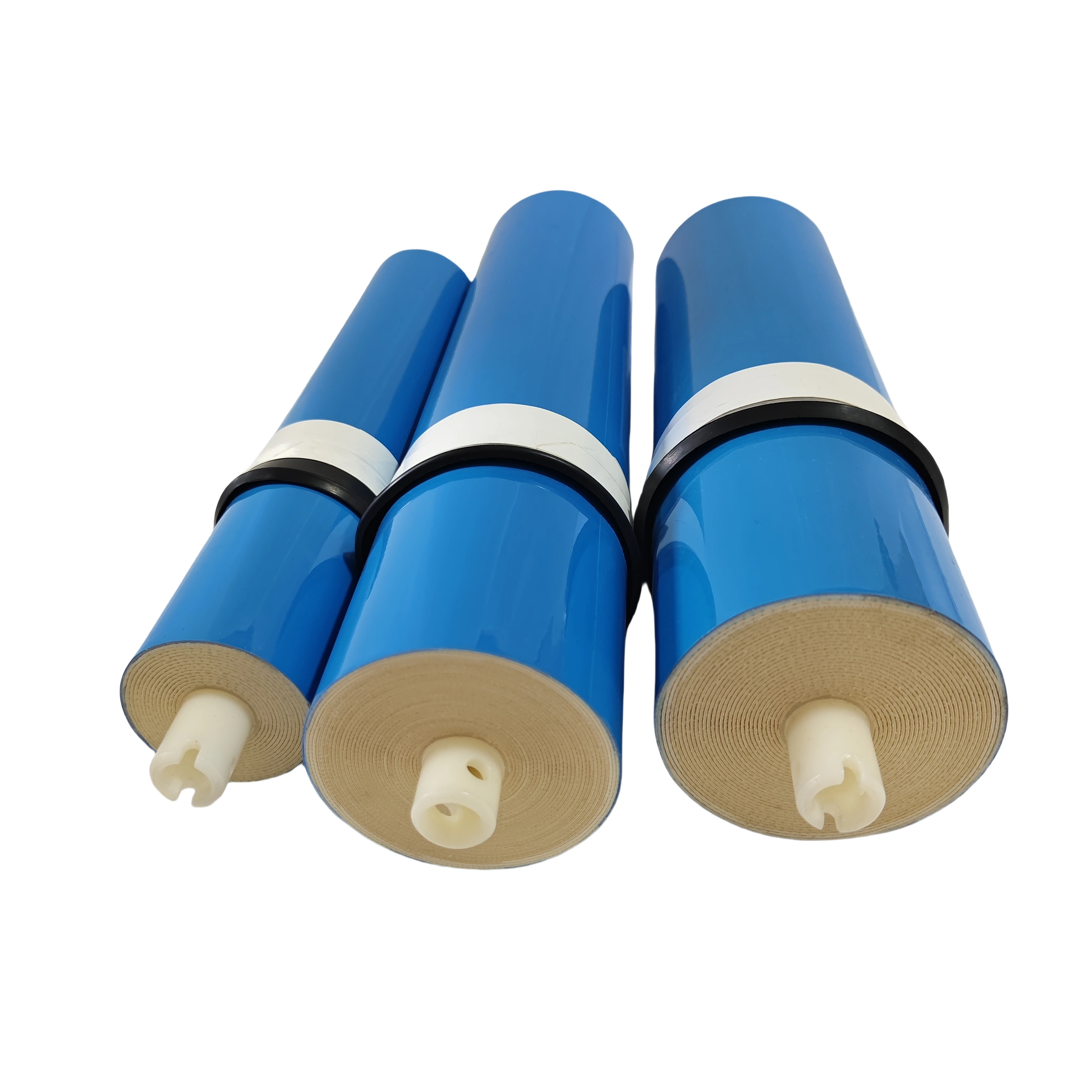
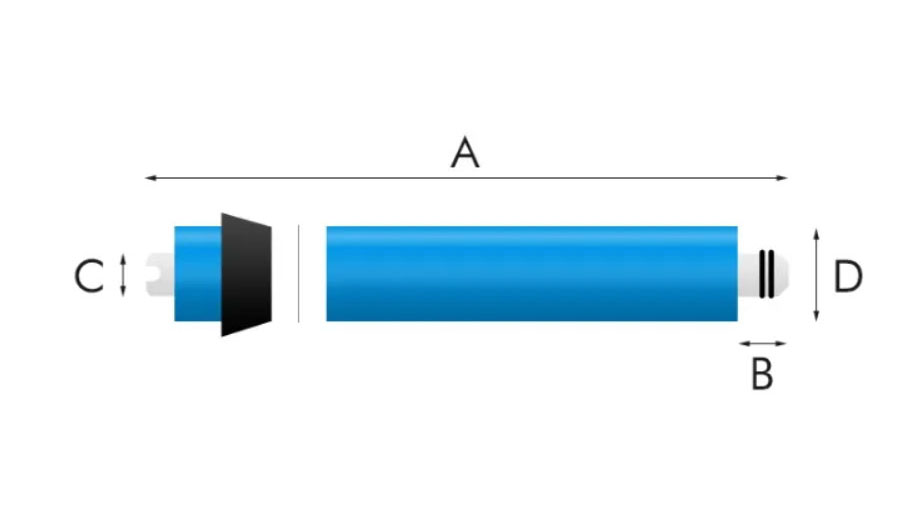
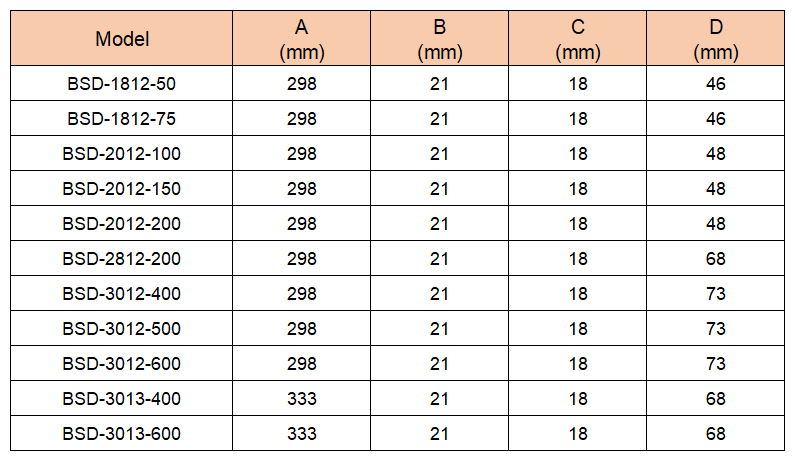
Reverse Osmosis RO Membrane SIZE
How to Install a Reverse Osmosis RO Membrane
Replacing your membrane isn’t rocket science—just follow these steps:
Turn Off Water Supply & Release Pressure
Locate the shut-off valve under your sink. Pro tip: Open the faucet to drain leftover water.
Remove the Old Membrane
Unscrew the housing cap. Surprise fact: 1 in 4 people damage the O-ring—twist gently!
Prep the New RO Membrane
Wet the seals with filter-safe lubricant (never use petroleum jelly!).
Insert & Secure the New Membrane
Align the arrows on the Reverse Osmosis RO Membrane with the housing. Tighten by hand—no tools needed!
Flush & Test
Run water for 10-15 minutes to clear manufacturing residues. Check for leaks—90% of issues appear here!
3 Big Mistakes That Ruin Your RO Membrane
- Ignoring Water Pressure
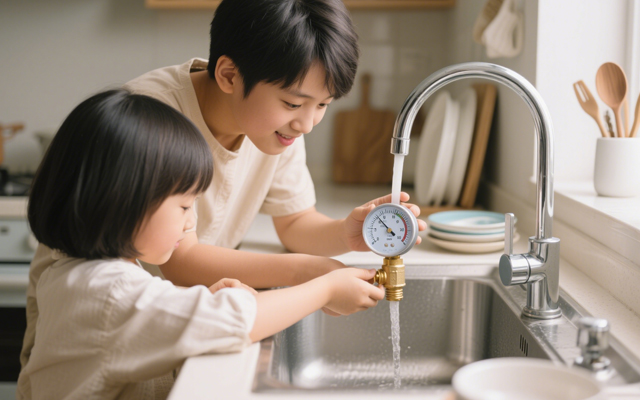
Low pressure (<40 PSI) reduces efficiency. Funny enough, adding a booster pump can double membrane life! - Skipping Regular Flushing
Minerals build up. Flush monthly—or face 30% faster clogging (Water Quality Association, 2024). - Using Hot Water
Reverse Osmosis RO Membranes hate heat. Never install near a dishwasher or hot water line!
Real-World Case: How a Good Membrane Saved a Family’s Water
Case Study: A Florida homeowner complained about metallic-tasting water. After switching to a high-quality Reverse Osmosis RO Membrane, TDS levels dropped from 500 ppm to 20 ppm in weeks
Checklist Before Buying a Reverse Osmosis Membrane
✅ Check NSF/ANSI 58 certification (fake labels are common!),Match GPD to household usage (50GPD for 1-3 people, 75GPD for 4+),Inspect housing compatibility (1812, 2012, etc.),Look for a warranty (at least 1 year = trustworthy brand)
RO Membrane Replacement: When and How to Change Your Filter
RO membrane replacement is needed every 2–3 years on average. However, some signs appear earlier. TDS levels rising above 50 ppm after the membrane is one sign. Reduced water flow is another. A metallic or chemical taste returning to your water is also a warning. Therefore, test your output water TDS every 6 months. A TDS meter gives you an exact reading in seconds.
Water quality affects ro membrane change frequency significantly. High TDS feed water exhausts the membrane faster. Chlorinated water damages the TFC layer over time. Hard water causes scaling on the membrane surface. Therefore, always pre-treat feed water before it reaches the membrane. A sediment filter and carbon block stage are the minimum requirements.
The ro water membrane size must match your housing. Common residential sizes are 1812, 2012, and 2521. Check your housing label before ordering. A wrong size causes bypass and zero filtration. Furthermore, always flush the new ro membrane filter for 10–15 minutes after installation. This removes manufacturing residues from the membrane surface. Never skip this step. Moreover, for complete membrane system management, a compatible RO membrane housing protects the element and maintains the correct operating pressure. A leaking or cracked housing reduces rejection rates dramatically. Additionally, track your replacement schedule with a TDS meter for water testing. It confirms whether your new membrane is performing correctly after installation.
Ideal For:
• Under-sink residential systems,Office water coolers,RV and marine applications,Small-scale commercial use
RO Membranes: Pre-Treatment, Pairings, and System Integration
RO membranes perform best inside a well-designed treatment train. The membrane is the most sensitive component in any RO system. It rejects dissolved solids, heavy metals, and pathogens. However, it cannot protect itself from chlorine, sediment, or scaling. Therefore, pre-treatment stages must always be installed before the membrane. Skipping pre-treatment is the leading cause of premature membrane failure.
Sediment pre-filtration comes first. A 5-micron cartridge removes particles. This prevents physical damage to the membrane surface. A carbon block filter follows. It removes chlorine before water contacts the TFC layer. Chlorine degrades TFC membranes within weeks. Therefore, never connect an ro membrane directly to chlorinated tap water without carbon pre-filtration.
Hard water also damages ro membranes quickly. Calcium and magnesium scale the membrane surface. This reduces flow rate and rejection performance. An antiscalant dosing pump or water softener upstream prevents this. For households with both hard water and high TDS, a water softener and reverse osmosis system is the most complete solution. The softener protects the membrane. The RO delivers pure drinking water. Furthermore, for a complete residential RO setup, a full RO system includes pre-filters, membrane, post-filters, and a storage tank. All components are matched and sized to work together efficiently.
FAQs
How do I know which system is right for my home?
How to Measure Your Home’s Water Flow Rate?
How do I troubleshoot low water pressure from my system?
What contaminants does your water treatment system remove?
What’s the difference between UV, RO, and activated carbon filtration?
REQUEST A QUOTE
RELATED PRODUCTS
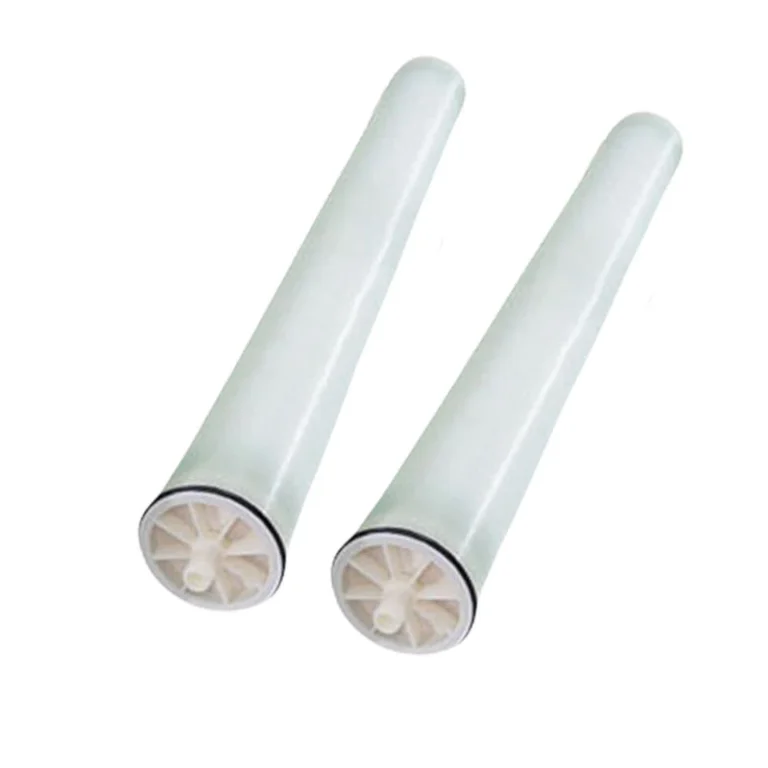
Extra Low Pressure ULP 4040 RO Membrane Element – 4 x 40 Inches for Low TDS Water

Stainless Steel UF Water Purifier With uf Membrane
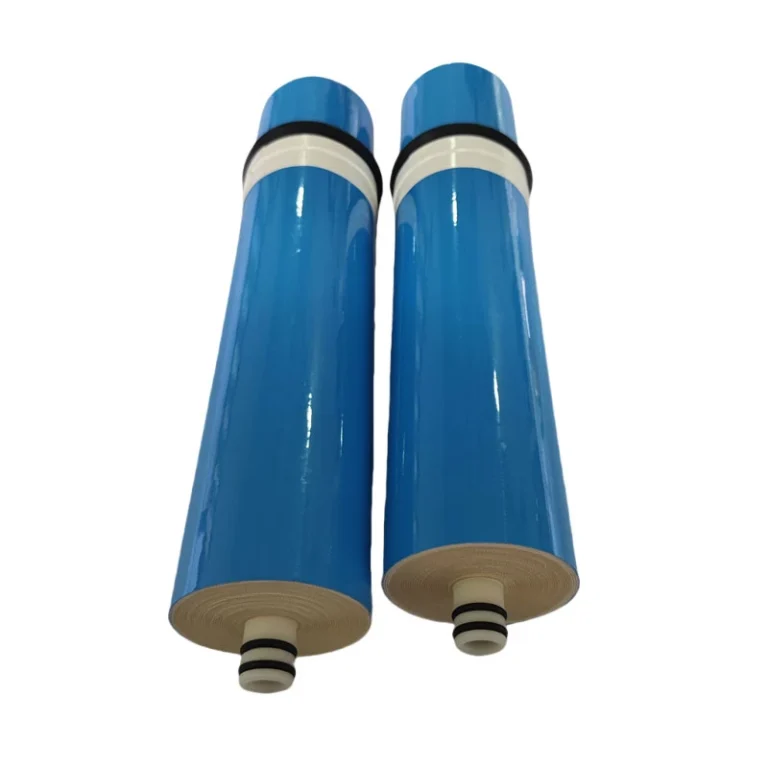
3012 RO Membrane Cartridge Water Filter Replacement for Under Sink Home Drinking RO Water Purifier System
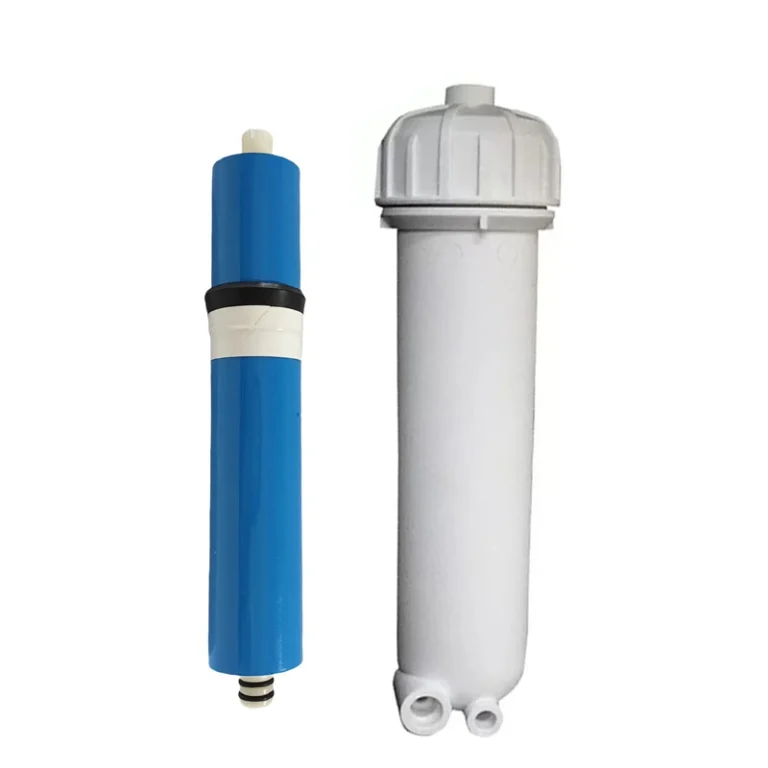
High Quality Double O Ring 1812/3012/3013/3213 Plastic RO Membrane Housing Shell for Residential RO Water Filter Use
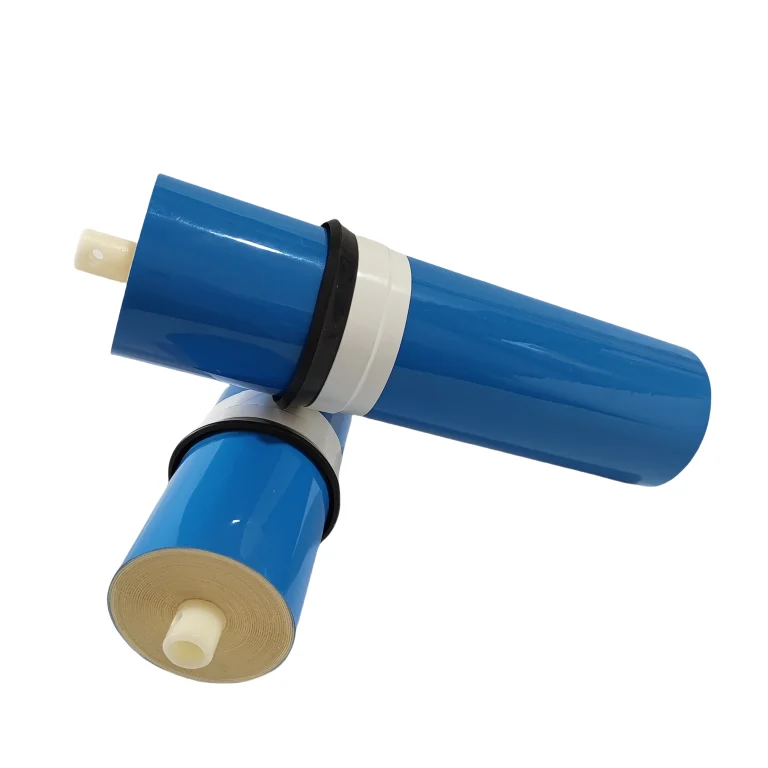
BasideWT Factory Price Water Filter Parts RO Membrane replacement 1812 75G for Home Purifier