BasideWT- Whole Home Water Filtration System & Replacement


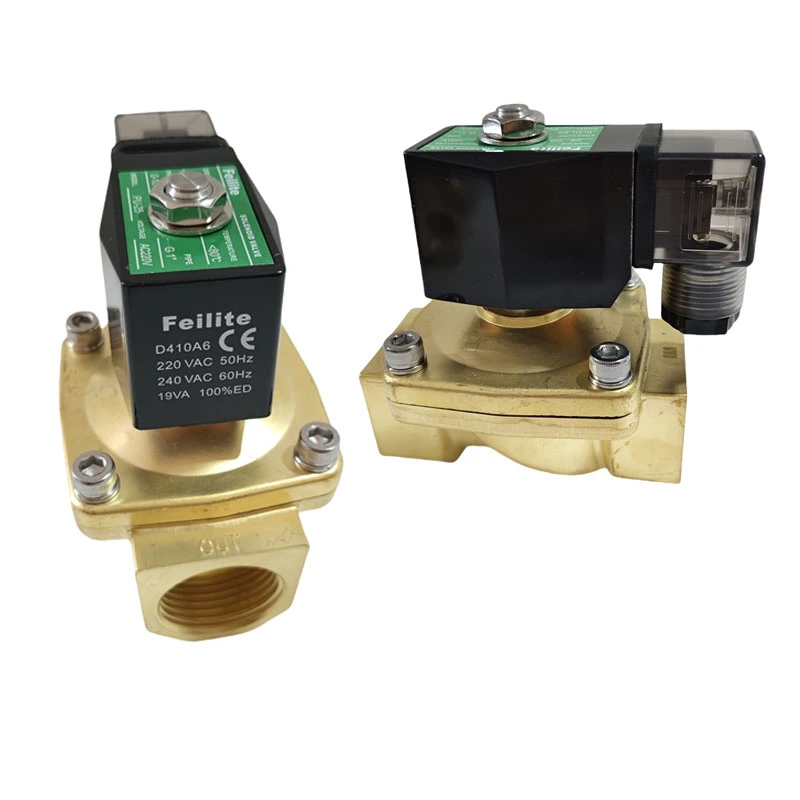
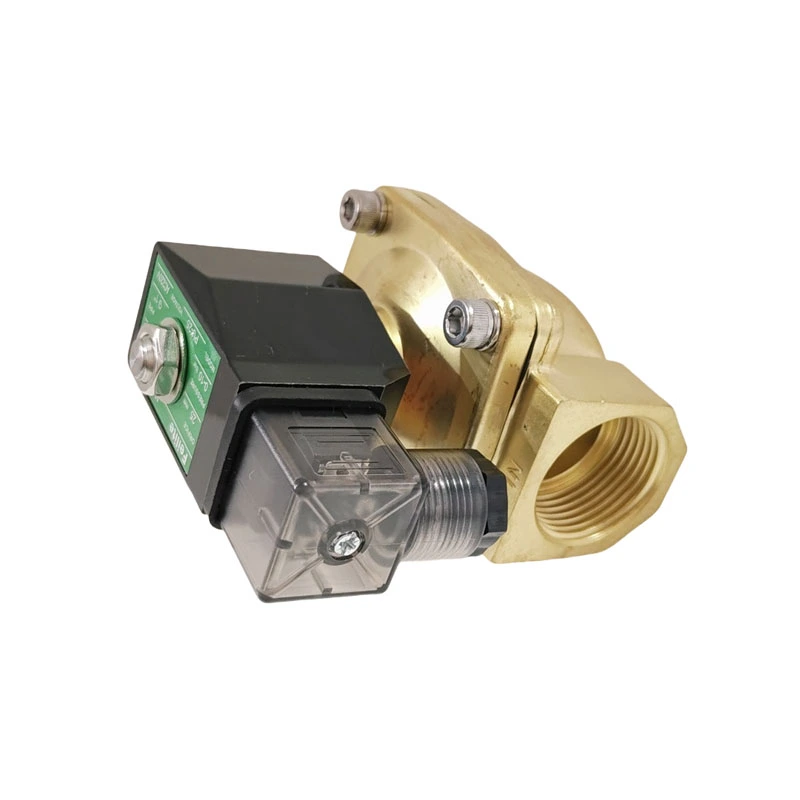
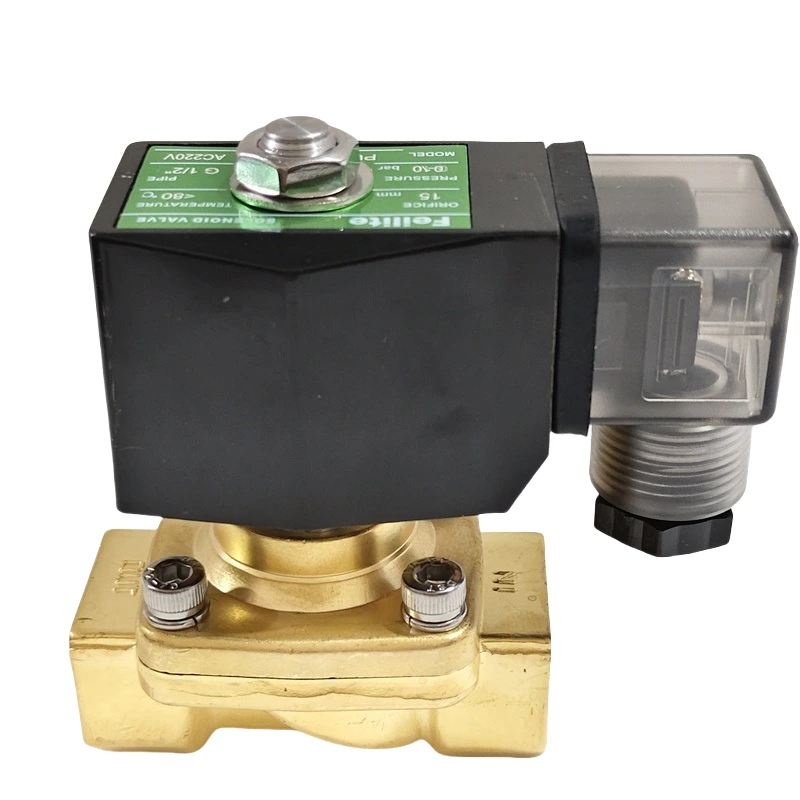
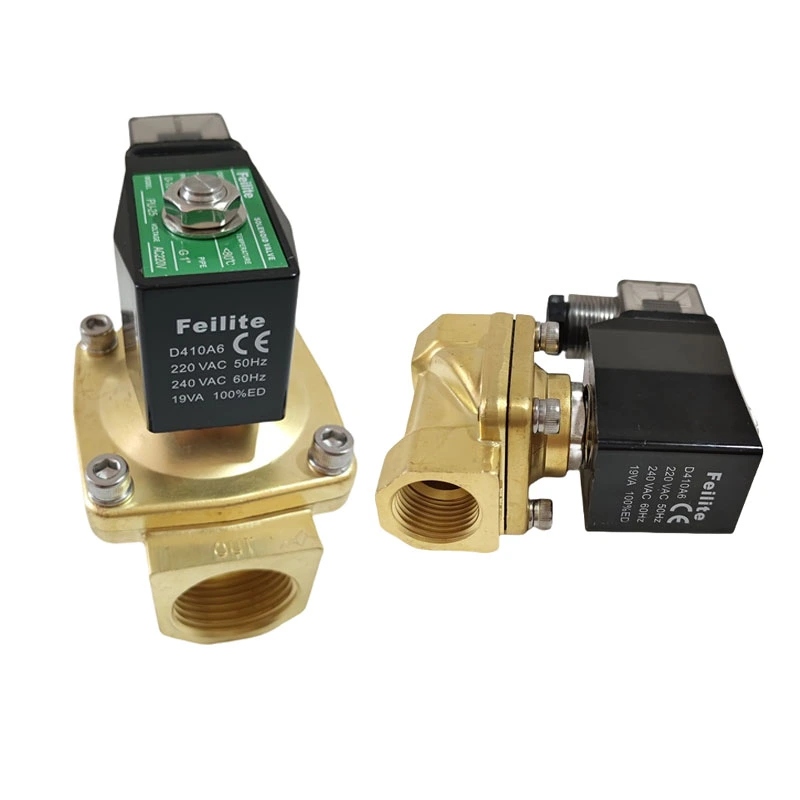
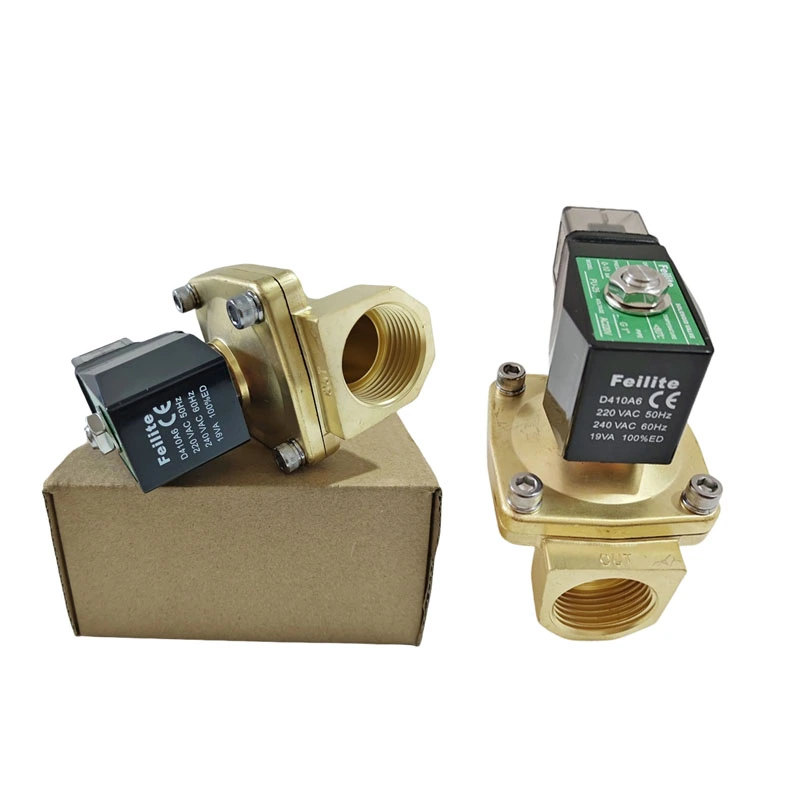
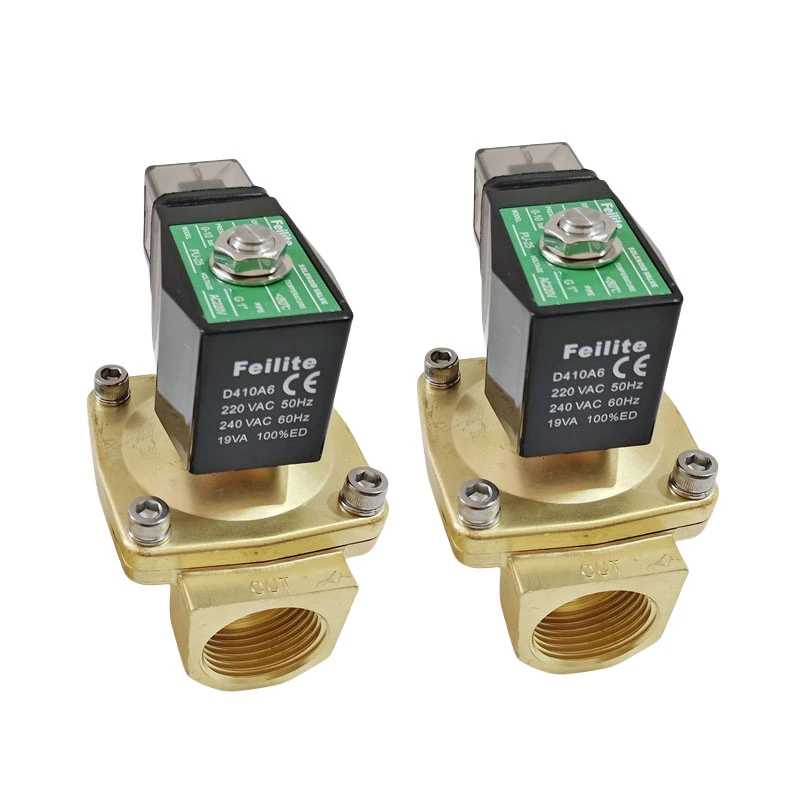
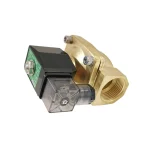
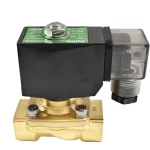
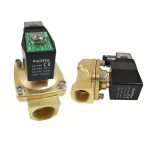
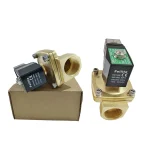
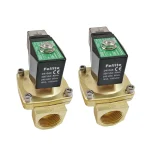
2 Way Solenoid Valve 12v Hard Durable Brass Material ro purified Water Solenoid Valve 24v G1/2in Thread Stable Performance Solenoid Valve
PRODUCT PARAMETERS
Every reverse osmosis (RO) system relies on a critical component—the water solenoid valve. This electrically controlled valve ensures precise water flow management, preventing leaks and maintaining system efficiency.
Material: Forged with brass material, hard and durable, can be used in various connection environments.
Installation Operation Convenient: The solenoid valve has water outlet sign, which is convenient for installation and operation.
Stable Performance: The solenoid valve body has uniform wall thickness and no leakage, high sensitivity and stable performance.
G1/2in Thread: G1/2in thread is used for connection, with good tightness and convenient installation and disassembly.
Applicable Scenarios: Electric solenoid valve is suitable for the transmission of water, oil, natural gas, diesel, kerosene and other media.
What is a Water Solenoid Valve?
A water solenoid valve is an electromechanical device that controls liquid flow using an electric current. When energized (12V or 24V), it opens; when de-energized, it shuts off completely.
Why Brass Water Solenoid Valve?
- Durability: Resists corrosion (unlike plastic valves)
- High Pressure: Handles up to 150 PSI (10 bar)
- Long Lifespan: 500,000+ cycles (source: Fluid Control Journal, 2023)
LSI Keywords: solenoid valve for RO, 12V solenoid valve, brass water valve
Specification
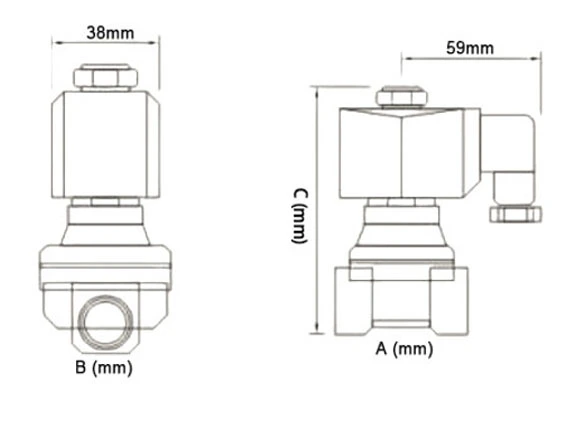
| Model | Port | Pressure | Body material | AxBXC |
| PU-03 | 1/4” | 0-10/kgf/cm2 | Copper/Stainless | 40x26x65 |
| PU-10 | 3/8” | 0-10/kgf/cm2 | Copper/Stainless | 65x47x93 |
| PU-15 | 1/2” | 0-10/kgf/cm2 | Copper/Stainless | 65x47x93 |
| PU-20 | 3/4” | 0-10/kgf/cm2 | Copper/Stainless | 72x45x100 |
| PU-25 | 1” | 0-10/kgf/cm2 | Copper/Stainless | 90x70x108 |
| PU-35 | 1 1/4” | 0-10/kgf/cm2 | Copper/Stainless | 120x90x131 |
| PU-40 | 1 1/2” | 0-10/kgf/cm2 | Copper/Stainless | 120x90x131 |
| PU-50 | 2” | 0-10/kgf/cm2 | Copper/Stainless | 150x112x146 |
How to Install a 12V/24V Solenoid Valve in 5 Steps
Follow this foolproof guide for optimal performance:
Check Voltage Compatibility
- Match valve voltage (12V or 24V) to your power supply. Wrong voltage = burnt coil!
Secure Threaded Connections
- Use Teflon tape on G1/2″ threads to prevent leaks. Hand-tighten first, then wrench ¼ turn.
Position the Valve Correctly
- Arrow on valve body must point with water flow. Upside-down installs cause 40% of failures (Plumbing Standards Report).
Wire the Electrical Contacts
- Connect wires to terminals (polarity doesn’t matter for AC valves).
Test Under Pressure
- Run water at 1.5x operating pressure for 10 minutes. Check for drips at joints.
Common Mistakes to Avoid
Even pros make these errors with water solenoid valves:
❌ Ignoring Water Quality:Hard water clogs valves with scale. Install a 5-micron pre-filter!
Over-Tightening Threads:Brass is strong but can crack if forced. Snug = safe.
Using Wrong Voltage:A 12V valve on 24V power burns out in hours. Double-check specs!
Water Solenoid Valve Sizing and Selection: Choosing the Right Fit
Picking the right water solenoid valve size is critical. A wrong size causes pressure loss or poor flow control. Start by checking your pipe diameter. Match it to the valve port size in the table above. A 1/4″ port suits small RO systems. A 2″ port handles large industrial water lines. Port size directly affects how much water flows through the system.
Voltage selection is equally important. A solenoid water valve running on 12V suits most under-sink RO systems. A 24V version works better for larger commercial setups. Always match the valve voltage to your controller’s output. Mismatched voltage burns out the coil quickly. Therefore, double-check the spec label before wiring.
Thread type also matters during installation. All models here use G-thread connections. This type provides a tight, leak-free seal with Teflon tape. Furthermore, the brass body handles water, oil, and gas media. It resists corrosion far better than plastic alternatives. A quality solenoid valve for water systems lasts hundreds of thousands of cycles. This makes it a long-term investment for any water treatment setup. For complete system control, pair this valve with a pressure gauge to monitor inlet and outlet pressure in real time. Moreover, adding a water flow meter downstream gives you precise flow data. Together, these components give you full visibility over your system performance.
Solenoid Valve for Water Systems: Common Applications and Best Pairings
The valve water solenoid is used across many water treatment applications. RO systems are the most common use case. The valve opens when the system demands water. It shuts off completely when the tank is full. This prevents overflow and wasted water. Most residential RO setups use a 12V water solenoid valve at the inlet. It works with the system’s pressure switch automatically.
However, this valve is not limited to RO systems only. Irrigation controllers use solenoid water valves to manage garden zones. Water softeners use them to control brine rinse cycles. Industrial cooling systems rely on them for precise temperature control. Therefore, the water valve solenoid is one of the most versatile components in fluid management.
Pairing matters for best results. A pre-filter before the valve protects it from sediment damage. Hard water causes scale buildup inside the valve body. This reduces sensitivity over time. Install a sediment filter upstream to extend valve life significantly. For full RO system builds, a complete RO system already includes solenoid valve integration points. Furthermore, commercial water treatment plants often use these water solenoid valves alongside a dosing pump for chemical dosing control. This combination gives operators precise command over both flow and chemical treatment in one automated system.
FAQs
How do I know which system is right for my home?
How to Measure Your Home’s Water Flow Rate?
How do I troubleshoot low water pressure from my system?
What contaminants does your water treatment system remove?
What’s the difference between UV, RO, and activated carbon filtration?
REQUEST A QUOTE
RELATED PRODUCTS
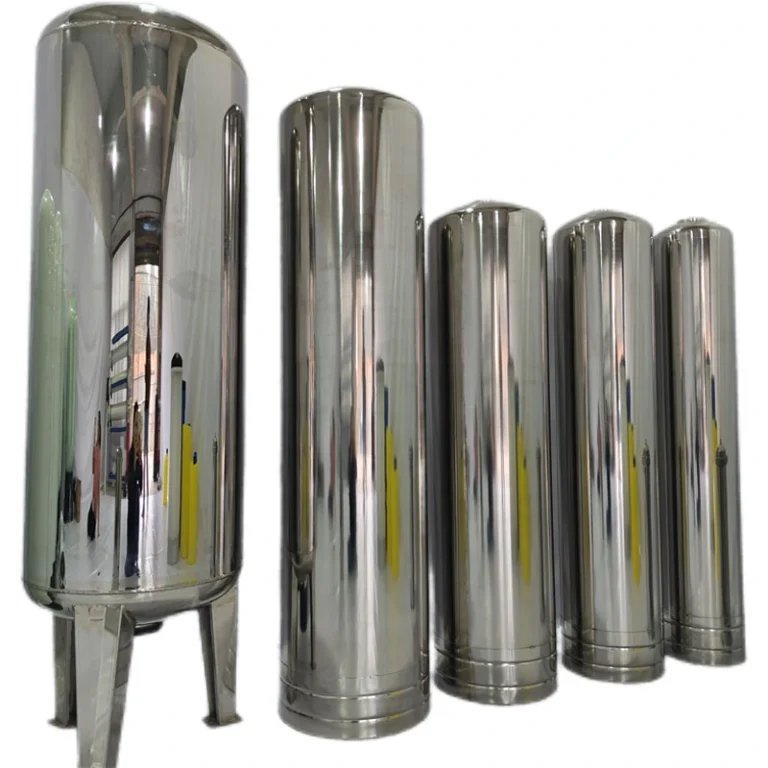
Food-Grade Stainless Steel Water Tank – 500L & 1000L Hygienic Filter Pressure Tank for Pure Storage
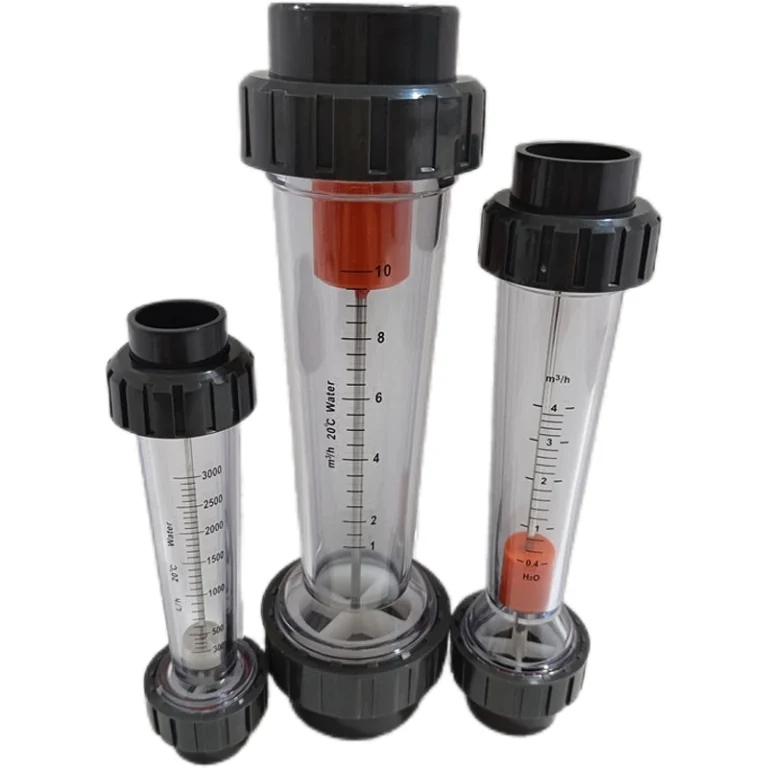
Water flow Flowmeter,LZS-40 Water Liquid Flowmeter,High Accuracy Plastic Tube Type Flowmeter Instrument 1-10mH Range
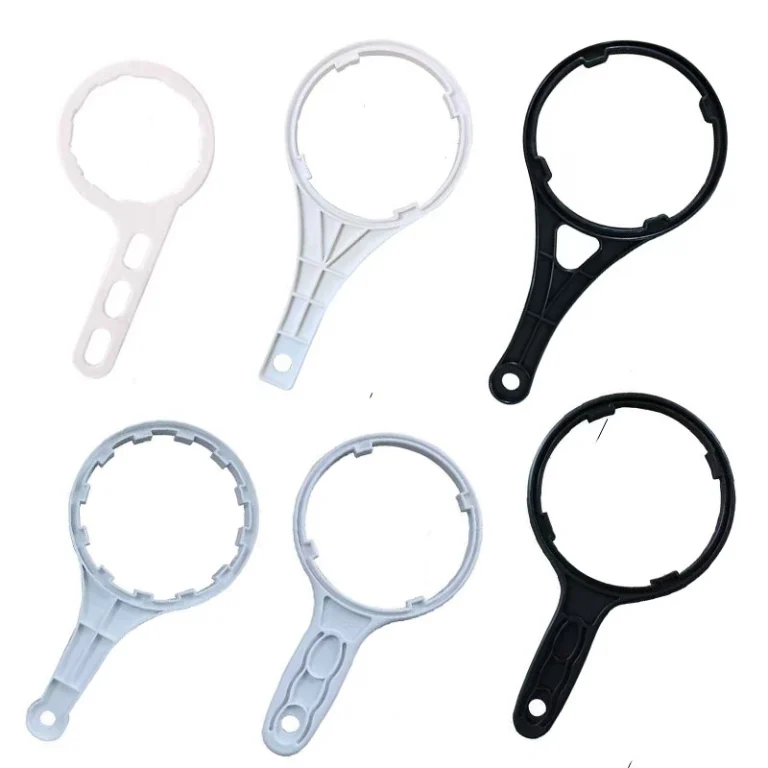
BasideWT Water Filter Wrench for Whole House Housings
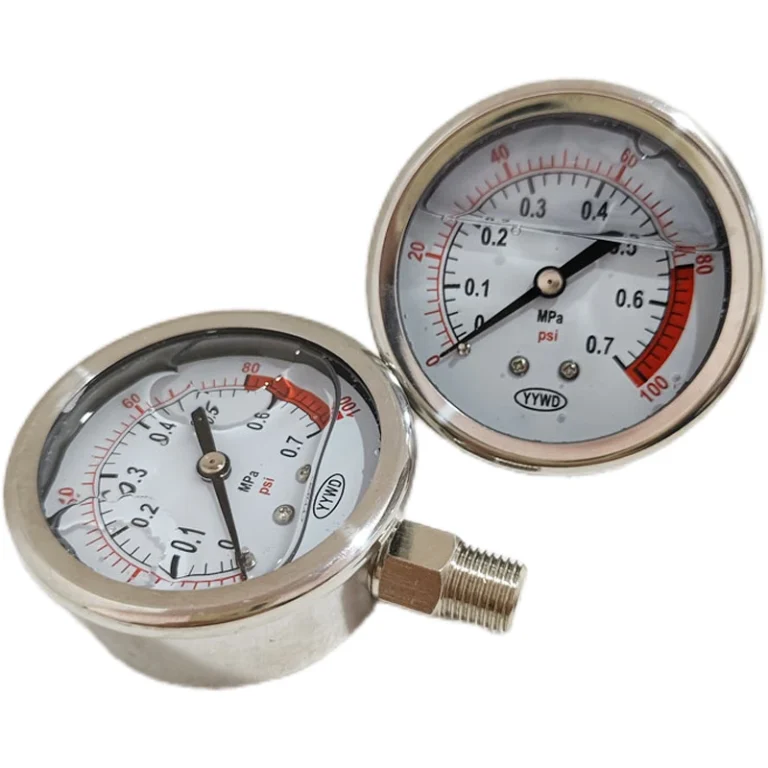
Pressure Gauge Hydraulic Liquid Filled Fuel Pressure Gauge Psi/Mpa 304 Stainless Steel Case 1/4Npt Lower Mount Pressure Gauge
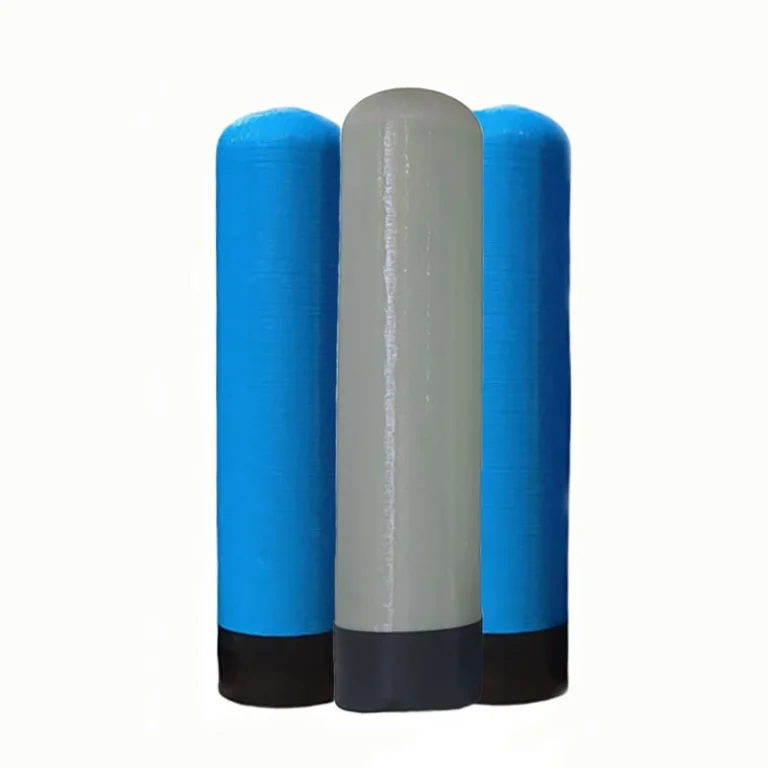
BasideWT Reverse Osmosis Frp Storage Tank 10×54
