BasideWT- Whole Home Water Filtration System & Replacement


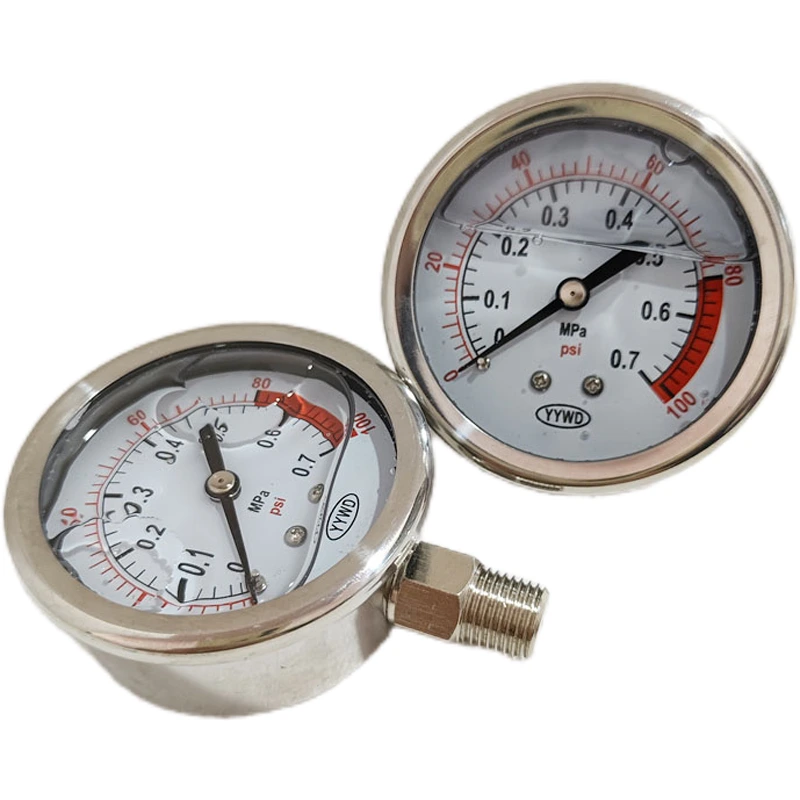
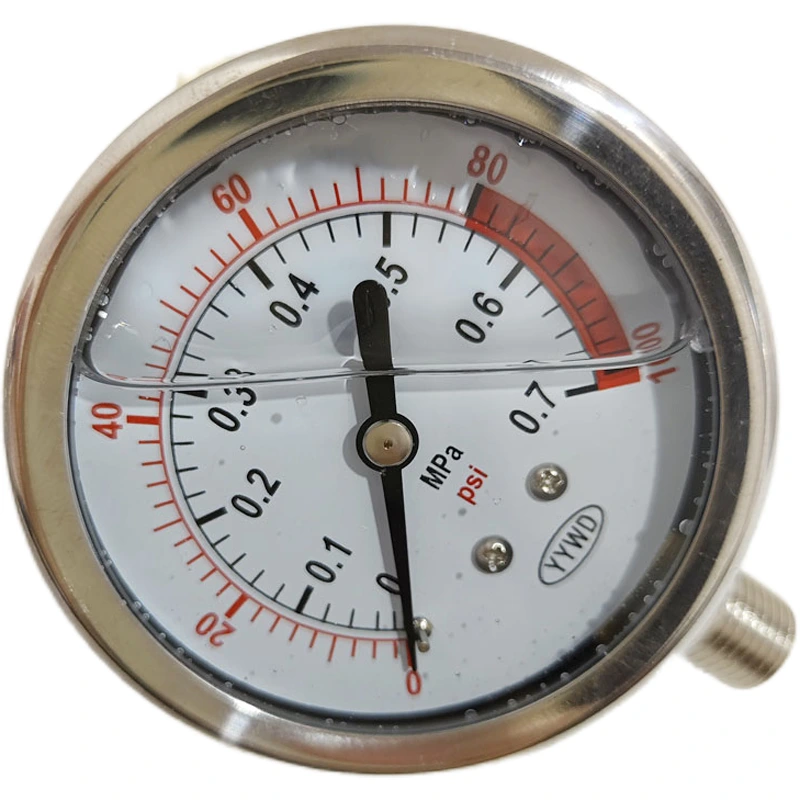
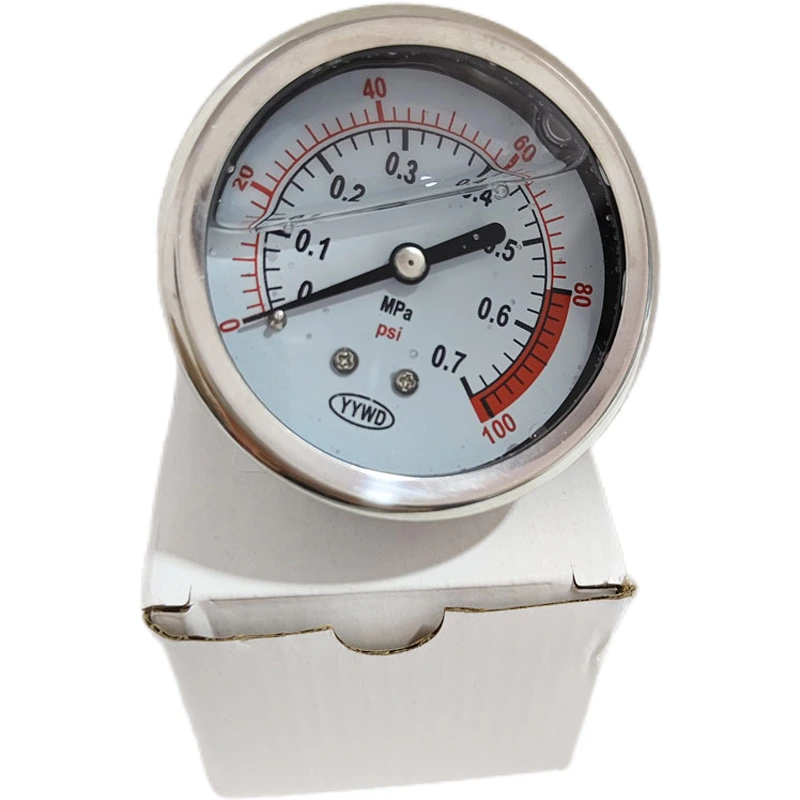
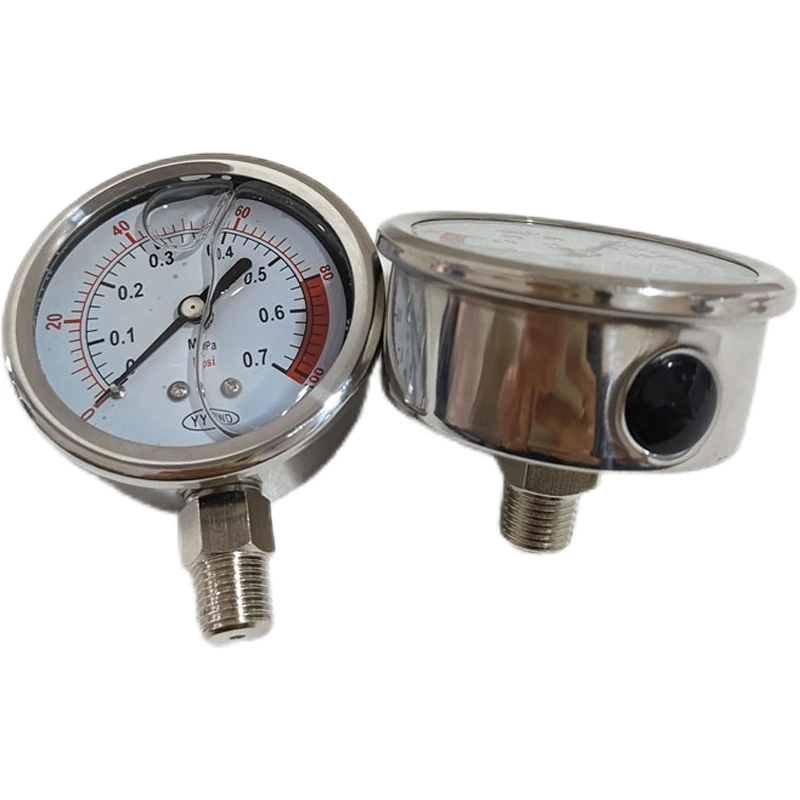
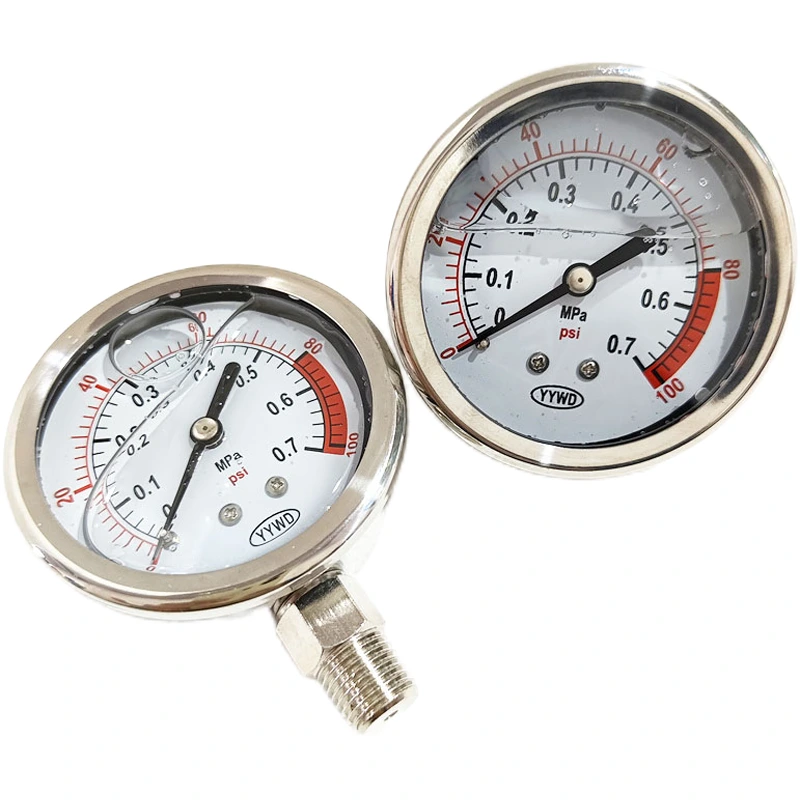
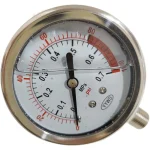
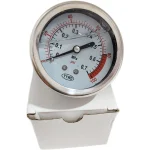
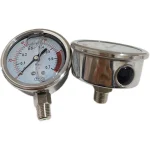
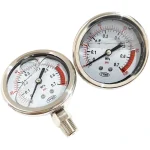
Pressure Gauge Hydraulic Liquid Filled Fuel Pressure Gauge Psi/Mpa 304 Stainless Steel Case 1/4Npt Lower Mount Pressure Gauge
PRODUCT PARAMETERS
Pressure gauge is an instrument used to measure pressure, which can intuitively display the pressure value of gas or liquid. It is widely used in many fields such as industrial production, automobile manufacturing, aerospace, medical equipment, etc.
- Pressure Measurement:
- Dual-scale display in PSI (Pounds per Square Inch) and MPa (Megapascals).
- Common ranges include 0-100 PSI up to 0-10,000 PSI (or equivalent in MPa).
- Construction:
- 304 Stainless Steel Case – Resistant to corrosion, rust, and harsh environments.
- Liquid-Filled (Glycerin or Silicone) – Reduces vibration, pulsation, and mechanical wear, ensuring smooth needle movement and longer lifespan.
- Connection & Mounting:
- 1/4″ NPT (National Pipe Thread) Lower Mount – Standard fitting for hydraulic and fuel systems.
- Bottom or back mount options available depending on the model.
- Applications:
- Hydraulic systems
- Fuel pressure monitoring
- Industrial machinery
- Oil & gas, automotive, and marine systems
- Benefits of Liquid Filling:
- Prevents condensation inside the gauge.
- Dampens needle vibration for accurate readings.
- Protects internal mechanisms from dust and moisture.
For water treatment applications, our complete water filtration systems include pressure monitoring points compatible with this gauge.
Pressure Gauge Typical Use Cases:
- Monitoring hydraulic pressure in heavy machinery.
- Measuring fuel line pressure in diesel/gasoline systems.
- Industrial processes requiring corrosion-resistant gauges.
For complete system accessories including gauges and valves, browse our water system parts and accessories range.
Installation Tips:
- Ensure proper thread sealing (Teflon tape or thread sealant).
- Avoid over-tightening to prevent case damage.
- Use in environments within the gauge’s specified temperature range.
Water Pressure Gauge for RO and Home Filtration Systems
A water pressure gauge is essential in any filtration setup. Specifically, it shows exactly how your system is performing at all times. For example, low pressure usually means a clogged filter. On the other hand, high pressure can damage membranes and housings permanently. In RO systems, therefore, pressure must stay within a specific range. As a result, too little pressure reduces water output significantly. Similarly, too much pressure causes membrane failure over time. For this reason, monitoring is not optional — it is completely necessary. This gauge uses a dual-scale display. In other words, it reads both PSI and MPa simultaneously. Consequently, it suits both local and international system specifications without any adjustment. The 304 stainless steel case resists rust and corrosion. Moreover, it works reliably in wet environments for years. Furthermore, the liquid-filled design dampens needle vibration effectively. As a result, readings stay stable even under fluctuating pressure conditions. Installation is also straightforward. The 1/4″ NPT lower mount fits most standard filtration pipelines. In addition, use Teflon tape on threads before installation. This ensures a leak-proof connection every time. Finally, for a complete RO monitoring setup, explore our range of RO systems designed to work with standard pressure gauges.
Fuel Pressure Gauge and Other Industrial Applications
Beyond water systems, a fuel pressure gauge is equally important in many industries. Specifically, it monitors fuel line pressure in diesel and gasoline engines. As a result, accurate readings prevent engine damage and fuel wastage effectively. For example, automotive technicians rely on these gauges daily. In particular, they check fuel pump output during routine servicing. They also verify injector pressure at the same time. Furthermore, they use them during engine diagnostics to identify pressure drops quickly. In industrial settings, moreover, pressure monitoring is absolutely critical. For instance, hydraulic machinery operates under very high pressure constantly. Therefore, a small pressure drop signals a seal failure immediately. As a result, early detection prevents costly breakdowns before they happen. The stainless steel construction, however, handles harsh industrial environments very well. In addition, liquid-filling keeps the needle steady under vibration. Consequently, this is especially important in heavy machinery and pumping stations. Similarly, marine and oil & gas systems also use these gauges widely. For example, salt air and moisture are no problem for the 304 SS case. In other words, it resists corrosion even after years of outdoor use. Finally, for systems that also require flow monitoring alongside pressure measurement, our range of water flow meters pairs perfectly with this gauge for complete system monitoring.
FAQs
How do I know which system is right for my home?
How to Measure Your Home’s Water Flow Rate?
How do I troubleshoot low water pressure from my system?

What contaminants does your water treatment system remove?
What’s the difference between UV, RO, and activated carbon filtration?
REQUEST A QUOTE
RELATED PRODUCTS

FRP Water Storage Tanks for Industrial & Commercial | Custom-Made
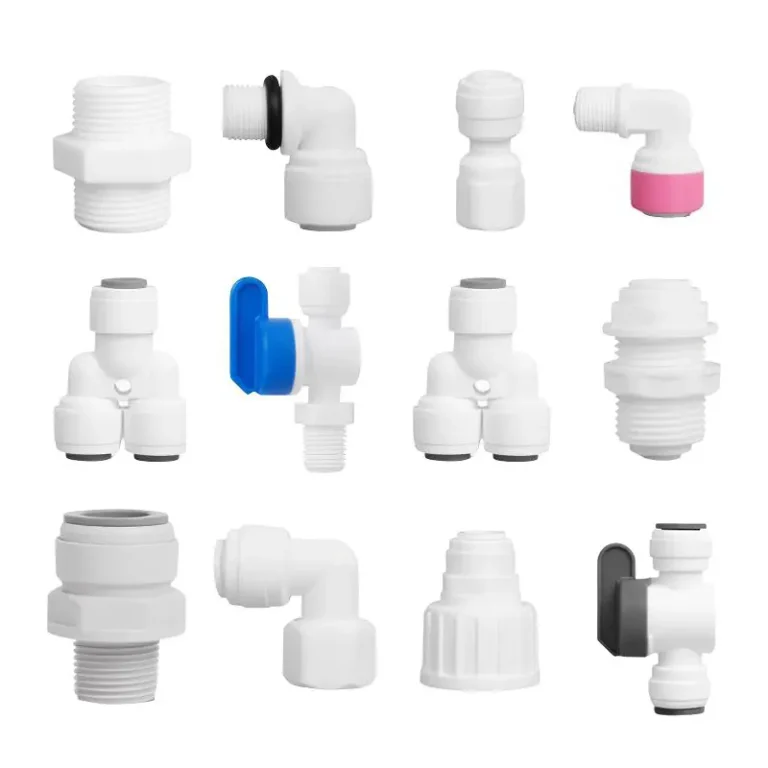
Water Connection Parts Water Filter Tube Fittings 1/4″ 3/8″ Quick Connect Fittings Push in Connector for RO System
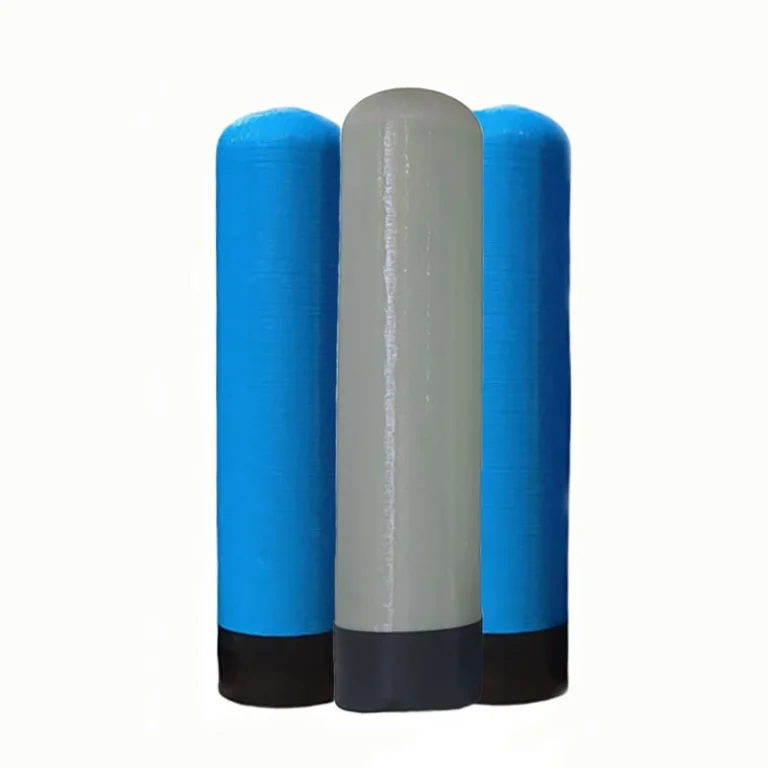
BasideWT Reverse Osmosis Frp Storage Tank 10×54
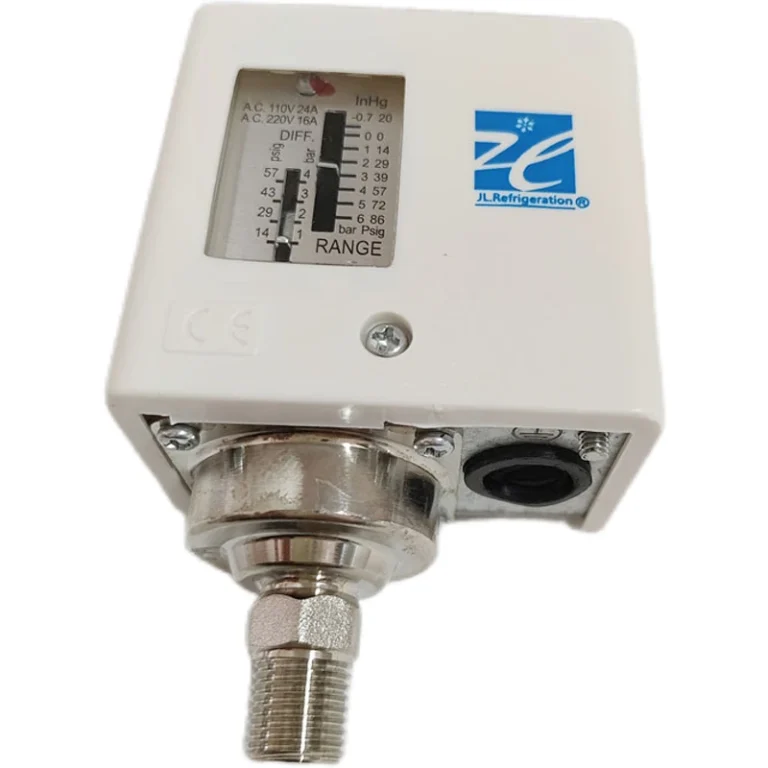
Automatic Water Pump Switch Pressure Switches Control Automatico Interruptor for Water Pumps and RO Systems
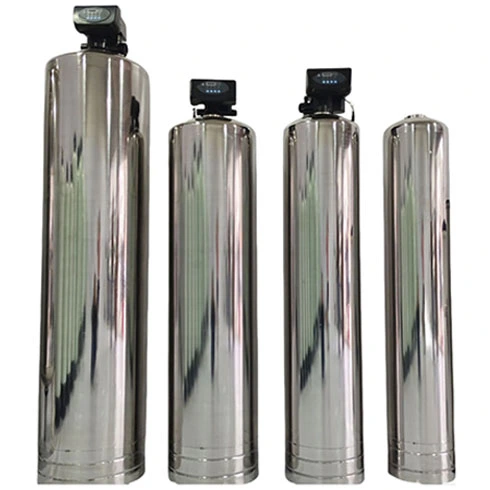
Stainless Steel Water Tank Industrial Water Softener Tanks Rustproof Pressure Vessels for RO Systems | OEM Pricing