BasideWT- Whole Home Water Filtration System & Replacement


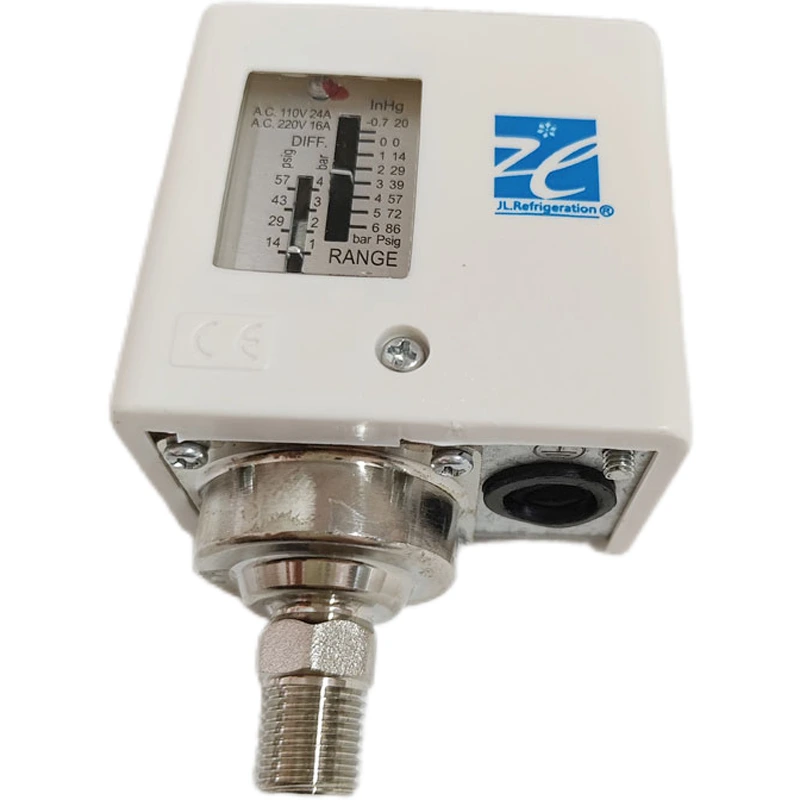
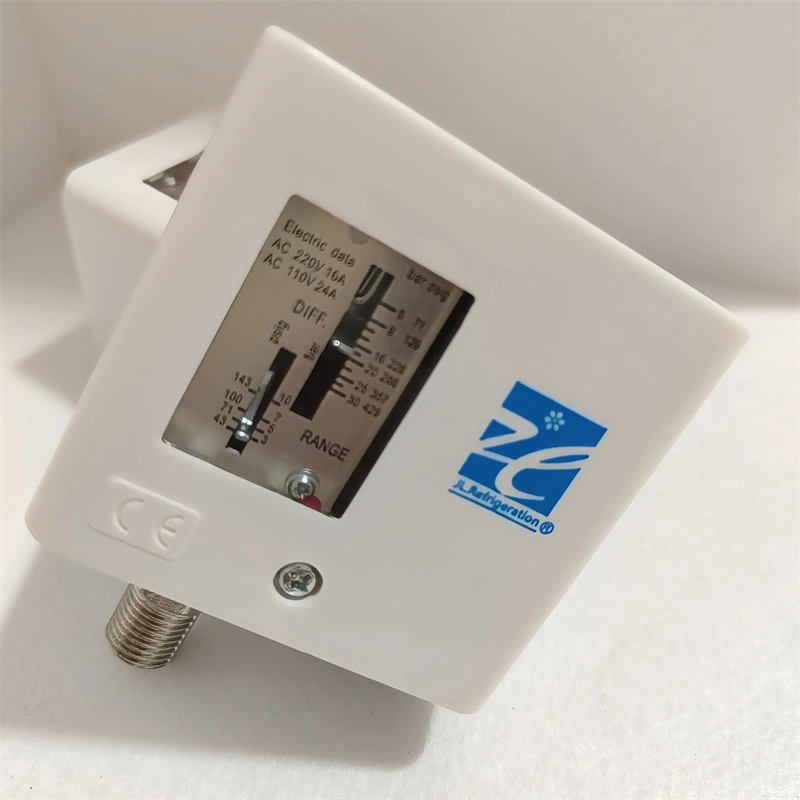
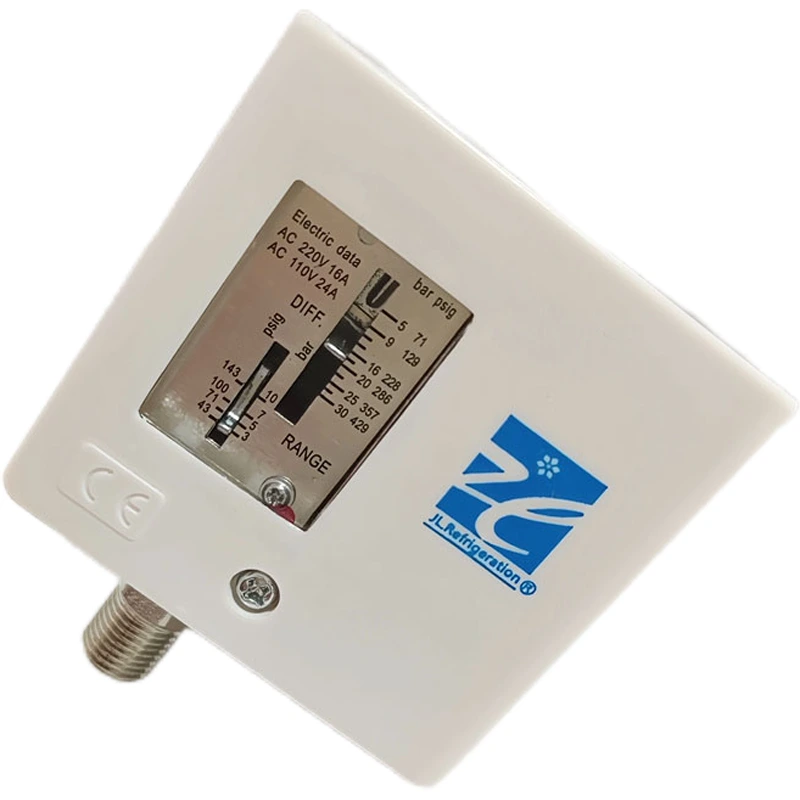
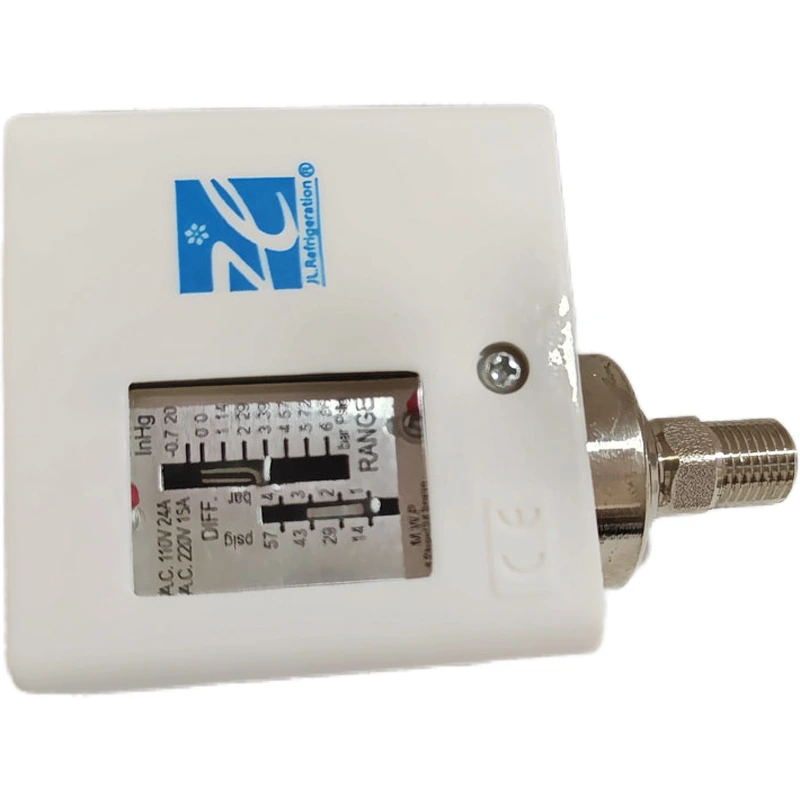
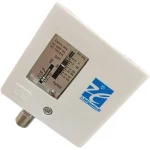
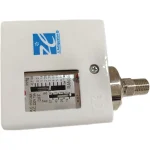
Automatic Water Pump Switch Pressure Switches Control Automatico Interruptor for Water Pumps and RO Systems
PRODUCT PARAMETERS
A pressure switch is an essential control component for water pumps, reverse osmosis (RO) systems, booster pumps, and industrial water treatment equipment. It automatically starts and stops the pump according to preset pressure levels, ensuring stable water pressure, protecting equipment from unnecessary wear, and improving overall system efficiency. BasideWT manufactures reliable pressure switches in China for residential, commercial, and industrial applications with OEM and customized solutions for global B2B buyers.
What is a Pressure Switch?
A pressure switch automatically turns a water pump ON/OFF based on predefined pressure settings. When pressure drops (due to water demand), it activates the pump; when pressure reaches the cutoff point, it shuts off the pump.
Pressure switches are widely used in reverse osmosis systems, water filtration equipment, pressure boosting stations, irrigation systems, and industrial process control. Selecting the correct pressure switch improves operational reliability, extends pump life, and helps maintain consistent water pressure under varying operating conditions. It is an essential automation component for maintaining consistent water pressure and protecting pumps, pipelines, and water treatment equipment from pressure-related damage.
Key Features of Industrial Water Pump Pressure Switches
- Adjustable Pressure Range – Allows customization for different system requirements.
- Durable Construction – Made of stainless steel, brass, or robust plastics for corrosion resistance.
- Dry Run Protection – Prevents pump damage by shutting off if no water is detected.
- High-Precision Sensing – Ensures accurate pressure monitoring.
- Manual/Auto Mode – Some models allow manual override.
Depending on the application, pressure switches are available with different pressure ranges, electrical ratings, connection sizes, and protection levels. Choosing the correct specifications ensures compatibility with your pump, RO system, or water treatment equipment while reducing maintenance requirements.
How Does a Pressure Switch Work?
When water pressure drops below the cut-in pressure, the switch triggers the pump to start. Once pressure reaches the cut-out level, it shuts off the pump. This cycle maintains consistent pressure, protects equipment, and reduces energy consumption.
A properly calibrated pressure switch also helps prevent frequent pump cycling, improves energy efficiency, and reduces unnecessary mechanical stress on pumps, motors, and associated water treatment equipment. This results in more stable system performance and lower long-term operating costs.
Types of Pressure Switches
- Mechanical Pressure Switches: Use springs and diaphragms; common in residential water pumps.
- Electronic Pressure Switches: Offer higher precision and programmability for industrial use.
- Adjustable Pressure Switches: Allow custom cut-in/cut-out settings for specialized applications.
Selecting the correct pressure switch type depends on system pressure, installation requirements, operating environment, and automation needs. Mechanical models provide dependable performance for standard applications, while electronic pressure switches offer greater precision for advanced industrial control systems.
Key Applications
- Water Pump Systems: Maintains steady pressure in wells and booster pumps.
- RO Systems: Protects membranes by regulating pump operation. For complete reverse osmosis installations, explore our industrial water filtration systems designed for commercial and industrial water purification projects.
- Furthermore, for pressure monitoring alongside switching, our pressure gauges pair perfectly with these switches for complete system control.
Pressure switches are also commonly used in commercial buildings, manufacturing facilities, irrigation systems, municipal water supply projects, and industrial process equipment where automatic pressure regulation is essential for safe and efficient operation.
Pressure Switch Specifications to Consider Before Buying
Selecting the right pressure switch requires more than matching the pressure setting. Buyers should evaluate electrical specifications, operating pressure range, connection size, switching accuracy, and compatibility with the pump or water treatment system.
Common pressure switches are available in multiple pressure ranges to suit residential, commercial, and industrial applications. Choosing the correct cut-in and cut-out pressure helps maintain stable system performance while protecting pumps and pipelines from unnecessary stress.
Other important factors include voltage compatibility, current rating, enclosure protection, connection thread size, and installation environment. For industrial projects, selecting a pressure switch that meets long-term operating requirements can significantly reduce maintenance costs and improve equipment reliability.
Well Pump Pressure Switch: How to Choose the Right One
A well pump pressure switch is one of the most important components in any well water system. Specifically, it controls when your pump starts and stops. As a result, it protects the pump from running unnecessarily. First of all, check your system’s pressure requirements. For example, most residential well systems use a 30/50 PSI or 40/60 PSI setting. In other words, the pump starts at the lower number and stops at the higher one. Moreover, always choose a switch with dry run protection. This feature, for instance, shuts off the pump automatically when water runs out. Therefore, it prevents serious pump damage from dry running. Furthermore, consider the construction material. Stainless steel or brass switches last longer in outdoor and humid environments. In addition, they resist corrosion better than plastic alternatives over time. Electronic models, on the other hand, offer more precision. They allow programmable cut-in and cut-out settings. Consequently, they suit industrial and commercial well systems more effectively. Finally, pairing a well pressure switch with a compatible RO system ensures complete water management. Therefore, explore our range of RO systems that work seamlessly with automatic pressure switches.
For applications requiring automatic valve control, our water solenoid valves work together with pressure switches to improve automation and operational safety.
Air Compressor and Furnace Pressure Switch Applications
Beyond water systems, pressure switches serve many other industries. Specifically, an air compressor pressure switch is one of the most common industrial uses. For example, it automatically stops the compressor when tank pressure reaches the set limit. As a result, energy is saved and the compressor is protected. Similarly, a furnace pressure switch plays a critical safety role in HVAC systems. In particular, it monitors the draft inducer fan before allowing the furnace to ignite. Therefore, if the fan fails, the switch prevents gas from flowing. Consequently, this protects against dangerous carbon monoxide buildup. Moreover, pressure switches for well pumps differ from those used in air or furnace systems. For instance, well pump switches handle water pressure cycles continuously throughout the day. On the other hand, furnace switches activate only during heating cycles. In addition, adjustable pressure switches are the most versatile option across all these applications. They allow custom settings for each specific system. Furthermore, some models include manual override for maintenance purposes. However, always match the switch specifications to your system requirements. For example, voltage rating, pressure range, and connection size must all align. Otherwise, the switch may fail prematurely or cause system damage. Finally, for a complete water system with all necessary control components, browse our full range of water system parts and accessories including switches, valves, and gauges.
OEM Pressure Switch Manufacturer in China
BasideWT supplies pressure switches for global distributors, equipment manufacturers, wholesalers, engineering companies, and industrial water treatment projects. We provide OEM and customized solutions based on different pressure ranges, electrical requirements, connection standards, and application environments.
Every pressure switch is manufactured using quality-controlled production processes to ensure stable performance and dependable operation. Our engineering team can recommend suitable models for reverse osmosis systems, water pumps, pressure boosting equipment, and industrial automation applications.
Whether you require standard products or customized specifications, we support international B2B customers with professional technical assistance and reliable manufacturing capabilities from China.
How to Select the Right Pressure Switch
Choosing the correct pressure switch depends on your system’s operating pressure, pump capacity, electrical requirements, and application environment. A properly selected switch improves system stability, reduces unnecessary pump cycling, and extends the service life of connected equipment.
For reverse osmosis systems, select a pressure switch with an appropriate pressure range and reliable switching accuracy. Industrial applications may also require higher electrical ratings, durable housing materials, and enhanced environmental protection for continuous operation.
If you are unsure which model best fits your project, BasideWT’s engineering team can recommend the most suitable pressure switch based on your technical specifications and water treatment requirements.
Why Choose BasideWT Pressure Switches
BasideWT focuses on supplying dependable pressure switches for water treatment equipment, reverse osmosis systems, booster pumps, and industrial water applications. Our products are designed for stable performance, long service life, and reliable pressure control under demanding operating conditions.
We support OEM and customized manufacturing for distributors, equipment manufacturers, engineering contractors, and international B2B buyers. Every project receives technical assistance to help customers select the right pressure switch for their specific application.
With manufacturing capabilities in China and worldwide export experience, BasideWT provides reliable products, professional support, and customized pressure control solutions for global water treatment projects.
Pressure Switches for Industrial Water Treatment Systems
Industrial water treatment systems require reliable pressure control to ensure stable operation throughout the filtration process. Pressure switches automatically control pump operation, maintain consistent pressure, and help protect critical equipment from abnormal operating conditions.
Pressure switches are widely used in reverse osmosis plants, ultrafiltration systems, water softening systems, booster pump stations, desalination equipment, and commercial water filtration systems. Their automatic operation improves process stability while reducing unnecessary energy consumption.
BasideWT pressure switches are suitable for integration into complete water treatment solutions and can be supplied for OEM projects, equipment manufacturers, engineering contractors, and water treatment system integrators worldwide.
Request a Custom Pressure Switch Solution
Looking for a reliable pressure switch manufacturer in China? Contact BasideWT for OEM manufacturing, technical support, and customized pressure control solutions for water pumps, reverse osmosis systems, and industrial water treatment equipment.
Our engineering team can help you select the most suitable pressure switch based on your operating pressure, electrical requirements, application, and project specifications. We provide fast quotation support for global B2B customers and customized solutions for industrial projects.
OEM and ODM services are available for qualified projects. Production lead time depends on product specifications and order quantity. Contact our sales team for the latest delivery schedule, technical consultation, and customized quotations.
FAQs
How do I know which system is right for my home?
How to Measure Your Home’s Water Flow Rate?
How do I troubleshoot low water pressure from my system?

What contaminants does your water treatment system remove?
What’s the difference between UV, RO, and activated carbon filtration?
REQUEST A QUOTE
RELATED PRODUCTS
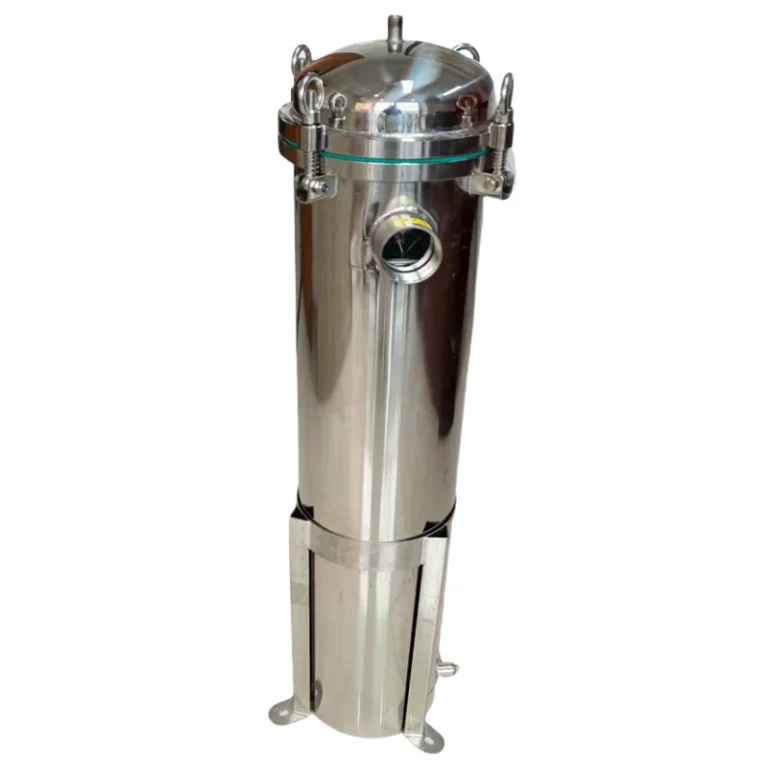
Industrial Bag Filter Housings | Precision Filters Supplier – Basidewt
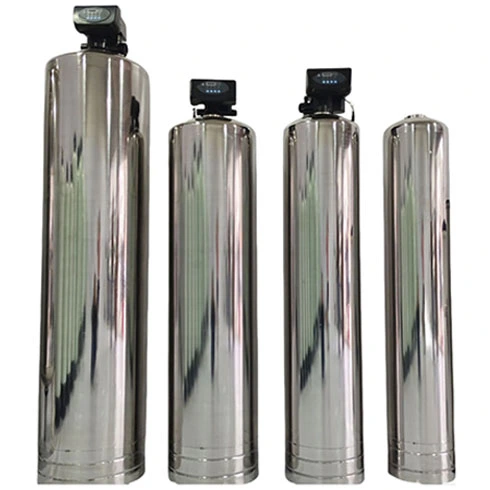
Stainless Steel Water Tank Industrial Water Softener Tanks Rustproof Pressure Vessels for RO Systems | OEM Pricing
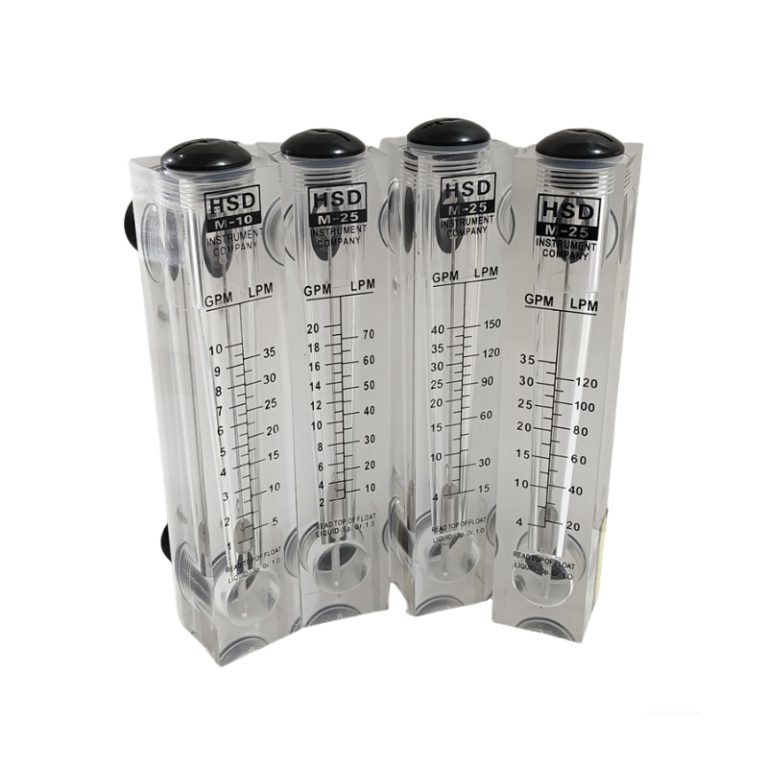
High Precision Solenoid Valve Liquid Flow Meter Water Flow Meter Panel Type Flowmeter
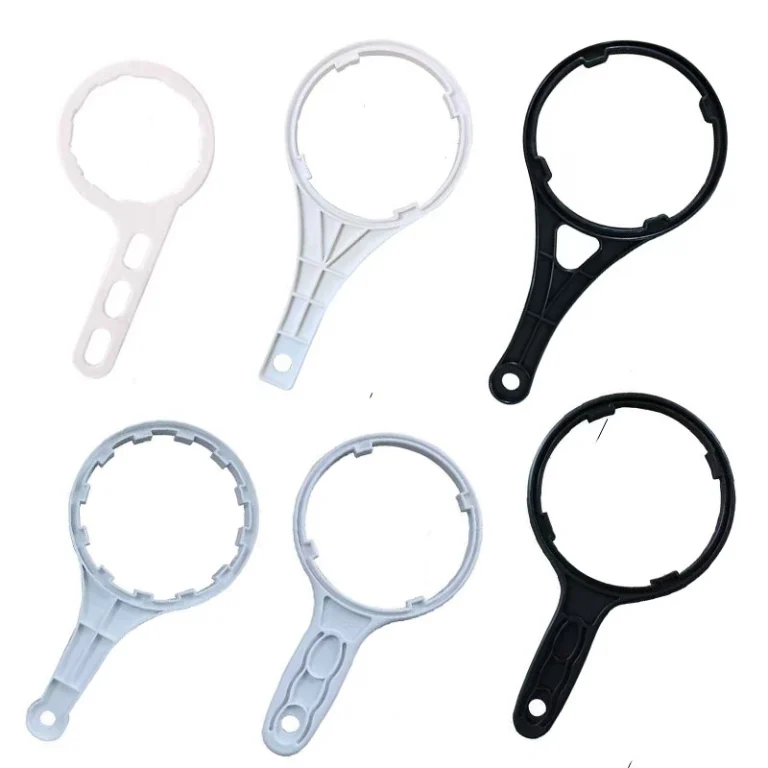
BasideWT Water Filter Wrench for Whole House Housings

TDS Meter Test – Quick & Accurate Water Quality Meter | BasideWT