BasideWT- Whole Home Water Filtration System & Replacement


Is Your RO Membrane Clogged?
Your Reverse Osmosis (RO) system is a marvel of modern water purification. However, its performance hinges on one vital component: the RO membrane. When this membrane fails, your water quality drops. The central question is, how can you tell if your ro membrane clogged? Recognizing the signs early can save you from costly repairs and ensure your water remains pristine. This guide will illuminate the key symptoms and solutions.
What Exactly is RO Membrane Fouling?
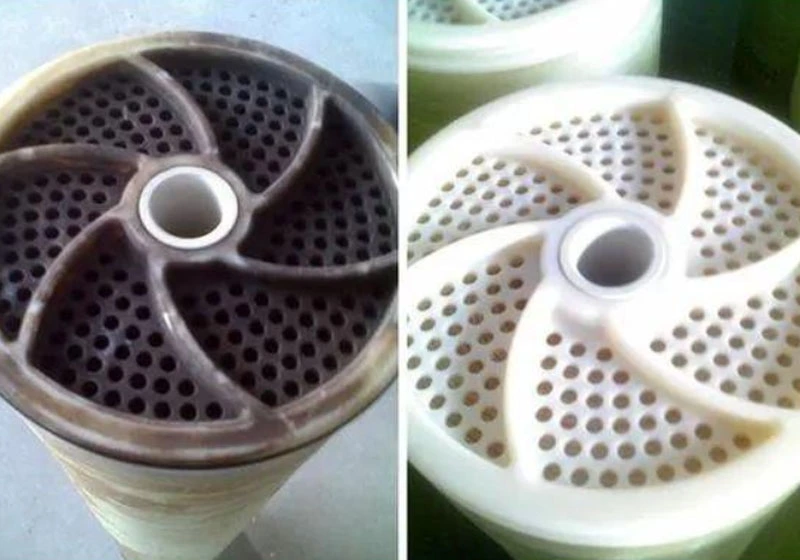
At its core, a ro membrane clogged is suffering from “fouling.” This is not a simple blockage. Instead, it is a process where dissolved impurities in water—like calcium, magnesium, silica, and iron—concentrate and crystallize on the membrane’s surface. These crystals clog the microscopic pores. Consequently, the membrane must work harder to push water through. This struggle leads to a cascade of performance issues, reducing both water output and purity.
RO Membrane Clogged
Top 5 Telltale Signs of a Clogged RO Membrane
How do you spot trouble? Your system will send you clear signals if you know what to look for.
1. A Noticeable Drop in Water Flow
Is your RO faucet trickling instead of flowing? A significant reduction in water production is the most common red flag. The system seems to run longer but produces less pure water.
2. Declining Water Purity
Your water might taste off or show a higher Total Dissolved Solids (TDS) reading on a meter. Interestingly, the membrane can sometimes let more contaminants through when it’s compromised, directly impacting taste and safety.
3. Unusual Shifts in System Pressure
Pay attention to the pressure. A clogged membrane often causes a drop in the flow rate of the purified water. Conversely, the system’s pump might increase operating pressure to compensate, straining the entire unit.
4. Strange Noises and Energy Use
Listen closely. A straining pump may produce more noise or vibrate excessively. This extra effort also translates into slightly higher electricity consumption over time.
5. Frequent Pre-Filter Changes
Are you changing sediment and carbon filters more often than recommended? This could indicate that your pre-filters are being overloaded because the main RO membrane is no longer doing its job, passing the burden upstream.
1. A Noticeable Drop in Water Flow
Is your RO faucet trickling instead of flowing? A significant reduction in water production is the most common red flag. The system seems to run longer but produces less pure water.
2. Declining Water Purity
Your water might taste off or show a higher Total Dissolved Solids (TDS) reading on a meter. Interestingly, the membrane can sometimes let more contaminants through when it’s compromised, directly impacting taste and safety.
3. Unusual Shifts in System Pressure
Pay attention to the pressure. A clogged membrane often causes a drop in the flow rate of the purified water. Conversely, the system’s pump might increase operating pressure to compensate, straining the entire unit.
4. Strange Noises and Energy Use
Listen closely. A straining pump may produce more noise or vibrate excessively. This extra effort also translates into slightly higher electricity consumption over time.
5. Frequent Pre-Filter Changes
Are you changing sediment and carbon filters more often than recommended? This could indicate that your pre-filters are being overloaded because the main RO membrane is no longer doing its job, passing the burden upstream.
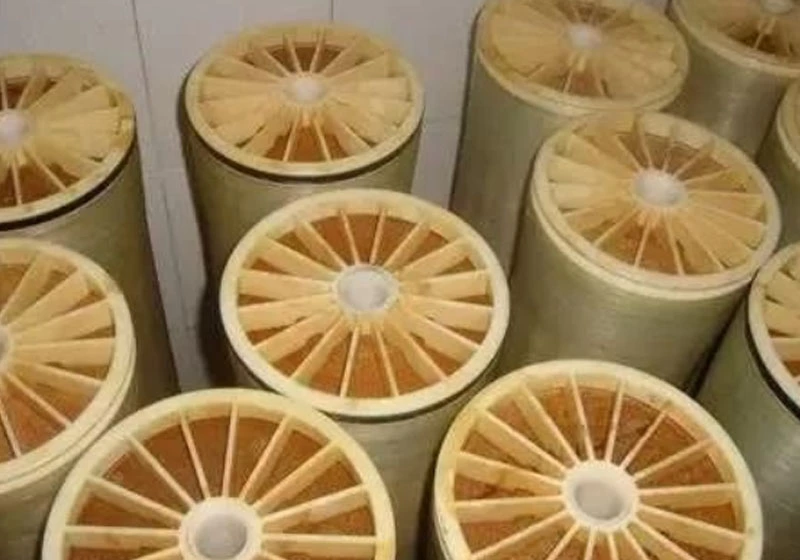
The Root Causes: Why Does Membrane Fouling Happen?
Understanding what clogs your membrane is the first step to prevention. The culprits are usually categorized into four groups.
- Scaling: This is the most frequent cause. Hard water minerals like calcium and magnesium carbonate form a hard, scaly crust on the membrane surface.
- Biological Fouling: Bacteria, algae, and other microorganisms can colonize the damp, dark environment inside the membrane housing, creating a slimy biofilm.
- Colloidal Fouling: Tiny suspended particles of silt, clay, or iron oxide can physically clog the membrane’s pores. They are too small for pre-filters to catch entirely.
- Chemical Fouling: Exposure to chlorine or other oxidizers can degrade the polyamide layer of the membrane itself. Furthermore, shifts in water pH can cause other dissolved metals to precipitate onto the surface.
Proactive Defense: How to Prevent RO Membrane Clogging
An ounce of prevention is worth a pound of cure. This old adage perfectly applies to maintaining your RO system.
First, know your water. Get a water test to understand its hardness and contaminant profile. Second, ensure your pre-filtration is robust. A high-quality sediment filter and a carbon block filter are essential for protecting the delicate RO membrane. For homes with hard water, installing a water softener before the RO system is a game-changer; it removes the scaling minerals upfront. Therefore, a multi-stage defense is your best strategy against a ro membrane clogged.
Solutions: Restoring a Fouled Membrane
So, you suspect your membrane is fouled. What now?
Start with a manual flush, which can dislodge some surface debris. For more stubborn fouling, chemical cleaning with specific acids (for scale) or alkalis (for biofouling) is necessary. You must use cleaners designed for RO membranes. However, it is critical to note that cleaning is not always a permanent fix. If the membrane is heavily fouled or physically damaged, replacement is the only reliable solution. Often, buying a new ro membrane is more cost-effective than repeated cleanings and poor performance.
Frequently Asked Questions
How can I prevent my RO membrane from clogging in the future?
Prevention is key! You can protect your membrane by ensuring:
- Proper Pre-filtration: Always use and timely replace your sediment and carbon block pre-filters. They are the first line of defense.
- Adequate Pre-treatment: For hard water, installing a water softener upstream of the RO system is the most effective way to prevent scaling.
- Regular Use: Regular water flow helps flush the membrane surface and prevent contaminants from settling.
Is a clogged RO membrane covered under warranty?
Almost never. Manufacturer warranties typically cover defects in materials and workmanship, not the normal wear and tear or fouling that occurs from processing water of varying quality. Fouling is considered a maintenance issue.
I’ve replaced my membrane, but problems persist. Why?
This is a red flag. If you replace the membrane but the symptoms (like low flow) return quickly, the root cause is likely inadequate pre-filtration or an issue with the feed water quality. It’s crucial to check and potentially upgrade your pre-filters or consider additional pre-treatment to protect your new investment.

Let’s Solve Your Water ChallengesOur BasideWT water specialists are ready to assist.
-
WhatsAPP: 86-13548779363
-
Mobile: 86-135 4877 9363
-
Email: sales@basidewt.com
-
Business hours: Aibang Technology Industrial Park, No. 559 Yun Qi Lu,Yuelu District, Changsha, Hunan, China
-
Address: Aibang Technology Industrial Park, No. 559 Yun Qi Lu,Yuelu District, Changsha, Hunan, China
SEND US AN EMAILFeel free to send us an email and we will reply to you as soon as possible.
RELATED POSTS
RO Water System: Complete Guide to Types, Benefits, Installation & Maintenance
how to install a water treatment system
How to Size a UV Water Sterilizer for Your Water System
Ro Membrane Change
Hard Water Filter: A Complete Guide to Cleaner, Softer Water at Home