BasideWT- Whole Home Water Filtration System & Replacement


How to Filter Hard Water at Home?
Many homeowners search for how to filter hard water at home but may not fully understand what “hardness” means. It refers to invisible calcium and magnesium minerals dissolved in your water. These minerals cause scale buildup, equipment corrosion, and reduce cleaning efficiency. Finding the right solution is therefore essential.
The Silent Damage of Hard Water
Hard water might look clear, but it creates hidden problems. It damages pipes, restricts flow, and shortens the life of water heaters and appliances. BasideWT delivers engineered, customized solutions for residential systems, ensuring quality and performance to meet specific household needs.
Knowing What You’re Filtering
The impact of hard water goes beyond soap scum. It leaves scale on faucets, pots, and inside water heaters. It also shortens the lifespan of dishwashers and washing machines, and clogs showerheads, reducing water pressure. Ignoring this issue is costly because scale forms persistently and is difficult to remove. The right system stops this process early. Your choice depends on the water’s hardness level, your home’s plumbing, and your specific needs.
Choosing the Right Solution: Softening vs. Filtration
There are several effective methods to address hard water.
- Ion Exchange Water Softeners: This is the standard long-term solution for whole-house treatment. It swaps calcium and magnesium ions with sodium ions, producing truly soft water. The results include softer skin, easier cleaning, and better water flow. BasideWT softeners feature durable tanks and high-performance resin for reliability.
- TAC Anti-Scale Systems: For a salt-free alternative, Template-Assisted Crystallization (TAC) converts hardness minerals into non-sticking crystals that prevent scale without using salt or electricity. It’s a low-maintenance option that keeps beneficial minerals in the water.
- Reverse Osmosis (RO) Systems: For ultra-pure drinking water, RO systems use a fine membrane to remove dissolved solids, including hardness minerals, chemicals, and heavy metals. It’s an excellent point-of-use solution for kitchen taps.
How to Filter Hard Water at Home
Implementing a solution is a straightforward process.
First, test your water’s hardness with a kit. This crucial step determines the mineral concentration and ensures you select a correctly sized system. Next, choose the right BasideWT solution for your home: a softener for comprehensive treatment, a TAC system for salt-free prevention, or an RO unit for purified drinking water.
Proper installation by a professional ensures optimal flow and performance. For ongoing results, maintain your system by checking softener salt levels, remembering that TAC media lasts for years, and replacing RO filters periodically.
The Benefits of Solving Hard Water
Addressing hard water delivers immediate and long-term advantages. It protects your home by extending the life of water heaters, pipes, and appliances, leading to fewer repairs and more efficient operation. For personal comfort, soft water feels gentler on skin and hair and improves soap efficiency, meaning you use less detergent. Finally, by eliminating scale buildup, you restore and maintain strong, consistent water pressure in showers and faucets.
Why Choose BasideWT
BasideWT products are built for durability and high performance, featuring robust components designed for easy integration into most home plumbing systems. Their maintenance is straightforward and affordable, making them a smart, long-term investment.
Achieving Scale-Free Water
The best choice for your home depends on your water’s hardness and your specific needs. Whether it’s a softener, a TAC system, or an RO unit, each provides a clear path to clean, safe, scale-free water. Implementing a BasideWT solution upgrades your daily water quality, appliance longevity, and overall home comfort.
RELATED POSTS
Common Water Softener System Problems and How to Fix Them
What Is a UV Water Sterilizer? Complete Beginner’s Guide
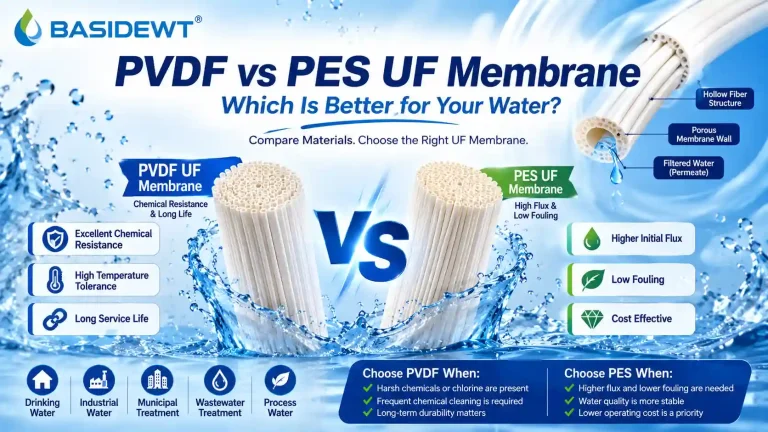
PVDF vs PES UF Membrane: Which Is Better?
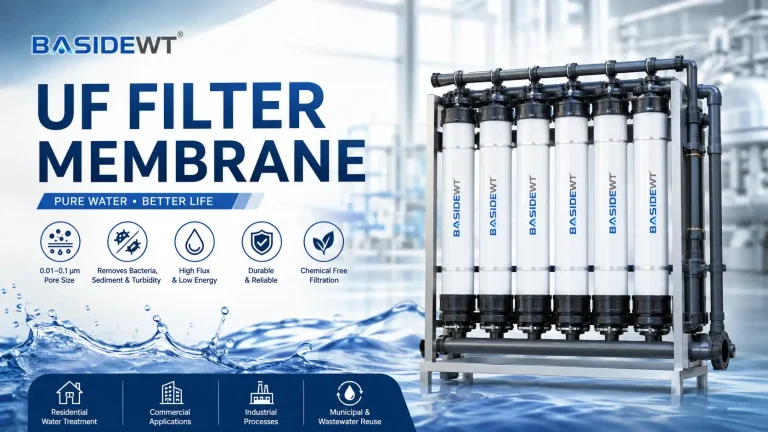
UF Filter Membrane: Types, Working, Pore Size, Applications, Maintenance & Buying Guide
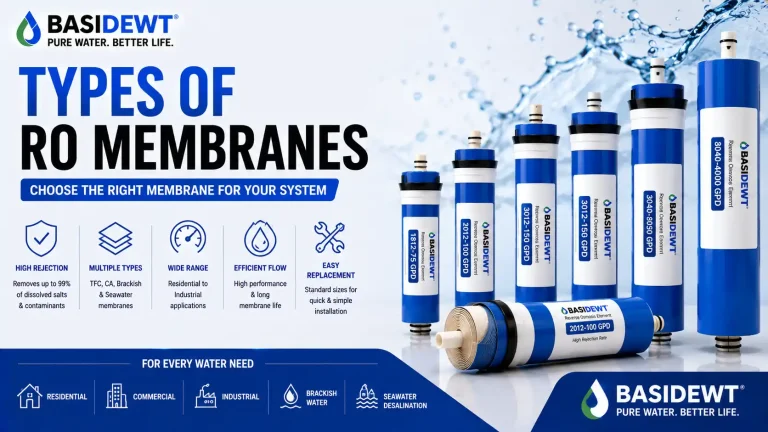
Types of RO Membranes: Complete Guide to Choosing the Right Type