BasideWT- Whole Home Water Filtration System & Replacement


What Is an RO Membrane? Complete Guide for Beginners
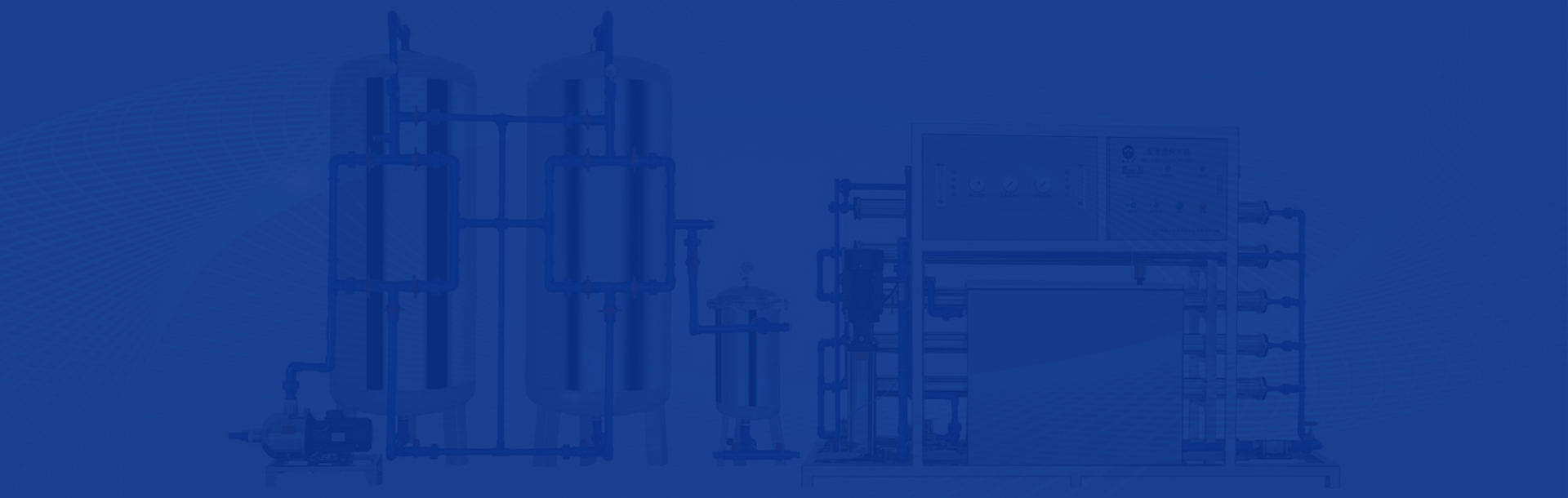
If you’ve ever looked inside a reverse osmosis system, you’ve probably wondered what that white cylindrical part actually does. So, what is an RO membrane? It’s the core filtration component inside a reverse osmosis system that removes dissolved salts, minerals, and other impurities from water by forcing it through an extremely fine, semi-permeable barrier.
Everything else in an RO system — the housing, the pre-filters, the pump, the tubing — exists to support this one part. The membrane is where the actual purification happens.
This guide breaks down what an RO membrane is, how it works, what it removes, and how it fits into a complete water treatment system. It’s written for beginners who want a clear, practical understanding before diving into more technical topics like membrane sizes or replacement schedules.
What Is an RO Membrane?
An RO membrane is a thin, tightly wound filtration layer designed to block particles and dissolved substances that are far too small for ordinary filters to catch. Standard sediment or carbon filters can trap dirt, rust, and chlorine, but they cannot remove dissolved salts, heavy metals, or many other microscopic contaminants. That’s the membrane’s job.
Most residential and commercial RO membranes use a thin-film composite (TFC) structure. This material is rolled into a spiral shape around a central tube, which is why membranes are often called “spiral-wound” membranes. The spiral design packs a large filtering surface area into a compact cylinder, which is what allows a membrane only a few inches wide to filter thousands of gallons of water over its lifespan.
In short, an RO membrane is the working heart of any reverse osmosis water treatment system.
What Does an RO Membrane Do?
An RO membrane’s main function is separation. It splits incoming water into two separate streams:
- Permeate (filtered water): Water that has passed through the membrane and left most dissolved contaminants behind.
- Concentrate or reject water: Water that carries the rejected salts, minerals, and impurities away from the membrane surface.
This separation happens continuously as water flows across the membrane surface under pressure. The membrane doesn’t “trap” contaminants the way a sediment filter does. Instead, it acts as a selective barrier, allowing water molecules through while blocking most larger dissolved particles and ions.
What Is Reverse Osmosis?
To understand the membrane, it helps to understand the process it’s named after: reverse osmosis.
In natural osmosis, water moves through a semi-permeable membrane from a less concentrated solution toward a more concentrated one, trying to balance both sides. Reverse osmosis does the opposite. Applied pressure pushes water in the reverse direction, forcing it from the more concentrated (contaminated) side through the membrane, leaving dissolved impurities behind.
This is why RO systems require a pump or sufficient incoming water pressure. Without enough pressure, the membrane cannot push clean water through fast enough to be useful.
How Does an RO Membrane Separate Contaminants from Water?
At a molecular level, the membrane’s active layer contains microscopic pores small enough to allow water molecules through while restricting the passage of larger dissolved ions and compounds. As feed water flows across the membrane surface:
- Pressure forces water molecules through the semi-permeable layer.
- Dissolved salts, minerals, and many organic compounds are largely blocked.
- Rejected contaminants are carried away in the concentrate stream rather than accumulating inside the membrane.
This continuous cross-flow design is what allows RO membranes to keep operating for extended periods instead of clogging like a standard filter cartridge.
What Contaminants Can an RO Membrane Reduce?
RO membranes are commonly used to reduce a wide range of dissolved substances, including:
- Dissolved salts and sodium
- Calcium and magnesium (hardness minerals)
- Nitrates and sulfates
- Fluoride
- Certain heavy metals, such as lead and arsenic
- Total dissolved solids (TDS) in general
Actual rejection rates depend heavily on the specific membrane model, water pressure, feed-water TDS, and system design. No membrane removes 100% of every contaminant, and performance claims should always be evaluated against the specific membrane’s tested specifications rather than general assumptions.
RO Membrane vs Other RO Filters: What’s the Difference?
A common beginner question is how the RO membrane differs from the other filters in an RO system. Many systems include multiple filtration stages, and each one plays a different role.
| Filter Type | Primary Role | What It Removes |
|---|---|---|
| Sediment pre-filter | Protects the membrane from physical damage | Dirt, sand, rust, sediment |
| Carbon pre-filter | Protects the membrane from chemical damage | Chlorine, chloramine, taste/odor compounds |
| RO membrane | Core purification stage | Dissolved salts, minerals, many dissolved contaminants |
| Post-carbon filter | Final polishing stage | Residual taste, odor after storage |
The pre-filters exist mainly to extend the membrane’s working life. Chlorine, for example, can chemically damage many thin-film composite membranes over time, so removing it beforehand is essential. Sediment can physically foul the membrane surface, reducing flow and efficiency.
The membrane itself is the only stage capable of reducing dissolved, ion-level contaminants. This is the fundamental difference between an RO membrane and the sediment or carbon filters that typically surround it in a system.
Basic Structure of an RO Membrane
While designs vary by manufacturer and model, most RO membranes share a similar basic construction:
- Outer wrap: A protective outer layer that holds the spiral-wound structure together.
- Membrane leaves: Layers of thin-film composite material folded around a mesh spacer, which creates the flow channels for feed water.
- Permeate carrier: A material layer that channels filtered water toward the central collection tube.
- Center tube: A perforated tube that collects the purified permeate and carries it out of the membrane.
- End caps and O-rings: Seals that prevent unfiltered water from bypassing the membrane inside its housing.
Understanding this structure matters because it explains why membranes come in standardized sizes. A 3012 RO membrane and a 3013 RO membrane, for example, share the same basic spiral-wound design but differ in dimensions, which affects how much surface area — and therefore how much filtration capacity — each one offers.
Main Components Around an RO Membrane
The membrane doesn’t work in isolation. It sits inside a supporting structure that makes the whole system function correctly.
- Membrane housing: A pressure vessel that holds the membrane in place and directs water flow through it. If you’re curious how this part protects and seals the membrane, our guide to RO membrane housing covers this in more detail.
- Pump (in many systems): Boosts water pressure to a level sufficient for effective filtration.
- Pre-filter stages: Protect the membrane from sediment and chlorine before water reaches it.
- Flow restrictor: Maintains the pressure balance needed for proper permeate-to-reject ratios.
- Storage tank or direct-flow design: Holds or delivers the filtered water after it leaves the membrane.
Together, these components form a complete filtration pathway, with the membrane positioned at the center of the process.
Where Are RO Membranes Used?
RO membranes are used anywhere water needs to be purified at the dissolved-solids level, not just filtered for visible particles. Common applications include:
- Residential drinking water systems, such as compact under-sink RO purifiers used in homes and apartments
- Commercial and food-service settings, including restaurants, cafes, and offices using commercial RO water filter systems
- Industrial and process water applications, where larger commercial RO systems treat higher volumes
- Well water treatment, where source water often contains higher mineral or contaminant loads, addressed by well water reverse osmosis systems
The membrane size and configuration typically scale with the application — smaller membranes for point-of-use residential systems, and larger or multiple membranes for higher-volume commercial and industrial use.
How an RO Membrane Fits Into a Complete RO Water System
It’s easier to understand the membrane’s role by seeing where it sits in the overall filtration sequence.
- Feed water enters the system and passes through sediment and carbon pre-filters.
- Pressurized water reaches the membrane, housed inside its protective housing.
- The membrane separates the water into permeate (filtered) and concentrate (reject) streams.
- Filtered water moves onward to a storage tank or post-filter stage, depending on the system design.
- Reject water is drained away, carrying rejected contaminants out of the system.
This sequence is standard across most RO water systems, whether it’s a compact residential unit or a larger commercial installation. The membrane is always the central purification stage, but it depends entirely on the surrounding components to function correctly and last as long as it should.
What Factors Affect RO Membrane Performance?
Several operating conditions influence how well an RO membrane performs at any given moment. Understanding these factors helps explain why the same membrane can produce different results in different settings.
Pressure
Higher feed pressure generally pushes more water through the membrane, improving flow rate. If pressure drops too low, filtration efficiency and output both decline.
Temperature
Water temperature affects how easily water molecules pass through the membrane. Colder water is thicker and flows more slowly, which can reduce permeate output. Warmer water typically increases flow, though membranes also have upper temperature limits that shouldn’t be exceeded.
Feed-Water Quality and TDS
The total dissolved solids (TDS) level in the feed water directly affects how hard the membrane has to work. Higher-TDS source water increases the concentration gradient the membrane must overcome, which can reduce both flow rate and rejection efficiency over time.
| Factor | Effect on Performance |
|---|---|
| Higher pressure | Generally increases permeate flow |
| Lower pressure | Reduces flow and efficiency |
| Higher temperature | Increases flow, within membrane limits |
| Lower temperature | Reduces flow rate |
| Higher feed TDS | Increases workload, may reduce rejection efficiency |
| Lower feed TDS | Easier filtration, typically higher efficiency |
These factors interact with each other, so real-world performance always depends on the specific combination of pressure, temperature, and feed-water conditions at a given location.
How to Identify When an RO Membrane Is Performing Poorly
Even beginners can spot early warning signs of declining membrane performance:
- Reduced water flow from the system’s dispenser or tap
- A noticeable rise in TDS in the filtered water, checked with a TDS meter
- Unusual taste or odor in water that previously tasted clean
- Longer fill times for the storage tank
- Increased reject-to-permeate ratio, meaning more water goes to drain relative to filtered output
These signs don’t always mean the membrane needs immediate replacement, but they’re worth investigating. Sometimes a clogged pre-filter or pressure issue is the real cause. When the membrane itself has reached the end of its usable life, understanding your options for RO membrane replacement becomes relevant.
What Should Beginners Understand Before Buying an RO Membrane?
Before purchasing a membrane, it helps to understand a few basics:
- Membranes come in different sizes, which must match your existing housing and system design.
- GPD (gallons per day) ratings describe production capacity under specific test conditions, not guaranteed real-world output.
- Feed-water quality matters — the same membrane can perform differently depending on local water conditions.
- Not all membranes fit all systems, so compatibility with your housing and existing setup is essential.
This article focuses on explaining what an RO membrane is and how it works, rather than walking through the full selection process. If you’re ready to compare membrane types, sizes, and buying considerations in depth, our complete RO membrane guide covers that ground in detail. You can also browse available RO membranes directly if you already know what you’re looking for.
Conclusion
An RO membrane is the core purification component in any reverse osmosis system. It works by using pressure to force water through a semi-permeable barrier, separating clean permeate from a concentrate stream carrying rejected contaminants. Unlike sediment or carbon filters, it’s the only stage capable of reducing dissolved salts, minerals, and many other ion-level impurities.
Its performance depends on pressure, temperature, and feed-water quality, and it works as part of a larger system that includes pre-filters, a housing, and often a pump. For a deeper technical explanation of how the underlying osmosis process works at the molecular level, reverse osmosis is a useful reference.
Understanding these fundamentals gives you a solid foundation before moving on to more specific topics, like choosing the right membrane size or knowing when it’s time for a replacement.
RELATED POSTS
UF Membrane Troubleshooting: Low Flow, Fouling & Poor Performance
What Is Reverse Osmosis Water Filter System
Why Is My Water Filter Not Working? Common Causes & Fixes

Install a Security Filter: Protecting Your System
UV Transmittance (UVT) in Water Treatment Explained