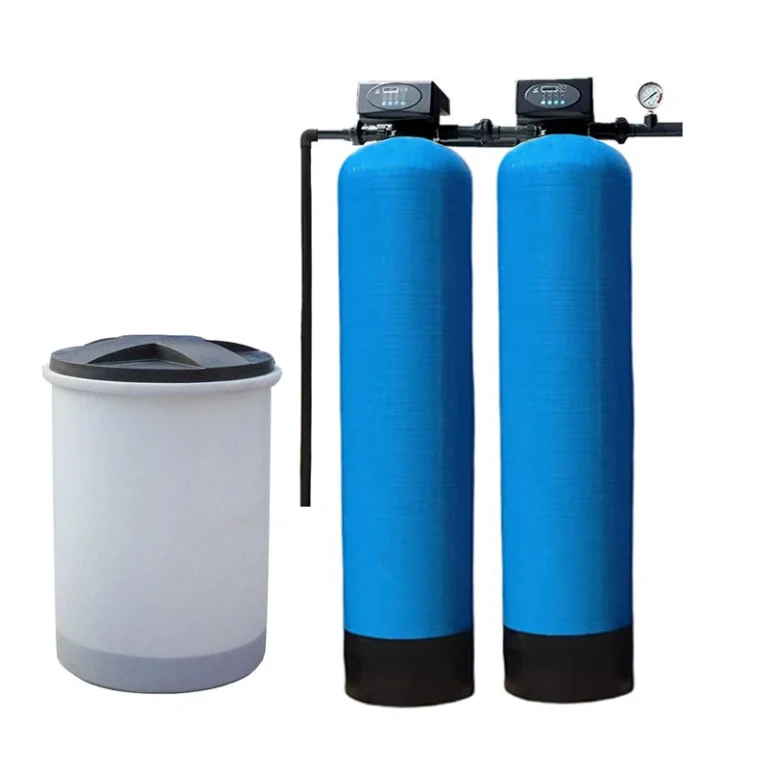
BasideWT- Whole Home Water Filtration System & Replacement


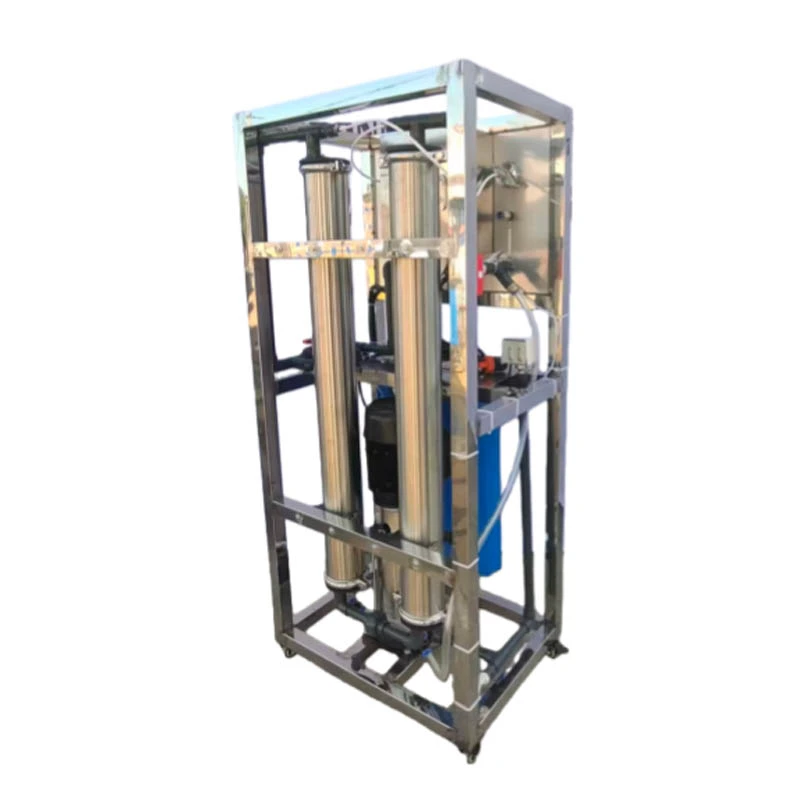
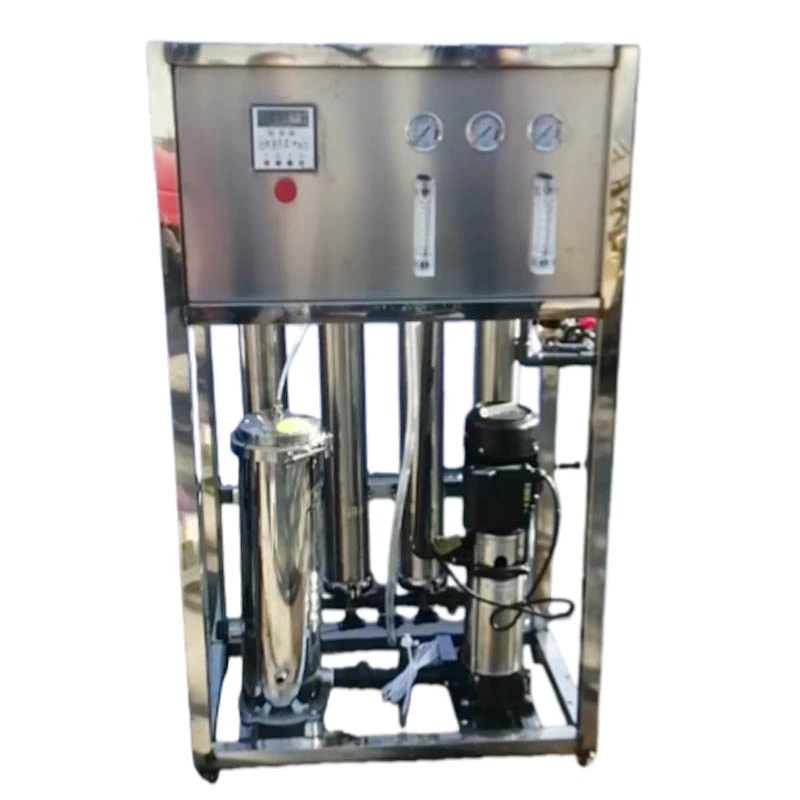
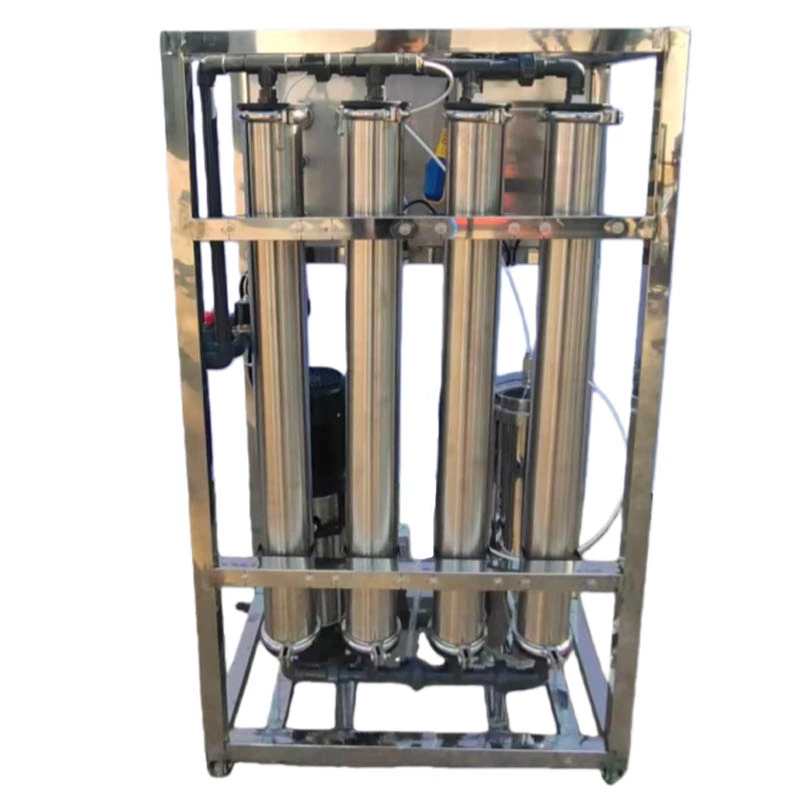
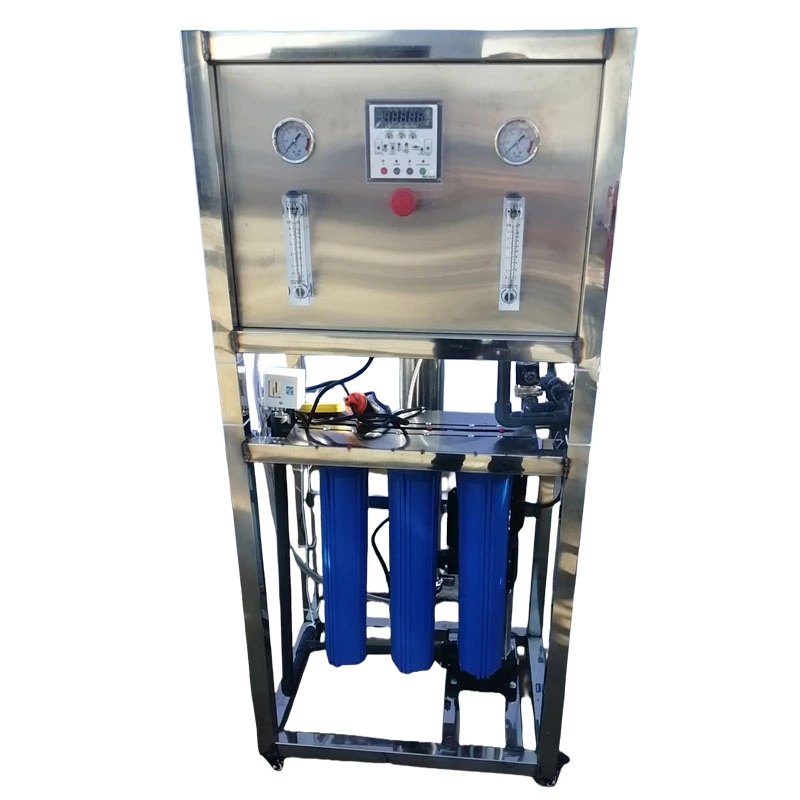
Whole-House Well Water Reverse Osmosis System
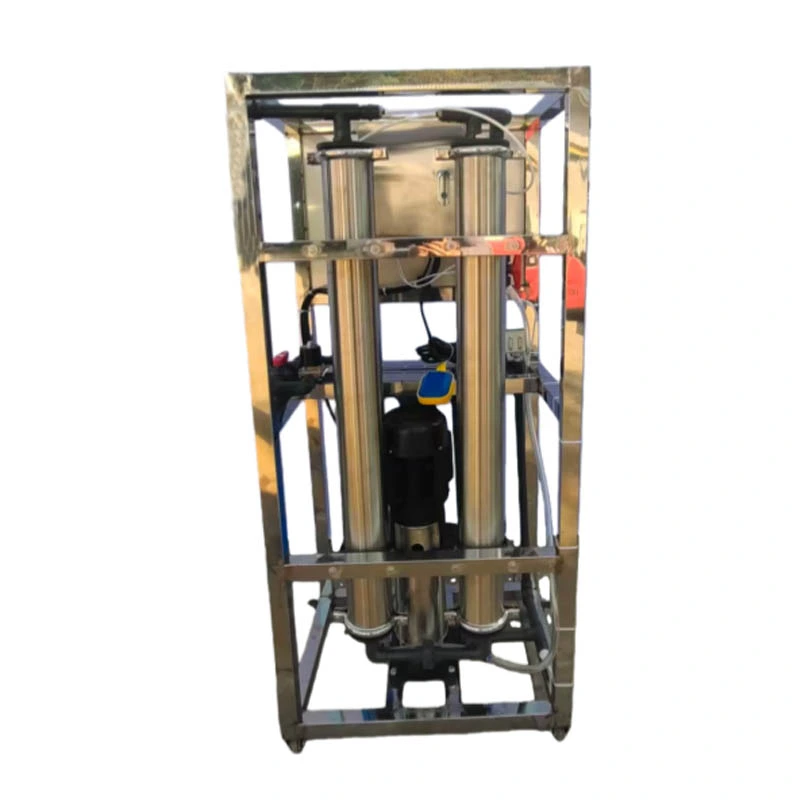
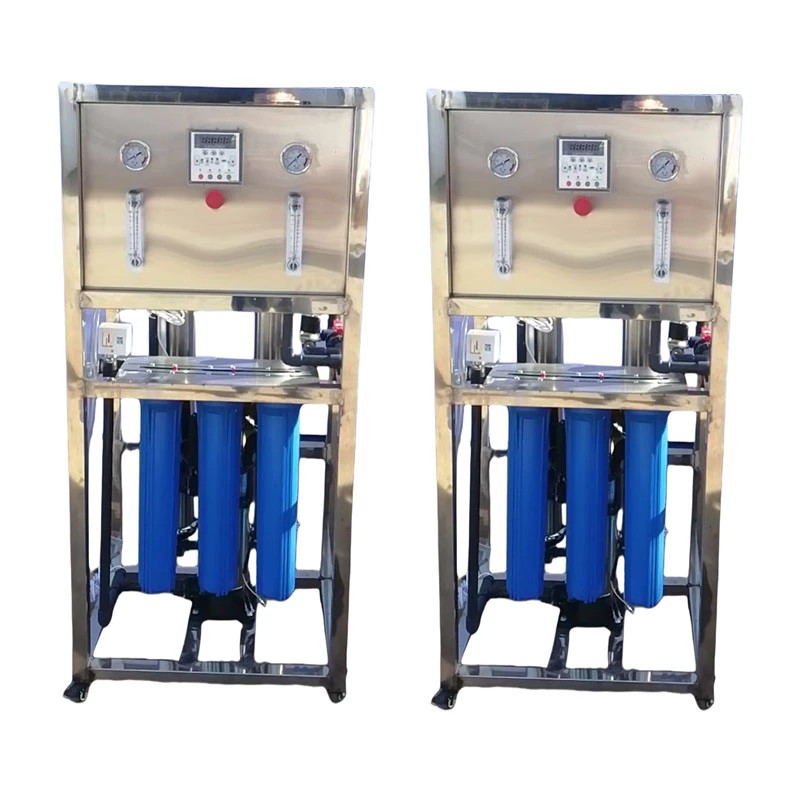
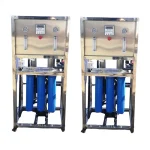
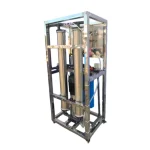
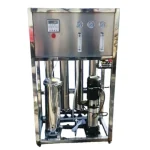
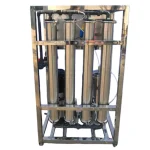
PRODUCT PARAMETERS
If you draw your own well water, ensuring its purity is an important safety measure. Well water reverse osmosis A well water reverse osmosis system provides an effective solution for removing contaminants from well water and works seamlessly with complete water filtration systems for whole-home protection. This superior filtration technology reduces;common contaminants;” some may not necessarily be in your water. So it’s a good investment in your health and well-being.
What Is a RO System for Well Water?
A Well Water Reverse Osmosis System is a treatment unit. It filters out contaminants with a semi-permeable membrane. Just imagine it as a very fine sieve that keeps impurities out. For instance, it removes sediments, minerals and chemicals from them. Curiously, this process itself uses the water pressure to expel water through the membrane. The end product: cleaner water for drinking and cooking. These systems typically use high-performance RO membranes to remove dissolved solids and improve overall water quality.
Pros of using a RO system for well water
Why choose this system? The advantages are clear. (For one, it scrubs out nasty pollutants such as nitrates and heavy metals. Second, it makes water taste and smell better. Third, it lessens the effects of hard water. Indeed, A Well Water Reverse Osmosis System will prevent appliances from scaling over time. But please be aware that maintenance is required to keep the best pen out there working at its fullest potential.The end product: cleaner water for drinking and cooking.Reverse Osmosis System
If you draw your own well water, ensuring its purity is an important safety measure. Well water reverse osmosis A well water reverse osmosis system provides an effective solution for removing contaminants from well water to provide great tasting, high quality drinking water. This superior filtration technology reduces;common contaminants;” some may not necessarily be in your water. So it’s a good investment in your health and well-being.
What Is a RO System for Well Water?
A Well Water Reverse Osmosis System is a treatment unit. It filters out contaminants with a semi-permeable membrane. Just imagine it as a very fine sieve that keeps impurities out. For instance, it removes sediments, minerals and chemicals from them. Curiously, this process itself uses the water pressure to expel water through the membrane. The end product: cleaner water for drinking and cooking.
Pros of using a RO system for well water
Why choose this system? The advantages are clear. (For one, it scrubs out nasty pollutants such as nitrates and heavy metals. Second, it makes water taste and smell better. Third, it lessens the effects of hard water. Indeed, A Well Water Reverse Osmosis System will prevent appliances from scaling over time. But please be aware that maintenance is required to keep the best pen out there working at its fullest potential. But most of all, it results in safer, higher quality water.
Key Components of a Well Water Reverse Osmosis System
A complete well water reverse osmosis system is made up of multiple components that work together to ensure consistent water purification. Each stage plays an important role in improving water quality and protecting the main filtration membrane.
The system usually includes sediment filters, carbon pre-filters, and a high-quality membrane housing. These parts help remove large particles, chlorine, and organic compounds before the water reaches the RO membrane. This step-by-step filtration process improves efficiency and extends the lifespan of the system.
In advanced setups, pre-filtration stages are especially important for well water because groundwater often contains higher levels of sediment and dissolved minerals.
How Does Reverse Osmosis for Well Water Process?
Let’s break down the process. A durable membrane housing is also important to maintain pressure and ensure long-term system reliability. Water passes through multiple stages. Perversely, it does throw water away to clear the contaminants. But the result is highly purified water. For example, it removes up to 99% of dissolved solids. So it is comprehensive and reliable.
Maintenance Tips for Long-Term Performanc
Regular maintenance is essential to keep a well water reverse osmosis system operating efficiently. Over time, filters and membranes can accumulate contaminants that reduce performance.
Replacing pre-filters at recommended intervals helps maintain proper water flow and protects the RO membrane from damage. Cleaning or replacing membrane housings when needed also ensures stable pressure and consistent filtration quality.
It is also important to monitor water pressure and overall system performance. Proper maintenance not only improves water quality but also extends the lifespan of the entire system.
Type of Impurities Removed by this System
Well water is very often impure. Lots of us are the focus of a Water Reverse Osmosis System. These can range from sediments, chlorine and pesticides. It also filters out heavy metals such as lead. For instance amount of arsenic and fluoride is reduced. But it may not kill all the bacteria that have been present. So, team it with disinfection if necessary. Ultimately, it provides comprehensive purification.
Why Whole House RO Systems Are Becoming Popular
In recent years, whole house reverse osmosis systems for well water have gained popularity due to increasing concerns about groundwater quality. These systems provide purified water at every tap in the house, making them a complete solution for residential water treatment.
Unlike point-of-use systems, whole house systems treat water at the entry point, ensuring that all appliances and plumbing fixtures receive clean water. This helps reduce scaling, improve taste, and protect household equipment from mineral buildup.
As water quality challenges increase globally, more homeowners are choosing integrated filtration solutions for long-term safety and convenience.
Best Reverse Osmosis System for Well Water Applications
Choosing the best reverse osmosis system for well water is essential when dealing with iron, sediment, and high TDS levels. A whole house reverse osmosis system for well water treats water at the point of entry, ensuring every tap receives purified water. This whole house well water reverse osmosis system is designed for homes relying on private wells and supports long-term filtration performance. Modern reverse osmosis systems for well water include pre-filtration stages that protect the membrane and improve efficiency, making them ideal for residential and light commercial use.
FAQs
How do I know which system is right for my home?
How to Measure Your Home’s Water Flow Rate?
How do I troubleshoot low water pressure from my system?

What contaminants does your water treatment system remove?
What’s the difference between UV, RO, and activated carbon filtration?
REQUEST A QUOTE
RELATED PRODUCTS
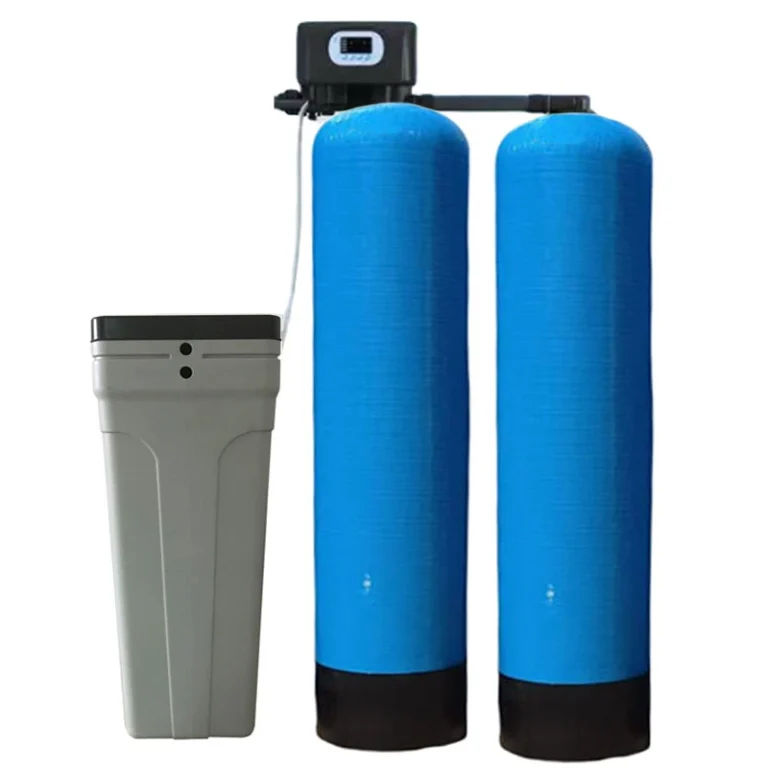
Dual-Tank Continuous Water Softening System: The Ultimate Iron Filter Solution for Well Water
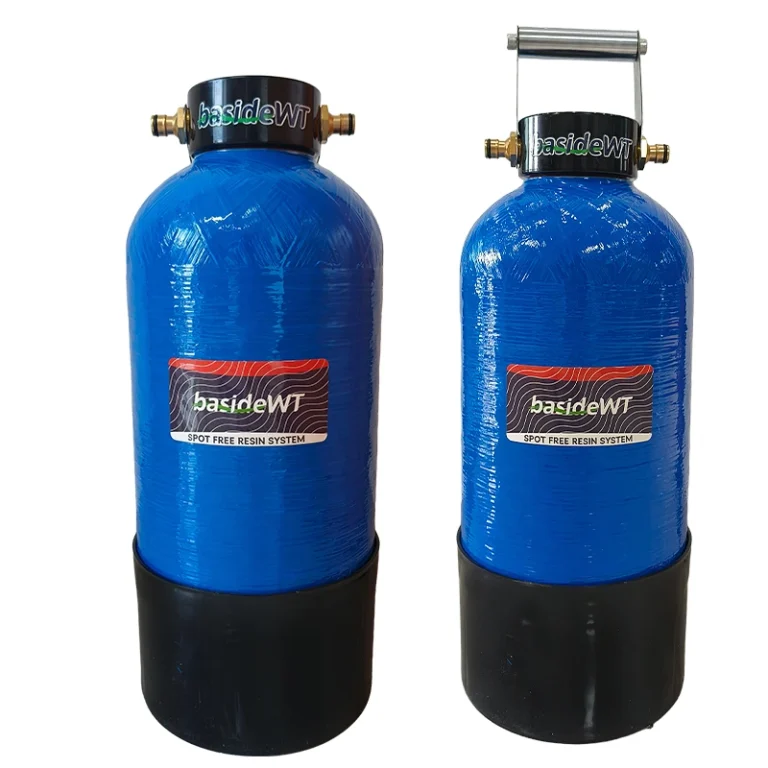
Custom Deionized Water Cleaning System with Blue Filter Tank for car Wash and window cleaning
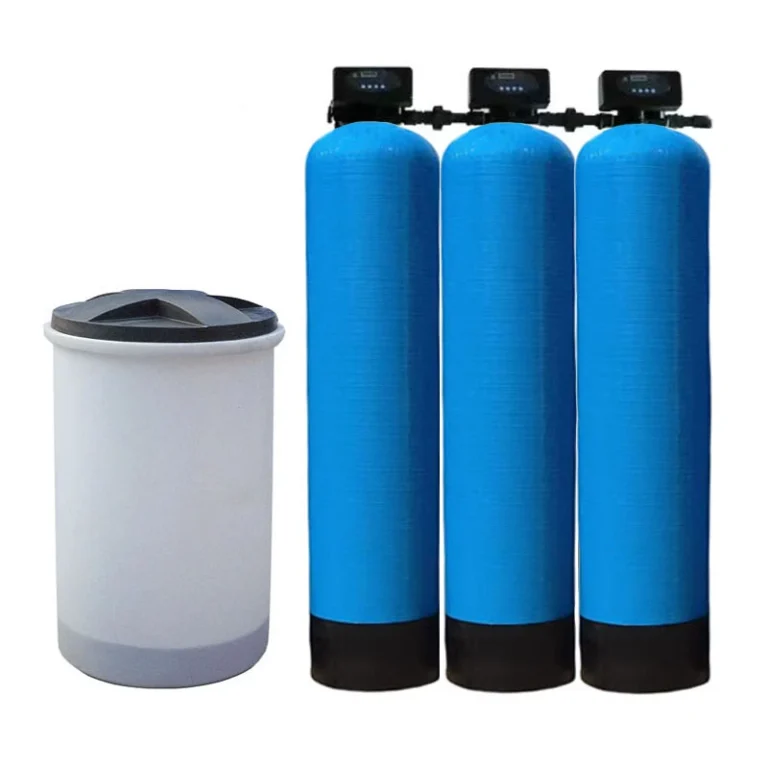
Whole House Triple Purpose Pre-Filter Ion Exchange Automatic Water Softener System for Hard Water
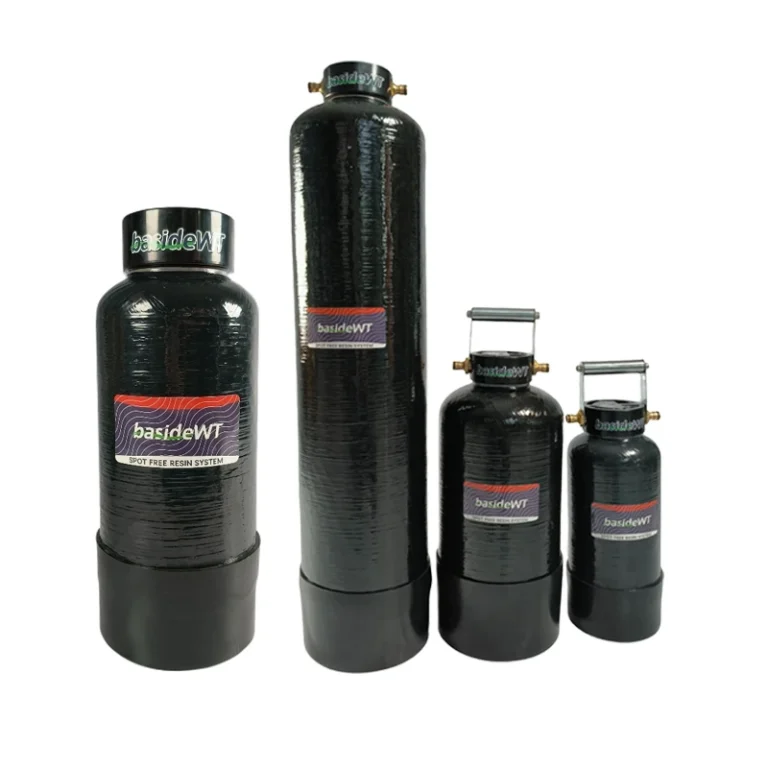
Premium Car and Window Cleaning System for Homeowners with Dual DI Tanks Purifier
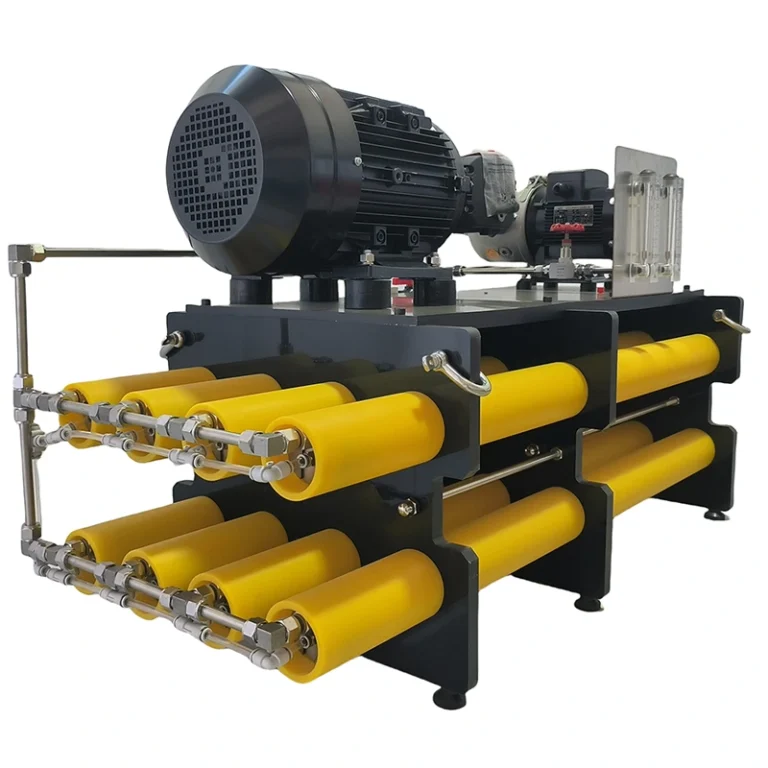
BasideWT Best Marine RO 1000L WaterMakers Seawater Desalination System