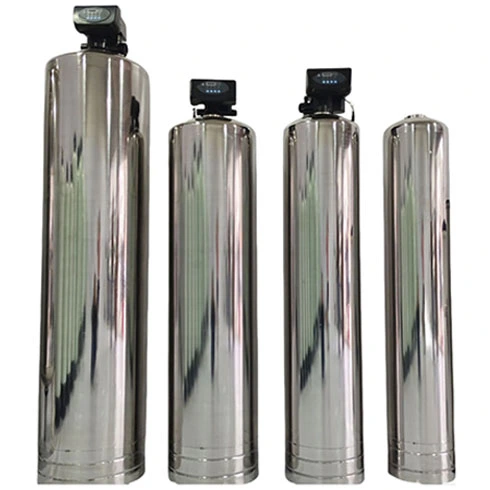
BasideWT- Whole Home Water Filtration System & Replacement


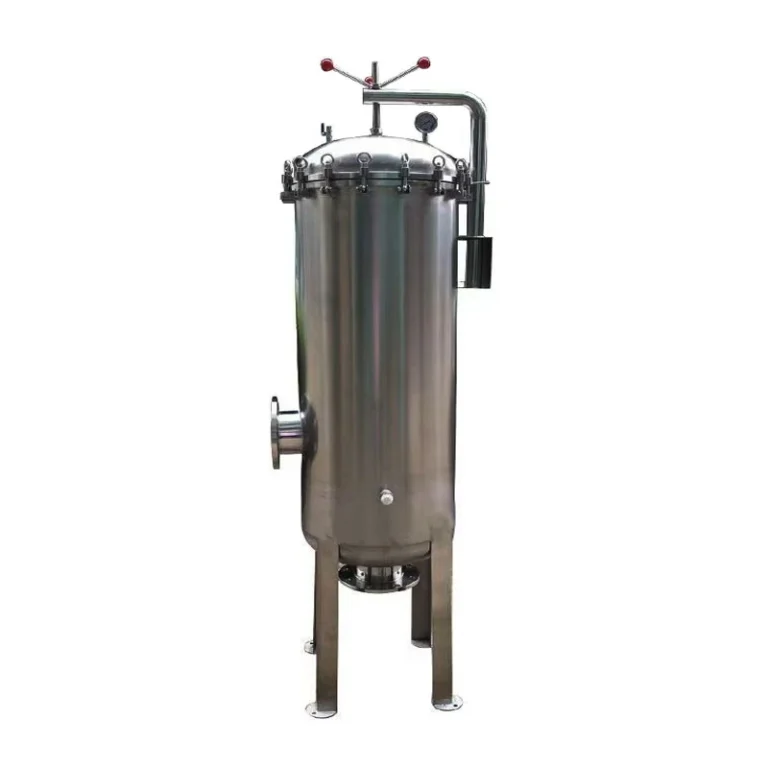
304 Stainless Steel Bag Filter Housing | Size 1 & 2 PP Sock Filter for Liquid Filtration
PRODUCT PARAMETERS
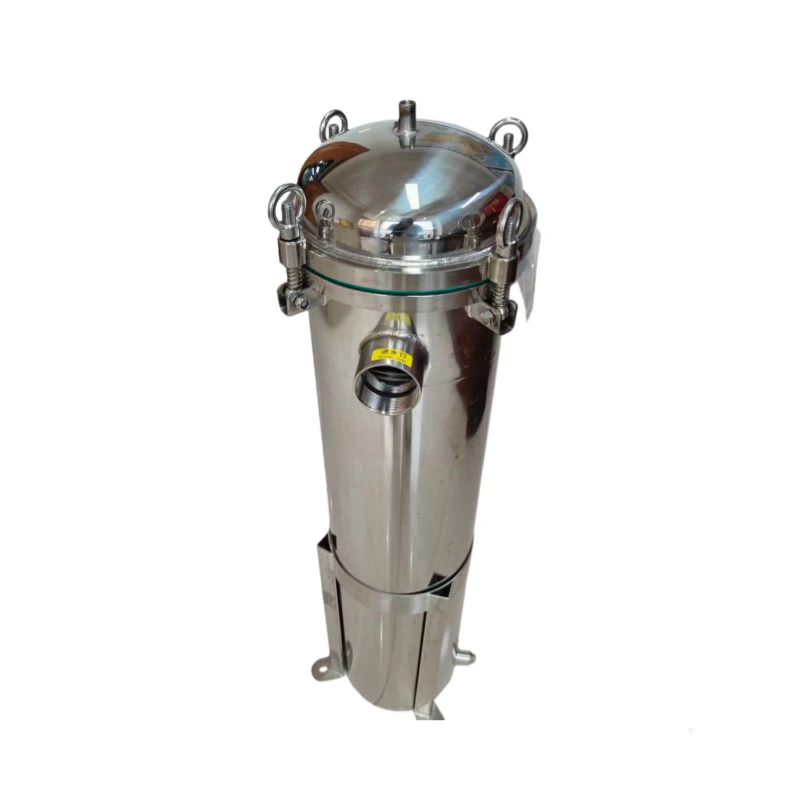
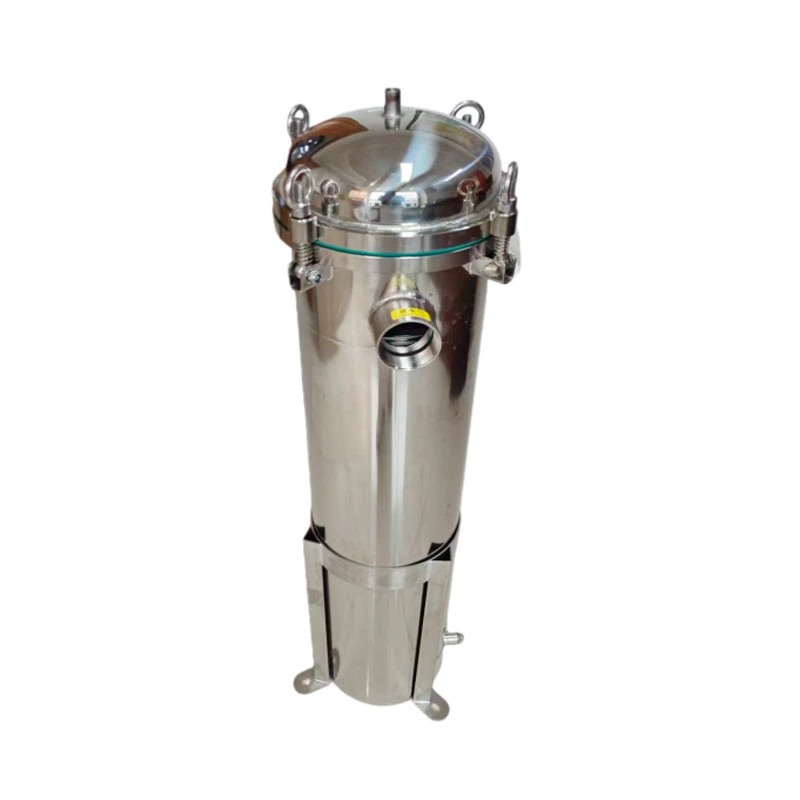
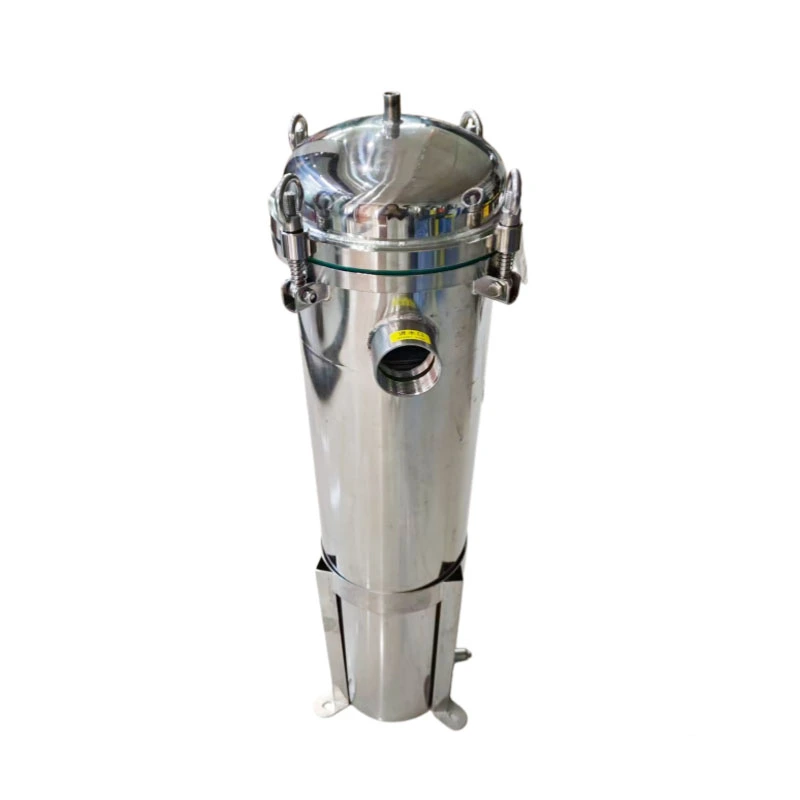
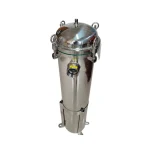
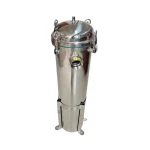
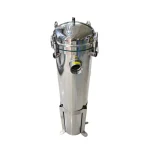
What is the core of any reliable liquid filtration system? It is the Bag Filter Housing. This compact and structurally innovative unit is the critical pressure vessel that enables simple, flexible, and highly efficient filtration. Operating in a closed loop, this modern solution securely holds the filter bag within a supportive mesh basket. Liquid enters the Bag Filter Housing inlet, passes through the bag, and exits cleanly. Impurities are captured within the bag, allowing for quick change-outs and minimal downtime.
Understanding the Bag Filter Housing System
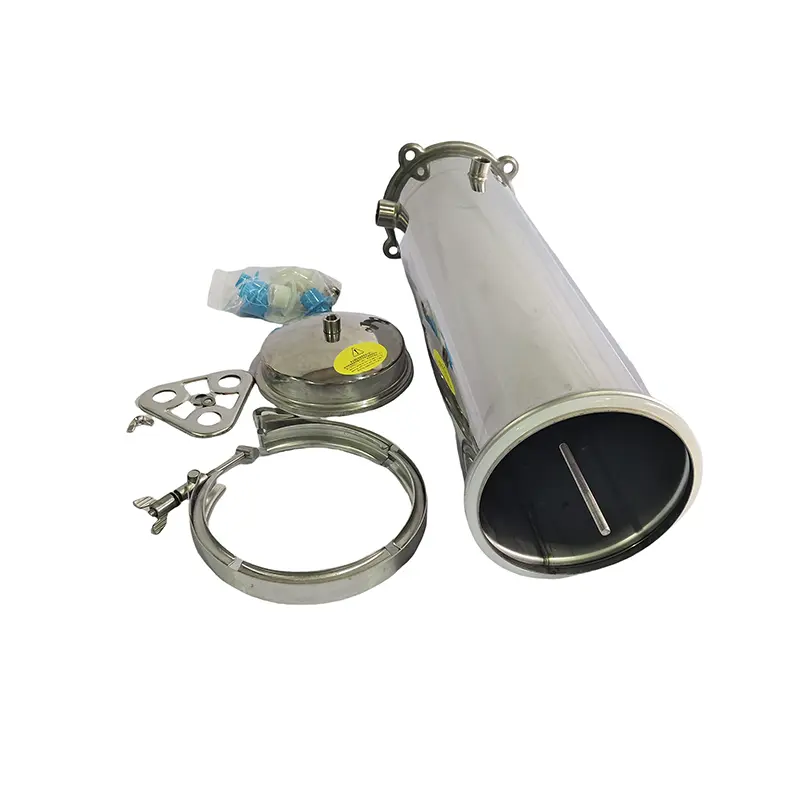
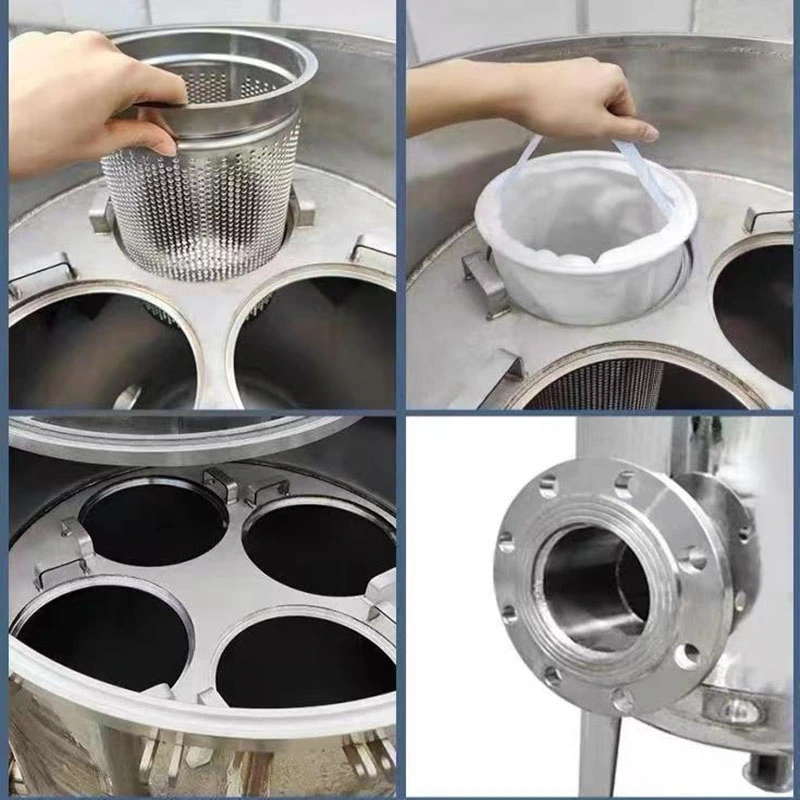
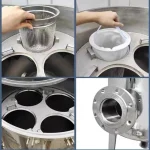
At its heart, the system is a pressure-driven filtration device. But how does it achieve this? The key lies in its robust construction. Its main components include the filter chamber (or vessel), a secure cover, a quick-release mechanism, and a stainless-steel support basket. This basket is vital. It prevents bag collapse under pressure and ensures even flow distribution.
The Filtration Process Step-by-Step
The fluid enters the Bag Filter Housing through a side inlet port. It then flows into the filter bag housed inside the supportive basket. Clean liquid permeates the bag’s material, while particles are trapped. This process continues until the bag is full. However, true efficiency depends on more than just this simple principle.
Bag Filter Housing Key Components
A high-performance housing relies on each part. The vessel body must withstand pressure and resist corrosion. Covers must seal perfectly. Quick-release clamps enable safe, fast access. Specifically, the choice of materials—such as 304 or 316 stainless steel—dictates compatibility with chemicals, food products, or potable water.
The Role of the Support Basket
Often overlooked, the basket is crucial. It maintains the bag’s shape, maximizing its surface area. A poorly designed basket can cause bypass, where unfiltered fluid escapes. Interestingly, a high-quality basket directly protects your investment in filter bags and product quality.
Specifically, its benefits are demonstrated in three key areas:
- High Efficiency & Enclosed Operation
The system—comprising the chamber, quick-release mechanism, and support basket—works in unison to create a sealed filtration environment. Liquid is driven evenly through the filter bag under pressure, enabling efficient solid-liquid separation and ensuring continuous, stable process flow. - Flexible Operation & Energy Economy
The low risk of side leakage guarantees consistent filtration accuracy. The unique quick-open design allows for rapid filter bag replacement, significantly reducing downtime and saving on labor and operational costs. - Durable Construction & Easy Maintenance
Manufactured with high-quality materials (such as stainless steel), the housing is robust. The polished surfaces are not only smooth but also prevent residue buildup, making routine cleaning and maintenance straightforward. Interestingly, this attention to detail in design directly extends the equipment’s overall service life.
Therefore, whether prioritizing filtration accuracy, operational efficiency, or long-term cost-effectiveness, bag filters demonstrate outstanding versatility. They are widely used across various industries—including chemicals, food and beverage, electronics, and water treatment—serving as a critical component in ensuring liquid purity within industrial processes.
FAQs
How do I know which system is right for my home?
How to Measure Your Home’s Water Flow Rate?
How do I troubleshoot low water pressure from my system?
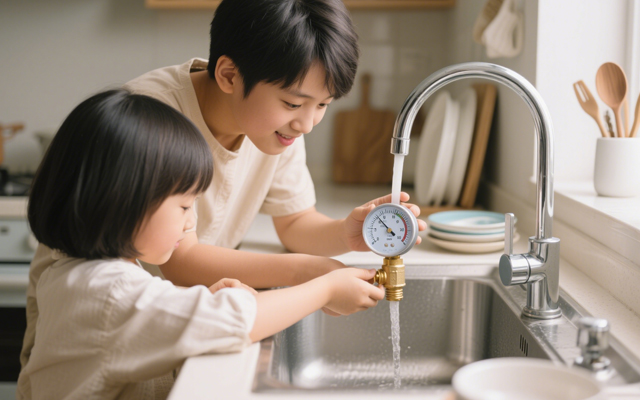
What contaminants does your water treatment system remove?
What’s the difference between UV, RO, and activated carbon filtration?
REQUEST A QUOTE
RELATED PRODUCTS

TDS Meter Test – Quick & Accurate Water Quality Meter | BasideWT
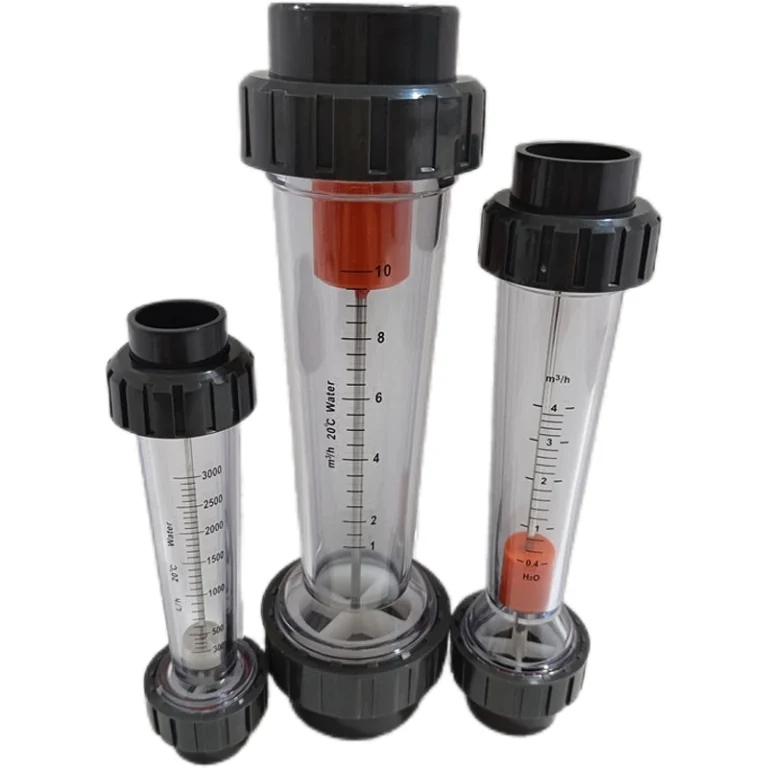
Water flow Flowmeter,LZS-40 Water Liquid Flowmeter,High Accuracy Plastic Tube Type Flowmeter Instrument 1-10mH Range
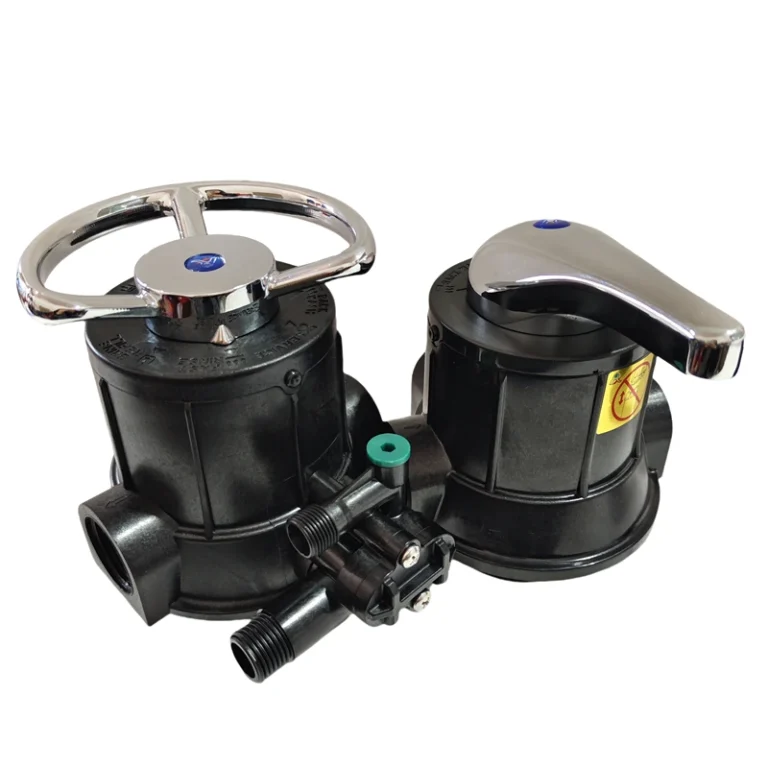
Water Filter Manual/Automatic Water Softener Control Valve-BasideWT
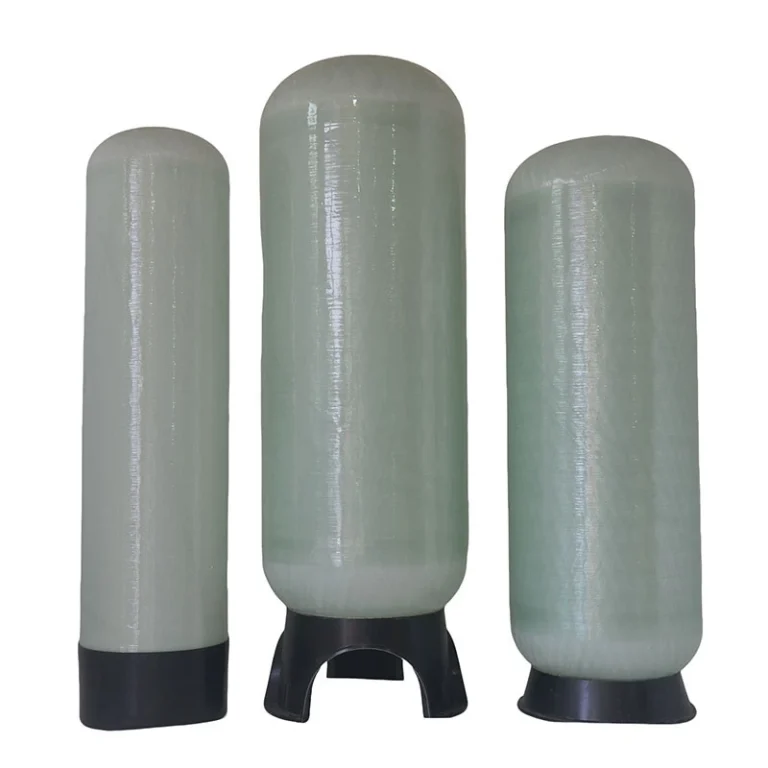
FRP Vessels for Water Treatment | Custom frp Pressure Vessel Manufacturers
High Flow Cartridge Filter Housing | BasideWT Manufacturer