BasideWT- Whole Home Water Filtration System & Replacement


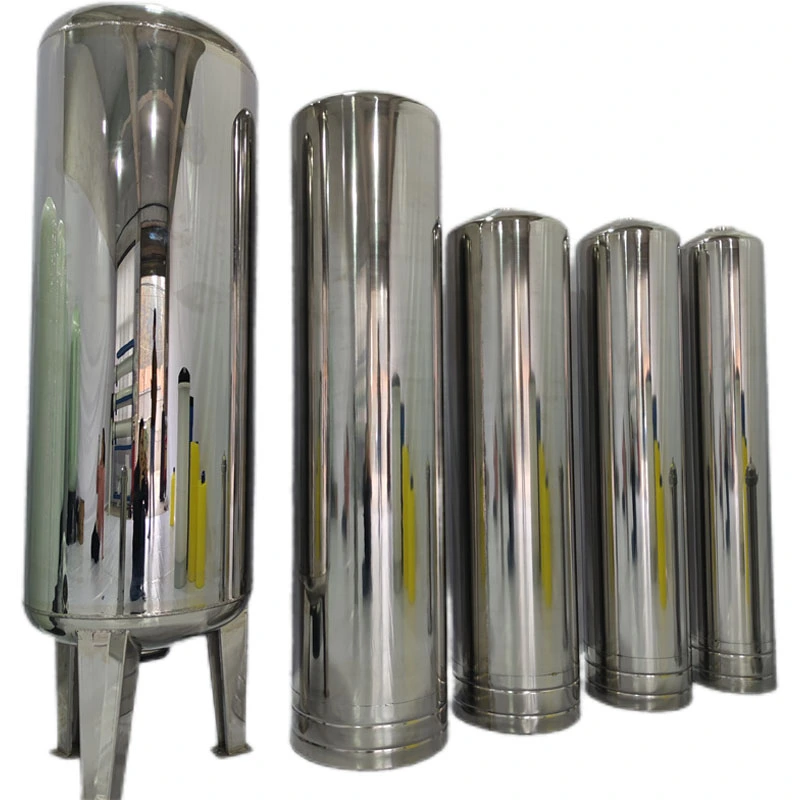
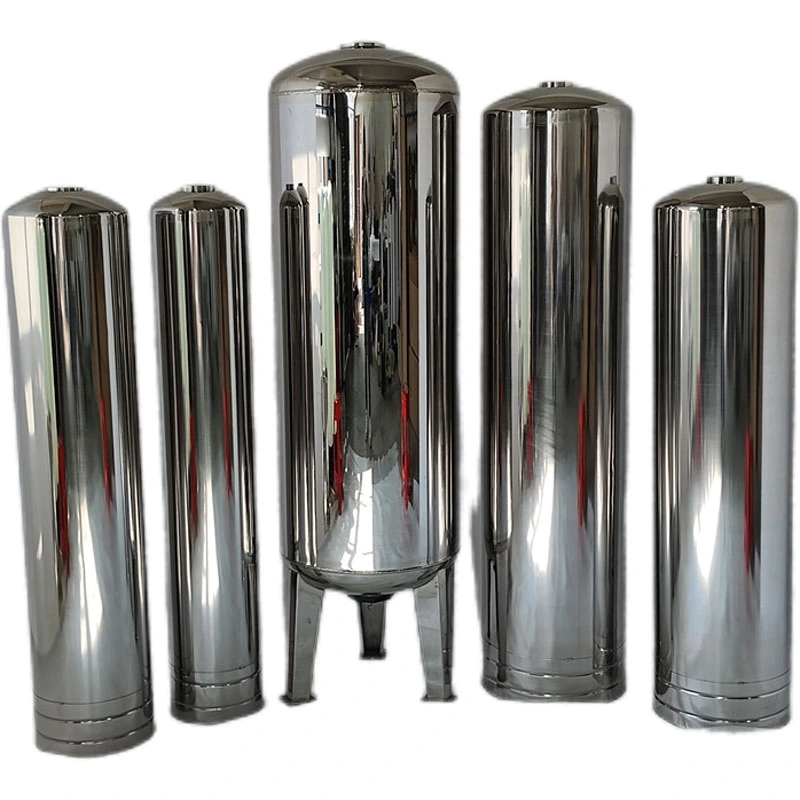
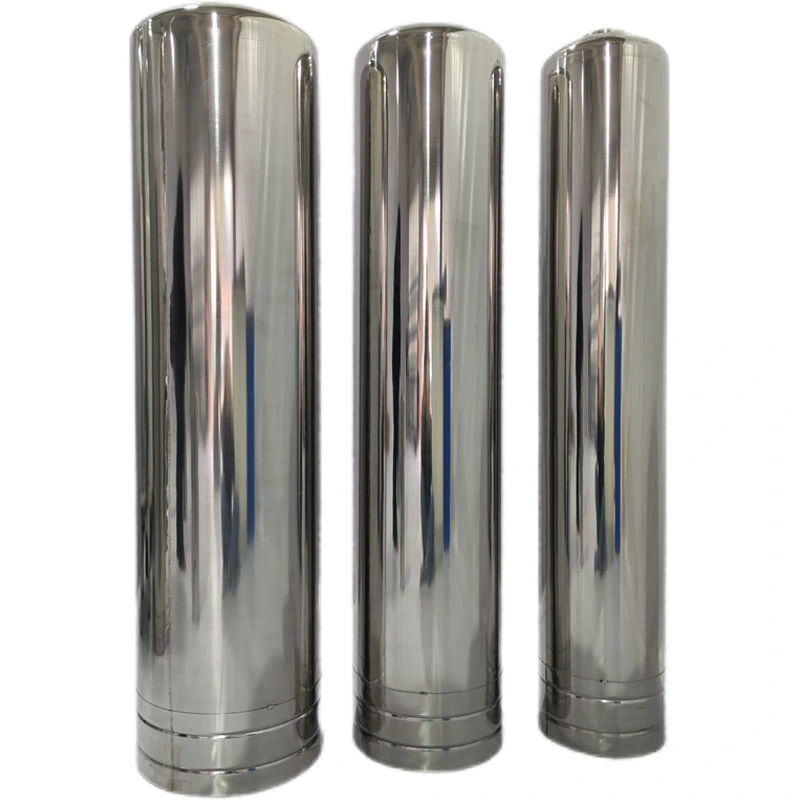
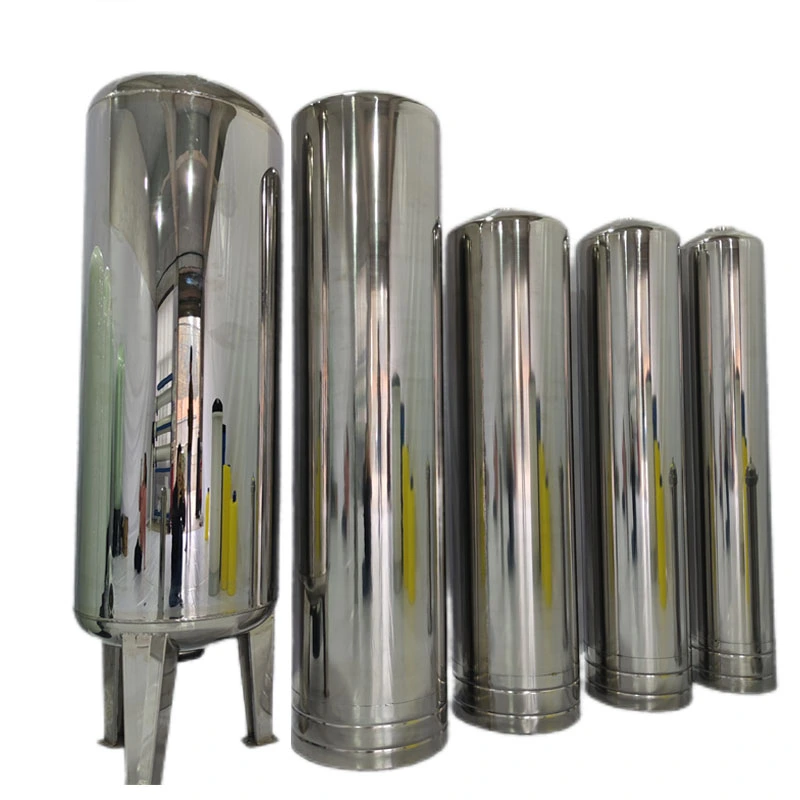
Food-Grade Stainless Steel Water Tank – 500L & 1000L Hygienic Filter Pressure Tank for Pure Storage
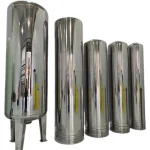
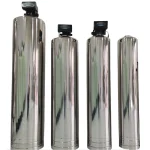
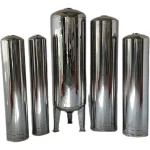
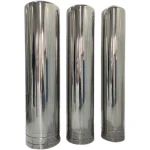
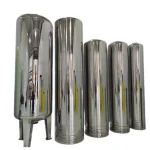
PRODUCT PARAMETERS
Why Stainless Steel Water Tanks Are the Gold Standard for Pure Water Storage
BasideWT supplies stainless steel water tanks from China for water treatment, commercial, industrial, and process water storage applications. Stainless steel tanks (also called stainless steel storage containers) are essential equipment across industries requiring safe, durable liquid storage. Made from premium food-grade 304/316 stainless steel, these tanks deliver unmatched corrosion resistance, hygiene, and structural integrity for storing water, chemicals, and food products. The right tank configuration depends on the stored liquid, required capacity, water quality, operating conditions, and connected treatment equipment.
Key advantages:
✔ Zero contamination risk (304/316L steel grades), Superior corrosion resistance – Handles acids, alkalis, and harsh chemicals that degrade other materials,100% food-safe & non-toxic – Meets strict FDA, EC1935, and 3-A sanitary standards, Fully customizable designs – Adaptable to specific pressure, temperature and process requirements, Leak-proof & low maintenance – Precision-welded seams and robust construction ensure decades of use.
Customization can include tank capacity, inlet and outlet connections, material grade, and other project-specific requirements. This helps the tank integrate with existing filtration, reverse osmosis, and water treatment systems.
Fun fact: A 2023 WHO report found stainless steel tanks reduce waterborne pathogens by 99.7% compared to polyethylene tanks.
Stainless Steel vs. Other Water Tank Materials (Comparison Table)
Choosing the right tank material impacts water safety and costs. Here’s how stainless steel water tanks compare:
| Feature | Stainless Steel | Polyethylene | Fiberglass |
|---|---|---|---|
| Hygiene | FDA/GMP compliant | Prone to algae | Chemical leaching risk |
| Durability | 50+ years | 10-15 years | 20-30 years |
| Temp Range | -40°C to 200°C | -20°C to 60°C | -50°C to 120°C |
| Best For | Food/pharma | Residential use | Chemical storage |
Our 2024 case study showed a dairy farm cut cleaning costs by 40% after switching to 1000L stainless tanks.
Stainless Steel Water Tank Specification and Model
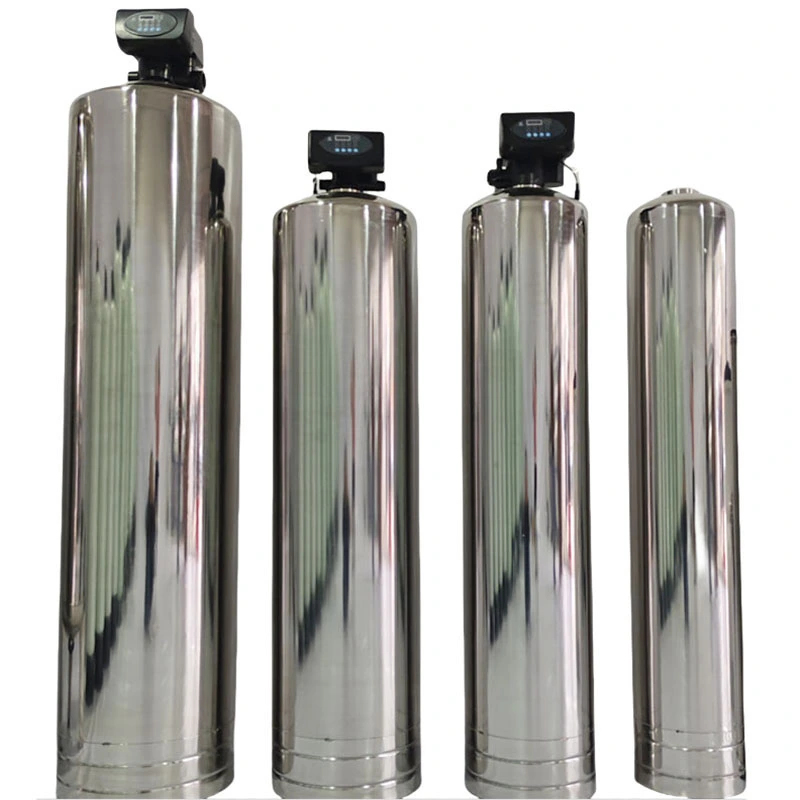
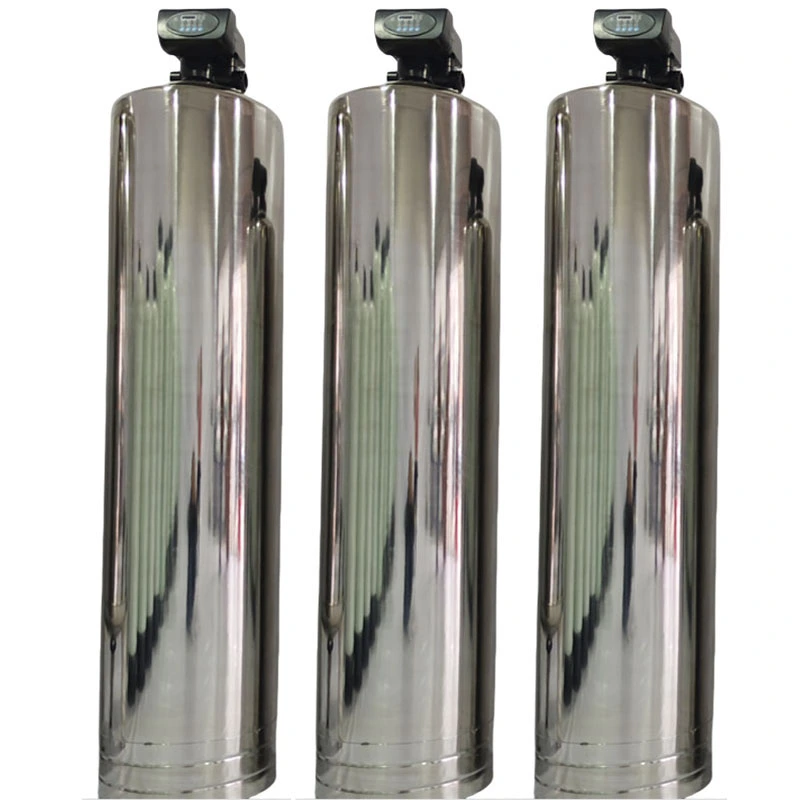
Stainless steel filter tank
| Model | A In/Out | D | L(mm) | H(total height) |
| 835 | 2.5” | ∅200 | 850 | 900 |
| 844 | 2.5” | ∅200 | 1050 | 1100 |
| 1035 | 2.5” | ∅250 | 850 | 900 |
| 1044 | 2.5” | ∅250 | 1050 | 1100 |
| 1054 | 2.5” | ∅250 | 1300 | 1350 |
| 1254 | 2.5” | ∅300 | 1300 | 1350 |
| 1265 | 2.5” | ∅300 | 1600 | 1650 |
| 1465 | 2.5” | ∅350 | 1600 | 1650 |
| 1665 | 2.5” | ∅400 | 1600 | 1650 |
Support leg type filter tank
| Model | (L)Volume | Inlet/Outlet | D(mm) | L(mm) | H(total height) |
| 500×1750 | 240 | 4” thread | 500 | 1450 | 1750 |
| 600×1900 | 350 | 4” thread | 600 | 1540 | 1900 |
| 750×1900 | 540 | 4” thread | 750 | 1600 | 1900 |
| 750×2100 | 540 | 6” thread | 750 | 1800 | 2100 |
| 900×1900 | 780 | 4” thread | 900 | 1700 | 1900 |
| 900×2100 | 780 | 6” thread | 900 | 1900 | 2100 |
| 1000×2100 | 960 | 4” thread | 1000 | 1700 | 2100 |
| 1000×2200 | 960 | 6” thread | 1000 | 1900 | 2200 |
| 1200×2200 | 1380 | 4” thread | 1200 | 1850 | 2200 |
| 1200×2400 | 1380 | 6” thread | 1200 | 2050 | 2400 |
Stainless Steel Water Storage Tank: Sizing Guide for Industrial and Commercial Use
The right stainless steel water storage tank size depends on your daily output. Also consider peak water demand, available installation space, and the flow rate of the connected treatment system. A 500L tank suits small breweries, farms, and light commercial RO systems. A 1000L tank handles larger industrial outputs comfortably. Support-leg models hold up to 1380 litres. These suit high-volume industrial applications with continuous demand.
The available capacity range can support different project sizes, from compact treatment systems to larger industrial water storage requirements. Select the final tank volume according to daily consumption, peak demand, system output, and available installation space.
Filter tank models use a 2.5-inch inlet and outlet. They connect directly to standard filter housings. Support-leg models use 4-inch or 6-inch thread connections. These handle much higher flow rates. Therefore, always match the connection size to your pump output. The inlet and outlet configuration should also match the connected filtration equipment and the required system flow rate.
Grade 304 suits most food and water applications. Grade 316L is essential for saltwater and chemical environments. It resists chloride corrosion that 304 cannot handle. Furthermore, stainless steel hot water tank versions support temperatures up to 200°C. Always confirm the actual temperature rating and design requirements for the selected tank before using it in a hot water or heated process application. This suits steam-heated industrial processes. For RO permeate storage, pair the tank with a complete water filtration system upstream. It removes contaminants before water enters the tank. Moreover, always monitor inlet pressure with a pressure gauge. It prevents over-pressurization during filling cycles.
304 vs 316L Stainless Steel Water Tank: Which Grade Is Right?
304 stainless steel is suitable for many general water storage, food, beverage, and water treatment applications. It offers a practical balance of corrosion resistance and cost.
316L stainless steel is better suited to applications with higher chloride exposure, saltwater, or more aggressive operating conditions.
The correct grade depends on the stored liquid, water chemistry, cleaning chemicals, temperature, and installation environment.
How to Select the Right Stainless Steel Water Tank (5 Steps)
1 – Confirm Steel Grade
- 304 (18/8): Budget-friendly for most uses
- 316L (Marine-grade): Essential for saltwater/chemical exposure
2 – Choose Capacity
- 500L: Compact for breweries/small farms
- 1000L: Ideal for industrial RO filter systems
3 – Assess Pressure Rating
Match to your pump/filter’s PSI (e.g., 7 bar = ~100 PSI).
4 – Verify Welding Quality
Laser-welded tanks prevent bacterial harbor points.
⚠ Warning: Avoid “food-grade” claims without actual certifications! Ask for the applicable material and certification documents when the tank is intended for regulated food, beverage, pharmaceutical, or potable water applications.
5 – Check System Compatibility
Confirm that the tank connections, flow rate, pressure rating, and material grade match the connected water treatment equipment
Common Mistakes When Using Stainless Tanks (And Fixes)
❌ Mistake 1: Ignoring anode rods → Fix: Install magnesium anodes in hard water areas.Mistake 2: Poor cleaning routines → Fix: Use passivation acid every 6 months. Mistake 3: Grounding failures → Fix: Ensure electrical continuity to prevent pitting.
Interestingly, 68% of tank failures (per [Water Storage Journal 2024]) stem from improper installation.
Real-World Applications of 500L & 1000L Tanks
Craft Brewery Water Storage
A 500L 316L tank ensures no metallic taste in beer fermentation.
Pharmaceutical RO Systems
1000L pressure-rated tanks store ultra-pure water for injections.
Off-Grid Rainwater Harvesting
Food-grade tanks with 50μm inlet filters prevent debris accumulation.
Stainless Steel Water Tank Checklist
✅ Do:
- Pick 304 or 316L steel (no “430 grade” for food use)
- Verify pressure rating exceeds system needs
❌ Don’t:
- Use chlorine cleaners (causes pitting)
- Skip annual inspections
- Mount near galvanized pipes (causes galvanic corrosion)
Stainless Steel Water Tank Installation and Maintenance
Before installation, confirm the tank location, foundation, connection sizes, operating conditions, and access needed for inspection and maintenance.
Regular inspection helps identify leaks, connection issues, surface damage, and other problems before they affect the wider water treatment system.
Cleaning and maintenance procedures should match the stainless steel grade, stored liquid, water quality, and operating environment.
Stainless Steel Water Tanks: Best Applications and System Pairings
Stainless steel water tanks serve a wide range of industries. Food and beverage production is the most common. The non-porous surface prevents bacterial growth. It also withstands aggressive cleaning chemicals. Pharmaceutical companies store ultra-pure RO water in these tanks. Hospitals use them as sterile water buffers. All of these applications need FDA-compliant steel grades.
Agricultural and irrigation systems also rely on stainless steel water storage tanks. Farms need large volumes of clean water daily. Stainless tanks last 50+ years with minimal maintenance. Plastic tanks degrade in UV exposure. Concrete tanks crack and leach minerals. Therefore, stainless steel is the long-term choice for outdoor agricultural storage.
In water treatment plants, the stainless steel tank water vessel stores treated output before distribution. It acts as a buffer between production and demand. This prevents pressure drops during peak usage hours. A UV sterilizer is often installed at the tank inlet. A UV water sterilizer eliminates residual bacteria before water enters storage. This maintains water safety without chemical additives. Furthermore, for large-scale RO applications, a 1000L RO system pairs directly with a 1000L stainless steel water storage tank. The RO system produces pure water continuously. The tank stores it for distribution on demand. Together, they form a complete and reliable water supply solution.
Stainless Steel Water Tank Manufacturer in China
BasideWT supplies stainless steel water tanks for water treatment, commercial, industrial, and process water applications. Available configurations can support different capacities, material requirements, connection sizes, and system designs.
The tanks can be selected for applications involving filtration, reverse osmosis, softening, and other water treatment processes. The final configuration should be matched to the required capacity, water quality, flow rate, pressure, and installation conditions.
For a suitable tank recommendation, provide the required capacity, stainless steel grade, application, connection requirements, and operating conditions when requesting a quotation.
Request a Stainless Steel Water Tank Quote
Need a stainless steel water tank for a water treatment or industrial project? Send us your required capacity, material grade, application, connection size, and operating conditions. Our team can help you identify a suitable tank configuration for your project
FAQs
How do I know which system is right for my home?
How to Measure Your Home’s Water Flow Rate?
How do I troubleshoot low water pressure from my system?
What contaminants does your water treatment system remove?
What’s the difference between UV, RO, and activated carbon filtration?
REQUEST A QUOTE
RELATED PRODUCTS

FRP Water Storage Tanks for Industrial & Commercial | Custom-Made
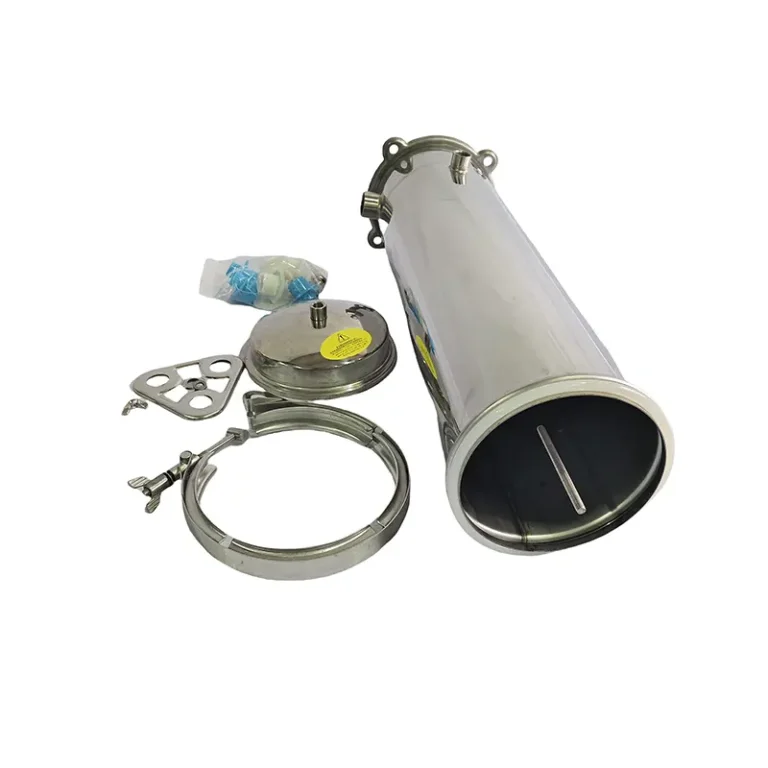
304 Stainless Steel Bag Filter Housing | Size 1 & 2 PP Sock Filter for Liquid Filtration
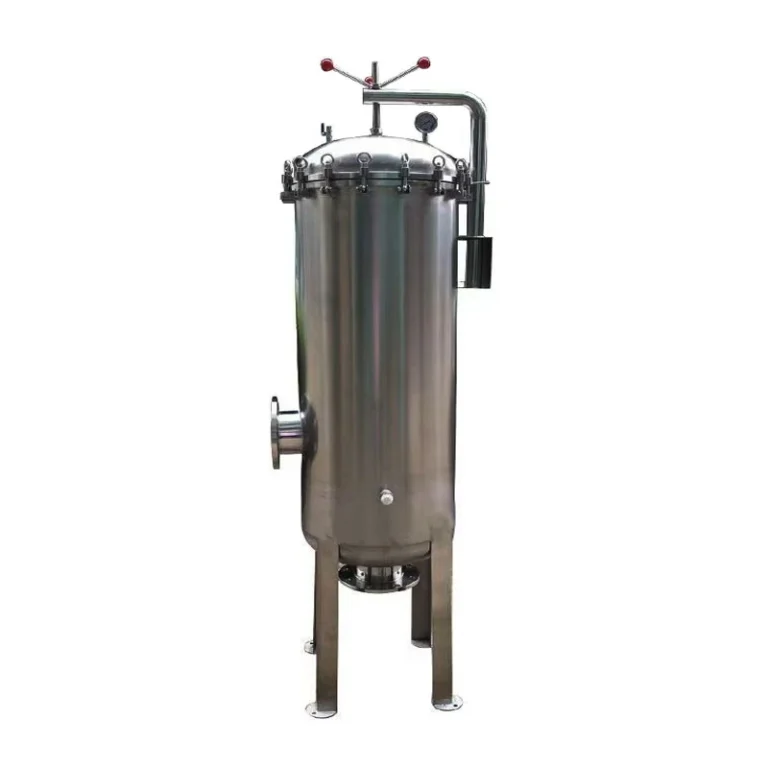
High Flow Cartridge Filter Housing | BasideWT Manufacturer

TDS Meter Test – Quick & Accurate Water Quality Meter | BasideWT
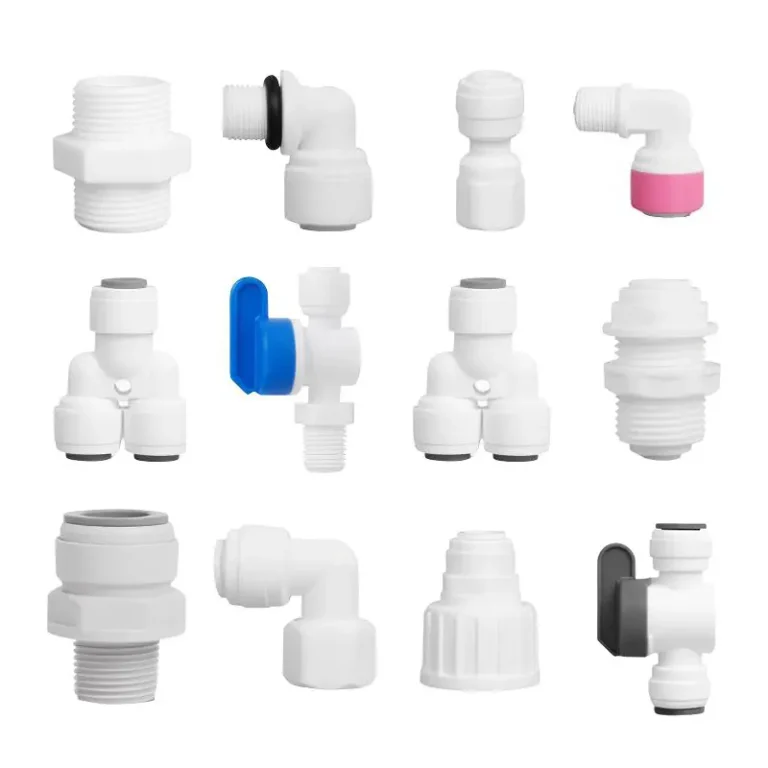
Water Connection Parts Water Filter Tube Fittings 1/4″ 3/8″ Quick Connect Fittings Push in Connector for RO System