BasideWT- Whole Home Water Filtration System & Replacement


TDS Meter Test – Quick & Accurate Water Quality Meter | BasideWT



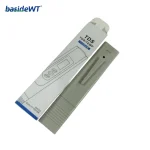

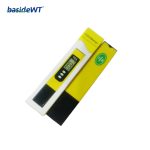
PRODUCT PARAMETERS
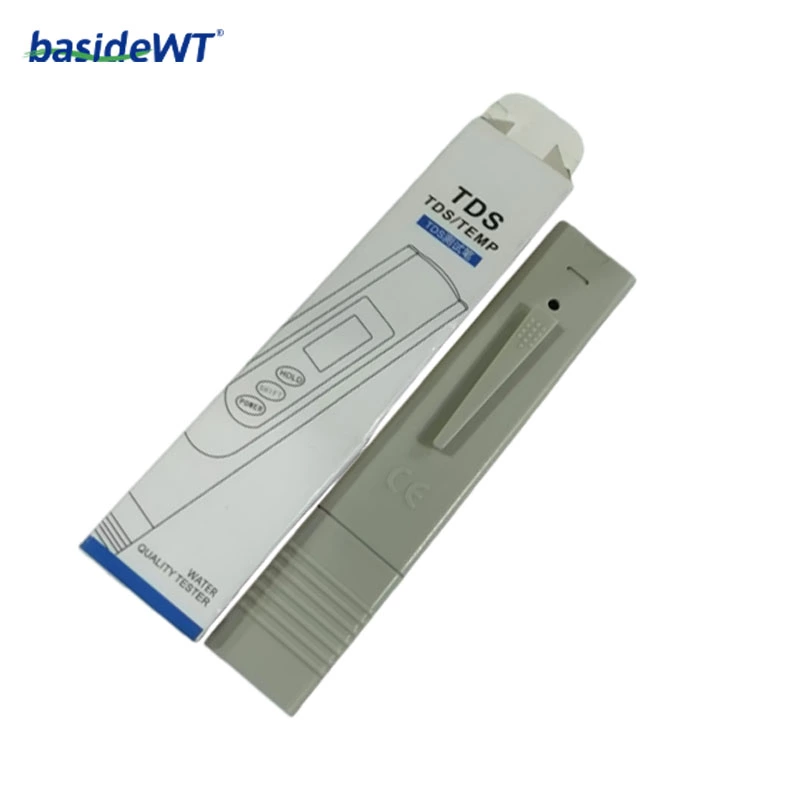
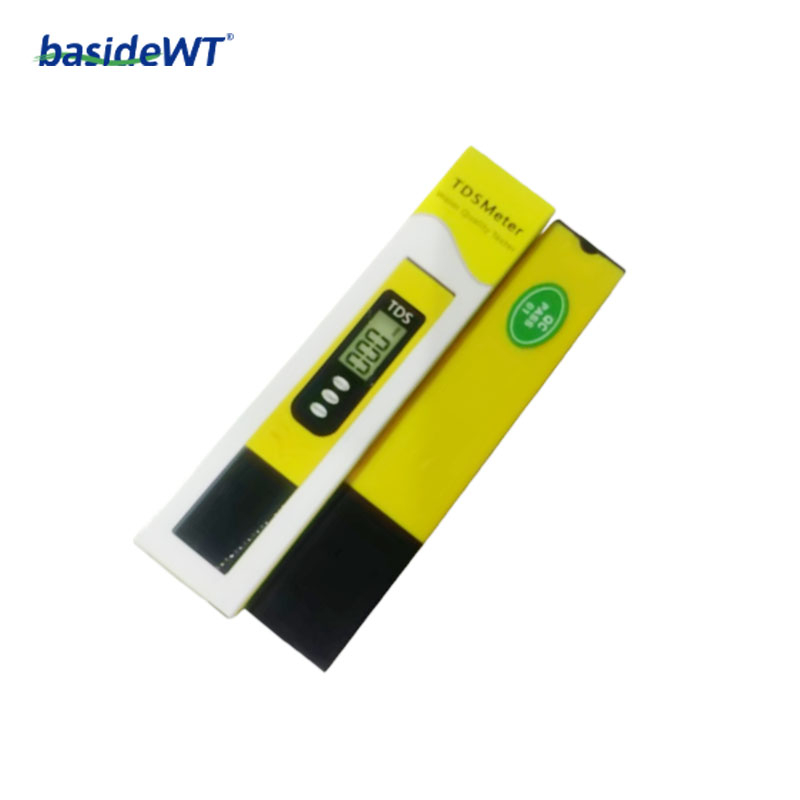
Performing a precise TDS meter test is the most effective first step in assessing water purity. Therefore, whether for home drinking water or an industrial application, understanding your Total Dissolved Solids (TDS) level is crucial. This versatile tool provides the immediate, reliable data you need.
What Does a TDS Water Test Actually Measure?
A TDS meter test measures the combined concentration of inorganic salts and minerals dissolved in water. These include calcium, magnesium, sodium, and potassium. Consequently, the reading in parts per million (PPM) gives a clear purity indicator. For instance, is your filtered water performing well? A quick test delivers the answer.

Engineered for Precision and Ease of Use
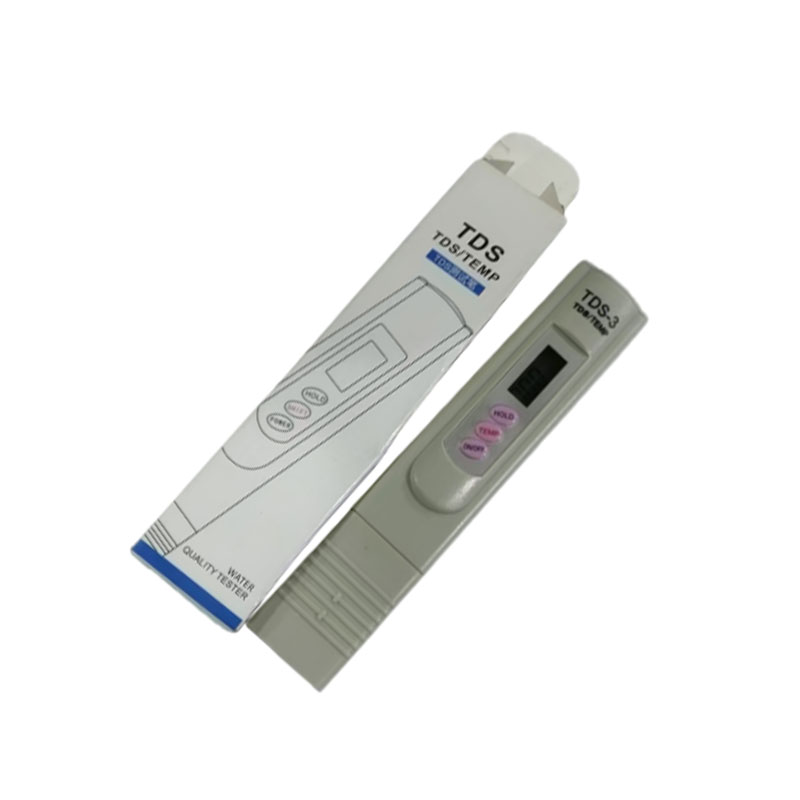
Our device simplifies water analysis with one-touch operation. Advanced microprocessor technology ensures highly efficient and stable readings on a clear LED display. Interestingly, the integrated digital thermometer provides a dual function—just press the TEMP button. Furthermore, the HOLD function locks any reading for accurate recording.
A Robust Design for Portable Testing
Built for durability, this tester features a sturdy, lightweight housing. However, its true convenience is realized with the included carrying case. Therefore, you can effortlessly conduct a TDS meter test anywhere—from a kitchen to a remote field site or a professional laboratory.
Critical Applications for Your TDS Meter Test
The use cases are extensive. Conduct a TDS meter test for: drinking water safety, reverse osmosis (RO) system efficiency, aquarium health, hydroponic nutrient balance, and pool maintenance. Counterintuitively, this simple tool is also vital for commercial and industrial process verification. Knowing precisely when to change a filter is now straightforward.
Why Does High TDS Matter?
Elevated TDS levels directly impact water quality and daily life. Not only can they give water a salty, bitter, or metallic taste, but they may also signal the presence of potentially harmful contaminants, including toxic heavy metals. Beyond health concerns, high TDS contributes to water hardness, which can cause scale buildup in pipes, reduce the efficiency of appliances, leave spots on dishes and glassware, and even lead to dry skin and hair.
How to Test TDS Meter Accuracy?
A TDS meter provides a quick and accurate way to assess water purity, displaying results in parts per million (ppm). One ppm means one milligram of dissolved solids per kilogram of water. According to U.S. EPA guidelines, TDS levels in drinking water should not exceed 500 ppm. Regularly testing with a reliable TDS meter helps you monitor water quality, identify potential risks early, and take action—whether through filtration, softening, or other treatments—before issues arise.
How to Test Water with a TDS Meter
- Prepare: Remove the meter’s cap. Collect a room-temperature water sample in a clean cup.
- Test: Turn on the meter. Fully submerge the probe, gently stir for a few seconds, and wait for the reading to stabilize on the screen (shown in ppm).
- Interpret: A reading below 500 ppm is generally acceptable for drinking water, according to EPA guidelines. Higher levels may affect taste or indicate hard water.
- Store: Rinse the probe with clean water, dry it, and replace the cap.
Tip: Test both your tap water and filtered water to check your filter’s effectiveness.
FAQs
How do I know which system is right for my home?
How to Measure Your Home’s Water Flow Rate?
How do I troubleshoot low water pressure from my system?
What contaminants does your water treatment system remove?
What’s the difference between UV, RO, and activated carbon filtration?
REQUEST A QUOTE
RELATED PRODUCTS
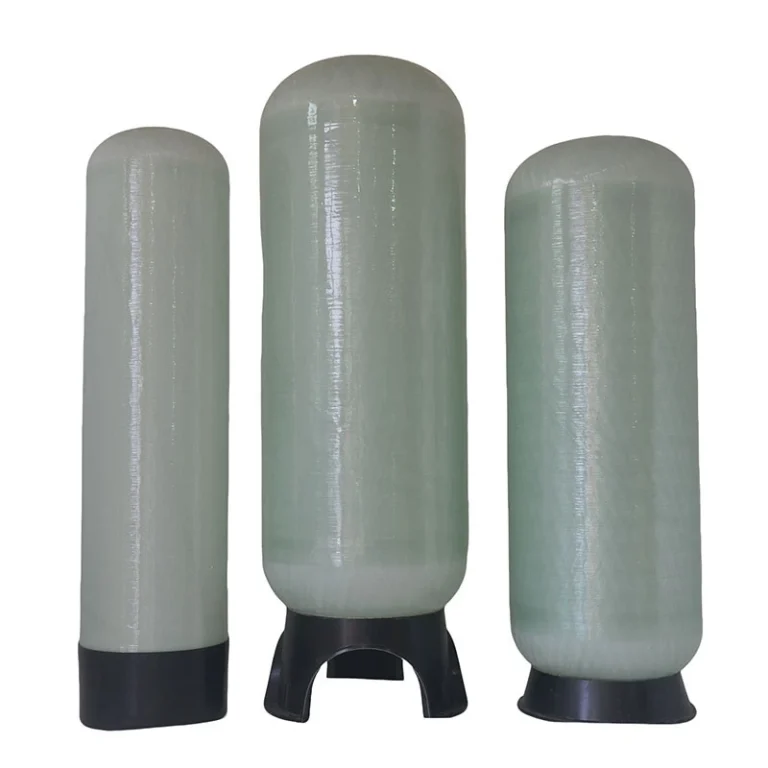
FRP Vessels for Water Treatment | Custom frp Pressure Vessel Manufacturers
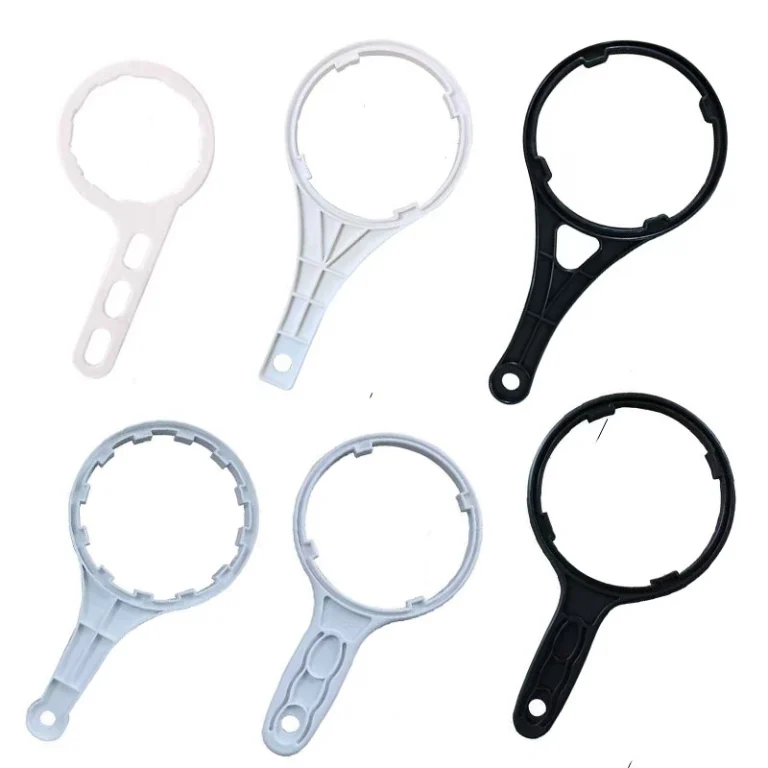
BasideWT Water Filter Wrench for Whole House Housings
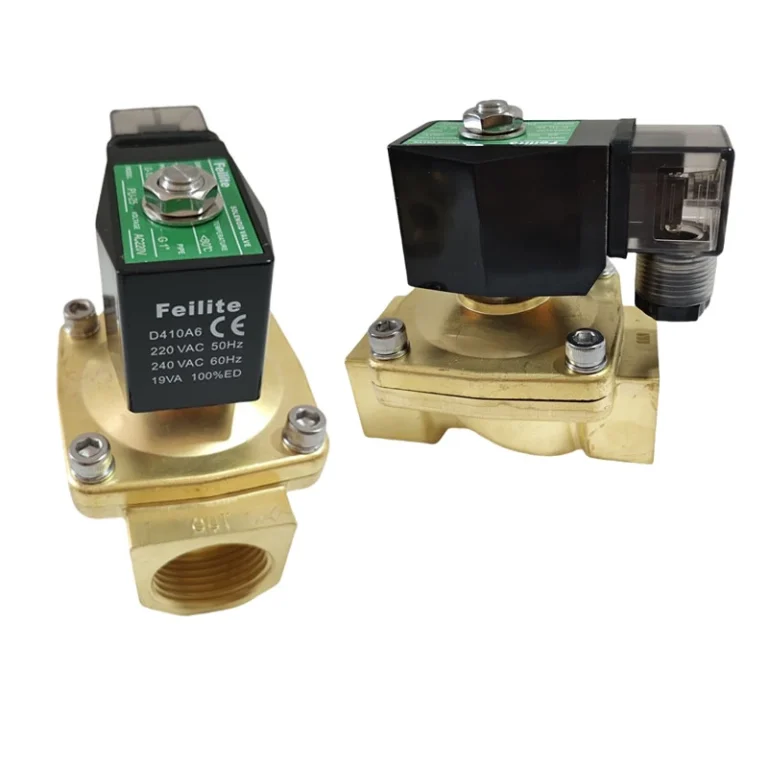
2 Way Solenoid Valve 12v Hard Durable Brass Material ro purified Water Solenoid Valve 24v G1/2in Thread Stable Performance Solenoid Valve
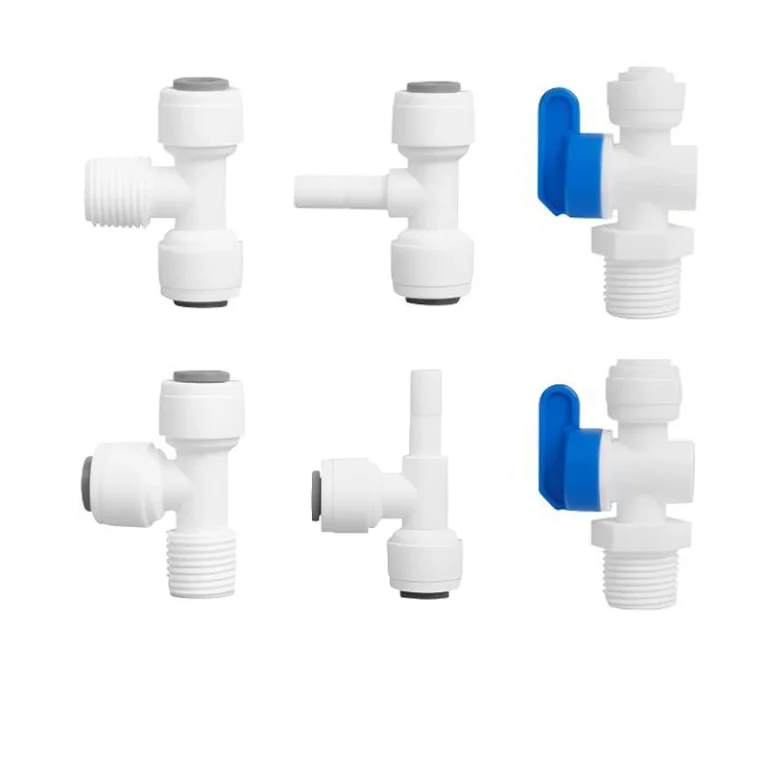
Quick Connect RO Water Filter Fittings Three-Way Fittings 4 Turn 2 Quick Ball Valve
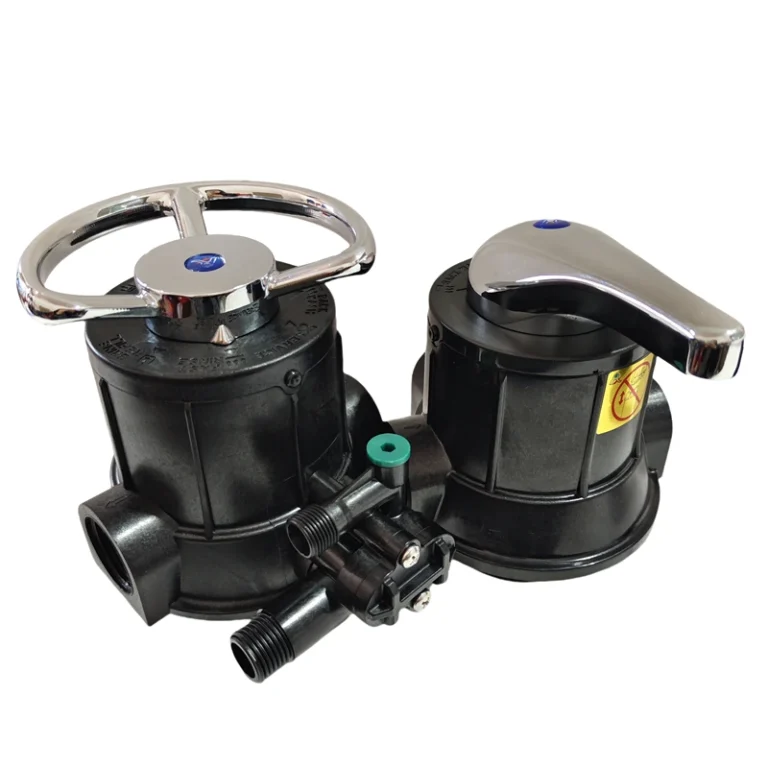
Water Filter Manual/Automatic Water Softener Control Valve-BasideWT