BasideWT- Whole Home Water Filtration System & Replacement


RO Water System: Complete Guide to Types, Benefits, Installation & Maintenance
Clean drinking water is no longer something you can take for granted. Municipal supplies, well water, and even bottled water can carry dissolved salts, heavy metals, and contaminants that affect taste and health. This is why an RO water system has become one of the most trusted solutions for homes, offices, and industries around the world.
An RO water system uses reverse osmosis technology to remove impurities at a molecular level. Unlike basic filters that only trap visible particles, this system pushes water through a semi-permeable membrane, leaving contaminants behind. The result is water that is safer, cleaner, and better tasting.
In this guide, you will learn how an RO water system works, the different types available, how to install and maintain one, and how to choose the right system for your needs. Whether you are a homeowner exploring options or a facility manager researching industrial solutions, this article covers everything you need to know.
What Is an RO Water System?
An RO water system is a water purification system that uses reverse osmosis to remove dissolved solids, chemicals, and microorganisms from water. The term “RO” stands for reverse osmosis, a filtration process that reverses the natural flow of osmosis.
In simple terms, osmosis is when water moves from a low-concentration area to a high-concentration area through a membrane. Reverse osmosis flips this process. Pressure forces water through a membrane, leaving contaminants behind while clean water passes through.
A typical RO water filter can remove up to 99% of total dissolved solids (TDS), along with lead, arsenic, fluoride, chlorine, and many other impurities. This makes it far more effective than carbon filters or basic pitcher filters alone.
Because of this efficiency, RO systems are used everywhere, from kitchen counters to large-scale industrial plants. Whether you are researching a reliable RO water system for your home or business, understanding how the technology works is the first step.
Why RO Technology Has Become the Standard
Reverse osmosis has become the benchmark for water purification because it addresses problems that other methods cannot. Boiling water kills bacteria but does nothing for dissolved salts or heavy metals. Basic carbon filters improve taste but leave many contaminants untouched.
RO technology combines multiple filtration stages into one system, tackling sediment, chemicals, and dissolved solids together. This layered approach is why health-conscious households and quality-focused businesses continue to choose it over simpler alternatives.
How an RO Water System Works
Every reverse osmosis water filter follows a similar core process, even though system sizes and configurations vary. Understanding this process helps you troubleshoot issues later and appreciate why regular maintenance matters.
The Basic Filtration Sequence
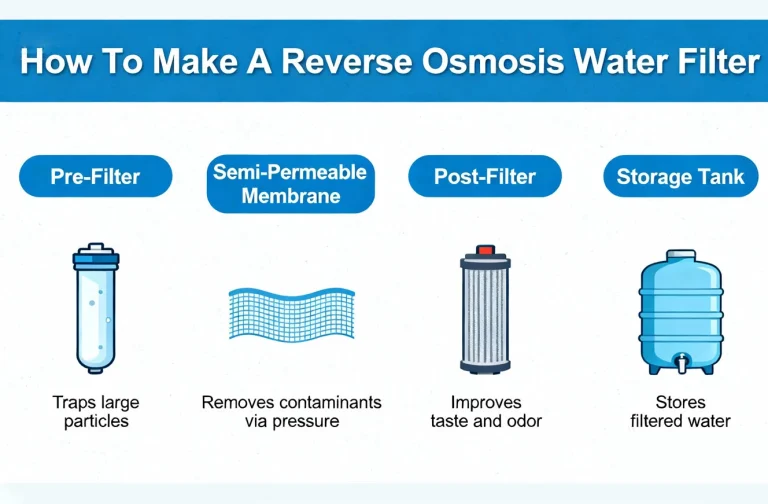
Water enters the system and passes through several stages before it reaches your tap. Each stage targets specific contaminants, working together to produce clean drinking water.
- Sediment pre-filtration removes dirt, sand, and rust particles.
- Carbon filtration removes chlorine, odors, and organic compounds.
- Reverse osmosis membrane removes dissolved solids and microscopic contaminants.
- Post-carbon filtration polishes the water for improved taste.
- Storage or direct delivery makes purified water available on demand.
Why Pressure Matters
The RO membrane only works effectively when water pressure is sufficient. Most home systems require a minimum of 40 to 60 psi. Low pressure slows down filtration and reduces output, which is why many systems include a booster pump for weak water supplies.
Wastewater and Efficiency
Traditional RO systems produce some wastewater as part of the filtration process, since not all water can pass through the membrane. Newer designs, including tankless and permeate pump models, have significantly improved this ratio, making modern systems far more water-efficient than older versions.
Single-Pass vs Multi-Stage Systems
Some RO systems use a single pass through the membrane, which works well for most household needs. Others use multiple passes or additional membrane stages to achieve even higher purity, a common requirement in laboratories and certain manufacturing processes.
The number of stages a system uses generally correlates with both purity and cost. Homeowners rarely need more than a standard multi-stage residential unit, while industrial facilities often justify the added expense of multi-pass configurations.
RO Water System Components
A reverse osmosis filtration setup is made up of several key parts. Knowing these components helps when comparing products or diagnosing performance issues.
Pre-Filters and Sediment Filters
These filters protect the membrane by removing larger particles before water reaches it. Skipping this stage shortens membrane life considerably.
RO Membrane
The RO membrane is the heart of the system. It is a thin, semi-permeable layer that blocks dissolved solids, bacteria, and other microscopic contaminants while allowing purified water to pass through. High-quality RO membranes directly affect how much TDS reduction and flow rate the system achieves.
Membrane Housing
The membrane sits inside a protective housing that maintains pressure and prevents leaks during filtration. Durable membrane housing is essential for consistent performance, especially in commercial and industrial setups where systems run for extended hours daily.
Storage Tank
Residential systems typically include a pressurized tank that holds purified water so it is ready on demand, rather than filtering water each time you open the tap.
Post-Filters
These final filters remove any remaining odors or tastes, ensuring the water leaving the faucet is crisp and clean.
Monitoring Instruments
Many modern systems include gauges and meters that track performance. A water flow meter helps monitor output volume, while a pressure gauge helps you catch pressure drops early, often the first sign of a clogged filter or failing membrane.
Larger commercial and industrial installations rely heavily on these instruments, since manual inspection alone is not practical when a system runs continuously throughout the day. Automated alerts tied to these gauges can flag problems before they affect water quality.
Fittings, Tubing, and Connectors
Beyond the major components, the smaller parts matter too. Tubing carries water between each stage, and fittings keep every connection watertight. Low-quality tubing is a common source of leaks, so it is worth choosing food-grade materials rated for continuous water contact.
Types of RO Water Systems
Not every RO water system is built the same way. Choosing the right category depends on your water usage, space, and purity requirements.
Residential RO Systems
Residential systems are designed for households and typically sit under the kitchen sink or as a countertop unit. They are compact, affordable, and provide enough purified water for daily drinking, cooking, and beverage preparation.
An under sink RO purifier is one of the most popular residential choices because it saves counter space and delivers filtered water directly through a dedicated faucet.
Commercial RO Systems
Commercial systems are built for higher daily water demand, such as restaurants, offices, clinics, and retail spaces. They typically process more gallons per day and often include additional pre-treatment stages to handle variable water quality.
A commercial RO system is engineered for continuous operation, making it suitable for businesses that cannot afford downtime in water supply.
Industrial RO Systems
Industrial RO systems handle the largest water volumes and are used in manufacturing, pharmaceuticals, food and beverage production, and power generation. These systems often include multiple membrane arrays, advanced pre-treatment, and automated monitoring to maintain consistent water quality at scale.
Comparison Table: Residential vs Commercial vs Industrial RO Systems
| Feature | Residential | Commercial | Industrial |
|---|---|---|---|
| Typical Output | 50–100 GPD | 500–5,000 GPD | 10,000+ GPD |
| Installation Location | Under sink or countertop | Utility room or dedicated space | Dedicated treatment facility |
| Membrane Count | 1 | 1–4 | Multiple arrays |
| Maintenance Frequency | Every 6–12 months | Every 3–6 months | Continuous monitoring |
| Common Users | Households | Offices, clinics, restaurants | Factories, plants, hospitals |
Benefits of an RO Water System
The popularity of reverse osmosis filtration comes down to measurable, everyday benefits.
- Removes harmful contaminants, including lead, arsenic, nitrates, and bacteria.
- Improves taste and odor by eliminating chlorine and other chemical residues.
- Reduces TDS levels, giving water a cleaner, lighter profile.
- Protects appliances from scale buildup caused by hard water minerals.
- Supports better health by providing consistently purified drinking water.
- Saves money over time compared to buying bottled water regularly.
Many households notice the difference immediately in how water tastes in coffee, tea, and cooking. Businesses often see the benefit in reduced maintenance costs for water-using equipment, since scale buildup is significantly reduced.
Long-Term Cost Savings
While the upfront cost of an RO water system is higher than a basic pitcher filter, the long-term savings often outweigh the initial investment. Households that regularly buy bottled water can offset the cost of a system within the first year, since purified tap water becomes essentially free after installation.
Businesses benefit similarly. Restaurants that once purchased bottled or delivered water for beverages often recover system costs quickly through reduced ongoing supply expenses, while also gaining more consistent water quality for every batch of coffee, tea, or ice produced.
Applications Across Different Industries
Reverse osmosis filtration extends well beyond kitchens. Its versatility makes it valuable across many sectors.
Food and Beverage
Restaurants and beverage producers rely on RO water for consistent taste in coffee, tea, ice, and food preparation, since mineral content can alter flavor.
Healthcare
Hospitals and laboratories use RO water for sterilization, equipment cleaning, and certain medical processes that require low-mineral water.
Agriculture
Some farms use RO systems to treat irrigation water, particularly in regions where groundwater has high salinity.
Manufacturing
Electronics, pharmaceuticals, and chemical manufacturing often require ultra-pure water, making industrial-grade RO water systems essential to production quality.
Residential Use
At home, RO systems supply everyday drinking, cooking, and general household water needs, offering a reliable water treatment system for families.
Hospitality and Retail
Hotels, cafes, and retail beverage chains increasingly install RO systems to guarantee consistent taste across locations. Guests and customers notice water quality, and a dependable purification system protects brand reputation as much as it protects health.
Installation Overview
Installing a reverse osmosis system involves connecting it to your existing water line, usually under the kitchen sink for residential setups.
Steps Involved
- Turn off the cold water supply line.
- Install the feed water adapter onto the existing pipe.
- Mount the filtration unit and storage tank in the available space.
- Connect tubing between the filters, membrane, tank, and faucet.
- Install the dedicated RO faucet on the sink or countertop.
- Flush the system before first use to remove any manufacturing residue.
Professional vs DIY Installation
Many residential systems are designed for straightforward DIY installation with basic tools. However, commercial and industrial systems typically require professional installation due to higher pressure requirements, larger plumbing connections, and integration with existing water filtration system infrastructure.
If you are unsure about your plumbing setup, it is worth consulting a professional, especially for larger installations where incorrect setup can affect performance and warranty coverage.
Space and Placement Considerations
Before installation, measure the available space under your sink or in your utility area. Storage tanks and multi-stage filter housings need enough clearance for future filter changes, not just initial setup.
For commercial and industrial projects, placement also needs to account for drainage access, electrical requirements for booster pumps, and ventilation, especially in enclosed utility rooms where humidity can build up over time.
Post-Installation Testing
Once installed, test the water using a TDS meter to confirm the system is performing as expected. A properly functioning RO water system should show a significant drop in TDS compared to the untreated feed water, typically reducing it by 90% or more.
Maintenance Overview
Regular maintenance keeps your RO water system performing at its best and extends the lifespan of every component. Neglecting maintenance is the leading cause of reduced water quality and system failure.
Filter Replacement Schedule
Filters wear out at different rates depending on usage and water quality. Following a consistent schedule prevents contaminated water from passing through worn filters.
| Filter Type | Recommended Replacement |
|---|---|
| Sediment Pre-Filter | Every 6–12 months |
| Carbon Pre-Filter | Every 6–12 months |
| Post-Carbon Filter | Every 12 months |
| RO Membrane | Every 2–3 years |
RO Membrane Replacement
The membrane typically lasts longer than other filters, but performance still declines over time as it accumulates trapped contaminants. Signs it needs replacement include reduced water flow, higher TDS readings, or a noticeable change in taste.
Testing your water’s TDS level periodically is one of the easiest ways to know when the membrane needs attention. A sudden increase in TDS often signals it is time for a replacement.
Sanitizing the System
Beyond filter and membrane replacement, sanitizing the entire system periodically helps prevent bacterial growth inside tubing, tanks, and housings. Most manufacturers recommend a full sanitization cycle once a year, using a food-safe sanitizing solution designed for RO systems.
Skipping this step does not usually cause immediate problems, but over several years it can lead to biofilm buildup, which affects both taste and system efficiency.
Storage Tank Maintenance
The pressurized storage tank also needs occasional attention. Over time, the air charge inside the tank’s bladder can weaken, resulting in slower faucet flow even when the filters and membrane are in good condition. Checking and recharging the tank’s air pressure annually keeps output consistent.
Common Problems & Solutions
Even well-maintained systems occasionally run into issues. Here are the most common problems and practical fixes.
Low Water Pressure or Slow Flow
This is usually caused by a clogged pre-filter or a failing membrane. Replacing the pre-filter first is the simplest fix, and if flow does not improve, check the membrane condition.
Strange Taste or Odor
This often points to an exhausted carbon filter. Replacing the post-filter typically resolves the issue quickly.
Water Leaks
Leaks are commonly caused by loose fittings or damaged tubing. Check all connections and replace any cracked components immediately to avoid water damage.
Constant Draining Sound
If the system seems to be draining continuously, the check valve may be faulty, allowing water to flow backward instead of into the storage tank.
High TDS Reading After Filtration
This usually indicates the membrane needs replacement, especially if the system is older than two to three years.
No Water Coming Out
If no water flows from the RO faucet at all, check whether the supply valve is open and whether the storage tank has lost its air charge. In commercial and industrial settings, this can also indicate a tripped pressure switch or an issue with the booster pump.
Unusual Noises
A humming or buzzing sound is often normal for systems with a booster pump. However, a loud grinding or rattling noise usually points to a mechanical issue that should be inspected promptly to avoid further damage.
Buying Guide
Choosing the right RO water system depends on your specific water quality, household size, and budget. This section breaks down the key factors to consider before purchasing.
How to Choose the Right RO Water System
Check your water source. Well water often requires additional pre-treatment compared to municipal water, since it can contain higher sediment or iron content.
Consider daily water usage. A family of four typically needs a system producing at least 50 gallons per day, while offices and commercial spaces need higher-capacity systems.
Look at certification standards. Systems tested against recognized industry standards provide more confidence in contaminant removal claims.
Evaluate available space. Under-sink systems suit tight kitchens, while larger households or businesses may prefer systems with bigger storage tanks or tankless designs.
Factor in long-term costs. Filter and membrane replacement costs add up over time, so compare ongoing maintenance expenses, not just the upfront price.
Review flow rate and efficiency. Newer models offer better water-to-waste ratios, reducing overall water consumption compared to older designs.
For homes and businesses exploring a complete solution, browsing a full range of water filtration systems makes it easier to compare capacity, certifications, and pricing side by side.
Frequently Asked Questions
What does an RO water system remove from water? An RO water system removes dissolved solids, heavy metals, chlorine, fluoride, bacteria, and many other contaminants, typically reducing TDS by up to 99%.
How long does an RO membrane last? Most RO membranes last between two and three years, depending on water quality and usage. Regular pre-filter replacement helps extend membrane life.
Is RO water safe to drink daily? Yes, RO water is safe for daily drinking. Some systems include a remineralization stage to add back beneficial minerals removed during filtration.
Does an RO water system waste a lot of water? Older systems produce more wastewater, but modern designs, including tankless and permeate pump models, have significantly improved efficiency.
Can I install an RO water system myself? Residential under-sink systems are generally suitable for DIY installation, while commercial and industrial systems usually require professional setup.
How often should I change RO filters? Pre-filters and post-filters typically need replacement every six to twelve months, while the membrane lasts two to three years under normal conditions.
What is the difference between a water filter and an RO water system? A standard water filter removes larger particles and improves taste, while an RO water system uses a membrane to remove dissolved solids and microscopic contaminants at a much finer level.
Expert Tips
- Test your water’s TDS level every few months to track filtration performance over time.
- Replace pre-filters on schedule, even if water still looks clear, since sediment buildup happens gradually.
- Keep the storage tank pressurized correctly, as low tank pressure reduces faucet flow.
- Sanitize the entire system annually to prevent bacterial growth inside tubing and housing.
- For commercial and industrial setups, schedule routine inspections rather than waiting for visible performance issues.
According to the U.S. Environmental Protection Agency’s guidance on drinking water treatment technologies, reverse osmosis is recognized as one of the most effective methods for reducing a broad range of contaminants in drinking water, which is why it remains a preferred choice for households and facilities focused on long-term water quality. You can review their drinking water treatment resources for further detail on treatment standards.
Conclusion
An RO water system remains one of the most reliable ways to achieve clean, safe drinking water at home or across commercial and industrial operations. From understanding how reverse osmosis filtration works to knowing when to replace filters and membranes, proper knowledge helps you get the most out of your investment.
Whether you need a compact under-sink unit for your kitchen or a high-capacity system for your business, choosing the right setup starts with understanding your water quality and daily usage needs. Explore the complete range of RO water systems available to find a solution that fits your space, budget, and purification requirements, and take the next step toward cleaner, healthier water today.
RELATED POSTS
What is an FRP Tank?
Spotless Water System Working Principle: How RO and DI Deliver 0 PPM Water
UF Membrane Cleaning & Backwashing: Complete Maintenance Guide
Water Fed Pole Window Cleaning: How the Pure Water Method Works
How To Make A Reverse Osmosis Water Filter?