BasideWT- Whole Home Water Filtration System & Replacement


Industrial Multi-Media Filter FRP Tanks – Quartz Sand Activated Carbon for RO Pretreatment
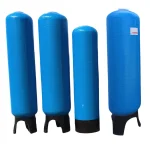
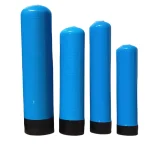
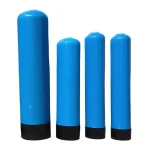
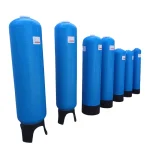
PRODUCT PARAMETERS
Why FRP Tanks Dominate Multi-Media Filtration Systems
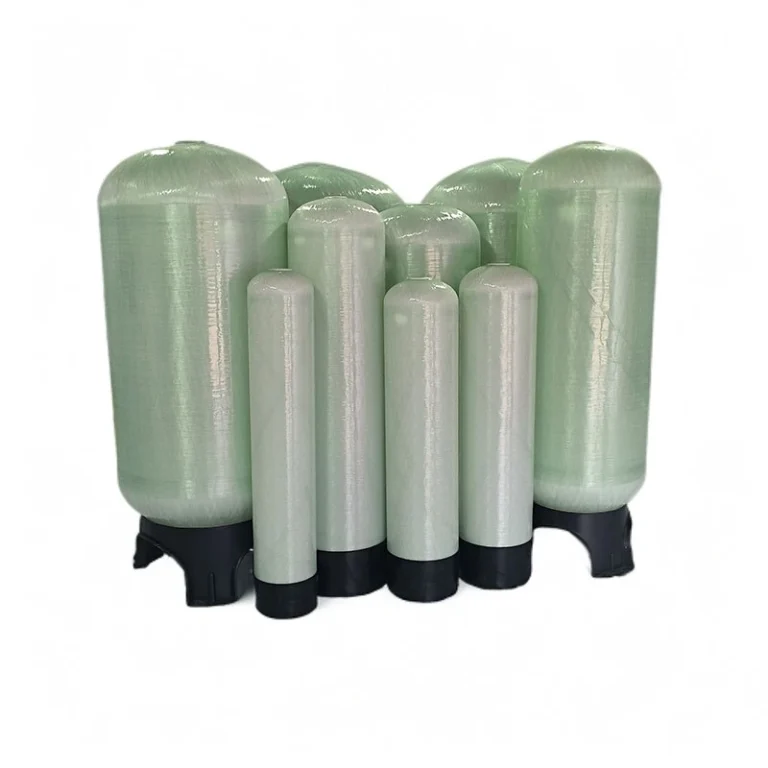
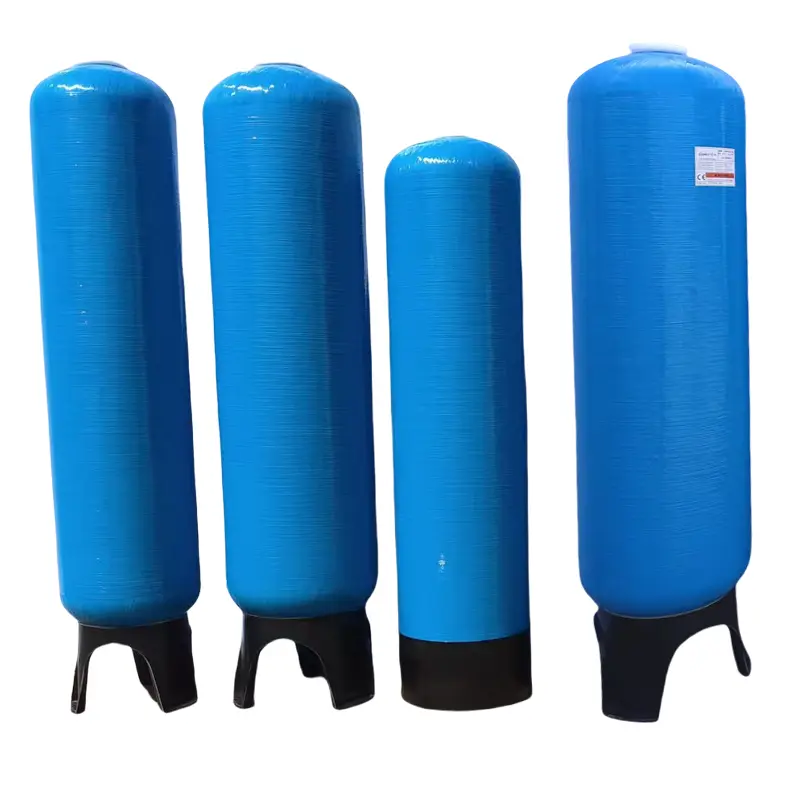
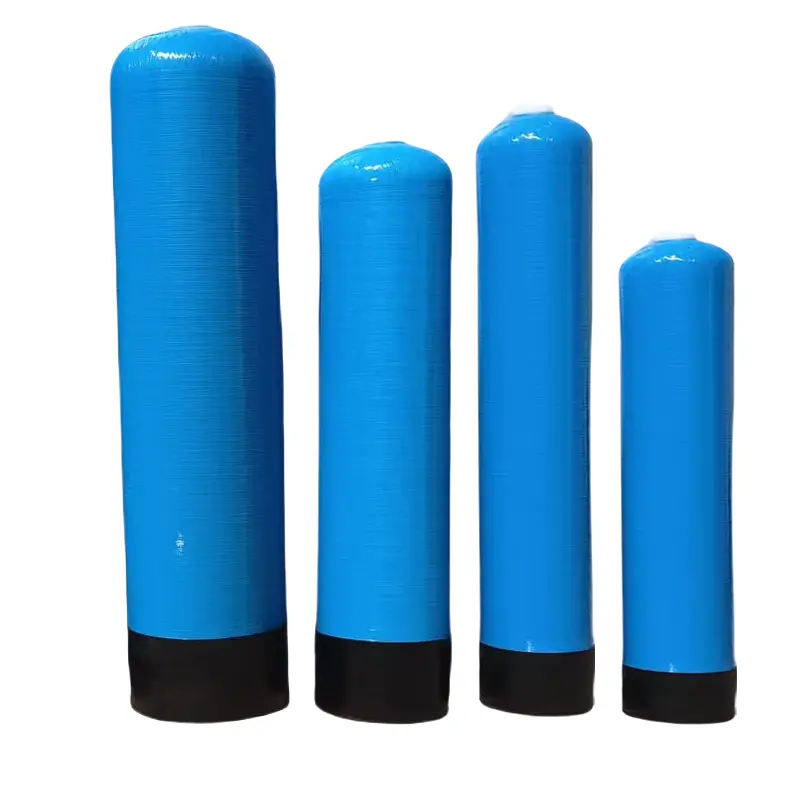
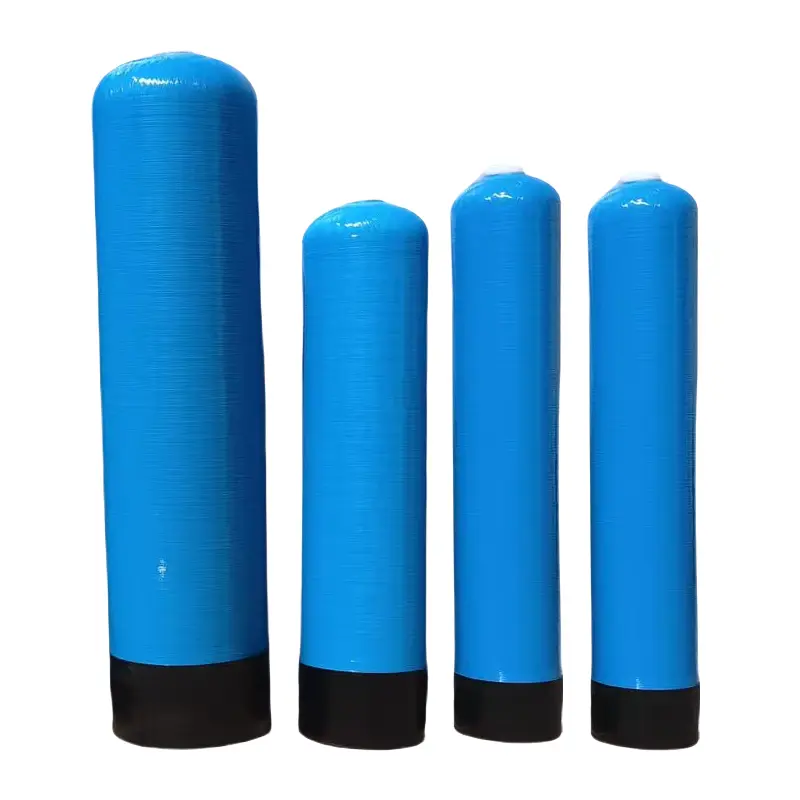
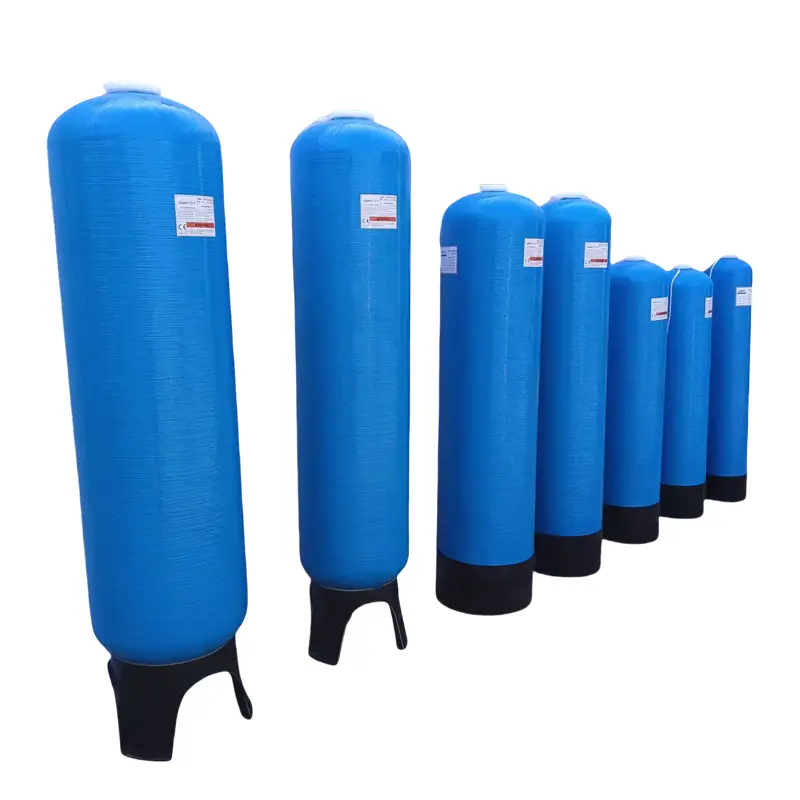
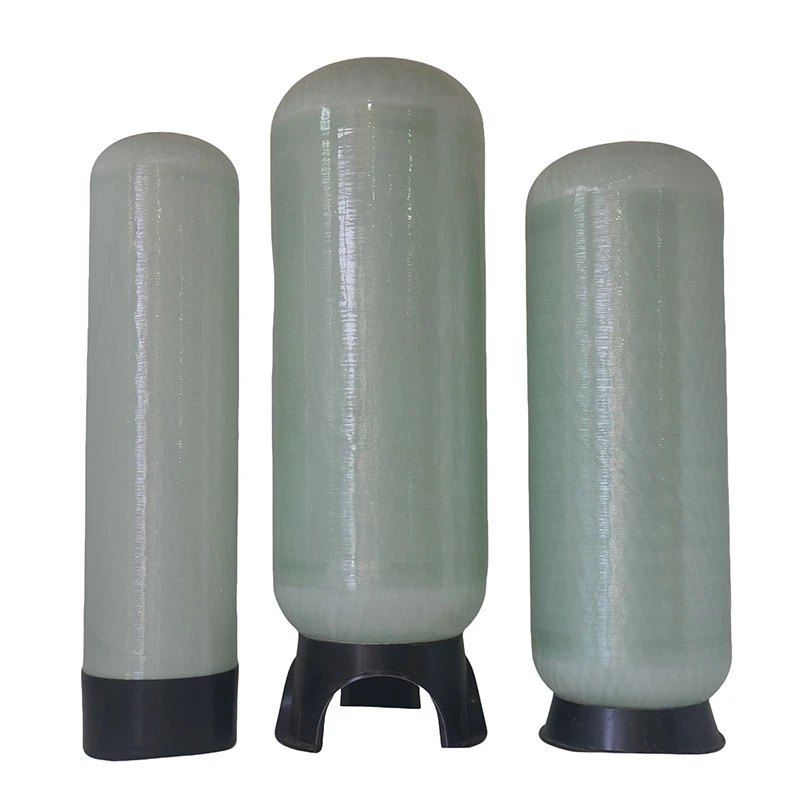
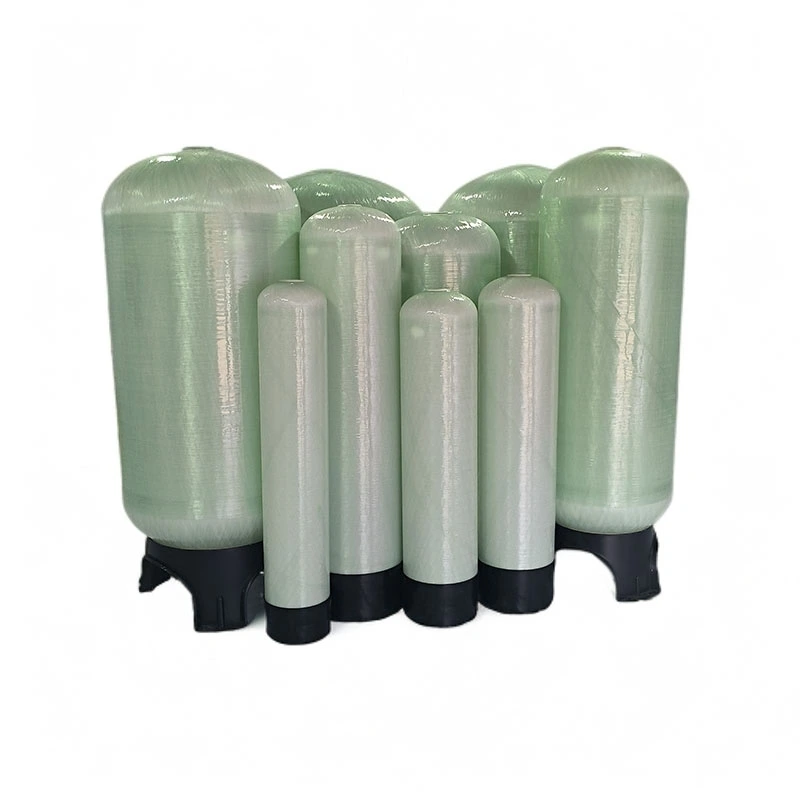
When it comes to water pretreatment, FRP tanks (Fiberglass Reinforced Plastic) have become the gold standard for housing quartz sand and activated carbon filtration media. Unlike traditional steel tanks, these corrosion-resistant vessels offer superior performance in harsh water treatment environments. As a China-based FRP tank manufacturer, BasideWT produces these vessels in-house using automated winding lines, ensuring consistent wall thickness and quality across every batch supplied to international water treatment buyers.
Key advantages you can’t ignore:
✔ 50% lighter than steel tanks (easier installation),100% rust-proof (lasts 20+ years in chlorine service),Customizable for any media combination
Fun fact: A 2023 AWWA study found FRP tanks reduce maintenance costs by 37% compared to lined steel tanks in RO pretreatment systems (Source: AWWA Journal Vol.115).
FRP vs. Alternative Tank Materials: The Ultimate Showdown
Here’s how FRP tanks compare to other options for multi-media filtration:
| Feature | FRP Tanks | Carbon Steel | Stainless Steel |
|---|---|---|---|
| Corrosion Resistance | Excellent (all pH ranges) | Poor (requires lining) | Good (but costly) |
| Weight | 500-800 lbs (1000L) | 1200-1500 lbs | 900-1100 lbs |
| Media Support | Perfect for sand/carbon | Limited by corrosion | Overkill for most apps |
Our 2024 field tests in Saudi Arabia showed FRP tanks maintained 98% structural integrity after 5 years in high-chloride feed water.
For buyers comparing materials side by side, stainless steel remains the better choice only in food-grade or high-temperature applications where FRP’s resin limits become a factor. For standard multi-media filtration duty, FRP typically offers better lifecycle cost and corrosion resistance. See our stainless steel water tank range if your application specifically requires food-grade or high-temperature storage.
FRP Media Containment Tanks: Optimized Design for Sand/Carbon Filtration & Pressurized Storage
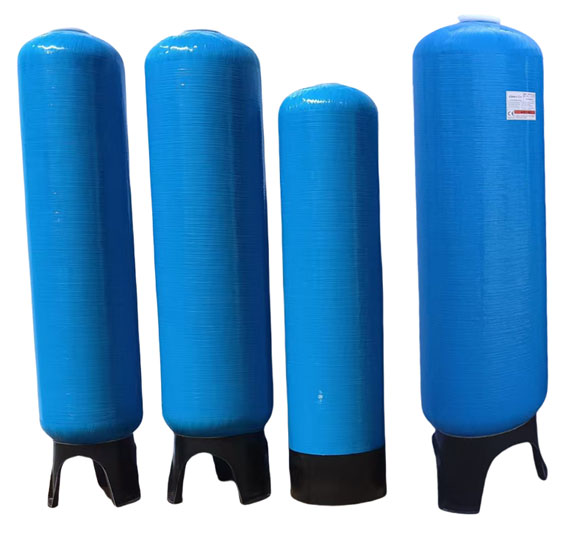
Fiberglass reinforced plastic (FRP) tanks represent a technological leap in pressure vessel design. Manufacturers combine reinforced glass fibers with high-performance epoxy resin, then line the interior with PE membranes. Depending on chemical exposure, some FRP tank models use vinyl ester resin instead of standard epoxy for stronger resistance to chlorine and regeneration chemicals — buyers should confirm the resin type for their specific water chemistry before ordering. Using automated CNC winding equipment, they create precision three-dimensional structures that outperform conventional tanks. This manufacturing process is explained in more detail in our guide on how FRP tanks are made, for buyers who want to understand the winding and curing process behind long-term tank durability.
However, what truly sets quality FRP tanks apart is their rigorous quality control. Before packaging, technicians must conduct product sampling and verify 100% compliance with specifications. This stringent process ensures every vessel meets industrial standards.
In water treatment applications, these tanks serve dual critical functions:
They house filter media (like activated carbon or sand)
They maintain pressurized water storage
Interestingly, most operators underestimate the pressure requirements. Engineers must carefully select tank models based on:
System flow rates (GPM)
Required exchange capacity
Peak pressure demands
Working Pressure, Temperature Rating, and Connection Sizes
Every FRP tank in this range is rated for a maximum working pressure of 100 psi (6.9 bar) at ambient water temperature, with maximum continuous operating temperature typically limited to 49°C (120°F) due to the resin system used. Buyers running hot water or chemical dosing applications above this threshold should request a high-temperature resin variant before ordering. Top and bottom port sizes follow standard 2.5″, 4″, or 6″ threads depending on tank diameter, matching standard multi-port or single-port control valve fittings without adapters in most cases.
FRP Tanks Size Design
| Model No | Dia.X Height(mm) | Inch Size | Top Open | Bottom Open |
| 817 | Ø200×439 | 817 inch | 2.5 inch | N/A |
| 835 | Ø200×898 | 835 inch | 2.5 inch | N/A |
| 844 | Ø200×1130 | 844 inch | 2.5 inch | N/A |
| 935 | Ø225×900 | 935 inch | 2.5 inch | N/A |
| 1054 | Ø250×1391 | 1054 inch | 2.5 inch | N/A |
| 1252 | Ø300×1333 | 1252 inch | 2.5 inch | N/A |
| 1265 | Ø300×1663 | 1265 inch | 2.5 inch | N/A |
| 1354 | Ø325×1376 | 1354 inch | 2.5 inch | N/A |
| 1465 | Ø350×1655 | 1465 inch | 2.5 inch | N/A |
| 1665 | Ø400×1648 | 1665 inch | 2.5 inch | N/A |
| 1865 | Ø450×1805 | 1865 inch | 4 inch | N/A |
| 2069 | Ø500×1770 | 2069 inch | 4 inch | N/A |
| N/A | 4 inch | |||
| 2472 | Ø600×1920 | 2472 inch | 4 inch | N/A |
| N/A | 4 inch | |||
| 3072 | Ø750×1930 | 3072 inch | 4 inch | N/A |
| N/A | 4 inch | |||
| 3672 | Ø900×2120 | 3672 inch | 4 inch | 4 inch |
| 4072 | Ø1000×2170 | 4072 inch | 4 inch | 4 inch |
| 4872 | Ø1200×2130 | 4872 inch | 6 inch | 6 inch |
| 6072 | Ø1500×2250 | 6072 inch | 6 inch | 6 inch |
| 6386 | Ø1600×2420 | 6386 inch | 6 inch | 6 inch |
For a full breakdown of how tank diameter and height affect media capacity and flow rate across this size range, see our detailed FRP tank size guide.”
Real-World Success Stories
FRP Storage Tank Selection: Matching Size and Media to Your System
Selecting the right FRP storage tank starts with your flow rate. Small systems need tanks in the 817 to 1265 range. These suit point-of-use filters and small softeners. Medium commercial systems use tanks from 1465 to 2069. Large industrial plants use 3672 to 6386 models. Always size up slightly. An undersized tank exhausts media too quickly. As a general rule, size selection should be based on peak flow rate (GPM) rather than average daily demand, since undersizing for peak flow causes channeling long before media exhaustion becomes the primary issue.
The media inside determines the application. Quartz sand removes suspended particles. Activated carbon removes chlorine and organics. Ion exchange resin softens hard water. Each media type fits the same frp tank vessel. Only the loading quantity and backwash rate change. Therefore, confirm your media type before ordering. This affects the opening size and internal distributor you need.
The frp water tank PE inner liner is critical for media applications. It prevents contamination between the tank wall and water. It also resists chemical attack from regeneration solutions. This liner is why FRP outperforms steel in long-term media filtration duty. Moreover, the three-dimensional fiberglass winding gives the tank uniform wall thickness. This prevents weak spots under pressure. Furthermore, pairing your frp tanks with the correct water softener resin ensures the softening media fills the vessel to the correct level. Overfilling reduces backwash efficiency. Underfilling reduces exchange capacity. For media distribution inside the tank, a quality water distributor ensures even flow through the media bed. Uneven flow causes channeling and reduces filtration effectiveness.
Textile Plant Water Recycling
An Indian facility achieved 95% TSS removal using dual FRP tanks with sand/anthracite. This kind of dual-tank sand/anthracite configuration is typically specified for surface water sources with higher turbidity, where a single media type isn’t sufficient to hit target TSS removal in one pass.
Municipal RO Pretreatment
California’s OCWD project uses 48″ FRP tanks to protect $3M membranes.
Offshore Platform Desal
FRP’s light weight cut installation costs by 40% versus steel on a North Sea rig.
Installation and Maintenance Guidelines
FRP tanks should be installed on a level, load-rated pad capable of supporting the tank’s full weight when filled with media and water, since an uneven base can stress the vessel’s lower dome over time. Standard installation includes connecting inlet/outlet piping, a backwash drain line, and — where applicable — a bypass valve for servicing without shutting off the full system. Routine maintenance is minimal: inspect for external UV degradation annually if the tank is installed outdoors, monitor differential pressure across the media bed using a pressure gauge to catch channeling or media fouling early, and rebed the media according to its own rated service life rather than the tank’s lifespan, since the FRP vessel typically outlasts multiple media replacement cycles.
Your FRP Tank Specification Checklist
FRP Water Storage Tank and Chemical Storage: Industrial Applications
The frp water storage tank serves many roles beyond media filtration. Treated water storage is one key application. After RO or softening, clean water needs a holding tank. FRP resists contamination better than steel. It does not rust or leach metals into the stored water. For potable water storage specifically, buyers should confirm the tank’s NSF/ANSI 61 certification status, since not every FRP tank on the market — even among tanks that look identical — carries this certification for drinking water contact. Therefore, it is the preferred choice for potable water storage in industrial settings.
FRP chemical storage tanks are equally important in water treatment plants. Antiscalant, chlorine solution, and coagulants all need dedicated storage. FRP handles these chemicals without degrading. Stainless steel corrodes in chlorine environments. Carbon steel requires expensive lining. FRP does neither. This makes it the most cost-effective chemical storage option over a 10–20 year period.
The frp tank also works as a brine storage vessel in softener systems. Brine is a high-concentration salt solution. It aggressively attacks metal tanks. FRP resists brine completely. This makes it ideal for regeneration chemical storage. Moreover, for complete RO pretreatment setups, frp tanks are used in series. Sand filter tanks come first. Carbon filter tanks follow. Each stage removes a specific contaminant. A full water filtration system uses these tanks as the backbone of the treatment train. Furthermore, for large-scale plants needing high-capacity pretreatment, a commercial RO system integrates multiple frp water storage tank units to handle peak daily demand efficiently. BasideWT supplies these FRP pretreatment vessels both as standalone units and as part of a fully engineered water filtration system, with OEM and private-label packaging available for distributors and system integrators sourcing from China.
✅ Must Verify:
- NSF/ANSI 61 certification
- 100% vinyl ester construction
- Dual-layer UV protection
- ASME RTP-1 compliance (for pressure vessels)
Warranty and Certifications
Standard warranty coverage on BasideWT FRP tanks typically runs 3–5 years against manufacturing defects under normal operating pressure and temperature, confirmed at order based on tank size and application. Tanks are manufactured to meet NSF/ANSI 61 (potable water contact) and ASME RTP-1 (pressure vessel design) requirements as standard, with mill certificates and compliance documentation available on request for import/export and municipal bid purposes.
Get a Custom FRP Tank Quote
Whether you need a single 1054 model for a small commercial softener or a full 4872–6386 series setup for an industrial pretreatment line, BasideWT’s engineering team can match tank size, resin type, and port configuration to your exact flow rate and water chemistry. Contact us with your system specifications for a tailored quote and lead-time estimate.
FAQs
How do I know which system is right for my home?
How to Measure Your Home’s Water Flow Rate?
How do I troubleshoot low water pressure from my system?

What contaminants does your water treatment system remove?
What’s the difference between UV, RO, and activated carbon filtration?
REQUEST A QUOTE
RELATED PRODUCTS
FRP Water Tank 1465 frp Vessel Price | BasideWT
BasideWT Reverse Osmosis Frp Storage Tank 10×54

FRP Water Storage Tanks for Industrial & Commercial | Custom-Made
FRP Vessels for Water Treatment | Custom frp Pressure Vessel Manufacturers
FRP Water Tank Manufacturers | Custom FRP Vessels for Water Treatment