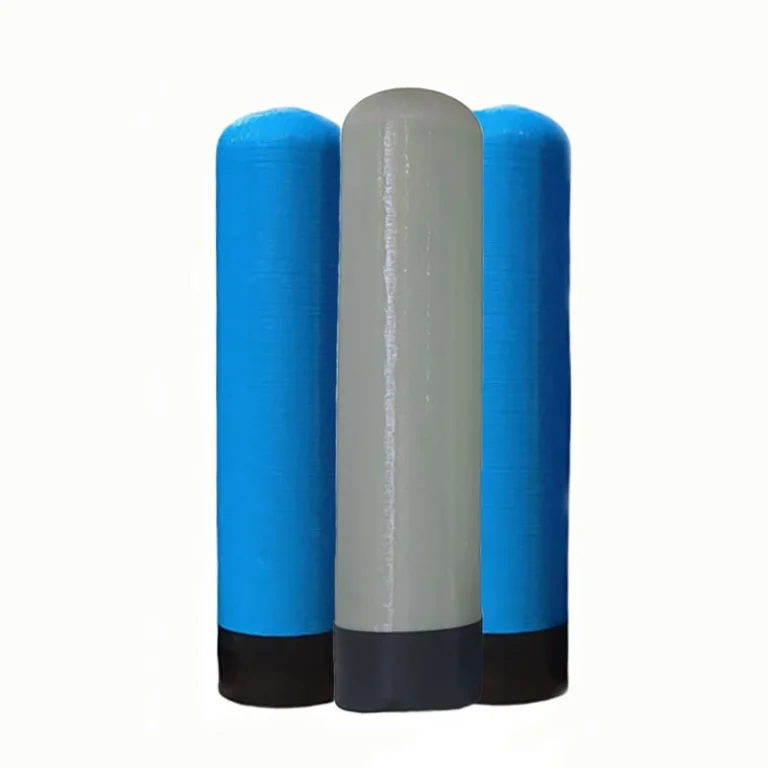
BasideWT- Whole Home Water Filtration System & Replacement


Custom FRP Water Treatment Tanks – Sand Filter & Hard Water Softener Pressure Vessels for Reverse Osmosis
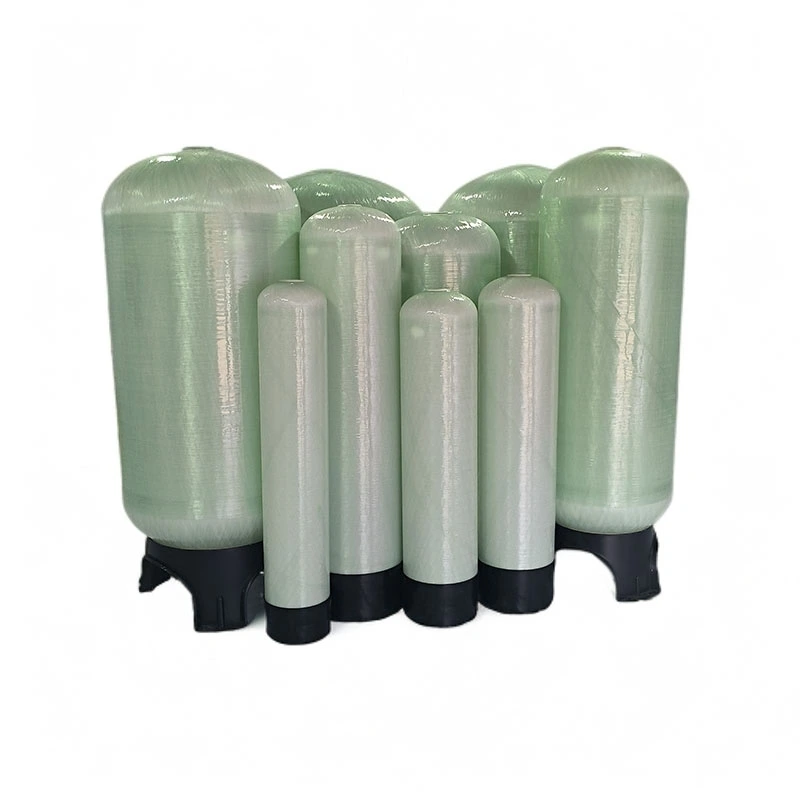
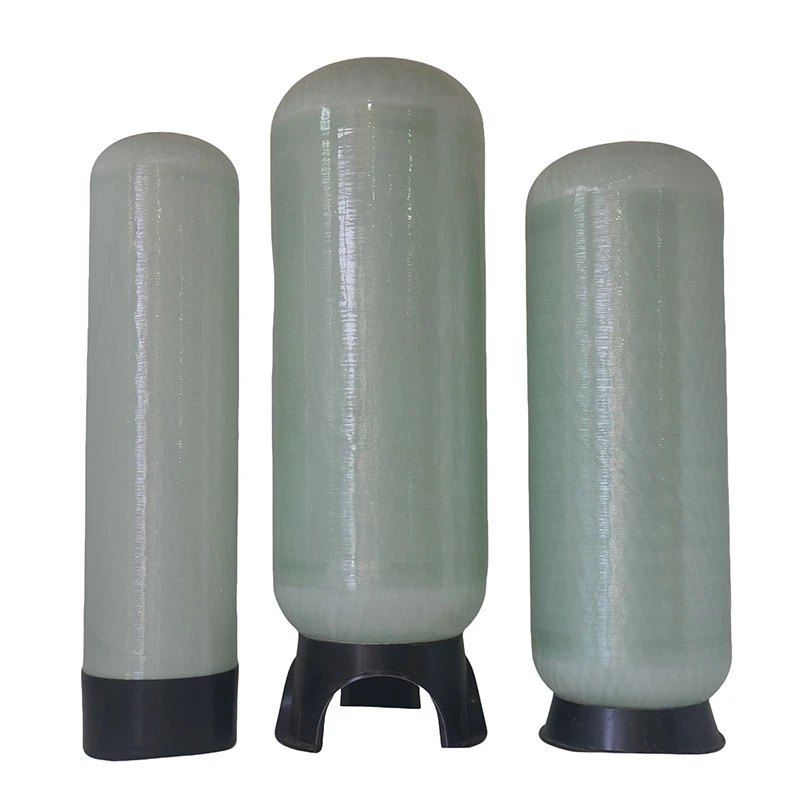
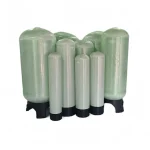
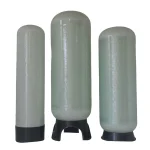
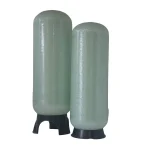
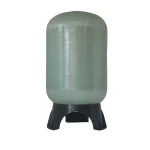
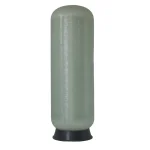
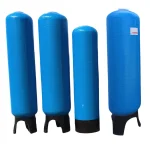
PRODUCT PARAMETERS
Understanding FRP Water Treatment Tanks
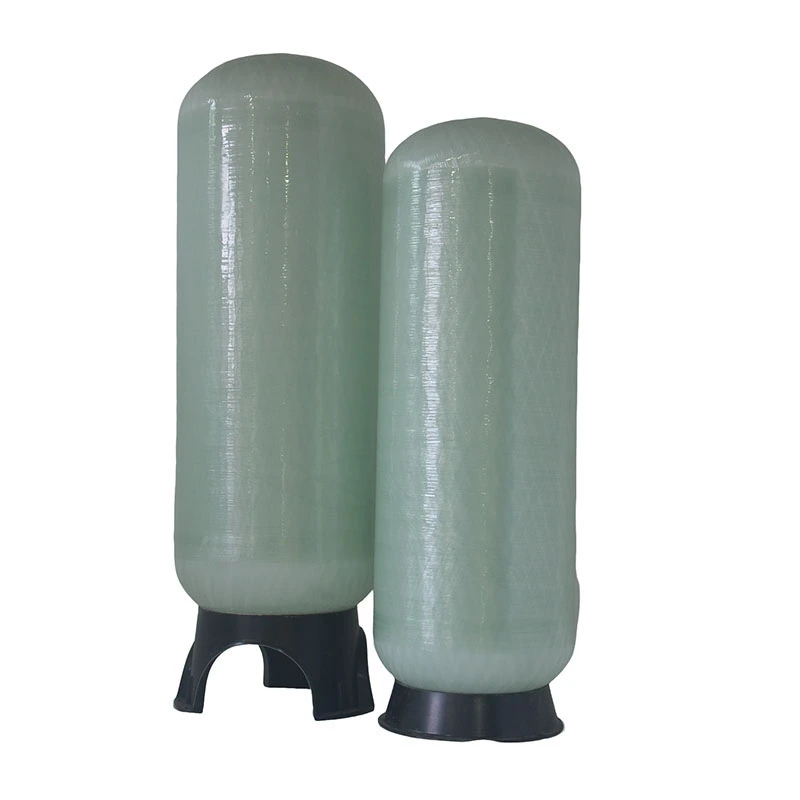
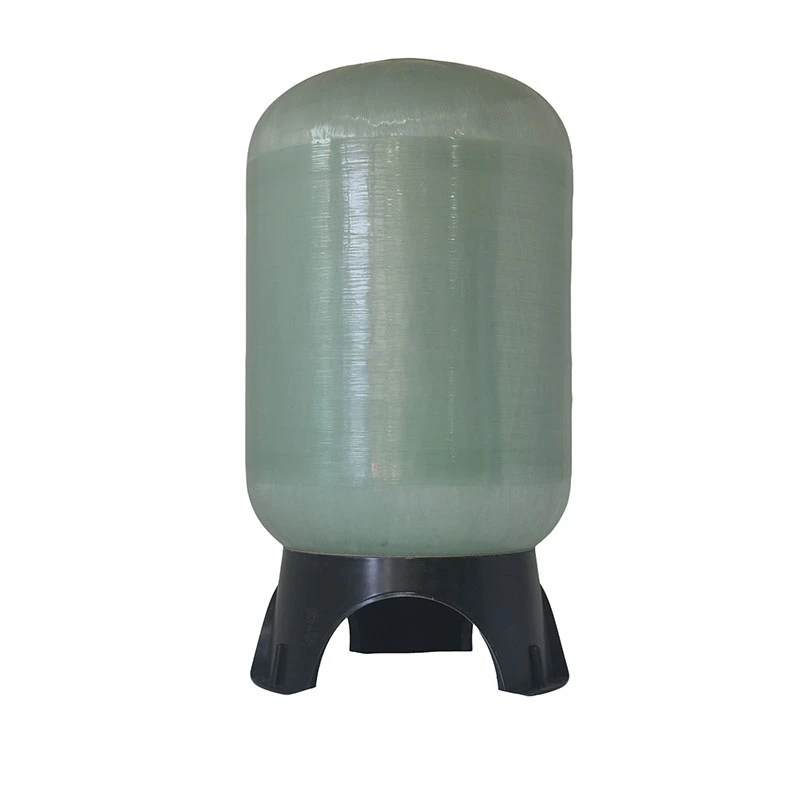
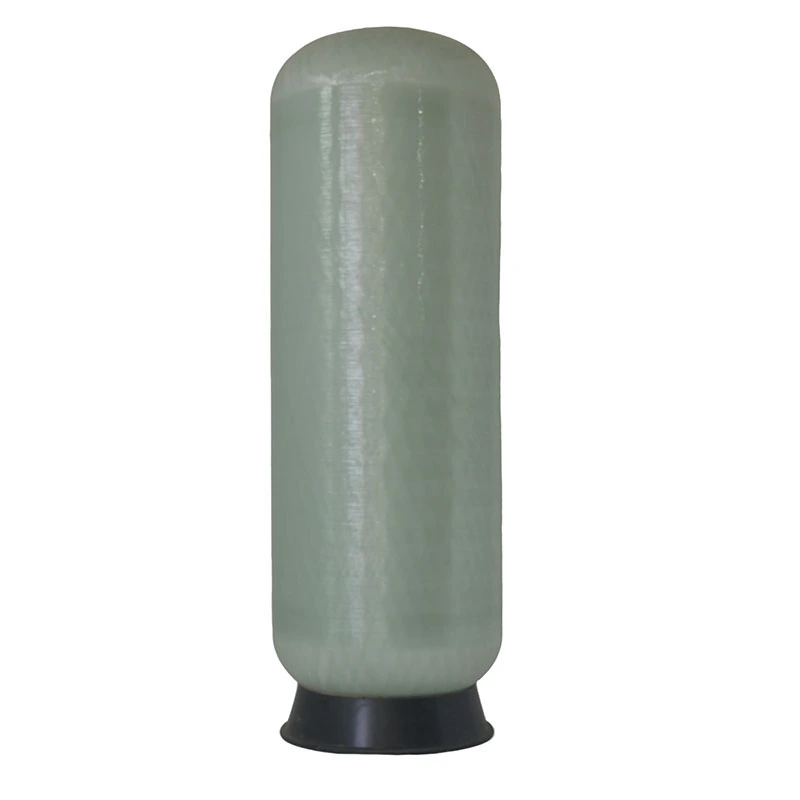
FRP water treatment tanks are constructed using a combination of fiberglass and resin, creating a strong, lightweight, and corrosion-resistant structure. This material offers several advantages over traditional metal or concrete tanks, making it a popular choice for water treatment applications. Because they can be configured as sand filters, softeners, or RO pretreatment vessels, these tanks form the backbone of nearly any modern water treatment system.
Fiberglass Reinforced Resin Tanks for Water Treatment Systems
Our composite tanks feature a polyethylene core encapsulated in epoxy-sealed fiberglass, delivering exceptional durability and chemical resistance. Engineered as universal media vessels, these tanks support:
Ion-exchange resin for water softening,Backwashing filtration media (carbon, catalytic carbon, pH neutralizers, etc.)
Every vessel is pressure-tested before shipment to confirm it meets its rated working pressure, giving buyers a documented quality check before the tank ever leaves the factory.
Key Features of FRP Water Treatment Tanks
- Corrosion Resistance: FRP is highly resistant to corrosion, making it ideal for storing and treating water that may contain chemicals or minerals.
- Lightweight: Compared to metal or concrete tanks, FRP tanks are significantly lighter, making them easier to transport and install.
- Durability: With proper maintenance, FRP tanks can last for decades, providing a long-term solution for water treatment needs.
- Customizability: FRP tanks can be customized to meet specific requirements, including size, shape, and capacity.
For international buyers, this customization extends to branding and packaging as well, with OEM and private-label options available on bulk orders shipped directly from our China facility.
Applications of FRP Water Treatment Tanks
FRP water treatment tanks serve critical roles across multiple applications. They act as durable pressure vessels in Reverse Osmosis systems, function as robust chambers for sand filters to remove sediment, provide ideal containment for hard water softeners by resisting high pressures and temperatures, and support industrial processes from chemical storage to wastewater treatment. Common industries relying on these applications include municipal water utilities, food and beverage processing, power generation, and light industrial manufacturing, each selecting tank size and media type based on their specific water chemistry.
Comparing FRP Water Treatment Tanks with Other Materials
To better understand the advantages of FRP water treatment tanks, let’s compare them with other commonly used materials:
| Material | Corrosion Resistance | Weight | Durability | Cost |
|---|---|---|---|---|
| FRP | High | Low | High | Moderate |
| Steel | Low | High | Moderate | Low |
As you can see from the table, FRP water treatment tanks offer a unique combination of properties that make them a superior choice for many water treatment applications. Their high corrosion resistance, low weight, and long lifespan make them a cost-effective solution in the long run. Concrete tanks, while sometimes used for large-scale storage, require significantly more space and are prone to cracking under pressure cycling — a limitation FRP avoids entirely. Compared to stainless steel, FRP typically costs less upfront while still resisting the same range of pH and chlorine exposure in standard water treatment duty.
FRP Water Treatment Tanks Performance Parameter
Outer Winding: High performance resin with Fiber glass three-dimensional winding.
Liner material: Rotation molding or Blowing One-piece seamless PE inner liner.
Materials: FRP or reinforced PP
Opening: 2.5” and 4” reinforced plastic thread, 6” alloy flange.
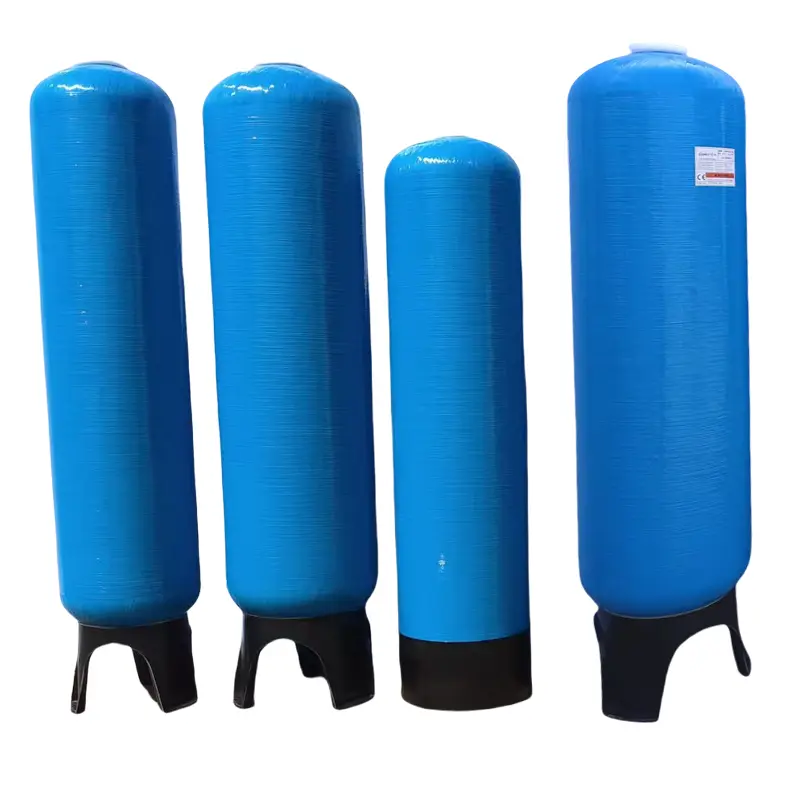
Color: Different colors are available, natural color,black,deep blue, sky blue, gray,
Opening diameter: 2.5” – 6”
Capacity: 0.2—100T/H
Application Conditions
Working Pressure: 150 PSI (10.5bar)
Working Temperature:1-49°C(34-121°F)
Max. Vacuum:127mm Hg
Lowest Environment Temperature:-27°C(-17°F)
Design Parameter
Bursting pressure: 232PSI
Fatigue test: 100.000times incessantly cycle test
Certifications and Standards Compliance
BasideWT FRP water treatment tanks are manufactured to meet NSF/ANSI 61 requirements for potable water contact and ASME RTP-1 design standards for reinforced thermoset plastic pressure vessels. Mill certificates, pressure test reports, and compliance documentation are available on request, which is particularly important for import approval, municipal bids, and third-party engineering sign-off.
FRP Water Treatment Tanks Size Design
| Model No | Dia.X Height(mm) | Inch Size | Top Open | Bottom Open |
| 817 | Ø200×439 | 817 inch | 2.5 inch | N/A |
| 835 | Ø200×898 | 835 inch | 2.5 inch | N/A |
| 844 | Ø200×1130 | 844 inch | 2.5 inch | N/A |
| 935 | Ø225×900 | 935 inch | 2.5 inch | N/A |
| 1054 | Ø250×1391 | 1054 inch | 2.5 inch | N/A |
| 1252 | Ø300×1333 | 1252 inch | 2.5 inch | N/A |
| 1265 | Ø300×1663 | 1265 inch | 2.5 inch | N/A |
| 1354 | Ø325×1376 | 1354 inch | 2.5 inch | N/A |
| 1465 | Ø350×1655 | 1465 inch | 2.5 inch | N/A |
| 1665 | Ø400×1648 | 1665 inch | 2.5 inch | N/A |
| 1865 | Ø450×1805 | 1865 inch | 4 inch | N/A |
| 2069 | Ø500×1770 | 2069 inch | 4 inch | N/A |
| N/A | 4 inch | |||
| 2472 | Ø600×1920 | 2472 inch | 4 inch | N/A |
| N/A | 4 inch | |||
| 3072 | Ø750×1930 | 3072 inch | 4 inch | N/A |
| N/A | 4 inch | |||
| 3672 | Ø900×2120 | 3672 inch | 4 inch | 4 inch |
| 4072 | Ø1000×2170 | 4072 inch | 4 inch | 4 inch |
| 4872 | Ø1200×2130 | 4872 inch | 6 inch | 6 inch |
| 6072 | Ø1500×2250 | 6072 inch | 6 inch | 6 inch |
| 6386 | Ø1600×2420 | 6386 inch | 6 inch | 6 inch |
Installation of FRP Water Treatment Tanks
Installing FRP water treatment tanks requires careful planning and execution to ensure optimal performance and longevity. Here’s a step-by-step guide to help you through the process:
1: Site Preparation
- Choose a suitable location for the tank, ensuring it is level and has adequate drainage.
- Clear the area of any obstacles or debris that could interfere with the installation.
2: Tank Delivery and Inspection
- Arrange for the delivery of the FRP tank to the installation site.
- Inspect the tank upon arrival for any damage or defects. If any issues are found, contact the supplier immediately.
3: Tank Placement
- Use a crane or other lifting equipment to carefully place the tank in its designated location.
- Ensure the tank is level and properly aligned before proceeding.
4: Pipe Connection
- Connect the inlet and outlet pipes to the tank using appropriate fittings and seals.
- Make sure all connections are tight and leak-free.
Step 5: System Testing
- Fill the tank with water and test the system for leaks and proper operation.
- Adjust the system as needed to ensure optimal performance.
Most installations of this kind are completed within a single day for small to mid-size tanks, though multi-vessel industrial arrays may take longer depending on piping complexity.
Industrial FRP Tank Sizing: Selecting the Right Water Treatment Storage Tank
Choosing the right industrial FRP tank size depends on your daily water output. Small systems need tanks in the 817 to 1265 range. These suit residential softeners and small commercial RO units. Larger systems need tanks from the 1865 size upward. Municipal and industrial plants often use 4072 or 6072 models. Always calculate your peak hourly flow rate first. Then select a tank that matches that capacity without oversizing. Buyers exporting equipment internationally should also confirm production lead time at the sizing stage, since larger custom vessels typically require longer manufacturing schedules than standard catalog sizes.
The water treatment storage tank must also match your operating pressure. All models here are rated to 150 PSI. This covers standard RO, softener, and sand filter applications. Check your system’s working pressure before ordering. A tank rated below your system pressure is a safety risk. Therefore, always confirm your pressure requirements with your system designer. As a safety margin, most engineers specify a tank rated at least 15–20% above the system’s maximum expected working pressure, rather than matching it exactly.
Opening size is another key factor. Smaller tanks use a 2.5-inch top opening. Larger tanks from the 1865 model use a 4-inch opening. The biggest models use a 6-inch flange. This affects your media loading process. Carbon, resin, and filter sand all load through the top opening. A larger opening makes media replacement faster and easier. Moreover, the frp tank for water treatment polyethylene inner liner prevents contamination. It also resists chemicals used in softening and filtration processes. For systems that also need chemical dosing alongside filtration, a compatible dosing tank stores and delivers treatment chemicals safely. Furthermore, pairing your water filtration tank frp with a water softener resin fills the tank with the correct ion exchange media for hard water treatment.
Confirm whether your system uses standard reinforced plastic threads or the 6-inch alloy flange before ordering fittings, since mismatched connections are one of the most common installation delays for first-time buyers.
Maintenance of FRP Tanks
Regular maintenance is essential to keep your FRP water treatment tanks in good condition and ensure their long-term performance. Here are some tips for maintaining your tanks:
- Inspect Regularly: Check the tank for any signs of damage, such as cracks, leaks, or corrosion. If any issues are found, address them immediately.
- Clean Periodically: Clean the tank regularly to remove any sediment or debris that may accumulate over time. Use a mild detergent and a soft brush to avoid scratching the tank’s surface.
- Replace Filters: If your tank is equipped with filters, replace them according to the manufacturer’s recommendations. This will help ensure the quality of the treated water.
- Check Pressure: Monitor the pressure in the tank regularly to ensure it is within the recommended range. If the pressure is too high or too low, it could indicate a problem with the system.
⚠ Note: Avoid using abrasive cleaners or chemicals on FRP tanks, as they can damage the surface and reduce the tank’s lifespan.
As a general schedule, inspect fittings and pressure readings monthly, clean the tank exterior quarterly, and plan media replacement according to the specific media type’s rated service life rather than the tank’s own multi-decade lifespan.
Common Misconceptions About FRP Water Treatment Tanks
There are several common misconceptions about FRP water treatment tanks that can lead to confusion and misinformation. Let’s debunk some of these myths:
- Myth: FRP tanks are not as strong as metal or concrete tanks.
- Fact: FRP tanks are actually stronger than many metal and concrete tanks, especially when it comes to resisting corrosion and impact.
- Myth: FRP tanks are more expensive than other materials.
- Fact: While the initial cost of FRP tanks may be slightly higher than some other materials, their long lifespan and low maintenance requirements make them a cost-effective solution in the long run.
- Myth: FRP tanks are difficult to install and maintain.
- Fact: With proper planning and execution, FRP tanks are relatively easy to install and maintain. Following the manufacturer’s instructions and performing regular maintenance will ensure optimal performance and longevity.
Understanding these facts helps buyers evaluate FRP tanks on their actual performance profile rather than outdated assumptions carried over from early fiberglass composites decades ago.
Case Study: The Benefits of FRP Tanks in a Commercial Setting
To illustrate the real-world benefits of FRP water treatment tanks, let’s take a look at a case study from a commercial facility.
In 2025, our team worked with a large commercial building that was experiencing issues with its water treatment system. The existing metal tanks were corroded and leaking, resulting in poor water quality and costly repairs. After evaluating the options, the facility decided to upgrade to custom FRP water treatment tanks.
The installation process was completed within a week, and the new tanks immediately improved the performance of the water treatment system. The corrosion-resistant FRP material eliminated the risk of leaks and corrosion, and the tanks’ lightweight design made them easier to maintain.
Over the next year, the facility saw a significant reduction in maintenance costs and an improvement in water quality. The FRP tanks also provided a more aesthetically pleasing solution, as they could be customized to match the building’s design.
Making the Right Choice for Your Water Treatment Needs
In conclusion, custom FRP water treatment tanks offer a wide range of benefits for reverse osmosis systems, sand filters, and hard water softeners. Their corrosion resistance, lightweight design, and durability make them a popular choice for many water treatment applications.
By understanding the features, applications, installation, and maintenance of FRP water treatment tanks, you can make an informed decision when choosing a solution for your water treatment needs. Whether you’re a commercial facility owner or a homeowner, FRP tanks are a reliable and cost-effective option that will provide years of trouble-free service.
Checklist for Choosing and Maintaining FRP Water Treatment Tanks
- Determine your specific water treatment needs and requirements.
- Consider the size, capacity, and customization options of the tanks.
- Review the installation and maintenance instructions provided by the manufacturer.
- Schedule regular inspections and maintenance to ensure optimal performance.
- Keep a record of all maintenance activities and repairs.
- Replace filters and other components according to the manufacturer’s recommendations.
- Monitor the pressure and water quality regularly.
- Address any issues or concerns promptly to avoid costly repairs or downtime.
Once you’ve worked through this checklist, the next step is matching your numbers to a specific tank model — our team can confirm sizing and configuration based on your flow rate and media type.
RP Tank for Water Treatment: System Integration and Best Pairings
The FRP water treatment tanks serve as the core vessel in most treatment systems. They house filter media, resin beds, and RO pre-treatment stages. However, the tank alone does not treat water. It works with valves, pumps, membranes, and controls. Each component depends on the others. Therefore, selecting compatible accessories from the start saves time and money.
Sand filter tanks remove sediment from raw water. Carbon filter tanks remove chlorine and organics. Softener tanks contain ion exchange resin. Each tank type uses the same FRP vessel design. Only the media inside changes. This makes fiberglass water tank selection straightforward. You choose the size and opening. The media determines the application.
For RO applications, the chemical storage tank frp holds antiscalant or pH correction chemicals. These tanks work alongside the membrane system. The chemical protects the membrane from scaling. This extends membrane life significantly. A complete water filtration system uses multiple FRP vessels in sequence. Each vessel handles one stage of treatment. Together, they deliver consistent, clean output water. Moreover, for large industrial setups, frp water treatment tanks are used alongside FRP vessels for water treatment in parallel arrays. This increases total system capacity without increasing individual tank size. It also allows one vessel to go offline for maintenance while others continue operating.
Warranty Coverage
Standard warranty on BasideWT FRP water treatment tanks typically covers 3–5 years against manufacturing defects under normal operating pressure and temperature, confirmed at order based on tank size and application.
Request a Custom FRP Tank Quote
Whether you need a single vessel for a small commercial softener or a multi-tank industrial array for RO pretreatment, our team can match tank size, opening configuration, and media type to your exact flow rate and water chemistry. Contact BasideWT with your system specifications for a tailored quote and production lead-time estimate.
FAQs
How do I know which system is right for my home?
How to Measure Your Home’s Water Flow Rate?
How do I troubleshoot low water pressure from my system?

What contaminants does your water treatment system remove?
What’s the difference between UV, RO, and activated carbon filtration?
REQUEST A QUOTE
RELATED PRODUCTS
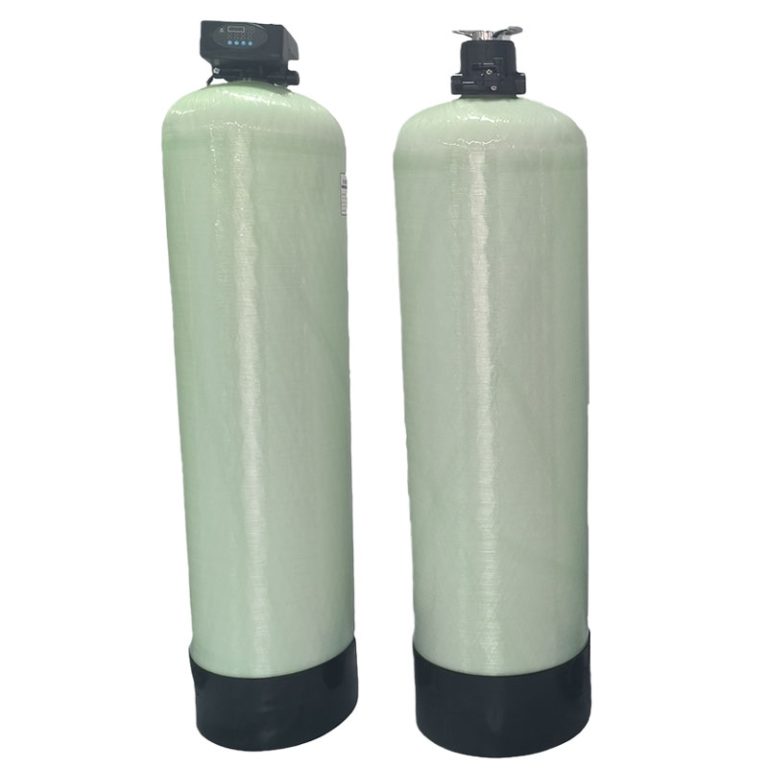
FRP Water Tank 1465 frp Vessel Price | BasideWT
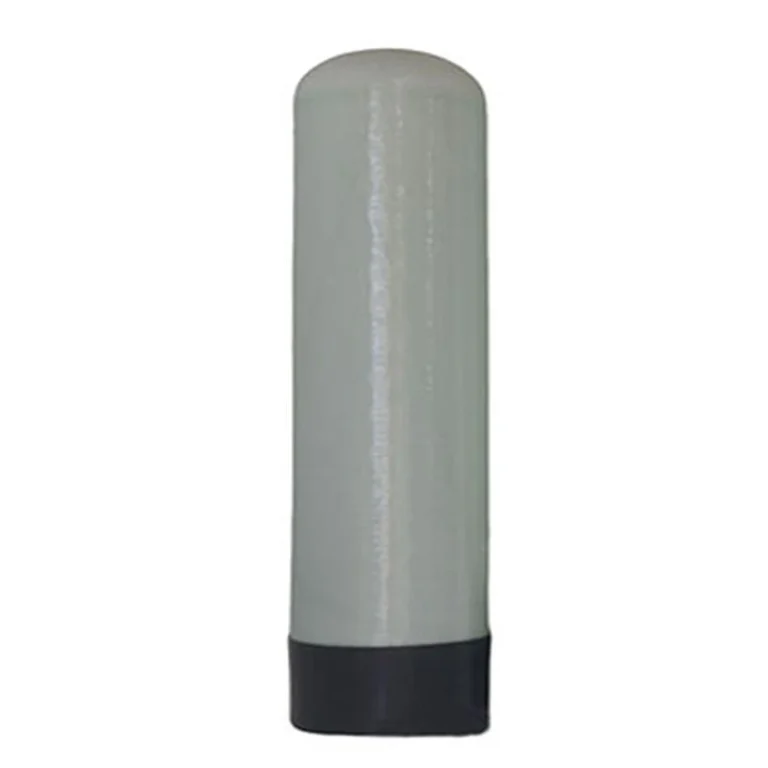
FRP Vessel 1665 Fiber Reinforced Plastic Tanks | BasideWT
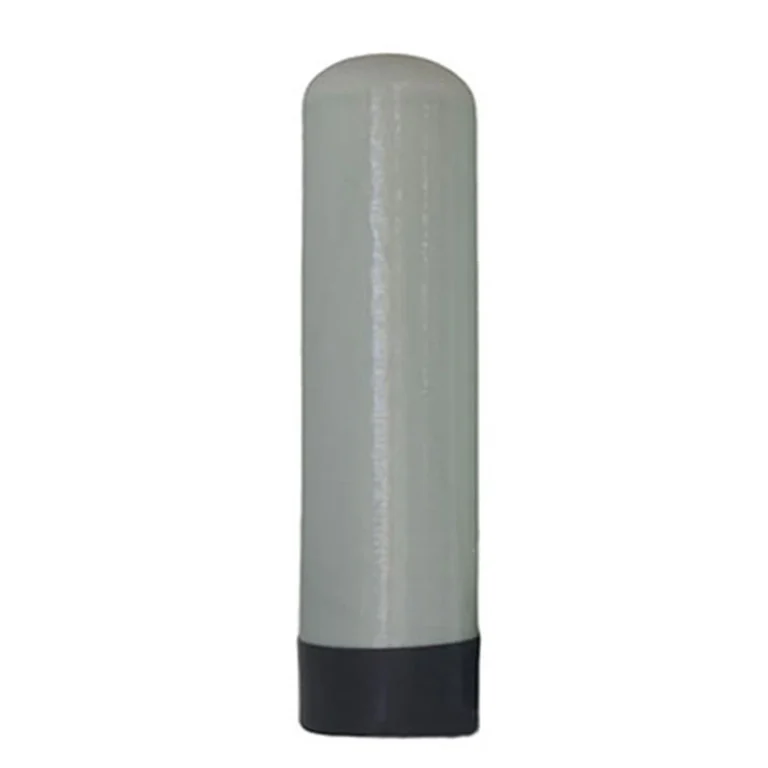
1354 frp Vessel Fiberglass Water Storage Tanks BasideWT
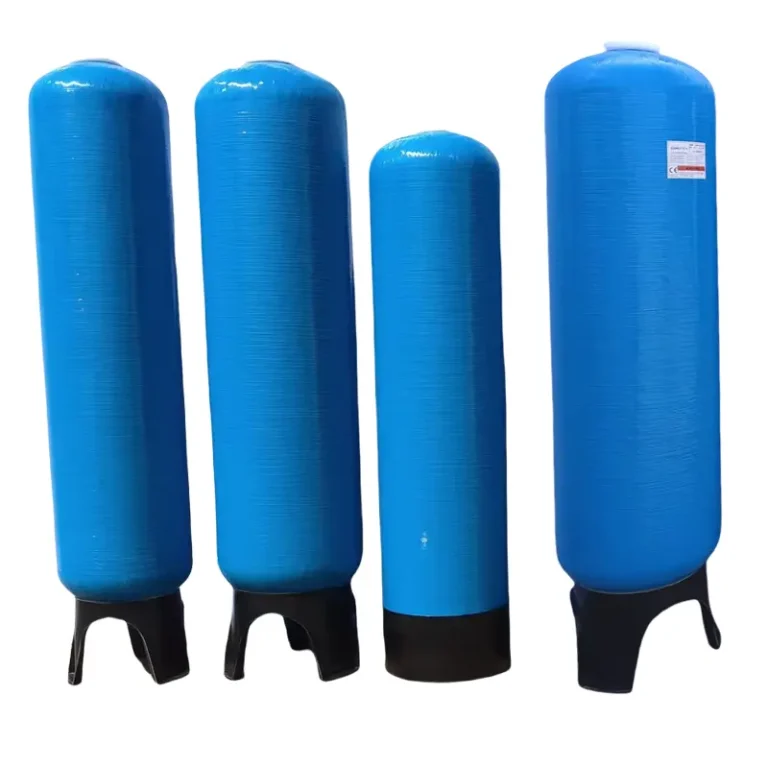
Industrial Multi-Media Filter FRP Tanks – Quartz Sand Activated Carbon for RO Pretreatment

FRP Water Storage Tanks for Industrial & Commercial | Custom-Made