BasideWT- Whole Home Water Filtration System & Replacement


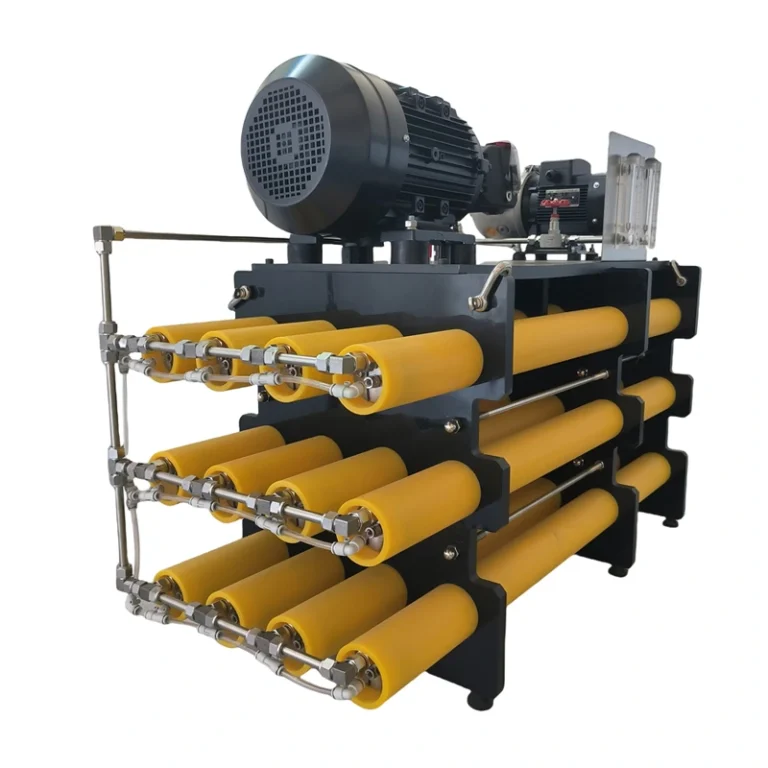
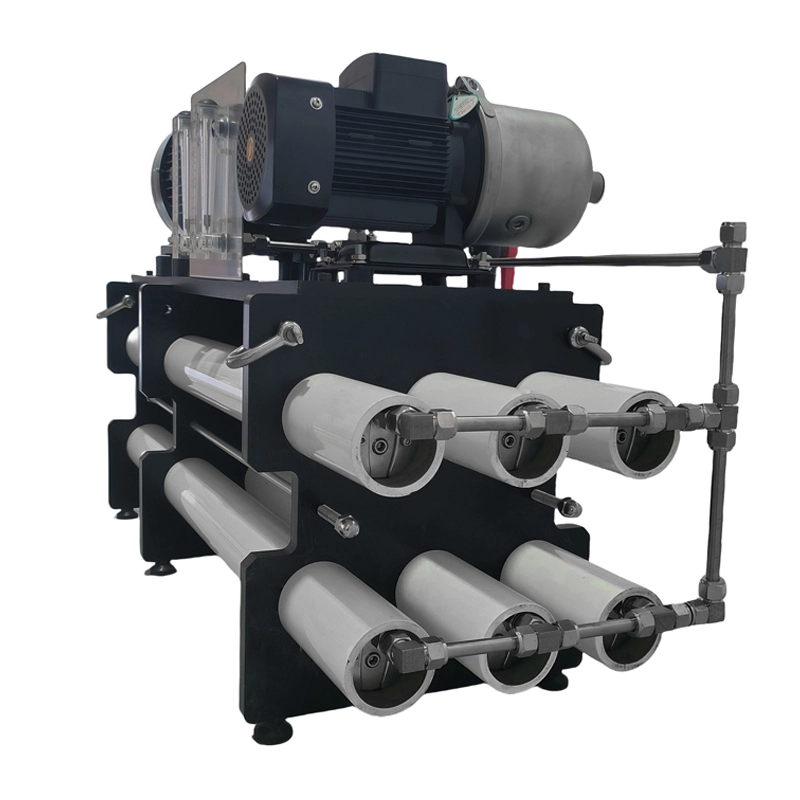
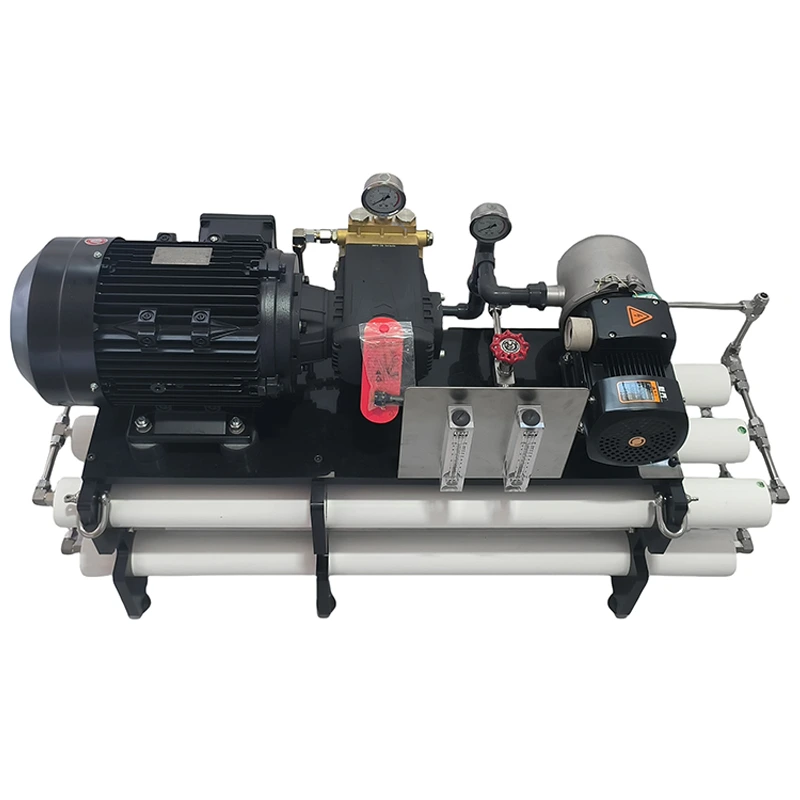
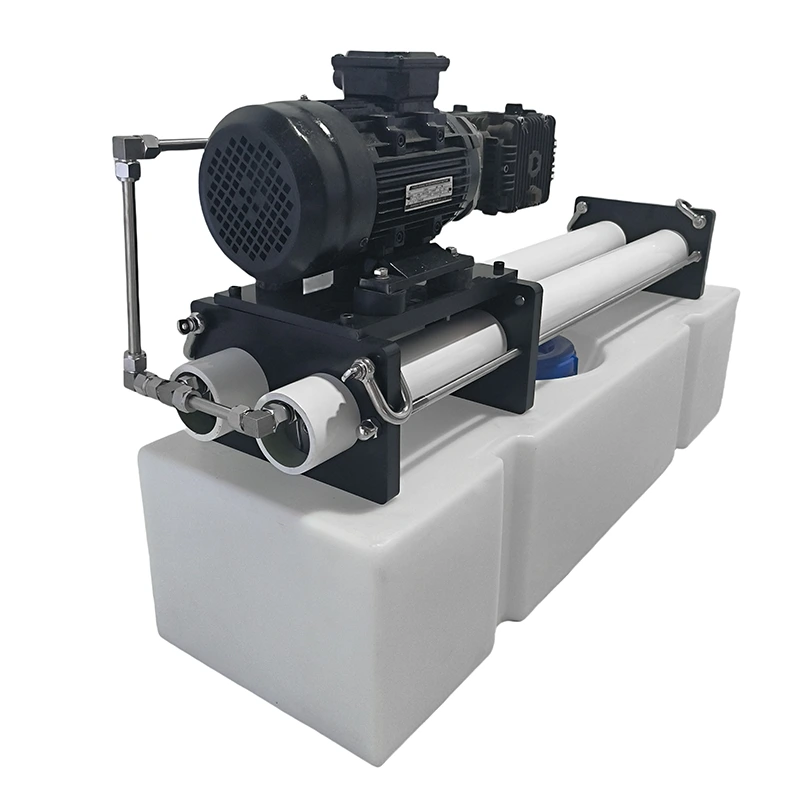
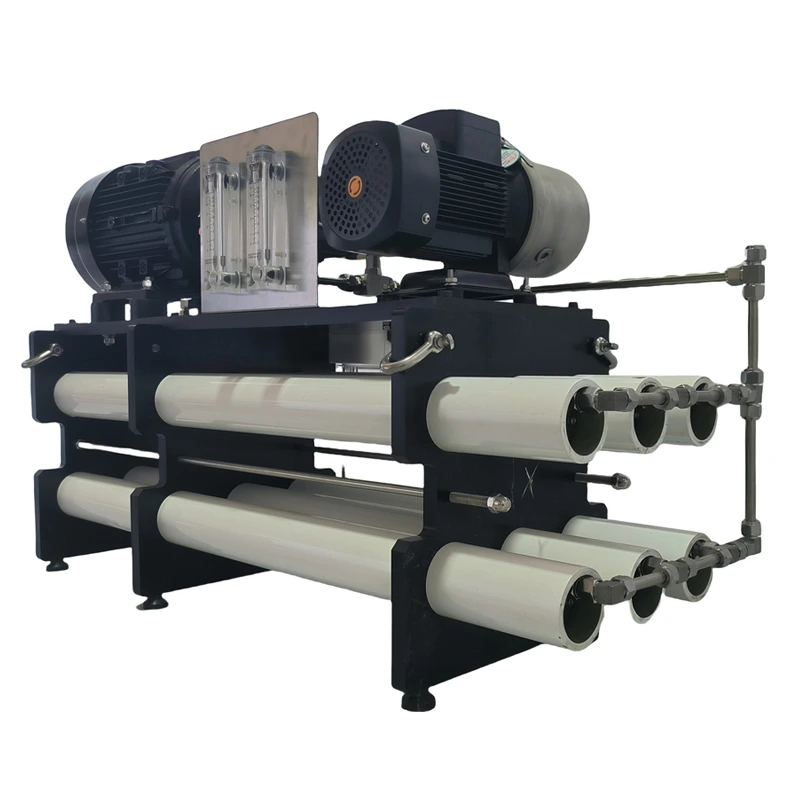
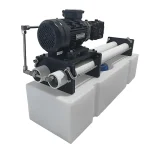
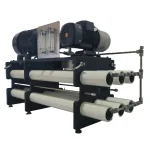
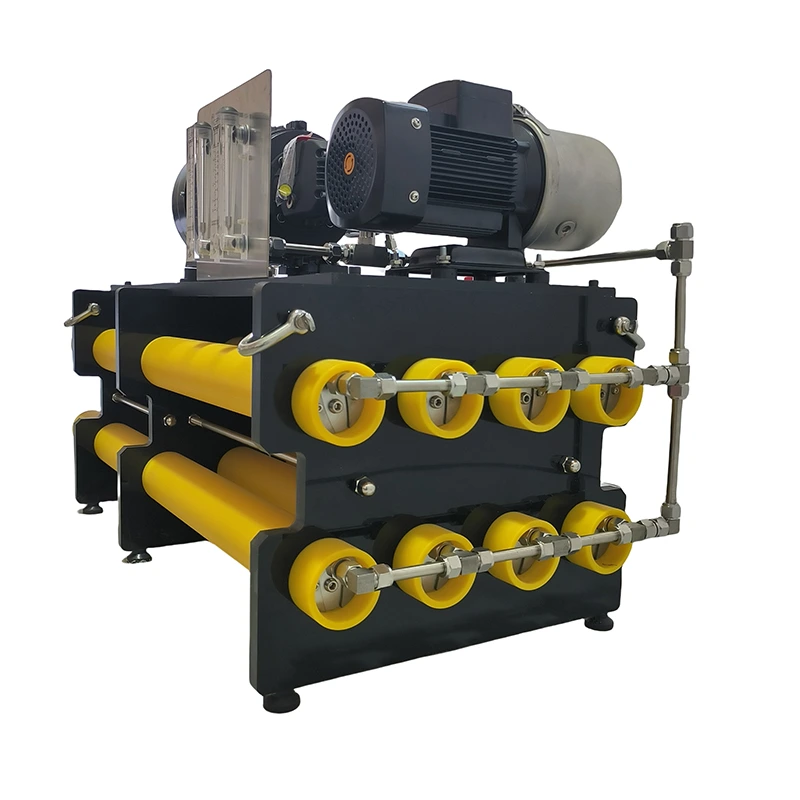
BasideWT Boat Watermaker Brackish Water Desalination Machine Reverse Osmosis Plants for Drink Water
PRODUCT PARAMETERS
BasideWT Boat Watermaker Brackish Water Desalination Machine: The Ultimate Solution for Fresh Drinking Water at Sea
If you’re a yacht owner or a sailor, one of the most critical resources you’ll need onboard is fresh drinking water. The BasideWT Boat Watermaker Brackish Water desalination machine offers a solution to this problem by turning seawater or brackish water into clean, drinkable water. But how does it work, and is it worth the investment? In this article, we’ll explore how these desalination machines work, their benefits, and why you should consider one for your boat. In this article, we’ll explore how these desalination machines work, their benefits, and why you should consider one for your boat. Designed for marine applications, a water desalination machine uses reverse osmosis technology to reduce dissolved salts from seawater or brackish water and provide a reliable onboard freshwater supply for drinking, cooking, cleaning, and other daily needs.
Seawater Desalination Machine for Marine and Coastal Use
A seawater desalination machine is essential for boats, yachts, and coastal operations where freshwater access is limited. Moreover, these systems efficiently convert seawater into safe drinking water using advanced filtration technology. A reliable desalination machine ensures a continuous water supply, even in remote marine environments.
Furthermore, modern systems are designed to be compact, energy-efficient, and easy to operate. Therefore, investing in a high-quality water desalination machine helps reduce dependency on external water sources while improving operational convenience.
What is the BasideWT Boat Watermaker Brackish Water Desalination Machine?
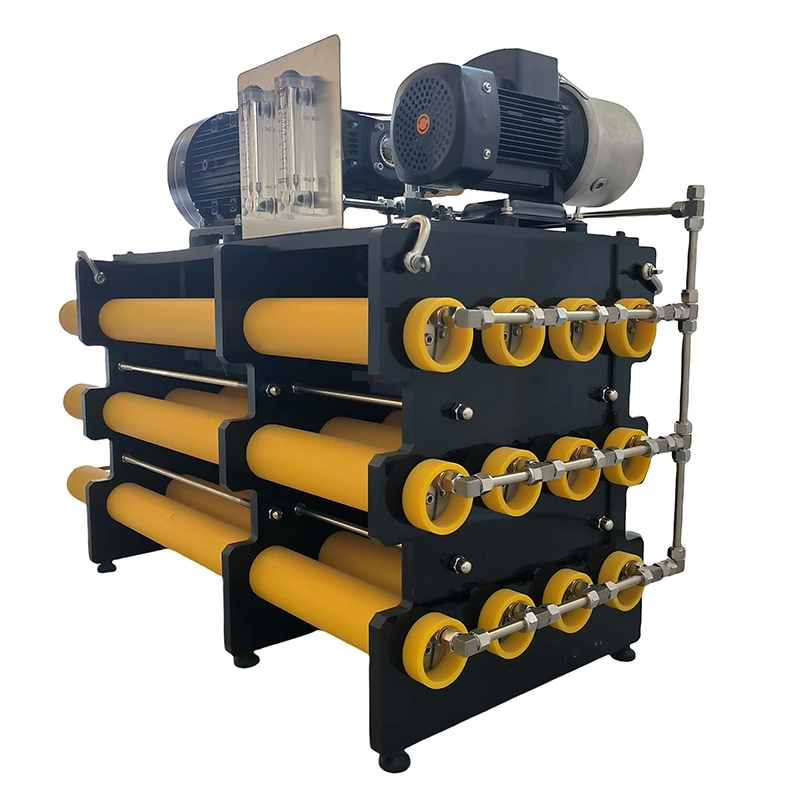
The BasideWT Boat Watermaker Brackish Water Desalination Machine Reverse Osmosis Plants for Drink Water is a device that removes salt and impurities from brackish or seawater, making it safe to drink. These systems provide fresh water for boats and yachts, even in remote locations far from fresh water sources.
How Does the BasideWT Boat Watermaker Work?
At the heart of the system is a reverse osmosis system membrane that powers the purification process. Here’s how the process typically works:
- Pre-filtration: The seawater or brackish water is first passed through a filter to remove larger particles like debris.
- Pressurization: A pump then pressurizes the water, forcing it through the semi-permeable RO membrane.
- Membrane Filtration: The RO membrane filters out the salt, bacteria, and other impurities, leaving only fresh water.
- Post-filtration: Finally, the purified water undergoes additional filtration to improve taste and ensure safety.
This process converts even brackish or seawater into clean, drinkable water.
However, actual water production depends on feed-water salinity, temperature, pressure, and membrane condition. Therefore, system capacity should be selected according to the available water source and the daily freshwater demand of the boat or marine facility.
Key Components of a Water Desalination Machine
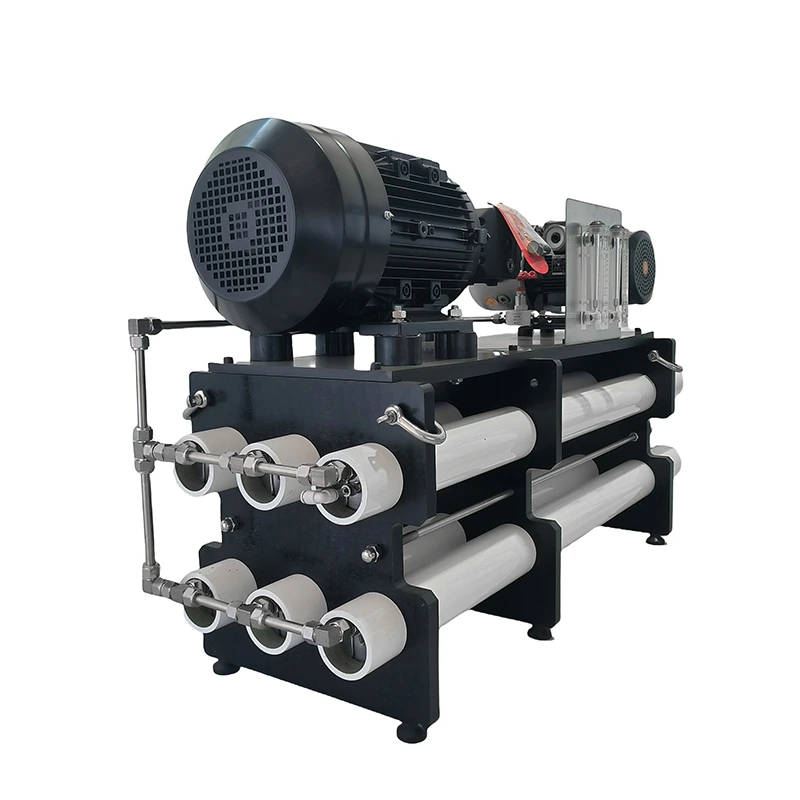
A reliable water desalination machine combines several components to ensure stable salt removal and continuous freshwater production. Depending on the system configuration and water source, the main components may include:
- Pre-filtration system to reduce suspended solids and protect downstream components
- High-pressure pump to provide the pressure required for reverse osmosis
- RO membranes to separate dissolved salts from purified water
- Membrane housing for secure membrane installation
- Pressure gauges and flow monitoring components for operational control
- Control system for monitoring and managing the desalination process
Together, these components create a complete seawater or brackish water treatment process. Proper system configuration also helps protect the RO membranes and maintain stable long-term performance.
Salt Water Treatment System and RO Desalination Process
A salt water treatment system uses reverse osmosis technology to remove salts, minerals, and impurities from seawater. In addition, this process ensures high-quality output suitable for drinking and daily use. A desalination plant machine works by applying pressure to force water through specialized membranes, separating clean water from contaminants.
Moreover, effective pre-filtration is essential because suspended solids and other contaminants can foul RO membranes . Therefore, proper pretreatment helps protect the membrane system, maintain stable water production, and reduce unnecessary maintenance. Depending on feed-water quality, the pretreatment configuration can be customized for different seawater or brackish water conditions.
How to Choose the Right Water Desalination Machine
Choosing the right water desalination machine depends on more than daily water production. Before selecting a system, consider the following factors:
Feed Water Type
First, determine whether the system will treat seawater or brackish water. Different water sources have different salt concentrations, which affect the required operating pressure and membrane configuration.
Required Water Production Capacity
Calculate the daily freshwater demand for drinking, cooking, washing, cleaning, and other onboard uses. Then select a system with sufficient capacity for the expected number of passengers or crew.
Available Installation Space
Boats and yachts often have limited equipment space. Therefore, compact or modular watermaker designs can be more suitable for marine installations.
Power Supply
Check the available voltage and power source before selecting a desalination system. The electrical configuration should match the vessel’s onboard power system.
Feed Water Quality
In addition to salinity, suspended solids and biological contamination can affect system performance. For this reason, suitable pretreatment should be selected according to the actual water conditions.
Water Desalination Machine Applications
Reverse osmosis desalination systems can provide freshwater in locations where conventional freshwater supplies are limited. Common applications include:
- Boats and yachts requiring an onboard freshwater supply
- Ships and marine vessels operating for extended periods
- Coastal properties with limited freshwater availability
- Islands and remote locations
- Offshore facilities
- Marine aquaculture and specialized water treatment applications
System capacity and configuration can be selected according to feed-water conditions, installation space, and required freshwater production.
Water Desalination Machine Maintenance
Regular maintenance helps maintain stable water production and protects key reverse osmosis components. The required maintenance schedule depends on feed-water quality, operating hours, and system configuration.
Key maintenance practices include:
- Inspecting pre-filters and replacing them when pressure drop increases
- Monitoring feed pressure and operating pressure
- Checking system connections for leaks
- Flushing the RO membrane according to the manufacturer’s operating procedure
- Monitoring product water quality and TDS
- Cleaning or preserving the membrane when the system will remain unused for an extended period
Proper pretreatment and regular monitoring are especially important for seawater applications because saltwater can cause membrane fouling and scaling over time.
Important Feed Water and Operating Considerations
Water desalination system performance depends on the quality and conditions of the incoming water. Before selecting a system, important factors include feed-water salinity, temperature, suspended solids, and required production capacity.
Higher salinity generally requires higher operating pressure and appropriate seawater RO membranes. In addition, poor feed-water quality may require additional pretreatment to protect the reverse osmosis system.
For accurate system selection, it is recommended to evaluate the water source and daily freshwater requirement before choosing a desalination machine.

FAQs
How do I know which system is right for my home?
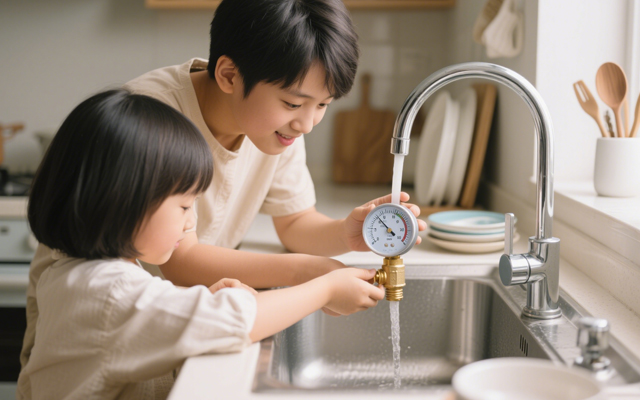
How to Measure Your Home’s Water Flow Rate?
How do I troubleshoot low water pressure from my system?
What contaminants does your water treatment system remove?
What’s the difference between UV, RO, and activated carbon filtration?
REQUEST A QUOTE
RELATED PRODUCTS
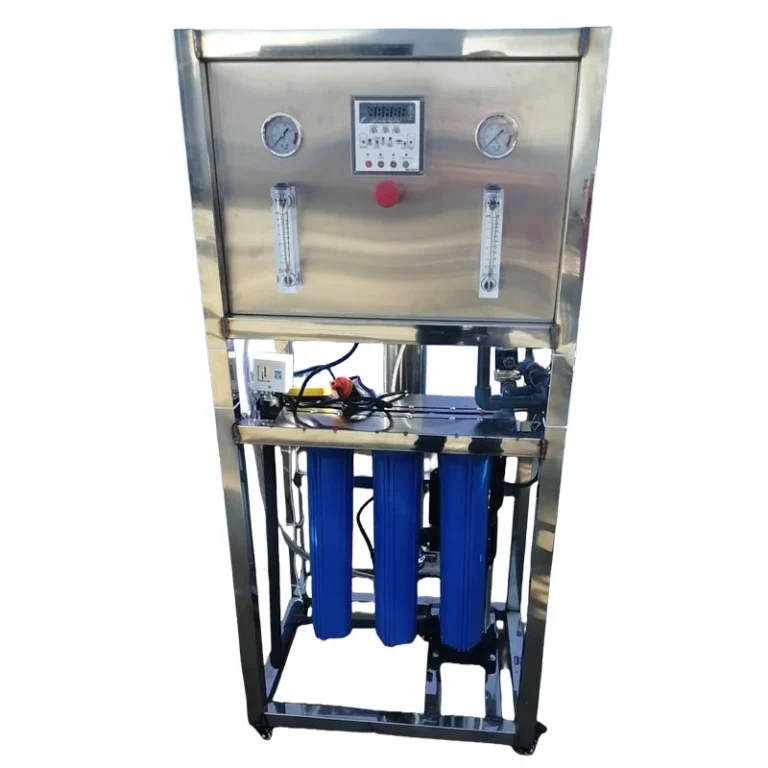
Mini Commercial RO System 250L/H | Chinese Manufacturer BasideWT
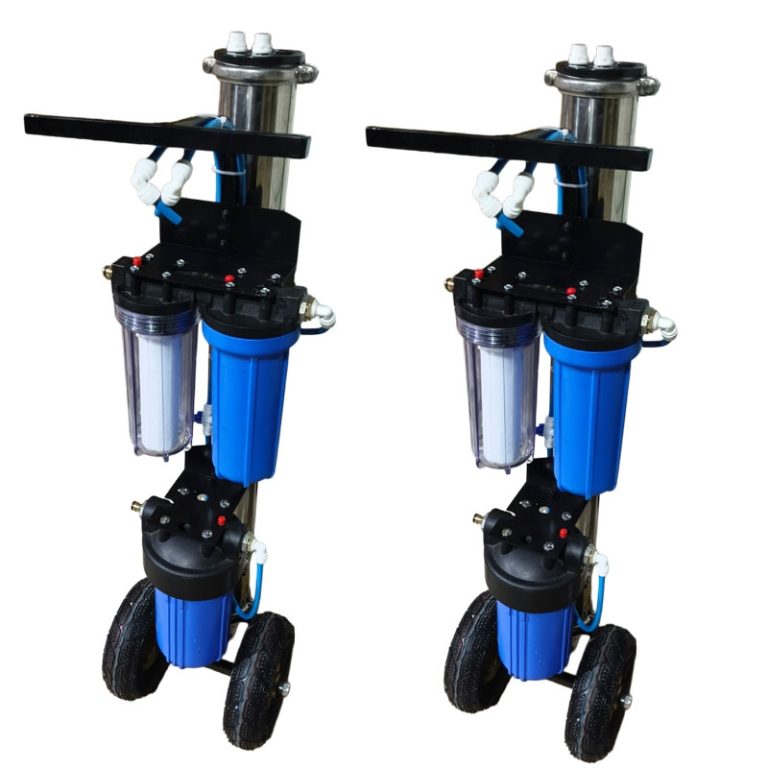
RO/DI Resin Deionized Water System for Spotless Car Wash & Window Cleaning
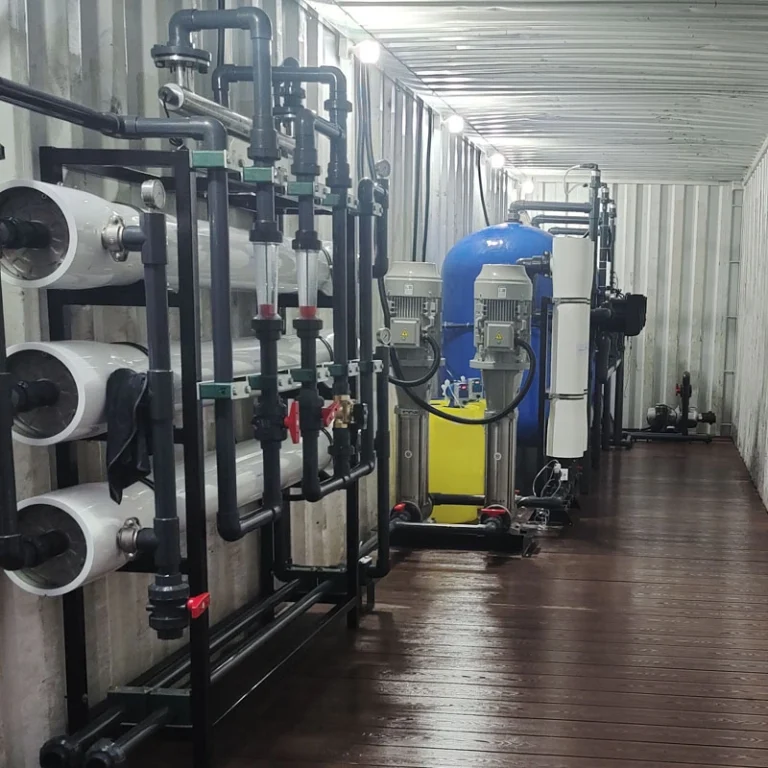
BasideWT Water Softener and Reverse Osmosis System For Commercial Water Treatment
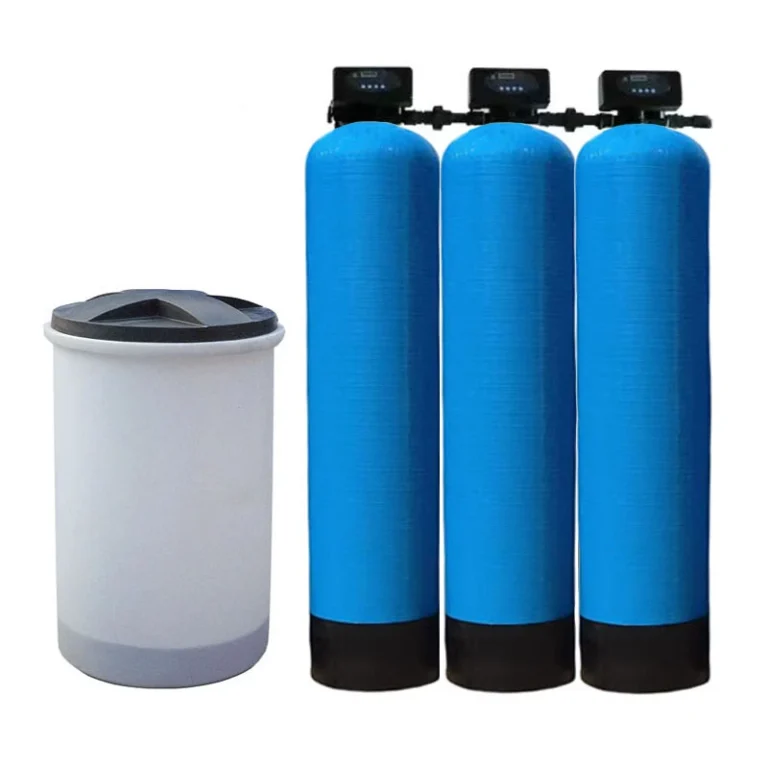
Whole House Triple Purpose Pre-Filter Ion Exchange Automatic Water Softener System for Hard Water
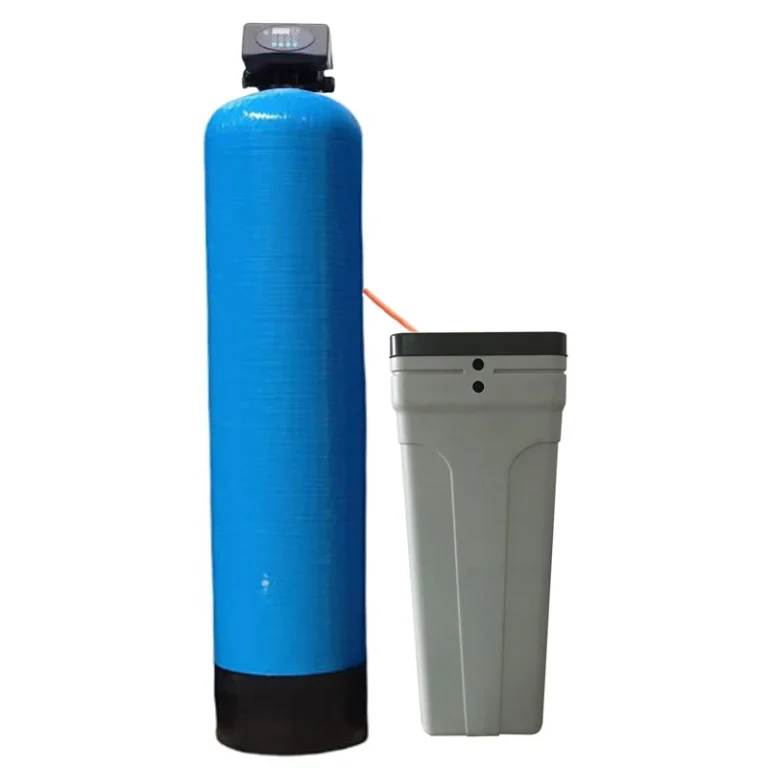
Single Column Water Softener for Iron & Hardness | Best Whole House Hard Water Filtration System