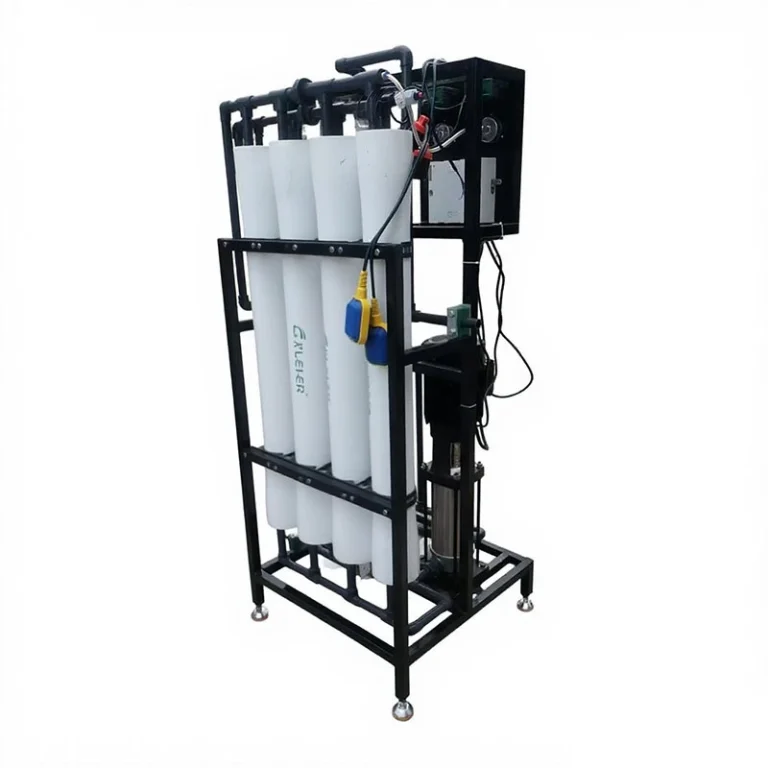
BasideWT- Whole Home Water Filtration System & Replacement


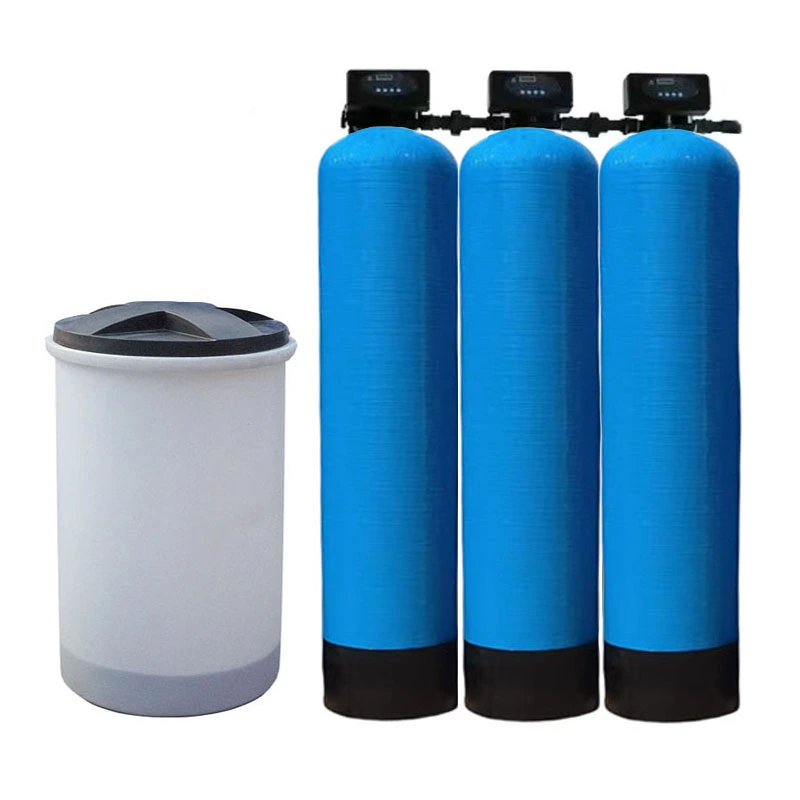
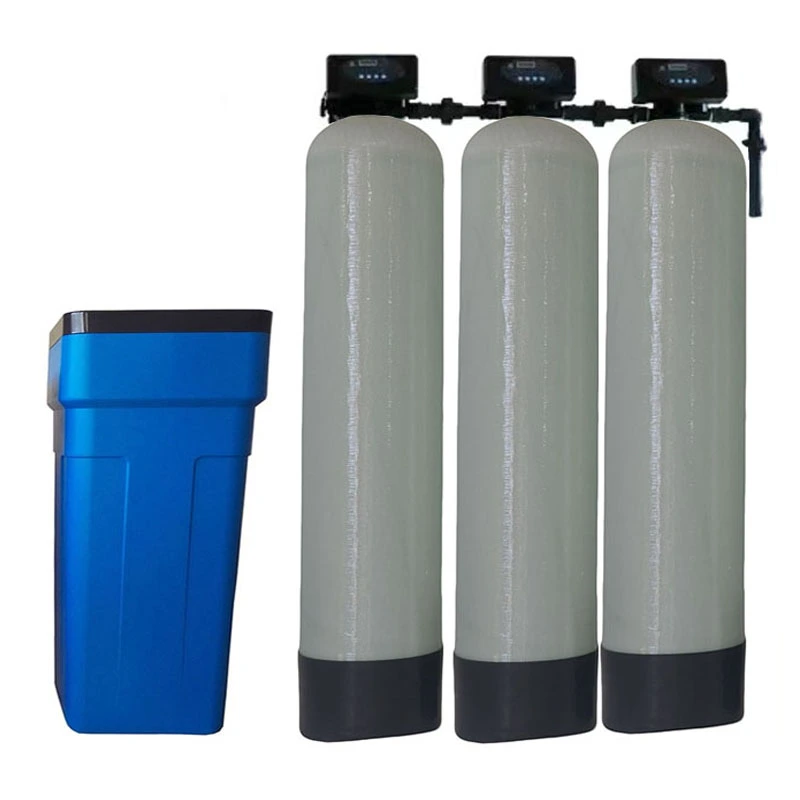
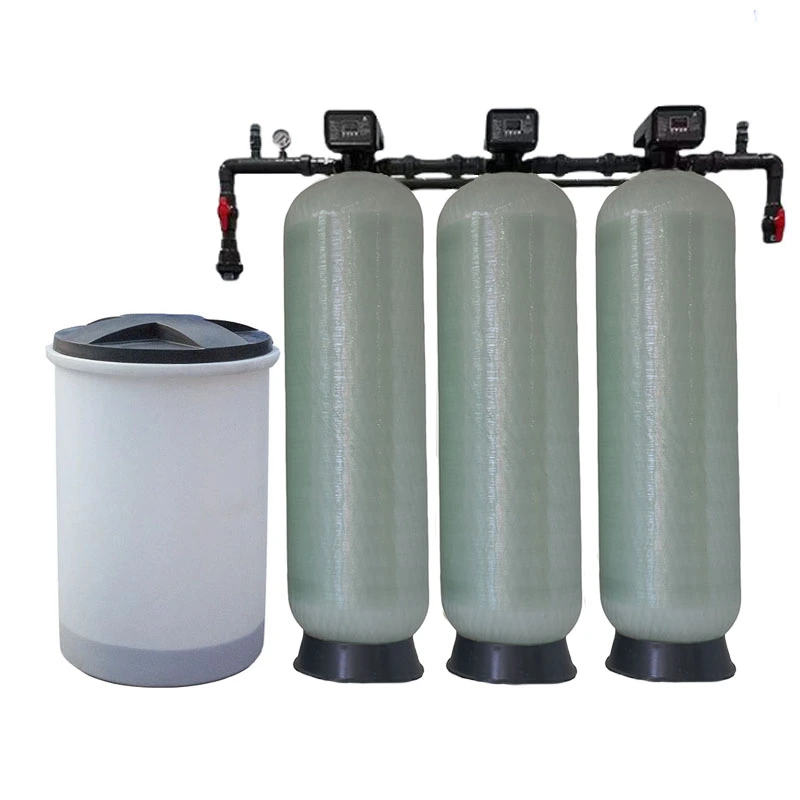
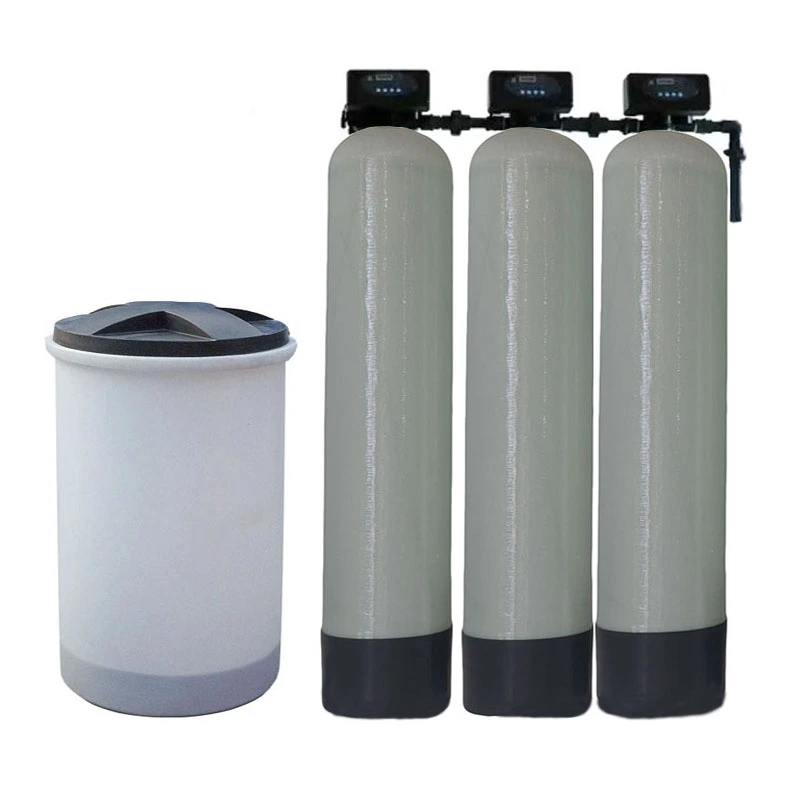
Whole House Triple Purpose Pre-Filter Ion Exchange Automatic Water Softener System for Hard Water
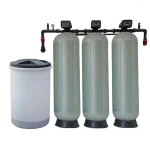
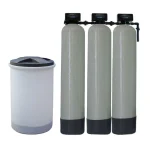
PRODUCT PARAMETERS
Tired of Hard Water? Discover the Ultimate Whole-House Solution.
Ever walked into your bathroom and found white scales on the faucet? Or felt your skin tight and dry after a shower? These are all signs of hard water. And if you live in an area with hard water, you know how annoying it can be. That’s where a Water Softener System for Hard Water comes in. But not just any system. The whole – house triple – purpose pre – filter ion exchange automatic system is a game – changer.
The Trouble with Hard Water
Hard water is water that’s rich in minerals, mainly calcium and magnesium. It might not seem like a big deal, but it can cause a lot of problems.
Let’s start with your home appliances. Your water heater, washing machine, and dishwasher all suffer. The minerals in hard water build up as scales inside them. The U.S. Department of Energy says that just 1/8 inch of scale in a water heater can make it use 15% more energy. Over time, this leads to higher bills and shorter appliance life.
Then there’s your skin and hair. Hard water doesn’t lather well with soap. So you end up using more. And after washing, the minerals leave a film on your skin. It can make your skin dry and itchy, and your hair dull.
Your pipes aren’t safe either. Scale buildup inside pipes reduces water flow. In severe cases, it can even cause clogs or bursts. Repairing this can cost a lot of money.
So, what’s the solution? A reliable Water Softener System for Hard Water. But with so many options, how do you choose?
The Solution: Triple – Purpose System for Complete Protection
The whole – house triple – purpose pre – filter ion exchange automatic Water Softener System for Hard Water is designed to tackle hard water from all angles. It’s not just a water softener; it’s a complete water treatment solution.
First, the pre – filter. It removes sediments like sand, silt, and rust. This protects the ion exchange unit from damage. Then, the ion exchange part. It swaps calcium and magnesium ions with sodium ions, softening the water. Finally, the automatic control ensures the system regenerates when needed, so it’s always working at its best.
Why is this better than a basic water softener? Let’s take a look at the comparison:
| Feature | Basic Water Softener | Triple – Purpose Automatic System |
| Sediment removal | No | Yes (pre – filter) |
| Automatic regeneration | Sometimes | Yes (smart sensors) |
| Whole – house coverage | Limited | Complete |
| Maintenance needs | Higher | Lower |
| Long – term cost | Higher (appliance damage) | Lower (protects appliances) |
This system doesn’t just soften water. It cleans it first, making the softening process more efficient. And with automatic regeneration, you don’t have to lift a finger.
Water Softener System Cost and Installation: What to Budget and Expect
One of the first questions homeowners ask before purchasing is: what is the water softener system cost, and does a more advanced system justify the higher price? For a basic ion-exchange unit, expect to spend $400–$900. A triple-purpose automatic system like this one typically falls in the $900–$2,000 range, depending on capacity and brand. However, when you factor in reduced appliance repair bills, lower energy consumption, and extended pipe lifespan, the return on investment becomes clear within 2–3 years for most households. Furthermore, water softener system installation costs vary by region and complexity — hiring a licensed plumber typically adds $150–$400 to the upfront cost, though many homeowners with basic plumbing experience complete the process themselves using the steps outlined below.
For those managing water quality across multiple treatment stages, it’s also worth considering how a softener fits into a broader system. Pairing your softener with a whole house water filter system addresses not only hardness but also sediment, chlorine, and other contaminants that a softener alone does not remove. Therefore, thinking of your water softener system as one component of a complete water treatment strategy — rather than a standalone fix — leads to better long-term outcomes for both water quality and equipment longevity.
How to Install and Set Up Your System: 5 Simple Steps
Installing a whole – house Water Softener System for Hard Water might sound complicated, but it’s manageable. Here’s how to do it:
- Test your water hardness. You can buy a test kit online or hire a professional. Knowing the exact hardness helps you set the system correctly.
- Choose the right location. The system should be installed near the main water line entering your house. It needs to be close to a drain for regeneration and have access to electricity.
- Install the pre – filter. This goes first in the line. It traps sediments before they reach the ion exchange unit. Follow the manufacturer’s instructions for connection.
- Set up the ion exchange unit. Connect it to the pre – filter and the main water line. Use Teflon tape on all connections to prevent leaks.
- Program the automatic control. Set the regeneration cycle based on your water usage and hardness. Most systems have a default setting, but you can adjust it. Then, run a test cycle to make sure everything works.
Salt-Based vs. Salt-Free Water Softener System: Choosing the Right Fit
When evaluating the best water softener systems for your home, the choice between a salt-based water softener system and a salt-free water softener system is often the deciding factor. Salt-based systems — like the triple-purpose ion exchange unit described on this page — physically remove calcium and magnesium ions from the water, replacing them with sodium through a regeneration cycle. This is the most effective method for homes with moderate to severe hardness (above 7 grains per gallon). Moreover, salt-based systems are proven to protect appliances, pipes, and fixtures more reliably than conditioning alternatives in high-hardness environments.
Salt-free systems, on the other hand, do not remove minerals but instead alter their structure so they are less likely to form scale. They require no electricity, no regeneration cycle, and no brine tank — making them an attractive option for eco-conscious households or regions with salt discharge regulations. The resin media inside a salt-based system does require periodic replacement; sourcing quality water softener resin ensures consistent softening performance over time. Additionally, for industrial-scale or commercial applications where water hardness is especially high and consistent output is critical, an industrial water softening system may be more appropriate than a residential unit. Ultimately, the right choice depends on your hardness level, daily water usage, and local regulations — but either path begins with a proper water test and a clear understanding of your household’s needs.
FAQs
How do I know which system is right for my home?
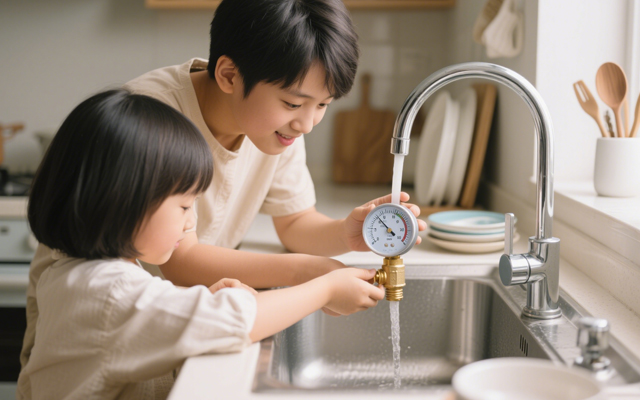
How to Measure Your Home’s Water Flow Rate?
How do I troubleshoot low water pressure from my system?
What contaminants does your water treatment system remove?
What’s the difference between UV, RO, and activated carbon filtration?
REQUEST A QUOTE
RELATED PRODUCTS
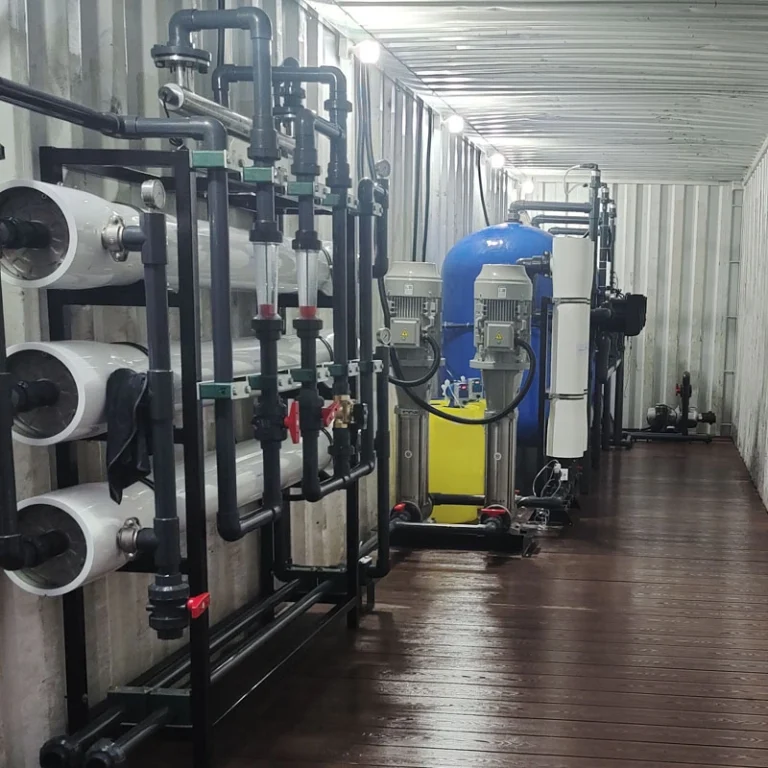
BasideWT Water Softener and Reverse Osmosis System For Commercial Water Treatment
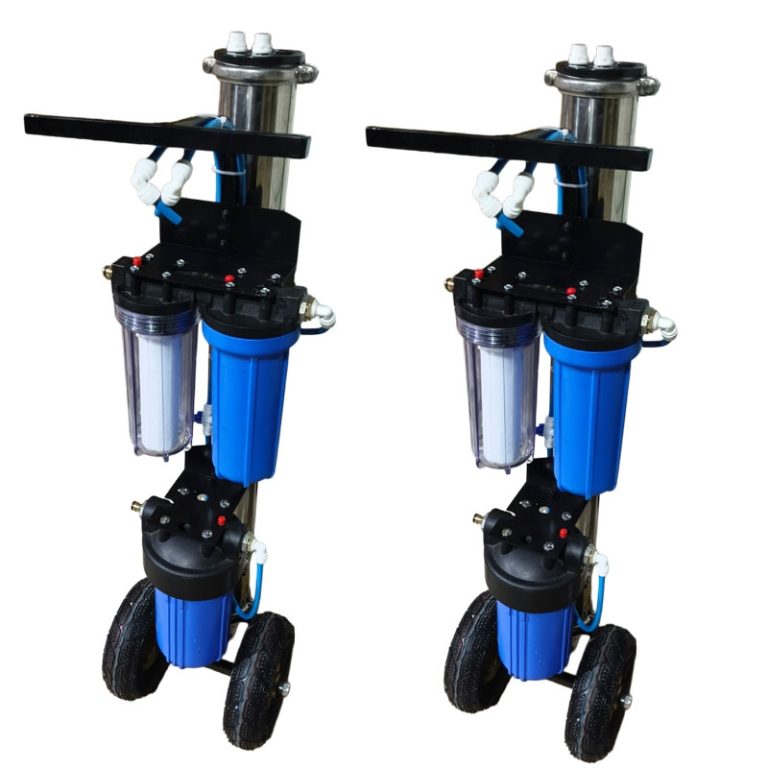
RO/DI Resin Deionized Water System for Spotless Car Wash & Window Cleaning
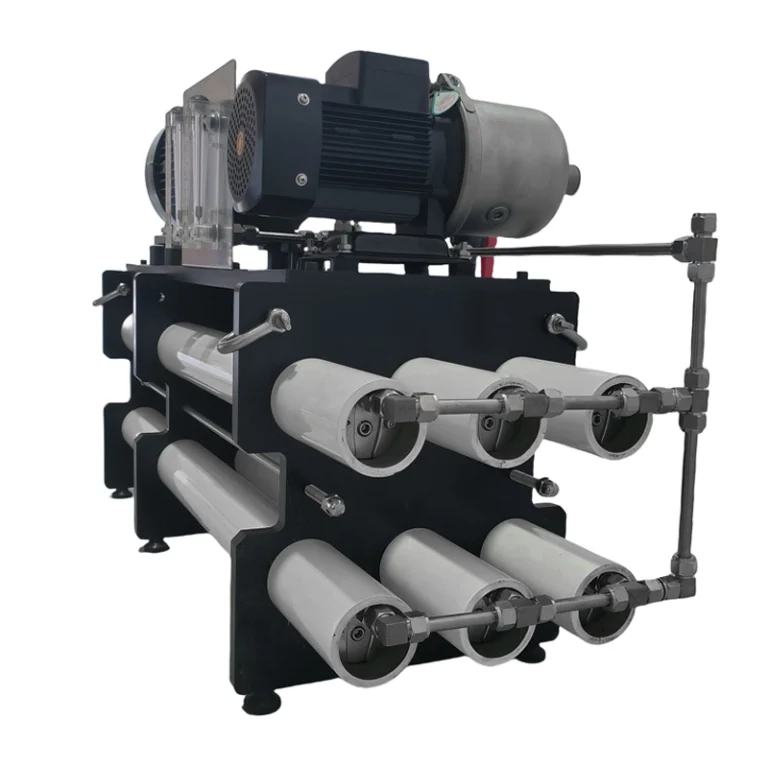
BasideWT Boat Watermaker Brackish Water Desalination Machine Reverse Osmosis Plants for Drink Water
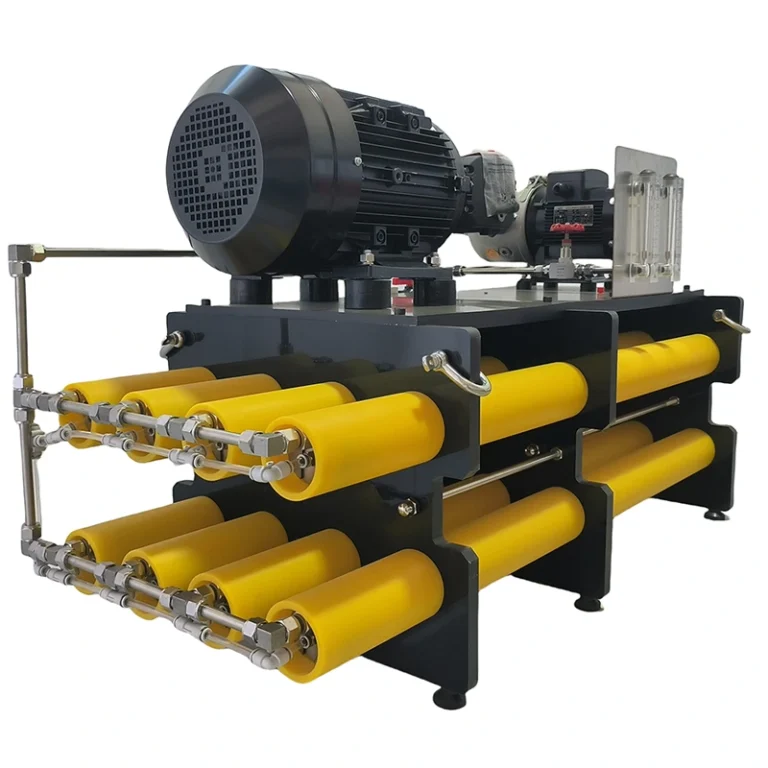
BasideWT Best Marine RO 1000L WaterMakers Seawater Desalination System

250L/Hr Marine Water Maker for Boats | Portable Reverse Osmosis Seawater Desalinator System