BasideWT- Whole Home Water Filtration System & Replacement


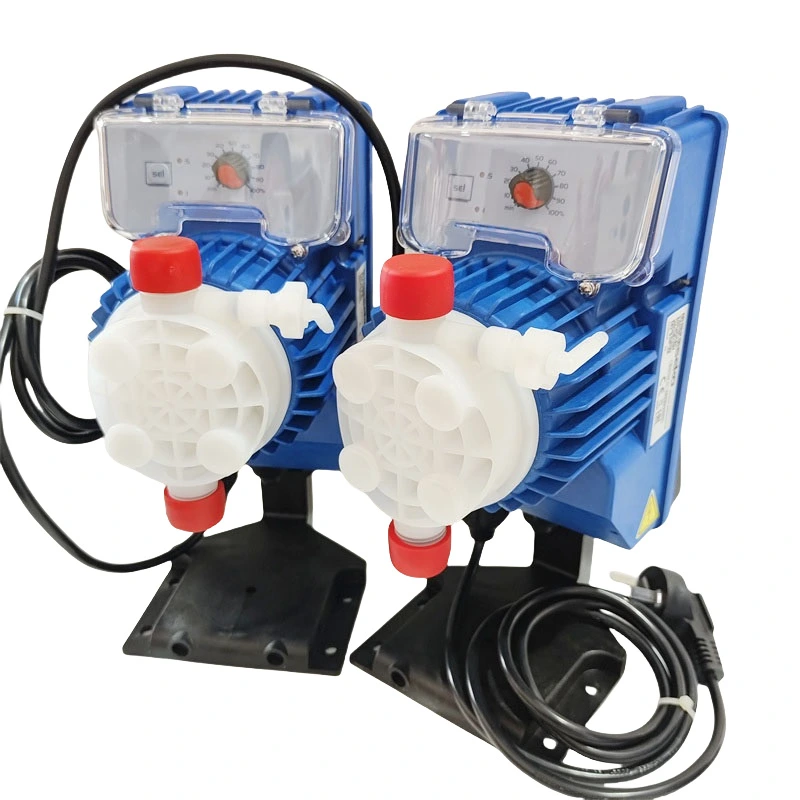
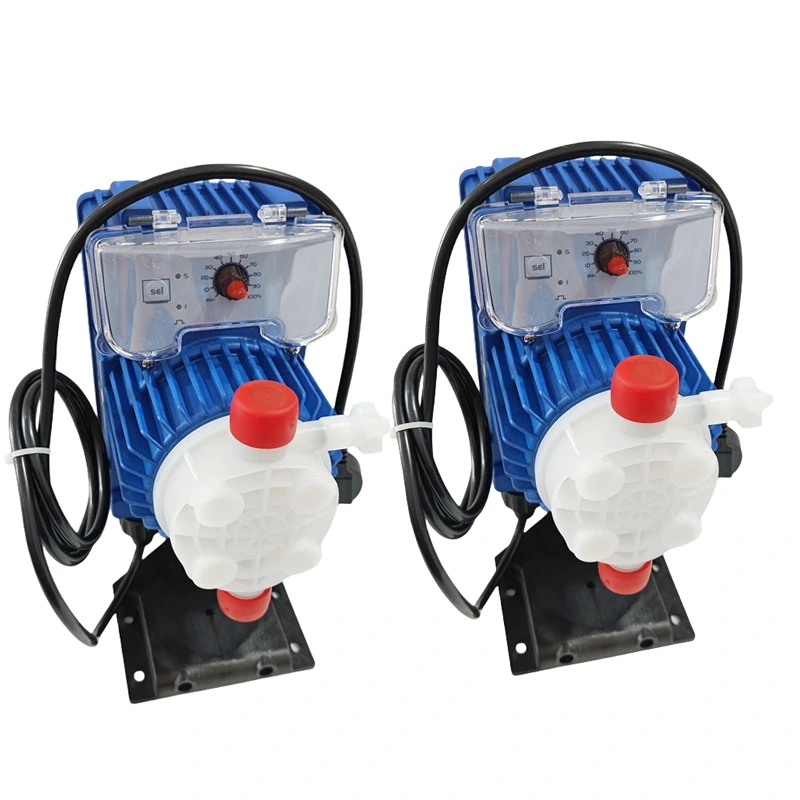
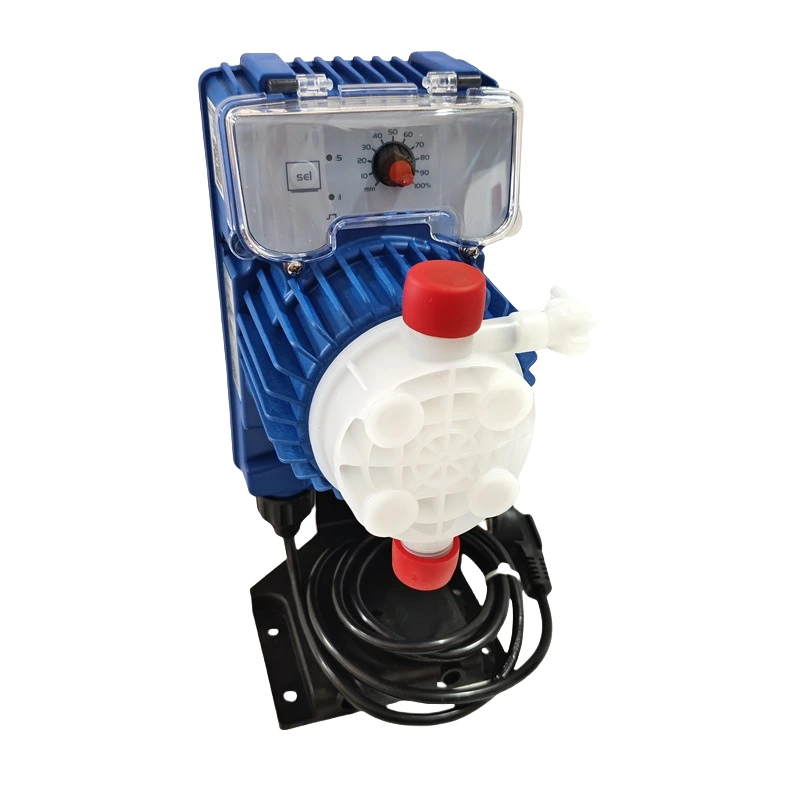
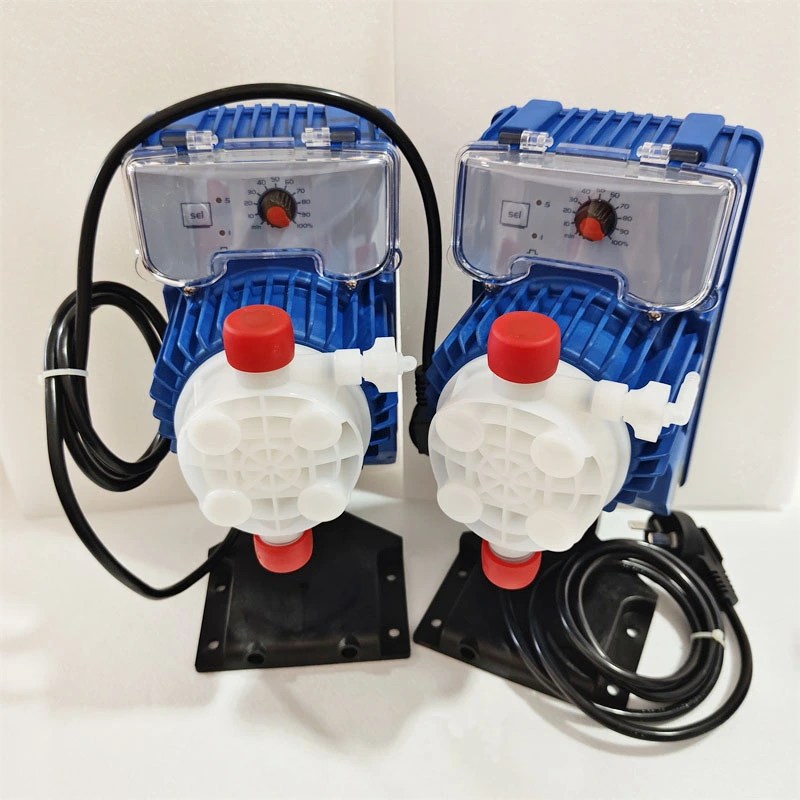
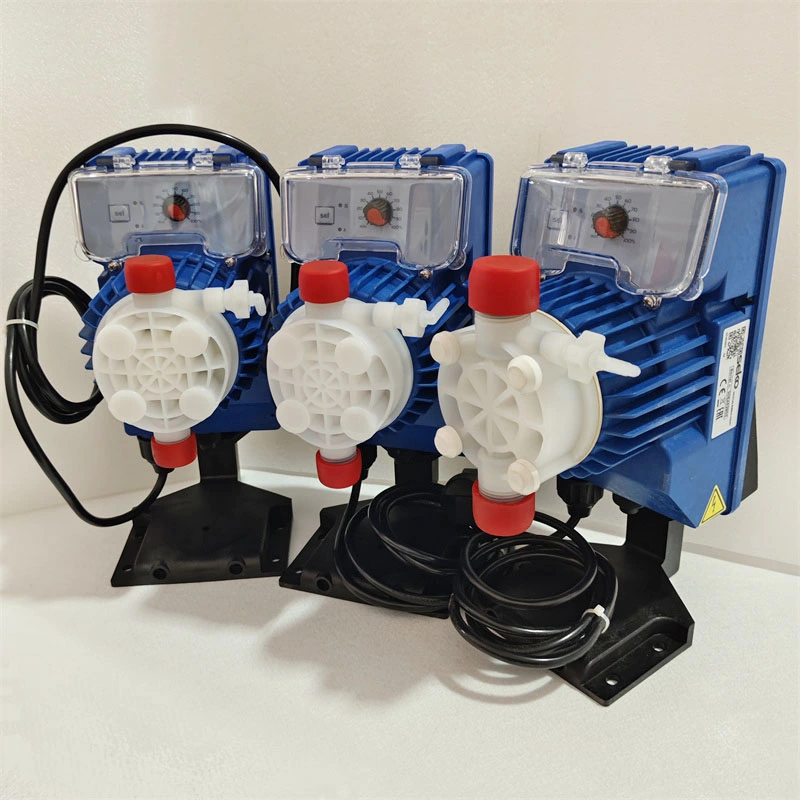
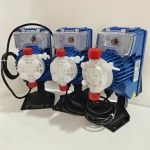
SEKO Tekna APG600/APG803 AKS603 – Automatic High-Efficiency Electromagnetic Diaphragm Metering Dosing Pump for Water Treatment Systems
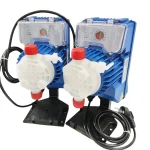
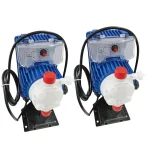
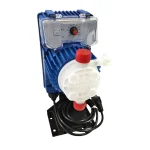
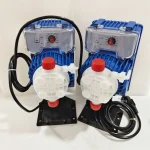
PRODUCT PARAMETERS
Seko Tekna EVO AKS Series – Analog Dosing Pump
The Seko Tekna EVO AKS Series is a constant-flow analog dosing pump with a manually adjustable flow rate via a front-panel knob. It offers two frequency ranges:
- 0–20% of max flow rate
- 0–100% of max flow rate
With just five sizes, the series covers a wide performance range:
- Flow rate: 0.4 to 54 L/h
- Back pressure: 0.1 to 20 bar
Power Supply Options
- 100–240 V ac, 50/60 Hz (universal input)
- Model 812 also supports 12 V dc
Materials & Compatibility
- Standard pump head: PVDF (high chemical resistance)
- Optional: PVC head (upon request)
Features & Accessories
- Manual priming for easy startup
- Standard installation kit includes:
- PVDF foot filter & injection valve
- PVC suction tube
- PE delivery tube
- PVC installation kit available (upon request)
BasideWT supplies metering dosing pumps for a wide range of industrial and commercial water treatment applications. As a China manufacturer, we provide OEM and ODM services, helping customers select the right pump configuration based on chemical compatibility, dosing accuracy, operating pressure, and system requirements.
Why Metering Dosing Pumps Are Critical in Water Treatment?
Water treatment plants rely on precise chemical dosing to maintain efficiency. A metering dosing pump, like the SEKO Tekna APG600/APG803 AKS603, ensures accuracy, reducing waste and operational costs. Accurate chemical dosing also protects downstream equipment, improves treatment consistency, and helps extend the service life of membranes, pipelines, and other water treatment components.
Interesting fact: The global water treatment chemicals market will reach $72.5 billion by 2030 (Grand View Research, 2023). Without proper dosing, plants risk over-treatment (costly) or under-treatment (non-compliant).
Learn more about the complete treatment process in our guide How Does Water Treatment Work to understand where metering dosing pumps fit into modern water treatment systems.
How Does an Electromagnetic Diaphragm Pump Work?
Unlike peristaltic pumps, electromagnetic diaphragm metering pumps use a solenoid-driven mechanism for pulse-free, consistent flow. The SEKO Tekna series offers:
✔ Automatic adjustment (0-100% flow),High chemical resistance (PVDF/PVC options),Low energy consumption (up to 30% less than traditional pumps)
The electromagnetic diaphragm design also supports stable continuous operation with minimal maintenance. Its precise stroke control helps maintain accurate chemical dosing, even when operating conditions change throughout the treatment process.
SEKO Tekna Metering Dosing Pumps Technical Specifications
| Pump Model | Pressure (bar) | Flow Rate (L/h) | Frequency Max (stroke/min) | Stroke Capacity (cc/stroke) | Connection (mm) Suction | Connection (mm)Discharge | Power supply | Consumption [W] Min* | Consumption [W] Max |
|---|---|---|---|---|---|---|---|---|---|
| AKS 600 N | 20 | 2.5 | 120 | 0.35 | 4/6 | 4/7 | 100-240 V ac | 8 | 15 |
| 18 | 3 | 0.42 | |||||||
| 14 | 4.2 | 0.58 | |||||||
| 8 | 7 | 0.97 | |||||||
| AKS 603 N | 12 | 4 | 160 | 0.42 | 4/6 | 4/6 | 100-240 V ac | 15 | 18 |
| 10 | 5 | 0.52 | |||||||
| 8 | 6 | 0.63 | |||||||
| 2 | 8 | 0.83 | |||||||
| AKS 812 L | 10 | 3 | 200 | 0.25 | 4/6 | 4/6 | 12 V dc | 6.5 | 6.5 |
| 8 | 4 | 0.33 | |||||||
| 5 | 5 | 0.42 | |||||||
| AKL 800 N | 16 | 7 | 300 | 0.39 | 4/6 | 4/6 | 100-240 V ac | 15 | 26 |
| 10 | 10 | 0.56 | |||||||
| 5 | 15 | 0.83 | |||||||
| 1 | 18 | 1.00 | |||||||
| AKL 803 N | 5 | 20 | 300 | 1.11 | 8/12 | 8/12 | 100-240 V ac | 15 | 25 |
| 4 | 25 | 1.39 | |||||||
| 2 | 38 | 2.11 | |||||||
| 0.1 | 54 | 3.00 |
Step-by-Step Installation Guide for SEKO Tekna Metering Pumps
these 5 key steps for optimal performance:
- Check Power Compatibility (AC/DC, voltage range)
- Prime the Pump Manually (avoid dry runs!)
- Calibrate Flow Rate (use the front-panel knob)
- Install Foot Valve & Injection Kit (prevents backflow)
- Run a 30-Min Test Cycle (monitor for leaks/pulsation)
After commissioning, inspect all tubing connections and verify the actual dosing rate regularly to maintain long-term accuracy and reliable system performance.
Pro Tip: We once saw a client skip calibration—their chlorine dosing was 20% off-spec within a week.
Common Mistakes When Using Metering Dosing Pumps
⚠ Avoid These Pitfalls:
- Ignoring Viscosity Limits (thick fluids need peristaltic pumps)
- Wrong Material Selection (e.g., PVC with strong acids)
- No Regular Maintenance (diaphragms degrade over time)
Counterintuitively, a higher-priced pump can save money long-term by reducing chemical waste.
Future Trends in Metering Pump Technology
Smart IoT-enabled dosing pumps are rising. SEKO’s 2025 models may include:
- Real-time flow analytics
- Auto-adjustment via pH sensors
- Predictive maintenance alerts
Checklist for Optimal Metering Dosing Pump Performance
✅ Verify chemical compatibility,Calibrate quarterly,Inspect diaphragms every 6 months,Log flow rate deviations,Train staff on emergency stops
Why Choose BasideWT Metering Dosing Pumps
BasideWT supplies reliable metering dosing pumps for industrial and commercial water treatment projects worldwide. As a China manufacturer, we provide OEM and ODM services, flexible pump configurations, and technical support to help customers select the right dosing solution for their application.
Our metering dosing pumps combine precise chemical injection, stable performance, low maintenance requirements, and excellent chemical resistance. Every system is carefully selected to meet customer requirements for flow rate, operating pressure, chemical compatibility, and installation conditions.
Metering Pump vs Dosing Pump: Understanding the Key Differences
Many buyers ask about metering pump vs dosing pump differences. The terms are often used together. In practice, they describe the same category of equipment. Both deliver precise, controlled volumes of liquid. Both use a reciprocating mechanism to move fluid. The key difference is context. “Metering” emphasizes accuracy of flow rate. “Dosing” emphasizes delivery of a set chemical amount.
Dosing and metering pumps serve the same core purpose. They inject chemicals into water at exact rates. Chlorine dosing prevents bacterial growth. Antiscalant dosing protects RO membranes. pH correction chemicals keep water within safe limits. Therefore, choosing the right metering and dosing pump depends on your chemical type and flow rate needs.
Buyers should also consider chemical concentration, operating pressure, required dosing accuracy, installation environment, and material compatibility before selecting a metering dosing pump for long-term industrial operation.
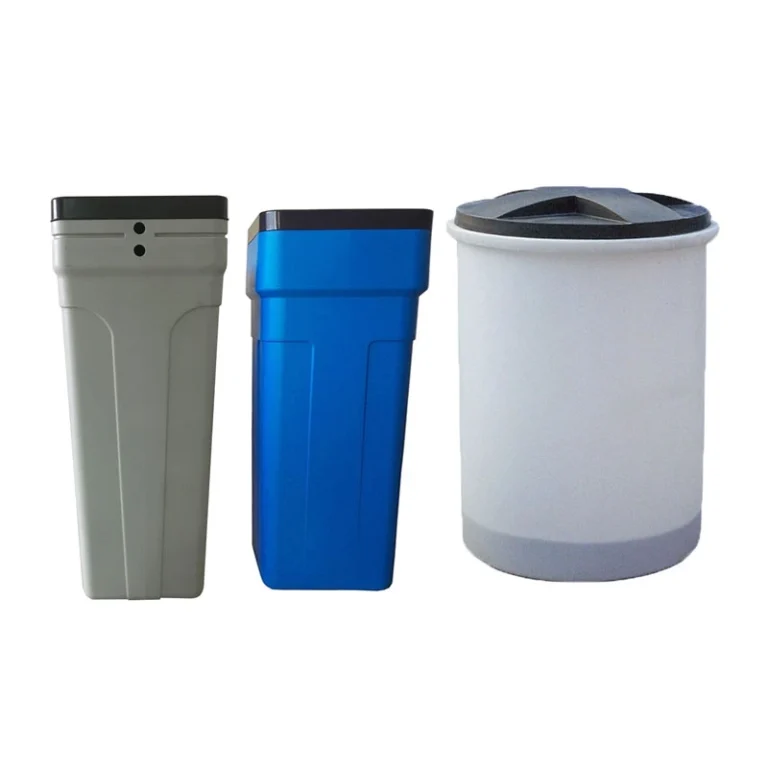
Electromagnetic diaphragm models like the SEKO Tekna series suit most water treatment tasks. They offer pulse-free flow and high chemical resistance. They also consume less energy than older pump designs. Furthermore, dosing metering pumps with analog controls are easier to operate in field conditions. No complex programming is needed. The front-panel knob sets the flow rate directly. For chemical storage, a compatible dosing tank keeps chemicals ready for injection. Moreover, always monitor system pressure at the pump outlet. A pressure gauge confirms the pump is delivering against correct back pressure. Incorrect back pressure causes under-dosing or pump damage.
Dosing and Metering Pumps: Best Applications in Water Treatment Systems
Dosing and metering pumps are used across many water treatment stages. Chlorination is the most common application. A metering dosing pump injects sodium hypochlorite at a controlled rate. This disinfects drinking water safely. Over-dosing wastes chemical and affects taste. Under-dosing leaves bacteria untreated. Therefore, accurate dosing is critical at every stage.
Antiscalant dosing is another key use. RO systems rely on antiscalant to prevent membrane scaling. The metering dosing pumps inject the chemical before the feed water reaches the membranes. This extends membrane life. It also maintains consistent permeate flow rates. Moreover, pH adjustment chemicals are dosed in the same way. Acid or alkali is injected to keep water within the target pH range.
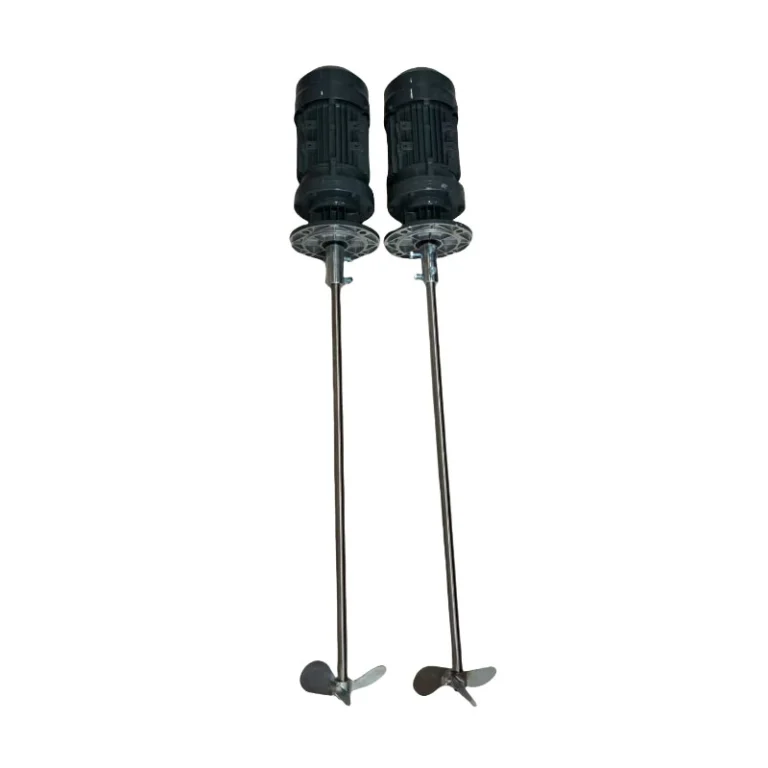
Industrial systems also use dosing metering pumps for coagulant and flocculant injection. These chemicals cause suspended particles to clump together. This makes downstream filtration more effective. The pump delivers the exact dose needed for the incoming flow rate. This reduces chemical waste and improves treatment quality. For complete industrial water treatment, a full water filtration system works alongside these pumps. Furthermore, large industrial plants pair metering and dosing pumps with an electric mixer agitator in the chemical tank. This keeps concentrated chemicals properly mixed before injection. Even distribution ensures the pump draws consistent chemical strength at every stroke.
BasideWT can also customize complete chemical dosing solutions by combining metering dosing pumps with dosing tanks, electric mixer agitators, pressure gauges, and other water treatment accessories to match different industrial process requirements.
Chemical Compatibility and Typical Dosing Applications
Modern water treatment systems require dosing pumps that can safely handle a wide range of treatment chemicals. The SEKO Tekna metering dosing pump is compatible with many commonly used chemicals, including sodium hypochlorite, hydrochloric acid, sulfuric acid, sodium hydroxide, antiscalants, coagulants, flocculants, and pH adjustment solutions. Selecting the correct pump head material and seal configuration helps improve chemical compatibility, dosing accuracy, and long-term operating reliability.
These metering dosing pumps are widely used in reverse osmosis systems, cooling towers, boiler water treatment, wastewater treatment plants, swimming pools, food processing facilities, chemical manufacturing, and municipal water treatment projects where precise chemical injection is essential.
FAQs
How do I know which system is right for my home?
How to Measure Your Home’s Water Flow Rate?
How do I troubleshoot low water pressure from my system?

What contaminants does your water treatment system remove?
What’s the difference between UV, RO, and activated carbon filtration?