BasideWT- Whole Home Water Filtration System & Replacement


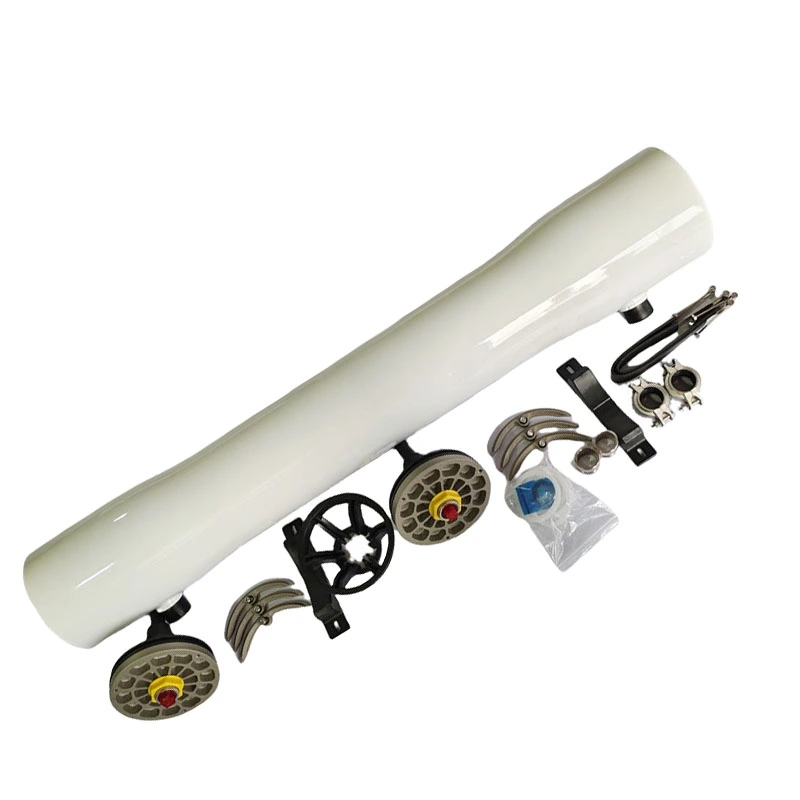
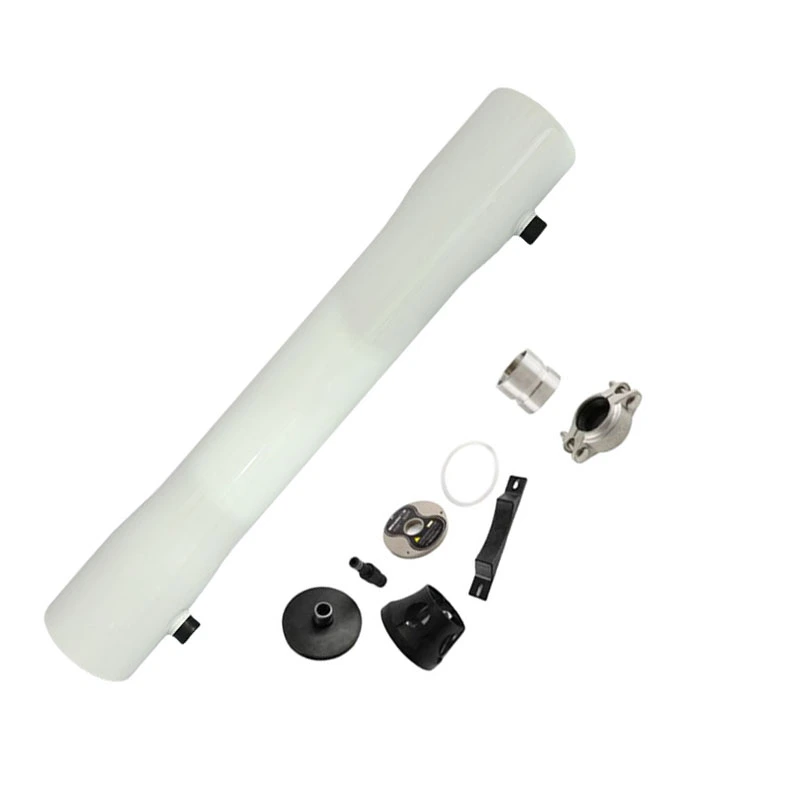
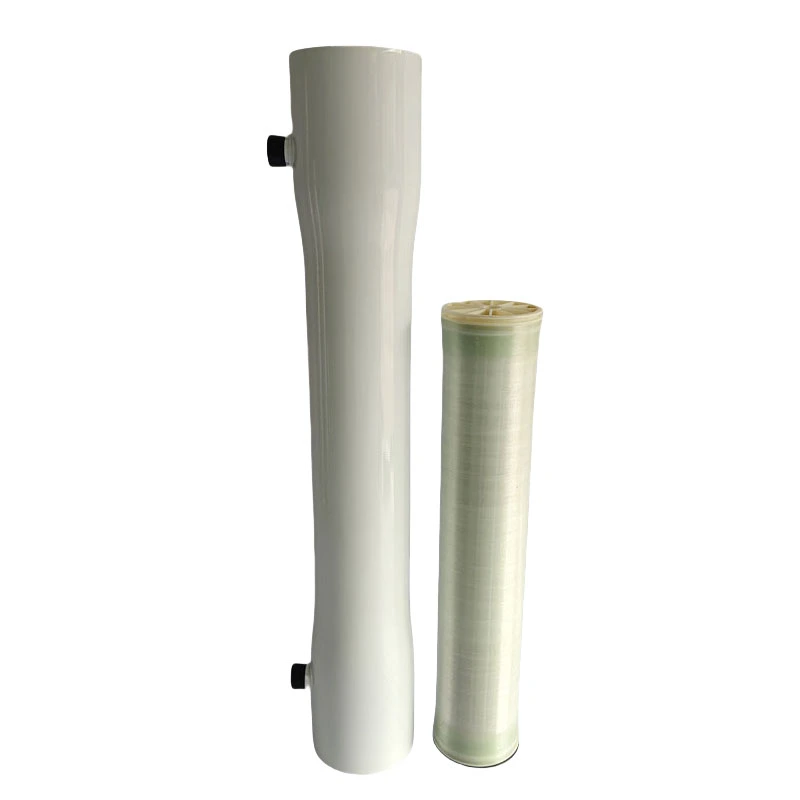
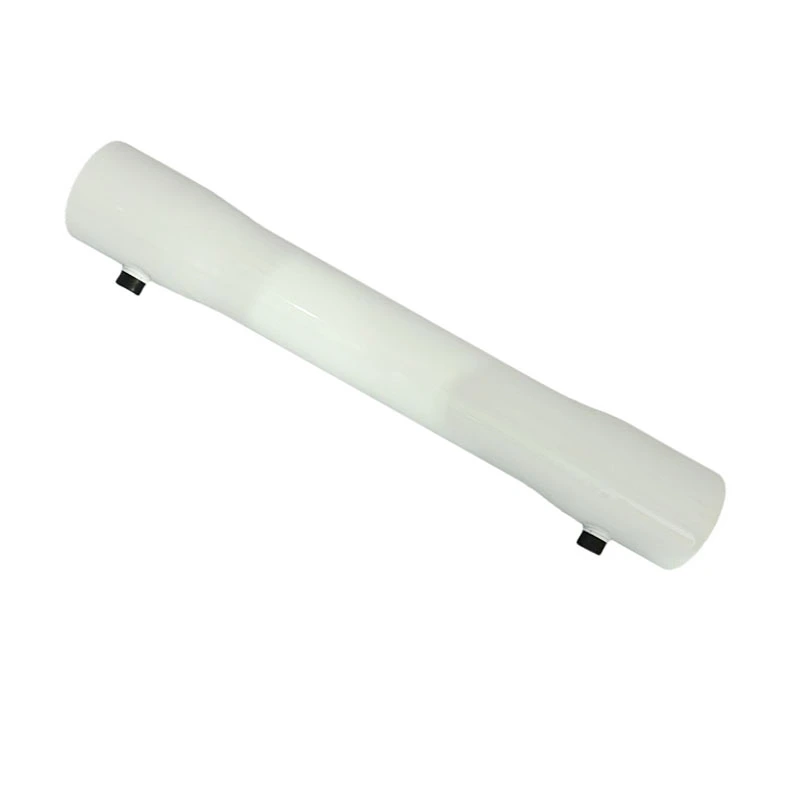
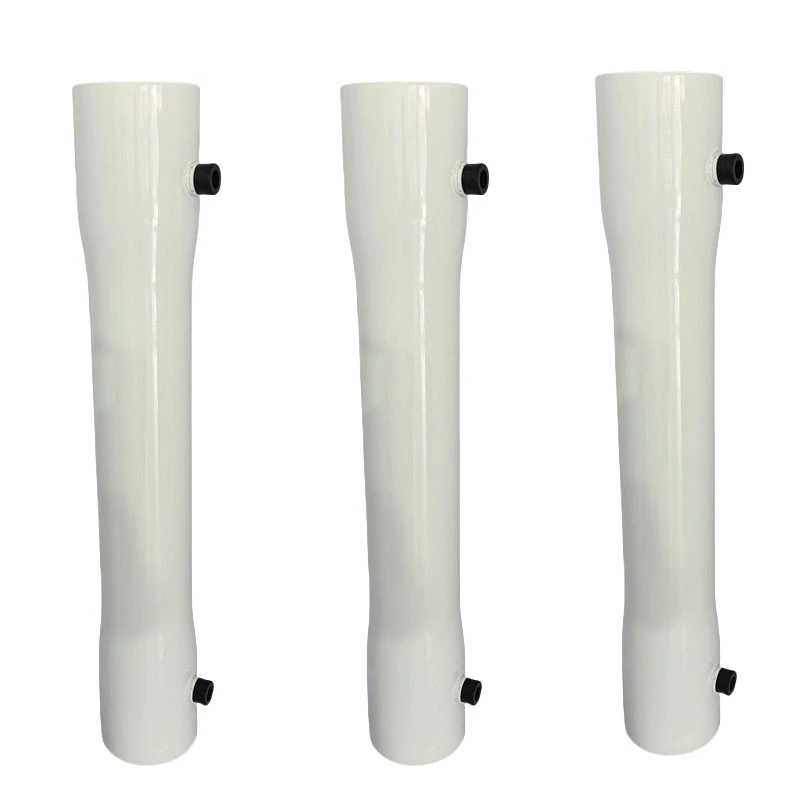
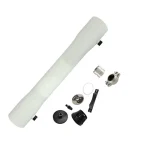
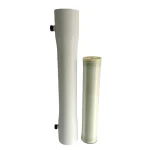
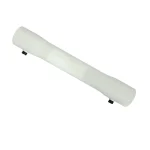
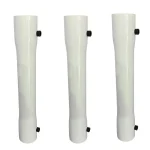
4040 8040 FRP RO Membrane Housing Fiberglass Pressure Vessels for Reverse Osmosis – Advanced Water Purification
PRODUCT PARAMETERS
Introduction: Why FRP RO Membrane Housing Matters
Reverse osmosis (RO) systems are vital for clean water, but their performance depends on durable FRP RO membrane housing. Fiberglass-reinforced plastic (FRP) vessels offer unmatched strength and corrosion resistance compared to traditional materials.
As a professional China manufacturer, BasideWT produces high-performance FRP RO membrane housings designed for demanding industrial and commercial water treatment applications. Engineered with advanced fiberglass composite materials, our pressure vessels deliver excellent corrosion resistance, reliable pressure performance, and long service life in harsh operating environments.
In this guide, we’ll explore how FRP membrane housings enhance RO systems, compare them to alternatives, and provide actionable installation tips.
1. What is FRP RO Membrane Housing?
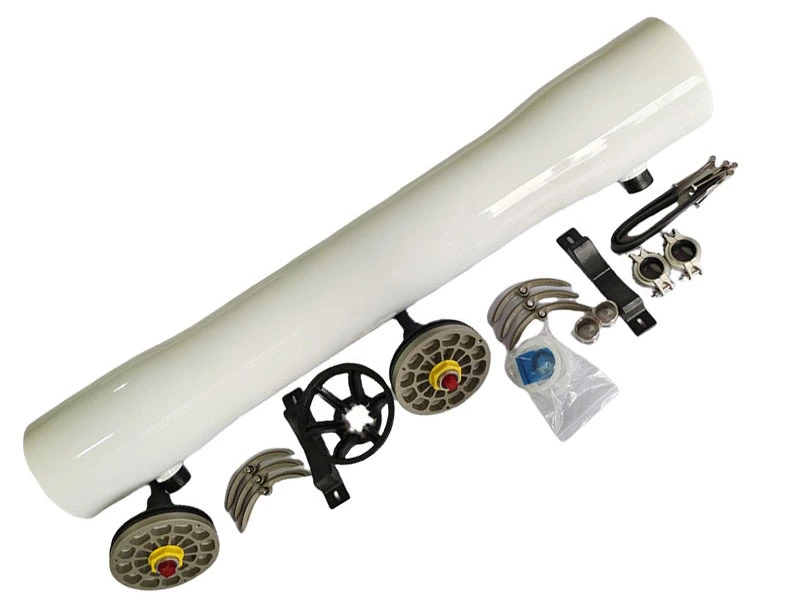
FRP RO membrane housing is a high-pressure vessel designed to hold RO membranes securely. Made from fiberglass-reinforced plastic, it withstands extreme pressures (up to 1,000 psi) and resists chemical degradation.
Key Benefits:
✔ Corrosion-proof (unlike steel housings),Lightweight yet durable (30% lighter than stainless steel),Long lifespan (15+ years with proper maintenance)
FRP membrane housings are manufactured using precision filament winding technology, which creates a strong composite structure capable of withstanding continuous high-pressure operation. This advanced manufacturing process improves structural strength while reducing overall product weight, making installation and transportation more efficient.
2. FRP vs. Stainless Steel: Which is Better?
Choosing the right material impacts system longevity. Here’s a quick comparison:
| Feature | FRP Housing | Stainless Steel Housing |
|---|---|---|
| Corrosion Resistance | Excellent (no rust) | Prone to chloride attacks |
| Weight | Lightweight | Heavy & bulky |
| Cost | Moderate | Expensive |
| Lifespan | 15+ years | 8-12 years |
Both materials are widely used in reverse osmosis systems, but the best choice depends on water quality, operating pressure, installation environment, maintenance expectations, and project budget. Evaluating these factors before selecting a membrane housing helps improve system reliability and reduce long-term operating costs.
⚠ Warning: Stainless steel fails in high-salinity environments, while FRP RO membrane housing performs consistently.
When selecting a membrane housing, operating conditions are just as important as material selection. FRP RO membrane housings are specifically designed for high-pressure reverse osmosis systems and provide excellent performance in corrosive environments where stainless steel may require additional protection or maintenance.
Compared with stainless steel housings, FRP pressure vessels are significantly lighter, making transportation, handling, and installation easier while reducing labor costs for large-scale projects. Their corrosion-resistant fiberglass construction also minimizes maintenance requirements, especially in seawater desalination, brackish water treatment, and chemical processing applications where chloride exposure is high.
Both FRP and stainless steel membrane housings can support demanding operating pressures when manufactured to the appropriate specifications. However, FRP housings offer an outstanding balance of strength, durability, and cost-effectiveness for many industrial water treatment systems. Their long service life, resistance to rust and chemical attack, and lightweight design make them a preferred choice for continuous RO operation.
FRP membrane housings are widely used in municipal water treatment plants, food and beverage processing, pharmaceutical manufacturing, power generation, electronics production, mining, and industrial wastewater recycling. Stainless steel housings remain a suitable option for certain sanitary or ultra-clean process applications, but FRP pressure vessels are often the preferred solution where corrosion resistance and lower maintenance costs are critical.
FRP Membrane Vessel Sizing: Choosing Between 4040 and 8040 Housings
Choosing the right FRP membrane vessel size is the first decision to make. The 4040 housing holds a 4-inch diameter membrane element. It is 40 inches long. This size suits small commercial systems and light industrial applications. Flow rates are lower. Operating costs are also lower. Therefore, 4040 vessels are ideal for mid-size water treatment needs.
The 8040 industrial RO housing is a larger format. It holds an 8-inch diameter membrane element. It handles much higher flow rates than a 4040. Large municipal plants and industrial facilities use this size. It delivers more output per housing. This reduces the total number of vessels needed in a system array.
Both sizes of FRP RO membrane housing are rated to handle 1,000 PSI. This covers brackish water, seawater, and high-pressure RO applications. The fiberglass construction keeps weight low. It also resists chemical attack from chlorides and acids. Moreover, the ro pressure vessel frp design is UV-resistant for outdoor installations. This makes it a reliable choice in harsh environments. For the matching membrane elements to pair with these vessels, browse our compatible RO membranes. Selecting the right membrane and housing together ensures the system runs at peak efficiency. Furthermore, an 8040 reverse osmosis membrane paired with the correct FRP vessel delivers the highest output per unit in large-scale applications.
BasideWT manufactures FRP RO membrane housings with multiple pressure ratings, connection types, and end-port configurations to meet different industrial project requirements. OEM customization is available for distributors, equipment manufacturers, and engineering contractors worldwide.
Compatible with Major RO Membrane Brands
BasideWT FRP RO membrane housings are manufactured according to international dimensional standards, making them compatible with most standard reverse osmosis membrane elements used worldwide.
Our FRP pressure vessels are suitable for membrane elements from leading brands such as DuPont FilmTec, Vontron, Toray, LG Chem, Hydranautics, CSM, and other equivalent manufacturers. Accurate dimensional tolerances provide reliable sealing, stable operating pressure, and long-term filtration performance.
For OEM projects, we can also manufacture customized FRP membrane housings based on customer drawings, connection requirements, and pressure specifications. Customers selecting a suitable membrane housing should also understand how to choose RO membrane elements based on feed water quality, pressure requirements, and system capacity.
3. Step-by-Step Installation Guide
Proper setup ensures optimal performance. Follow these steps:
Inspect the Housing
Check for cracks or defects before installation. Even minor flaws can cause leaks under pressure.
Secure Mounting
Use reinforced brackets to prevent vibrations, which can damage membranes over time.
Connect Piping
Ensure all fittings are tight—loose connections lead to pressure drops (a common issue in 40% of RO failures^1^).
Pressure Testing
Run a 24-hour test at 1.5x operating pressure to confirm no leaks. Before placing the membrane element into the housing, verify that all internal components, O-rings, and end caps are clean and correctly positioned. Proper preparation minimizes leakage risks and helps ensure consistent filtration performance.
Membrane Insertion
Gently slide the RO membrane in, avoiding O-ring damage.
4. Common Mistakes to Avoid
Many users unknowingly reduce their system’s efficiency.
❌ Using Low-Quality Seals
Cheap O-rings degrade fast, causing leaks. Always use manufacturer-approved parts.
❌ Ignoring Regular Cleaning
Calcium buildup reduces flow rates by up to 30%^2^. Flush membranes monthly.
❌ Over-Tightening Fittings
This cracks the housing. Hand-tighten, then use a wrench for just a quarter turn.
Another common mistake is operating the membrane housing above its rated working pressure. Always follow the recommended operating specifications to protect both the pressure vessel and the membrane element from premature failure.
5. Real-World Case Study
In 2025, our team upgraded a seawater desalination plant from steel to FRP RO membrane housing. The result?
- 50% fewer maintenance calls
- 20% longer membrane life
- No corrosion issues after 18 months
The project also achieved lower maintenance costs and improved operational stability, demonstrating how high-quality FRP pressure vessels contribute to reduced downtime and higher system reliability in continuous industrial operation.
This proves FRP’s superiority in harsh environments.
✅ Installation Checklist
- Inspect housing for defects
- Use reinforced mounting brackets
- Pressure-test before full operation
- Install high-quality O-rings
- Schedule regular cleaning
Why Choose BasideWT FRP RO Membrane Housing
BasideWT is a trusted China manufacturer specializing in high-quality FRP RO membrane housings for industrial and commercial water treatment projects. Our manufacturing process combines premium composite materials, precision engineering, and strict quality control to deliver reliable pressure vessels for demanding operating conditions.
Our FRP membrane housings offer excellent corrosion resistance, lightweight construction, high-pressure performance, and extended service life. Every product is designed to improve RO system efficiency while reducing maintenance requirements and operating costs.
Whether you require standard 4040 or 8040 models or fully customized OEM solutions, our engineering team provides professional technical support, flexible manufacturing, and reliable worldwide supply.
Quality Control and Factory Testing
Every FRP RO membrane housing is manufactured under strict quality management procedures. Raw materials are carefully inspected before production, while filament winding, curing, machining, and dimensional accuracy are monitored throughout the manufacturing process.
Before shipment, each pressure vessel undergoes hydrostatic pressure testing, leakage inspection, dimensional verification, and visual quality inspection to ensure dependable long-term performance under industrial operating conditions.
Our quality assurance process helps customers receive reliable products that meet international manufacturing standards for industrial reverse osmosis systems.
FRP RO Housing Tank: Applications and Complete System Integration
The FRP RO membrane housing serves many industries. Municipal water treatment plants use them for large-scale purification. Food and beverage facilities rely on them for process water. Seawater desalination plants use 8040 fiberglass membrane housing arrays to produce fresh water at scale. Hotels and resorts install them for consistent drinking water quality. Each application demands the same qualities. FRP RO membrane housings are also widely used in electronics manufacturing, pharmaceutical production, power plants, chemical processing, mining, and other industries that require stable high-purity water treatment systems. High pressure tolerance, corrosion resistance, and long service life are non-negotiable.
The ro housing tank frp also plays a key role in industrial water softening. Hard water damages RO membranes quickly. Therefore, always pre-treat feed water before it enters the housing. A sediment filter removes particles. A softener removes hardness minerals. This protects the membrane and extends its service life significantly. For industrial-scale pre-treatment, an industrial water softening system is the most effective upstream solution. It removes calcium and magnesium before water reaches the RO stage.
After the RO stage, treated water needs safe storage. Permeate water must stay protected from recontamination. A quality FRP water treatment tank stores purified water safely between production and distribution. FRP tanks resist corrosion just like the housing. They are lightweight and easy to install. Therefore, using FRP throughout your system — from frp membrane vessel to storage tank — gives you a fully compatible, long-lasting water treatment solution.
By combining FRP membrane housings, high-performance RO membranes, pre-treatment equipment, and corrosion-resistant storage tanks, water treatment systems can achieve higher efficiency, lower operating costs, and longer service life while maintaining stable water quality.
OEM Manufacturing and Global Export Services
BasideWT supplies FRP RO membrane housings to customers across Asia, Europe, the Middle East, Africa, and South America. We provide OEM and ODM manufacturing services for water treatment equipment manufacturers, engineering companies, wholesalers, and distributors.
Our customization capabilities include pressure rating selection, end-port and side-port configurations, logo printing, customized packaging, private label production, and project-specific engineering support.
With advanced production facilities, experienced engineers, and efficient export management, we deliver high-quality FRP pressure vessels that meet the requirements of global industrial water treatment projects.
Our engineering team works closely with EPC contractors, water treatment equipment manufacturers, distributors, and industrial project developers to recommend the most suitable FRP RO membrane housing based on operating pressure, water quality, membrane configuration, and application requirements.
FAQs
How do I know which system is right for my home?
How to Measure Your Home’s Water Flow Rate?
How do I troubleshoot low water pressure from my system?

What contaminants does your water treatment system remove?
What’s the difference between UV, RO, and activated carbon filtration?
REQUEST A QUOTE
RELATED PRODUCTS
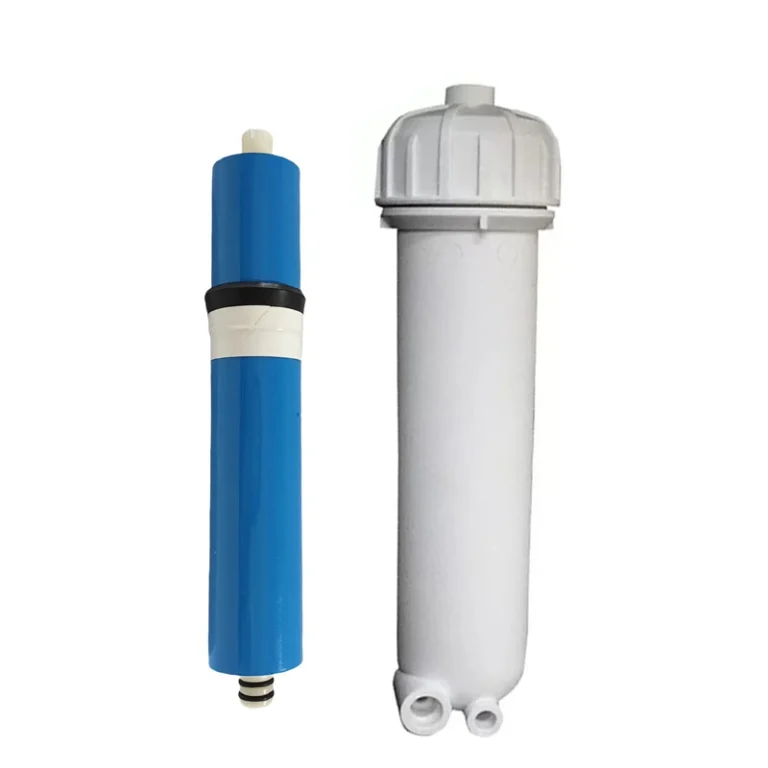
High Quality Double O Ring 1812/3012/3013/3213 Plastic RO Membrane Housing Shell for Residential RO Water Filter Use
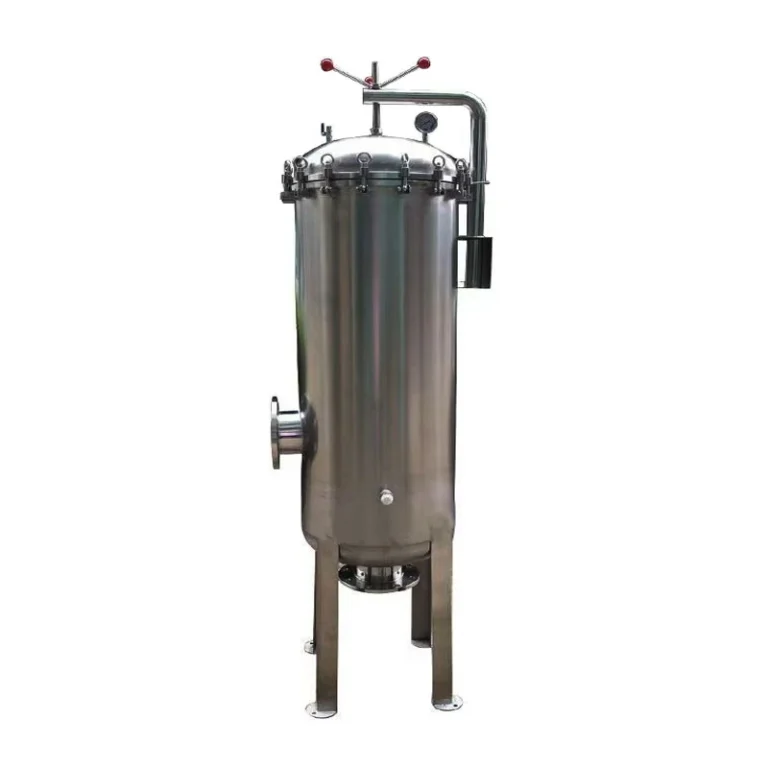
High Flow Cartridge Filter Housing | BasideWT Manufacturer
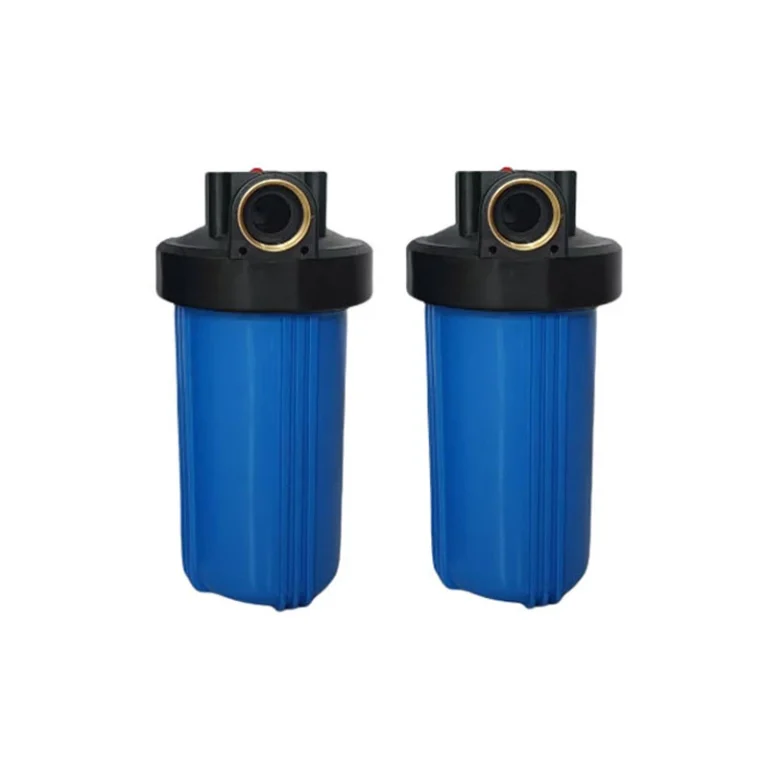
Whole House Sediment Water Filter Housing Blue Color – Fit for 4.5″ x 10″ Filters – NPT Brass Port 1″ 1.5” Inlet/Outlet (BB-10B)
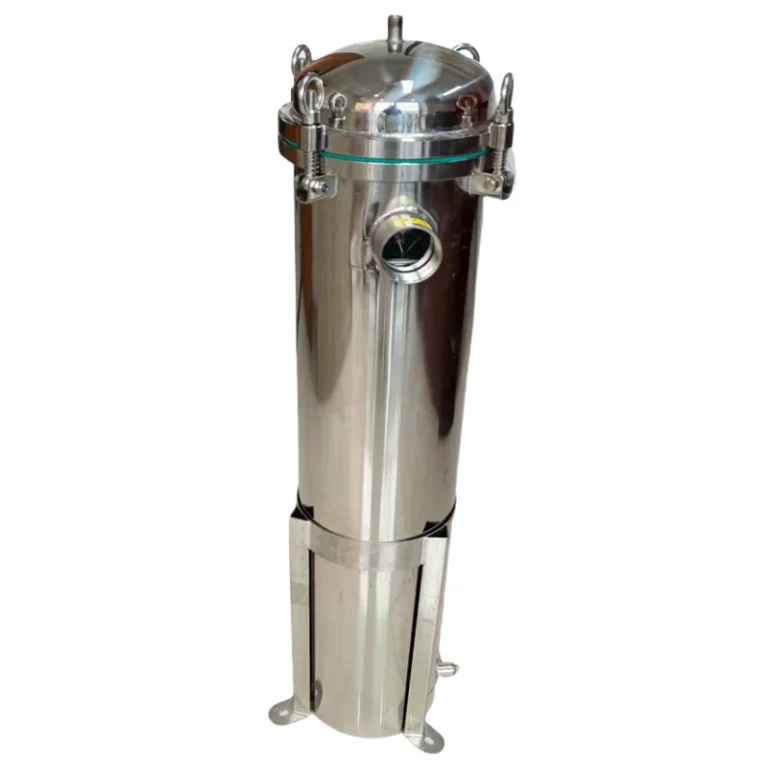
Industrial Bag Filter Housings | Precision Filters Supplier – Basidewt
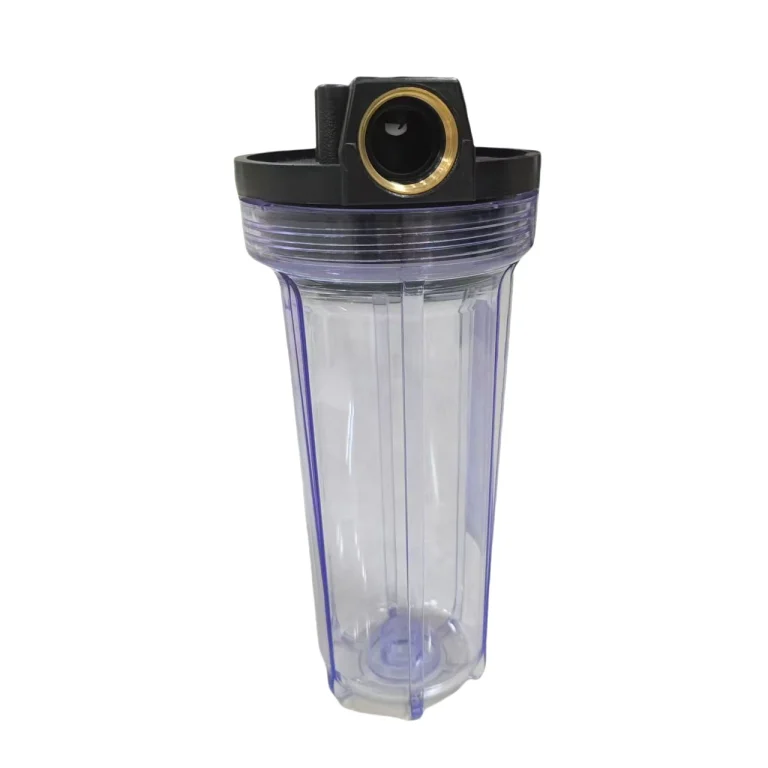
Water Filter Clear Housing – Transparent Inspection and Durable Filtration Solution