BasideWT- Whole Home Water Filtration System & Replacement


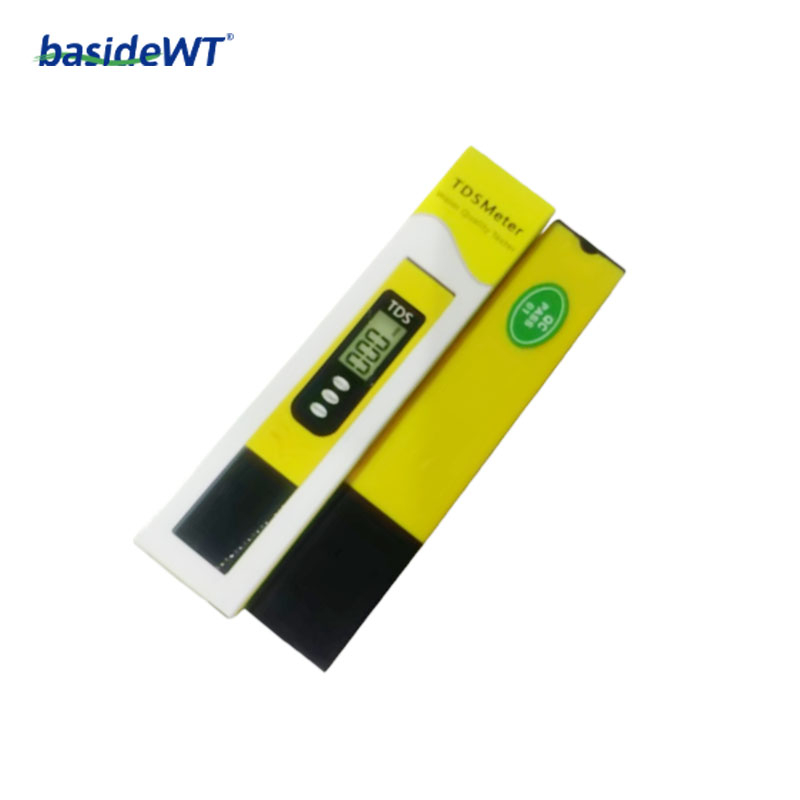
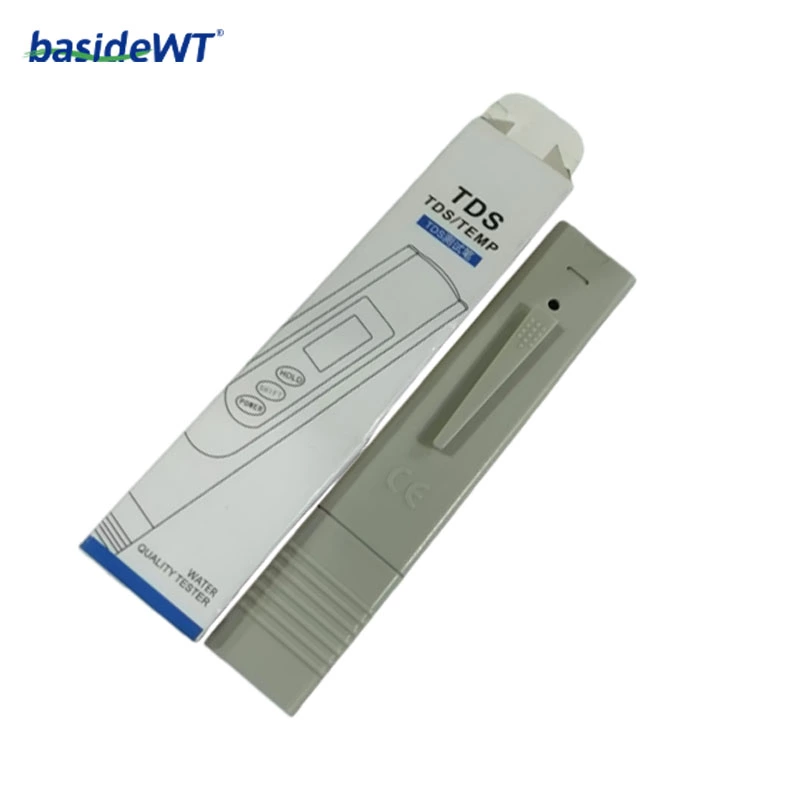
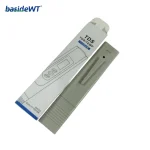
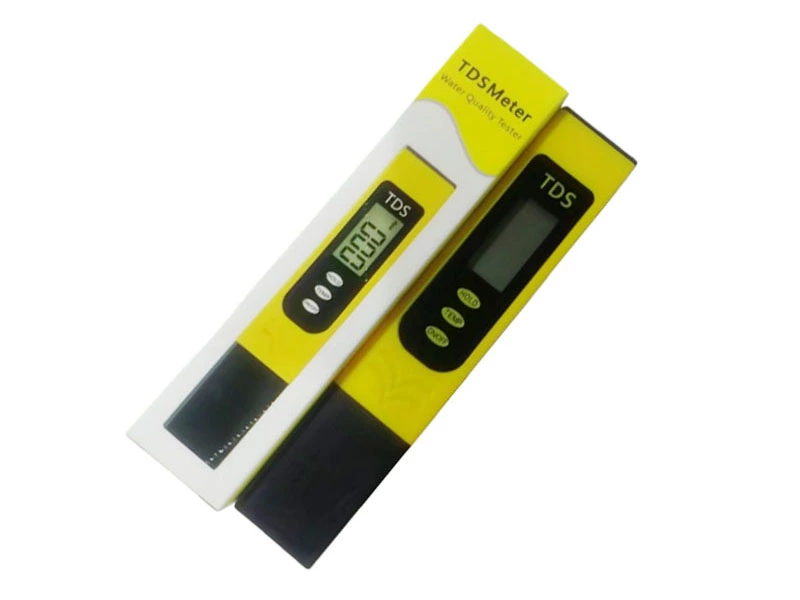
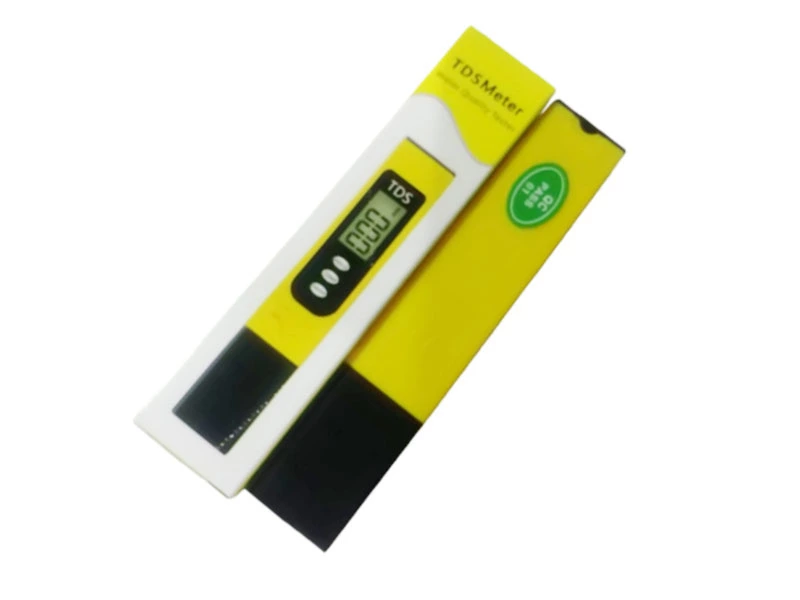
TDS Meter For Water Testing | Digital Purity Tester by BasideWT
PRODUCT PARAMETERS
- Product Name: TDS Meter For Water Testing
- Material: Plastic
- Type: TDS Meter
- Features: Digital,Temperature, Digital
- System of Measurement: PPM
- Displayed Measurements: Total Dissolved Solids, Temperature
- Hold function: Saves measurements for convenient reading and recording
- Auto-off function: Turns off meter after 10 minutes of non-use to conserve batteries
- Measurement Range:0 - 9999 ppm (parts per million), covering from pure to highly mineralized water
- Accuracy:±2% of reading (Full Scale)
- Resolution: 1 ppm for precise monitoring of subtle changes in total dissolved solids
- Packing: Standard Exportation Package
A reliable TDS Meter for Water Testing is the critical first step to achieving a flawless, spot-free finish. This tool doesn’t just give you a number—it provides the essential data to maximize the performance and efficiency of your cleaning systems, especially for detailing and spot-free rinsing. Therefore, understanding your water’s purity is the foundation of a superior wash.
Why PPM Matters for Spot-Free Results
What exactly are you measuring? PPM means “parts per million,” which quantifies the total dissolved solids in your water. These minerals are the primary cause of water spots as they remain on the surface after evaporation. Consequently, higher PPM water will lead to more noticeable spotting. Using a TDS water tester allows you to quantify this challenge precisely.
Optimize Your Spot-Free Wash System
For owners of a Spot-Free Wash System, this meter is indispensable. Specifically, you can measure your input water’s PPM and use the chart on our product page to accurately estimate your resin tank’s lifespan. How long will your resin last? A simple TDS meter test provides the answer, enabling proactive maintenance and consistent, spot-free quality.
Proactive Maintenance: When to Refill Your Resin
Regular monitoring is key. We recommend using your digital TDS meter to check the effluent water (after the resin) monthly. Interestingly, while the reading will be very low after a new refill, it will gradually rise as the resin becomes exhausted. This increase is your clear signal that it’s time to service the tank, preventing spots before they appear.
Beyond the Garage: Versatile Water Testing Applications
However, the utility of a rugged TDS Meter for Water Testing extends far beyond automotive care. For example, it is equally vital for monitoring water purification systems, hydroponic nutrient solutions, aquarium health, and even industrial wastewater. Its durable build and protective carrying case make it a trusted tool for any environment.
How to Use Your Meter for Accurate Readings
Achieving a correct reading is straightforward. First, ensure the meter is calibrated. Then, simply immerse the probe into a water sample, stir gently, and wait for the value to stabilize. Finally, record the PPM. For the most consistent results, always test water at room temperature and rinse the probe with clean water after use.
FAQs
Choosing the perfect water treatment system depends on your specific water quality, household size, and needs. We make it easy with our 3-step process:
Water quality testing – analyze your water for contaminants, hardness, and other factors.
Personalized Consultation – Our experts recommend systems based on your results, budget, and water usage.
Customized Solution – From whole-house filtration to targeted solutions (e.g., RO for drinking water, softeners for hard water), we tailor the system to your home.
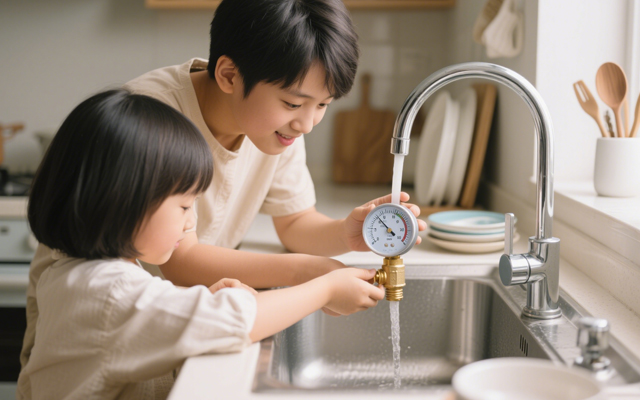
To determine your water flow rate in gallons per minute (GPM), follow these simple steps:
Prepare for Testing:
- Prepare for Testing:
- Ensure all water fixtures in your home are turned off
- Select the faucet closest to your main water supply line (usually the kitchen sink or an outdoor spigot)
- Conduct the Test:
- Fully open the selected faucet
- Time how many seconds it takes to fill a 1-gallon container
- Repeat the test 2-3 times for accuracy
- Calculate Your Flow Rate:
Use this formula: Flow Rate (GPM) = 60 ÷ Fill Time (seconds)Example Calculation:- If your 1-gallon container fills in 15 seconds
- 60 ÷ 15 = 4 GPM
For more precise measurements or whole-home flow rate analysis, contact our water system specialists. We can help you determine if your current flow rate meets the requirements for any water treatment systems you’re considering.

1. Check Multiple Fixtures
Test water pressure at different faucets, showers, and appliances (e.g., kitchen sink, bathroom sink, outdoor hose).
If only one fixture has low pressure, the problem is likely localized (clogged aerator, faulty valve, or pipe issue).
If all fixtures have low pressure, the issue is systemic (main supply, pressure regulator, or water heater).
2. Inspect the Aerator or Showerhead
Unscrew the faucet aerator or showerhead and check for mineral deposits, debris, or rust.
Soak it in vinegar overnight to dissolve buildup, then rinse and reattach.
3. Check the Main Shutoff Valve
Locate the main water shutoff valve (usually near the water meter or where the main line enters the house).
Ensure it’s fully open (turn clockwise to close, counterclockwise to open).
1. Activated Carbon Filters
- Removes:
✅ Chlorine & chloramines
✅ Bad tastes & odors (e.g., sulfur)
✅ Volatile Organic Compounds (VOCs)
✅ Some pesticides & herbicides
❌ Does not remove heavy metals, dissolved minerals, or microbes
2. Reverse Osmosis (RO) Systems
- Removes:
✅ Heavy metals (lead, arsenic, mercury, cadmium)
✅ Dissolved salts (fluoride, nitrates, sulfates)
✅ Microplastics & sediment
✅ Bacteria & viruses (if combined with UV)
✅ Chlorine & chemicals (with carbon pre-filter)
❌ May remove beneficial minerals (can be remineralized)
3. Water Softeners (Ion Exchange)
- Targets:
✅ Calcium & magnesium (hardness)
✅ Low levels of iron & manganese
❌ Does not remove bacteria, chlorine, or heavy metals
4. UV Purifiers
- Kills:
✅ Bacteria (E. coli, coliform)
✅ Viruses (rotavirus, hepatitis)
✅ Protozoa (Giardia, Cryptosporidium)
❌ Does not remove chemicals, metals, or sediment
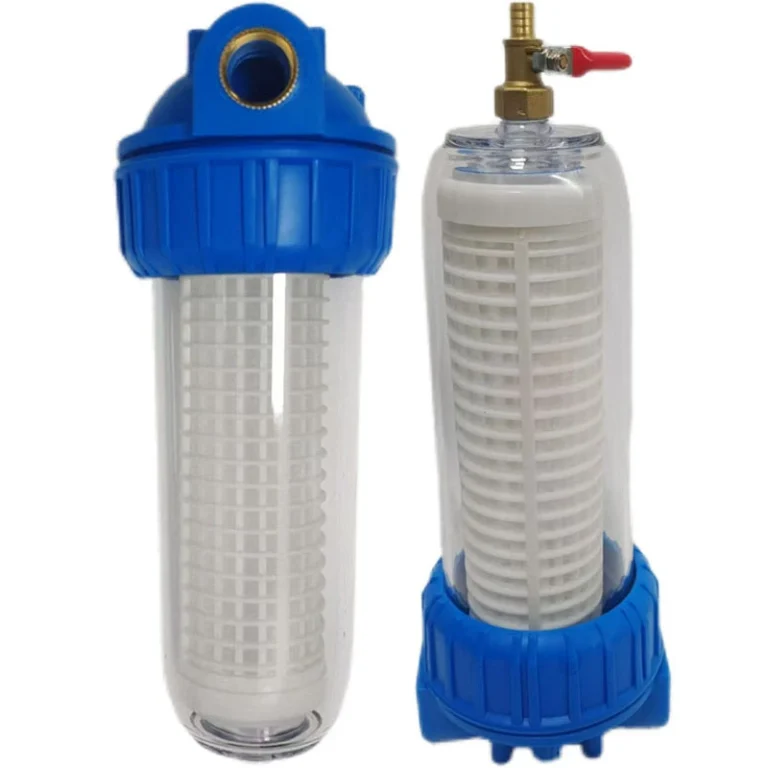
5. Sediment Filters
- Removes:
✅ Sand, rust, dirt
✅ Large particles & silt
❌ Does not remove dissolved contaminants
6. Whole-House Filtration Systems
Combines multiple methods (carbon + sediment + UV) for broad protection.
- UV: Kills bacteria/viruses but doesn’t remove chemicals or particles.
- RO (Reverse Osmosis): Removes 95–99% of contaminants (heavy metals, dissolved salts) but requires electricity.
- Activated Carbon: Absorbs chlorine, odors, and organic compounds—ideal for pre-filtration.
REQUEST A QUOTE
RELATED PRODUCTS

TDS Meter Test – Quick & Accurate Water Quality Meter | BasideWT

Water Filter Manual/Automatic Water Softener Control Valve-BasideWT

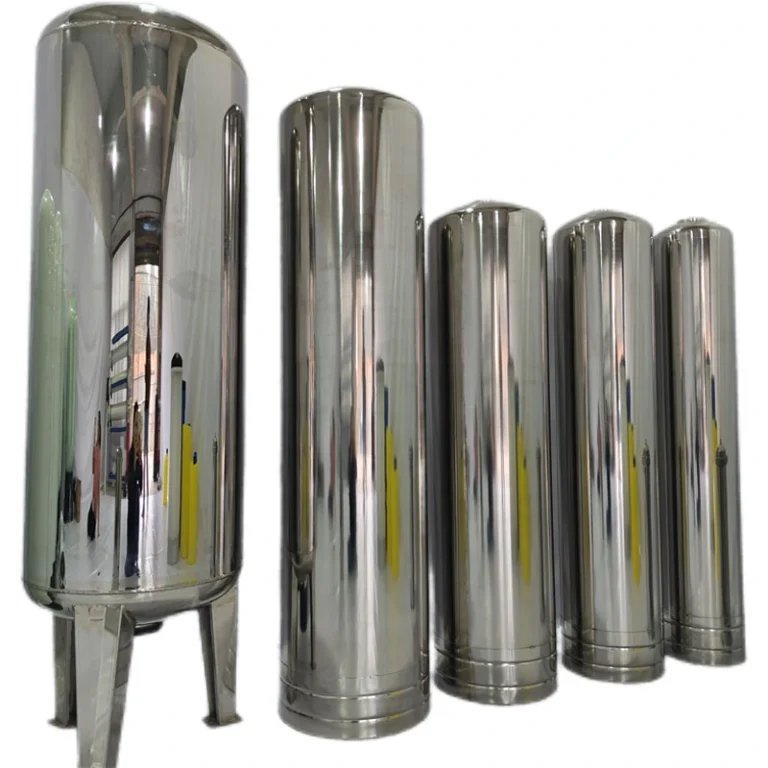
Stainless Steel Water Tank Industrial Water Softener Tanks Rustproof Pressure Vessels for RO Systems | OEM Pricing

FRP Water Tank Manufacturers | Custom FRP Vessels for Water Treatment
BasideWT Water Filter Wrench for Whole House Housings