BasideWT- Whole Home Water Filtration System & Replacement



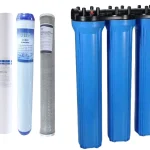
Standard Whole House 2.5 x 20 Water filter housing replacement
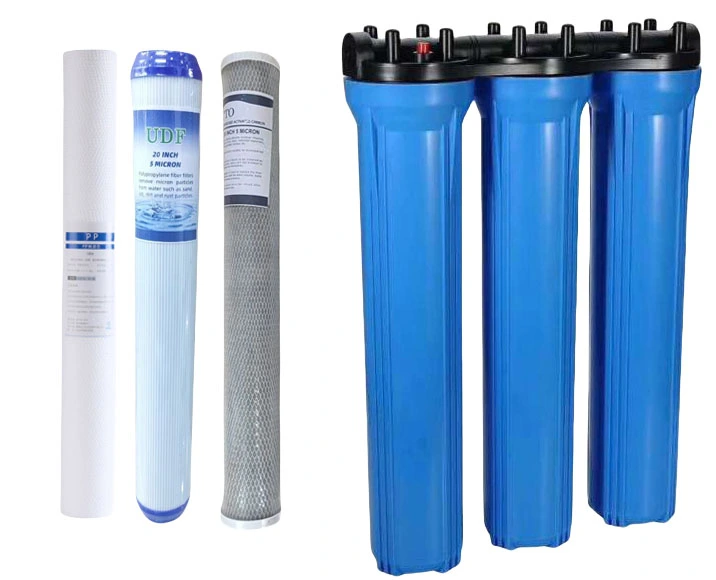
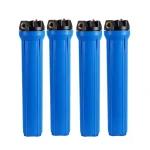
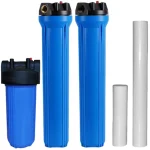
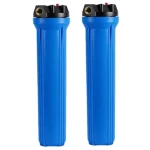
PRODUCT PARAMETERS
Is your home’s water pressure dropping? Are you noticing cracks or leaks in your filter canister? These are clear signs you need a reliable water filter housing replacement. A failing housing compromises your entire filtration system, risking water quality and potential water damage. For the common 2.5″ x 20″ standard whole-house size, finding a direct-fit, durable replacement is crucial. BasideWT’s engineered solution offers a perfect, worry-free swap. This guide will help you understand why a timely replacement matters and how to choose the best one.
Why Replace Your Filter Housing? The Risks of Waiting
Why should you act fast at the first sign of wear? A compromised filter housing is more than just an appliance part failure; it’s a weak link in your home’s water safety.
- Cracks and Leaks: Even a small crack can lead to significant water waste and property damage.
- Reduced Pressure: A damaged internal structure or clogged ports strangles your home’s water flow.
- Contamination Risk: Micro-fissures can allow unfiltered water to bypass the cartridge, defeating the entire system’s purpose.
However, a proactive water filter housing replacement restores system integrity. It ensures clean water flows freely and safely throughout your pipes.
The BasideWT 2.5” x 20” Direct-Fit Replacement: Engineered for Durability
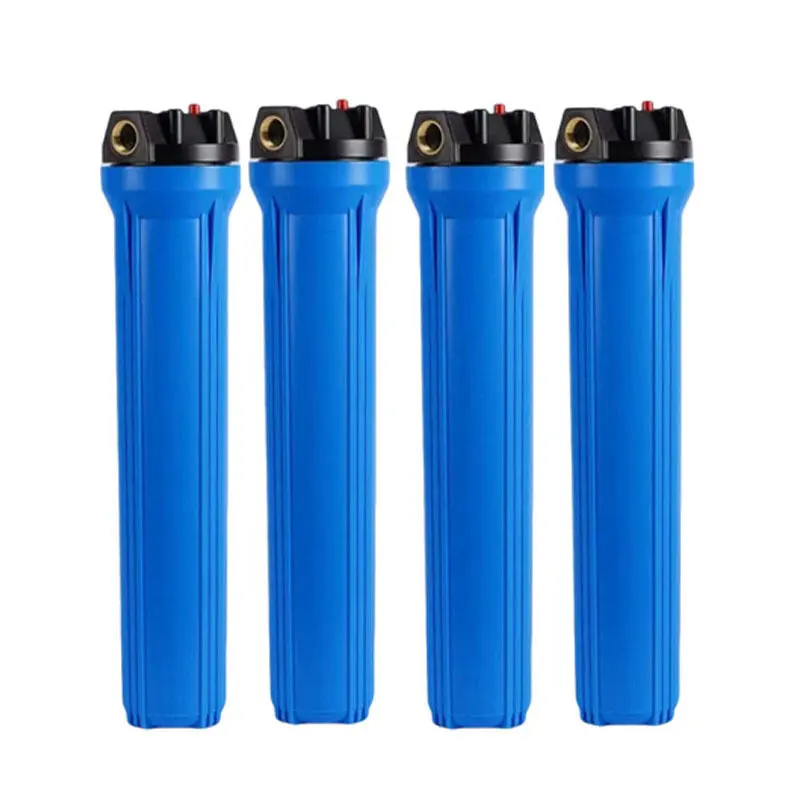
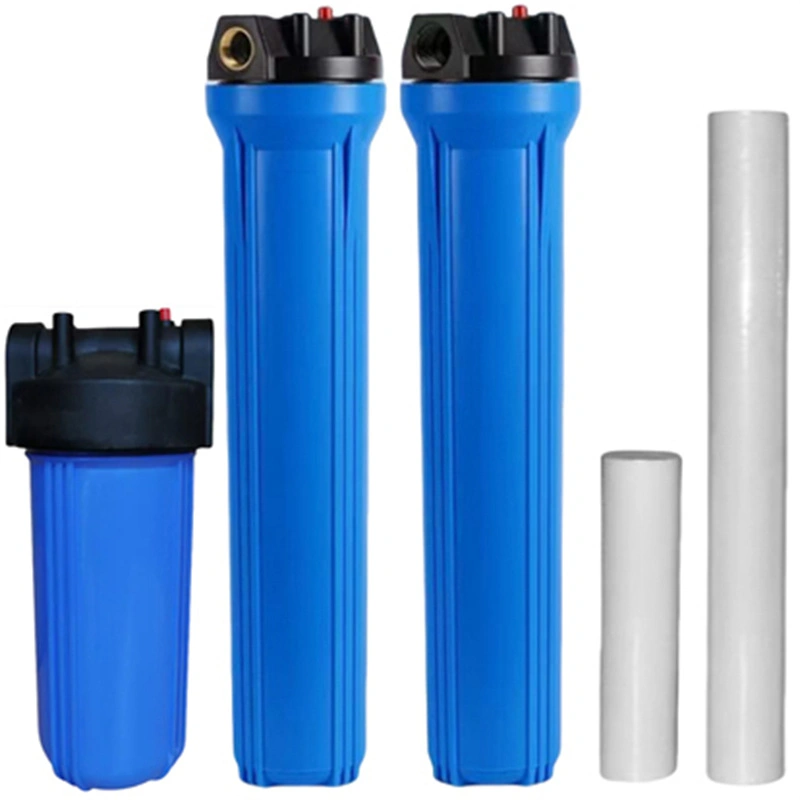
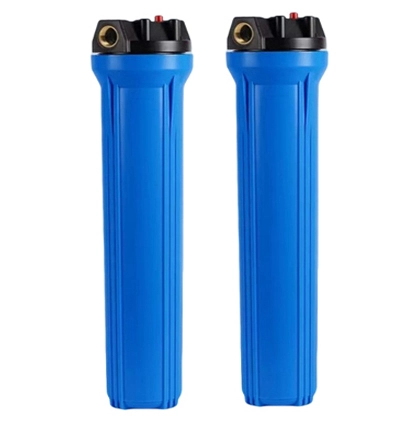
Not all replacements perform the same. BasideWT designs its housing as a superior drop-in solution for your existing plumbing setup. We construct our housing with premium, FDA-compliant materials. It features robust, corrosion-resistant threaded inlets and outlets. The transparent, shatter-resistant polycarbonate bowl allows for easy visual inspection of the filter cartridge. Furthermore, the reinforced base ensures stable mounting. This direct-fit design makes the installation process a simple, tool-free task for most homeowners.
Easy Installation: Your Step-by-Step Guide
Worried about complex plumbing? Fear not. Replacing your housing is typically straightforward. Here is a simple guide:
- Shut Off & Depressurize: Turn off the main water supply and release pressure from the system.
- Remove Old Housing: Unscrew the old sump from the head.
- Clean & Inspect: Check the head and O-ring seat on your existing bracket.
- Install New Housing: Simply screw the new BasideWT housing onto the existing head.
- Insert Filter & Test: Place a new standard 20” filter cartridge inside, reseal, and slowly turn the water back on to check for leaks.
Specifically, ensuring the O-ring is lubricated and properly seated is the key to a leak-free connection. This simple filter housing replacement can often be completed in under 30 minutes.
Compatibility & Maintenance: Ensuring Long-Term Performance
Will this housing work with my system? Absolutely. The BasideWT unit is engineered to be universally compatible with all standard 2.5” x 20” filter cartridges. This includes sediment blocks, carbon blocks, and GAC filters.
For optimal performance, pair your new housing with a high-quality filter cartridge. Remember to change your cartridges on schedule—usually every 6-12 months. Interestingly, while the housing itself lasts for years, the regular cartridge change is the routine maintenance that keeps water pure. A periodic water filter housing inspection is also wise to catch any early signs of wear.
Whole House 2.5 x 20 Water filter housing replacement
How do I know my housing needs replacing?
Look for these signs:
- Visible cracks or bulging on the housing body.
- Leaks from the housing seam, head, or ports that persist after replacing the O-rings.
- Difficulty threading the bowl onto the head or it won’t seal properly.
- Stripped or cross-threaded connections.
- Significant mineral/scale buildup inside the head that can’t be cleaned.
What do I need to buy for the replacement?
Ensure compatibility by checking:
- Housing Size: Confirm it’s for a 2.5″ x 20″ (or sometimes labeled 20″ Big Blue) filter.
- Inlet/Outler Port Size: Most common are 1″ or 3/4″ NPT (National Pipe Thread Tapered). Measure or check your old housing.
- Mounting Style: Does it have a bracket for wall/floor mounting? Is it the same type?
- Optional but Recommended: Purchase a new housing wrench and a replacement O-ring/gasket kit for the filter head.
What tools do I need?
- Filter housing wrench (specific to 2.5″ housings)
- Adjustable wrenches or channel-lock pliers (use with care to avoid damage)
- Bucket & towels for spillage
- Teflon tape or pipe sealant (for threaded connections)
- Screwdriver (if bracket-mounted)
Why is it leaking after I installed the new housing?
Common causes:
- O-ring not seated/lubricated: Check it’s in its groove and lightly greased.
- O-ring damaged: Nicks or twists during installation cause leaks.
- Cross-threaded bowl: The bowl must start straight. Hand-tighten first.
- Threads on pipes not properly sealed: Ensure Teflon tape is applied correctly (clockwise, 2-3 wraps).
- Over-tightening: Can crack the housing or deform the O-ring.
FAQs
How do I know which system is right for my home?
How to Measure Your Home’s Water Flow Rate?
How do I troubleshoot low water pressure from my system?

What contaminants does your water treatment system remove?
What’s the difference between UV, RO, and activated carbon filtration?
REQUEST A QUOTE
RELATED PRODUCTS
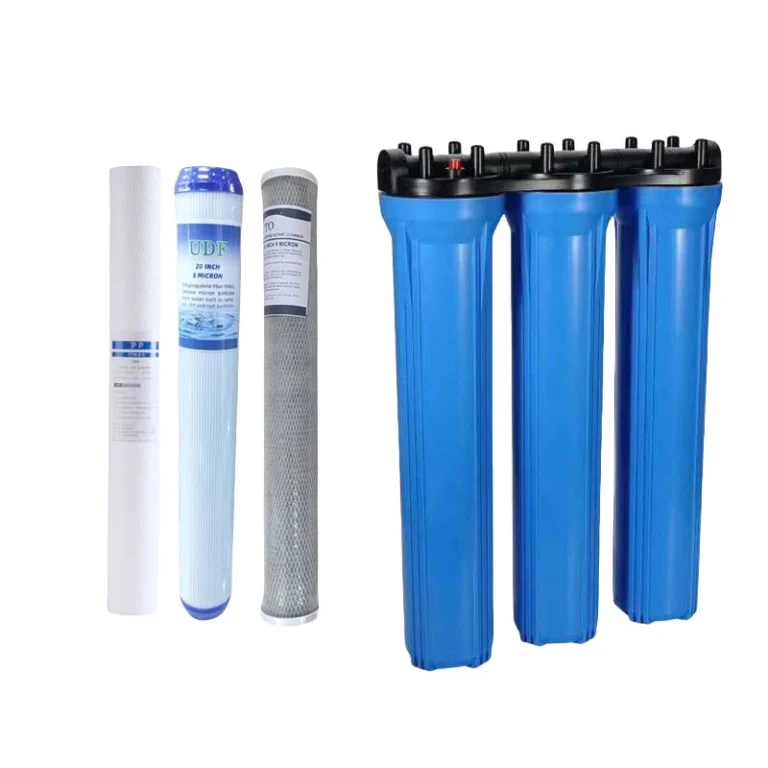
20 x 2.5 Whole House 3 Stage Water Filtration System with 5 Micron 20” x 2.5” Sediment PP, Carbon Water Filter
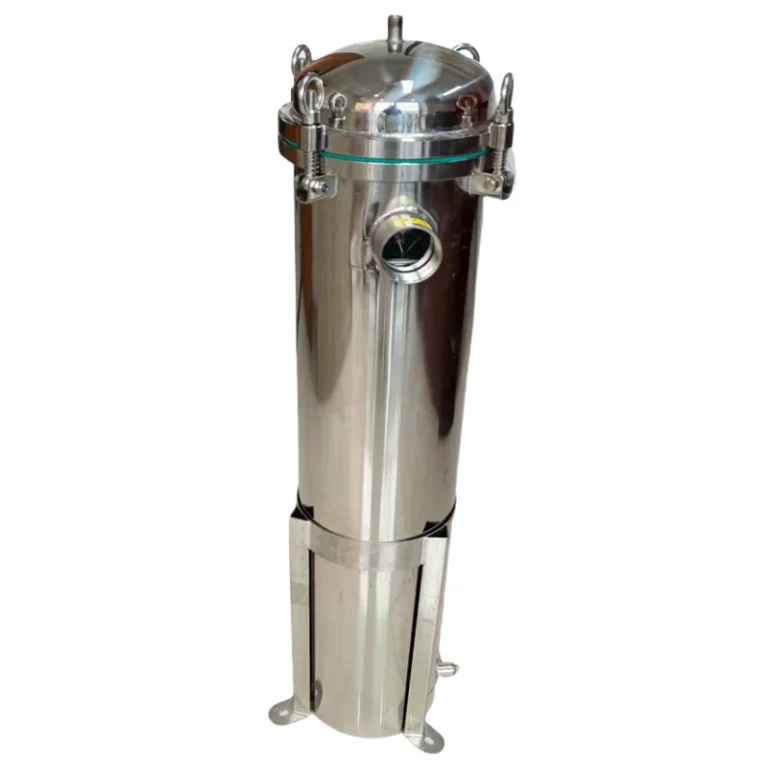
Industrial Bag Filter Housings | Precision Filters Supplier – Basidewt
PTFE & Polyester Felt Filter Bags – 1-300 Micron, 4″-7″ Ring (Food-Grade, Industrial, Aquarium)

Water Filter Clear Housing | BasideWT
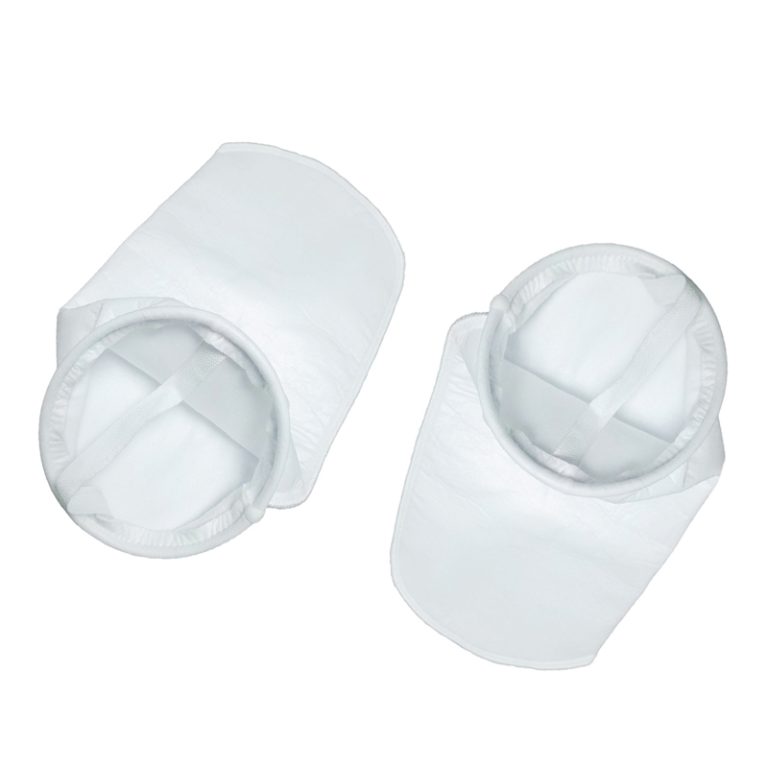
Aquarium Filter Socks – 200 Micron, 4″ x 14″ & 7″ x 17.7″ – Heavy Duty, Reef Tank & Pond Use