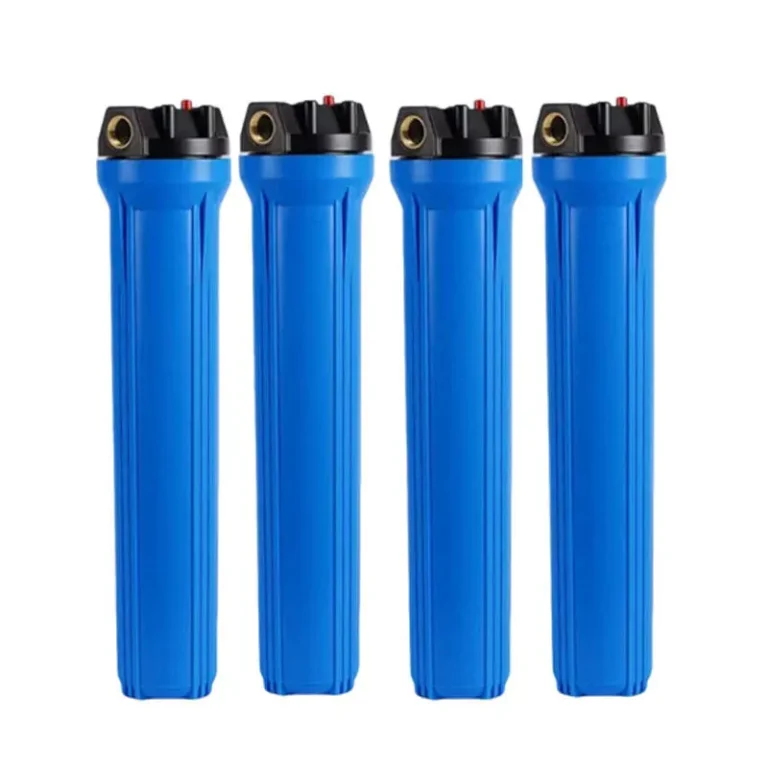
BasideWT- Whole Home Water Filtration System & Replacement


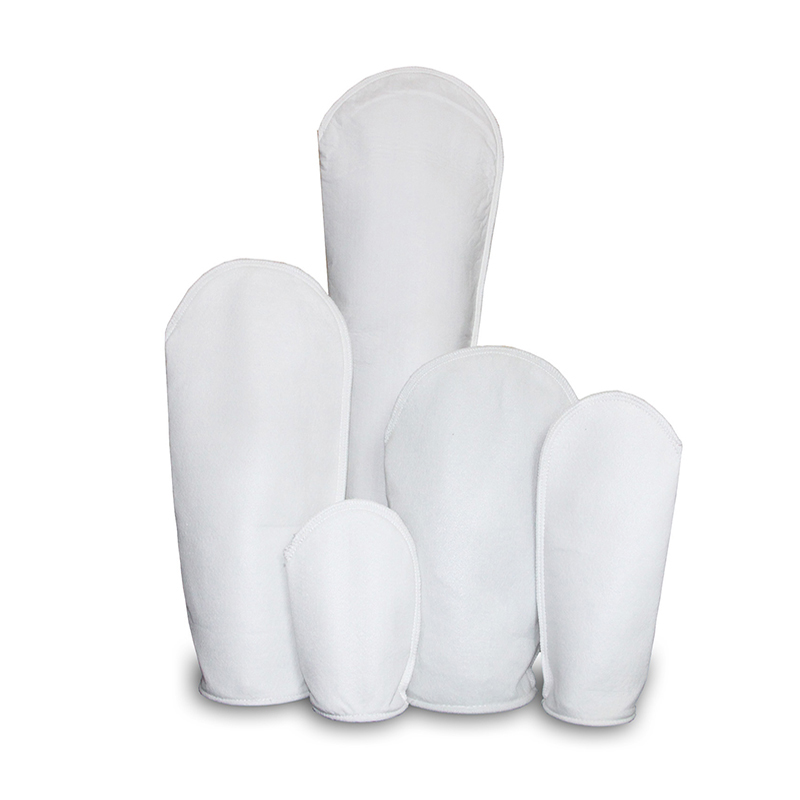
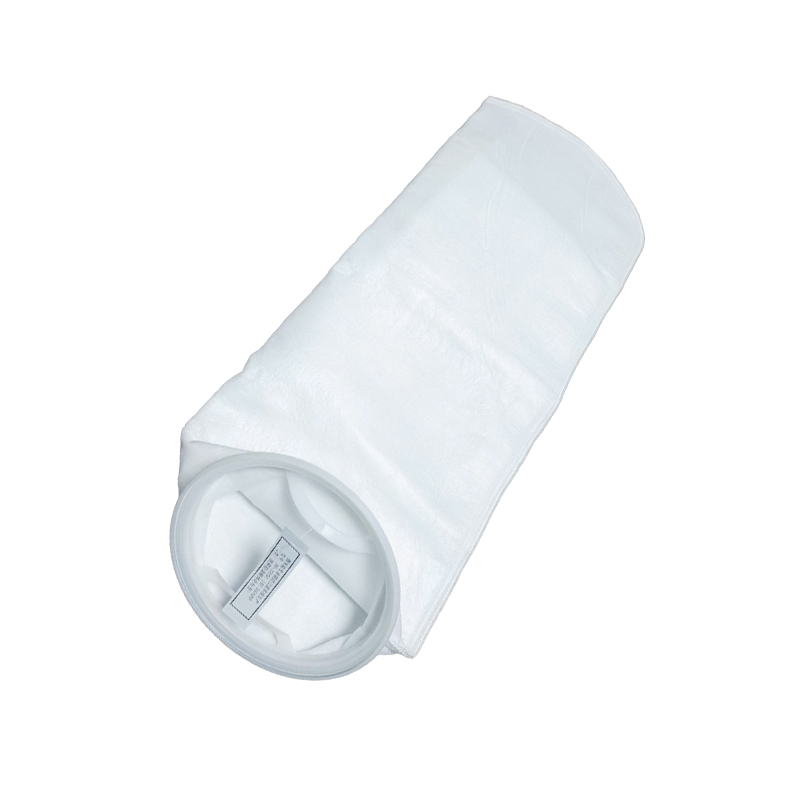
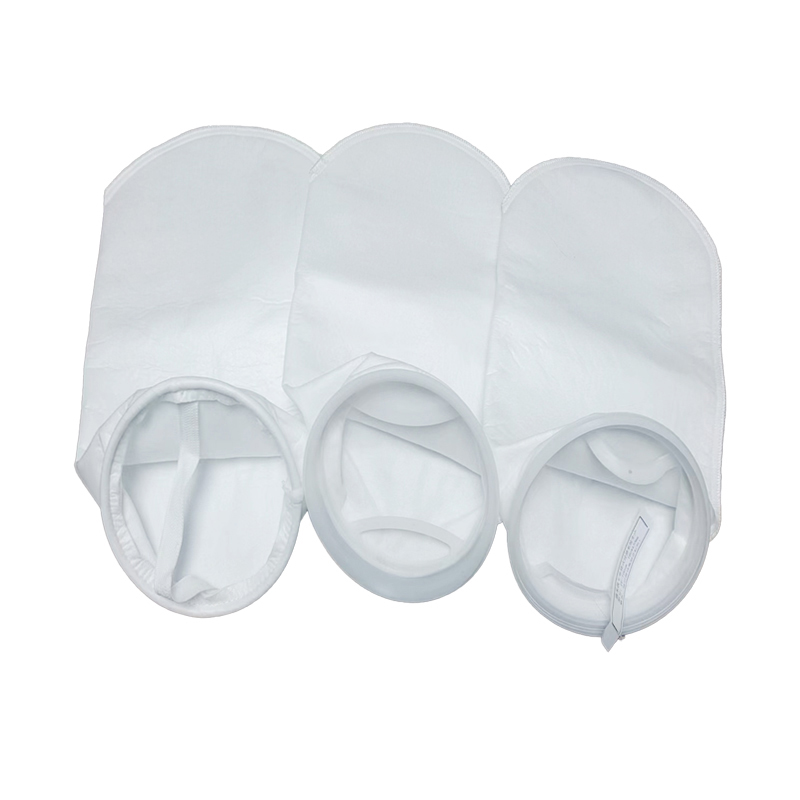
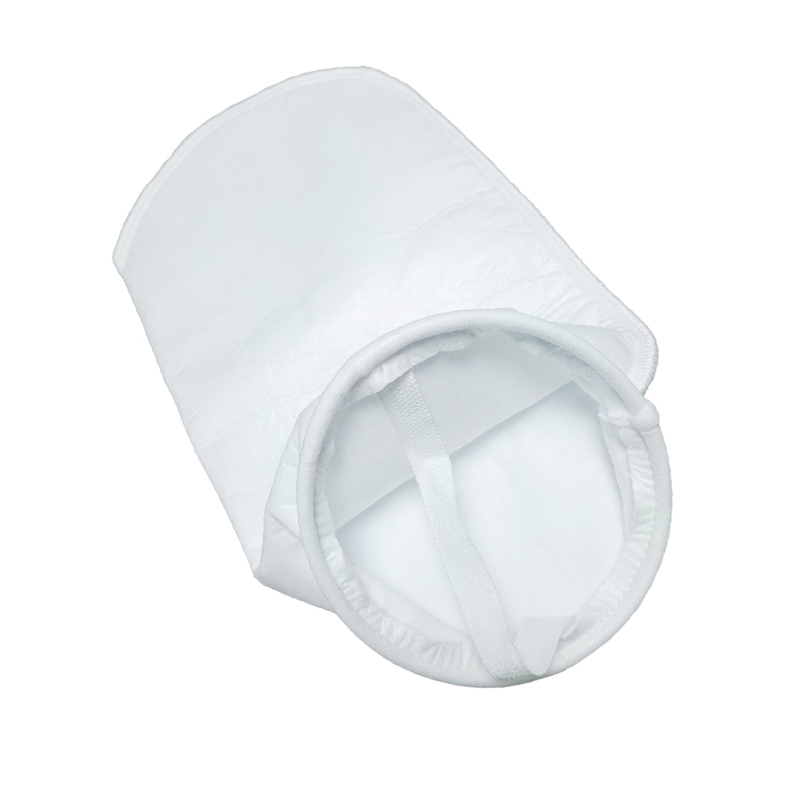
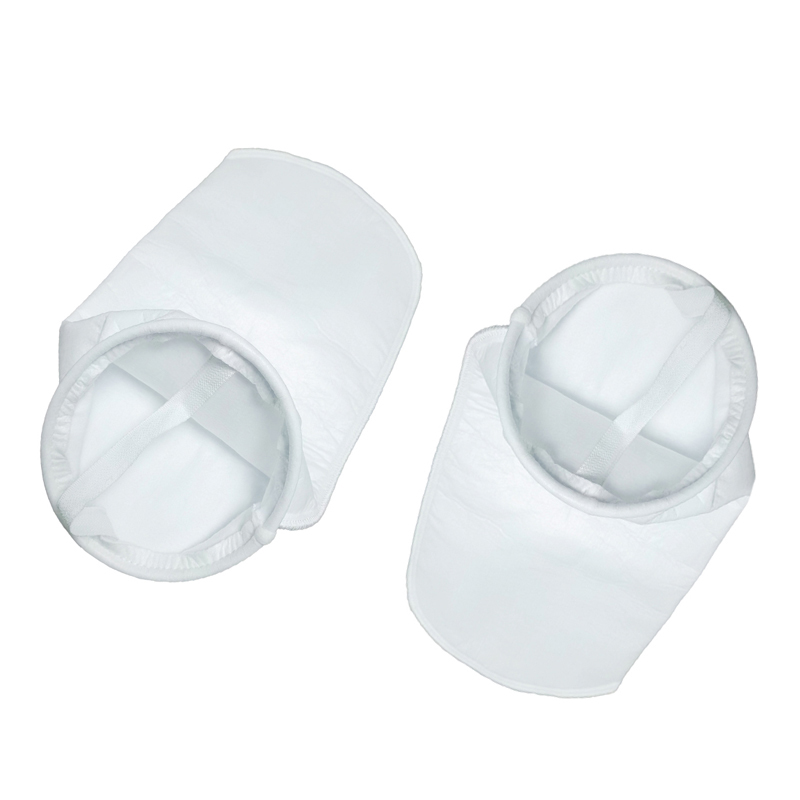
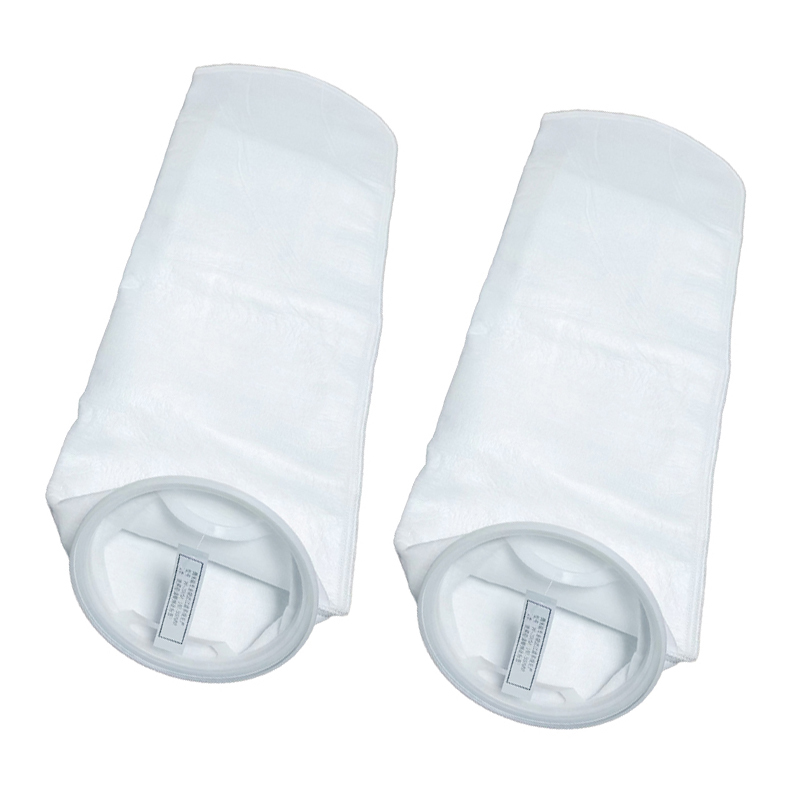
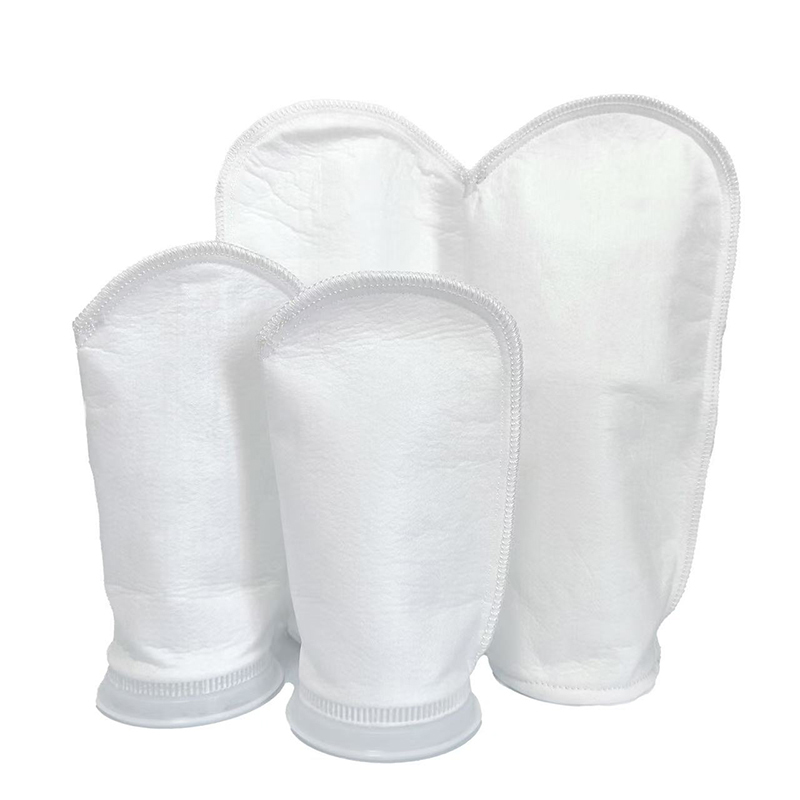
PTFE & Polyester Felt Filter Bags – 1-300 Micron, 4″-7″ Ring (Food-Grade, Industrial, Aquarium)
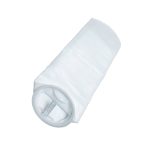
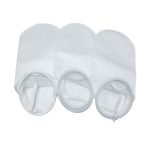
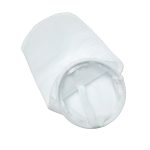
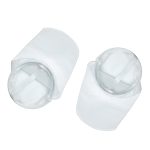
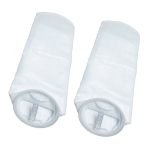
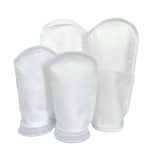
PRODUCT PARAMETERS
What Are Polyester Felt Filter Bags & Why Do They Matter?
BasideWT manufactures high-performance filter bags for industrial liquid filtration, water treatment, food processing, chemical processing, pharmaceutical production, paint filtration, and wastewater treatment. Available in multiple materials and micron ratings, our filter bags are designed for reliable filtration efficiency, long service life, and OEM bulk supply worldwide.
Polyester felt filter bags are a high-efficiency filtration solution used in industries like food processing, chemicals, and aquariums. Unlike standard mesh filters, they offer 1-200 micron precision, capturing fine particles while maintaining airflow. As a China-based filter bag manufacturer, BasideWT supports OEM, wholesale, and customized production for industrial filtration projects. We supply filter bags to water treatment companies, equipment manufacturers, distributors, and industrial users worldwide.
Key benefits:
✔ Chemical resistance (ideal for PTFE-coated versions),Reusable & durable (lasts 2-3x longer than nylon), Food-grade safety (FDA-compliant options available)
BasideWT also provides OEM and ODM services, including custom micron ratings, ring styles, bag dimensions, private labeling, and bulk packaging according to customer requirements.
Fun fact: A 2024 study by [Filter Media Research Group] found that polyester felt bags reduce clogging by 37% compared to polypropylene alternatives.
Available Filter Bag Materials
- Polyester Felt
- Polypropylene Felt
- PTFE Felt
- Nylon Mesh
- PE Mesh (if available)
Polyester Felt vs. Other Filter Media (Comparison Table)
Not all filter bags are equal. Below, we compare polyester felt filter bags with common alternatives:
| Fabric | Animal,Vegetable and Petro Oils | Alkalis | Organic Acids | Oxidizing Agents | Mineral Acids | Temperature Limitations (maximum degrees) |
|---|---|---|---|---|---|---|
| Polyester | Excellent | Good | Good | Good | Good | 149 °C (300 °F) |
| Polypropylene | Excellent | Excellent | Excellent | Good | Good | 93 °C (200 °F) |
| Nylon | Excellent | Good | Fair | Poor | Poor | 163 °C (325 °F) |
Our 2025 case study revealed that food manufacturers saved 18% on replacements after switching to polyester felt.
Polyester Felt filter Bags Size And Liquid Flow Rate
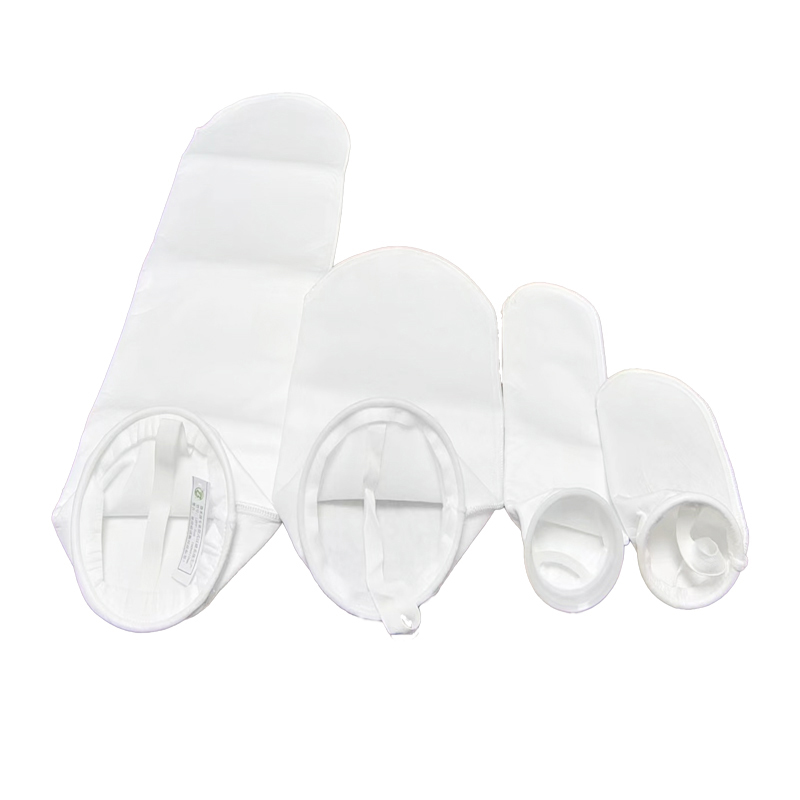
Filter bags are available with plastic rings, galvanized steel rings, stainless steel rings, and other sealing options compatible with standard industrial bag filter housings.
| Size | Diameter | Length | Filtration Surface Area (m2/h) | Flow Rate(m2) |
| 1# (7″ x 17″) Filter Bag | 7” | 17” | 0.25 | 20 |
| 2# (7″ x 32″) Filter Bag | 7” | 32” | 0.5 | 40 |
| 3# (4″ x 9″) Filter Bag | 4” | 9” | 0.09 | 6 |
| 4# (4″ x 15″) Filter Bag | 4” | 15” | 0.16 | 12 |
Custom Manufacturing Options
- Custom Micron Rating
- Custom Length
- Custom Diameter
- OEM Logo
- Private Label
- Export Packaging
Technical Specifications
Material:
Polyester Felt, PTFE Felt, Polypropylene (Optional)
Micron Rating:
1, 5, 10, 25, 50, 100, 200, 300 Micron
Ring Type:
Plastic Ring
Galvanized Steel Ring
Stainless Steel Ring
Standard Sizes:
Size #4 Option – Ideal for smaller bag filter housings with lower flow rates.
Size #1 – Suitable for standard industrial bag filter housings.
Model Size #2 – The most commonly used size for high-flow liquid filtration.
Available in Size #3 – Designed for compact filtration systems.
Maximum Operating Temperature:
Polyester: 150°C
PTFE: up to 260°C
Applications:
Industrial Water Filtration
Food & Beverage
Chemical Processing
Paint Filtration
Wastewater Treatment
Aquarium Filtration
How to Choose the Right Polyester Felt Filter Bag
Determine Micron Rating
Match the micron level (e.g., 200-micron for aquarium sumps, 10-micron for edible oil).
Check Ring Size
Common sizes: 4″ ring (aquariums) vs. 7″ ring (industrial).
Verify Material Safety
For food/pharma, ensure FDA or EU 10/2011 compliance.
Assess Flow Rate
Higher flow = lower pressure drop. Test before bulk purchase!
Compare Lifespan
Polyester lasts 6-12 months; PTFE-coated versions extend durability.
Before selecting a filter bag, always confirm the operating temperature, pressure, and chemical compatibility. Choosing the correct material improves filtration performance and extends service life.
⚠ Warning: Avoid cheap “no-name” brands—they often shed fibers!
Bag Filter Selection Guide: Matching Filter Bags to Your Application
Choosing the right bag filter starts with your micron requirement. Fine filtration needs 1–10 micron bags. These suit edible oil, pharmaceutical, and chemical applications. Medium filtration uses 25–100 micron bags. These work well for industrial water and paint systems. Coarse filtration uses 100–300 micron bags. These protect pumps from large debris in aquarium sumps and ponds.
Ring size is the next decision. A 4-inch ring fits compact housings. A 7-inch ring fits larger industrial bag filter housings. Always confirm your housing collar size before ordering. A mismatched ring causes bypass around the filter media. This allows unfiltered liquid to pass through. Therefore, measure your housing inlet collar carefully before selecting bag size.
Material selection depends on your liquid chemistry. Standard polyester suits most water and food applications. PTFE-coated polyester handles aggressive acids and alkalis. Polypropylene suits strong oxidizing environments. Each material has a different temperature limit. Check the comparison table above before confirming your order. Furthermore, filter bag lifespan varies by application. Polyester lasts 6–12 months in clean water service. PTFE-coated versions last longer in chemical duty. Moreover, always pair your bag filter bags with a compatible housing. A dedicated bag filter housing ensures correct pressure rating and leak-free sealing for your chosen bag size. For industrial-scale applications, industrial filter bags offer higher capacity and longer service intervals between replacements.
Common Mistakes When Using Filter Bags (And Fixes)
❌ Mistake 1: Overloading bags → Solution: Replace at 80% capacity.Mistake 2: Ignoring chemical compatibility → Solution: Always check pH resistance charts. Mistake 3: Reusing damaged bags → Fix: Inspect for tears/clogging weekly.
Interestingly, 40% of industrial filter failures (per [Filtration Journal, 2023]) stem from improper cleaning.
Real-World Applications of Polyester Felt Filter Bags
Case 1 – Aquarium Sump Filtration
A 7″ x 17.7″ polyester felt bag (200-micron) traps debris without harming coral.
Case 2 – Edible Oil Refining
1-micron PTFE-coated polyester bags remove impurities while meeting food safety standards.
Case 3 – Wastewater Treatment
Municipal plants use 10-micron bags to filter sludge efficiently.
Industries
- Electronics Manufacturing
- Textile Industry
- Paint Industry
- Ink Filtration
- Mining
- Pharmaceutical Production
- Beverage Processing
Checklist for Buying Polyester Felt Filter Bags
✅ Micron rating (1-200),Ring diameter (4″–7″),Material (PTFE-coated for chemicals), Flow rate (test samples first)
Why Choose Baside Filter Bags?
Baside supplies high-quality filter bags for industrial liquid filtration applications across China and international markets. Our filter bags are manufactured with strict quality control to deliver consistent filtration efficiency, long service life, and reliable sealing performance.
We support OEM and bulk orders with multiple micron ratings, ring types, and custom sizes for different filtration systems. Whether you need filter bags for water treatment, food processing, chemicals, or wastewater applications, our technical team can help you select the right solution.
Filter Bag Applications: From Industrial Systems to Aquarium Sumps
Filter bags serve a much wider range of applications than most users realize. Water treatment plants use them as pre-filters before membrane stages. They remove suspended solids before water reaches expensive RO membranes. This protects membranes and extends their service life. One clogged bag filter upstream prevents far costlier membrane damage downstream. Therefore, pre-filtration with bags is standard practice in professional water treatment design.
Food and beverage producers rely on filter bags for process liquid clarification. Juice, wine, beer, and edible oil all pass through polyester felt bags. The bags remove pulp, haze, and fine particles. They do not affect flavor or introduce contaminants. FDA-compliant grades ensure product safety at every stage. Furthermore, wastewater treatment plants use high-capacity bags to remove sludge and suspended solids. This reduces the load on downstream biological treatment stages.
Aquarium hobbyists and reef tank owners use filter socks and felt bags interchangeably in sump systems. The principle is the same — mechanical removal of solid debris before water reaches the skimmer. However, industrial users need higher flow rates and more durable construction. A full water filtration system in commercial settings uses bag filters as the first mechanical barrier. This protects every downstream component from particulate damage. Moreover, for applications where a shop vac filter bag or similar coarse filtration is needed for debris collection in water systems, a 10-micron filter bag offers fine enough capture for most sediment and particle removal tasks.
Looking for a reliable filter bag manufacturer in China? Contact BasideWT for OEM production, bulk pricing, and customized filtration solutions for industrial water treatment, food processing, chemical processing, and wastewater applications.
FAQs
How do I know which system is right for my home?
How to Measure Your Home’s Water Flow Rate?
How do I troubleshoot low water pressure from my system?

What contaminants does your water treatment system remove?
What’s the difference between UV, RO, and activated carbon filtration?
REQUEST A QUOTE
RELATED PRODUCTS
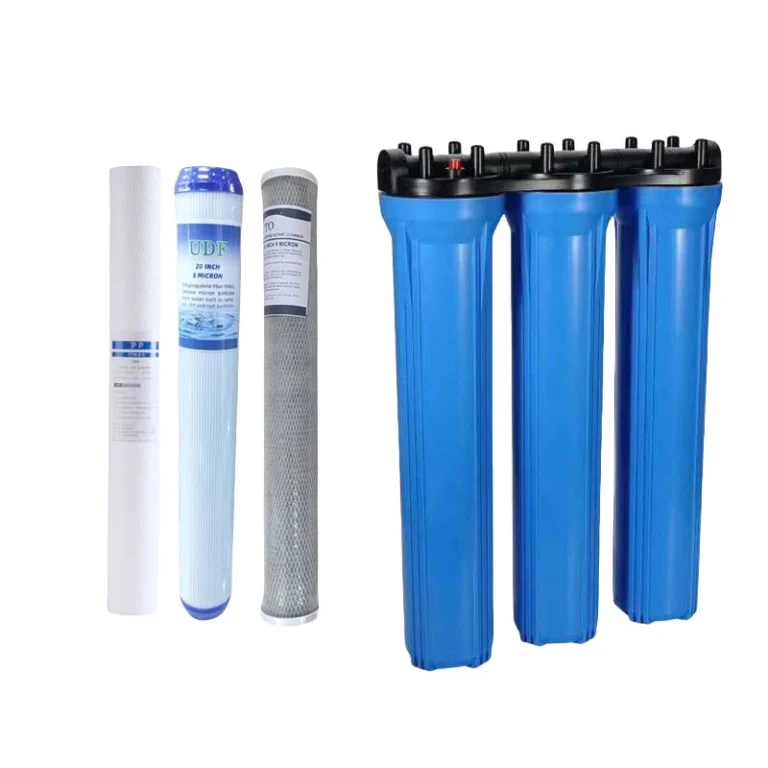
20 x 2.5 Whole House 3 Stage Water Filtration System with 5 Micron 20” x 2.5” Sediment PP, Carbon Water Filter
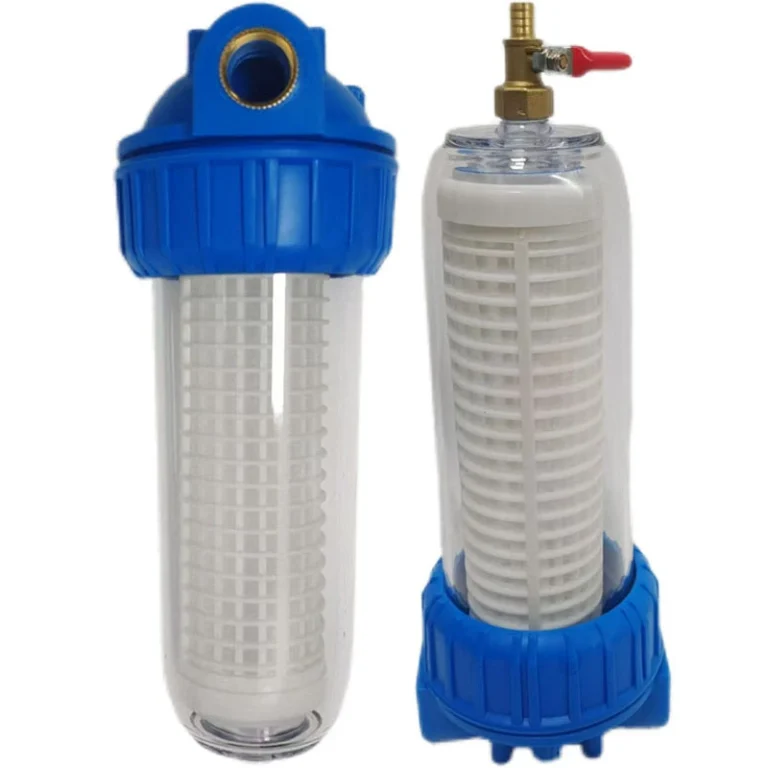
10-inch Transparent Backflushing Water Purifier Livestock Waterline Filter Housing High Pressure Washer Filter with Sewage Outlet
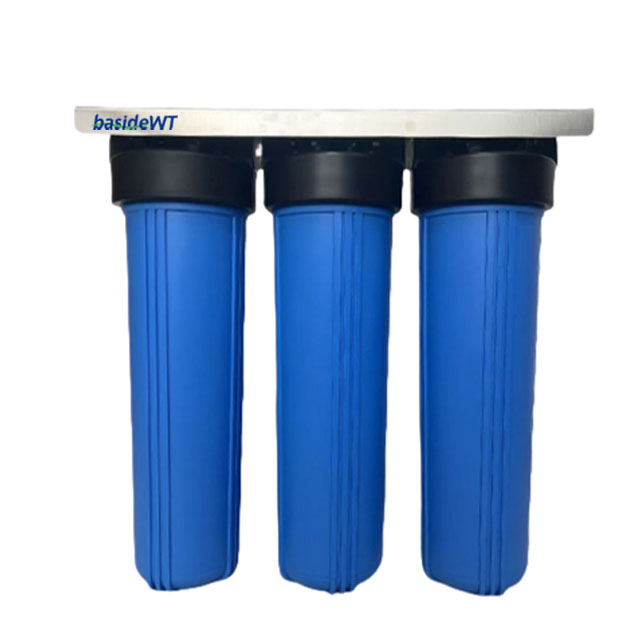
20 inch 3 stage big blue filter BasideWT | whole house well water filter system For Sediment, Chlorine & Chemical Reduction
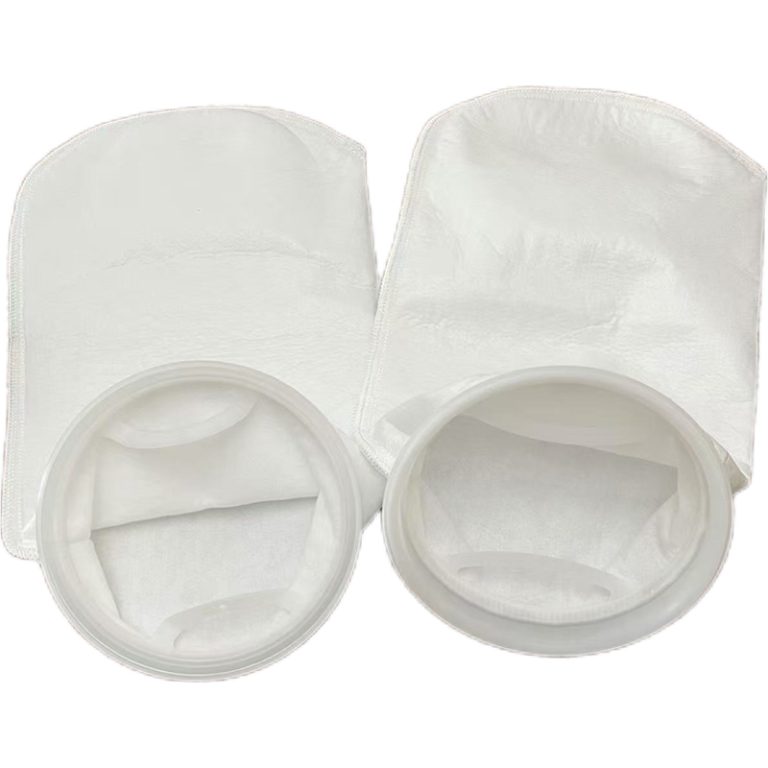
#1 Size 10 Micron Filter Bag – Polyester Felt, Polypropylene Ring, Industrial Liquid Filtration
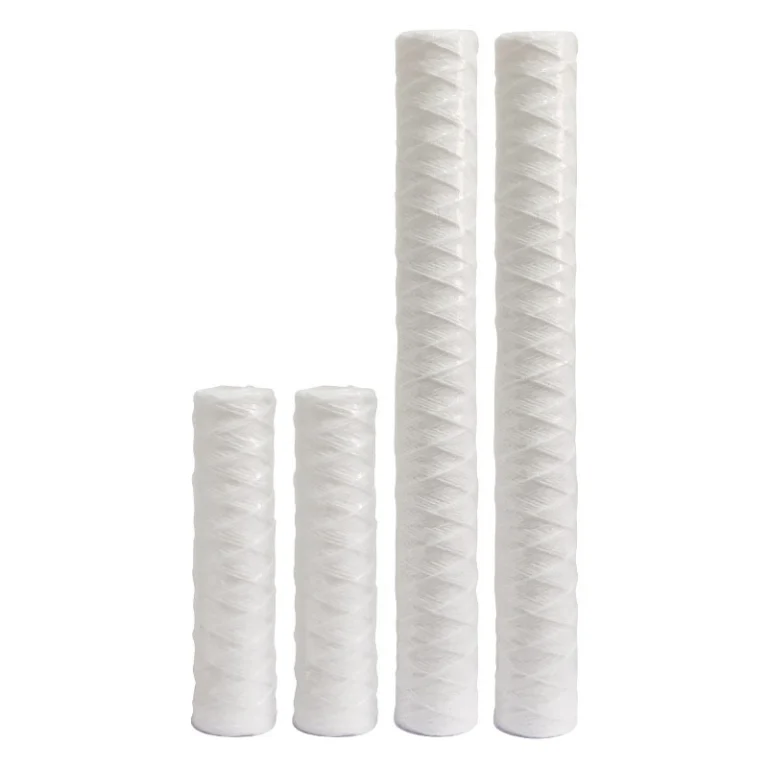
5 Micron 20” Whole House String Wound Water Filter Replacement Cartridge for Well Water Filtration