BasideWT- Whole Home Water Filtration System & Replacement


Water Filter Housing Materials: Plastic vs Stainless Steel – Which Is Better?
Choosing the wrong water filter housing material can mean cracked casings, rust stains, or a system that fails under normal working pressure. Before you buy a filtration system, it helps to understand how water filter housing materials actually perform in real conditions, not just on a spec sheet. Plastic and stainless steel are the two most common choices, and each one suits a different type of job.
This guide compares both materials in practical terms, so you can match the housing to your water pressure, temperature, and application instead of guessing.
Why Water Filter Housing Materials Matter
The housing is the pressure vessel that holds your filter cartridge in place. If you get the material wrong, the consequences show up over time rather than immediately.
A housing rated for residential use might crack under commercial-grade pressure. A plastic housing installed near a boiler could soften or warp from heat. A stainless steel unit chosen for a simple household kitchen line might be an unnecessary expense.
If you’re still unfamiliar with the basics of how these components work, the water filter housing guide covers sizing, types, and installation in more depth. This article focuses specifically on the material question.
Plastic Water Filter Housings
Plastic housings are usually made from polypropylene (PP), reinforced nylon, or clear polycarbonate-style blends. They dominate the residential and light commercial market because they balance cost, weight, and performance well for typical household water pressure.
Advantages of Plastic Housings
Plastic water filter housings offer several practical benefits:
- Lower cost compared to stainless steel, making them accessible for homeowners and small businesses
- Lighter weight, which simplifies installation and reduces strain on plumbing connections
- Corrosion-proof by nature, since plastic doesn’t rust or oxidize
- Available in clear or translucent versions, useful for checking sediment buildup without opening the unit
If you want a housing you can visually inspect without disassembly, a clear water filter housing is often the most practical plastic option for that purpose.
Limitations of Plastic Housings
Plastic isn’t the right fit for every job. Its limitations include:
- Lower maximum pressure ratings than stainless steel, typically well under commercial or industrial thresholds
- Reduced performance at higher water temperatures, where plastic can soften or become brittle over years of use
- Sensitivity to certain harsh chemicals and UV exposure, which can weaken the material outdoors
- Shorter realistic service life in demanding environments
Stainless Steel Water Filter Housings
Stainless steel housings are typically built from 304 or 316-grade steel. They’re the standard choice where pressure, heat, or chemical exposure exceed what plastic can reliably handle.
Advantages of Stainless Steel Housings
Stainless steel water filter housings bring a different set of strengths:
- Higher pressure ratings, suited to commercial and industrial filtration systems
- Better temperature tolerance, including hot water lines and process water applications
- Strong corrosion resistance, particularly with 316-grade steel in chemically active environments
- Long service life, often outlasting plastic housings by years under equivalent conditions
Limitations of Stainless Steel Housings
Stainless steel isn’t automatically the better choice. Consider these factors:
- Significantly higher upfront cost than plastic equivalents
- Heavier weight, which can complicate installation and mounting
- No visibility into the cartridge without opening the housing, unlike clear plastic options
- Often more capacity than a typical residential application actually needs
Water Filter Housing Materials Compared
The table below summarizes how plastic and stainless steel perform across the factors that matter most when selecting water filter housing materials.
| Factor | Plastic Housing | Stainless Steel Housing |
|---|---|---|
| Cost | Lower upfront cost, budget-friendly for homes | Higher upfront cost, better long-term value in demanding use |
| Durability | Good for moderate, everyday conditions | Stronger and more resilient under heavy or continuous use |
| Pressure resistance | Suitable for standard residential pressure | Handles higher pressure common in commercial and industrial lines |
| Temperature resistance | Limited; softens at elevated temperatures | Performs reliably across a wider temperature range |
| Corrosion resistance | Naturally resistant to rust since it isn’t metal | Highly resistant, especially 316-grade, but quality depends on grade |
| Chemical compatibility | Works with most common water treatment chemicals; sensitive to some solvents | Handles a broader range of aggressive chemicals |
| Visibility | Available in clear versions for easy inspection | Opaque; requires opening the housing to inspect |
| Maintenance | Simple to service, lightweight for handling | Durable, but heavier and slightly more involved to service |
| Typical applications | Residential, light commercial, point-of-use systems | Commercial, industrial, high-pressure, or high-temperature systems |
Pressure and Temperature Considerations
Pressure rating is often the deciding factor between the two materials. Residential water lines usually run at pressures that plastic housings handle comfortably for years. Commercial and industrial systems, particularly those with pumps or elevated line pressure, tend to exceed what standard plastic housings are designed for.
Temperature works the same way. Cold and moderate water lines rarely stress plastic housings. Hot water applications, steam-adjacent lines, or industrial process water are a different story, and stainless steel becomes the safer, more durable option there.
Chemical Compatibility and Corrosion Resistance
Both materials resist standard tap water well. The difference shows up with aggressive chemicals, high chlorine dosing, or industrial fluids.
Plastic housings handle everyday municipal water chemistry fine but can degrade faster when exposed to strong solvents or prolonged UV light. Stainless steel, especially 316-grade, tolerates a wider range of aggressive substances and won’t corrode the way lower-grade metals can.
Neither material eliminates the need for proper water testing before selecting a filtration approach. According to the Water Quality Association, understanding your specific water chemistry is a foundational step before choosing treatment equipment, and that same logic applies directly to housing material selection.
Maintenance and Visibility Differences
Maintenance needs differ mainly because of visibility, not durability. A clear or translucent plastic housing lets you see sediment buildup and cartridge condition at a glance, which can simplify your maintenance schedule. Opaque stainless steel requires you to rely on pressure drop, flow rate, or a set replacement interval instead.
For a full breakdown of upkeep tasks across housing types, the maintenance and cleaning guide walks through inspection routines that apply to both materials.
Weight also affects maintenance. Plastic housings are easier to handle during cartridge changes, while stainless steel units, though more durable, need a bit more effort during servicing due to their weight.
Choosing by Application: Residential, Commercial, and Industrial
Residential use rarely justifies stainless steel unless the household has unusually high water pressure, well water with corrosive characteristics, or a preference for maximum longevity. For most homes, a quality plastic housing performs reliably for years. If you’re comparing housing categories more broadly for a home setup, the types of water filter housings guide breaks down which style fits which household need.
Commercial use, such as restaurants, offices, or light manufacturing, often sits in a middle ground. Pressure and volume are higher than residential, but not always high enough to require stainless steel. The right choice depends on your specific flow rate, water pressure, and how much day-to-day durability the business needs.
Industrial use typically favors stainless steel by default. Higher pressure, elevated temperatures, and chemical exposure are common in industrial water treatment, and the added upfront cost is usually justified by fewer replacements and less downtime.
Cost Considerations
Plastic housings cost less initially and remain the more economical choice for straightforward residential or light commercial setups. Stainless steel costs more upfront, but its longer service life and higher pressure and temperature tolerance can make it the more cost-effective option over time in demanding environments.
The right comparison isn’t purchase price alone. It’s purchase price weighed against expected lifespan, replacement frequency, and the cost of downtime if a housing fails under stress.
Common Buying Mistakes
Buyers often run into predictable problems when choosing water filter housing materials:
- Choosing plastic for a commercial system without checking the actual pressure rating required
- Assuming stainless steel is always the “better” choice, even when it’s unnecessary for the application
- Ignoring temperature conditions near hot water lines, boilers, or industrial process equipment
- Overlooking chemical exposure specific to their water source or facility
- Not accounting for how housing size, not just material, affects overall performance — a factor covered in the 10-inch vs 20-inch housing comparison
Avoiding these mistakes usually comes down to matching the housing specifications to your actual operating conditions, not the most familiar or most expensive option.
A Practical Decision Framework
There’s no single material that’s correct for every situation. Use this general framework as a starting point:
- Choose plastic for standard residential use, light commercial applications, and situations where visibility into the cartridge is a priority
- Choose stainless steel for industrial systems, high-pressure commercial lines, hot water applications, or environments with aggressive chemical exposure
- Choose a high-flow housing configuration when volume, not just material, is the limiting factor in your current setup
- Reassess your choice whenever your water pressure, temperature, or chemical exposure changes significantly
If your current housing is already showing signs of wear, it may also be worth reviewing whether it needs replacing rather than repairing. The replacement guide explains the signs that indicate a housing has reached the end of its service life.
Conclusion: Choosing the Right Water Filter Housing Material
Plastic and stainless steel each solve different problems. Plastic water filter housing materials suit standard residential and light commercial systems where cost, weight, and visibility matter most. Stainless steel earns its higher price in commercial and industrial settings where pressure, heat, or chemical exposure would push plastic past its limits.
The right decision comes down to your specific water pressure, temperature range, chemical exposure, and how long you need the housing to last without replacement. When you match the material to those real operating conditions, you avoid both premature failure and unnecessary spending.
If you’re weighing plastic against stainless steel for your specific setup, BasideWT’s water filter housing range covers both material types across residential, commercial, and industrial applications, so you can select based on your actual requirements rather than guesswork.
RELATED POSTS
Water Filter Housing Cartridge Compatibility: How to Choose the Right Filter
What is the Difference Between Tap & Brackish Water Membranes?
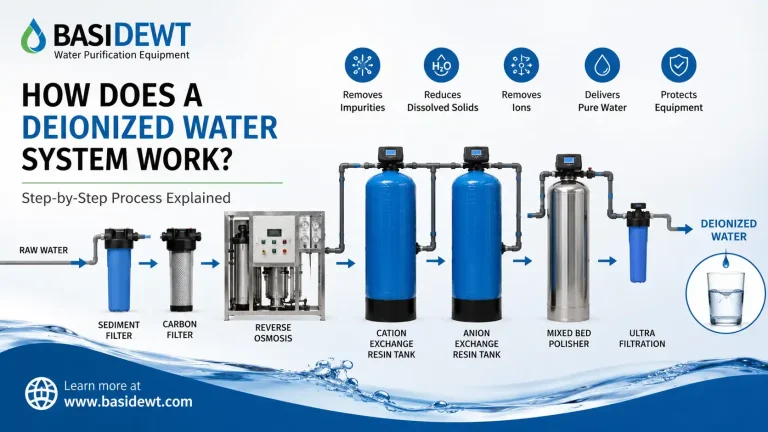
How Does a Deionized Water System Work? A Complete Step-by-Step Guide
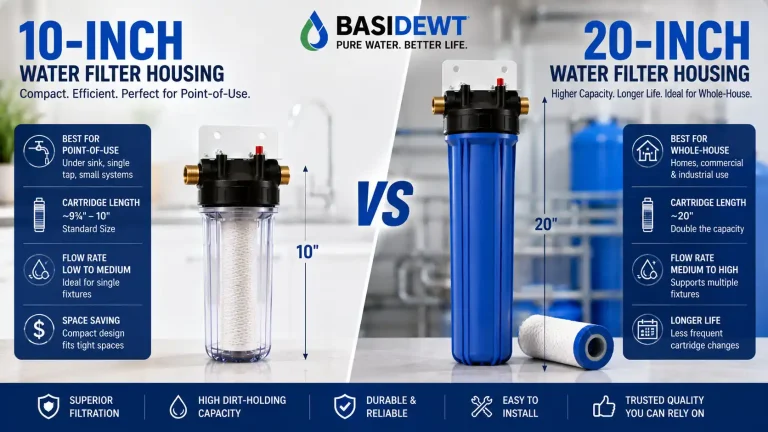
10-Inch vs 20-Inch Water Filter Housing: Which Is Better?
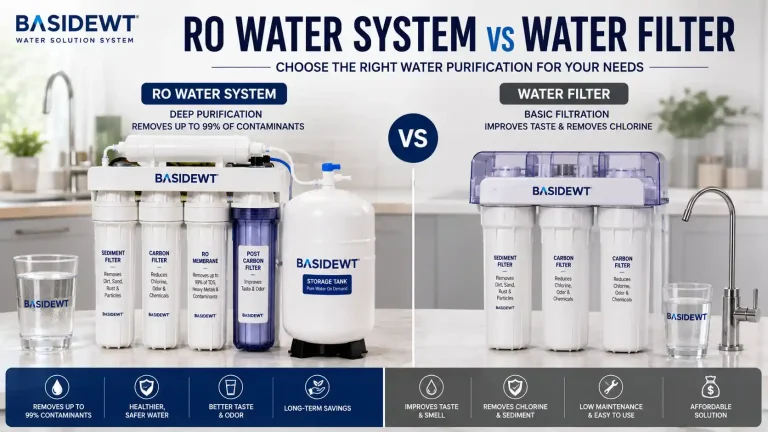
RO Water System vs Water Filter: What’s the Difference?