BasideWT- Whole Home Water Filtration System & Replacement


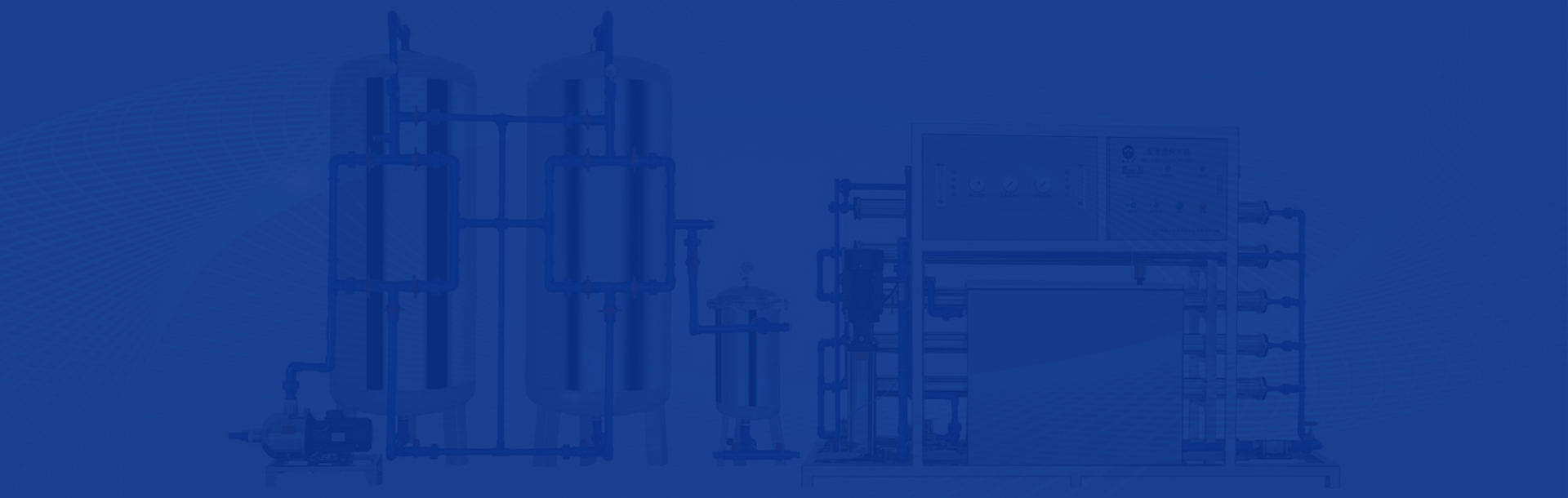
Whole House Reverse Osmosis System: Complete Buyer’s Guide for Clean Water at Home
In many regions across China, water quality is not always consistent. Some areas face high levels of dissolved solids, while others deal with industrial contaminants or chlorine-treated water. Over time, this can affect not only your health but also your home appliances, skin, and daily comfort.
This is why more homeowners are now considering a whole house reverse osmosis system—a solution that purifies water at the entry point of your home. Instead of treating water at just one tap, it ensures clean, safe water flows from every outlet.
In this guide, you’ll learn how these systems work, what they cost, and how to choose the right setup without wasting money.
What Is a Whole House Reverse Osmosis System?
A reverse osmosis setup removes impurities using a special membrane that filters out contaminants at a microscopic level. When installed at the main water line, it becomes a whole house reverse osmosis water system, supplying purified water throughout the entire home.
Most modern systems use multiple stages of filtration. For example, a 6-stage RO system includes sediment filtration, carbon filtration, and advanced membrane purification to deliver cleaner water.
Why It Matters for Homes in China
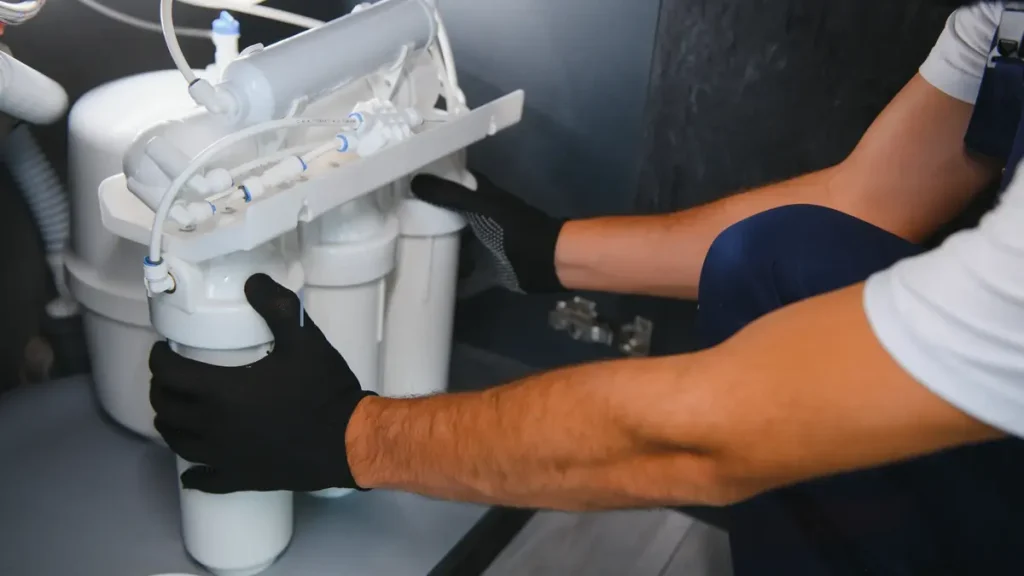
Water conditions can vary widely depending on location. Even in cities with treated water, issues like high TDS levels or chemical residues may still exist.
Common problems include:
- Hard water buildup
- Heavy metals
- Chlorine taste and odor
- Bacteria in some regions
To handle these issues effectively, many homes install a reverse osmosis system for whole house use, often combined with pre-filtration for better performance.
For example, using a high flow cartridge filter housing before the RO unit helps protect the membrane and extend system life.
Key Benefits You’ll Notice
Clean Water in Every Room
From kitchen taps to bathroom showers, every outlet delivers purified water.
Healthier Living
Removing harmful contaminants improves overall water safety for your family.
Longer Appliance Life
Less scaling means fewer repairs and longer-lasting equipment.
Better Skin and Hair
Soft, filtered water feels noticeably gentler.
Cost Breakdown: What Should You Expect?
Many people hesitate because they are unsure about pricing.
Average Cost Range
| System Size | Estimated Cost |
|---|---|
| Small home | $1,500 – $3,000 |
| Medium home | $3,000 – $7,000 |
| Large property | $7,000 – $15,000+ |
The cost depends on system capacity, filtration stages, and additional components.
Installation
- Basic installation: $300 – $800
- Complex setups: up to $1,500
Important Components in a Complete System
A proper setup includes more than just the RO membrane.
Pre-Filtration
Removes dirt, sand, and particles before water reaches the membrane. Some setups use industrial-grade options like bag filtration.
Storage Tanks
Purified water needs to be stored efficiently. Durable options like FRP tanks are commonly used because they are corrosion-resistant and long-lasting.
Disinfection
Adding UV treatment ensures water is free from bacteria. A UV light water sterilizer is often used as the final stage.
How to Choose the Right System
Finding the best whole house reverse osmosis system depends on your specific needs.
Check Your Water Quality
Before buying, test your water. A simple tool like a TDS meter helps you understand contamination levels.
Consider Household Size
Larger families need higher-capacity systems to maintain pressure and flow.
Think About Future Needs
If your usage increases, choose a scalable system.
Combine Technologies When Needed
In some cases, combining systems works better. For example, a water softener and reverse osmosis system can handle both hardness and impurities.
Common Mistakes to Avoid
Choosing a Low-Capacity System
This leads to poor performance and low water pressure.
Ignoring Maintenance
Filters and membranes need regular replacement.
Skipping Pre-Filtration
Without it, your RO system may fail faster.
Environmental Considerations
Reverse osmosis systems produce some wastewater during filtration. However, modern systems are becoming more efficient.
Tips:
- Reuse wastewater for cleaning
- Choose high-efficiency units
- Maintain the system regularly
Learn More About Water Safety
If you want to understand global water quality standards, you can read this guide from the World Health Organization.
Conclusion
A whole house reverse osmosis system is a long-term investment in your home and health. While the initial cost may seem high, the benefits—clean water everywhere, reduced maintenance costs, and improved daily comfort—make it worthwhile.
For many households in China, especially in areas with inconsistent water quality, this system offers a reliable and future-proof solution. The key is to choose the right configuration, install it properly, and maintain it regularly.
FAQs
What is a whole house reverse osmosis water system?
It is a system that purifies all the water entering your home using reverse osmosis technology.
Is a reverse osmosis whole house system worth it?
Yes, especially in areas with poor water quality or high contamination levels.
How long does the system last?
Most systems last 10–15 years with proper maintenance.
Does it reduce water pressure?
If properly sized and installed, pressure issues are minimal.
Can I combine it with other systems?
Yes, combining with softeners or UV systems often gives the best results.
RELATED POSTS
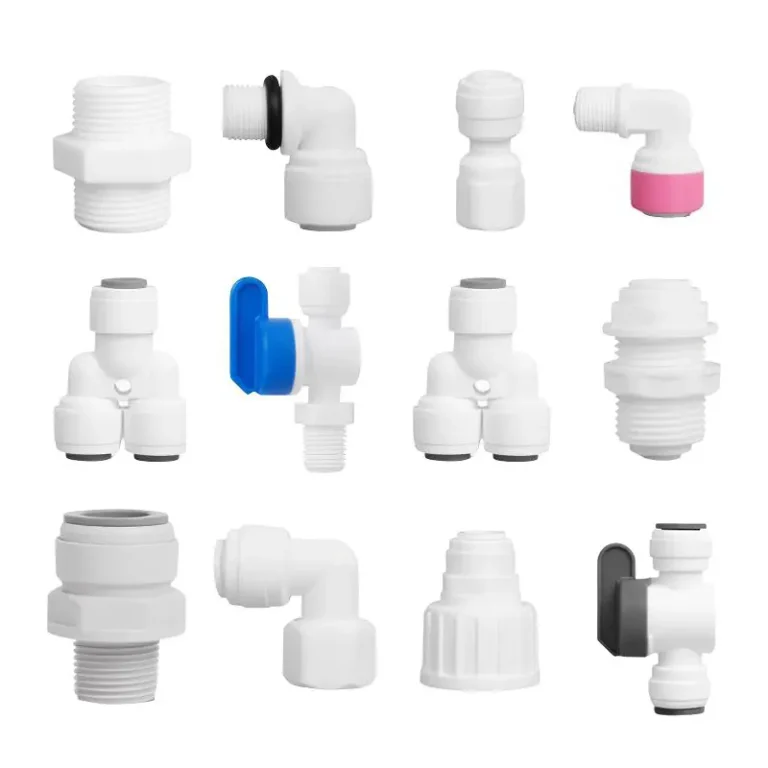
Water Purifier Quick Connector RO Purifier System Water Filter Joint Accessory
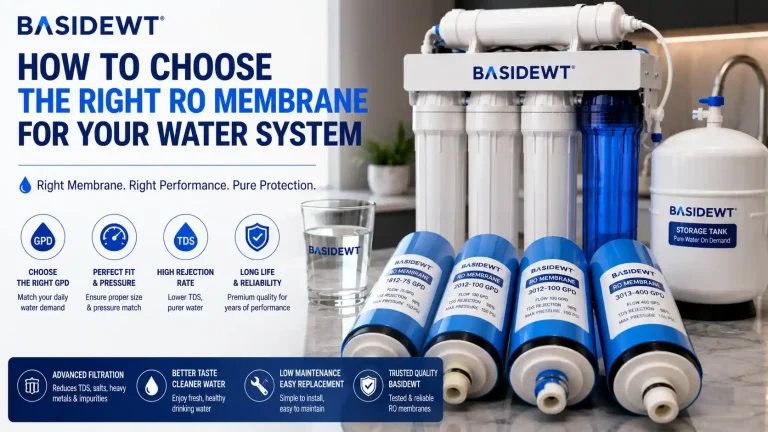
How to Choose the Right RO Membrane for Your Water System
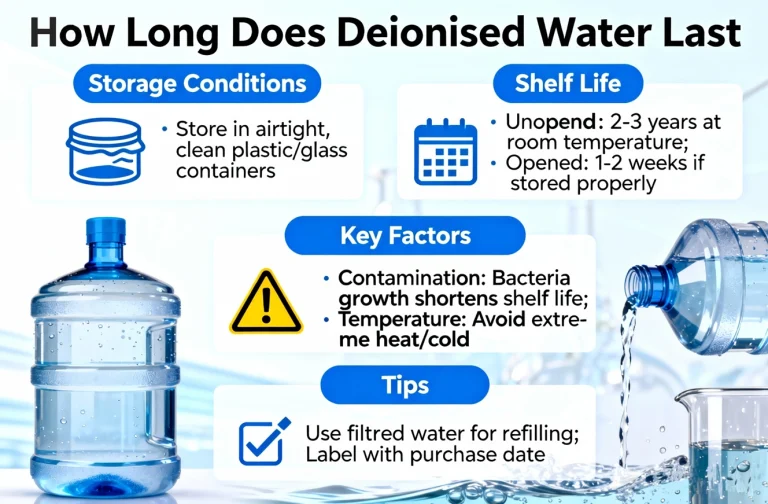
How Long Does Deionised Water Last
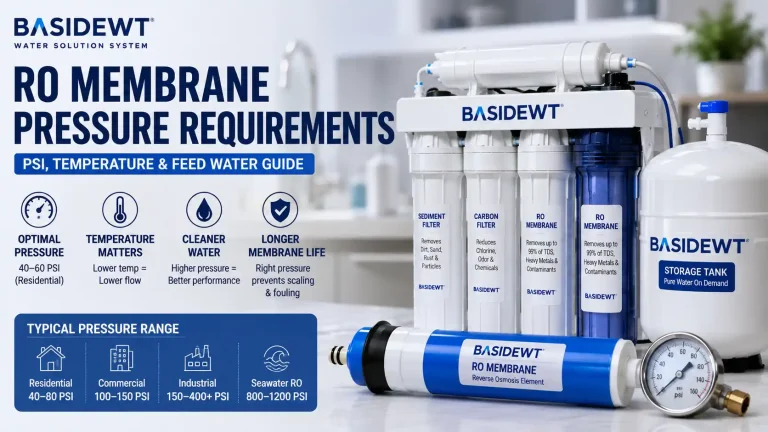
RO Membrane Pressure Requirements: PSI, Temperature & Feed Water Guide
How Do You Backwash a Pool with a Cartridge Filter?