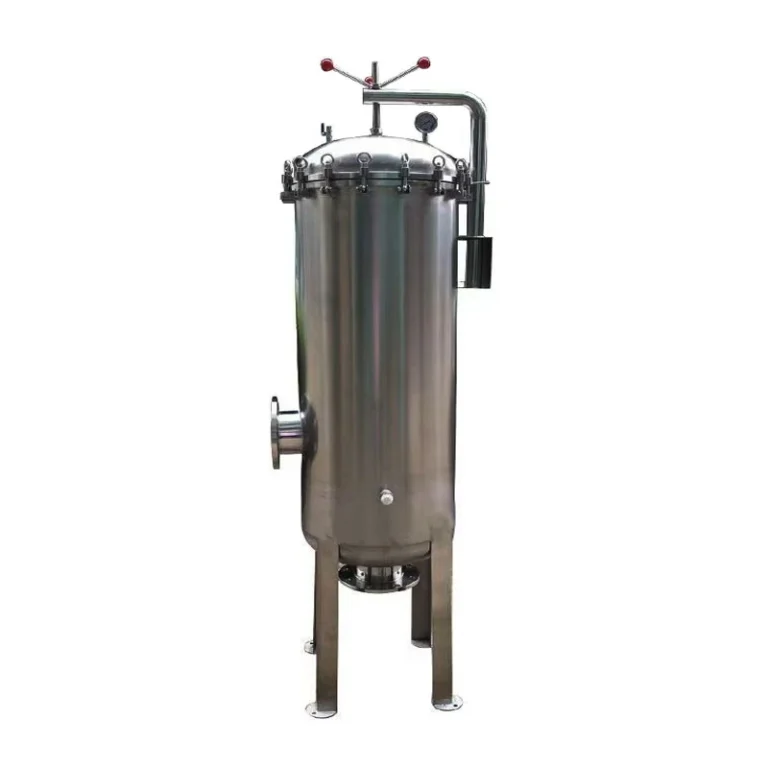
BasideWT- Whole Home Water Filtration System & Replacement


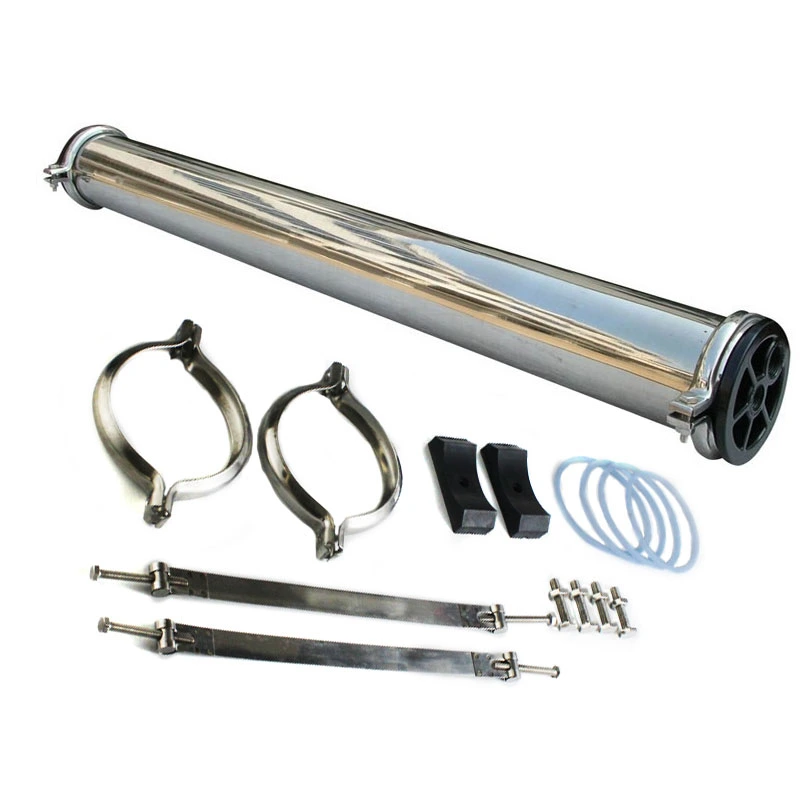
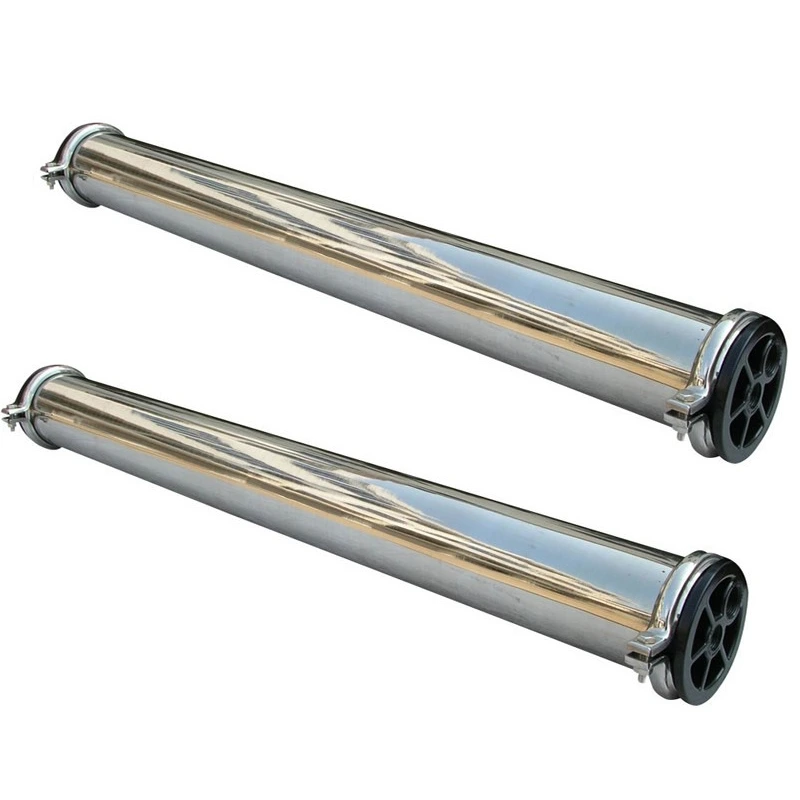
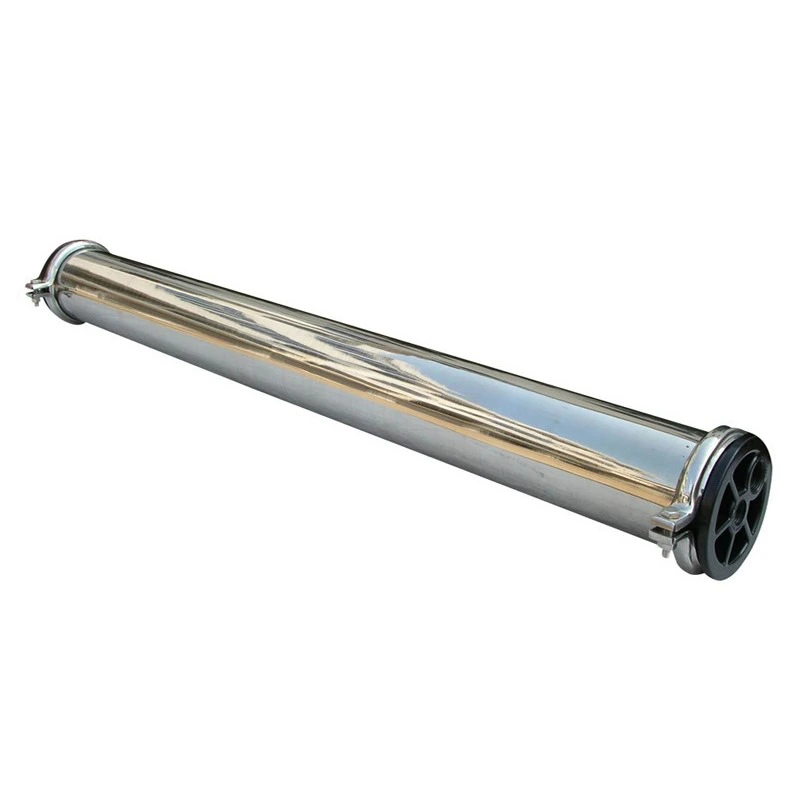
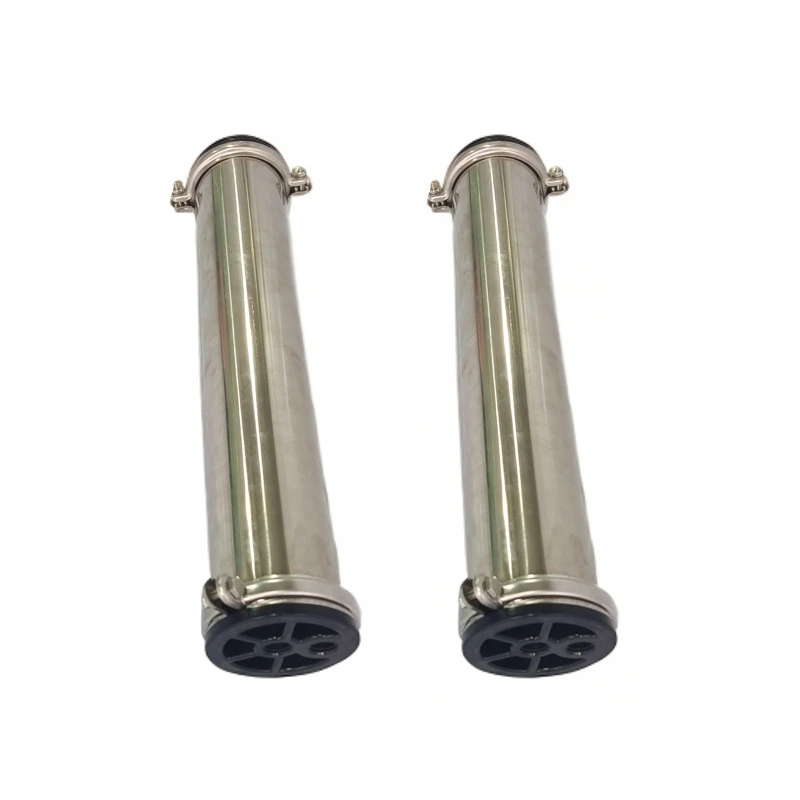
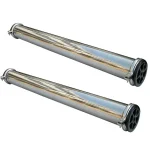
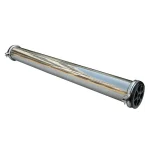
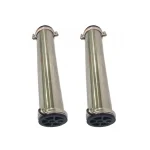
Factory Price 4040 4021 8040 Ss RO Reverse Osmosis Membrane Shell SUS 304 316L Housing for Water Treatment Plant
PRODUCT PARAMETERS
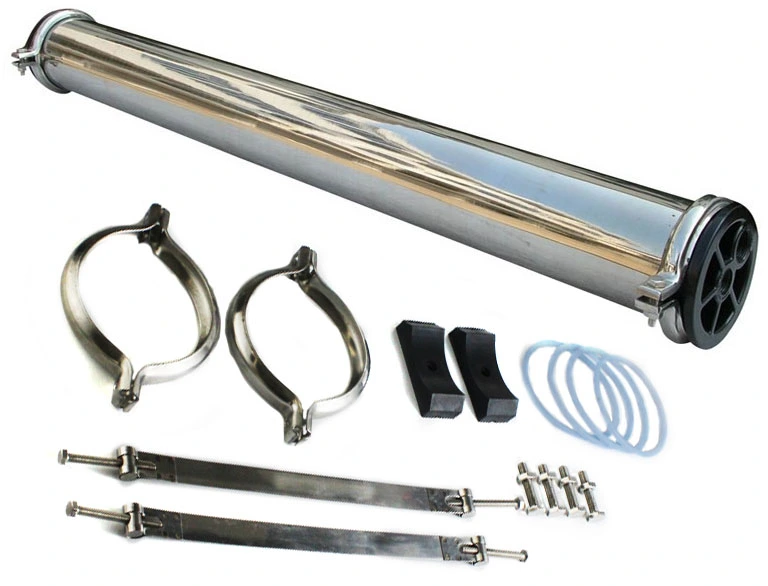
BasideWT is a professional China manufacturer of high-quality RO membrane housings for industrial and commercial water treatment systems. Our stainless steel membrane housings are manufactured using premium SS304 and SS316L materials to deliver excellent corrosion resistance, long service life, and stable pressure performance under demanding operating conditions.
Available in popular sizes including 4021, 4040, and 8040, our RO membrane housings are designed for compatibility with standard reverse osmosis membrane elements used worldwide. Whether for municipal water treatment, seawater desalination, food processing, pharmaceutical production, electronics manufacturing, or industrial wastewater recycling, BasideWT provides reliable membrane housing solutions backed by strict quality control, OEM manufacturing capabilities, and professional engineering support.
RO membrane housings are essential components of reverse osmosis water treatment systems, providing a secure pressure vessel that protects membrane elements during filtration. High-quality membrane housings improve system stability, maintain operating pressure, and help extend membrane service life in industrial and commercial applications. A properly selected RO membrane housing also minimizes pressure loss, improves sealing performance, and reduces long-term maintenance costs. It plays a critical role in maintaining consistent filtration efficiency while protecting expensive membrane elements from excessive mechanical stress. Choosing high-quality stainless steel housings helps maximize the overall lifespan and reliability of the complete reverse osmosis system.
BasideWT manufactures SS304 and SS316L RO membrane housings for 4040, 4021, and 8040 membrane elements. Designed for high-pressure performance and corrosion resistance, our housings are widely used in commercial RO systems, seawater desalination, municipal water treatment, food processing, pharmaceutical production, and other industrial water purification projects.
Material and Structural Composition of RO Membrane Housings
1. Housing Materials
RO membrane housings are primarily constructed from:
- SUS304 stainless steel (standard grade)
- 316/316L stainless steel (enhanced corrosion resistance for harsh environments)
Key Properties:
✔ Excellent corrosion resistance,High tensile strength (withstands 2.0-2.5MPa operating pressure),Mirror-finished surfaces (inner/outer) for reduced friction loss. The smooth internal surface also helps reduce scaling and fouling, allowing stable water flow while extending the service life of both the housing and the RO membrane.
Compared with alternative housing materials, stainless steel offers superior mechanical strength, higher pressure resistance, better corrosion protection, and a significantly longer service life. SS316L is particularly recommended for seawater desalination and high-salinity applications where enhanced corrosion resistance is essential.
2. Manufacturing Methods
| Type | Production Process | Advantages |
|---|---|---|
| Seamless | Drawn from forged blanks | Uniform wall thickness, <0.5% leakage rate |
| Welded | Automated orbital welding | Cost-effective, smooth weld seams (Ra≤0.8μm) |
⚠ Critical Note: Seamless designs are mandatory for >2.2MPa applications. Every BasideWT membrane housing is manufactured with strict dimensional tolerance and pressure testing to ensure dependable sealing performance in continuous industrial operation.
Every membrane housing undergoes dimensional inspection, pressure testing, welding verification, and surface finishing inspection before shipment. These quality control procedures help ensure leak-free operation, accurate dimensional tolerance, and dependable long-term performance in demanding industrial environments.
3. Core Components
- Membrane Shell
- Stainless steel body (304/316)
- Mirror-polished interior (≤0.05μm roughness)
- End Caps
- Material options:
• ABS (economical)
• Stainless steel (high-pressure) - Sealing System:
• Silicone O-rings (FDA-approved)
• 10,000+ cycle lifespan
- Material options:
- Central Tube
- Precision-drilled (0.5-1mm holes)
- 316L stainless steel for seawater applications
Each component is precisely engineered to provide reliable sealing, balanced water flow distribution, and simplified maintenance during membrane replacement. High machining accuracy also reduces the risk of leakage while improving overall filtration efficiency.
Specifications & Configurations
Standard Series
| Model | Membrane Count | Flow Capacity |
|---|---|---|
| 1-Series | Single element | 50-100 GPD |
| 2-Series | Dual elements | 200-400 GPD |
| 4-Series | Quad elements | 800-1,200 GPD |
| Model | Dia | Length | Inlet | Outlet | Pressure |
| BSD-2514 | 2.5” | 14” | 1/4” | 1/4” | 400psi |
| BSD-2521 | 2.5” | 21” | 3/8” | 3/8” | 400psi |
| BSD-2540 | 2.5” | 40” | 3/8” | 3/8” | 400psi |
| BSD-4014 | 4.0” | 14” | 1/2” | 1/2” | 400psi |
| BSD-4021 | 4.0” | 21” | 3/4” | 1/2” | 400psi |
| BSD-4040 | 4.0” | 40” | 3/4” | 1/2” | 400psi |
| BSD-4080 | 4.0” | 80” | 3/4” | 1/2” | 400psi |
| BSD-40120 | 4.0” | 120” | 3/4” | 1/2” | 400psi |
| BSD-40160 | 4.0” | 160” | 3/4” | 1/2” | 400psi |
| BSD-8040 | 8.0” | 40” | 1.1/2” | 1” | 1000psi |
| BSD-8080 | 8.0” | 80” | 1.1/2” | 1” | 1000psi |
| BSD-80120 | 8.0” | 120” | 1.1/2” | 1” | 1000psi |
| BSD-80160 | 8.0” | 160” | 1.1/2” | 1” | 1000psi |
| BSD-80200 | 8.0” | 200” | 1.1/2” | 1” | 1000psi |
| BSD-80240 | 8.0” | 240” | 1.1/2” | 1” | 1000psi |
Connection Options
- Port Types:
• Side ports (6″x4″ or 4″x4″)
• End ports (2″ NPT standard) - Pressure Ratings:
• Standard: 2.0MPa
• High-pressure: 2.5MPa (seamless only)
BasideWT also supports customized membrane housing configurations, including different connection standards, pressure ratings, polishing finishes, and special dimensions to satisfy OEM projects and large-scale industrial water treatment requirements. Custom branding and private label manufacturing services are available for global distributors and engineering contractors.
Compatible with Major RO Membrane Brands
BasideWT RO membrane housings are manufactured according to international dimensional standards, making them compatible with most industry-leading reverse osmosis membrane brands. This allows customers to replace existing housings or build new RO systems without compatibility concerns.
Our membrane housings are suitable for standard membrane elements from well-known manufacturers such as DuPont FilmTec, Vontron, Toray, LG Chem, Hydranautics, CSM, and other equivalent brands. Proper dimensional accuracy helps ensure secure sealing, stable pressure performance, and efficient water filtration.
For OEM projects or custom water treatment systems, our engineering team can also manufacture membrane housings based on customer drawings or special technical requirements.
Applications of RO Membrane Housings
RO membrane housings are widely used in municipal water treatment plants, food and beverage processing, pharmaceutical production, seawater desalination, electronics manufacturing, and industrial wastewater treatment. Selecting the correct housing improves membrane protection, operating efficiency, and overall system reliability.
How to Choose the Right RO Membrane Housing for Your System
Selecting the correct RO membrane housing starts with knowing your membrane size. The 4040 housing fits 4-inch diameter membranes. The 8040 housing fits 8-inch membranes. These are the two most common industrial sizes. Match the housing length to your membrane element length. A BSD-4040 holds one 40-inch element. A BSD-4080 holds two 40-inch elements in series.
Pressure rating is the next key factor. Standard applications run at 2.0 MPa. High-pressure seawater systems need 2.5 MPa seamless housings. Never use a welded housing above 2.2 MPa. The burst pressure is rated at 4.0 MPa minimum. This gives a 3x safety factor for reliable operation.
Material selection depends on your water source. SUS 304 stainless steel suits standard brackish water applications. SUS 316L works better for seawater and chemical environments. It offers superior corrosion resistance. Therefore, always specify your feed water chemistry before ordering. The right RO system membrane housing protects your membrane elements for years. Furthermore, the correct housing membrane RO selection reduces maintenance costs significantly. For the matching membrane elements, browse our full range of RO membranes. Pairing the right membrane with the right housing ensures peak system performance. Moreover, a compatible RO membrane housing from our range ensures correct sealing and pressure ratings are maintained at all times.
Technical Features
1. Pressure Performance
- Operating range: 2.0-2.5MPa
- Burst pressure: ≥4.0MPa (3x safety factor)
- Validated by ASME Section VIII pressure tests
2. Structural Advantages
✔ Quick-connect design (clamp/card/spring-lock variants),Tool-free disassembly (<2 minutes for maintenance)
✔ Dual inlet options:End-side (compact spaces),Parallel-side (high-flow systems)
3. Quality Assurance
- 100% hydrostatic tested (1.5x working pressure),Eddy current inspected for weld integrity,Certificate: ISO 9001, NSF/ANSI 61
Why Choose BasideWT RO Membrane Housings
Choosing a reliable membrane housing manufacturer directly affects the efficiency and lifespan of an RO system. BasideWT combines advanced manufacturing equipment, experienced engineers, and strict quality control procedures to produce durable stainless steel membrane housings for global customers.
Our products feature precision machining, excellent welding quality, corrosion-resistant stainless steel materials, and comprehensive pressure testing. Every housing is manufactured to provide dependable sealing performance and long-term operational stability.
Whether you require standard models or customized OEM production, BasideWT offers flexible manufacturing solutions, fast production schedules, and professional technical support for industrial water treatment projects worldwide.
Common Applications of RO Membrane Housings
RO membrane housings are used in a wide range of water treatment industries where stable pressure and reliable membrane protection are required. They are commonly installed in commercial reverse osmosis systems, municipal water treatment plants, seawater desalination systems, food and beverage processing, pharmaceutical manufacturing, electronics production, boiler feed water treatment, and industrial wastewater recycling.
BasideWT RO membrane housings are available in multiple sizes and pressure ratings, making them suitable for both new installations and replacement projects. Their durable stainless steel construction helps ensure long-term performance in demanding industrial environments.
RO Membrane and Housing: Building a Complete RO Treatment System
The RO membrane and housing work together as one unit. The housing protects the membrane from physical damage. It also contains operating pressure during filtration. A mismatched housing causes membrane bypass or seal failure. Therefore, always source your membrane housing RO and membrane elements from compatible specifications.
A complete RO water treatment system needs more than just membranes and housings. Pre-filtration protects membranes from fouling. Sediment filters remove particles before they reach the membrane. Carbon filters remove chlorine that damages the membrane surface. Post-treatment polishes the permeate to final quality standards. Each stage depends on the one before it. Therefore, system design matters as much as component quality.
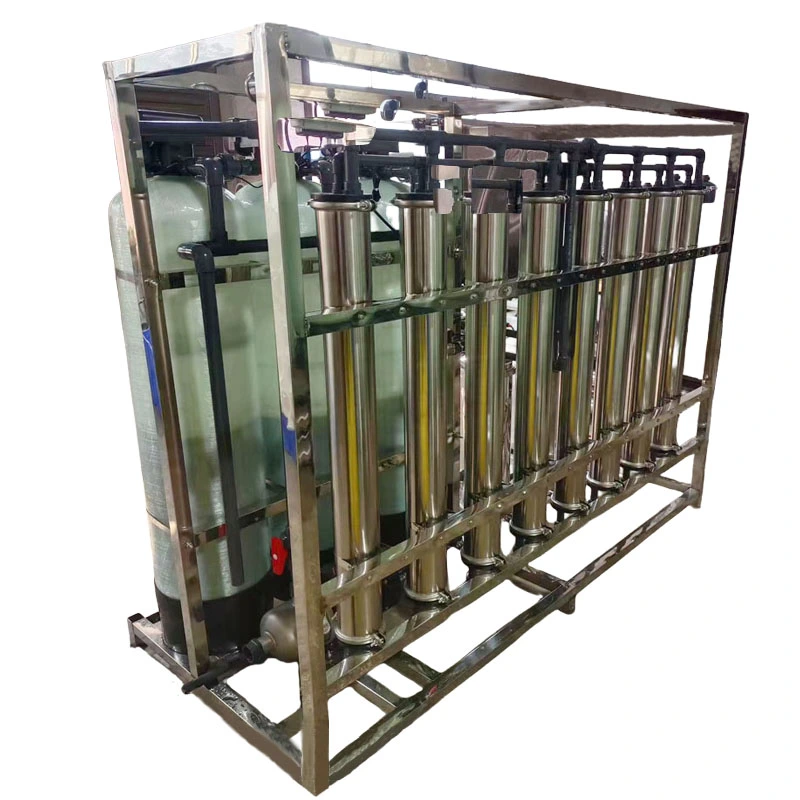
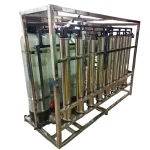
For large-scale industrial setups, multiple RO membrane housings are arranged in arrays. Feed water flows through each housing in sequence. Rejection rates improve with each pass. A properly designed commercial RO system uses these housing arrays to meet high daily output demands. Furthermore, treated water needs proper storage after the RO stage. A quality stainless steel water tank prevents recontamination of purified water. It maintains the water quality achieved by the membrane system. Together, the housing membrane RO setup and proper storage form a complete, reliable water treatment solution.
Quality Control and Factory Testing
Every RO membrane housing is manufactured under strict production standards to ensure consistent quality and reliable performance. Raw materials are carefully inspected before production, while welding, polishing, and dimensional accuracy are monitored throughout the manufacturing process.
Each finished housing undergoes hydrostatic pressure testing, leakage inspection, dimensional verification, and visual quality inspection before packaging. These procedures help guarantee that every product meets industrial performance requirements.
Our quality management system supports stable production for OEM orders, engineering contractors, distributors, and industrial water treatment equipment manufacturers worldwide.
Installation and Maintenance Recommendations
Proper installation is essential for achieving the best performance from an RO membrane housing. Before installing a membrane element, inspect all O-rings, lubricate the seals with a compatible food-grade lubricant, and ensure that the end caps are correctly positioned to prevent leakage.
Routine maintenance should include checking operating pressure, inspecting sealing components, cleaning the housing during membrane replacement, and replacing damaged O-rings when necessary. Following these simple maintenance practices helps extend membrane life, reduce downtime, and improve overall system reliability.
Global OEM Manufacturing and Export Services
BasideWT supplies RO membrane housings to customers across Asia, Europe, the Middle East, Africa, and South America. We provide flexible OEM and ODM manufacturing services for water treatment equipment manufacturers, engineering companies, wholesalers, and distributors.
Our customization capabilities include stainless steel grade selection, pressure ratings, connection types, polishing finishes, logo engraving, private label branding, customized packaging, and project-specific technical solutions.
With efficient production management, strict quality assurance, and professional export experience, we help customers receive reliable membrane housing products that meet international market requirements.
OEM and Custom Manufacturing Services
BasideWT provides OEM and ODM manufacturing services for distributors, engineering contractors, and industrial water treatment companies. We can customize membrane housing sizes, connection types, pressure ratings, surface finishing, and packaging according to different project requirements.
With modern manufacturing facilities in China and strict quality control procedures, we supply reliable RO membrane housings for domestic and international customers. Our engineering team also provides technical support to help customers select the most suitable housing for their reverse osmosis systems.
Our engineering team works closely with distributors, EPC contractors, water treatment equipment manufacturers, and industrial project developers to recommend the most suitable membrane housing solution based on operating pressure, water quality, membrane configuration, and application requirements.
Request a Custom RO Membrane Housing Solution
Whether you need standard SS304 or SS316L RO membrane housings, high-pressure membrane pressure vessels, or fully customized OEM solutions, BasideWT is ready to support your project. Our engineering team can recommend the right housing based on membrane size, operating pressure, water quality, and application requirements.
Contact us today to request a quotation, technical consultation, or custom manufacturing solution. We provide fast response times, factory-direct pricing, strict quality control, and worldwide shipping for industrial and commercial water treatment projects.
Frequently Asked Questions
What is an RO membrane housing?
An RO membrane housing is a pressure vessel that securely holds reverse osmosis membrane elements during water filtration. It maintains operating pressure while protecting the membrane from mechanical damage.
What is the difference between SS304 and SS316L membrane housings?
SS304 is suitable for most industrial and commercial water treatment applications. SS316L provides higher corrosion resistance, making it ideal for seawater desalination, chemical processing, and high-chloride environments.
Which membrane sizes are supported?
BasideWT manufactures membrane housings for standard 4021, 4040, 8040, and other customized configurations according to customer requirements.
Can you provide OEM manufacturing?
Yes. We provide OEM and ODM services including custom dimensions, logo engraving, private labeling, packaging, and connection customization.
FAQs
How do I know which system is right for my home?
How to Measure Your Home’s Water Flow Rate?
How do I troubleshoot low water pressure from my system?

What contaminants does your water treatment system remove?
What’s the difference between UV, RO, and activated carbon filtration?
REQUEST A QUOTE
RELATED PRODUCTS
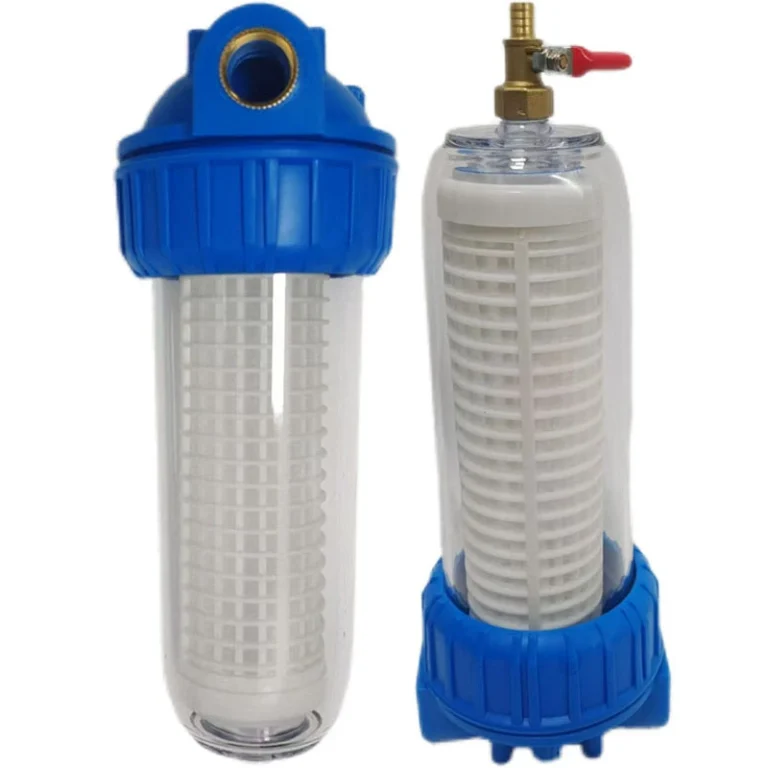
10-inch Transparent Backflushing Water Purifier Livestock Waterline Filter Housing High Pressure Washer Filter with Sewage Outlet
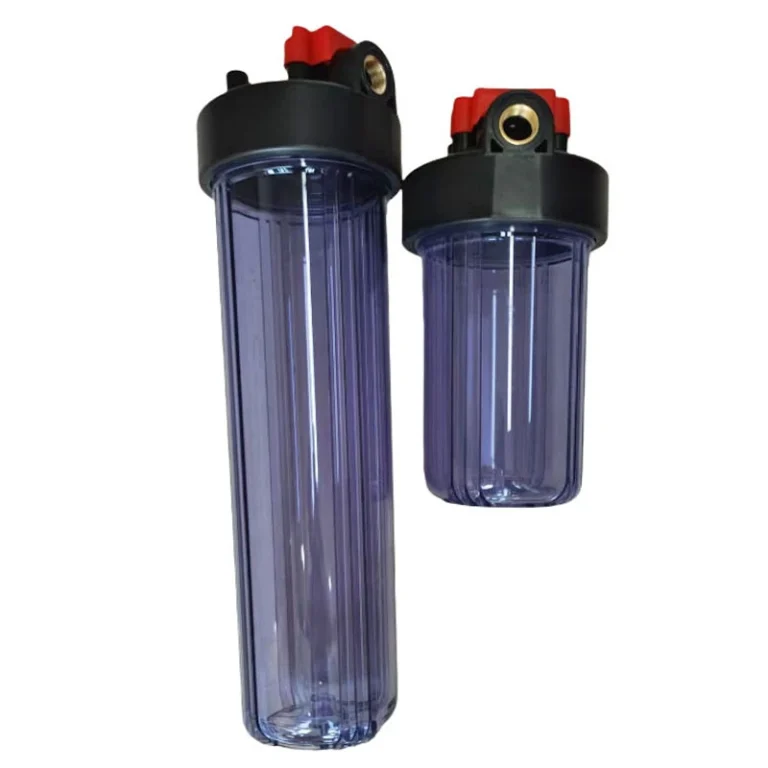
Whole House 10” 20” Purple Clear Water Filter Housing Pre-Filtration System, 1″ NPT with Pressure Gauge Wrench and Bracket
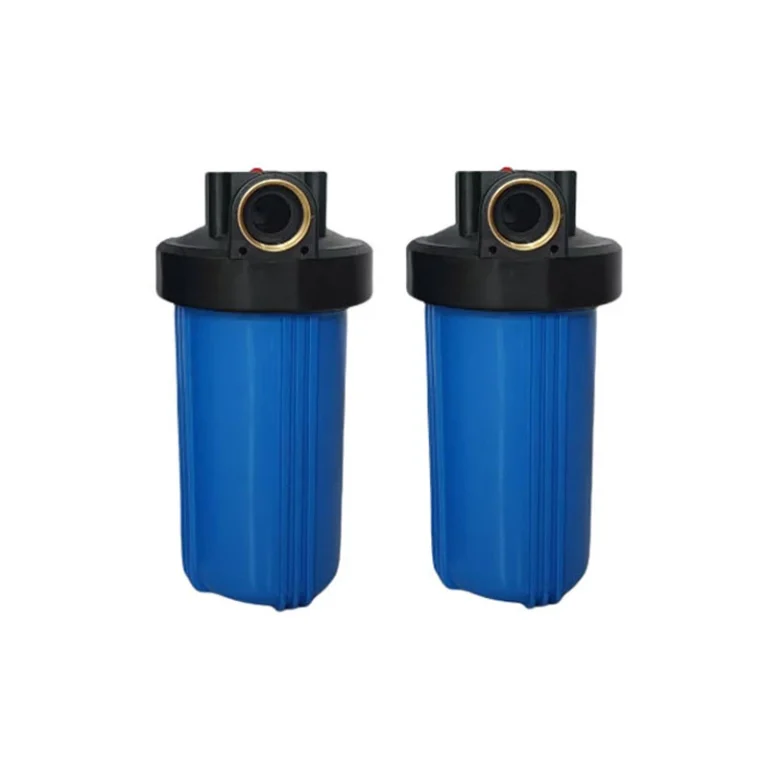
Whole House Sediment Water Filter Housing Blue Color – Fit for 4.5″ x 10″ Filters – NPT Brass Port 1″ 1.5” Inlet/Outlet (BB-10B)
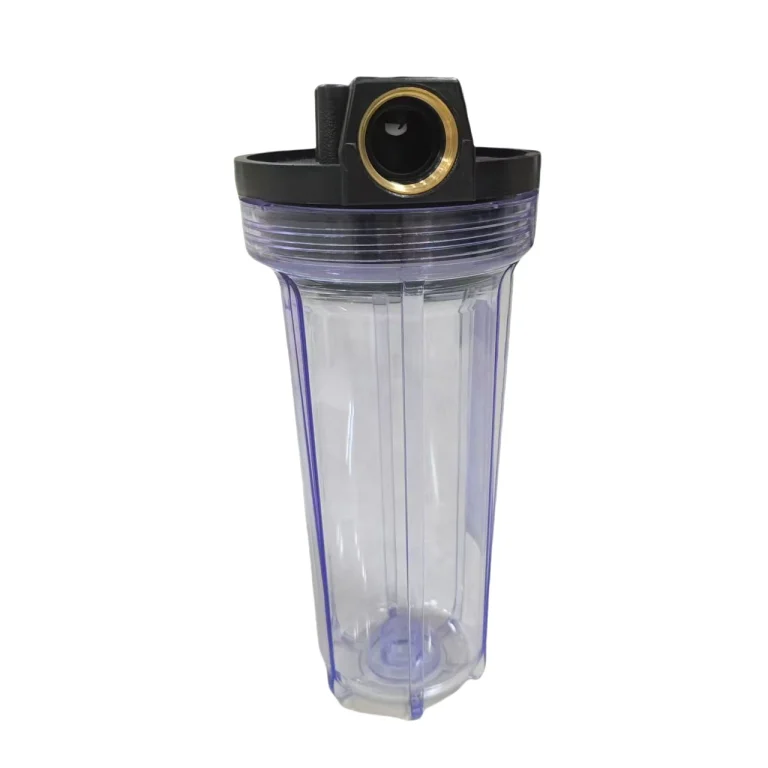
Water Filter Clear Housing – Transparent Inspection and Durable Filtration Solution
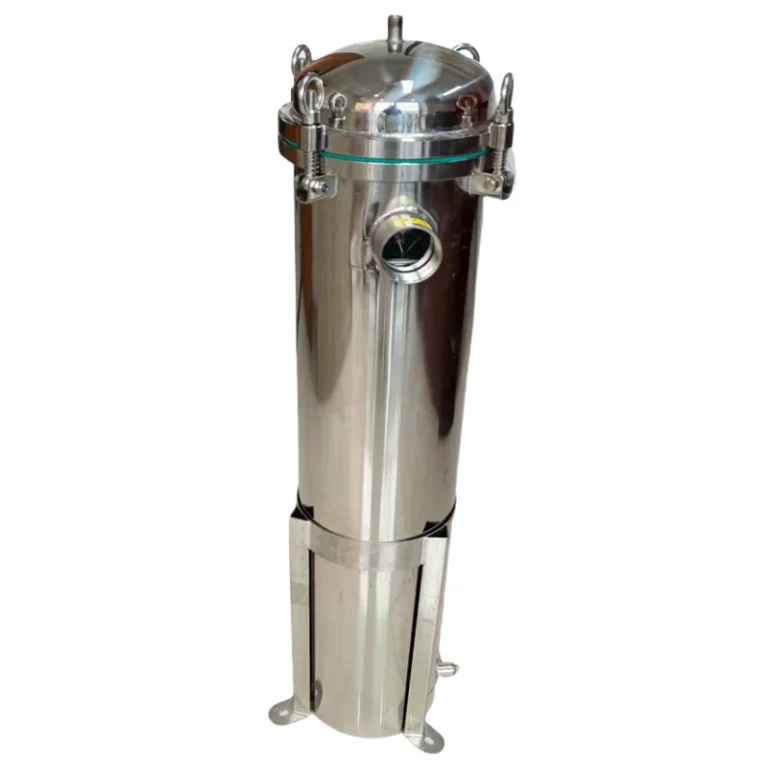
Industrial Bag Filter Housings | Precision Filters Supplier – Basidewt