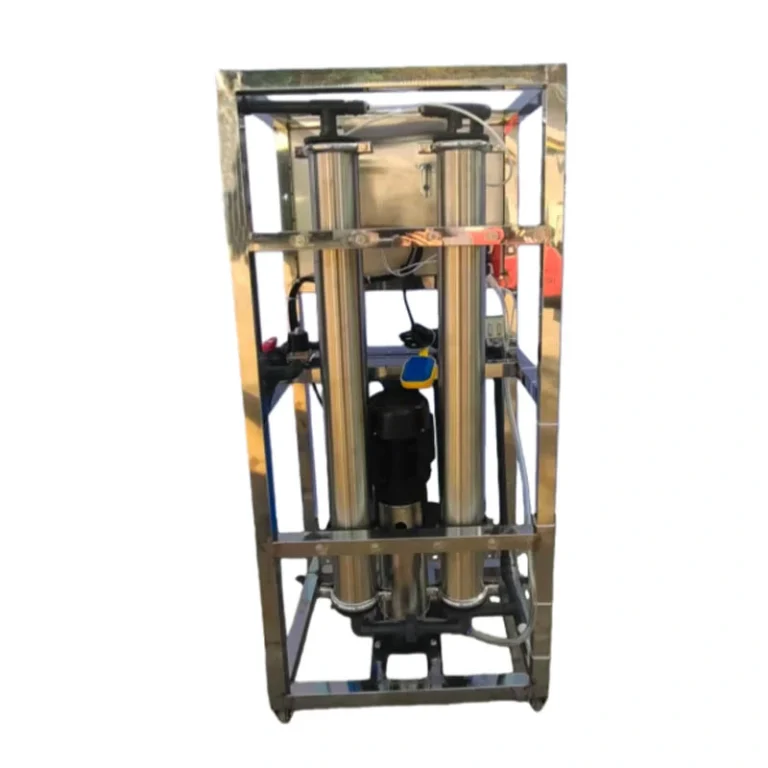
BasideWT- Whole Home Water Filtration System & Replacement


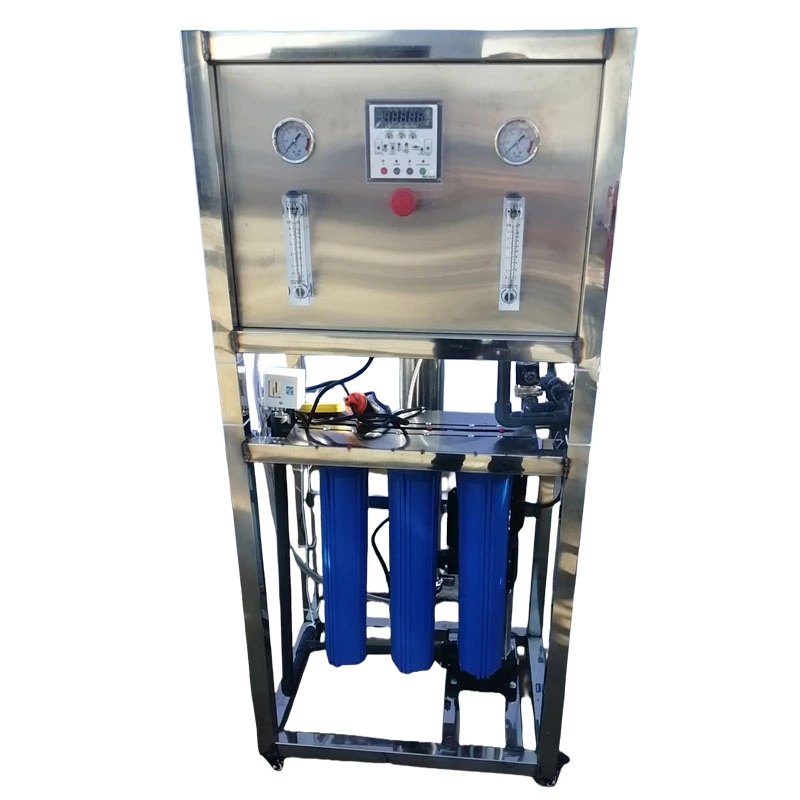
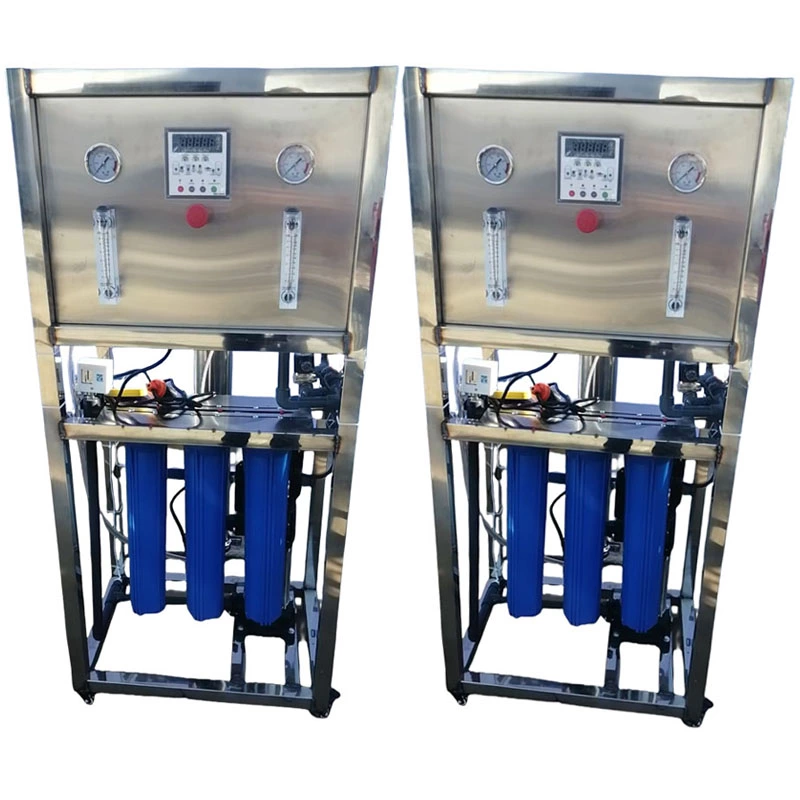
Mini Commercial RO System 250L/H | Chinese Manufacturer BasideWT
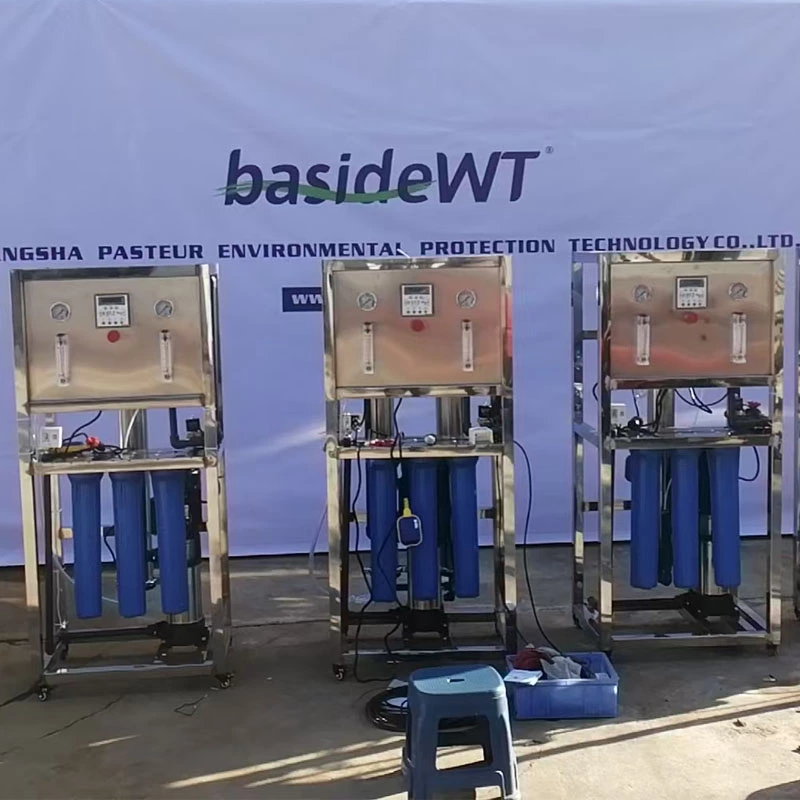
PRODUCT PARAMETERS
For commercial operation it is vital to always provide businesses a constant supply of mounted, high-purity water. These durable systems are built to last and make your business, restaurant or hospitality successful so from the time you start your new Commercial RO system, there will be no compromise regarding the water quality.
Product Overview
Our commercial reverse osmosis system is a complete water purification solution designed to remove up to more than 99% of all contaminants, including dissolved solids, bacteria, and viruses, heavy metals. It is perfect for a wide variety of applications such as food or beverage processing and water filtration systems used in commercial operations. BasideWT believes in designing for advanced filtration and unmatched efficiency which speaks for a return on investment.
How Commercial RO Systems Improve Water Quality
A commercial RO system is designed to deliver consistent and high-quality purified water for demanding applications. These commercial RO water systems remove dissolved solids, bacteria, and heavy metals efficiently, making them ideal for industrial and commercial use. A commercial RO water filter system also improves taste, reduces scaling, and protects downstream equipment. Businesses that rely on commercial RO systems benefit from stable performance, reduced maintenance costs, and long-term reliability.
Key Features and Benefits
Advanced Composite Membrane: Promotes higher rejection performance, providing you with high-purity water day in and day out for your end products.
Automatic Control & Monitoring: Easy to operate with live monitoring of diagnostics by cutting down on the need for costly personnel and human error.
Reverse Osmosis System
Why BasideWT Commercial Ro system?
Selecting BasideWT means you’re investing in dependability backed by a solid baseline. Our systems are fabricated under controlled ISO-certified quality conditions. Focused on water treatment since 2005, we not only offer regular models but also collaborate with you to create a commercial RO system designed according to your site condition and water test report.
This partnership allows us to create a bespoke commercial RO system that is precisely designed according to your unique site conditions and comprehensive water test report.So when you invest in our water solution, it also means you are investing in an integrated approach to make the most of your equipment with higher productivity and less time on getting things done – many times over.
Applications and Use Cases
The commercial reverse osmosis system can function in a variety of industries.
Hospitality & Food Service: Strengthens product quality with crystal-clear water for brewing coffee, ice and cooking.
Healthcare & Laboratories: Provides ultra-pure water that is necessary in dialysis, sterilization and testing.
Manufacturing/Industrial: Process water for boiler feed (including the creation of industrial steam), chemical production processes, product rinsing to prevent scale and spotting.
How to install Commercial RO System
- Mount the RO Skid: Position the main RO unit securely, using anchors if provided, to prevent vibration during operation.
- Install Pre-Filtration: Connect water filter housing with sediment or carbon filters before the RO unit. This protects the delicate RO membranes from chlorine, particulates, and organic matter. Use bypass valves for future maintenance.
- Connect Feed Water Line: Tap into the main cold water supply line using an appropriate saddle or T-fitting. Install a shut-off valve and a feed water solenoid valve as per the P&ID.
- Connect the Drain Line: Install the drain saddle securely onto the designated drain pipe. Connect the RO system’s concentrate (reject) water line to this drain. Ensure there is an air gap to prevent back-siphoning.
- Plumb the Product Water (Permeate) Line: Connect an RO product water line from the RO system to the clean water storage tank. Fit a shut-off valve and level control valve for the tank, where necessary.
Replacement
Ro Water System Replacement Parts
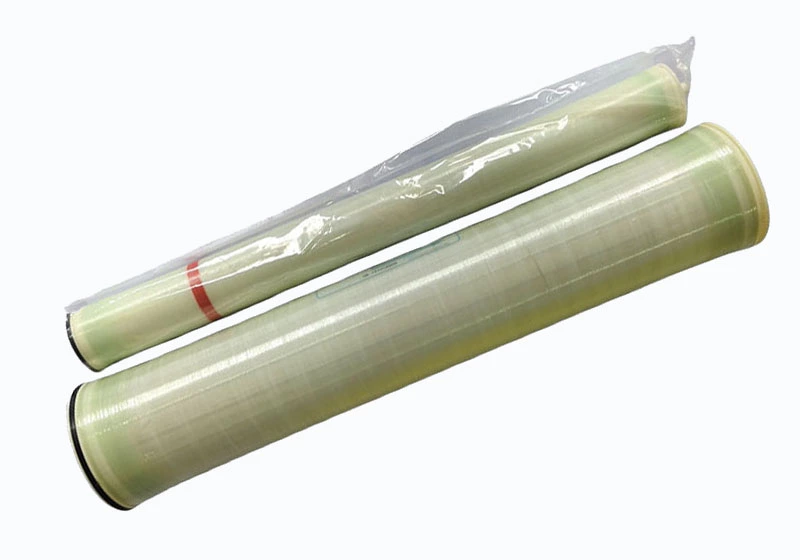
RO Membrane
Reverse Osmosis (RO) Membranes are advanced filtration elements designed to remove a wide range of dissolved impurities from water by applying pressure to force water molecules through a semi-permeable membrane. These membranes are critical components in RO systems, delivering high-purity water for residential, commercial, and industrial applications.
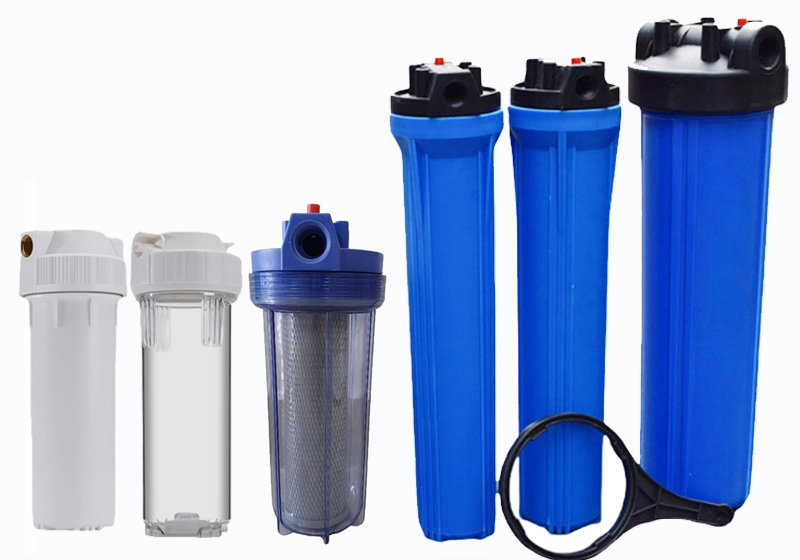
Water Filter Housings
BasideWT water filter housings are durable, high-performance enclosures designed to hold filter cartridges securely and ensure efficient water purification across various applications. Engineered with precision and corrosion-resistant materials, these housings provide reliable protection for the filtration media while maintaining consistent flow and pressure throughout the system.
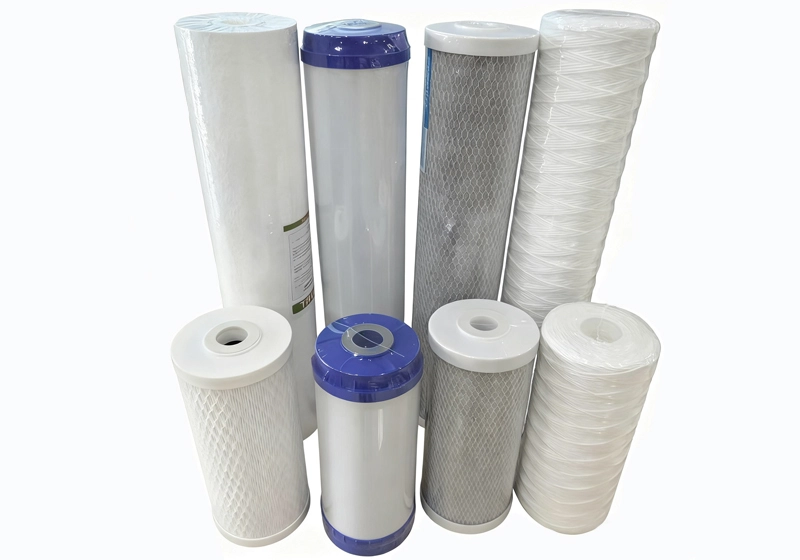
Water Filter Cartridge
BasideWT water filter cartridges are the core components of water filtration systems, responsible for removing suspended solids, chlorine, odors, organic matter, and other contaminants from water. Engineered with precision and made from high-quality filtration media, these cartridges ensure clean, safe, and great-tasting water for residential, commercial, and industrial applications.
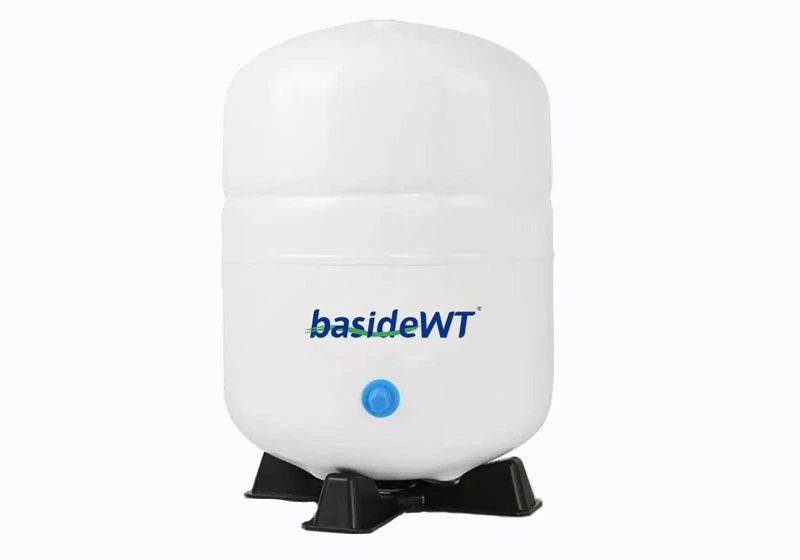
Ro Water Storage Sank
An RO Water Storage Tank is a pressurized vessel that stores the purified water produced by your Reverse Osmosis system. It ensures you have instant access to a ready reserve of clean water whenever you need it, without having to wait for the RO membrane to produce it on the spot.
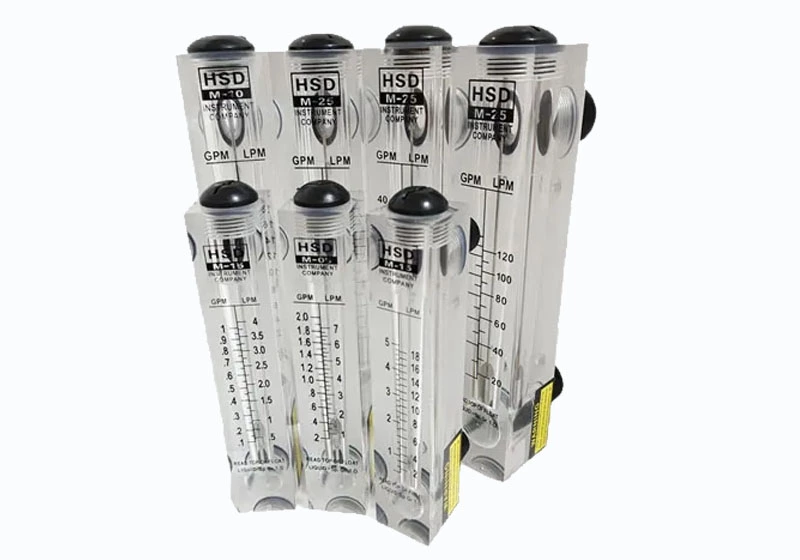
Water Flow Meter
A Panel Flow Meter is an industrial-grade instrument designed for direct mounting onto control panels and dashboards, providing operators with real-time, at-a-glance monitoring of liquid flow rates.
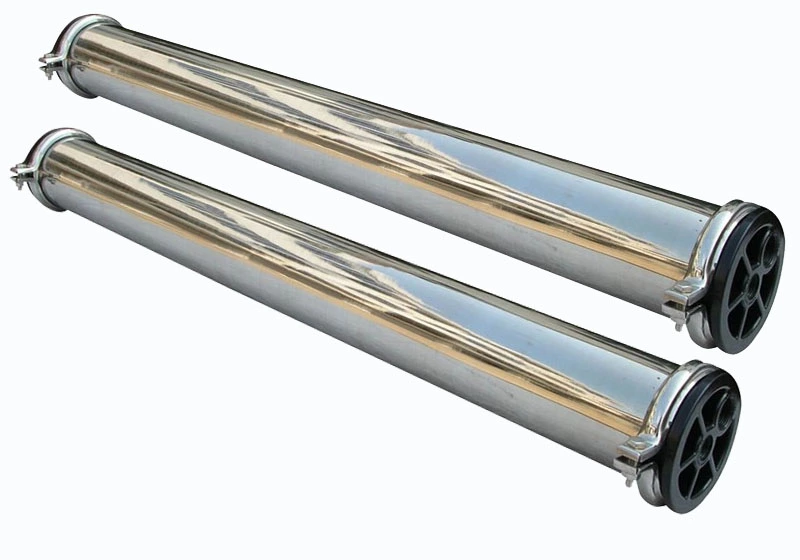
RO Membrane Housing
A Stainless Steel RO Membrane Housing is a cylindrical vessel that encases spiral-wound RO membrane elements. It is constructed from high-grade stainless steel to withstand the intense operational pressures required for reverse osmosis desalination and purification.
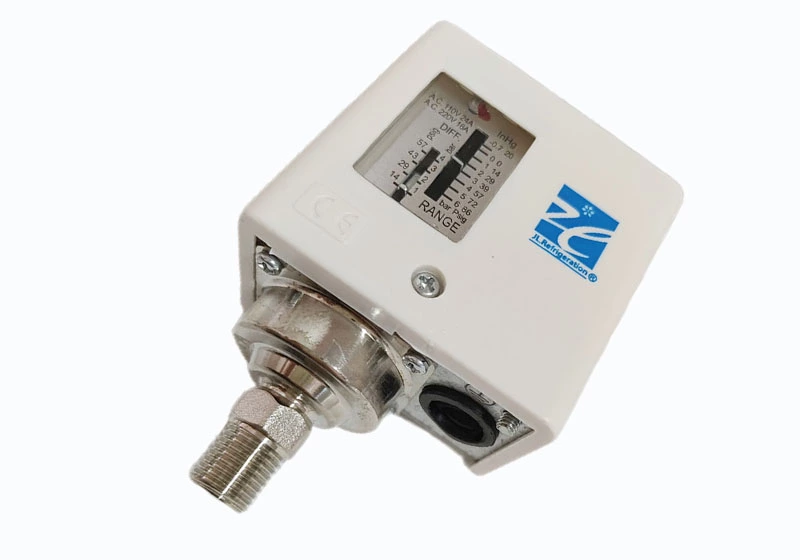
Automatic Water Pump Switch
A pressure switch automatically turns a water pump ON/OFF based on predefined pressure settings. When pressure drops (due to water demand), it activates the pump; when pressure reaches the cutoff point, it shuts off the pump.
Frequently Asked Questions
How Long does a Commercial RO System Last?
With adequate pre-treatment and maintenance the main elements such as the fiberglass pressure vessels have a service life exceeding 10 years, and RO membrane that is replaced every 2-5 years.
How do I know what size is right for my business?
Size it according to your “peak water demand” (in gallons per day) and the quality of your feed water. We provide a free water testing and water usage evaluation to help you select the right size.
Is this compatible with high-chlorine city water?
Yes, the RO membrane is sensitive to the chlorine; however, our built in pretreatment stage with carbon filters are designed to take out the chlorine and protect the membrane.
Does an RO System Remove Fluoride?
Yes, absolutely. A standard RO system can remove 85-92% of fluoride from water.
- How it works: The fluoride ion is larger than the pores of the RO membrane. As water is forced through this semi-permeable membrane, the vast majority of fluoride molecules are physically blocked and flushed away with the wastewater.
Does an RO System Remove Lead?
Yes, exceptionally well. An RO system is one of the most effective residential methods for lead removal, typically eliminating 94-99% of lead.
- How it works: Similar to fluoride, lead molecules and ions are too large to pass through the tiny pores of the RO membrane. They are effectively filtered out, providing a crucial barrier against this toxic heavy metal.
FAQs
How do I know which system is right for my home?
How to Measure Your Home’s Water Flow Rate?
How do I troubleshoot low water pressure from my system?

What contaminants does your water treatment system remove?
What’s the difference between UV, RO, and activated carbon filtration?
REQUEST A QUOTE
RELATED PRODUCTS
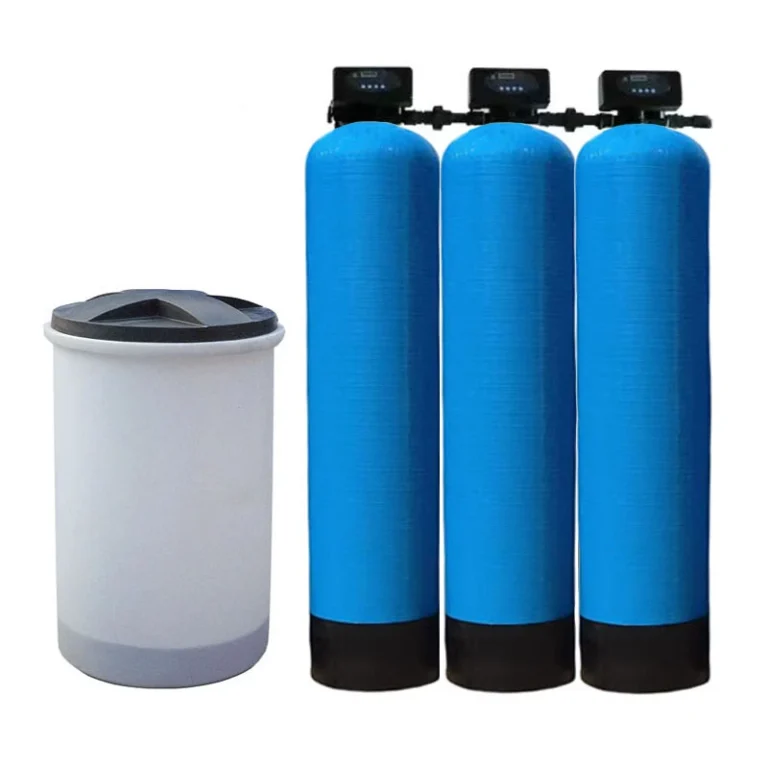
Whole House Triple Purpose Pre-Filter Ion Exchange Automatic Water Softener System for Hard Water
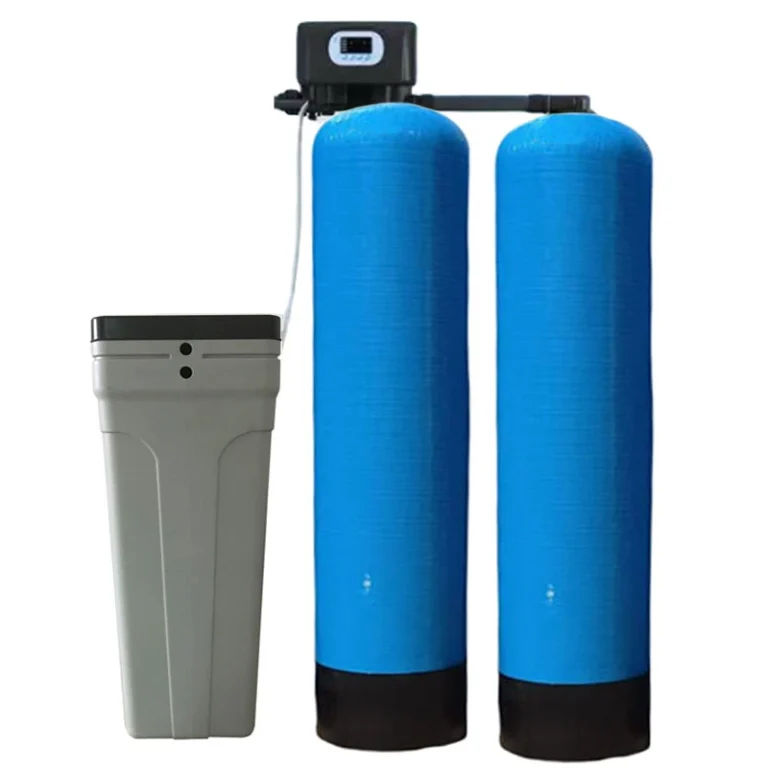
Dual-Tank Continuous Water Softening System: The Ultimate Iron Filter Solution for Well Water
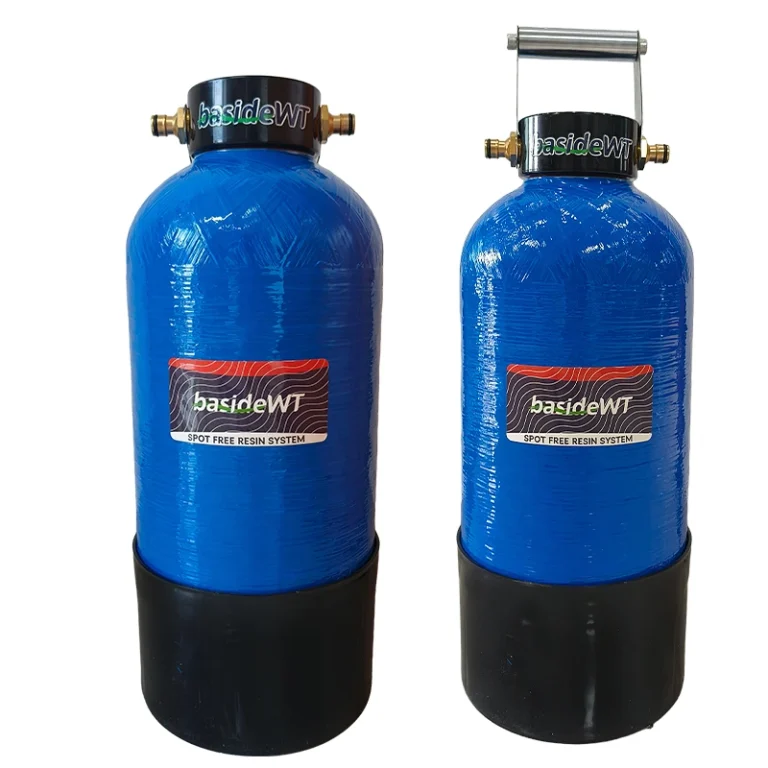
Custom Deionized Water Cleaning System with Blue Filter Tank for car Wash and window cleaning
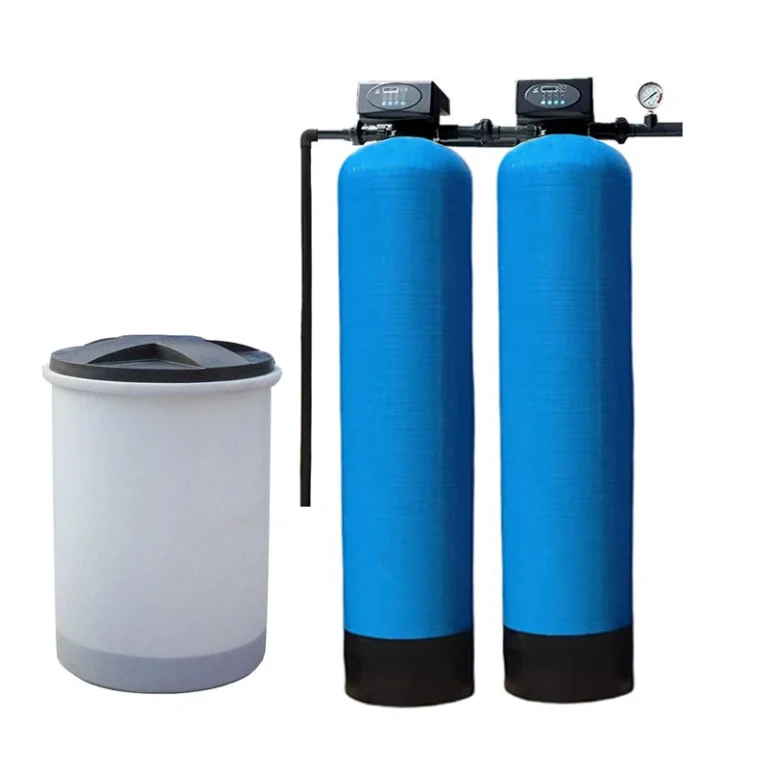
Best Automatic Water Softener system home for Hard Water Purification & Treatment Solutions
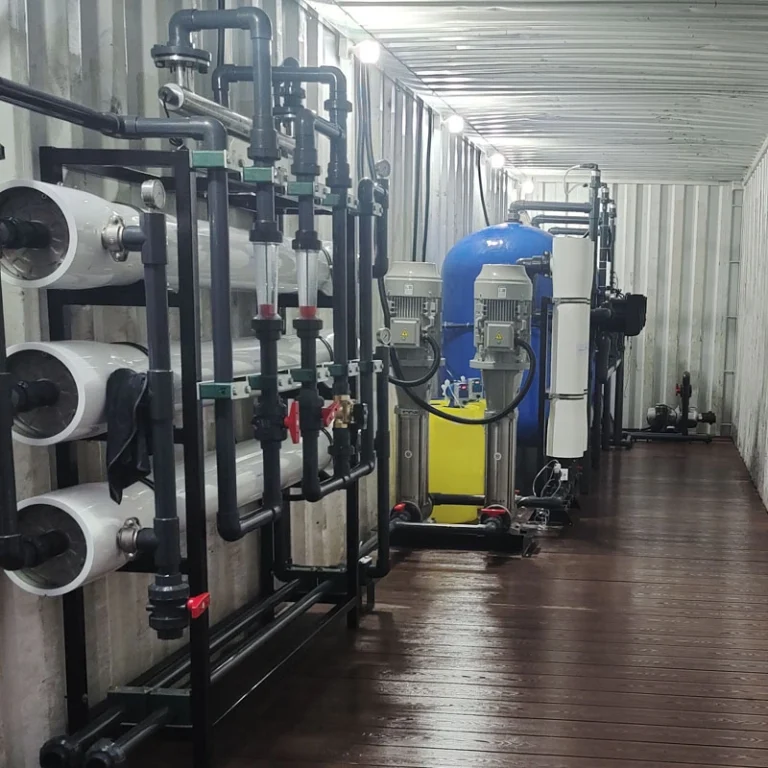
BasideWT Water Softener and Reverse Osmosis System For Commercial Water Treatment