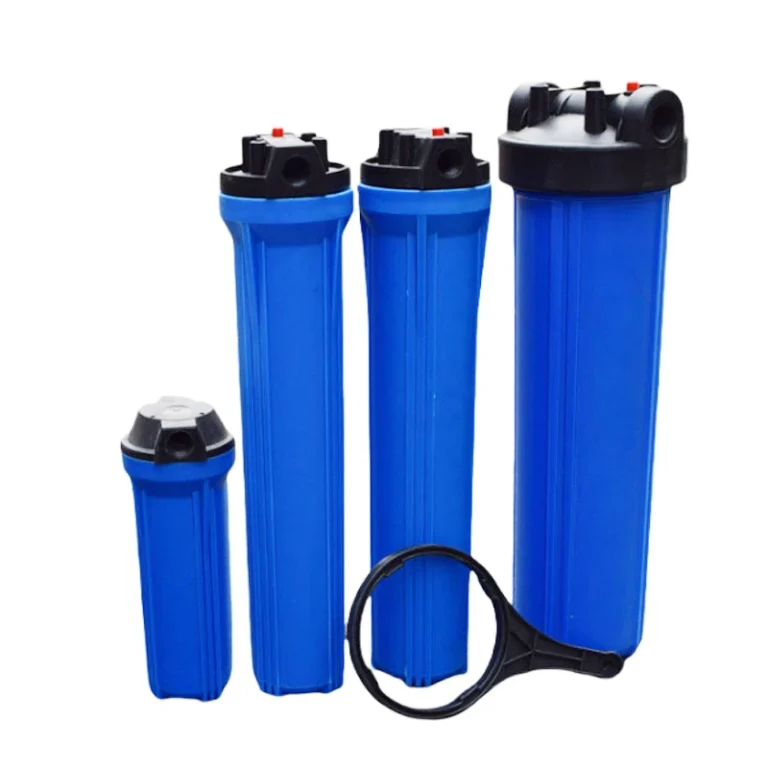
BasideWT- Whole Home Water Filtration System & Replacement


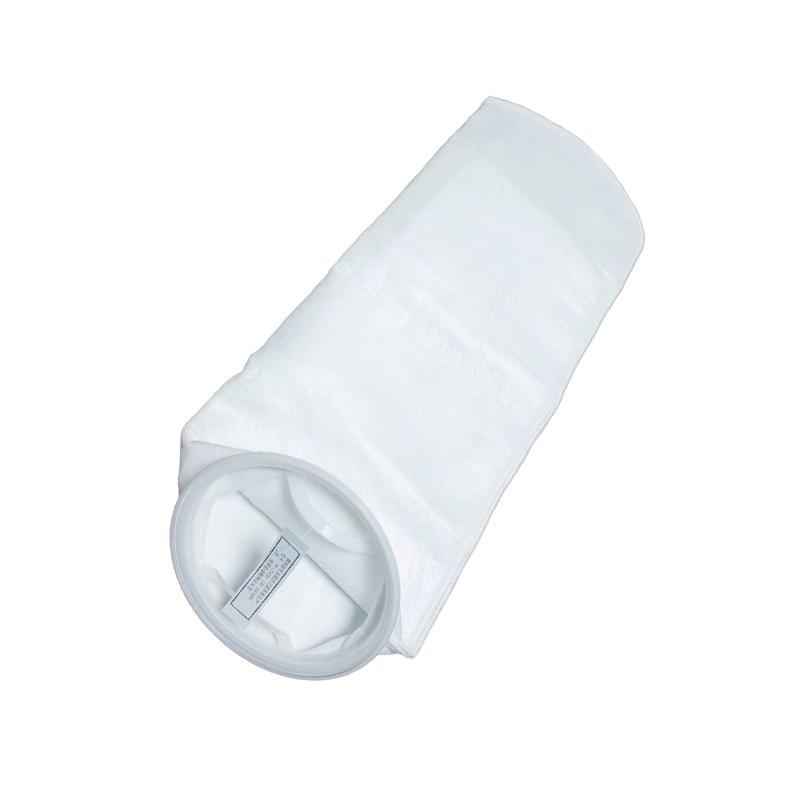
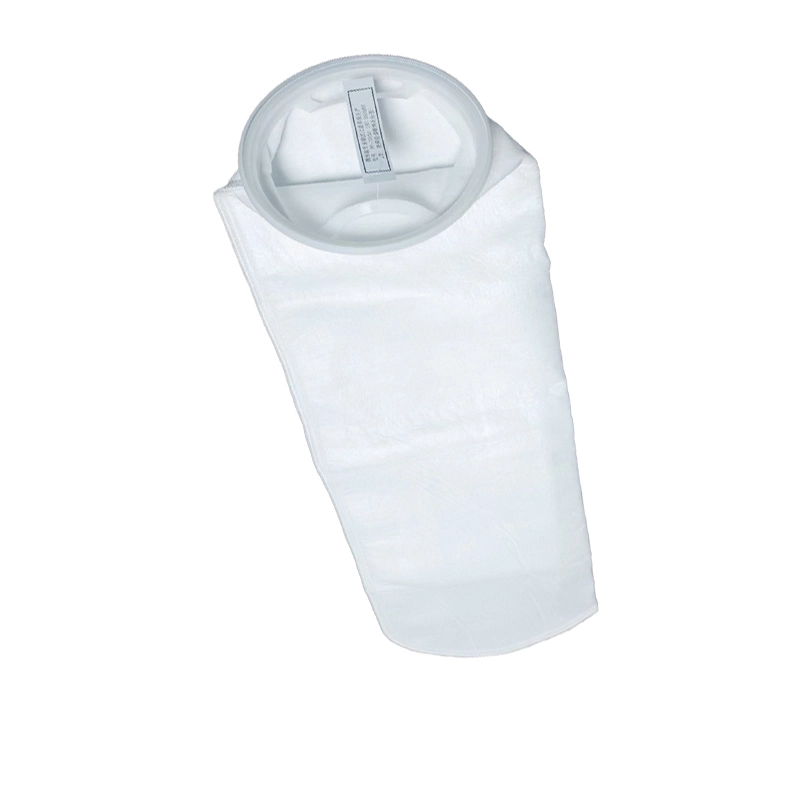
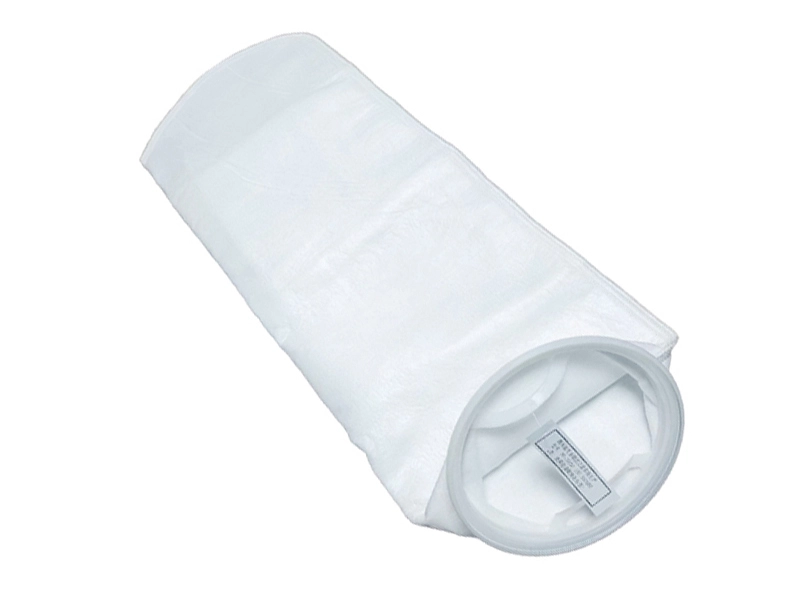
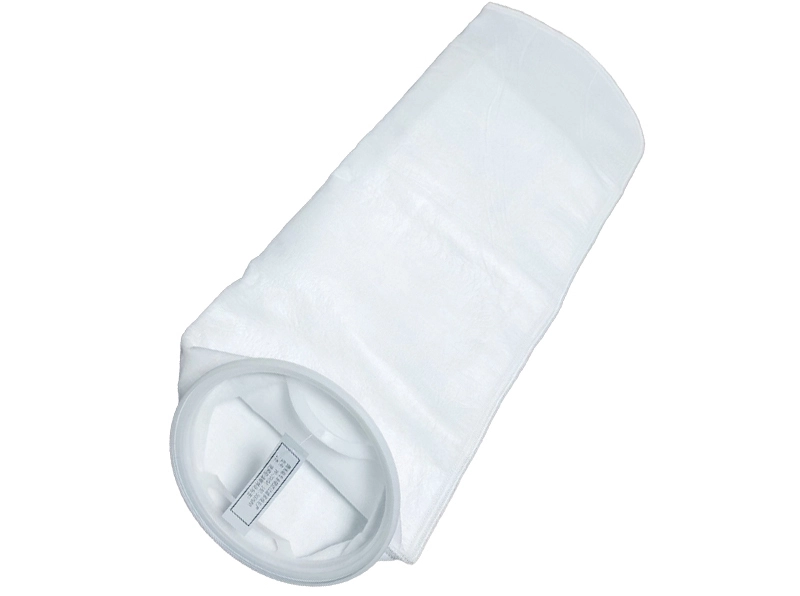
#2 Size 5 Micron Industrial Liquid Filter Bags, Polyester Felt, Polypropylene Ring
PRODUCT PARAMETERS
Industrial Liquid Filter Bags play an essential role in purifying liquids in process filtration systems. Specifically, they capture contaminants within their specialized fabric as fluid passes through. The system houses the bag in a compatible vessel, where dirty liquid enters, flows through the bag wall, and clean media exits. Once saturated, the bag is simply replaced. These versatile industrial liquid filter bags come in various micron ratings, materials, and, crucially, standardized sizes.
Why Industrial Liquid Filter Bags Are Essential for Process Filtration
Industrial liquid filter bags play a vital role in maintaining consistent fluid quality across demanding applications. In particular, whether used as industrial grade liquid bag filter housing systems or integrated into industrial & multilayered liquid filter bags, they ensure efficient particle removal with high dirt-holding capacity. Therefore, these water filter bags are designed for heavy-duty operations where reliability and continuous flow are critical. Moreover, compared to traditional filtration methods, they offer faster replacement, lower maintenance, and improved process stability in industrial environments. As a result, they are widely preferred in modern industrial filtration systems where performance and efficiency matter most.
#2 Size Specifications and Industry Standardization
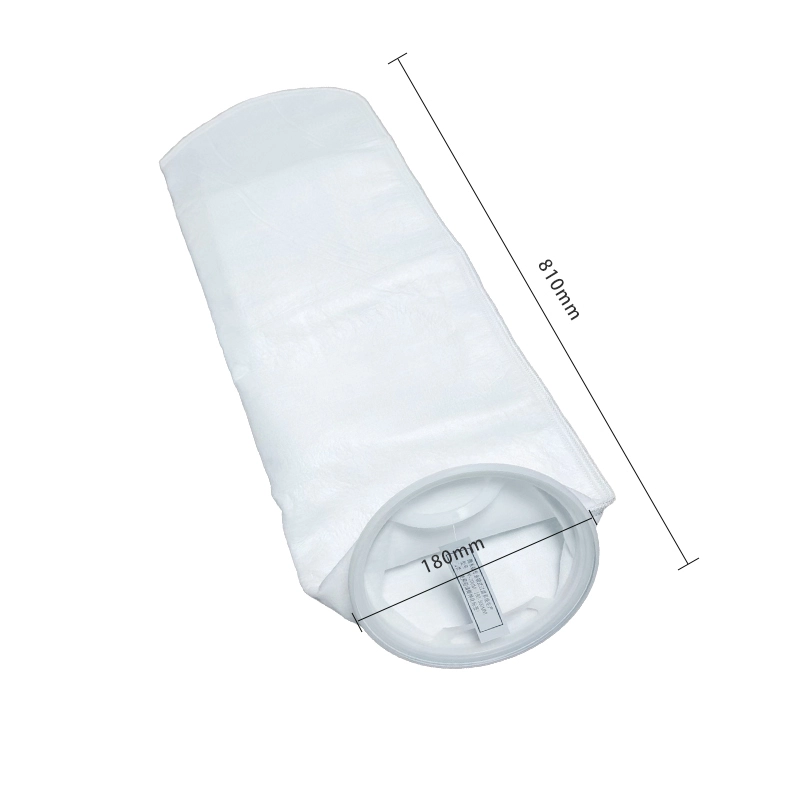
The #2 size is a universal industry standard used across whole house filtration systems, ensuring compatibility across different manufacturers’ housings. Therefore, a #2 bag always fits a #2 housing.
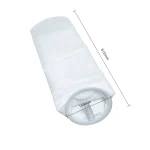
- Dimensions: 7-1/16″ diameter x 32″ length.
- Surface Area: Provides 4.4 square feet for effective filtration and extended service life.
Industrial Filtration Products Manufacturer in Changsha
Selecting the right filtration media directly affects system performance and operating costs. BasideWT manufactures industrial liquid filter bags in Changsha, Hunan, using quality polypropylene felt designed for reliable particle retention and long service life. These high-capacity filter bags support industrial water treatment, chemical processing, food production, and wastewater filtration applications where consistent filtration results are required.
Focusing on 5-Micron Filtration Performance
A 5-micron rating is ideal for fine particulate removal. To visualize, a micron is one-millionth of a meter. This rating denotes the size of pores in the filter bag material, trapping particles as small as 5 microns. Interestingly, while these bags are excellent for clarity, finer micron ratings may still require more frequent replacement depending on the contaminant load.
Filter Bags Material Construction: Polypropylene Felt & Ring
Specific to this product, the material choice is key.
- Bag Media: Glazed Polypropylene Felt, commonly used in filter bag systems for industrial and commercial applications. This material offers excellent chemical compatibility for many applications and a maximum temperature tolerance of 275°F (135°C).
- Support Ring: Polypropylene. This creates a stable, corrosion-resistant seal at the bag’s opening.
5 Micron Liquid Filtration Solutions for Water Treatment Systems
For facilities that require dependable fine-particle removal, 5 micron industrial liquid filter bags provide an effective balance between filtration efficiency and flow performance. Commonly installed in bag filter housing systems, these liquid filtration bags help reduce suspended solids, protect downstream equipment, and improve overall process stability. Their durable construction makes them suitable for continuous operation in commercial and industrial water treatment environments.
Industrial Liquid Filter Bags Key Design Features and Bulk Ordering
What sets these industrial liquid filter bags apart? Let’s examine their construction and availability.
- Welded Seam vs. Sewn Seam: This filter bag utilizes two robust seam construction methods to ensure maximum integrity:
- Stitched Seam Construction: These bags are reinforced with a heavy-duty 5-thread stitching system, delivering reliable performance and durability under demanding conditions.
- Welded Seam Construction: This advanced method eliminates needle holes, prevents potential bypass, and guarantees consistent filtration integrity throughout the bag.
- Ordering Flexibility: Available in bulk quantities of 20,50, 100, 250, 500, and 1000 bag filters. This scale caters to both maintenance needs and high-volume operational demands.
Applications and Benefits of Using Standard Filter Bags
From protecting sensitive equipment to ensuring product purity, the benefits are clear. These industrial liquid filter bags are used in coolants, coatings, food and beverage, and chemical processing, often integrated with advanced filter housing systems. Their standardized design guarantees easy sourcing and replacement. Ultimately, by ensuring consistent fluid cleanliness, they reduce downtime and protect valuable capital equipment.
FAQs
How do I know which system is right for my home?
How to Measure Your Home’s Water Flow Rate?
How do I troubleshoot low water pressure from my system?

What contaminants does your water treatment system remove?
What’s the difference between UV, RO, and activated carbon filtration?
REQUEST A QUOTE
RELATED PRODUCTS
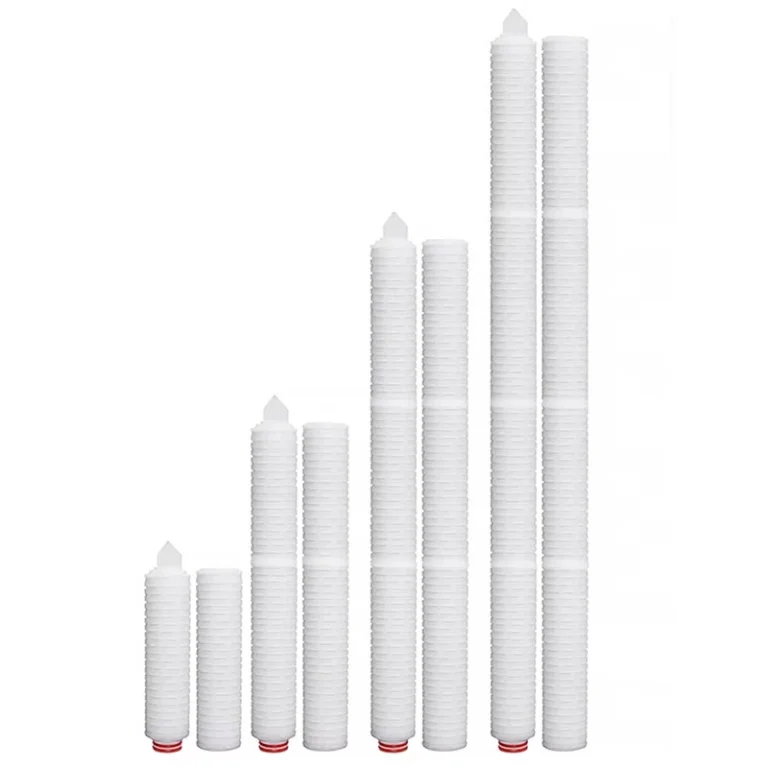
10” 20” 30” 40” PP Pleated Water Filter Cartridge 20 Micron 0.2 Micron 0.5 Micron Cartridge Filter For Ro Plant
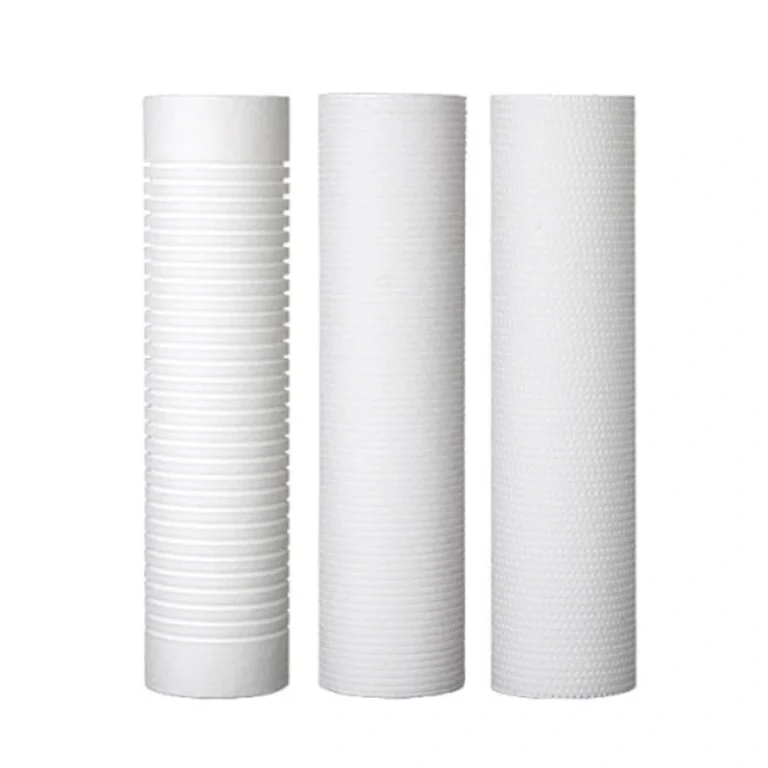
BasideWT 5 Micron 10″x2.5″ Multi-Layer PP Universal Sediment Water Filter Cartridge
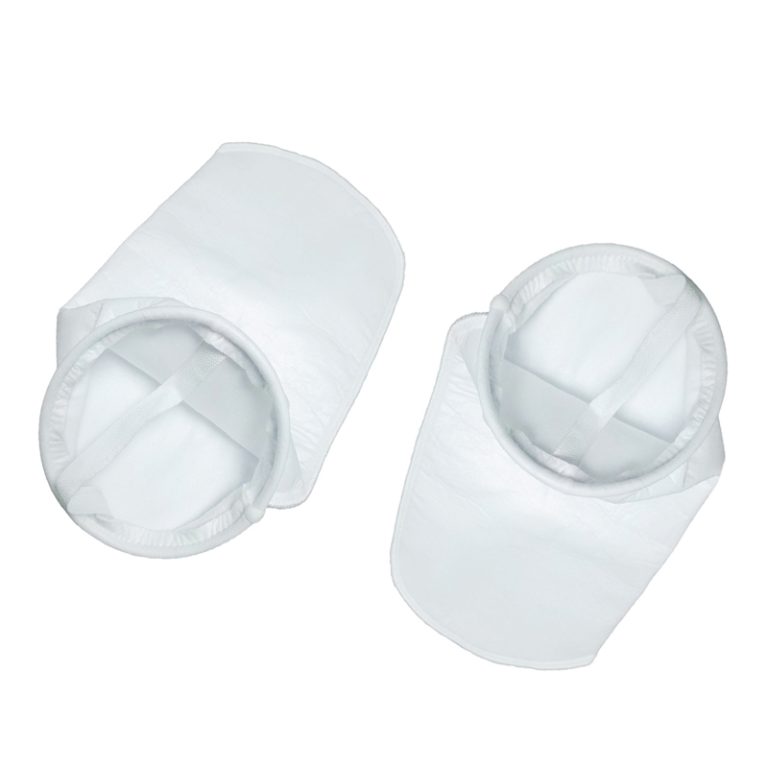
Aquarium Filter Socks – 200 Micron, 4″ x 14″ & 7″ x 17.7″ – Heavy Duty, Reef Tank & Pond Use
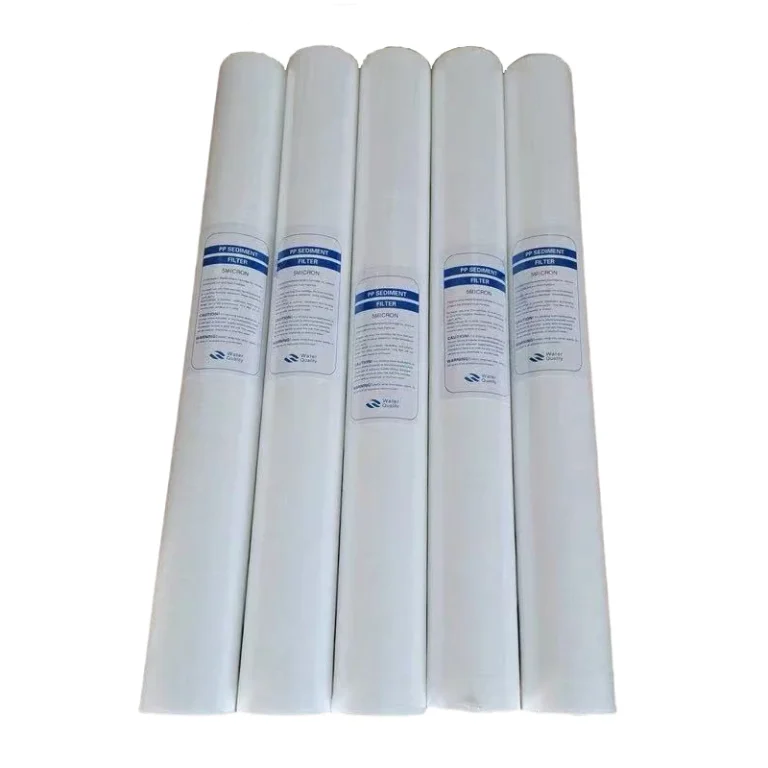
BasideWT Factory Price 20 in. x 2.5 in. Water Filter Replacement Cartridges Whole House Pre Filter
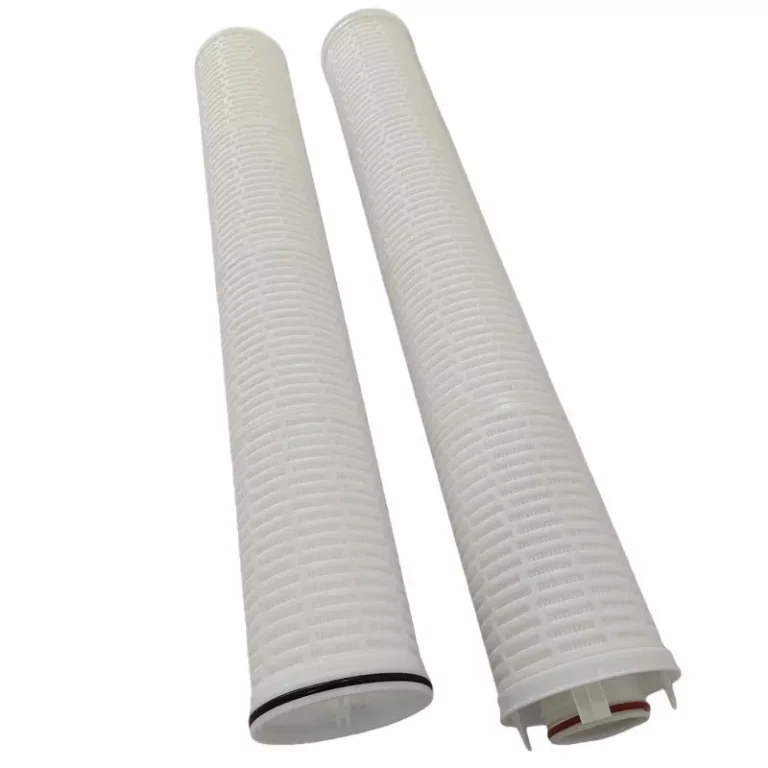
High Flow Filter Cartridge | BasideWT