BasideWT- Whole Home Water Filtration System & Replacement


Water Filtration System for Well Water: A Complete Guide for Safe and Clean Living
In many parts of China, especially rural and semi-urban areas, well water is a common source for daily use. While it may look clean, well water often contains hidden impurities like bacteria, heavy metals, and sediments. This can affect not only your health but also your home appliances.
That’s where a water filtration system for well water becomes essential. With the right setup, you can turn untreated water into a safe, reliable source for drinking, cooking, and everyday use. In this guide, you’ll learn how these systems work, what options are available, and how to choose the best solution for your home.
Why Well Water Needs Proper Filtration
Well water is not treated like municipal water, and according to global health standards for safe drinking water guidelines, untreated sources may contain harmful contaminants. It comes directly from underground sources, which means it can carry:
- Sediment (sand, rust, dirt)
- Bacteria and microorganisms
- Iron and manganese
- Hard minerals (calcium, magnesium)
A proper filtration system for well water helps remove these contaminants and ensures consistent water quality.
Types of Water Filtration Systems for Wells
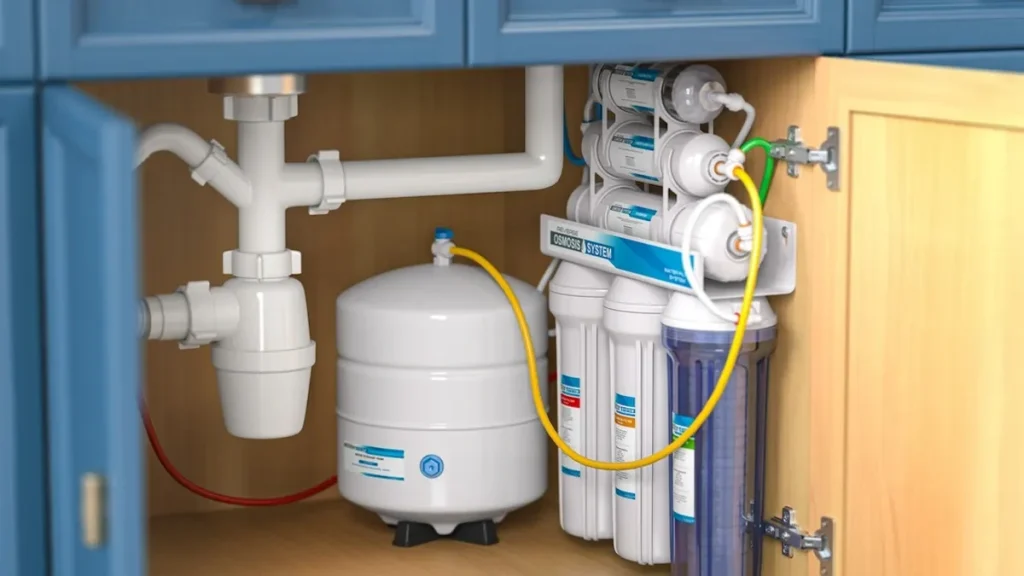
1. Whole House Filtration Systems
A whole house system filters water at the point it enters your home. This means every tap delivers cleaner water.
Best for:
- Large households
- Protecting appliances
- Full-home coverage
This type of whole house water filtration system for well water is ideal if you want complete protection without installing multiple filters.
2. Under Sink Systems
These systems are installed under the kitchen sink and are mainly used for drinking and cooking water.
They are cost-effective but only filter water from one tap. If you need purified water for the entire home, this may not be enough.
3. Reverse Osmosis Systems
An RO system is one of the most advanced filtration technologies. It removes very fine contaminants, including dissolved salts and heavy metals.
Best for:
- Drinking water
- Areas with high contamination
- Improving taste and odor
Whole House vs Under Sink Water Filter
Choosing between these two depends on your needs.
| Feature | Whole House System | Under Sink Filter |
|---|---|---|
| Coverage | Entire home | Single tap |
| Cost | Higher upfront | Lower cost |
| Installation | More complex | Easy |
| Maintenance | Moderate | Low |
If your goal is complete safety and convenience, a whole house vs under sink water filter comparison clearly shows that whole house systems offer broader protection.
Key Components of a Good Filtration System
1. Sediment Filter
Removes dirt, sand, and rust particles.
2. Activated Carbon Filter
Improves taste and removes chlorine and odors.
3. Filter Cartridges
A high-quality water filter cartridge is essential for long-term performance. It determines how effectively contaminants are removed.
How to Choose the Best System for Your Home
When selecting the best water filtration system for home, consider the following:
Water Quality Test
Always test your well water first. This helps identify what contaminants need to be removed.
Household Size
Larger families need systems with higher capacity and flow rate.
Maintenance Requirements
Choose a system that is easy to maintain and has easily replaceable parts.
Budget
Balance between upfront cost and long-term savings. A slightly higher investment often means better performance and durability.
Benefits of Installing a Filtration System
- Safe and clean drinking water
- Better taste and smell
- Protection for plumbing and appliances
- Reduced health risks
- Long-term cost savings
A reliable water filtration system ensures peace of mind for you and your family.
Installation and Maintenance Tips
- Install the system at the main water entry point for full coverage
- Replace filters regularly (every 3–6 months depending on usage)
- Check pressure levels to ensure proper performance
- Schedule periodic inspections
Proper maintenance ensures your system works efficiently for years.
Common Mistakes to Avoid
- Skipping water testing
- Choosing cheap, low-quality filters
- Ignoring maintenance schedules
- Installing the wrong system type
Avoiding these mistakes can save money and improve overall water quality.
Conclusion
A well water source can be reliable, but only if it is properly treated. Investing in the right water filtration system for well water ensures your water is safe, clean, and suitable for everyday use.
Whether you choose a whole house solution or a smaller setup, the key is understanding your needs and selecting the right components. With proper installation and maintenance, you can enjoy high-quality water and protect your home for years to come.
FAQs
What is the best water filtration system for well water?
The best system depends on your water quality. In most cases, a whole house filtration system combined with an RO system provides the most effective solution for removing contaminants.
Do I really need a filtration system for well water?
Yes, well water is not treated and may contain bacteria, iron, and sediments. A filtration system ensures safe and clean water for daily use.
What is the difference between whole house and under sink filters?
A whole house system filters water for the entire home, while an under sink filter works only for a single tap, usually in the kitchen.
How often should I replace water filter cartridges?
Most water filter cartridges should be replaced every 3 to 6 months, depending on usage and water quality.
Is a reverse osmosis system necessary for well water?
Not always, but it is highly recommended if your well water contains heavy metals or high levels of dissolved solids.
RELATED POSTS
Water Filter System Buying Guide: What Should You Look For?
Whole House Water Softener Cost
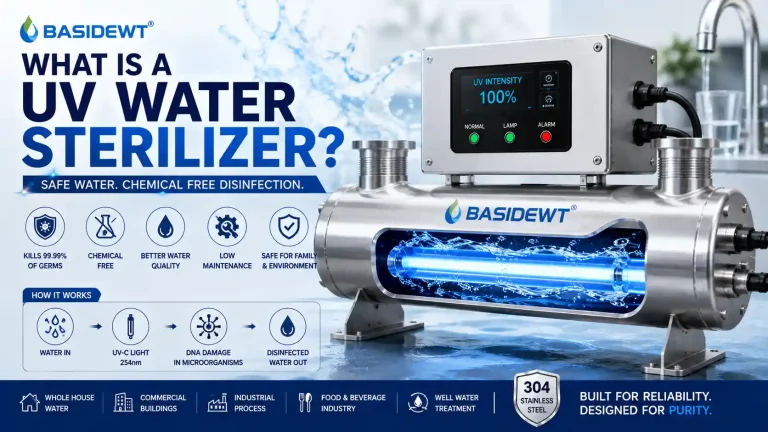
What Is a UV Water Sterilizer? Complete Beginner’s Guide

Spot Free Rinse vs Hand Drying: Which One Actually Protects Your Finish?
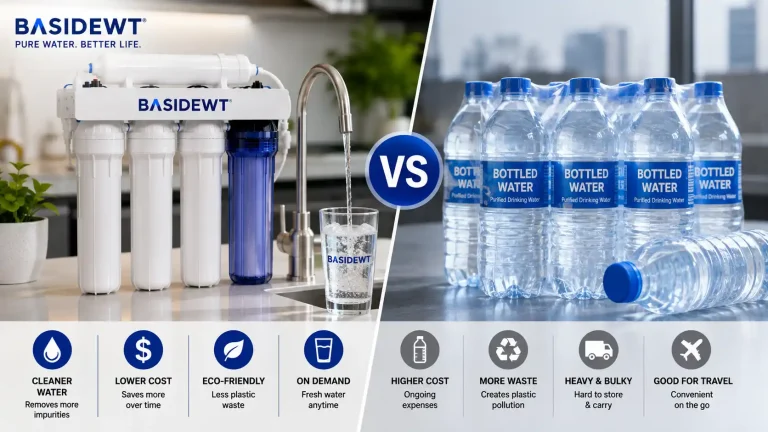
Water Filter System vs Bottled Water: Which Is Better?