BasideWT- Whole Home Water Filtration System & Replacement


RO Water System vs Water Filter: What’s the Difference?
Choosing the right water treatment solution can feel confusing, especially when so many options claim to deliver “pure” water. The debate over RO Water System vs Water Filter comes up constantly among homeowners, commercial buyers, and even industrial operators. Both promise cleaner water, but they work in very different ways and solve different problems.
In this guide, you will learn exactly how each system works, what contaminants they remove, where each one performs best, and how to decide which solution fits your needs. By the end, you will understand the real difference between a Reverse Osmosis System and a standard Water Filter, not just the marketing claims.
What Is an RO Water System?
An RO Water System, short for Reverse Osmosis System, is a multi-stage purification unit that forces water through a semi-permeable membrane. This membrane blocks dissolved solids, heavy metals, and microscopic contaminants that most filters cannot catch.
Because of this, Reverse Osmosis Water is often considered one of the purest forms of drinking water available for home or commercial use. Most systems include several pre-filters and a post-filter alongside the RO membrane itself.
If you want a deeper technical breakdown, our complete guide to RO Water Systems covers every type, benefit, and installation detail in one place.
What Is a Standard Water Filter?
A standard Water Filter, on the other hand, uses physical or chemical filtration to remove larger particles, chlorine, and odors. It does not use pressure-driven membrane separation like an RO Water System does.
Common types include carbon filters, sediment filters, and whole house filtration units. These systems are simpler, generally faster, and often more affordable upfront.
However, a basic Water Filtration System typically cannot remove dissolved salts, heavy metals, or many microscopic contaminants. This is the core reason the RO Water System vs Water Filter comparison matters so much for anyone serious about water quality.
How Both Systems Work
Understanding the mechanics helps clarify why these two systems perform so differently.
How an RO Water System Works
Water first passes through a sediment filter, then a carbon filter, before reaching the RO membrane. The membrane has microscopic pores that allow only water molecules through, while contaminants get flushed away as wastewater.
Our step-by-step breakdown of how an RO Water System works explains each stage in more detail if you want the full process.
How a Standard Water Filter Works
A Water Filter typically relies on activated carbon, physical mesh, or resin media. Water flows through this media, and larger particles or chemicals get trapped or absorbed. There is no membrane separation involved, so the process is faster but less thorough.
RO Water System vs Water Filter: Side-by-Side Comparison
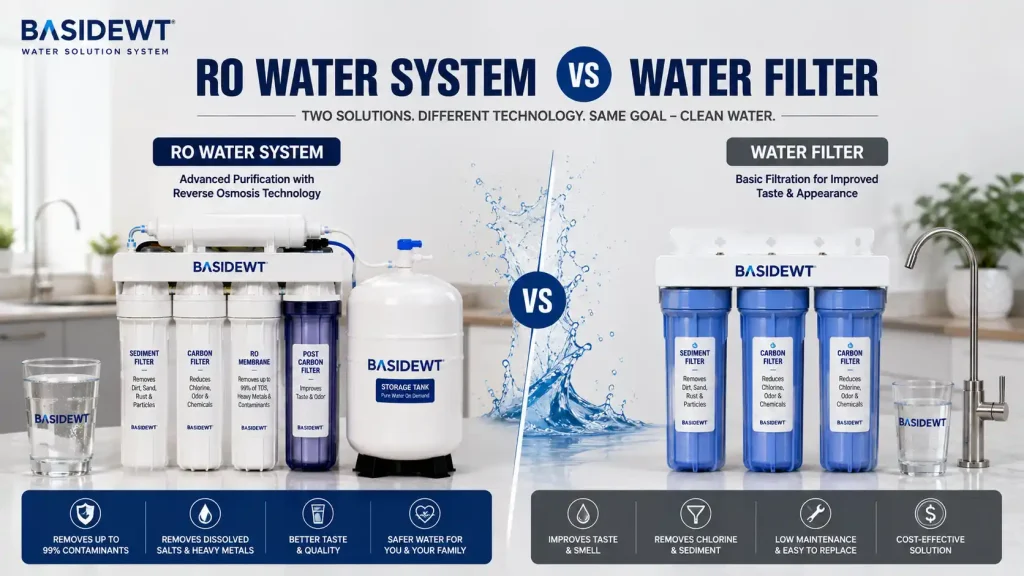
Here is a quick comparison table to visualize the key differences.
| Feature | RO Water System | Standard Water Filter |
|---|---|---|
| Filtration Method | Membrane separation | Physical or carbon filtration |
| Contaminant Removal | Very high (dissolved solids, heavy metals) | Moderate (chlorine, sediment, odor) |
| Water Waste | Produces some wastewater | No wastewater produced |
| Installation Complexity | Moderate to advanced | Simple |
| Maintenance | Membrane and filter replacement | Filter cartridge replacement |
| Best For | Drinking water purification | General water improvement |
| Cost | Higher upfront cost | Lower upfront cost |
This table shows why the RO Water System vs Water Filter decision often comes down to how pure you need your water to be.
Contaminants Each System Removes
Not all contaminants are created equal, and neither are the systems designed to remove them.
Contaminants an RO System Removes
- Dissolved salts and minerals
- Heavy metals like lead and arsenic
- Nitrates and sulfates
- Bacteria and some viruses
- Fluoride, in most cases
Contaminants a Standard Filter Removes
- Sediment and rust particles
- Chlorine and chlorine taste
- Certain organic compounds
- Odors from decaying matter
Because a Reverse Osmosis System targets dissolved particles at a molecular level, it consistently outperforms standard filters for total contaminant removal.
Filtration Technologies Compared
Every filtration technology serves a specific purpose within a broader Water Treatment System.
| Technology | Primary Function |
|---|---|
| RO Membrane | Removes dissolved solids and microscopic contaminants |
| Carbon Filter | Absorbs chlorine, odors, and some chemicals |
| Sediment Filter | Traps dirt, rust, and larger particles |
| UV Filter | Neutralizes bacteria and viruses |
Many modern systems combine several of these technologies for the best results. You can explore compatible components on our RO membranes page if you are upgrading an existing setup.
Water Taste and Quality Comparison
Taste is often the first thing people notice after switching systems. RO Water System output tends to taste noticeably cleaner because dissolved minerals and salts have been removed.
Standard Water Filters improve taste too, mainly by removing chlorine and sediment. However, they usually cannot eliminate the subtle mineral taste that some tap water carries.
For buyers who prioritize consistently clean drinking water, this taste difference often settles the RO Water System vs Water Filter debate on its own.
RO vs Carbon Filter
Carbon filters excel at removing chlorine, chemicals, and unpleasant odors from water. They do this quickly and without wasting any water in the process.
An RO system goes several steps further by also removing dissolved solids that carbon filters simply cannot catch. That said, most RO systems actually include a carbon filter as one of their pre-filtration stages, so the two technologies often work together rather than in competition.
RO vs Sediment Filter
Sediment filters are designed for one job: trapping visible particles like sand, rust, and dirt before they reach the rest of your plumbing. They are essential as a first line of defense.
An RO system also uses sediment filtration, but only as an early stage before the water reaches the membrane. On its own, a sediment filter cannot purify water to drinking standards.
RO vs Whole House Filter
A Whole House Water Filter treats water at the point where it enters your home, improving quality for every tap, shower, and appliance. This is different from an RO Water System, which usually treats water at a single point, such as the kitchen sink.
Many buyers actually use both together. A whole house filter protects plumbing and appliances, while an under-sink RO system delivers purified water specifically for drinking and cooking.
Advantages of an RO Water System
There are several reasons why buyers choose Reverse Osmosis for their drinking water needs.
- Removes the widest range of contaminants
- Produces noticeably cleaner tasting water
- Works well for both residential and commercial use
- Reduces reliance on bottled water over time
Commercial buyers in particular benefit from scalable options like a commercial RO system designed for higher daily water demand.
Advantages of a Standard Water Filter
Standard filters still have a strong place in water treatment, especially for specific use cases.
- Lower upfront and installation cost
- No water waste during operation
- Simple maintenance and cartridge changes
- Faster water flow rate
For buyers who mainly want to improve taste and remove chlorine, a basic Water Filtration System may be more than sufficient.
Limitations of Each System
Every water treatment option has trade-offs worth understanding before you buy.
RO systems produce some wastewater during purification and require periodic membrane replacement. They also need a slightly more involved installation process compared to a simple filter.
Standard filters, meanwhile, cannot remove dissolved solids or heavy metals effectively. Over time, this means water quality improvements are more limited than what an RO Water System delivers.
Which One Should You Choose?
Your choice ultimately depends on your water source, budget, and quality expectations. If your water supply has high mineral content, heavy metals, or inconsistent quality, an RO Water System is the safer long-term investment.
If your main concern is chlorine taste, mild sediment, or general freshness, a standard Water Filter may already solve the problem. Testing your water quality first is always the smartest starting point before making a decision.
Can You Use Both Together?
Yes, and many water treatment professionals actually recommend this approach. Pairing a whole house filter with a dedicated RO Water System gives you broad protection plus targeted purification for drinking water.
This combination reduces strain on the RO membrane since larger particles get filtered out earlier. It is a practical setup for homeowners who want both convenience and top-tier drinking water purification.
Buying Tips
Before purchasing either system, keep these practical tips in mind.
- Test your water source to identify specific contaminants.
- Check the system’s certification for contaminant removal claims.
- Consider your household or facility’s daily water usage.
- Factor in long-term maintenance and filter replacement costs.
- Compare warranty terms between manufacturers.
If you are exploring options, our Water Filtration System collection includes solutions for a range of budgets and needs.
Common Mistakes to Avoid
Many buyers make avoidable mistakes when choosing between these systems.
Skipping a water quality test often leads to buying the wrong system for the actual contaminants present. Ignoring maintenance schedules is another common issue, since neglected filters lose effectiveness quickly.
Some buyers also assume a basic filter provides the same purification level as an RO system, which is rarely true for water with heavy dissolved solids.
Frequently Asked Questions
Is an RO Water System better than a standard Water Filter? It depends on your water source. An RO Water System removes more contaminants overall, but a standard filter may be sufficient for milder water quality issues.
Does reverse osmosis remove healthy minerals from water? Yes, RO systems remove most dissolved minerals along with contaminants. Some buyers add a remineralization stage afterward to restore beneficial minerals.
How often should I replace my RO membrane? Most RO membranes last between two and three years, depending on water quality and usage levels.
Can I install an RO Water System myself? Under-sink units are often installable with basic plumbing knowledge, though professional installation ensures optimal performance and fewer leaks.
Which system is more cost-effective long term? Standard filters cost less upfront, but an RO Water System often saves money over time by reducing bottled water purchases and providing more thorough purification.
Expert Recommendations
Water treatment professionals generally recommend starting with a water quality test before choosing any system. This single step prevents overspending on unnecessary features or underestimating your actual filtration needs.
For most households dealing with variable municipal or well water, professionals often suggest a layered approach. A sediment pre-filter, combined with an under-sink RO unit like our under-sink RO purifier, covers both broad protection and drinking water purity.
For a deeper technical comparison of these methods, this reverse osmosis versus filtration guide offers additional context on performance differences.
Conclusion
The RO Water System vs Water Filter comparison ultimately comes down to how thorough you need your water purification to be. Standard filters handle chlorine, sediment, and odor well, while RO systems deliver a deeper level of contaminant removal for genuinely clean drinking water.
Whichever direction fits your needs, testing your water first will always lead to a smarter decision. If you are ready to explore purification options built for real performance, browse our full range of RO Water System solutions and find the setup that matches your water quality goals.
RELATED POSTS
Water Purifier Quick Connector RO Purifier System Water Filter Joint Accessory
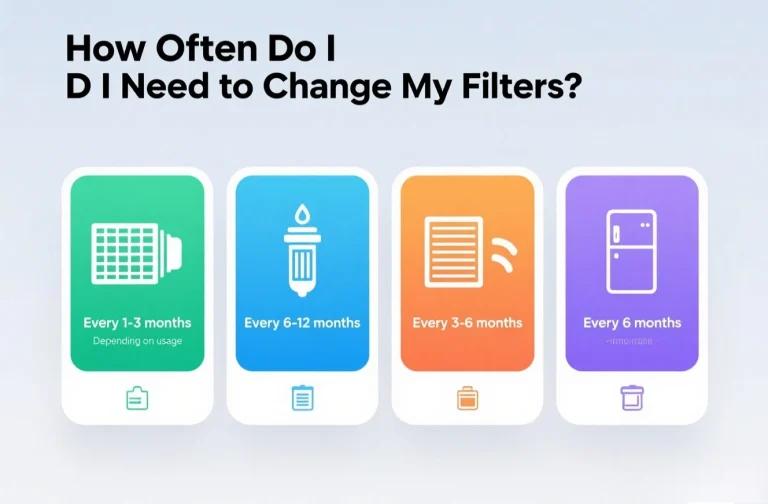
How Often Do I Need to Change My Filters?
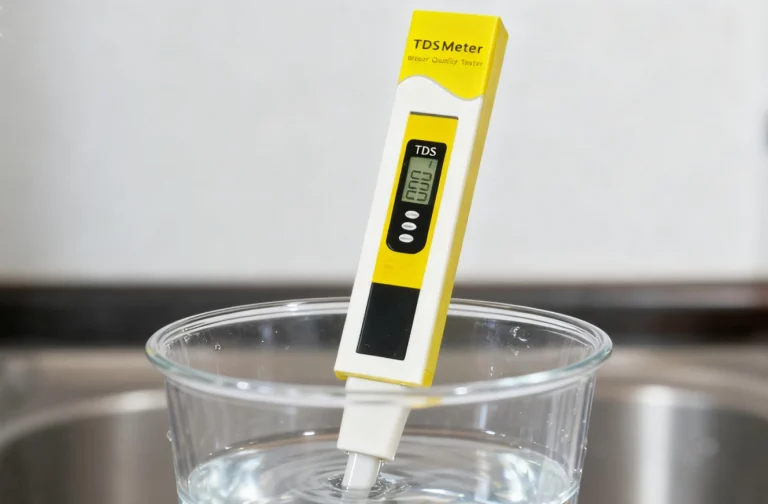
The Ultimate Guide to TDS Meters for Drinking Water
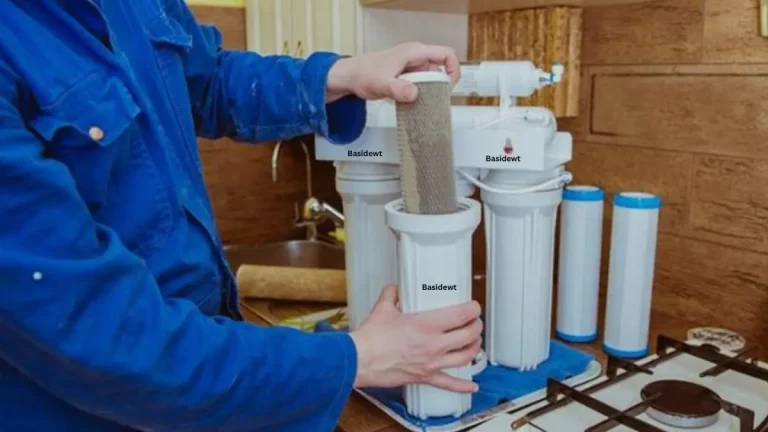
What Size Whole House Water Softener and Filtration System Do I Need for My Home?
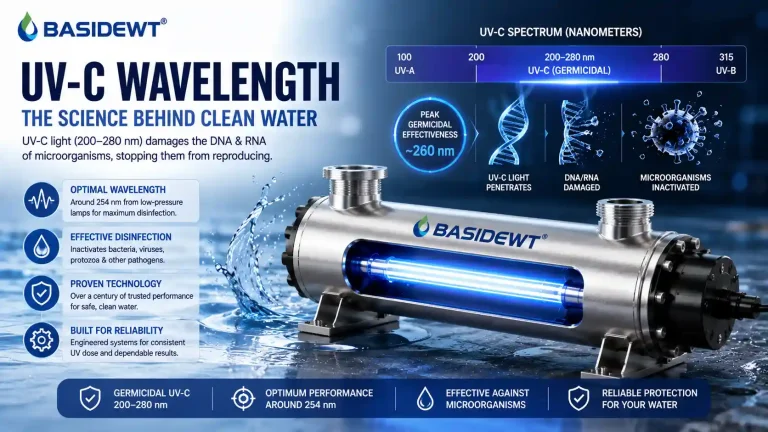
UV-C Wavelength for Water Sterilization Explained