BasideWT- Whole Home Water Filtration System & Replacement


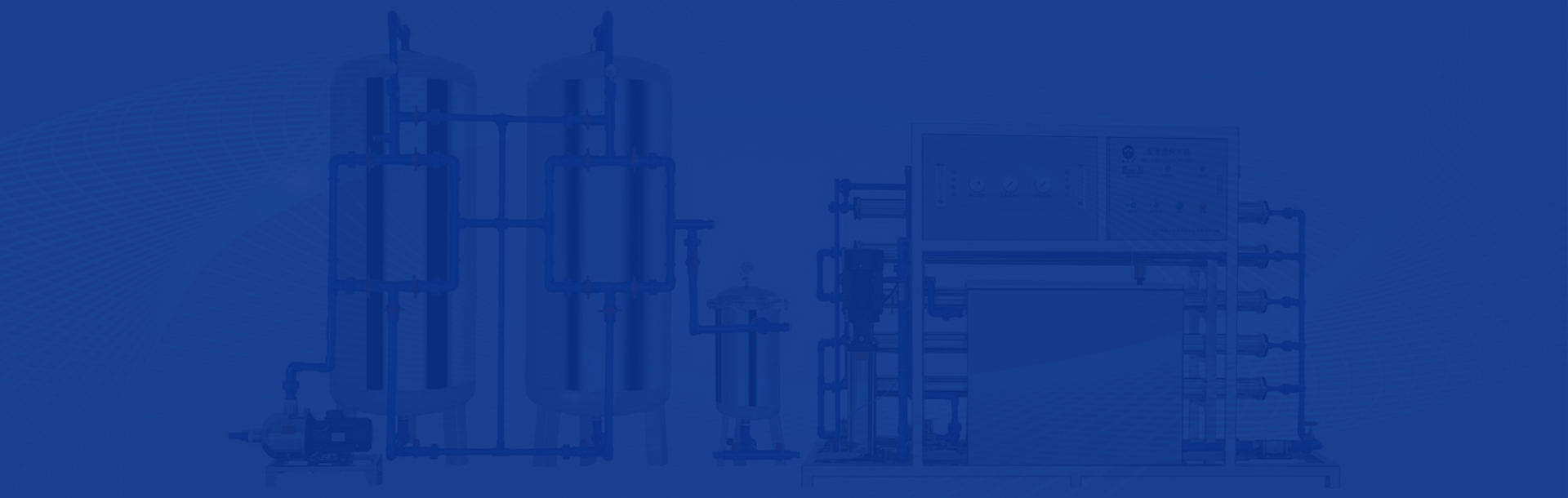
How Does an RO Water System Work? Step-by-Step Process
If you have ever wondered how does an RO water system work, the short answer is this: it pushes tap water through a series of filters and a special membrane that traps contaminants while letting clean water pass through. But that simple explanation hides a fascinating process that involves pressure, chemistry, and precision engineering.
In this guide, you will learn exactly how a reverse osmosis system purifies water, stage by stage, along with maintenance tips, common problems, and buying advice. Whether you are a homeowner, a commercial buyer, or a water treatment professional, this article will help you understand your RO water system inside and out.
What Is an RO Water System?
An RO water system is a water purification unit that uses reverse osmosis technology to remove dissolved solids, chemicals, and microorganisms from water. It forces water through a semi-permeable membrane under pressure, leaving contaminants behind while clean water flows through.
Unlike basic filters that only trap large particles, an RO system works at a molecular level. It can reduce arsenic, lead, chlorine, fluoride, nitrates, and hundreds of other impurities. This makes it one of the most effective drinking water systems available today.
If you want a broader overview of RO technology, our complete guide to RO water systems covers types, benefits, and installation in detail.
Why Understanding the Working Process Matters
Knowing how your RO system works is not just technical curiosity. It helps you:
- Choose the right system for your water quality.
- Understand why maintenance matters.
- Troubleshoot problems faster.
- Get the most value from your investment.
Many buyers install an RO water system without knowing what happens inside it. As a result, they miss early warning signs of filter or membrane failure. This guide fixes that gap. For a beginner-friendly overview, you can also read what is an RO water system and how it helps your home.
How Reverse Osmosis Technology Works
Reverse osmosis is based on a natural process called osmosis, reversed on purpose.
Osmosis vs. Reverse Osmosis
In natural osmosis, water moves from a low-concentration solution to a high-concentration solution through a semi-permeable membrane. This happens without any external force.
Reverse osmosis flips this process. Pressure is applied to the concentrated side, pushing water molecules backward through the membrane. Dissolved salts, minerals, and contaminants stay behind, while purified water passes through.
This is the core science behind every RO water system, from small under-sink units to large industrial plants.
The Role of the Semi-Permeable Membrane
The RO membrane contains microscopic pores, small enough to block dissolved salts, bacteria, and heavy metals, but large enough to let water molecules through. This is why RO membranes achieve such high contaminant reduction rates compared to standard water filters.
How Does an RO Water System Work? Step-by-Step Process
Now let’s break down exactly how does an RO water system work, stage by stage. Most residential systems use four to six stages, while commercial and industrial systems may include additional filtration.
Stage 1: Sediment Filter
Water first passes through a sediment filter. This stage removes visible particles such as:
- Dirt and sand
- Rust particles
- Silt and dust
This step protects the RO membrane from physical damage and clogging, extending its lifespan significantly.
Stage 2: Carbon Filter
Next, water flows through one or two carbon filter stages. Activated carbon absorbs chlorine, chloramine, and organic compounds that affect taste and odor.
Removing chlorine here is essential because chlorine can damage the RO membrane over time. This stage also improves the overall taste of the finished water.
Stage 3: RO Membrane Stage
This is the heart of the entire reverse osmosis process. Pressurized water is forced through the semi-permeable RO membrane, which removes up to 99% of dissolved solids, heavy metals, and microorganisms.
The membrane separates water into two streams:
- Permeate – the purified water that continues through the system.
- Concentrate – the wastewater carrying rejected contaminants.
You can explore different membrane options on our RO membranes page if you are comparing replacement parts or upgrades.
Stage 4: Post Carbon Filter
After leaving the membrane, water passes through a post carbon filter. This polishing stage removes any remaining odors or tastes before the water reaches your tap or storage tank.
Stage 5: UV Sterilization (If Included)
Some systems add a UV sterilization stage. Ultraviolet light neutralizes bacteria and viruses that may have survived earlier stages. This addition is common in areas with microbiologically unsafe water or in commercial installations.
Stage 6: Mineral Filter (If Included)
Because RO systems remove almost everything, including beneficial minerals, some systems include a remineralization filter. This stage adds back calcium and magnesium, improving taste and raising the water’s pH slightly.
For a deeper technical breakdown of each filtration stage, this guide on the stages of reverse osmosis systems offers additional insight from industry experts.
Understanding RO Wastewater
Every RO water system produces some wastewater, and this often confuses first-time buyers. Here’s why it happens.
As pressurized water passes through the membrane, contaminants become concentrated in the rejected stream. This concentrate must be flushed away to prevent it from building up on the membrane surface. Without this flush, the membrane would clog quickly and lose efficiency.
Modern systems use more efficient membranes and permeate pump technology to reduce wastewater ratios significantly compared to older designs.
Water Pressure Requirements
Water pressure is critical to how an RO water system performs. Most residential systems need at least 40 to 60 psi of incoming water pressure to function properly.
| Pressure Level | Effect on RO System |
|---|---|
| Below 40 psi | Slow water production, higher waste ratio |
| 40–60 psi | Normal operation for most home systems |
| 60–80 psi | Optimal performance and efficiency |
| Above 80 psi | May require a pressure-reducing valve |
If your feed water pressure is low, a booster pump can help maintain steady, efficient filtration.
What Contaminants Are Removed?
An RO water system removes a wide range of contaminants that other filters often miss.
| Contaminant Type | Examples | RO Removal Effectiveness |
|---|---|---|
| Dissolved salts | Sodium, chloride | Up to 99% |
| Heavy metals | Lead, arsenic, mercury | Up to 99% |
| Chemicals | Chlorine, fluoride, nitrates | 90–99% |
| Microorganisms | Bacteria, some viruses | High, especially with UV stage |
| Total Dissolved Solids | General TDS reduction | 90–99% |
This broad-spectrum performance is why RO systems remain the gold standard for clean drinking water.
Components of an RO Water System
Every RO water system, whether residential or commercial, shares a similar set of core components:
- Sediment and carbon pre-filters
- RO membrane
- Membrane housing
- Post carbon filter
- Storage tank
- Automatic shut-off valve
- Check valve and flow restrictor
- Faucet or dispensing point
The membrane housing protects the delicate membrane from pressure damage and contamination. You can browse durable options on our membrane housing page if you need a replacement part.
Benefits of RO Filtration
Understanding the process also helps you appreciate the real-world benefits of RO filtration:
- Significant TDS reduction for cleaner, better-tasting water
- Removal of harmful contaminants like lead and arsenic
- Reduced scale buildup in appliances
- Better-tasting coffee, tea, and cooking water
- Long-term cost savings compared to bottled water
These benefits apply whether you install a residential unit or a large-scale water treatment system for commercial use.
Common Problems and Their Causes
Even well-designed RO systems can develop issues over time. Here are the most common ones.
| Problem | Likely Cause |
|---|---|
| Slow water flow | Clogged sediment filter or low pressure |
| Bad taste or odor | Exhausted carbon filter |
| High TDS in output | Worn-out or damaged RO membrane |
| Constant dripping at drain | Faulty check valve |
| Low water pressure at faucet | Empty or waterlogged storage tank |
Identifying these symptoms early prevents bigger repair costs down the road.
Maintenance Schedule
Regular maintenance keeps your RO water system running efficiently and extends the life of every component.
| Component | Recommended Replacement |
|---|---|
| Sediment filter | Every 6–12 months |
| Carbon filter | Every 6–12 months |
| RO membrane | Every 2–3 years |
| Post carbon filter | Every 12 months |
| UV lamp (if installed) | Every 12 months |
Sticking to this schedule ensures consistent water quality and prevents unnecessary strain on the membrane.
When to Replace Filters and Membranes
Beyond a fixed schedule, watch for these warning signs:
- Noticeably slower water flow
- Water tastes or smells different
- Rising TDS readings on a meter
- Increased wastewater output
If you notice two or more of these signs together, it is usually time for filter or membrane replacement.
Buying Tips: How to Choose the Right RO System
Choosing the right RO water system depends on your specific needs. Consider the following factors before buying.
For Homeowners
Look for a compact, easy-to-install unit. An under-sink RO purifier is usually the best fit for household drinking water needs.
For Commercial and Industrial Buyers
Higher water demand requires higher-capacity systems. Explore our commercial RO system options if you need consistent, large-volume purified water for a business or facility.
Key Factors to Compare
- Daily water output capacity
- Number of filtration stages
- Membrane quality and certification
- Available space for installation
- Budget for ongoing maintenance
Taking time to compare these factors ensures your system matches both your water quality needs and your usage volume.
Expert Recommendations
Water treatment professionals generally recommend testing your water source before choosing a system. This helps determine whether you need extra stages like UV sterilization or specialized pre-filters for high sediment or hardness levels.
Professionals also recommend having your water tested annually, even after installing an RO system, to confirm it continues performing as expected. Explore our full range of water filtration systems to find a solution matched to your water source and usage requirements.
Frequently Asked Questions
How does an RO water system work in simple terms?
It pushes water through several filters and a membrane that blocks contaminants, leaving only clean, purified water on the other side.
How long does an RO membrane last?
Most RO membranes last two to three years, depending on water quality and maintenance frequency.
Does an RO system waste a lot of water?
Older systems can waste more water than newer, high-efficiency models. Modern designs with permeate pumps significantly reduce wastewater ratios.
Can an RO system remove all contaminants?
RO systems remove up to 99% of most dissolved contaminants, though no filtration method is 100% absolute for every substance.
Do I need a water softener before an RO system?
If your water is very hard, a softener can extend membrane life by reducing scale buildup on the membrane surface.
Is RO water safe to drink daily?
Yes, RO water is safe for daily drinking. Some systems add a mineral filter to restore beneficial minerals removed during filtration.
Conclusion
Understanding how does an RO water system work helps you make smarter decisions about installation, maintenance, and long-term water quality. From the sediment filter to the RO membrane and beyond, every stage plays a specific role in delivering clean, safe drinking water.
Whether you are upgrading a home kitchen setup or sourcing a high-capacity system for commercial use, choosing the right components makes all the difference. Explore BasideWT’s full range of RO water system solutions to find a system built for your water quality needs and daily demand.
RELATED POSTS
Can You Drink Softened Water? Safety, Health Benefits & Common Myths
Water Softener System for Well Water: Benefits, Problems & How to Choose the Right One
RO Water System vs Distilled Water: Which Is Better for Drinking & Industrial Use?
why is my under sink water filter making noise
UV vs Ozone Water Treatment: Key Differences Explained