BasideWT- Whole Home Water Filtration System & Replacement


RO Membrane Compatibility: How to Match a Membrane With Your System
Choosing a new membrane isn’t just about finding one that fits the housing. RO membrane compatibility means the replacement membrane matches your system’s dimensions, capacity, pressure range, and performance requirements. Get one factor wrong, and the membrane may still screw into place, yet it can still produce poor water quality or fail early.
This guide walks through every practical factor that decides whether a membrane will actually work in your reverse osmosis system, not just whether it physically fits.
What RO Membrane Compatibility Actually Means
RO membrane compatibility matches a membrane’s physical dimensions, flow capacity, and performance specifications to the requirements of your RO system.
A compatible membrane must align on several levels at once:
- Physical fit – the membrane slides into the existing housing without modification.
- Capacity match – the membrane’s rated output (GPD) suits the system’s storage tank, tubing, and daily water demand.
- Operating conditions – feed pressure, feed-water temperature, and feed-water TDS fall within the membrane’s designed operating range.
- Performance requirements – the membrane’s rejection rate and permeate flow meet the water quality the household or facility actually needs.
A membrane that satisfies only one of these levels isn’t truly compatible. Compatibility deserves more attention than simply matching a part number, and that idea runs through the rest of this article.
Why Membrane Compatibility Matters
An incompatible membrane rarely fails immediately. Instead, it tends to cause slow, frustrating problems that are harder to diagnose than an outright leak.
Common consequences of poor compatibility include:
- Reduced permeate flow, leaving the storage tank slow to fill.
- Higher TDS in the finished water than the system was designed to produce.
- Excess strain on the booster pump or feed line, since the membrane resists flow differently than the original.
- Premature membrane fouling because the recovery ratio no longer matches the system’s flush design.
- Wasted money on a membrane that needs replacing again within months.
None of these problems announce themselves as a “wrong membrane” error. They show up as symptoms that owners often blame on water quality, filters, or the pump. Checking compatibility before you buy avoids this troubleshooting cycle entirely.
Specifications That Must Match Exactly
Some specifications leave no room for approximation. If these don’t match, the membrane won’t work correctly, and in some cases it won’t fit at all.
| Specification | Why It Must Match | What Happens If It Doesn’t |
|---|---|---|
| Membrane dimensions (diameter and length) | Determines physical fit inside the housing | Membrane won’t seat correctly, or leaks past the O-rings |
| Housing connection type | Ports and end caps must align with the membrane’s brine seal and interconnector | Water bypasses the membrane instead of passing through it |
| Membrane model or equivalent | Confirms internal element construction matches the original design intent | Unpredictable flow and rejection performance |
Dimensions and housing connections are non-negotiable. Pressure, temperature, TDS, and GPD affect performance, but these three factors decide whether the membrane works at all.
How Membrane Size Affects Compatibility
Membrane size compatibility starts with two numbers: diameter and length. Manufacturers usually express these as a four- or five-digit code, such as 1812, 2012, 2812, 3012, or 3013. The first two digits give the diameter in tenths of an inch, and the remaining digits give the length in inches.
A 2012 membrane and a 2812 membrane aren’t interchangeable, even though both carry a “12-inch” length designation, because their diameters differ. A smaller-diameter membrane in a larger housing leaves gaps around its edges, so feed water bypasses the membrane surface instead of passing through it. The storage tank then fills with poorly treated water instead of proper permeate.
Measure the existing membrane or check the housing label before you order, rather than relying on memory. For a full breakdown of each size code and where it’s typically used, this RO membrane size guide covering 1812, 2012, 2812, 3012, and 3013 dimensions is a useful reference when you confirm exact fit.
How GPD Capacity Affects Compatibility
GPD (gallons per day) describes a membrane’s rated permeate output under standard test conditions. It’s a capacity rating, not a guarantee of real-world output.
Direct answer: Match the replacement membrane’s GPD rating to the original membrane’s GPD rating, unless you have a specific reason to upgrade capacity and you’ve confirmed the rest of the system can support it.
A higher-GPD membrane doesn’t simply produce more water for free. It usually requires:
- More feed pressure to push water through at the higher rate.
- A storage tank and check valve sized to handle the increased flow.
- Drain-line tubing capable of handling the higher reject flow.
Installing a 100 GPD membrane in a system built around a 50 GPD membrane can overwhelm the auto shut-off valve or unbalance the recovery ratio, since the rest of the system was never engineered for that flow rate. If you’re unsure what your current GPD rating means for daily output, this explanation of what 50, 75, 100, and 200 GPD actually mean for an RO membrane breaks down how the rating translates to real usage.
GPD compatibility also goes beyond the number on the box. Two membranes rated at the same GPD can behave differently depending on feed pressure and temperature, covered later in this article.
How to Check Membrane Housing Compatibility
Housing compatibility depends on three physical details that are easy to overlook when ordering online.
- Confirm the housing diameter. Measure the internal diameter of the housing, or check the membrane code stamped on the current element.
- Confirm the housing length. Standard housings are built for standard membrane lengths, but some compact systems use shortened or non-standard housings.
- Check the port and interconnector style. Some housings use a standard brine seal and interconnector tube; others use proprietary end fittings, particularly on compact under-sink systems.
Residential housings almost always use a standard 1812 or 2012 format. Commercial housings for 2812, 3012, or 3013 membranes typically use fiberglass-wrapped pressure vessels rated for higher operating pressure. Mixing formats between residential and commercial hardware is one of the most common sourcing mistakes, and the next section covers it in more detail.
How Feed Pressure Affects Membrane Selection
Feed pressure, measured in psi, drives water through the membrane. Each membrane has a minimum operating pressure and a maximum rated pressure. Compatibility requires your system’s feed pressure to sit within that range.
Direct answer: Low feed pressure below the membrane’s minimum requirement drops permeate flow and weakens TDS rejection. Pressure above the membrane’s maximum rating raises the risk of membrane damage or housing failure.
Two situations commonly cause pressure mismatches:
- Low municipal pressure or well pressure that falls below what the membrane needs, especially in systems without a booster pump.
- Oversized booster pumps installed without adjusting the pressure regulator, which can push pressure above what a residential-grade membrane is designed to handle.
Pressure requirements vary by membrane model and manufacturer, so always verify the exact operating range against the manufacturer’s specification sheet instead of assuming a “typical” number applies. For a closer look at how psi and feed pressure interact with membrane performance, this guide on RO membrane pressure requirements, temperature, and feed-water conditions covers the relationship in more depth.
How Feed-Water Temperature Affects Compatibility
Membrane compatibility isn’t only about hardware. Feed-water temperature changes how a membrane performs even when everything else stays the same.
Colder feed water raises water viscosity, which reduces permeate flow and can lower the output of an otherwise correctly matched membrane. Warmer feed water increases flow but can also increase salt passage, meaning slightly higher TDS in the permeate. The Water Quality Association’s technical overview of reverse osmosis explains that RO systems rely on a semipermeable membrane and pressure-driven separation, and both flow and rejection respond directly to the temperature and pressure conditions the membrane operates under.
A membrane rated for a specific GPD figure at 77°F (25°C) won’t hit that exact output in a cold basement installation or an unheated well-water application. When you compare membranes, check whether the GPD rating is based on standard test conditions, and adjust your expectations for actual feed-water temperature.
How Feed-Water TDS Affects Compatibility
TDS (total dissolved solids) in the feed water affects both the pressure needed to drive the process and the rejection rate the membrane can achieve.
Higher TDS feed water raises osmotic pressure, so the system needs more applied pressure to produce the same permeate flow. A membrane rated only for moderate TDS levels can struggle on a high-TDS well or municipal source. Output and rejection both suffer, even though the membrane fits the housing perfectly.
This is a common compatibility mistake: assuming that a membrane suits the water source just because it fits and produces water. If your feed water carries notably high TDS, it’s worth reviewing this guide on choosing the right RO membrane for high-TDS water before you finalize a replacement.
Required Permeate Flow and Rejection Rate
Two performance numbers decide whether a membrane will meet your household or facility’s water quality goals: permeate flow and rejection rate.
Permeate flow is how much treated water the membrane produces under given conditions. Rejection rate is the percentage of dissolved solids the membrane blocks from passing through.
A compatible membrane needs to hit both targets at once, not just one. A membrane with a high rejection rate but insufficient flow leaves a household waiting too long for water, while one with high flow but a lower rejection rate can pass more TDS into the storage tank than expected.
Rejection rates vary by membrane construction and manufacturer, typically ranging from around 95% to above 99% for standard residential and light commercial membranes. Always confirm the exact figure against the specific product’s datasheet rather than assuming a fixed number. For background on what drives rejection performance and how to improve it, see this overview of RO membrane rejection rate and what affects it.
Recovery Rate and System Design Compatibility
Recovery rate is the percentage of feed water that becomes permeate; the rest goes to drain as concentrate. The flow restrictor, the membrane’s own characteristics, and the system’s plumbing layout together determine this ratio, not the membrane alone.
Swapping a standard membrane for one built around a different recovery ratio, without adjusting the flow restrictor, can throw off the balance between permeate and concentrate. Wasted water or premature fouling often follows, since the membrane isn’t flushed at the rate it was designed for.
Membrane compatibility, in other words, isn’t purely about the membrane itself. It also depends on whether the rest of the system — flow restrictor, drain line, and check valve — works with that membrane’s intended recovery ratio.
Residential vs. Commercial RO Membrane Compatibility
Residential and commercial RO membranes aren’t interchangeable, even when a commercial membrane happens to fit a residential housing.
Residential membranes are generally designed for:
- Lower daily water demand (typically under a few hundred gallons per day).
- Intermittent operation, since household systems cycle on and off with tank demand.
- Standard municipal or well-water feed pressure, usually under 100 psi.
Commercial membranes are generally designed for:
- Continuous or near-continuous operation.
- Higher flow rates and larger housings, often in multi-membrane arrays.
- Higher feed pressures and more robust pressure vessels.
A commercial-grade membrane can work on a residential system in some cases, but it often needs pressure and pump adjustments the average household system isn’t built for. Using a residential membrane in a commercial application usually goes worse, since duty-cycle mismatch tends to cause premature failure. For a full comparison of how these two categories differ beyond just size, this article on residential vs. commercial RO membranes is worth reading before you mix categories.
How to Check an Existing Membrane Before Replacement
Gather information directly from your membrane and system before you order a replacement, rather than guessing from memory.
- Read the label on the current membrane. Most membranes are printed with a model number, size code, and GPD rating.
- Photograph both end caps. This documents the interconnector and brine seal style before you remove the old membrane.
- Measure the housing if the label is unreadable. Diameter and length can be measured directly with a tape measure.
- Note the system’s current pressure setting, if a gauge or pressure switch is present.
- Check your original system documentation for the manufacturer’s specified pressure range and GPD rating. This proves more reliable than reverse-engineering it from the old membrane alone.
Checking these details before shopping avoids the common mistake of ordering based on assumption, then discovering a mismatch after you’ve already pulled the old membrane. For a broader look at when and why replacement becomes necessary in the first place, see this guide on RO membrane replacement: when, why, and how.
Common RO Membrane Compatibility Mistakes
Some mistakes appear repeatedly across residential and light commercial installations. Recognizing them in advance saves time and money.
- Assuming “12-inch” membranes are interchangeable without checking diameter, which differs between 1812, 2012, 2812, and similar codes.
- Buying based on GPD alone, ignoring whether the housing, pressure, and drain line can actually support that flow.
- Ignoring feed pressure, especially on well-water systems without a booster pump.
- Overlooking feed-water TDS, leading to a membrane that fits but underperforms on high-mineral water.
- Mixing commercial and residential hardware without adjusting the rest of the system.
- Trusting a generic “universal fit” label without confirming the specific model against manufacturer specifications.
- Skipping a check of the flow restrictor and recovery ratio, resulting in an imbalance between permeate and concentrate flow after replacement.
Each of these mistakes tends to produce a membrane that technically installs but underperforms. That outcome often frustrates buyers more than a membrane that simply doesn’t fit at all.
Step-by-Step Compatibility Checklist Before Ordering
Use this checklist to verify compatibility before you place an order.
- Confirm the membrane’s diameter and length match the housing.
- Confirm the interconnector and brine seal style match.
- Match the GPD rating to system demand, or confirm the system can support an upgrade.
- Verify feed pressure falls within the membrane’s rated operating range.
- Check feed-water temperature against the membrane’s rated test conditions.
- Review feed-water TDS against the membrane’s intended application.
- Confirm required rejection rate and permeate flow meet your water quality goals.
- Confirm the flow restrictor matches the membrane’s intended recovery ratio.
- Confirm whether the application is residential or commercial, and match accordingly.
- Cross-check everything against the manufacturer’s specification sheet, not assumptions.
This sequence moves from the strictest requirements (physical fit) toward the more nuanced performance factors (temperature, TDS, recovery). That order mirrors how compatibility problems typically surface in real installations.
When to Consult the Manufacturer
Some compatibility questions have no general answer, since they depend on the specific membrane model or system design. Contact the manufacturer or a qualified supplier when:
- The old membrane’s label is missing, damaged, or unreadable.
- Your feed-water TDS or pressure falls near the edge of a membrane’s rated range.
- You’re upgrading GPD capacity and unsure whether the rest of the system can handle it.
- You’re combining commercial and residential components.
- You’re installing a membrane in a non-standard or custom-built housing.
Manufacturer specification sheets remain the most reliable source for exact operating pressure ranges, rejection rates, and recommended feed-water limits. These figures vary by model and change as membrane technology advances.
Practical Examples: Compatible vs. Incompatible Situations
Example 1 – Compatible: A household under-sink RO system uses a 1812 membrane rated at 75 GPD, fed by municipal water at 60 psi with moderate TDS. A replacement membrane with the same 1812 dimensions, same GPD rating, and a matching rejection rate performs consistently with the system it replaces.
Example 2 – Incompatible despite physical fit: A well-water system with 40 psi feed pressure and no booster pump receives a replacement membrane rated for a minimum of 50 psi. The membrane fits the housing perfectly, but permeate flow and rejection both fall short, since the pressure requirement isn’t met.
Example 3 – Incompatible due to capacity mismatch: A system originally built around a 50 GPD membrane gets upgraded to a 150 GPD membrane, without any change to the storage tank, drain-line tubing, or flow restrictor. The membrane technically works, but the system’s other components can’t manage the change in flow, so inconsistent tank fill behavior follows.
These examples show why “does it fit” and “is it compatible” are two different questions with two different answers.
Where to Find Compatible Replacement Membranes
Once you’ve confirmed the dimensions, GPD rating, pressure range, and TDS suitability for your system, the next step is sourcing a membrane that matches those specifications. Reviewing a supplier’s range of RO membranes against your checklist makes it easier to compare available models side by side, instead of relying on a single listing’s description alone.
If you’re still uncertain which membrane category best fits your broader system needs, beyond just this one replacement, this RO membrane types, sizes, GPD, working, replacement and buying guide covers the wider decision process from the ground up.
Conclusion
RO membrane compatibility comes down to matching several factors at once: physical dimensions, housing connections, GPD capacity, feed pressure, feed-water temperature, feed-water TDS, required rejection rate, permeate flow, and recovery ratio. A membrane that fits the housing but ignores pressure, temperature, or TDS conditions can still underperform or fail early.
Read the label on your existing membrane before you buy a replacement, and measure the housing if needed. Confirm your system’s operating conditions, then compare those figures against the manufacturer’s specification sheet for the new membrane, factor by factor, rather than relying on a single number like GPD or size code alone.
A genuinely compatible membrane satisfies the physical fit, the capacity needs, and the operating conditions of your specific system. When all three align, the replacement performs the way the original system was designed to perform, with reliable flow, consistent rejection, and a normal service life.
RELATED POSTS
Spotless Water System Working Principle: How RO and DI Deliver 0 PPM Water
How Much Is a Whole Home Water Filtration System?
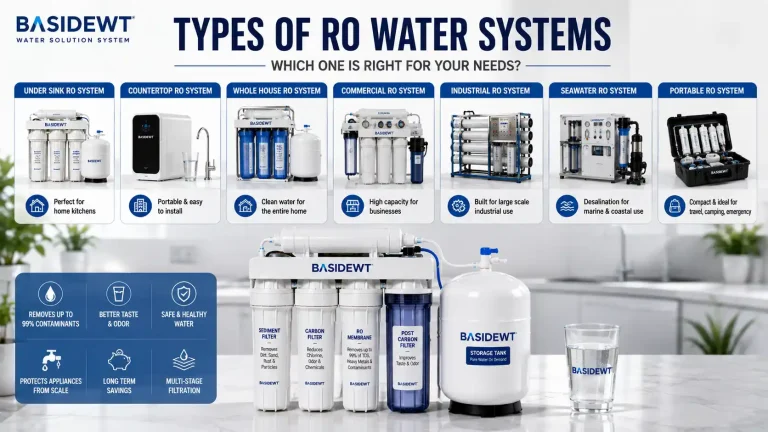
Types of RO Water Systems: Which One Is Right for Your Needs?
How Do I Determine the Flow Rate in My Home?
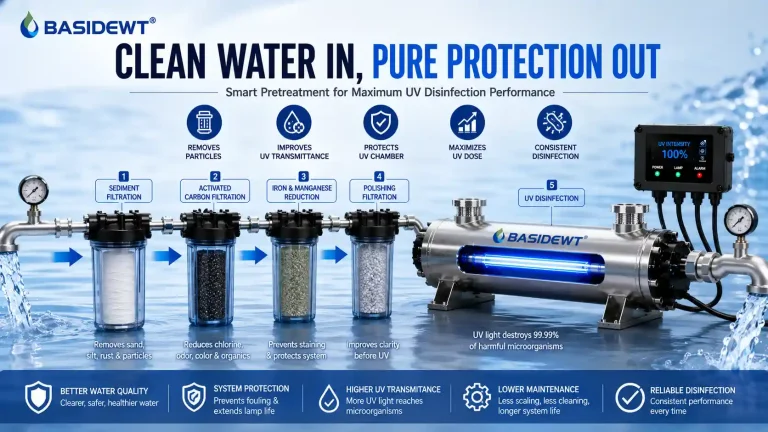
UV Water Sterilizer Pretreatment: What Filtration Is Needed Before UV?