BasideWT- Whole Home Water Filtration System & Replacement


RO Membrane for High TDS Water: How to Choose the Right Membrane
Yes, an RO membrane for high TDS water can work well. But it only works well when the membrane, the feed pressure, and the pretreatment all match the actual water chemistry. High total dissolved solids do not make reverse osmosis impossible. They just raise the bar for what “the right membrane” actually means.
This guide focuses only on high-TDS water. It explains why elevated TDS changes how an RO membrane behaves, how to judge whether a standard membrane will still perform, and when a stronger membrane or a full commercial RO system becomes the smarter choice. You will also see how pretreatment, pressure, and recovery interact with high dissolved solids in ways that lower-TDS guides rarely explain in enough depth.
What High TDS Water Actually Means
TDS stands for total dissolved solids. It measures the combined weight of minerals, salts, and other dissolved substances in a water sample, reported in milligrams per liter (mg/L) or parts per million (ppm).
Common contributors to TDS include:
- Calcium and magnesium (hardness minerals)
- Sodium and chloride
- Sulfates and carbonates
- Nitrates
- Silica
- Iron and manganese, in smaller concentrations
There is no single universal number that defines “high TDS.” However, many water professionals use these general reference ranges:
| TDS Level | General Classification |
|---|---|
| 0–300 ppm | Low to moderate |
| 300–600 ppm | Moderate |
| 600–1,000 ppm | Elevated |
| 1,000–2,000 ppm | High |
| Above 2,000 ppm | Very high (often brackish groundwater) |
These ranges are reference points, not hard rules. A membrane’s actual performance depends on the specific ions present, not just the total TDS number.
Can an RO Membrane Treat High TDS Water?
Yes. Reverse osmosis is one of the most effective methods for reducing high TDS. A properly specified membrane, operating at adequate feed pressure, can reduce dissolved solids by roughly 95% to 99%, depending on the membrane’s rejection rating and the water chemistry involved.
The real question is not whether RO can treat high-TDS water. It is whether the specific membrane in the system was built for the TDS level it is facing.
A membrane designed for typical municipal water, and a membrane designed for brackish or high-mineral groundwater, are not interchangeable. Choosing the wrong one leads to reduced permeate quality, added strain on the membrane, and shorter service life.
Why Higher TDS Increases Osmotic Pressure
Reverse osmosis works by applying pressure to push water through a semipermeable membrane, leaving dissolved solids behind. That pressure has to overcome a natural resistance called osmotic pressure.
Osmotic pressure rises as the concentration of dissolved solids increases. The more minerals and salts present in the feed water, the more force the system needs to push clean water through the membrane. This relationship is well documented in general explanations of how the pressure caused by differences in chemical concentration depends on the concentration difference across a semipermeable membrane.
This matters directly for high-TDS applications. As feed TDS rises:
- Osmotic pressure increases
- The system needs higher feed pressure to maintain the same flow
- Without enough pressure, permeate flow drops and TDS in the permeate can rise
This is why a membrane and pump combination that works fine on 250 ppm water may struggle on 1,500 ppm water, even if nothing else changes.
How High TDS Affects RO Membrane Performance
High TDS water places more demand on nearly every part of the RO process. The table below summarizes the main effects.
| High-TDS Factor | Effect on the Membrane |
|---|---|
| Elevated osmotic pressure | Requires higher feed pressure to maintain flow |
| Higher salt concentration at the membrane surface | Can increase salt passage into permeate |
| Concentration at the membrane surface during operation | Raises fouling and scaling risk |
| Higher mineral load in the concentrate stream | Increases risk of scale formation as water is concentrated |
| Greater dissolved solids overall | May reduce permeate flow rate over time if unaddressed |
None of these effects are automatic failures. They are performance pressures that a correctly matched membrane, pretreatment plan, and system design are meant to manage.
Membrane Rejection and High TDS
Rejection rate describes the percentage of dissolved solids a membrane blocks from passing into the permeate. Standard residential membranes are commonly rated between 95% and 99% rejection under specific test conditions.
Rejection rate is not fixed. It shifts with feed TDS, temperature, pressure, and membrane condition. A membrane that rejects 98% of solids at 250 ppm feed water will not necessarily reject the same percentage at 1,800 ppm feed water. As feed concentration rises, more dissolved solids are physically pressed against the membrane surface, which can increase salt passage if the membrane, pressure, or pretreatment are not adequate. For a deeper explanation of how this percentage is calculated and improved, see this guide to RO membrane rejection rate and what it means for water quality.
Does High TDS Reduce RO Membrane Life?
High TDS does not automatically shorten membrane life. What shortens membrane life is scaling and fouling that occur when high-TDS water is not properly pretreated or when the system runs outside its design pressure and recovery range.
A membrane matched to the feed water, supported by correct pretreatment, and operated within its rated specifications can perform reliably for years, even on relatively high-TDS sources. A mismatched membrane on the same water may lose performance far sooner.
Does High TDS Require Higher RO Pressure?
In most cases, yes. Because osmotic pressure rises with TDS, higher-TDS feed water generally needs more feed pressure to achieve normal flow and rejection. This is one reason brackish-water and high-rejection membranes are typically rated for higher operating pressures than standard low-TDS residential membranes.
The exact pressure required depends on several variables working together:
- Feed water TDS and ion composition
- Target recovery rate
- Water temperature
- Membrane type and rejection rating
- Pump capacity
Because these factors interact, there is no single “correct psi” that applies to every high-TDS situation. A feed-water analysis and the membrane manufacturer’s performance data are the only reliable way to confirm pressure requirements for a specific application. A closer look at how pressure, temperature, and feed water interact is available in this guide to RO membrane pressure requirements.
Scaling and Fouling: The Two Biggest Risks in High-TDS Systems
Scaling and fouling are the most common causes of performance decline in RO systems treating high-TDS water.
Scaling happens when dissolved minerals, especially calcium, magnesium, and silica, become concentrated beyond their solubility limit inside the membrane and precipitate as solid deposits.
Fouling happens when particles, organic matter, or biological growth build up on the membrane surface and block water flow.
High-TDS water increases both risks, because more dissolved and suspended material is present to begin with, and because the concentrate stream becomes even more concentrated as recovery increases.
| Problem | Common Cause | Corrective Action |
|---|---|---|
| Scaling on membrane surface | High calcium, magnesium, or silica concentrated during operation | Reduce recovery rate, use antiscalant, or soften feed water |
| Reduced permeate flow | Fouling from sediment or organic buildup | Improve sediment pretreatment, clean or replace the membrane |
| Rising permeate TDS | Salt passage increasing with feed concentration or membrane wear | Verify feed pressure, check membrane condition, confirm rejection rating |
| Frequent pressure drop | Fouling restricting flow through the membrane | Inspect and clean prefilters, check for biofilm growth |
Pretreatment: The Deciding Factor for High-TDS RO Performance
Pretreatment is not optional for high-TDS water. It is often the single biggest factor separating an RO membrane that lasts for years from one that fails within months.
Sediment Filtration
Sediment filtration removes suspended particles before they reach the membrane. High-TDS groundwater frequently carries fine sediment along with dissolved minerals, so this step protects the membrane from physical fouling. A whole-house sediment water filter is a common first stage in these setups.
Water Softening for Hardness-Driven TDS
When high TDS is driven mainly by calcium and magnesium hardness, softening the feed water before it reaches the RO membrane can meaningfully reduce scaling risk. This is especially relevant for well water and groundwater sources. A water softener system installed ahead of the RO unit can extend membrane life in hardness-driven high-TDS conditions.
Antiscalant Dosing
In commercial and industrial systems, antiscalant chemicals are sometimes dosed into the feed water to keep dissolved minerals from precipitating as scale, even as they concentrate in the reject stream. This approach is common where softening is impractical or where silica is a concern.
Carbon Filtration
Carbon filtration is primarily used to remove chlorine and chloramine, which can degrade certain membrane materials over time. It is not a TDS-reduction step, but it protects the membrane from chemical damage.
Iron, Manganese, and Silica Considerations
Iron and manganese can foul a membrane quickly if left untreated, even at moderate concentrations. Silica is particularly difficult to manage because it can form hard, glass-like scale that is resistant to typical cleaning methods once it forms. Any feed water with elevated iron, manganese, or silica alongside high TDS usually needs targeted pretreatment beyond basic sediment filtration.
Choosing the Right RO Membrane Type for High TDS Water
Not every RO membrane is built for the same TDS range. Thin-film composite (TFC) membranes are the standard choice for most high-TDS applications because they combine strong rejection with reasonable operating pressure requirements. Understanding the broader differences between membrane materials and configurations is covered in this guide to the types of RO membranes and how to choose the right one.
What TDS Level Is Too High for a Standard Residential Membrane?
There is no fixed cutoff that applies to every product and every water chemistry. As a practical guideline, many standard residential membranes are designed and tested around typical municipal or well-water TDS ranges, often up to roughly 1,500–2,000 ppm, depending on the manufacturer’s specifications.
Above that range, or in cases with high hardness, high silica, or elevated iron alongside high TDS, a higher-rejection membrane, additional pretreatment, or a commercial-grade system usually performs more reliably. Always confirm the manufacturer’s rated TDS range and operating pressure before assuming a standard membrane will handle a specific water source.
Which RO Membrane Is Best for High TDS Water?
The best RO membrane for high-TDS water is the one whose rejection rating, operating pressure range, and rated capacity match the actual feed-water analysis. In practice, this typically means:
- A TFC membrane with a high rejection rating
- A pressure rating that aligns with the system’s available feed pressure
- A capacity (GPD) sized for the household or facility’s real demand, not just its footprint
No membrane model is universally “best.” The right choice depends on the water report in front of you.
Residential vs. Commercial Applications for High TDS Water
Household RO systems and commercial RO systems are built around different assumptions about feed water and demand. High TDS pushes some situations from one category into the other.
| Factor | Residential High-TDS Application | Commercial High-TDS Application |
|---|---|---|
| Typical daily demand | Low to moderate | High and continuous |
| Membrane configuration | Single membrane, standard housing | Multiple membranes, staged or parallel |
| Pretreatment complexity | Basic sediment and carbon, sometimes softening | Sediment, softening, antiscalant, and monitoring |
| Feed pressure control | Often relies on incoming line pressure or a small booster pump | Dedicated high-pressure pump system |
| Monitoring needs | Occasional TDS checks | Ongoing TDS, pressure, and flow monitoring |
When Should a Commercial RO System Be Considered?
A commercial RO membrane or full commercial system becomes the more appropriate choice when any of the following apply:
- Feed TDS consistently exceeds the rated range of standard residential membranes
- Daily water demand is high or continuous, such as in a business, restaurant, or facility
- Feed water combines high TDS with significant hardness, iron, or silica
- A single membrane cannot maintain adequate permeate flow or quality under normal recovery settings
In these cases, a commercial RO water filter system is typically designed with the pump capacity, membrane staging, and pretreatment needed to handle sustained high-TDS demand more reliably than a single residential membrane.
Can a Residential RO Membrane Handle Very High TDS?
Sometimes, but not indefinitely and not without support. A single residential membrane can technically process very high-TDS water if the feed pressure is sufficient and pretreatment addresses scaling risk. However, permeate flow, rejection rate, and membrane lifespan will generally be more favorable on a system properly sized and pretreated for that TDS range, rather than a standard membrane pushed beyond its intended conditions.
Selecting the Right Membrane: A Practical Checklist
Before purchasing a membrane for high-TDS water, confirm the following:
- Get an actual water test. Know the TDS level and, ideally, the individual mineral content, not just an estimate.
- Check the membrane’s rated TDS range. Compare it directly against your water report.
- Confirm available feed pressure. Higher TDS generally needs higher pressure to perform as rated.
- Match the membrane’s rejection rating to your permeate quality target. Drinking water goals and process-water goals are not the same.
- Plan pretreatment based on your specific chemistry. Hardness, iron, silica, and sediment each require different solutions.
- Size the membrane’s GPD capacity to real daily demand. Undersized membranes work harder and wear faster.
- Decide between a residential and commercial configuration based on demand and feed-water severity, not just budget.
Common Mistakes When Selecting a Membrane for High-TDS Water
- Choosing a membrane based only on price, without checking its rated TDS range
- Skipping a real water test and guessing at feed TDS
- Ignoring hardness, iron, or silica because “TDS is the main issue”
- Assuming higher rejection always means better performance, regardless of pressure availability
- Installing a residential membrane on water that clearly needs commercial-grade pretreatment and staging
- Overlooking recovery rate, which directly affects how concentrated the reject stream becomes
Maintenance, Monitoring, and Troubleshooting for High-TDS Systems
High-TDS systems benefit from more frequent monitoring than low-TDS systems, simply because there is more dissolved material moving through the membrane at all times.
TDS Testing
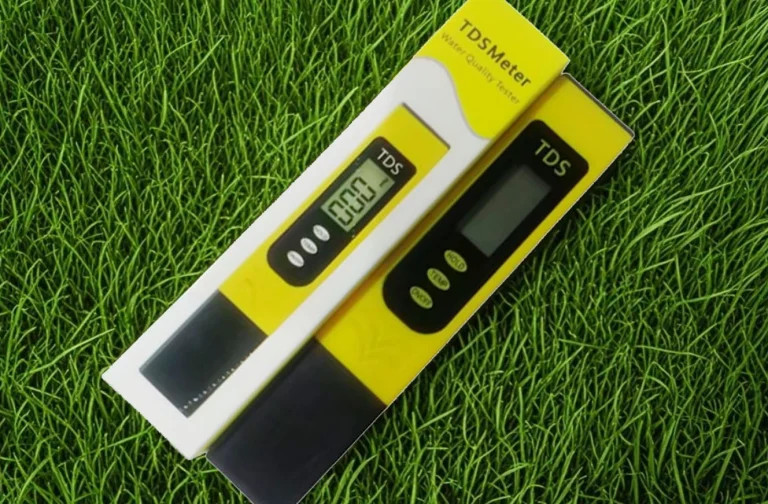
Regular TDS testing of both feed water and permeate is the most direct way to confirm a membrane is still performing correctly. A rising permeate TDS reading, compared to the system’s baseline, often signals scaling, fouling, or membrane wear before flow problems become obvious. A dedicated TDS meter for water testing makes this check simple to repeat on a regular schedule.
Performance Monitoring
Tracking permeate flow rate and feed pressure over time helps identify fouling or scaling early, before the membrane is damaged. A steady decline in flow, paired with stable or rising pressure, is a common early warning sign in high-TDS systems.
Cleaning and Replacement
High-TDS systems often need cleaning on a somewhat shorter interval than low-TDS systems, particularly where pretreatment is minimal. If cleaning no longer restores flow and rejection to acceptable levels, replacement is the next step. Details on that decision process are covered in this troubleshooting guide for low flow and high TDS problems.
What Determines Real-World Results
It is worth restating clearly: no membrane can guarantee a fixed TDS reduction percentage or a fixed lifespan across every application. Actual performance always depends on the combination of feed-water chemistry, pretreatment, operating pressure, temperature, recovery rate, and system design working together. Two households with “high TDS” water on paper can see different results from the same membrane, simply because their mineral composition, pressure, and pretreatment differ.
This is why a proper water test, matched against a membrane’s actual specifications, matters more than any single marketing claim.
Conclusion
High TDS water raises the technical demands on an RO membrane, but it does not put effective treatment out of reach. The core issue is matching the membrane’s rejection rating, pressure requirements, and capacity to your actual feed-water chemistry, not assuming any standard membrane will perform the same way on every water source.
Start with a real water test. Check the membrane’s rated TDS range and pressure requirements against that test. Build pretreatment around your specific mineral profile, whether that means sediment filtration, softening, or antiscalant support. Decide honestly whether a residential membrane is sufficient or whether your demand and water chemistry call for a commercial-grade system.
Choosing the right RO membrane for high TDS water is less about finding one “best” product and more about making sure every part of the system, from pretreatment to pressure to membrane rating, is built for the water you actually have.
RELATED POSTS
Best Water Filter Housing: How to Choose the Right One for Your System
Water Fed Pole System Setup: A Complete Equipment and Connection Guide
How Much Water Does an RO System Waste?
Water Filter System Buying Guide: What Should You Look For?
Anion Ion Exchange Resin | BasideWT Ion Exchange Resin Suppliers