BasideWT- Whole Home Water Filtration System & Replacement


UF Membrane Fouling: Causes, Signs & How to Prevent It
UF membrane fouling is one of the most common problems in ultrafiltration systems. It slowly reduces flow, raises pressure, and shortens membrane life. Operators who understand fouling early can avoid costly downtime and premature replacement.
This guide explains what causes UF membrane fouling, how to recognize it, and how to control it. It focuses purely on fouling itself, not on general membrane selection or design. For background on membrane structure and operation, see this UF filter membrane guide.
What Is UF Membrane Fouling?
UF membrane fouling happens when unwanted material builds up on or inside a membrane. This buildup blocks the pores or coats the surface. As a result, water struggles to pass through at the same rate.
Fouling is different from normal wear. A membrane naturally loses a small amount of permeability over its lifespan. Fouling, however, causes a faster and more severe decline. Left unchecked, it can permanently damage membrane fibers.
Every UF system experiences some fouling. The goal is not to eliminate it completely. Instead, operators aim to slow it down and reverse it through proper cleaning.
How UF Membrane Fouling Happens
Feed water always carries some level of contamination. Particles, organic molecules, and microorganisms travel with the water toward the membrane surface. During filtration, the membrane holds these materials back while clean water passes through.
Over time, however, this rejected material does not simply wash away. Instead, it accumulates near the membrane. Some particles settle on the surface. Others penetrate small pores and lodge inside them.
As material builds up, the effective filtration area shrinks. Consequently, the system needs more pressure to maintain the same flow. This rising pressure is the clearest signal that fouling is taking hold.
Main Types and Mechanisms of UF Membrane Fouling
Different foulants behave differently on a membrane surface. Understanding each mechanism helps operators diagnose the correct cause and select the right response.
Particulate Fouling
Suspended solids such as silt, sand, and clay deposit on the membrane surface. These particles form a physical layer that blocks water flow. Particulate fouling usually develops quickly when feed water has high turbidity.
Colloidal Fouling
Colloidal particles are smaller than suspended solids but still too large to pass through. They tend to accumulate slowly and form a dense, sticky layer. This layer is often harder to remove than loose particulate deposits.
Organic Fouling
Natural organic matter, oils, and dissolved organic compounds adhere to the membrane surface. Organic foulants often bind tightly to membrane material. Therefore, they frequently require chemical cleaning rather than physical flushing alone.
Biological Fouling (Biofouling)
Microorganisms such as bacteria can attach to the membrane and multiply. Over time, they form a biofilm that traps other particles as well. Biofouling is particularly troublesome because it regenerates even after partial cleaning.
Inorganic Fouling (Scaling)
Dissolved minerals such as calcium and iron can precipitate onto the membrane. This mineral scale hardens over time and resists standard washing. Scaling is more common when feed water has high hardness or metal content.
Cake-Layer Formation
As multiple foulant types accumulate together, they can form a compact cake layer. This layer sits directly on the membrane surface and steadily thickens. A thick cake layer significantly raises resistance to water flow.
Pore Blocking
Small particles or molecules can enter membrane pores and become lodged inside. Unlike surface fouling, pore blocking directly restricts the membrane’s internal pathways. This mechanism often causes a sharper, more permanent loss of permeability.
Membrane-foulant interactions typically drive the initial pore-blocking stage, while foulant-foulant interactions later build up the surface layer, according to research on organic fouling mechanisms.
Common Causes of UF Membrane Fouling
Several practical factors contribute to fouling in real-world systems. Recognizing these causes helps operators address the root problem instead of just the symptoms.
- Poor feed-water quality. High turbidity, suspended solids, and organic content accelerate fouling.
- Inadequate pretreatment. Skipping or under-sizing pretreatment steps lets more foulants reach the membrane.
- Microbial contamination. Untreated feed water can introduce bacteria that trigger biofouling.
- Excessive flux. Running the system above its recommended flux pushes more foulants onto the membrane surface.
- Insufficient backwashing. Infrequent or weak backwash cycles allow deposits to accumulate.
- Long operating cycles. Extended runs between cleanings give foulants more time to settle and harden.
- Poor cleaning practices. Incorrect chemicals, weak concentrations, or inconsistent scheduling leave residue behind.
- Incorrect operating conditions. Wrong pressure, temperature, or pH can all promote faster fouling.
Because these causes often interact, a single factor rarely explains severe fouling. Instead, operators usually find a combination of feed-water issues and operational shortcuts.
Signs of UF Membrane Fouling
Early detection makes fouling much easier to manage. Watch for the following practical warning signs.
- Reduced permeate flow at the same operating pressure
- Rising transmembrane pressure (TMP) over time
- Declining membrane permeability
- Increased pressure drop across the module
- More frequent backwash or cleaning requirements
- Gradual decline in filtration performance or rejection quality
- Noticeable changes in permeate water quality
A single reading rarely confirms fouling. Instead, operators should track TMP and flow trends over days or weeks. A steady, gradual increase in pressure is far more telling than one unusual reading.
| Fouling Symptom | Possible Cause | Recommended Action |
|---|---|---|
| Rising TMP at stable flow | Cake-layer buildup or scaling | Increase backwash frequency; check feed hardness |
| Falling permeate flow | Particulate or colloidal fouling | Review pretreatment; inspect turbidity levels |
| Flow recovers only partially after backwash | Pore blocking | Consider chemical cleaning |
| Musty odor or slime in permeate | Biofouling | Disinfect feed line; evaluate microbial control |
| Sudden performance drop after a specific event | Operational upset (flux spike, feed change) | Review recent operating logs |
How to Prevent UF Membrane Fouling
Prevention works far better than reactive cleaning. A combination of proper pretreatment, disciplined operation, and consistent maintenance keeps fouling under control.
Pretreatment and Its Role
Pretreatment removes much of the fouling load before water ever reaches the membrane. Coarse filtration, coagulation, and pH adjustment all reduce particulate and organic content. As a result, the membrane faces far less stress during normal operation.
Skipping pretreatment is one of the most common mistakes operators make. Even a well-designed membrane cannot compensate for consistently poor feed water.
Backwashing and Fouling Control
Regular backwashing physically dislodges loose deposits from the membrane surface. This step reverses much of the reversible fouling that builds up during normal filtration. Consistent scheduling matters more than occasional intense backwash cycles.
For a full walkthrough of backwash procedures, see this UF membrane cleaning and backwashing guide.
Chemical Cleaning
Backwashing alone cannot remove every foulant. Organic residue, scaling, and biofilm often require chemical cleaning to fully restore performance. Cleaning frequency depends on feed-water quality and observed TMP trends.
Chemical selection and dosing should always match the specific foulant type identified during diagnosis. Because improper chemical use can damage membrane fibers, operators should follow manufacturer guidance and site-specific water testing rather than generic formulas.
Operational Factors That Increase Fouling
Operating conditions directly influence how fast fouling develops. Running above the rated flux, using inconsistent pressure, or ignoring temperature swings all accelerate deposit buildup.
For guidance on setting appropriate operating parameters, see this UF membrane operating pressure and flow rate guide.
Fouling vs Scaling vs Biofouling
These three terms are often used loosely, but they describe distinct problems.
- Fouling is the general term for any performance-reducing deposit on a membrane.
- Scaling refers specifically to inorganic mineral deposits, such as calcium carbonate.
- Biofouling refers specifically to living microbial growth, such as bacterial biofilms.
In practice, scaling and biofouling are both subtypes of fouling. However, each requires a different prevention and cleaning strategy. Treating biofouling with a scale remover, for example, will not solve the underlying problem.
How Fouling Affects UF Membrane Performance
Fouling touches nearly every aspect of system performance, not just flow rate.
- Flow: Permeate output drops as deposits block filtration pathways.
- Pressure: TMP rises as the system compensates for reduced permeability.
- Permeability: The membrane’s ability to pass water per unit of pressure declines.
- Energy use: Higher pressure demands more pumping energy, raising operating costs.
- Cleaning frequency: Heavier fouling forces more frequent backwash and chemical cleaning cycles.
- Membrane life: Repeated aggressive cleaning to fight fouling can shorten membrane lifespan.
- Operating cost: Combined energy, chemical, and labor costs climb as fouling worsens.
Because these effects compound, unmanaged fouling often becomes far more expensive than proactive prevention. For details on how fouling history affects long-term service life, see this UF membrane lifespan and replacement guide.
Fouling Prevention Checklist
Use this checklist as a quick daily and weekly reference for operators.
- Monitor TMP and flow trends daily
- Confirm pretreatment equipment is functioning correctly
- Follow the recommended backwash schedule
- Avoid running above rated flux, even temporarily
- Track feed-water turbidity and organic content
- Schedule chemical cleaning based on TMP trends, not just fixed calendar dates
- Inspect for biofilm or slime during routine checks
- Keep a log of cleaning events and performance recovery
- Review pore size suitability against feed-water particle size; see this UF membrane pore size guide
FAQs
What is the main cause of UF membrane fouling? Poor feed-water quality combined with inadequate pretreatment is the most common cause. Excessive flux and infrequent backwashing often make the problem worse.
How can I tell the difference between fouling and normal aging? Normal aging causes a slow, steady permeability decline over years. Fouling causes a faster, more noticeable drop in flow or rise in pressure, often within days or weeks.
Can UF membrane fouling be completely prevented? No system can eliminate fouling entirely. However, proper pretreatment, correct flux, and consistent cleaning can keep fouling manageable and reversible.
Does biofouling require different treatment than particulate fouling? Yes. Biofouling usually needs disinfection or biological control methods, while particulate fouling responds well to backwashing and pretreatment improvements.
How often should chemical cleaning be performed? Frequency depends on feed-water conditions and TMP trends rather than a fixed schedule. Rising TMP that does not recover after backwashing is the clearest signal that chemical cleaning is due.
Can severe fouling permanently damage a UF membrane? Yes. Prolonged, unmanaged fouling can cause irreversible pore blocking and fiber damage. This damage often forces early membrane replacement.
Conclusion
UF membrane fouling affects flow, pressure, energy use, and long-term membrane life. Recognizing its mechanisms and early warning signs allows operators to act before performance drops significantly. Combining solid pretreatment, disciplined operation, and a consistent cleaning schedule remains the most reliable way to control it.
Reliable membrane quality also plays a major role in fouling resistance. Explore BasideWT’s UF membrane solutions to find membranes built for stable, long-term performance in demanding feed-water conditions.
RELATED POSTS
Water Softener System Cost Guide: Prices, Installation & Long-Term Value
Deionized Water vs Reverse Osmosis Water: What’s the Difference?
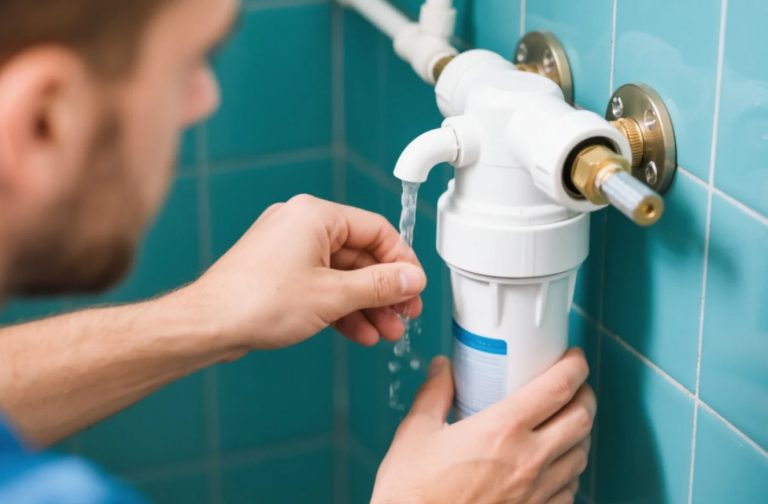
How To Change Whole House Water Filter?
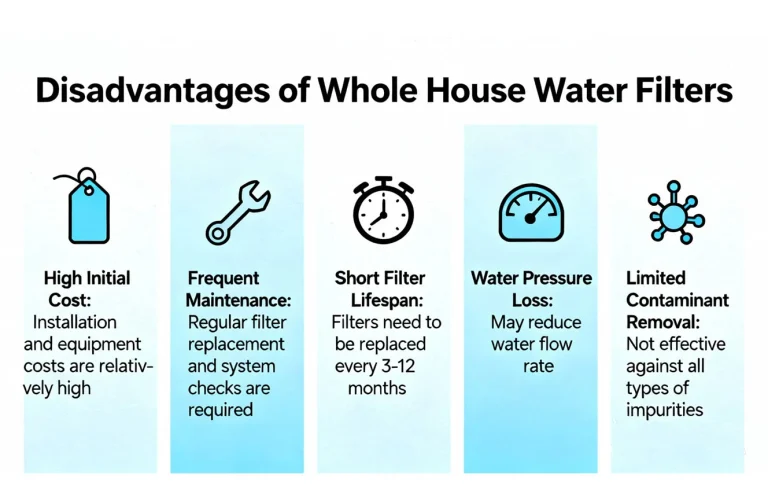
What Are The Disadvantages Af A Whole House Water Filter
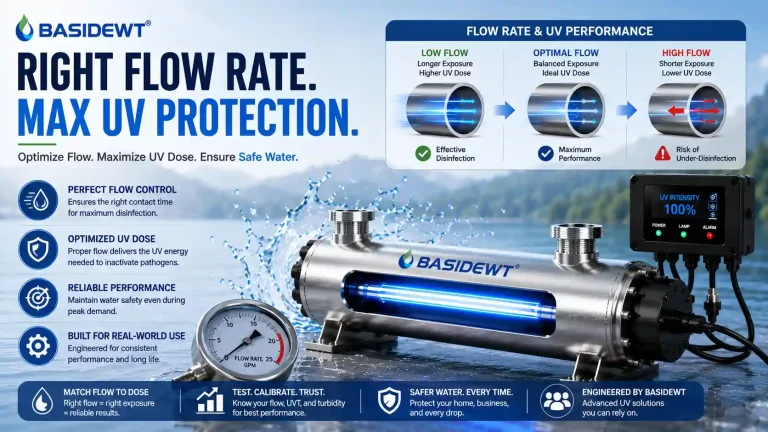
UV Water Sterilizer Flow Rate: How to Calculate and Optimize Performance