BasideWT- Whole Home Water Filtration System & Replacement


How To Remove Salinity From Water
Finding reliable methods for how to remove salinity from water is crucial for many industries and homes. High salt content makes water unusable for drinking, irrigation, and manufacturing. Therefore, effective desalination is key. BasideWT specializes in advanced technologies that tackle this challenge efficiently. This guide explores proven techniques and our innovative solutions.
Understanding Salinity and Its Challenges
Salty water, or brackish/sea water, contains dissolved salts. These include sodium, chloride, and others. Consuming such water is harmful. It also damages appliances and soils. However, not all salinity levels are the same. The removal strategy must match the source. BasideWT’s systems are designed for various salinity levels, ensuring optimal performance.
Core Technologies: How Desalination Works
Several technologies can remove salt. Each has unique advantages. Here, we break down the most effective ones.
How To Remove Salinity From Water? Reverse Osmosis (RO) Technology
Reverse Osmosis is a premier answer to how to remove salinity from water. It forces water through a semi-permeable membrane. This membrane blocks salt molecules. The result is fresh, clean water. Interestingly, modern RO systems like ours are highly energy-efficient. They recover more water and reduce waste.
How to Remove Salinity from Water Using Reverse Osmosis Technology
Reverse Osmosis is currently the world’s most dominant and efficient technology for seawater desalination and brackish water treatment. Its core principle involves applying pressure to force saltwater through a semi-permeable membrane that allows only water molecules to pass, thereby trapping salts and most impurities.
1. The Basic Principle of Reverse Osmosis
Imagine a container of saltwater divided by a special “sieve” (the RO membrane). The pores in this sieve are extremely small—only about 0.0001 microns—allowing only tiny water molecules to squeeze through, while most salt ions (like sodium and chloride), minerals, bacteria, viruses, and organic compounds are blocked.
Naturally, water moves from an area of low solute concentration (freshwater) to an area of high concentration (saltwater) to achieve equilibrium, a process called osmosis. Reverse Osmosis does the opposite. It applies external pressure (typically 60-80 atmospheres) exceeding the natural osmotic pressure to the saltwater side, forcing water molecules to flow “against” the natural gradient, from the saltwater through the membrane to the freshwater side.
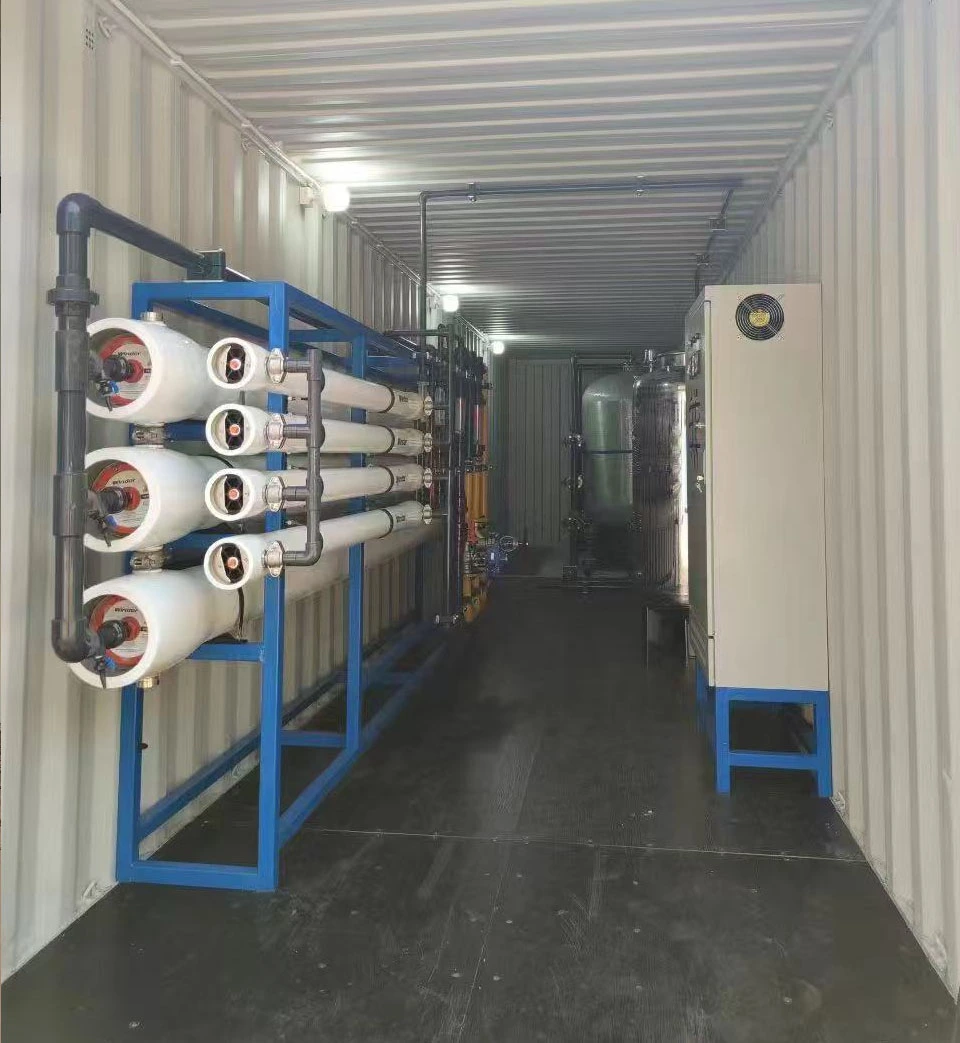
2. Key Components of a Reverse Osmosis System
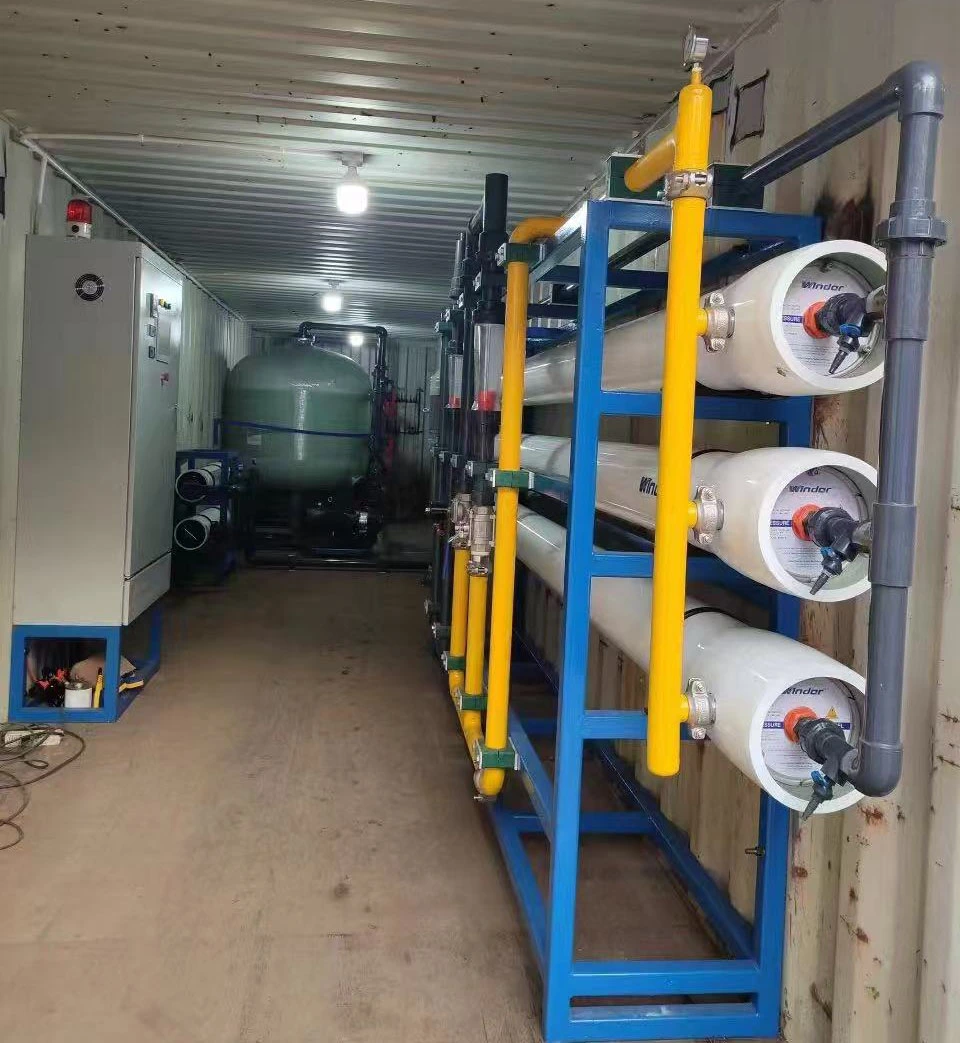
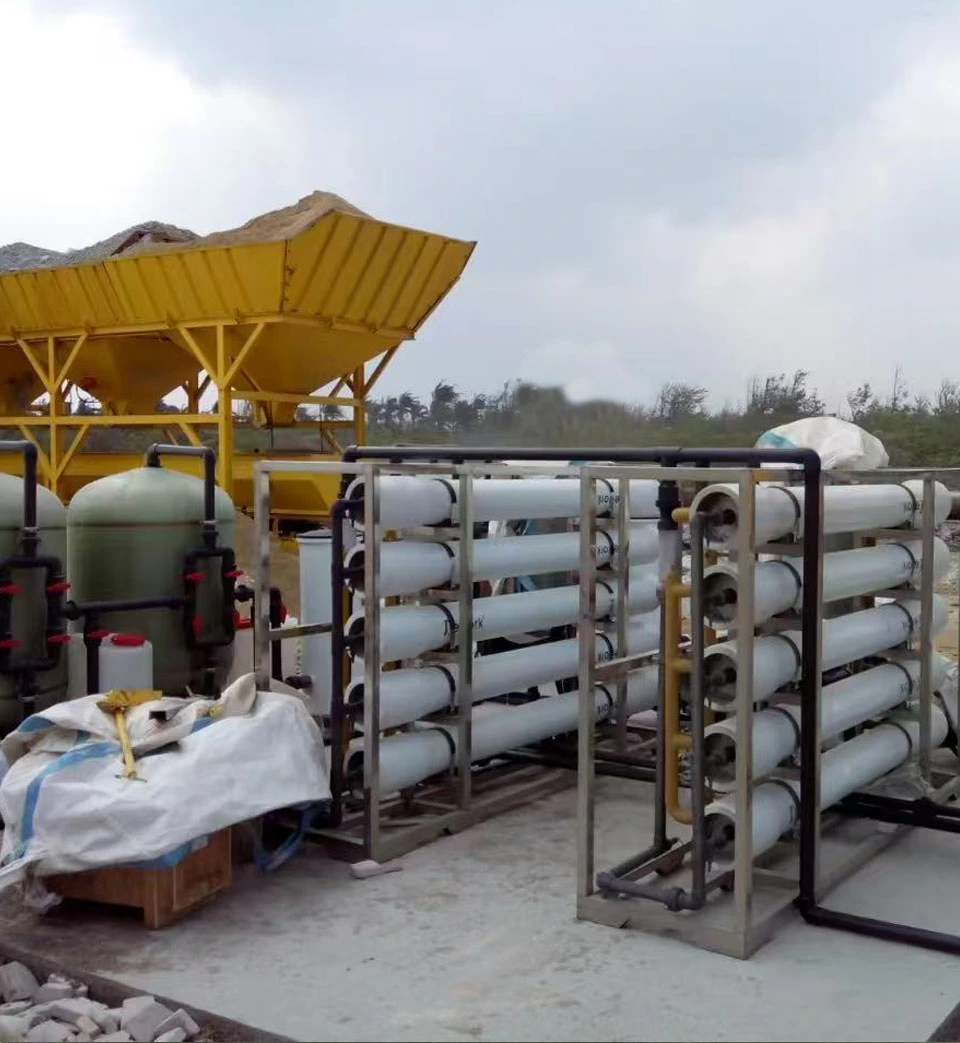
A standard residential or industrial RO system typically includes the following pre-treatment and post-treatment stages to protect the core membrane and improve water quality:
- Pre-Treatment System (Crucial):
- Sediment Filter: Removes large suspended particles like sand, silt, and rust.
- Activated Carbon Filter: Adsorbs chlorine, organic compounds, and odors, protecting the RO membrane from chlorine oxidation damage.
- Micron Pre-Filter: Usually a 5-micron polypropylene cartridge for final particle filtration.
- Core High-Pressure Pump & RO Membrane Module:
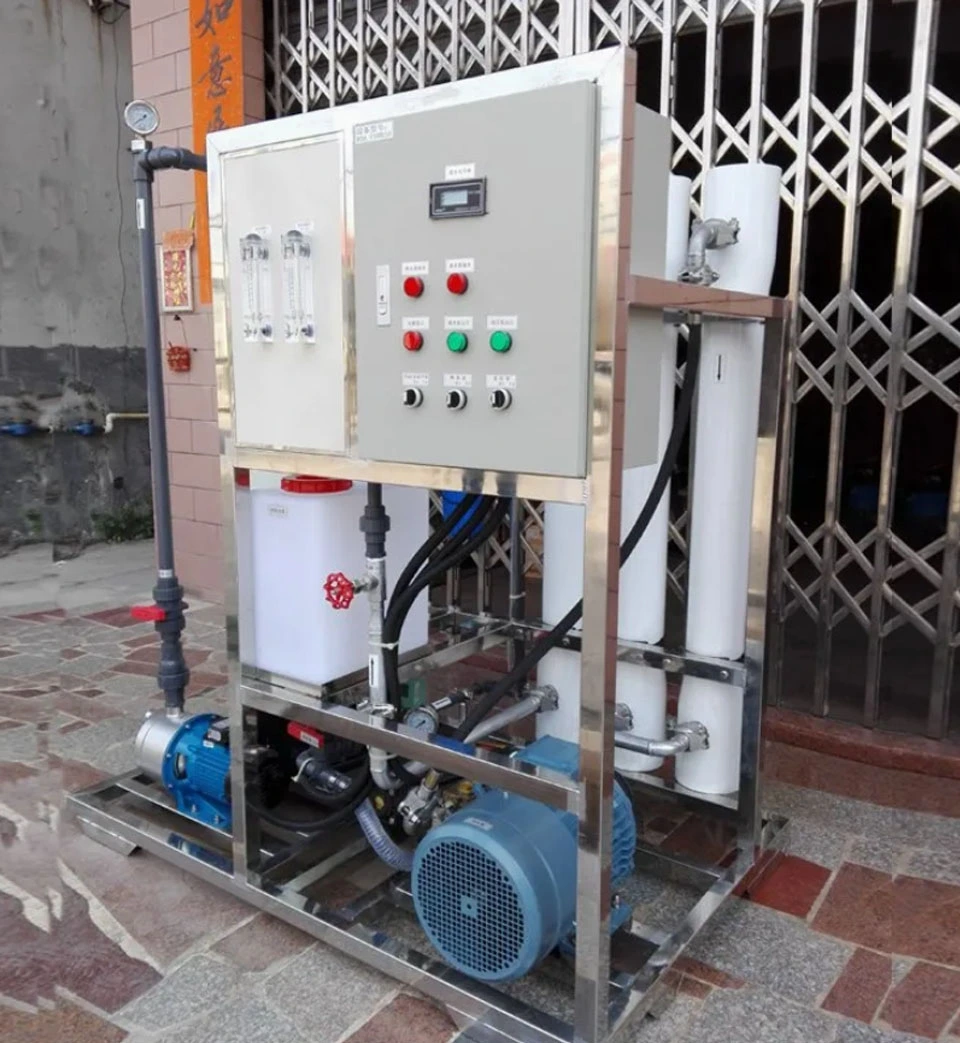
- High-Pressure Pump: Provides the necessary pressure for water entering the RO membrane.
- RO Membrane Element: The “heart” of the system. Typically a spiral-wound composite polyamide membrane with a very high salt rejection rate (usually >98%).
- Post-Treatment & Storage System:
- Storage Tank: Holds the purified water.
- Post-Carbon Filter: Polishes the water’s taste further and removes any potential storage-related odors.
- Remineralization Filter (Optional): Adds beneficial minerals back to the demineralized water to improve taste.
- Control System: Includes pressure gauges, flow meters, solenoid valves, and a TDS (Total Dissolved Solids) meter.
3. Step-by-Step Desalination Process via RO
- Pressurization: Pre-treated feed water (saltwater) is pressurized by the high-pressure pump.
- Separation: The pressurized stream enters the RO membrane housing. Under pressure, a portion of the water molecules overcome osmotic pressure and pass through the microscopic pores of the membrane, becoming permeate (pure water).
- Stream Division:
- Product Water: The water that passes through the membrane (typically 20%-50% of the feed water, depending on system recovery rate) is collected and sent to the storage tank.
- Concentrate (Brine): The water containing the concentrated salts and rejected impurities (typically 50%-80%) is swiftly flushed away as wastewater. This flushing action is vital to prevent scaling and fouling on the membrane surface.
- Storage & Use: Pure water is stored in the pressure tank. When the dedicated faucet is opened, water flows through the post-carbon filter for final polishing before use.
4. Advantages and Challenges of RO Technology
Advantages:
- Highly Effective Desalination: Removes over 99% of dissolved salts and heavy metal ions.
- Comprehensive Purification: Simultaneously removes bacteria, viruses, pesticides, scale-forming minerals (calcium, magnesium), and nearly all other contaminants.
- Proven Technology: Systems are stable, reliable, and highly automated.
- Wide Application: Used everywhere from household water purifiers to large-scale seawater desalination plants (e.g., in the Middle East, Singapore).
Challenges/Considerations:
- Energy Consumption: Requires a high-pressure pump, consuming more energy than some other filtration methods.
- Wastewater (Brine): Produces a concentrate stream. However, modern high-efficiency RO systems have improved recovery rates to reduce waste. The brine can often be reused for purposes like toilet flushing or cleaning.
- Maintenance: RO membranes and pre-filters require periodic replacement; otherwise, salt rejection and water production decline.
- Removes Minerals: Produces demineralized water. The health implications of long-term consumption are debated, but can be addressed with a remineralization post-filter.
Electrodialysis (ED): Using Electrical Charge
This method uses electric currents to pull salt ions from water. It is especially effective for brackish water. Membranes charged positively and negatively attract the salts. Therefore, the water becomes desalinated. BasideWT’s advanced ED systems offer great precision for specific industrial needs.
Distillation: The Traditional Approach
Distillation involves boiling water and collecting the vapor. The salt is left behind. While effective, it is often energy-intensive. However, it’s noteworthy that modern multi-stage flash distillation has improved efficiency. For certain applications, it remains a viable choice.
Why Choose BasideWT’s Desalination Systems?
With many options available, selecting the right system is vital. BasideWT stands out for innovation and reliability.
Superior Efficiency: Our RO systems use cutting-edge membranes. They deliver maximum purity with minimal energy.
Smart Integration: Systems include real-time monitoring. You can track performance and salt removal rates easily.
Durability & Support: We build systems to last. Comprehensive service ensures your operation never stops.
Our solutions directly address the pressing question of how to remove salinity from water sustainably.
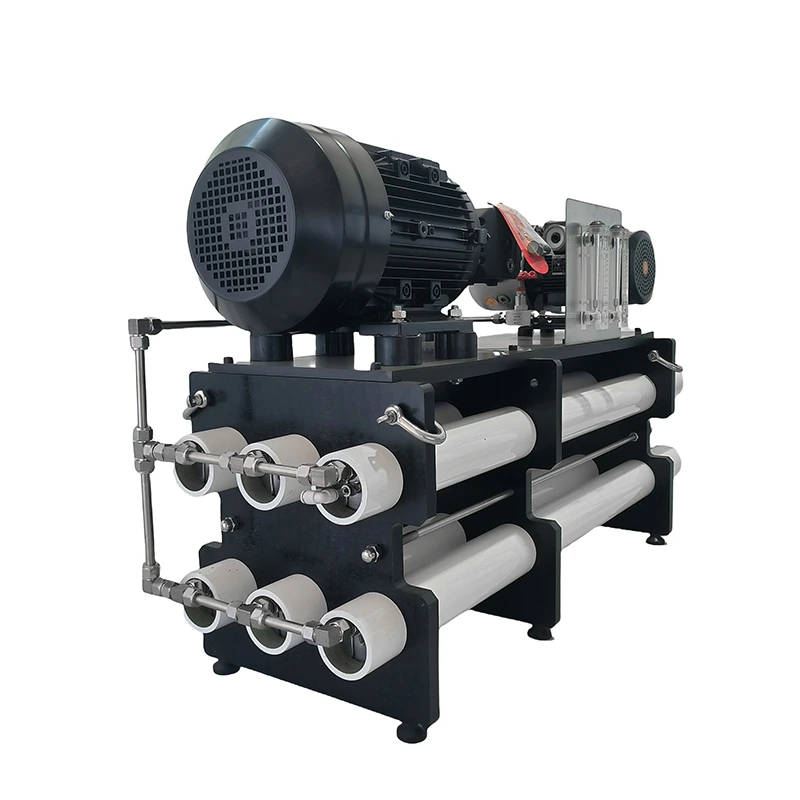
Portable Water Maker
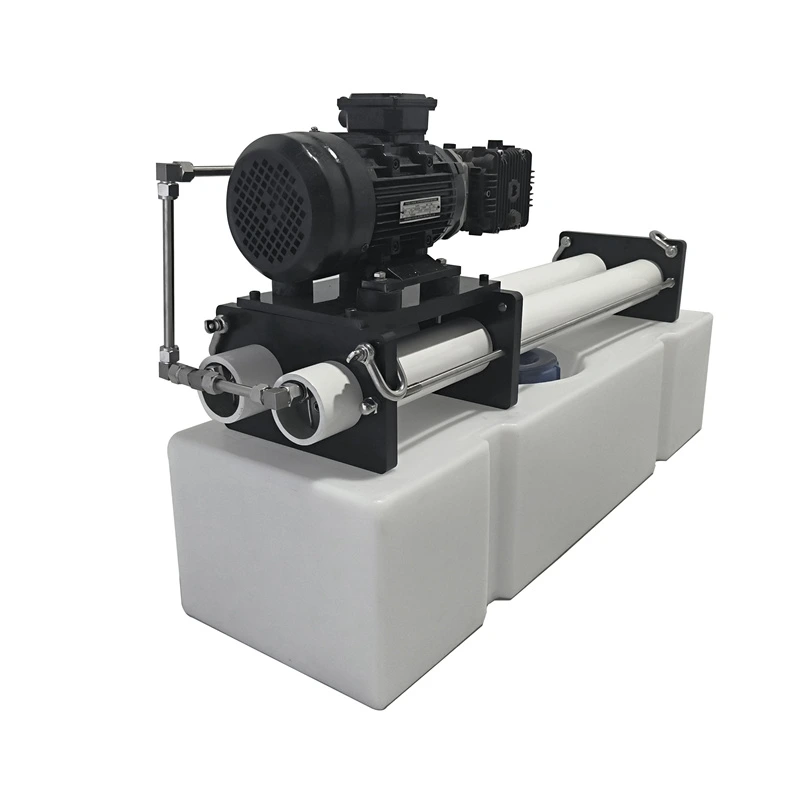
250L/H Desalinator For Boat
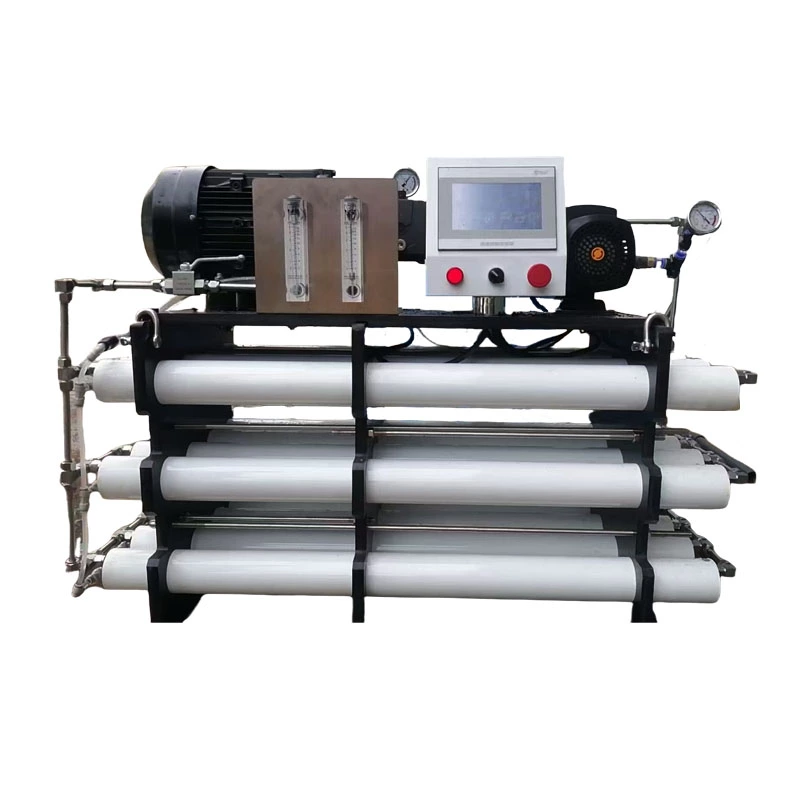
Sea Water Pro Watermakers
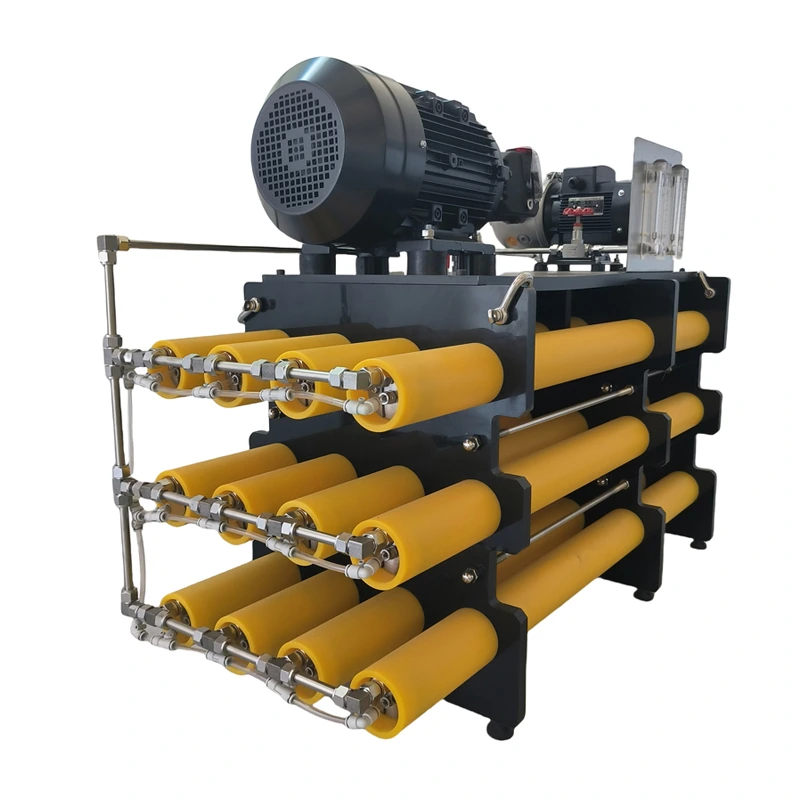
1500L/H Seawater Pro Watermaker
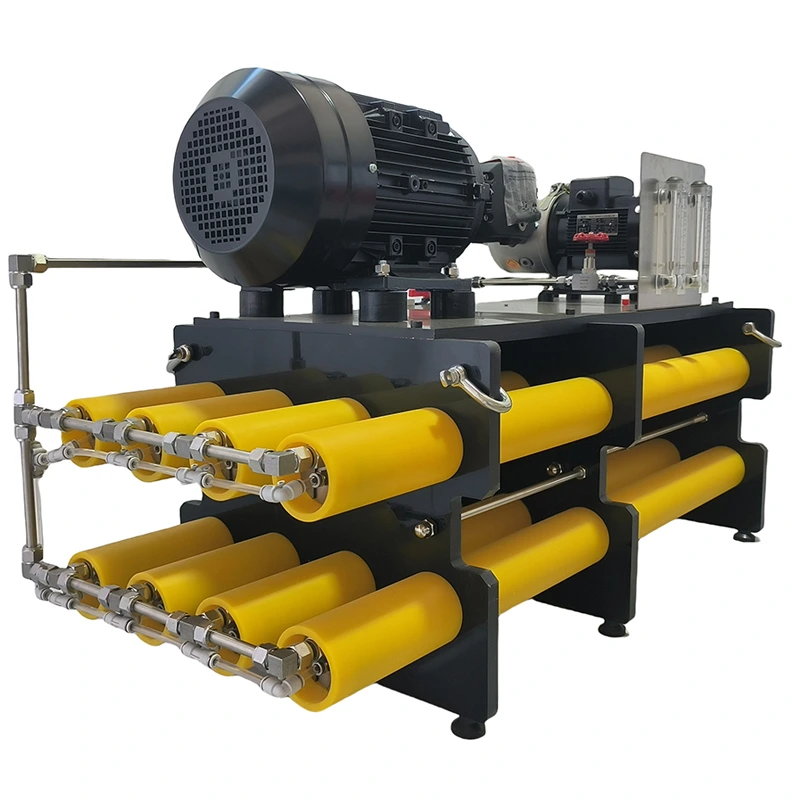
1000L/H Water Maker For Boat

500L/H Seawater Desalination
Applications: Where Desalination Makes a Difference
Removing salt transforms water for countless uses.
- Municipal Water Supply: Provides safe drinking water for coastal cities.
- Agriculture: Creates suitable irrigation water, protecting crops.
- Industrial Processes: Ensures high-purity water for manufacturing and power plants.
- Hospitality & Marine: Supplies fresh water for resorts and vessels.
Specifically, BasideWT tailors systems for each sector. We ensure the method fits the application perfectly.
Future Trends in Desalination Technology
The quest for better ways to remove salinity from water continues. Research focuses on lower energy use and higher recovery rates. For instance, graphene membranes and solar-powered RO are emerging. BasideWT is at the forefront, investing in these innovations. Our goal is to make desalination more accessible and sustainable for all.
Related products
Water Treatment Accessories Selection Guide
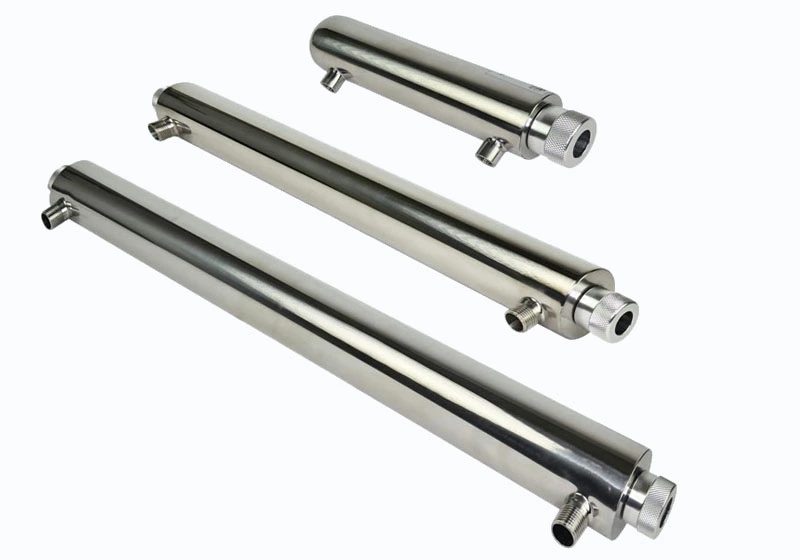
UV Sterilizers
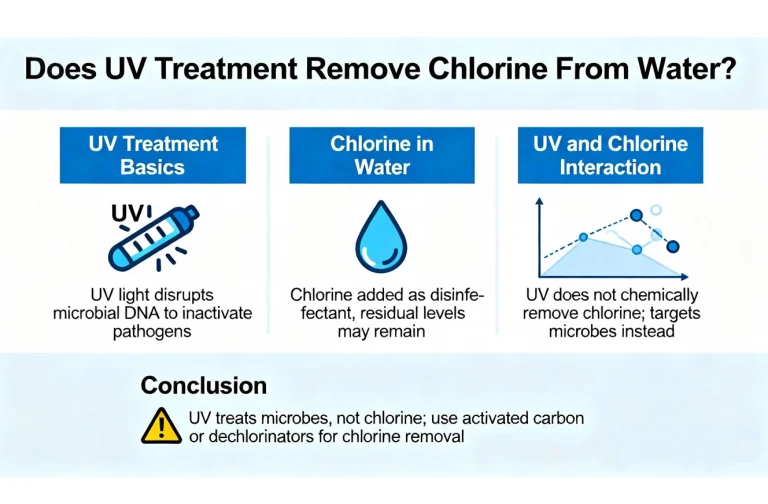
UV sterilizers provide an advanced, chemical-free solution for disinfecting water by using ultraviolet (UV-C) light to inactivate harmful microorganisms. Designed for high efficiency and long-lasting operation, these sterilizers ensure safe, pure, and biologically clean water for residential, commercial, and industrial water treatment systems.
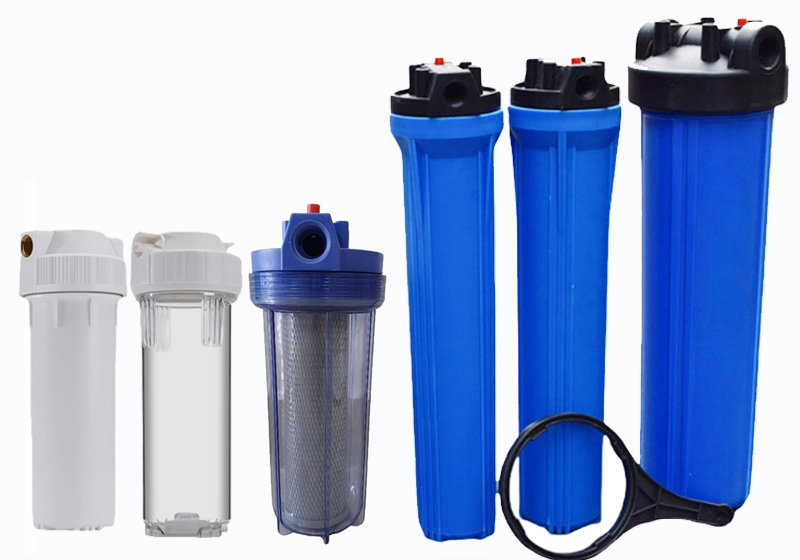
Water Filter Housings
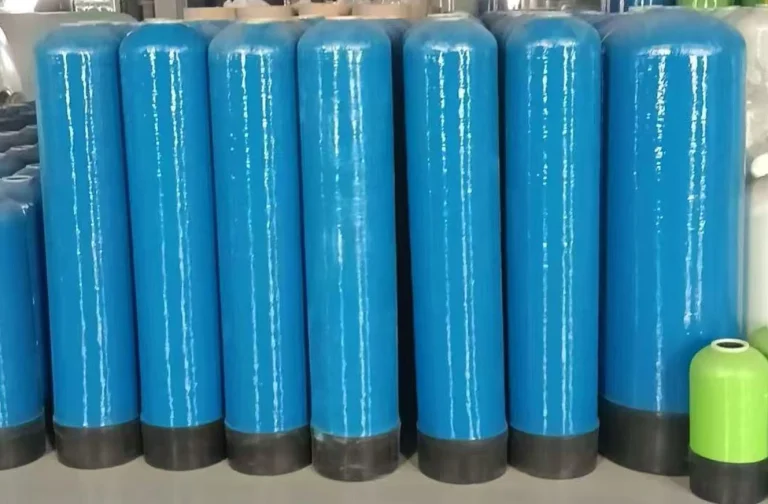
BasideWT water filter housings are durable, high-performance enclosures designed to hold filter cartridges securely and ensure efficient water purification across various applications. Engineered with precision and corrosion-resistant materials, these housings provide reliable protection for the filtration media while maintaining consistent flow and pressure throughout the system.
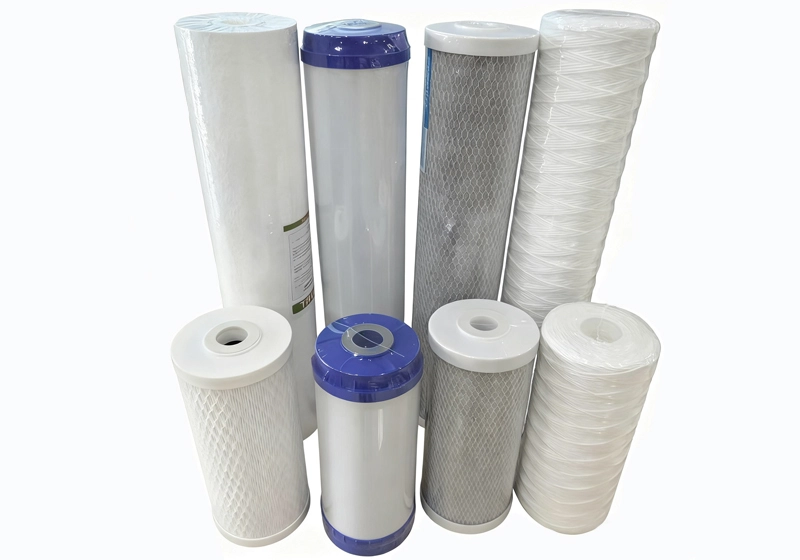
Water Filter Cartridge
BasideWT water filter cartridges are the core components of water filtration systems, responsible for removing suspended solids, chlorine, odors, organic matter, and other contaminants from water. Engineered with precision and made from high-quality filtration media, these cartridges ensure clean, safe, and great-tasting water for residential, commercial, and industrial applications.
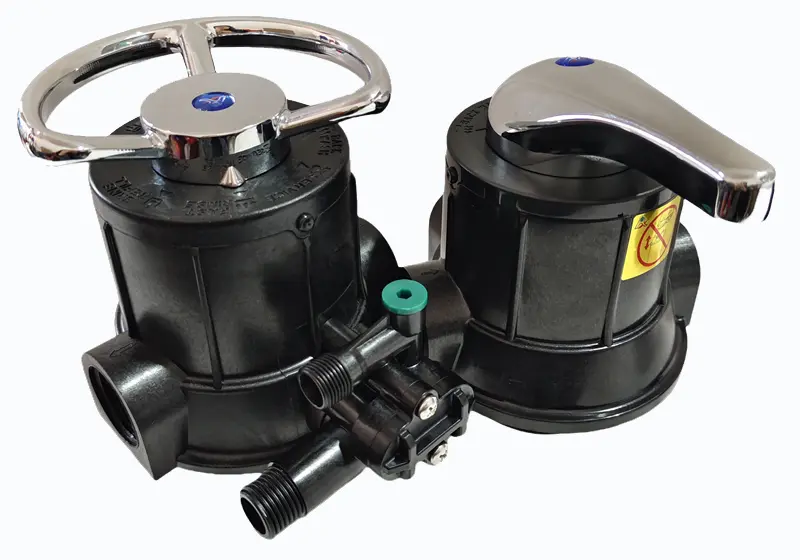
Control Valves
Regulate flow direction, pressure, and operational cycles within filtration and softening systems.
Choose between manual, semi-automatic, or fully automatic valves depending on system complexity and maintenance needs.
Choose between manual, semi-automatic, or fully automatic valves depending on system complexity and maintenance needs.
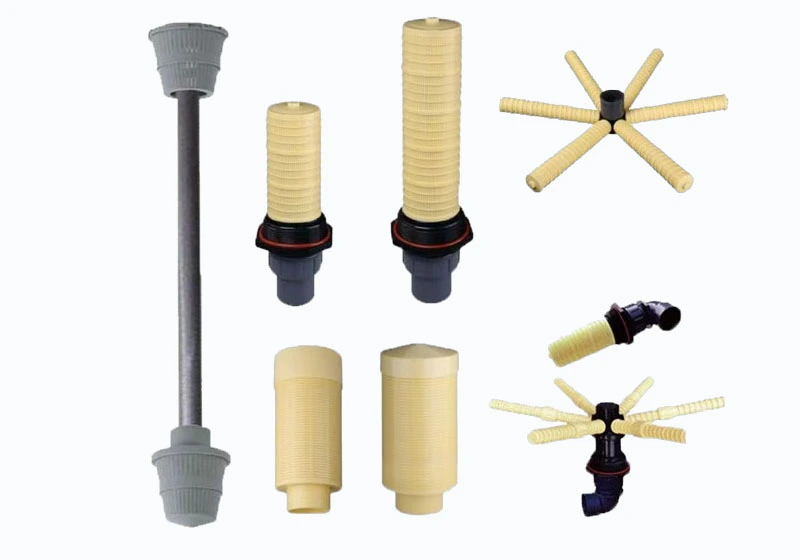
Water Distributor for FRP Tanks
The water distributor is a crucial internal component of BasideWT FRP tanks, designed to ensure even water distribution and efficient utilization of the filter media during operation. A well-engineered distributor system maximizes filtration efficiency, prevents media channeling, and extends the service life of the tank and filter media.
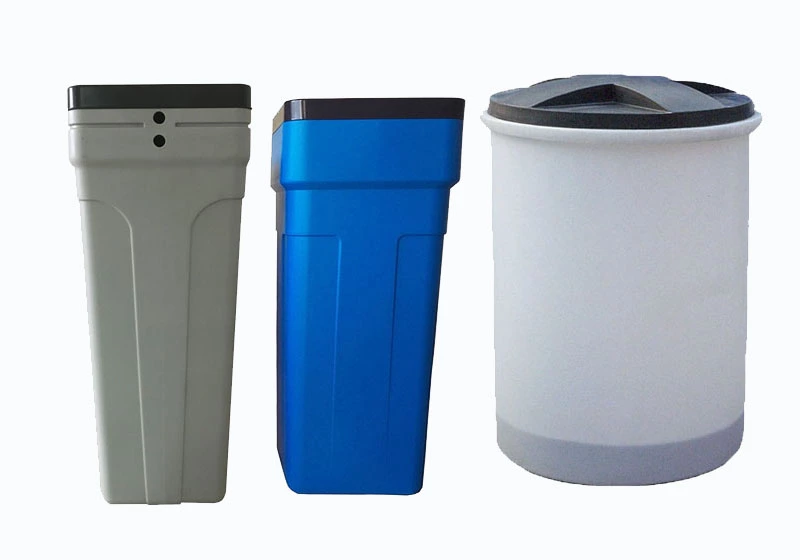
Brine Tanks
BasideWT brine tanks are essential components in water softening systems, designed to store and prepare the salt solution (brine) used for regenerating ion exchange resin in softeners. Engineered with high-quality materials and user-oriented design, these tanks ensure consistent brine concentration, reliable regeneration cycles, and long-term durability.
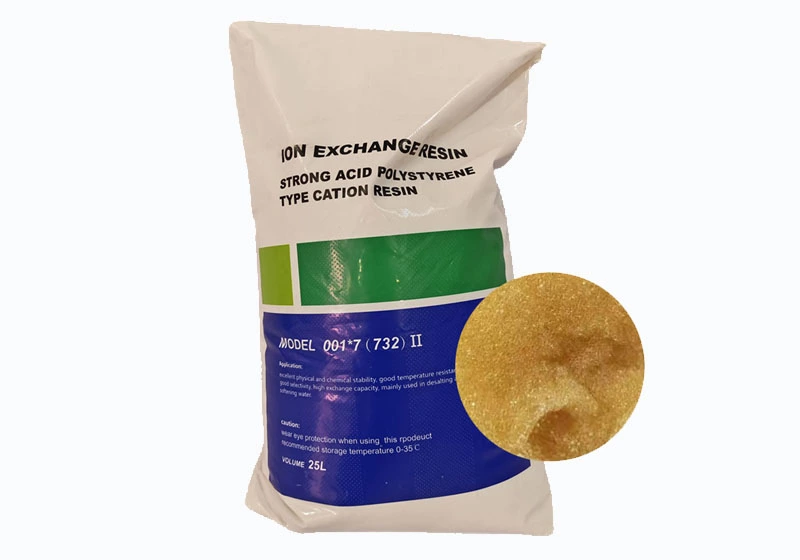
Ion Exchange Resins
BasideWT ion exchange resins are high-performance polymer beads designed for efficient removal of hardness ions, dissolved salts, and contaminants in water treatment systems. They play a vital role in processes such as water softening, demineralization, and deionization, ensuring high water purity and system reliability.
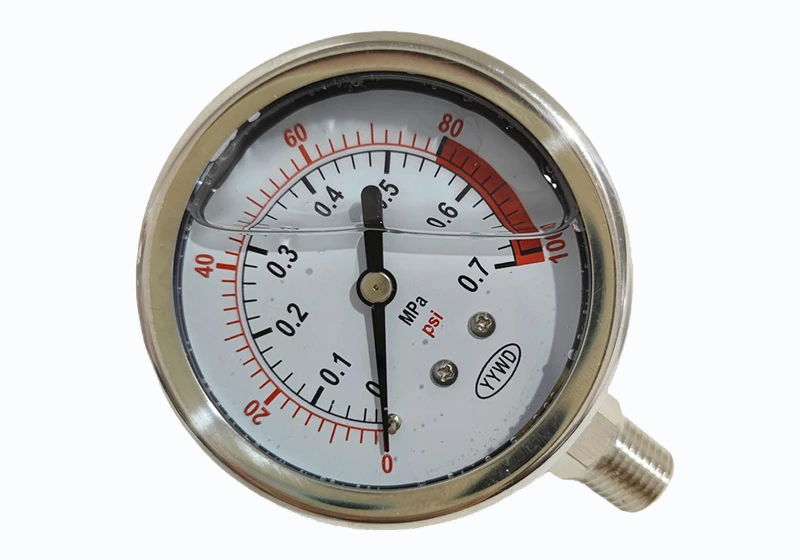
Water Pressure Gauge
A Water Pressure Gauge is an essential instrument used to measure and display the pressure of water within a system. It helps ensure optimal operating conditions and prevents damage to pumps, filters, or pipes caused by excessive or insufficient pressure. BasideWT offers high-quality gauges designed for both residential and industrial water treatment applications.

Let’s Solve Your Water ChallengesOur BasideWT water specialists are ready to assist.
-
WhatsAPP: 86-13548779363
-
Mobile: 86-135 4877 9363
-
Email: sales@basidewt.com
-
Business hours: Aibang Technology Industrial Park, No. 559 Yun Qi Lu,Yuelu District, Changsha, Hunan, China
-
Address: Aibang Technology Industrial Park, No. 559 Yun Qi Lu,Yuelu District, Changsha, Hunan, China