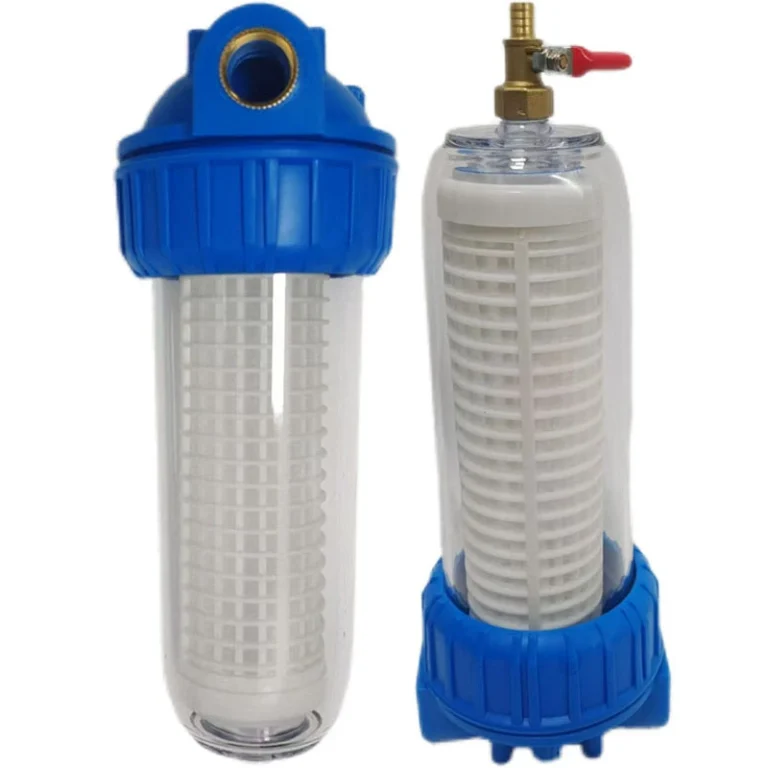
BasideWT- Whole Home Water Filtration System & Replacement


Industrial Bag Filter Housings | Precision Filters Supplier – Basidewt
PRODUCT PARAMETERS
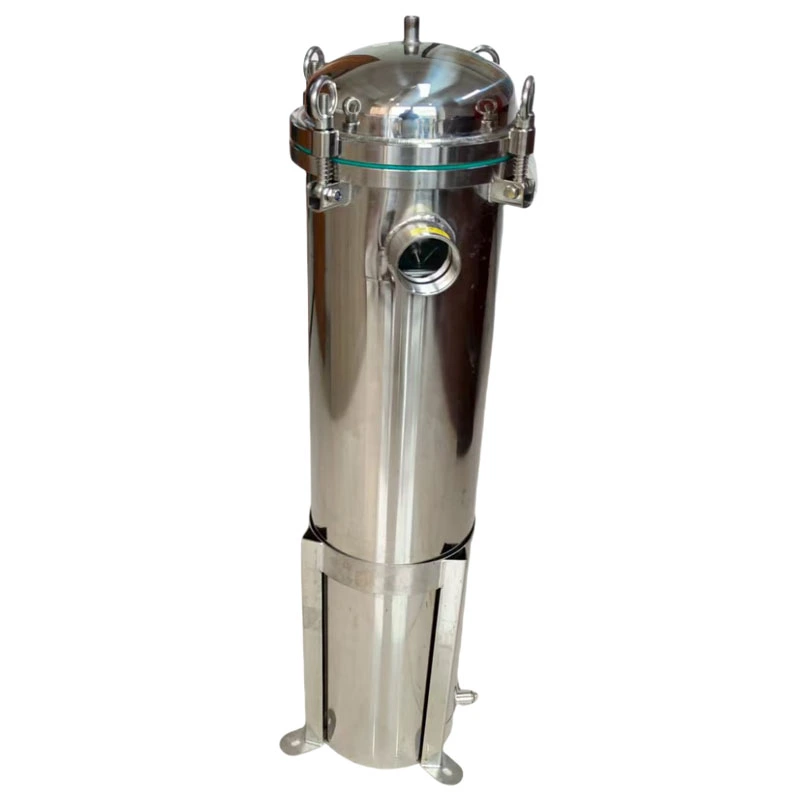
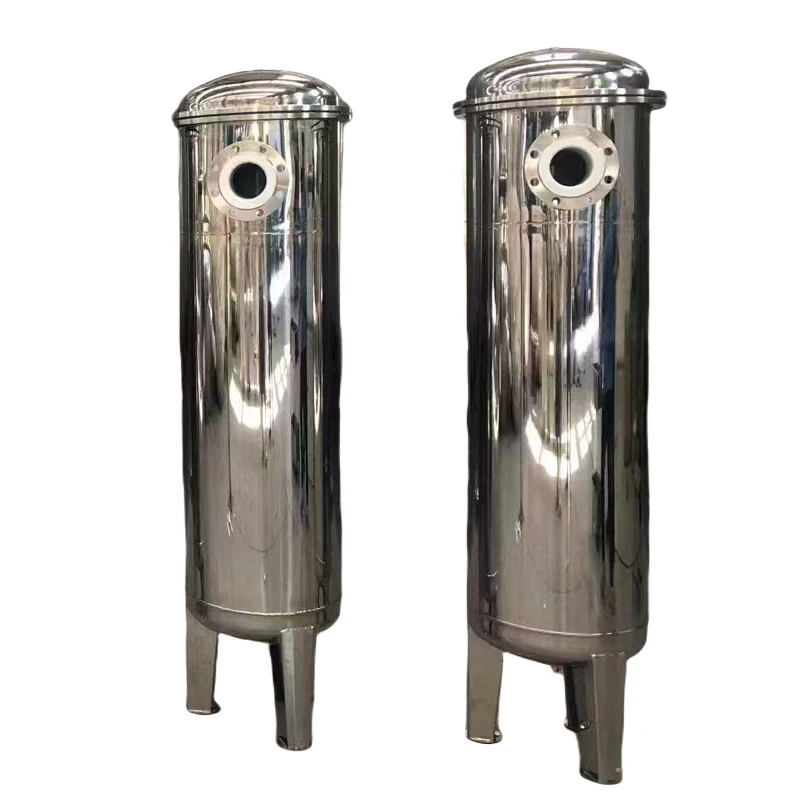
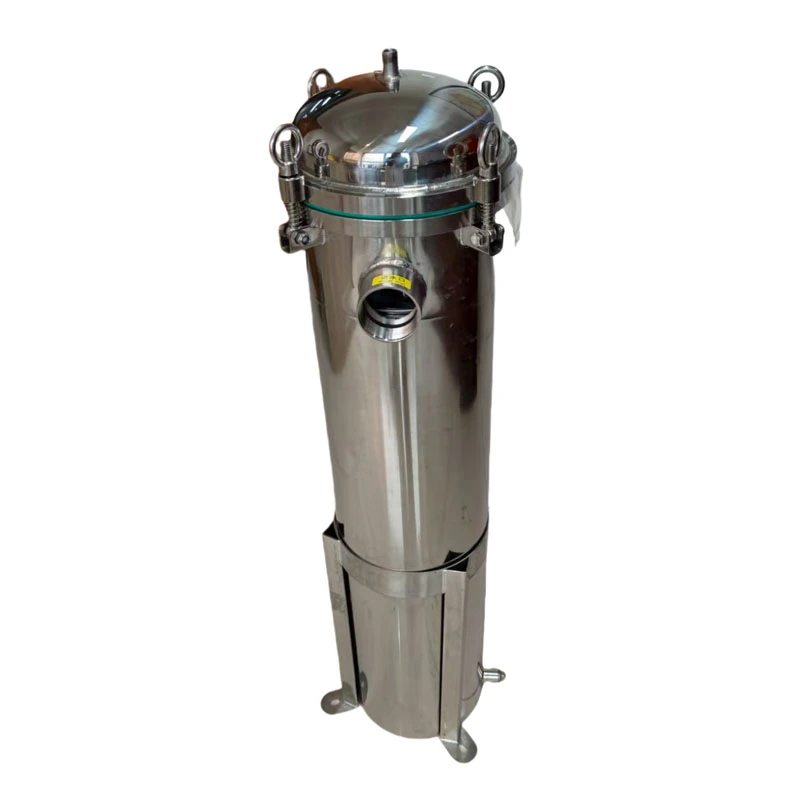
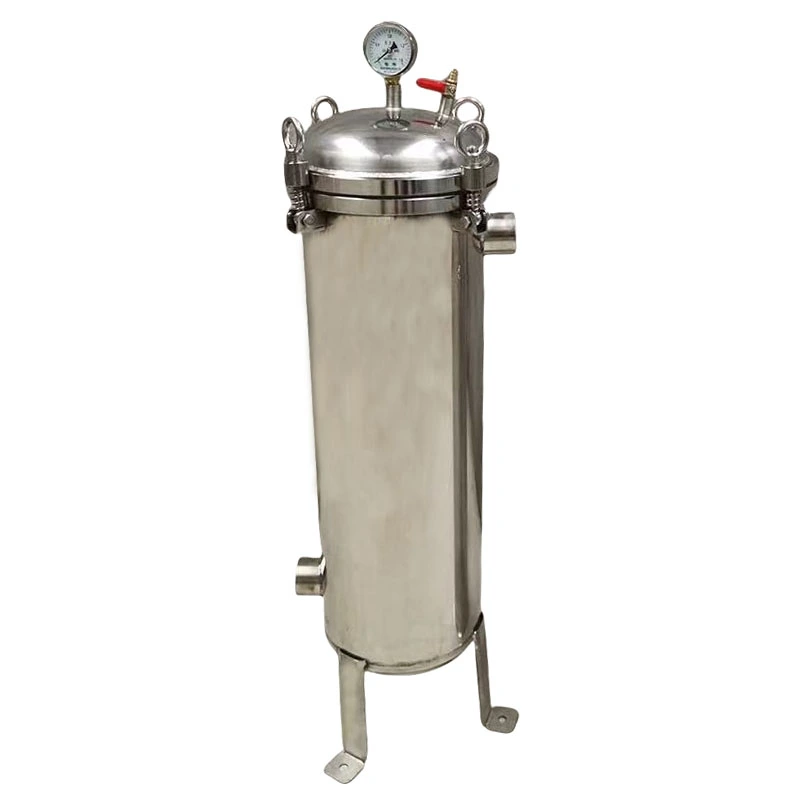
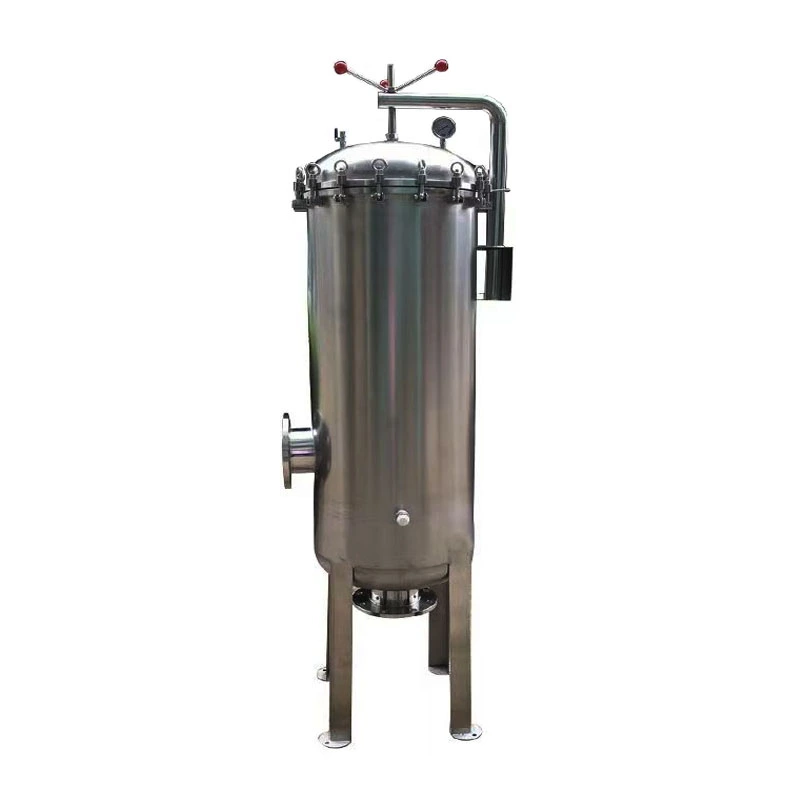
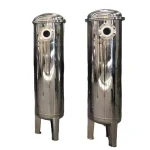
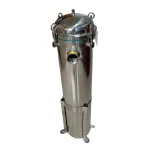
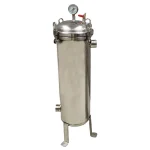
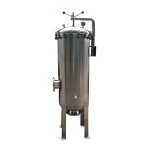
In modern industrial filtration systems, Industrial Bag Filter Housings play a vital role in ensuring fluid purity and supporting water filtration system performance. As a leading precision filters supplier, BasideWT provides robust, high-performance housings designed for durability and efficiency across various applications.
Why Choose Industrial Bag Filter Housings?
Industrial bag filter systems offer a reliable first line of defense against particulate contamination. They effectively remove suspended solids, colloids, and microorganisms, thereby extending the service life of sensitive components such as reverse osmosis membranes and ion exchange resins. What makes them indispensable? Their ability to maintain system stability while reducing operational costs.
How Do Bag Filter Housings Work?
The operating principle is based on mechanical filtration. Contaminated fluid enters the housing under pressure and passes through a filter bag—typically made of polypropylene, This bag filter housing design supports multiple filter bag types for different micron ratings. Felt, or other engineered materials. Particles larger than the bag’s pore size (commonly 5–10 microns) are retained, while clean fluid exits through the outlet.
Interestingly, as filtration continues, accumulated debris increases pressure differentials. Once a predefined drop (e.g., 0.1 MPa) is reached, the filter bag can be quickly replaced, minimizing downtime. This simple yet effective process ensures consistent fluid quality.
Key Applications Across Industries
From chemical processing and pharmaceuticals to food & beverage and wastewater treatment, industrial bag filter housings provide versatile solutions. They are especially valuable in pre-treatment stages, protecting precision equipment like nanofiltration and electrodialysis systems.
Surprisingly, these housings also serve as final polishing filters in laboratories or high-purity production lines where strict particle control is required.
Advantages of BasideWT’s Design
BasideWT’s housings are engineered for strength, corrosion resistance, and easy maintenance. Features include:
- High-flow configurations for reduced pressure loss
- Compatibility with multiple bag types and micron ratings
- Robust construction suitable for high-temperature or aggressive fluids
Therefore, industries seeking reliable filtration can achieve longer system life, lower maintenance costs, and consistent output quality.
Why Choose an Industrial Bag Filter Housing Manufacturer in China
As a professional Industrial Bag Filter Housing Manufacturer in China, BasideWT supplies high-quality filtration equipment for industrial water treatment, chemical processing, food production, and wastewater management applications. Our stainless steel industrial bag filter housing systems are engineered for durability, corrosion resistance, and efficient particle removal. Manufactured in Changsha, Hunan, China, these filtration solutions help customers improve process efficiency, reduce maintenance costs, and protect critical downstream equipment.
A Closer Look at System Integration
How do bag filter housings fit into broader water treatment processes? They act as a guard, capturing impurities before fluids reach delicate downstream units such as membrane housing systems. This not only prevents clogging and fouling but also supports overall process efficiency.
Industrial Bag Filter Housings for High Flow Filtration
These industrial bag filter housings are designed for efficient pre-treatment in demanding filtration processes. The bag filter housing structure supports high-capacity bag filter elements to remove suspended solids and protect downstream equipment. These filter housings improve operational efficiency while reducing maintenance frequency. The robust filter housing design ensures reliable performance in chemical processing, water treatment, and industrial fluid filtration applications.
However, it’s important to note that proper selection—considering flow rate, operating pressure, and particle size—is essential to maximize performance. BasideWT offers expert technical support to help customers choose the optimal housing and filter media combination.
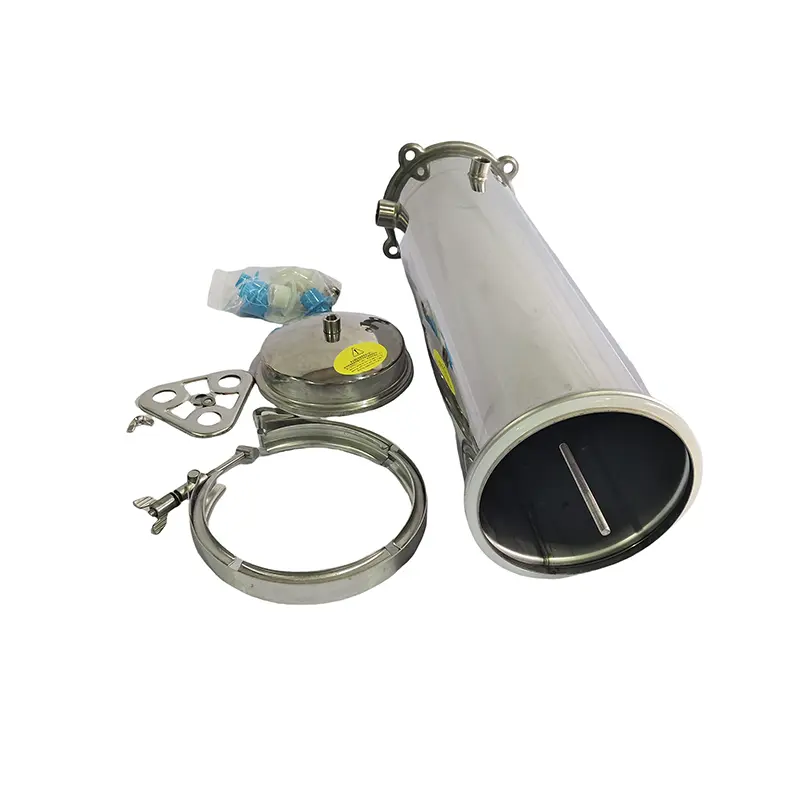
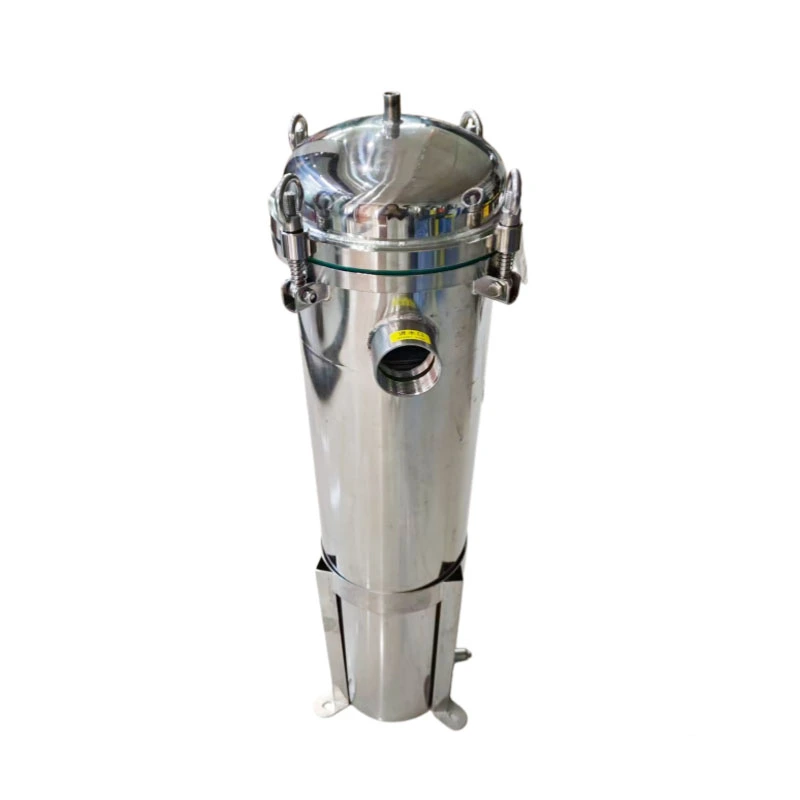
Industrial Bag Filter Housing Supplier in China for Water Treatment Systems
BasideWT is a trusted Industrial Bag Filter Housing Supplier in China, providing customized filtration solutions for a wide range of industries. Our industrial bag filter housing systems support high flow rates and reliable filtration performance in demanding environments. Located in Aibang Technology Industrial Park, Yuelu District, Changsha, Hunan, China, we help global customers achieve efficient water treatment, process fluid filtration, and wastewater treatment through durable and cost-effective filtration equipment.
FAQs
How do I know which system is right for my home?
How to Measure Your Home’s Water Flow Rate?
How do I troubleshoot low water pressure from my system?
What contaminants does your water treatment system remove?
What’s the difference between UV, RO, and activated carbon filtration?
REQUEST A QUOTE
RELATED PRODUCTS
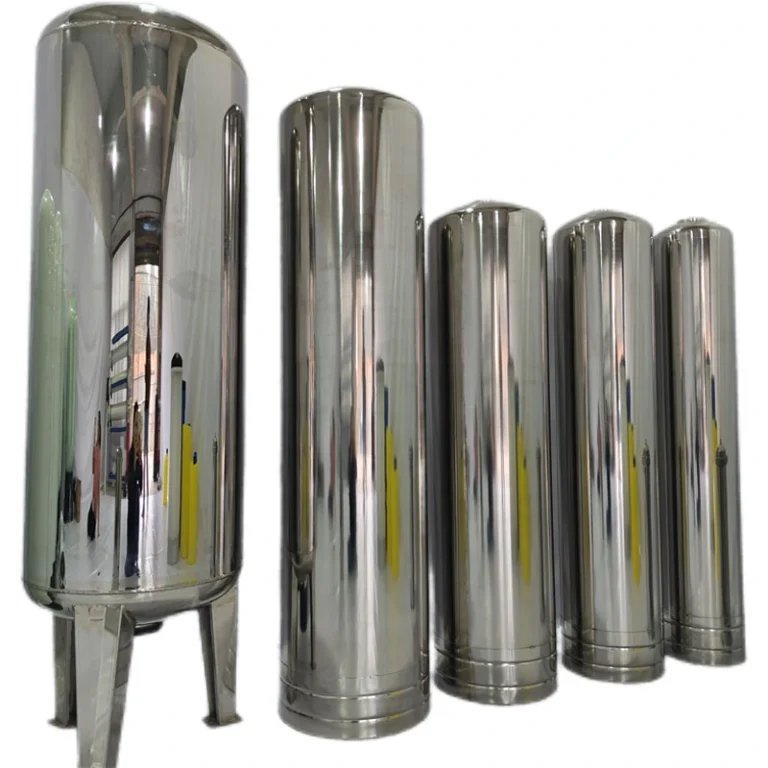
Food-Grade Stainless Steel Water Tank – 500L & 1000L Hygienic Filter Pressure Tank for Pure Storage
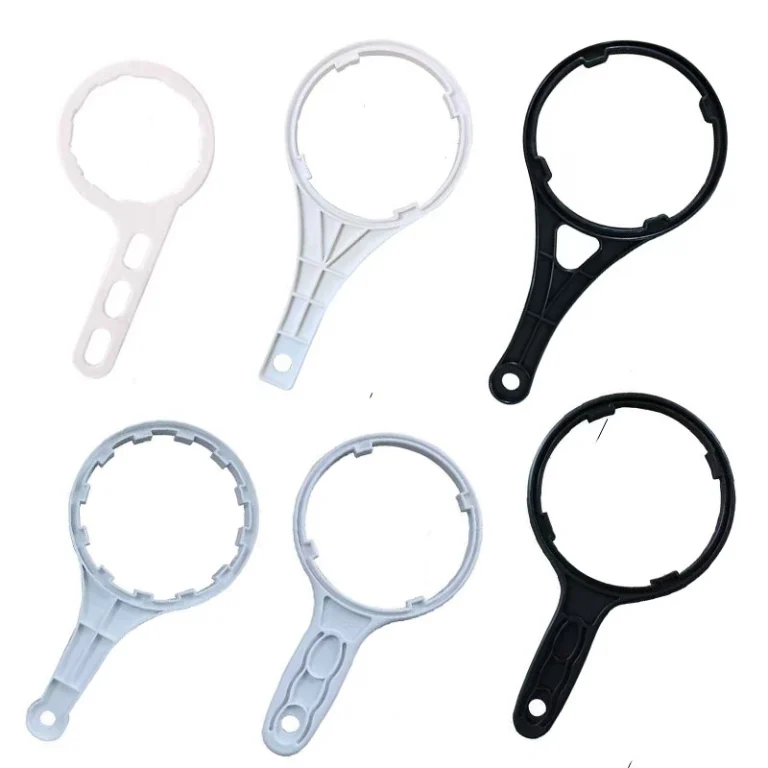
BasideWT Water Filter Wrench for Whole House Housings
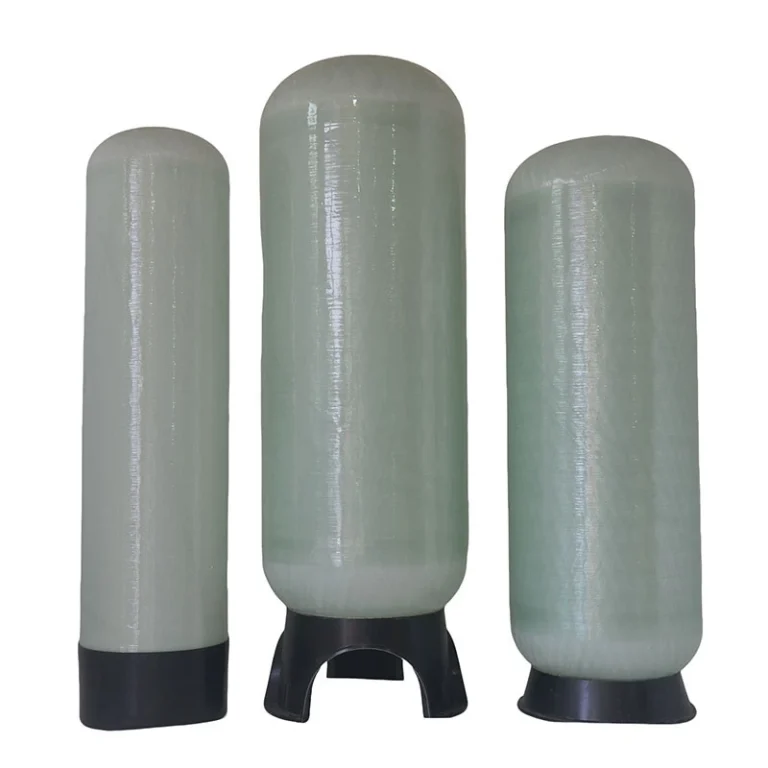
FRP Vessels for Water Treatment | Custom frp Pressure Vessel Manufacturers
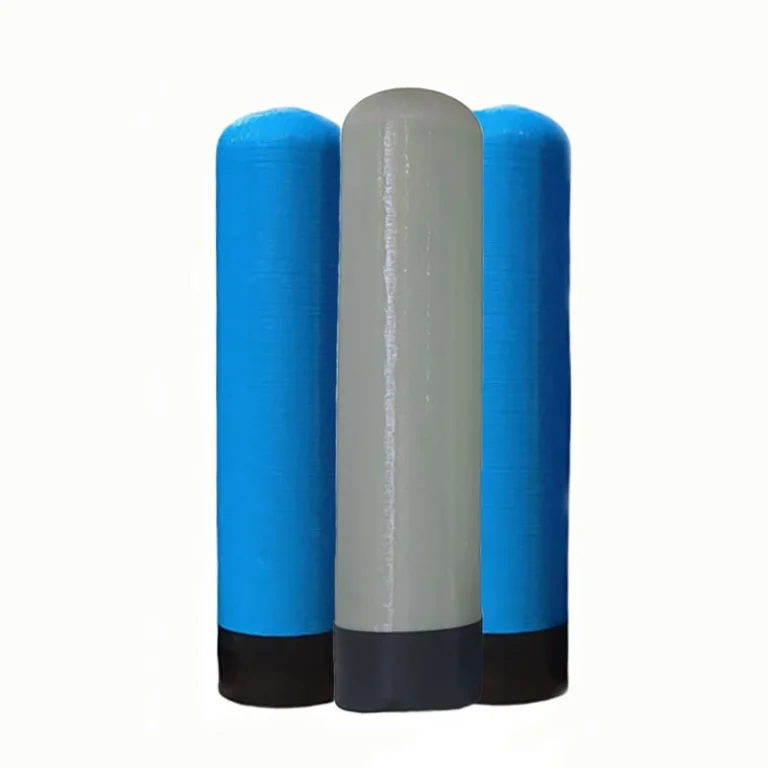
BasideWT Reverse Osmosis Frp Storage Tank 10×54

TDS Meter Test – Quick & Accurate Water Quality Meter | BasideWT