BasideWT- Whole Home Water Filtration System & Replacement


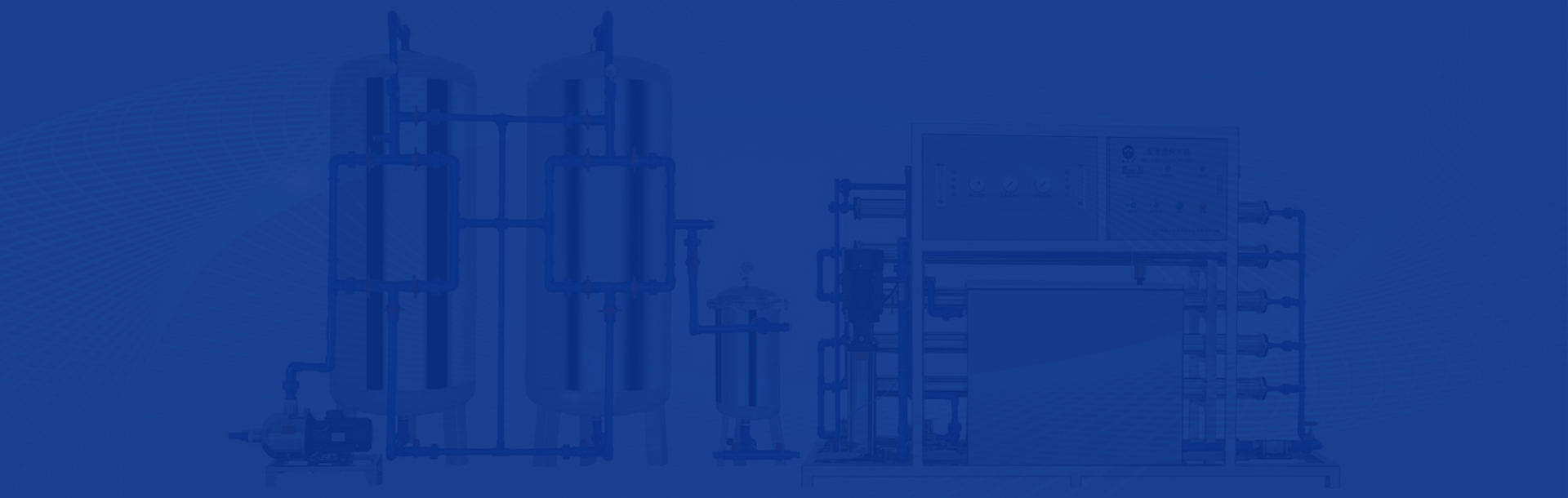
Commercial RO Water System: Applications, Benefits & How to Choose the Right One
A commercial RO water system removes dissolved solids, bacteria, and other contaminants from large volumes of water so businesses can rely on consistent, high-quality supply every day. Unlike a small household unit, this equipment is built to serve factories, hotels, hospitals, restaurants, and other facilities that need dependable water around the clock. If your operation depends on clean water for production, drinking, or processing, understanding how this technology works can help you make a smarter investment.
This guide walks through what a commercial RO water system does, how it operates, where it fits across different industries, and what to look for before you buy one. For a broader look at the technology, our complete RO water system guide covers every stage of the topic in detail.
What Is a Commercial RO Water System?
A commercial RO water system is a reverse osmosis setup designed to treat higher volumes of water than a residential unit can handle. It pushes source water through a semi-permeable membrane under pressure, separating clean water from dissolved salts, minerals, and microorganisms.
Commercial facilities choose this equipment because their water demands go far beyond what a countertop or under-sink filter can supply. A restaurant kitchen, a bottling plant, or a hospital dialysis unit each needs a steady, high-volume output that meets strict quality standards.
At its core, this is still a reverse osmosis system, but the scale, materials, and automation are built for continuous, heavy-duty use. Many businesses also pair it with other equipment as part of a broader commercial water treatment strategy, since raw water conditions vary widely from site to site.
If you’re still exploring the basics, our article on what an RO water system actually does explains the fundamentals in simple terms.
How Does a Commercial RO Water System Work?
The process happens in stages, and each one plays a specific role in protecting the membrane and delivering safe, clean water.
Raw water first passes through pretreatment filters that remove sediment, chlorine, and larger particles. This step protects the RO membrane from damage and extends its working life. Next, a high-pressure pump forces the water through the membrane itself, where dissolved solids and contaminants are separated out. The purified water, called permeate, then moves into a storage tank, while the rejected water, called concentrate, is flushed away. Finally, post-treatment steps such as UV disinfection or remineralization prepare the water for its intended use.
| Stage | Function | Purpose |
|---|---|---|
| Pretreatment | Filters sediment, chlorine, and particles | Protects the membrane |
| High-Pressure Pump | Pushes water through the membrane | Enables reverse osmosis |
| RO Membrane | Separates clean water from contaminants | Produces purified permeate |
| Post-Treatment | Disinfects or remineralizes water | Prepares water for final use |
This four-stage process forms the backbone of every industrial RO system, regardless of size. Larger installations simply repeat or scale these stages to match daily output requirements.
Commercial RO Water System vs Residential RO System
Although both rely on the same core reverse osmosis principle, commercial and residential systems differ in several important ways. Understanding these differences helps buyers avoid choosing equipment that’s undersized or overbuilt for their needs.
| Factor | Commercial RO System | Residential RO System |
|---|---|---|
| Capacity | 500 to 100,000+ gallons per day | Typically 50 to 100 gallons per day |
| Flow Rate | High, continuous flow for constant demand | Moderate, intermittent household use |
| Applications | Factories, hotels, hospitals, F&B plants | Kitchens, homes, small offices |
| Cost | Higher upfront investment | Lower initial cost |
| Maintenance | Scheduled professional servicing | DIY or occasional servicing |
A commercial drinking water system, for example, must produce enough purified water to serve hundreds of people daily without interruption. A residential unit simply isn’t built for that kind of continuous demand. If you’re deciding between system types altogether, our guide on different types of RO water systems breaks down the options in more depth.
Industries That Use Commercial RO Water Systems
Many industries depend on a reliable reverse osmosis plant to keep operations running smoothly and meet regulatory requirements.
Manufacturing facilities often need process water free of minerals that could damage machinery or affect product consistency. Food & beverage plants rely on purified water for washing, mixing, and bottling, since even small impurities can alter taste or shelf life. Hotels use commercial systems to supply clean drinking water and support laundry, kitchen, and spa operations across large properties.
Hospitals require extremely pure water for dialysis, sterilization, and laboratory work, where contamination risks carry serious consequences. Pharmaceutical companies depend on high-capacity RO systems to meet strict purity standards during drug manufacturing. Schools use these systems to provide safe drinking water to large numbers of students and staff throughout the day.
Car wash businesses benefit from RO-treated water because it leaves vehicles spot-free without mineral residue. Laboratories need consistently pure water for accurate testing and experiment results, where even trace contaminants can skew outcomes.
Each of these settings has different flow rate and purity needs, but all of them rely on the same underlying commercial water purification principle.
Benefits of a Commercial RO Water System
Investing in the right equipment pays off in several practical ways beyond simply producing clean water.
Water quality improves significantly, since reverse osmosis removes a wide range of dissolved solids, heavy metals, and microorganisms that ordinary filtration can miss. This consistency matters for businesses that depend on predictable water chemistry every single day.
Operating costs often drop over time because a well-sized system reduces reliance on bottled water or third-party water deliveries. Equipment protection is another major advantage, since purified water reduces mineral buildup inside boilers, pipes, and machinery, which extends their working life.
Consistent production is easier to maintain because businesses know their incoming water meets quality standards. They no longer have to guess if water quality will change from day to day. Reduced scaling is another major benefit. Fewer minerals mean less buildup in water heaters, steam systems, and other downstream equipment.
These advantages make water purification a smart investment for many facilities. It improves daily operations, protects equipment, and supports consistent water quality. As a result, businesses see it as a core operational investment rather than an optional add-on.
How to Choose the Right Commercial RO Water System
Selecting the right equipment starts with understanding your source water and daily usage patterns. Skipping this step often leads to systems that underperform or wear out faster than expected.
Start by testing your water quality, since the level of hardness, chlorine, and total dissolved solids affects which pretreatment stages you’ll need. Next, calculate your daily water demand carefully, factoring in peak hours rather than just average use.
Capacity should match both current needs and reasonable growth, since undersized systems strain to keep up during busy periods. Recovery rate matters too, because it determines how much of the input water becomes usable output versus wastewater, which affects long-term operating costs.
Membrane quality plays a major role in performance and longevity, so it’s worth comparing specifications rather than choosing based on price alone. Finally, consider future expansion. A facility that’s growing should choose a system that can scale rather than requiring a full replacement later.
For a step-by-step walkthrough of these decisions, our detailed buying guide for RO water systems covers additional factors worth reviewing before you commit to a supplier.
Expert Tips Before Buying a Commercial RO Water System
Before finalizing a purchase, request performance data from actual installations similar to yours rather than relying on general specifications alone. Ask suppliers about membrane brand and warranty terms, since this component drives most of the system’s long-term performance.
Confirm that the manufacturer offers local technical support, because downtime in a commercial setting can be costly. Also ask about energy consumption figures, since high-capacity pumps can significantly affect utility bills if the system isn’t sized efficiently.
If your facility handles sensitive applications like pharmaceuticals or food processing, verify that the water filtration system you’re considering meets relevant industry certifications. According to the Water Quality Association, understanding water testing results is a critical first step before selecting any treatment technology, and this principle applies directly to commercial-scale decisions as well.
For teams evaluating membrane specifications more closely, our membrane guide explains how different membrane types affect output and lifespan.
Conclusion
A commercial RO water system gives businesses a dependable way to produce clean, consistent water at a scale that residential equipment simply can’t match. From manufacturing plants to hospitals and hotels, the right setup protects equipment, improves water quality, and supports smoother daily operations.
Choosing the right system comes down to understanding your water source, daily demand, and growth plans, then matching those needs to the right capacity and membrane quality. If you’re ready to explore equipment built for commercial-scale performance, browse our range of RO systems or continue reading through our complete RO water system guide for a full picture of the technology from start to finish.
RELATED POSTS
What Is a UV Water Sterilizer? Complete Beginner’s Guide
Quick Connect Fitting | Universal 1/4″ and 3/8″ RO Water Filter Parts
Why Is My Water Filter Not Working? Common Causes & Fixes
What is the Best Water Treatment System?
UF Membrane Cleaning & Backwashing: Complete Maintenance Guide