BasideWT- Whole Home Water Filtration System & Replacement

Deionized Water System Applications: Industries That Depend on Ultra-Pure Water
Water looks the same everywhere. But the water flowing through a semiconductor cleanroom is nothing like the water rinsing a car at a local wash bay. Behind the scenes, a wide range of Deionized Water System Applications keep factories, labs, hospitals, and workshops running smoothly.
Deionized (DI) water removes almost all dissolved ions from water. This process leaves behind a liquid so pure that it becomes a critical input for manufacturing, research, and cleaning tasks. Many industries simply cannot operate without it.
In this article, we explore where deionized water systems are used, why purity levels vary so much between sectors, and how businesses in China and beyond choose the right setup for their needs. If you’re still building your foundational knowledge, our Complete Deionized Water System Buying Guide is a good place to start before diving into these industry-specific use cases.
What Is a Deionized Water System Used For?
A deionized water system removes charged particles, or ions, from water using ion-exchange resins. The result is water with very low conductivity and minimal total dissolved solids (TDS).
Regular tap water contains calcium, magnesium, chloride, and other minerals. These minerals cause scaling, spotting, and chemical interference in sensitive processes. DI systems strip these ions away, leaving water that behaves predictably in industrial and laboratory settings.
Businesses use deionized water for several core purposes:
- Rinsing sensitive components without leaving mineral residue
- Diluting chemicals and reagents accurately
- Cooling equipment without scale buildup
- Cleaning surfaces to a spot-free finish
- Supporting biological and chemical research
If you want a deeper technical breakdown, our earlier article on What Is a Deionized Water System covers the fundamentals in detail.
Why Different Industries Require Ultra-Pure Water
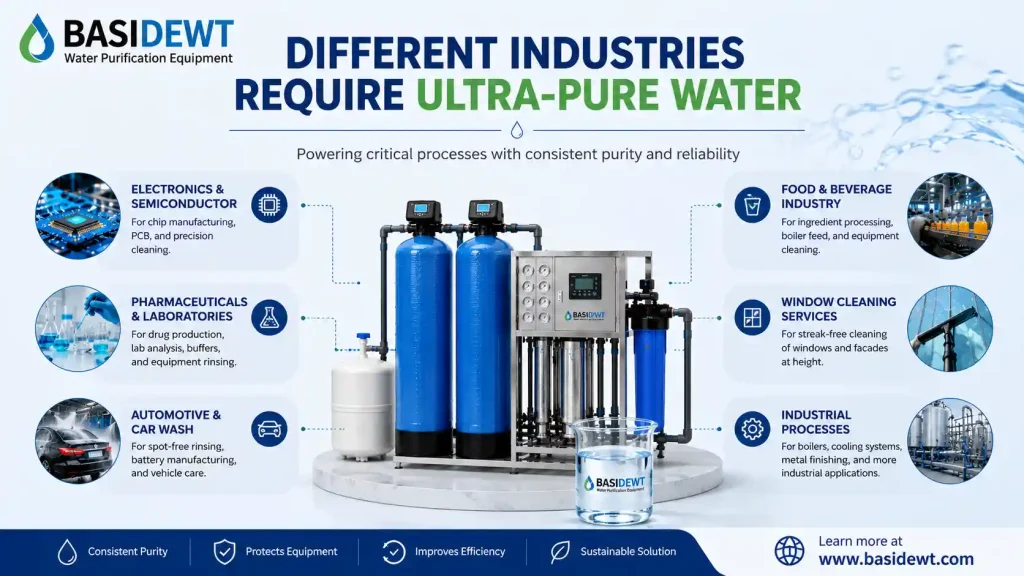
Not every application needs the same water quality. Purity requirements depend on how sensitive a process is to contamination.
Water quality is usually measured through conductivity and TDS. Conductivity tells us how easily electricity passes through water, which directly reflects ion content. Lower conductivity means fewer dissolved ions and higher purity.
TDS measures the total concentration of dissolved substances, including minerals and salts. Even trace contamination can disrupt delicate manufacturing processes, especially in electronics and pharmaceuticals.
Because requirements vary so widely, many industrial systems combine reverse osmosis (RO) with deionization. RO removes the bulk of dissolved solids and organic material first. The DI stage then polishes the water further, achieving the near-total ion removal that sensitive applications demand.
This combined approach reduces resin consumption, extends system life, and lowers operating costs. It’s one reason RO-DI setups have become the standard choice across many industrial sectors. For a full comparison, see our guide on Deionized Water vs Reverse Osmosis Water.
Deionized Water in Electronics Manufacturing
Electronics manufacturing sits at the top of the purity pyramid. Semiconductor fabrication, printed circuit board production, and display manufacturing all rely on ultra-pure water.
Why Purity Matters So Much Here
Even microscopic mineral traces can cause short circuits or defects on a silicon wafer. During rinsing steps, any residual ions left on a chip’s surface can interfere with circuit performance.
Semiconductor fabs often require water with resistivity close to the theoretical maximum, alongside extremely low particle counts and organic carbon levels. According to a China-based report on semiconductor ultrapure water standards, semiconductor-grade ultrapure water must meet strict resistivity, total organic carbon, and particle count requirements because electronics manufacturing demands the highest level of water purity.
Beyond wafer rinsing, DI water supports chemical dilution, equipment cooling, and cleanroom humidification. A single contamination event can ruin an entire production batch, so consistency matters as much as raw purity.
Companies serious about electronics-grade water often pair RO pretreatment with mixed-bed deionization or electrodeionization (EDI) to hit these demanding specifications reliably.
Deionized Water in Pharmaceutical Production
Pharmaceutical manufacturing depends on water quality standards that are legally regulated, not just recommended. Contaminated water can compromise drug safety and patient health.
DI water plays a role in several pharmaceutical processes:
- Formulating injectable and oral medications
- Cleaning equipment between production batches
- Preparing laboratory reagents for quality testing
- Supporting sterilization and rinsing procedures
Pharmaceutical facilities frequently use DI water as a pretreatment step before producing Water for Injection (WFI) or Purified Water (PW), both of which have their own regulatory definitions. Because compliance is strict, these systems typically include continuous monitoring for conductivity, microbial content, and endotoxins.
Consistency is essential in this industry. A DI system that drifts out of specification, even briefly, can trigger a batch failure and significant financial loss.
Deionized Water for Laboratories and Research
Laboratories represent one of the largest and most varied user groups for deionized water. Research institutions, universities, testing labs, and quality control departments all rely on it daily.
Common Laboratory Uses
Labs use DI water for rinsing glassware, preparing buffer solutions, and running analytical instruments like spectrophotometers and chromatography systems. Even small ion contamination can skew test results or damage sensitive equipment.
Many labs classify their water needs by grade, similar to Type I, Type II, and Type III standards used internationally. Type I water, the highest grade, is typically produced using a combination of RO, DI, and additional polishing steps such as ultrafiltration.
Because lab requirements can change project by project, flexible and scalable DI systems tend to work best. Smaller benchtop units suit low-volume research, while centralized systems serve larger facilities with multiple departments.
Deionized Water in Automotive and Car Wash Applications
Car wash businesses might seem far removed from semiconductor labs, but the underlying principle is identical: fewer ions mean fewer problems.
The Spot-Free Rinse Advantage
Regular tap water leaves mineral spots on vehicle surfaces as it dries. These spots come from calcium and magnesium ions evaporating and leaving residue behind.
Deionized water evaporates without leaving these marks, since it contains almost no dissolved minerals. This is why professional detailing services and high-end car washes use DI water for final rinses.
Commercial car washes typically install RO-DI systems sized for continuous, high-volume use. Unlike lab-grade systems, these setups prioritize flow rate and resin longevity over extreme purity levels, since a spot-free finish doesn’t require semiconductor-grade water.
For businesses specifically exploring this application, our dedicated article on DI Water for Car Washing covers system sizing and maintenance in more depth. Many operators also pair their setup with a purpose-built Car Wash Water System designed for continuous commercial demand.
Deionized Water for Window Cleaning Systems
Professional window cleaning has shifted significantly toward pure water technology over the past decade. Traditional cleaning with detergents leaves streaks and requires manual squeegee work.
Pure water window cleaning uses DI or RO-DI water applied through extendable poles with brush heads. Because the water contains no minerals, it dries naturally without streaking, even on multi-story buildings.
This method also reduces labor time and chemical use, which appeals to commercial building maintenance companies managing large glass facades. Portable DI units, often mounted on vans or trailers, allow cleaning crews to work efficiently across multiple job sites in a single day.
For businesses expanding into this service line, a compact Deionized Water Cleaning System offers a practical entry point without the complexity of industrial-scale installations.
Deionized Water in Food & Beverage Manufacturing
Food and beverage producers use deionized water carefully, balancing purity needs with regulatory and taste considerations.
Applications include:
- Diluting syrups and concentrates for beverages
- Boiler feed water for steam-based processes
- Rinsing equipment and packaging materials
- Ingredient preparation where mineral content must be controlled precisely
Unlike electronics or pharmaceutical use, food-grade applications sometimes require partial demineralization rather than complete deionization. Some minerals contribute to taste and mouthfeel, so producers may blend DI water with treated water to hit specific quality targets.
Food safety regulations also require that DI systems avoid bacterial growth, since stagnant deionized water can become a breeding ground for microorganisms if not properly maintained. Regular sanitization and system monitoring address this risk.
Choosing the Right Deionized Water System for Your Industry
Selecting a system starts with understanding your required water quality, not just your budget. A car wash and a semiconductor fab both need “pure” water, but their specifications differ enormously.
Key Factors to Evaluate
Consider the following before purchasing a system:
- Required purity level – Measured in resistivity, conductivity, or TDS, depending on your industry standard.
- Flow rate and volume – Continuous high-demand operations need different equipment than intermittent lab use.
- Feed water quality – Source water conditions affect pretreatment needs and resin lifespan.
- Pretreatment requirements – Most industrial applications benefit from RO pretreatment before deionization.
- Monitoring and control – Regulated industries often need real-time conductivity and quality tracking.
- Maintenance and resin replacement – Ongoing costs depend heavily on feed water hardness and usage volume.
Working with an experienced supplier helps match system design to actual operational needs, rather than over-specifying or under-specifying equipment. For a step-by-step breakdown of the internal mechanics, our article on How Does a Deionized Water System Work explains the ion-exchange process in detail.
Final Thoughts
The range of Deionized Water System Applications shows just how essential ultra-pure water has become across modern industry. From semiconductor cleanrooms to car wash bays, businesses depend on ion-free water to protect product quality, equipment performance, and operational consistency.
Choosing the right system means matching purity requirements, flow demands, and budget to your specific industry. Whether you’re manufacturing electronics, producing medication, running a laboratory, or operating a commercial car wash, understanding these fundamentals helps you make a smarter investment.
For a broader view of system selection and setup, revisit our Complete Deionized Water System Buying Guide to bring all these considerations together.
RELATED POSTS
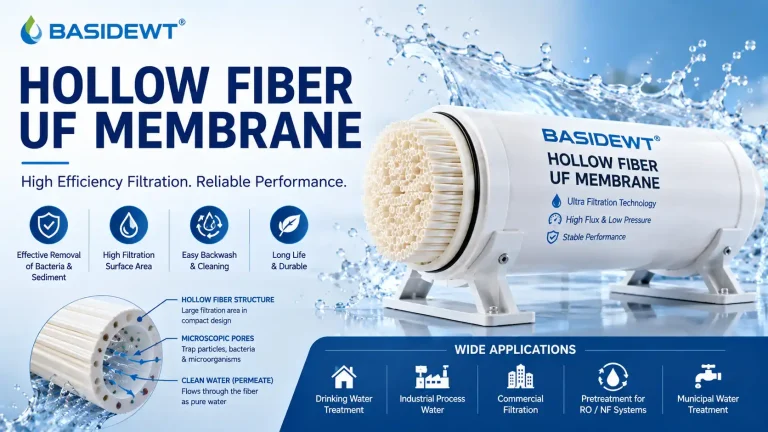
Hollow Fiber UF Membrane: Working, Benefits & Applications

Is Reverse Osmosis Water Good for You? A Complete Guide to RO Water Benefits and Safety

The Ultimate Guide to Reverse Osmosis Water: Pros, Cons, and Is It Right for You?
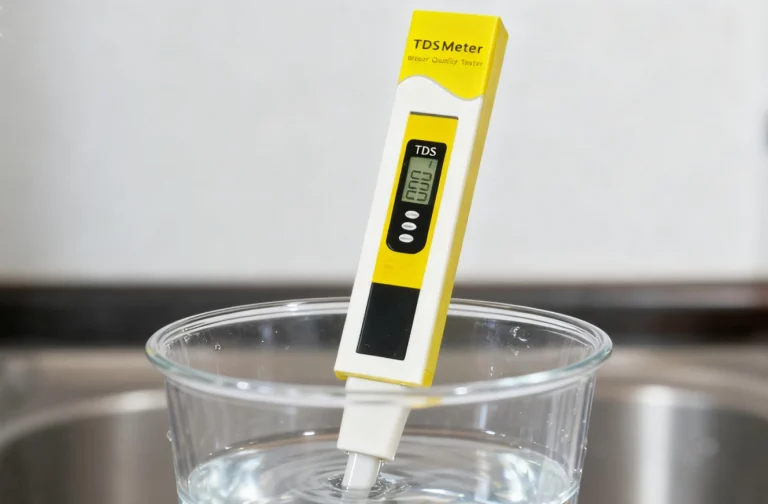
How to Check TDS with tds Meter?
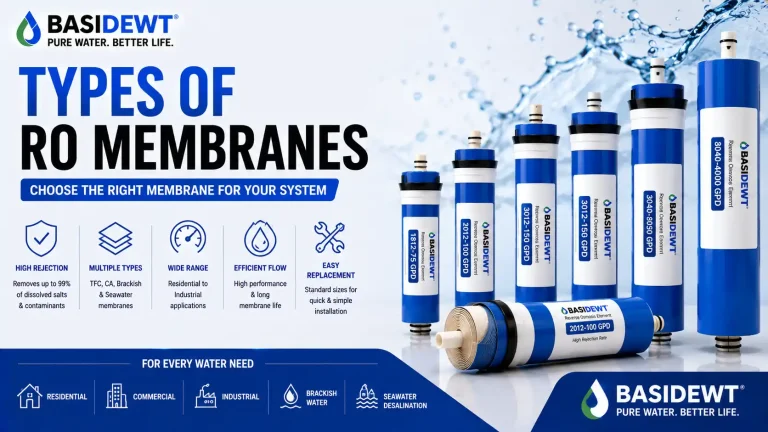
Types of RO Membranes: Complete Guide to Choosing the Right Type