BasideWT- Whole Home Water Filtration System & Replacement

Spotless Water System: The Complete Guide to Spot-Free Car Washing
If you have ever washed a car carefully, only to find white spots drying on the paint, you already know the problem. Tap water contains calcium, magnesium, and other dissolved minerals. When the water evaporates, those minerals stay behind. They leave marks that are difficult to remove and can damage the surface over time.
A spotless water system fixes this problem before it starts. It removes dissolved minerals from your water supply before the water touches the vehicle. The result is pure water that evaporates completely clean, leaving no residue and no spots.
This guide covers everything you need to know about spotless water systems. You will learn how the technology works, what benefits it offers, and how to choose the right system for your needs. Whether you run a commercial car wash, manage a detailing business, or wash your own vehicles at home, this information will help you make a confident decision.
We also cover the key differences between deionized water and reverse osmosis water, explain what TDS means, and compare spotless systems to traditional washing methods. By the end, you will have a clear picture of why serious cleaners rely on spot-free water every time.
Featured Snippet: What Is a Spotless Water System?
A spotless water system is a water purification device that removes dissolved minerals and ionic impurities from tap water. It produces ultra-pure water with a TDS (total dissolved solids) level near zero. When this water dries on a vehicle surface, it leaves no spots, streaks, or mineral residue behind.
What Is a Spotless Water System
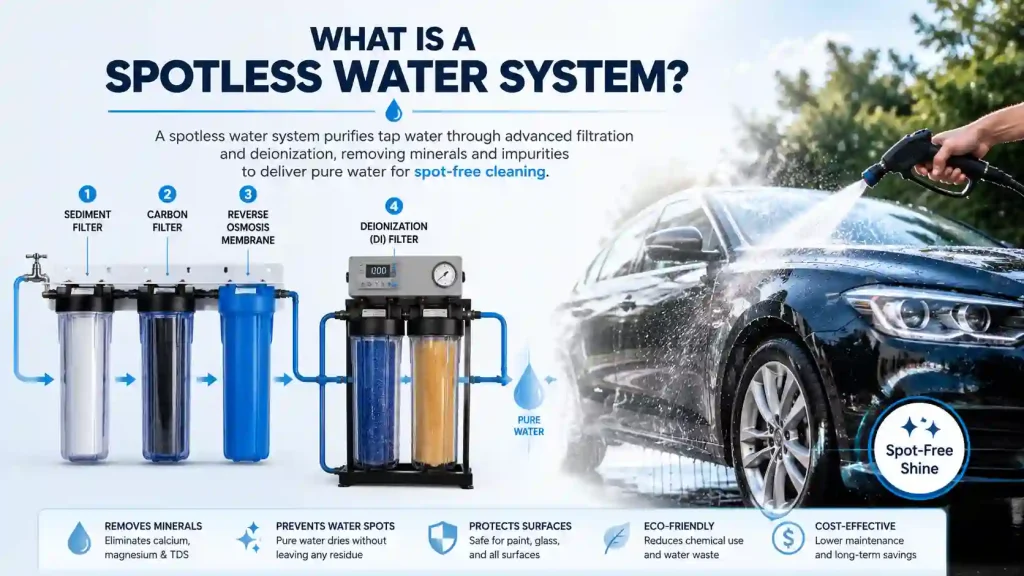
A spotless water system is any device that purifies water to a level where it dries completely clean on surfaces. The most common technologies are deionization (DI) and reverse osmosis (RO). Both reduce the dissolved solids that cause water spots.
Standard tap water carries a TDS reading that can range from 100 to over 500 parts per million (ppm), depending on your location. In northern China, groundwater often exceeds 300 ppm due to high mineral content. Even municipal water treated for safe drinking carries enough dissolved solids to leave marks on vehicle paint and glass.
A spotless water system brings that TDS reading down to zero or very close to it. At that level, evaporating water leaves nothing behind. The surface dries naturally without any marks, streaks, or buildup.
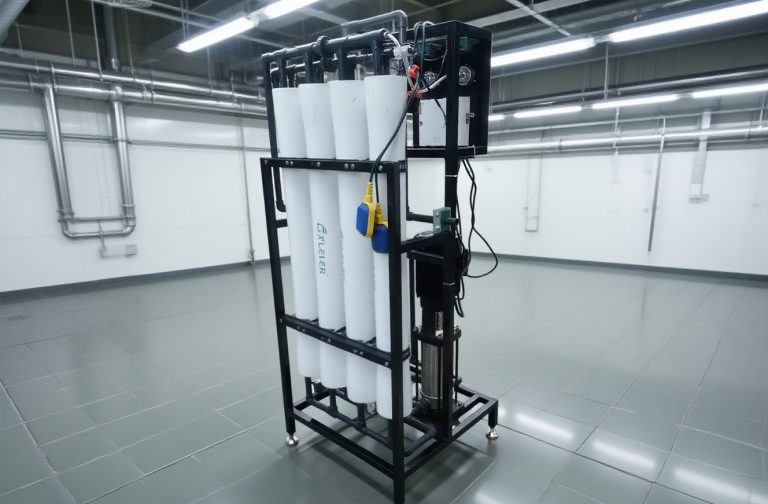
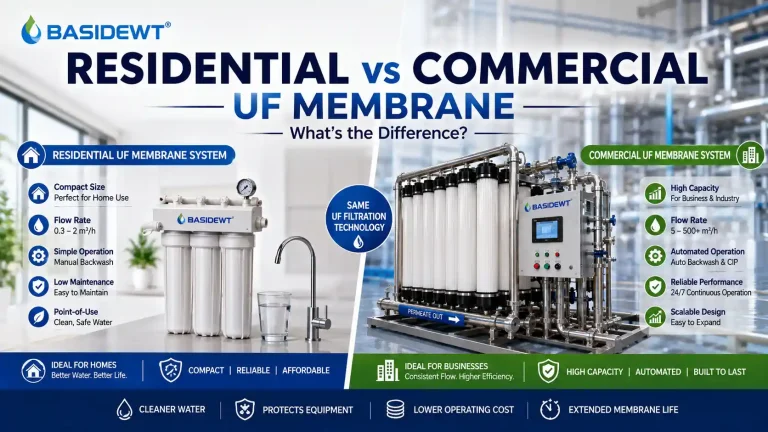
These systems come in portable and fixed configurations. Portable units suit home users and mobile detailers. Fixed systems handle the higher flow rates needed by commercial car washes and detailing shops. The underlying purification technology is the same in both cases.
How a Spotless Water System Works
Most spotless water systems use one of two core technologies: reverse osmosis, deionization, or a combination of both. Each works differently, but the goal is the same. They remove dissolved solids so the water dries without leaving residue.
Reverse Osmosis
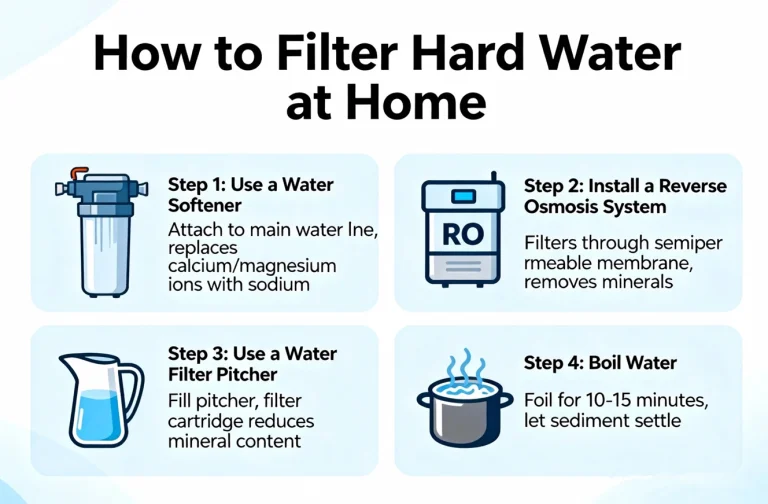
Reverse osmosis pushes water through a semi-permeable membrane under pressure. The membrane blocks dissolved salts, minerals, and most contaminants. Clean water passes through. Waste water flushes away separately.
RO typically reduces TDS by 90 to 98 percent. This handles most water quality challenges. However, some hard water sources still leave a measurable TDS after RO alone. In those cases, a DI stage is added afterward to reach zero.
For a detailed comparison of these two methods, read our article on RO vs DI water for car washing. It explains which approach works best for different water conditions and cleaning volumes.
Deionization
Deionization uses ion exchange resin beads to remove charged ions from water. The resin attracts and holds positive ions like calcium and magnesium. It also captures negative ions like chloride and sulfate. Water leaving a DI tank reads 0 to 1 ppm on a TDS meter.
DI is the most effective method for achieving a truly spotless result. Learn more about the full process in our guide on DI water for car washing, including how to monitor resin performance and know when to replace it.
Over time, the resin saturates and loses effectiveness. You can track this with a simple TDS meter. When the output reading rises above zero, it is time to replace or regenerate the resin. In hard water areas, resin exhausts faster. Pairing RO with DI extends resin life significantly and lowers running costs.
How the System Connects to Your Wash Setup
Setup is straightforward. You connect the system to your garden hose or water supply. Water passes through the purification stage inside the unit. Purified water exits through an output hose or spray nozzle. You use this clean water as your final rinse after washing the vehicle with soap as usual.
The spot-free rinse replaces the towel-drying step. Because the water contains no dissolved solids, it dries on its own without leaving marks. This saves time, reduces labor, and protects the vehicle’s finish from swirl marks caused by drying cloths.
Benefits of Spot-Free Water for Car Washing
Using purified water as a final rinse delivers clear, measurable benefits. These go beyond simply avoiding water spots.
No Spots or Streaks
This is the most direct benefit. Deionized water evaporates completely clean. Dark-colored vehicles show water spots most clearly, but every surface benefits. Paint, glass, chrome, and trim all dry without marks. You get a professional finish without extra buffing or drying.
Paint and Coating Protection
Mineral deposits from tap water are slightly acidic or alkaline. Over repeated use, they etch into clear coat and dull the surface. Deionized water is chemically neutral. It does not react with paint, wax, or ceramic coatings. Therefore, a regular spot-free rinse actively protects the vehicle’s finish over time.
Less Labor and Faster Results
With a spot-free car wash system, towel drying becomes optional. For commercial operations washing many vehicles per day, this saves significant labor hours. The wash cycle moves faster, throughput increases, and staff spend less time on each vehicle.
Safer for Windows and Delicate Surfaces
Hard water leaves calcium streaks on glass that require chemical removers to clean. DI water rinses glass completely clear. It is also safe for tinted windows, plastic trim, and chrome detailing. None of these surfaces suffer any damage from contact with ultra-pure water.
Reduced Chemical Consumption
Pure water is a more effective solvent than mineral-laden tap water. It lifts dirt and grime more efficiently. Many professional detailers reduce soap quantities when using a spotless rinse system. This lowers chemical costs and reduces the volume of chemicals entering wastewater systems.
Spotless Water System vs Traditional Car Washing
The table below compares a spotless water system against traditional tap water washing across five important factors.
| Factor | Spotless Water System | Traditional Tap Water Washing |
|---|---|---|
| Water Quality | TDS near zero; deionized or RO-purified | Contains dissolved minerals, chlorine, and solids |
| Drying Marks | None; water evaporates leaving no residue | Mineral spots and streaks on paint, glass, and chrome |
| Cleaning Efficiency | Higher; pure water dissolves contaminants more effectively | Lower; dissolved minerals reduce cleaning power |
| Maintenance | Periodic resin or membrane replacement required | No system maintenance; but more post-wash effort needed |
| Long-Term Cost | Higher upfront; lower ongoing labor and chemical costs | Low upfront; ongoing costs from labor, chemicals, and paint correction |
Traditional washing requires hand drying after every wash to prevent spots. Over time, the labor cost, chemical usage, and potential paint correction costs add up. A spotless water system shifts costs from ongoing labor to upfront equipment investment. For most professional users, the payback period is less than a year.
Choosing the Best Spotless Water System
The right system depends on your water source, your washing volume, and your budget. These three factors shape every other decision in the selection process.
Test Your Water First
Always start with a TDS reading from your tap. If your water reads below 200 ppm, a DI-only system will work well and stay cost-effective. If your water reads above 400 ppm, you need an RO stage before DI. Without pre-treatment, resin exhausts quickly in hard water and raises your running costs.
Portable vs Fixed Installation
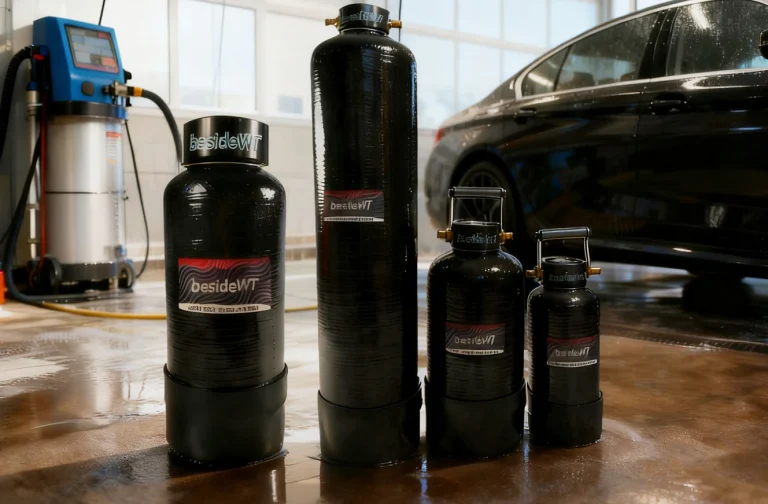
Portable spotless water systems connect to any standard garden hose. They are compact, lightweight, and easy to move between locations. These suit home users, mobile detailers, and small businesses. Fixed installations connect directly to your plumbing and handle higher flow rates. Car washes and detailing shops with consistent daily volume benefit from permanent setups.
DI-Only, RO-Only, or Combined
DI-only systems are affordable and produce zero-TDS output. However, they work best where source water TDS is already low. RO-only systems handle harder water but may not reach zero TDS on their own. Combined RO plus DI systems are the most effective for hard water areas. They deliver the purest output and use resin most efficiently.
For a full breakdown of the best options, read our guide on the best deionized water system for car washing. It compares specific products and configurations for different use cases.
Flow Rate and Capacity
Match the system’s flow rate to your actual washing habits. A home user rinsing one car at a time needs much less output than a commercial facility handling dozens of vehicles per hour. Undersizing the system causes frustratingly slow rinse times. Oversizing wastes money on capacity you will never use.
Resin Replacement and Running Costs
Factor in ongoing resin costs when comparing systems. Resin lifespan varies based on source water hardness and total volume processed. In soft water areas, a single DI tank may treat thousands of liters before needing replacement. In hard water cities across northern China or parts of the United States, that number drops significantly. A combined RO and DI system lowers resin consumption and cuts long-term costs.
Also explore our deionized water cleaning product range for DI tanks and replacement resin options suited to both portable and commercial setups.
Why Water Quality Matters for Professional Cleaning Results
Water is not just a rinsing agent. It plays an active role in the quality of every wash. The minerals, chemicals, and dissolved solids in your water directly affect what you see on the vehicle when it dries.
What TDS Actually Means
TDS stands for total dissolved solids. It measures the concentration of dissolved substances in water, expressed in parts per million (ppm). These include calcium, magnesium, sodium, chloride, sulfate, and trace metals. A TDS reading of zero means none of these substances are present. That is the target for truly spotless results.
Even water that looks and tastes clean can have a high TDS. Municipal drinking water often reads between 100 and 400 ppm. This level is safe to drink but leaves visible deposits on vehicle surfaces. Hard water areas in both China and the United States regularly produce tap water above 300 ppm, making a water treatment solution necessary for professional cleaning work.
The Science Behind Purification
Water purification removes dissolved substances through physical and chemical processes. According to Britannica’s overview of water purification, ion exchange and membrane filtration are among the most effective methods for removing dissolved ionic compounds from water. These are the same core technologies used in DI and RO spotless water systems.
Understanding the science helps you maintain your system correctly. Ion exchange resin has a finite capacity. When it saturates, output TDS rises and water spots return. Monitoring TDS output regularly tells you exactly when to replace or regenerate resin before quality suffers.
Why Consistency Matters
Inconsistent water quality produces inconsistent results. If TDS varies between washes, some vehicles will come out spotless and others will not. Professional detailers and commercial car washes cannot afford that inconsistency. A well-maintained spotless water system delivers the same zero-TDS output every time, regardless of seasonal changes in the source water supply.
This consistency is one reason why water treatment solutions are standard equipment in high-end detailing shops and factory-level automotive finishing operations. The investment pays for itself in repeatable quality and reduced post-wash correction work.
Conclusion
A spotless water system removes the minerals that cause water spots before they ever reach your vehicle. The technology is reliable, well-proven, and available in configurations that suit every scale of operation, from a single home user to a high-volume commercial car wash.
The key to choosing the right system is understanding your water. Test your TDS first. Choose between DI-only, RO-only, or combined RO plus DI based on that reading and your daily volume. Factor in resin replacement costs and match the system’s flow rate to your actual needs.
Whether you wash vehicles professionally or simply want a better result at home, a spotless water system delivers cleaner finishes with less labor. It protects paint, preserves coatings, and eliminates the frustration of spots appearing after every wash. That is a straightforward return on a practical investment.
Frequently Asked Questions
What does a spotless water system do?
A spotless water system removes dissolved minerals and ions from tap water. It produces ultra-pure water with a TDS near zero. When this water dries on a vehicle surface, it leaves no spots, streaks, or mineral deposits behind.
Is a DI system better than an RO system for car washing?
Both work well, but they suit different situations. DI systems deliver zero-TDS output and work best where source water is already reasonably soft. RO systems handle harder water more economically. For the best results in hard water areas, combining RO and DI gives the purest output at the lowest running cost.
Can I use a spotless water system on any type of vehicle?
Yes. Deionized water is safe for all vehicle surfaces, including paint, glass, chrome, tinted windows, plastic trim, and ceramic coatings. It does not strip wax or react with any common surface protection product.
How often does DI resin need replacing?
Resin lifespan depends on your source water TDS and total volume processed. In soft water areas below 100 ppm TDS, a standard DI tank can treat 1,000 to 3,000 liters before needing replacement. In hard water areas, this decreases significantly. Monitor output TDS regularly and replace resin when the reading rises above zero.
What TDS level should spotless water reach?
The target is zero ppm, or as close to it as possible. Water at zero TDS contains no dissolved minerals and dries completely clean. Any reading above 10 ppm may start producing visible spots on dark-colored or freshly detailed vehicles.