BasideWT- Whole Home Water Filtration System & Replacement


Water Filter System vs Bottled Water: Which Is Better?
Water Filter vs Bottled Water is a common comparison for households and businesses looking for a reliable source of drinking water. A water filter system is usually better for everyday use because it can reduce unwanted contaminants, lower long-term costs, and reduce plastic waste. Bottled water still has advantages for travel, emergencies, and situations where filtered water is not available. The right choice depends on your water quality, budget, daily usage, and convenience needs.
This guide breaks down every part of the water filter vs bottled water comparison. You will see how each option performs on water quality, cost, convenience, environmental impact, and long-term value. By the end, you will know exactly which one fits your household or business.
Quick Answer: Water Filter vs Bottled Water
| Factor | Water Filter System | Bottled Water |
|---|---|---|
| Water quality | Consistently filtered at the point of use | Varies by brand and source |
| Contaminant reduction | Removes many contaminants continuously | Depends on treatment before bottling |
| Cost over time | Lower cost per gallon after setup | Higher ongoing cost |
| Convenience | Water ready on demand at home | Portable, no filtration needed |
| Environmental impact | Minimal, especially with reusable bottles | Significant plastic waste |
| Maintenance | Periodic filter changes | None, but repeat purchasing needed |
| Best for | Daily home and office drinking water | Travel, emergencies, no access to filtered water |
In short, a water filter system generally wins on cost, sustainability, and daily convenience at home. Bottled water wins on portability when you are away from a filtered source.
Water Filter vs Bottled Water: The Core Difference
A water filter system treats water where you use it, usually at your kitchen tap, refrigerator, or main water line. It uses physical and chemical processes to reduce sediment, chlorine, heavy metals, and other unwanted substances. You can learn more about how these systems work and the types available in this complete water filter system guide.
Bottled water, on the other hand, is treated and packaged before it reaches you. Some brands use spring water, while others simply purify municipal tap water and sell it in bottles. The treatment method and quality standards vary widely between brands and regions.
This difference matters because it affects everything else in the comparison: cost, taste, waste, and how much control you have over your water quality.
Water Quality and Filtration
Water filter systems treat water continuously, right before you drink it. This means the water quality stays consistent as long as the filter is working properly and replaced on schedule.
Bottled water quality depends on the source and the bottling company’s process. Some brands filter thoroughly. Others do minimal treatment, especially if the water already meets basic safety standards. Because bottled water is sealed at one point in time, its quality does not adjust to changes in your local tap water.
If you want to understand exactly which impurities a home filtration system can address, this guide on what a water filter removes explains it in detail.
Contaminant Reduction
Different filtration technologies target different contaminants. Carbon filters reduce chlorine, odor, and some organic compounds. Reverse osmosis systems remove a wider range of dissolved solids, heavy metals, and other impurities. Sediment filters catch rust, sand, and particles.
Bottled water may go through similar processes before packaging, but you rarely know the exact method used unless the label specifies it. This lack of transparency makes it harder to compare bottled water brands directly.
A home filter lets you match the technology to your specific water quality issues. If you are unsure what your water needs, this resource on choosing a filter for your water quality can help you identify the right approach.
Taste and Odor
Both options can improve taste compared to untreated tap water. Chlorine and certain minerals are common causes of off-tastes and odors in tap water.
A properly maintained filter typically reduces chlorine taste and smell effectively. Bottled water often tastes clean because it usually starts from a source with fewer taste issues to begin with, or because it goes through filtration before bottling.
Taste preference is personal. Some people notice little difference between filtered and bottled water once chlorine and sediment are removed. Others have a strong preference for one over the other. A short taste test at home is the easiest way to settle this for your own household.
Cost Over Time
This is often the deciding factor for many households.
Water filter system costs:
- One-time or moderate upfront cost for the unit
- Ongoing cost for replacement filters
- Minimal cost per gallon once installed
Bottled water costs:
- Continuous, recurring purchases
- Higher cost per gallon compared to filtered tap water
- Costs scale directly with household consumption
For a household that drinks water daily, a filter system almost always becomes more cost-effective within the first year. Businesses with higher water consumption see even faster returns. For occasional or very light water drinkers, the cost gap narrows, and bottled water may feel more practical short term.
Convenience
Bottled water wins for portability. You can grab a bottle and go, without worrying about filtration or refill stations. This makes it a strong choice for travel, hiking, or situations where filtered water is not accessible.
For everyday use at home or in an office, a filter system is more convenient overall. Water is available instantly from the tap, without trips to the store, heavy bags to carry, or storage space needed for cases of bottles. Many systems also fit directly under the sink or connect to a refrigerator line, so filtered water is always ready.
Maintenance Requirements
A water filter system needs periodic attention, mainly replacing the filter cartridge on schedule. This keeps performance consistent and prevents reduced flow or buildup. For guidance on caring for your system properly, see this water filter maintenance guide.
Bottled water requires no maintenance in the traditional sense. However, it does require ongoing logistics: buying, transporting, storing, and disposing of bottles regularly. Many people underestimate this recurring effort when comparing the two options.
Waste and Environmental Considerations
This is one of the clearest differences between the two options.
Bottled water creates ongoing plastic waste. Even with recycling efforts, a large portion of plastic bottles end up in landfills or the environment. Manufacturing and transporting bottled water also uses more energy and resources compared to filtering tap water at home.
Water filter systems produce far less waste. The main byproduct is the used filter cartridge, which is replaced periodically rather than daily or weekly. Pairing a filter system with a reusable bottle reduces plastic use dramatically compared to relying on single-use bottled water.
There is also a lesser-known concern worth mentioning: plastic containers can release trace chemicals into their contents over time, particularly under heat or prolonged storage. According to public health research from Harvard T.H. Chan School of Public Health, this has raised ongoing questions about certain plastic packaging materials used across the beverage industry.
Storage and Transportation
Bottled water needs physical storage space, whether that is a pantry shelf, garage, or office supply closet. Larger households or businesses often need to plan around bulk deliveries or frequent store trips.
Filtered water requires no storage beyond the system itself, which is usually compact and fits under a sink or connects to existing plumbing. There is no need to transport, stack, or manage inventory of bottles.
For businesses, this difference can matter for both space and staff time. Managing bottled water supply is an ongoing logistical task, while a filter system runs in the background with minimal oversight.
Household and Business Use
For households: A filter system suits daily drinking, cooking, and general use well. It reduces long-term cost and daily hassle, especially for families that go through large volumes of water.
For businesses: Offices, restaurants, and other commercial spaces often benefit even more from filtration, since water usage is higher and consistent. A filtered water system can also reduce the workload of managing bottled water inventory for staff and customers. If you are evaluating options for a home or business setup, this guide on choosing the best water filter system for your needs covers different scenarios in detail.
Different Water Quality Situations
The right choice can shift depending on your starting water quality.
- Municipal water with mild taste or odor issues: A basic filter usually solves this effectively and affordably.
- Water with known contaminants, like lead or high sediment: A targeted filtration system, matched to the specific issue, offers more reliable protection than bottled water.
- Well water: Filtration is often necessary regardless of bottled water use, since well water quality can vary significantly.
- Temporary situations, such as travel or boil-water advisories: Bottled water is the practical short-term solution until filtered or treated water is available again.
Matching the solution to the actual water quality issue produces better results than choosing one option for every situation.
Long-Term Value
Looking beyond the first few months changes the comparison significantly. A filter system requires upfront investment, but the cost per gallon drops steadily as you use it. Filters also tend to last a meaningful amount of time before replacement, which you can review in this guide on how long a water filter system lasts.
Bottled water carries a flat, ongoing cost that does not decrease with use. Over a year or more, this adds up to a noticeably higher total spend for regular drinkers, without the added benefit of long-term equipment ownership.
Advantages and Disadvantages
Water Filter System
Advantages:
- Lower cost per gallon over time
- Less plastic waste
- Consistent water quality at home
- No need to purchase or carry water
Disadvantages:
- Upfront cost for the system
- Requires occasional filter replacement
- Not portable outside the home or office
Bottled Water
Advantages:
- Highly portable
- No installation or maintenance needed
- Useful during emergencies or travel
Disadvantages:
- Higher cost over time
- Significant plastic waste
- Quality varies by brand and source
- Requires storage space and regular restocking
Which Option Is Better for Different Needs
- Daily home drinking water: A filter system is generally the better long-term choice.
- Small households with very light water consumption: The cost gap is smaller, so either option can work.
- Travel, hiking, or outdoor activities: Bottled water remains the more practical choice.
- Offices and businesses with steady water demand: Filtration systems typically offer better value and less hassle.
- Emergency preparedness: Bottled water serves as a reliable backup, even in homes that use filtration daily.
Many households find that using both, filtered water at home and bottled water for travel or emergencies, offers the most practical balance.
Practical Decision Checklist
Use this checklist to help decide which option fits your situation:
- Do you drink water daily at home or work? A filter system likely offers better value.
- Is portability a priority for most of your water use? Bottled water may suit you better.
- Do you know your current water quality? If not, consider testing before choosing a filter type. This guide on choosing a filter for your water quality can help.
- Are you trying to reduce plastic waste? A filter system, paired with a reusable bottle, is the stronger option.
- Do you need water on hand for emergencies? Keep a small bottled water supply regardless of your daily setup.
- Is upfront cost a concern? Compare the price of a basic filter system against a few months of bottled water spending.
Conclusion: Water Filter vs Bottled Water
For most everyday drinking needs, a water filter system offers better value, less waste, and more consistent water quality than bottled water. It costs less over time, reduces plastic use, and keeps clean water available without constant restocking. Bottled water still has its place, particularly for travel, emergencies, or situations where filtered water is not accessible.
The best approach often combines both: reliable filtration at home or work, with bottled water as a backup for specific situations. If you are ready to explore filtration options suited to your water quality and household needs, take a look at BasideWT’s water filtration systems to find a setup that fits your daily routine.
RELATED POSTS
What Is a Water Softener and Why Your Home or Factory Needs One

Water Fed Pole for High Windows: High-Reach Cleaning Guide
Water Treatment Plant: How It Works, Why It Matters, and What China’s Growth Demands
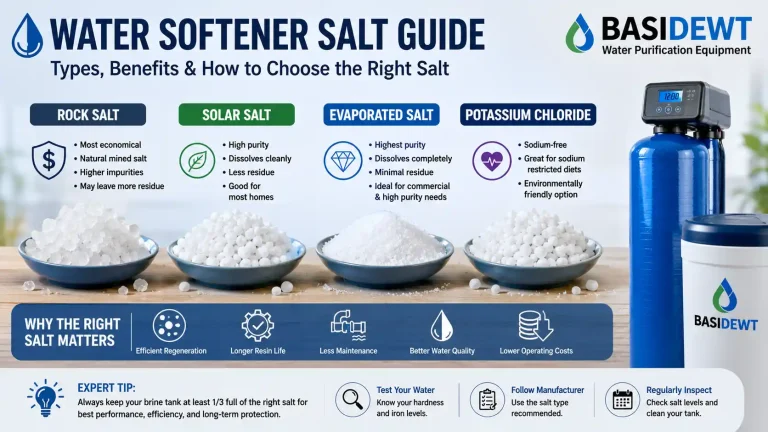
Water Softener Salt Guide: Types, Benefits & How to Choose the Right Salt
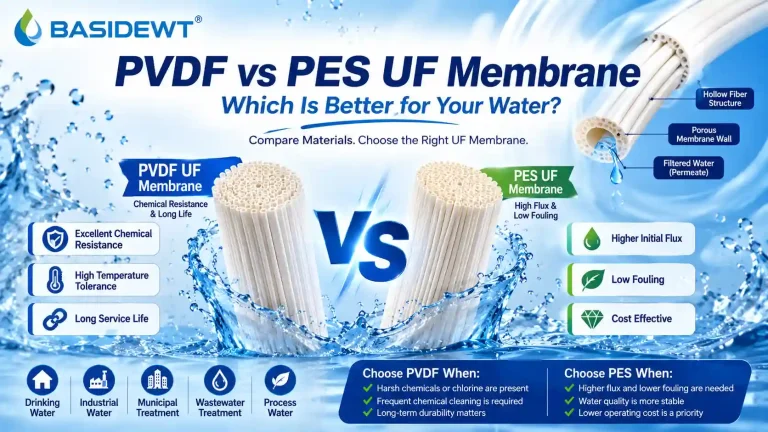
PVDF vs PES UF Membrane: Which Is Better?