BasideWT- Whole Home Water Filtration System & Replacement



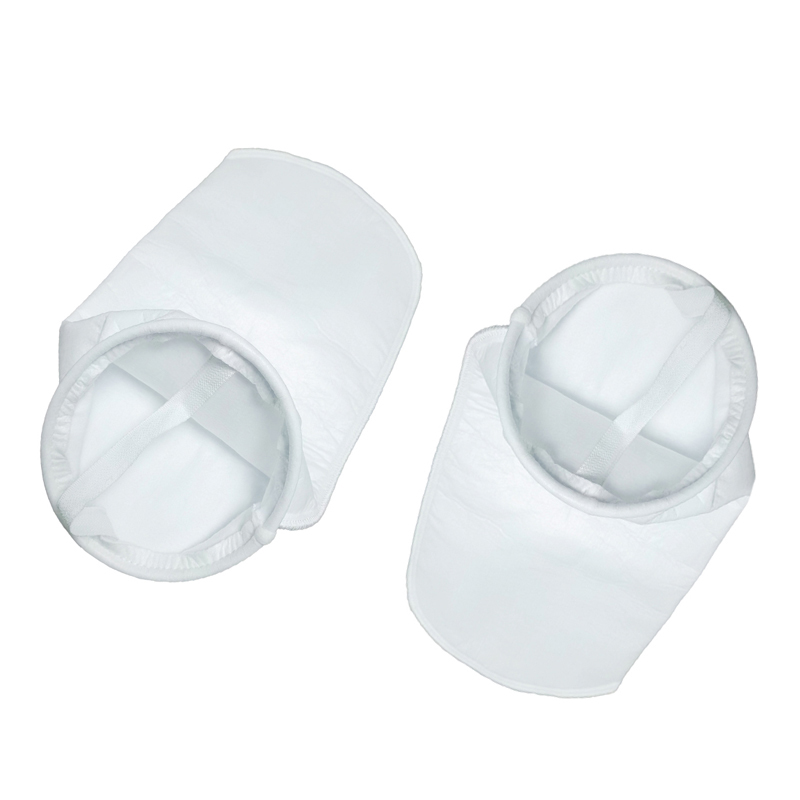
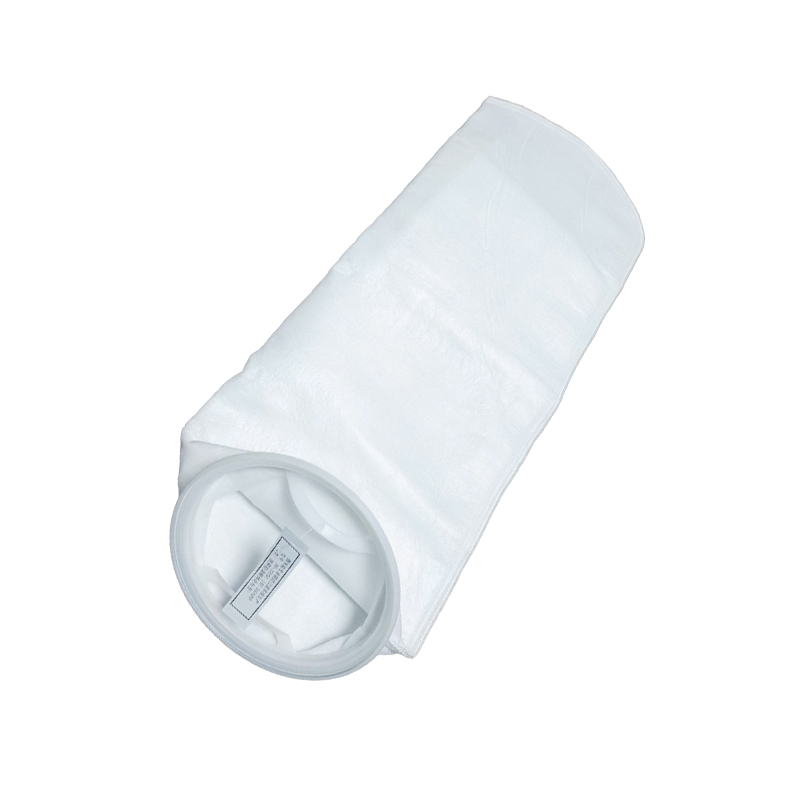
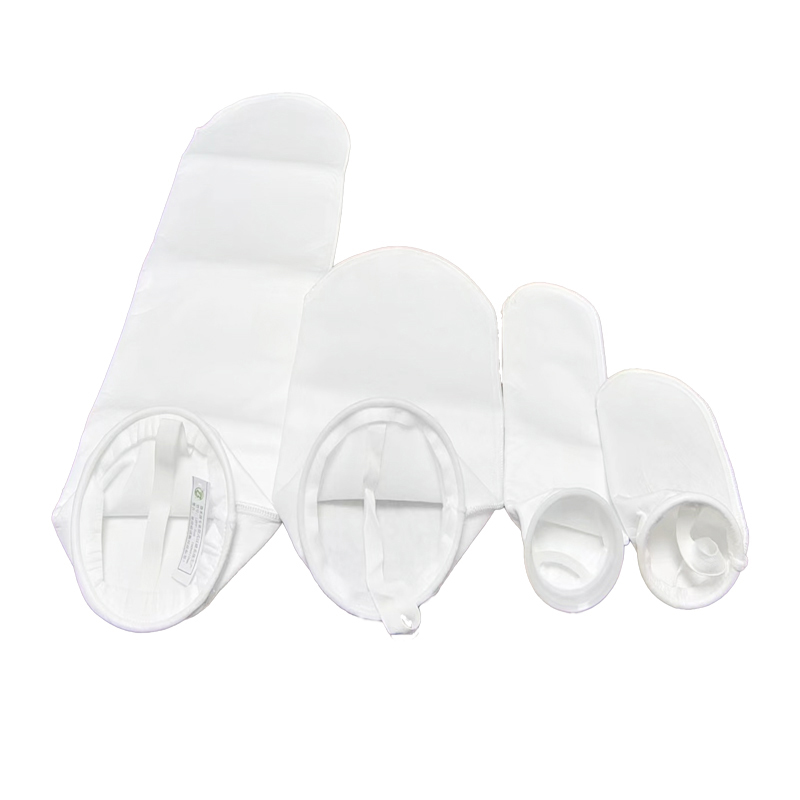
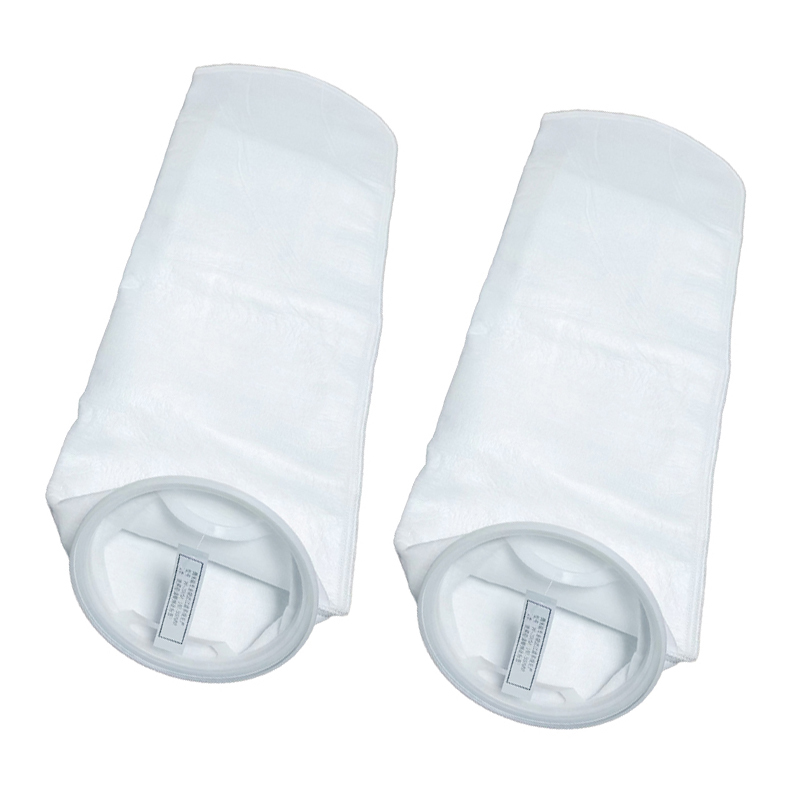
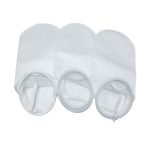
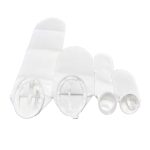
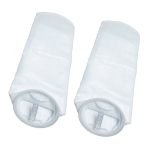
Aquarium Filter Socks – 200 Micron, 4″ x 14″ & 7″ x 17.7″ – Heavy Duty, Reef Tank & Pond Use
PRODUCT PARAMETERS
Why Aquarium Filter Socks Are a Game-Changer for Water Clarity
Aquarium filter socks are essential tools for maintaining crystal-clear water in reef tanks, ponds, and sumps. These 200-micron mesh bags trap debris, uneaten food, and organic waste before they break down into harmful nitrates.
BASIDE manufactures high-quality reusable aquarium filter socks for reef tanks, marine aquariums, freshwater systems, and commercial aquaculture projects. As a China manufacturer, we provide durable stitching, consistent micron accuracy, and OEM customization for distributors, wholesalers, and aquarium equipment brands.
Key advantages:
✔ Prevents algae blooms by removing particulate matter,Reduces maintenance (fewer water changes needed),Protects pumps & protein skimmers from clogging
Did you know? A 2023 study by Aquatic Filtration Research found that tanks using filter socks had 28% lower nitrate levels than those without.
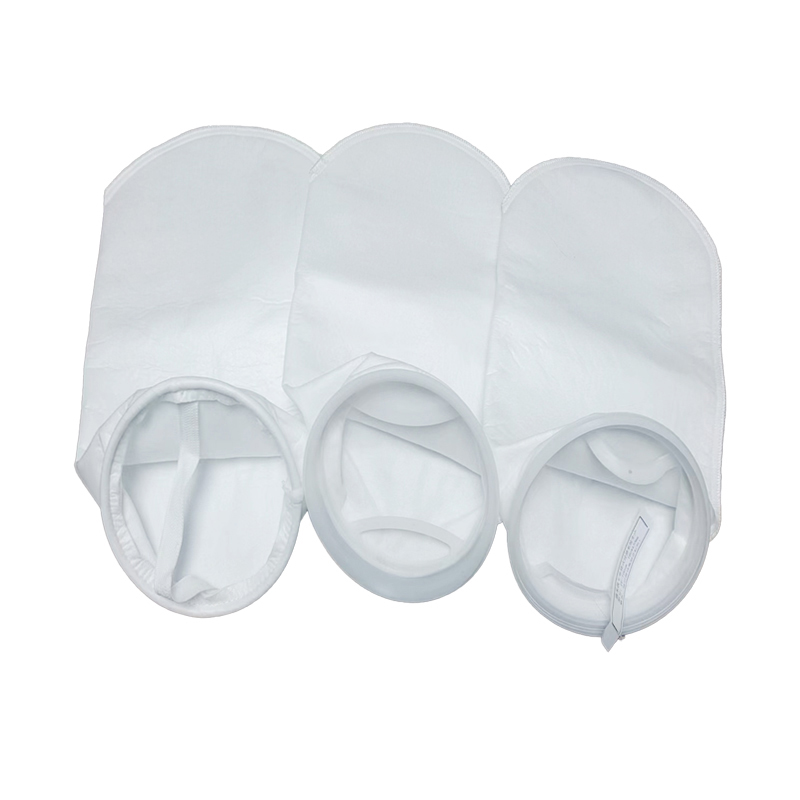
Made from durable polyester felt or mesh materials, BASIDE aquarium filter socks are designed for repeated cleaning without losing filtration performance. Reinforced stitching and heavy-duty plastic rings improve service life under continuous water flow.
Aquarium Filter Socks vs. Other Filtration Methods
Not all filters work the same. Here’s how 200-micron aquarium filter socks stack up:
| Feature | Filter Socks (200 Micron) | Sponge Filters | Canister Filters |
|---|---|---|---|
| Debris Removal | Excellent (fine particles) | Good (larger debris) | Excellent (mechanical+biological) |
| Maintenance | Weekly rinsing | Monthly cleaning | Complex (monthly disassembly) |
| Best For | Sump filtration, reef tanks | Small tanks | High-tech setups |
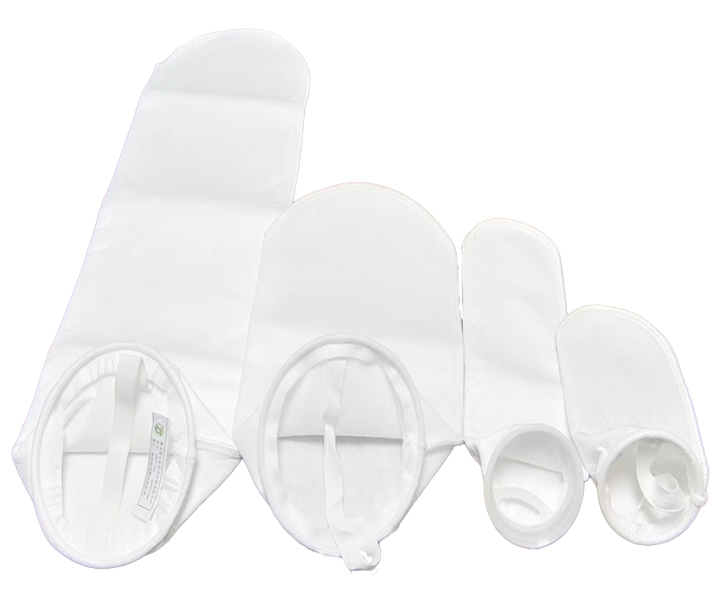
These filter socks are compatible with most standard sump filter holders used in reef aquariums, marine tanks, freshwater aquariums, and koi ponds. Multiple ring sizes and lengths are available to suit different filtration systems and flow requirements.
Our 2025 case study showed that pond owners saved 35% on filter media costs after switching to reusable 7″ x 17.7″ socks.
BASIDE also offers OEM and private label manufacturing for aquarium equipment suppliers worldwide. Custom micron ratings, dimensions, packaging, and branding are available for bulk orders from distributors and wholesalers.
How to Use Aquarium Filter Socks Correctly
Choose the Right Size
- 4″ x 14″ for small sumps
- 7″ x 17.7″ for heavy-duty pond filtration
Install in the Sump’s First Chamber
Place socks where water enters the sump to catch debris early.
Rinse Weekly (Don’t Wait Until Clogged!)
Use tank water to preserve beneficial bacteria.
Replace Every 4-6 Weeks
Even with rinsing, fibers degrade over time.
Actual service life depends on stocking density, feeding frequency, and maintenance schedule. Regular cleaning significantly extends the usable lifespan of each filter sock.
Rotate Between Multiple Socks
Keep extras on hand for quick swaps.
⚠ Warning: Never wash with soap – it kills beneficial bacteria!
Aquarium Filter Sock Holder and Sump Setup: Getting the Best Results
A proper aquarium filter sock holder makes a big difference. It keeps the sock in place during high-flow operation. Without a holder, socks shift and allow water to bypass the mesh. This defeats the entire purpose of mechanical filtration. Therefore, always use a compatible holder for your sump return box size.
The aquarium sump filter sock works best in the first chamber of your sump. Water enters here with the most debris. The sock catches it immediately. This stops waste from reaching your skimmer or refugium. Clean water then flows into the next chamber. The result is a much cleaner and more stable system overall.
Flow rate matters when using filter socks for aquarium sumps. A 4″ x 14″ sock handles light to moderate flow. A 7″ x 17.7″ sock handles heavy-duty pond and reef tank output. Match the sock size to your return pump’s GPH rating. A sock that overflows is useless. Furthermore, rotating between two or three socks keeps your system running without interruption. While one is drying after rinsing, another is already working. Moreover, for ponds with heavy leaf and debris loads, a dedicated filter bag provides a more robust mechanical filtration option alongside your socks. For UV sterilization after mechanical filtration, a UV water sterilizer eliminates bacteria and algae spores that pass through the sock mesh.
Common Mistakes with Aquarium Filter Bag
❌ Using the wrong micron size → Fix: 200-micron is ideal for most reef tanks.Ignoring flow rate → Fix: Ensure socks don’t overflow due to high GPH. Letting socks sit too long → Fix: Change before they smell foul.
Interestingly, over 50% of hobbyists (per Reef2Reef Survey 2024) don’t rinse socks often enough.
Real-World Applications of 200-Micron Filter Socks
Reef Tank Sump Filtration
A 7″ x 17.7″ sock keeps coral-safe water by trapping detritus.
Koi Pond Pre-Filtration
Heavy-duty 200-micron bags prevent pump clogs from leaves and fish waste.
Saltwater Aquarium Quarantine Tanks
Disposable filter bag reduce cross-contamination risks.
Every BASIDE aquarium filter sock is manufactured under strict quality control to ensure consistent filtration performance, reliable stitching, and long-term durability. Our products are supplied to aquarium distributors, fish farms, and OEM partners in global markets.
Technical Specifications
- Material: Durable polyester felt or mesh
- Micron Rating: 200 micron
- Available Sizes: 4″ × 14″ and 7″ × 17.7″
- Suitable for: Reef tanks, marine aquariums, freshwater aquariums, ponds, and sump filtration
- Reusable: Yes, washable for repeated use
- Installation: Compatible with standard filter sock holders
Aquarium Filter Socks Checklist
✅ Do:
- Match micron rating to tank needs (200-micron = best all-rounder),Rinse weekly in tank water,Keep 2-3 extras for rotation
❌ Don’t:
- Use bleach or soap,Let socks clog completely,Buy non-branded “cheap” versions (they fall apart!)
Filter Socks Aquarium Use: Expanding Your Filtration Beyond the Sock
Aquarium filter socks are mechanical filters only. They trap solid debris. They do not remove dissolved ammonia, nitrite, or phosphate. Therefore, a complete filtration system needs biological and chemical stages too. A protein skimmer handles dissolved organics. Live rock or bio-media handles the nitrogen cycle. The sock simply stops particles from making everything else work harder.
Filter socks aquarium users often overlook pre-filtration for their top-off water supply. Tap water used for top-off or water changes can introduce chlorine, chloramines, and sediment. These harm coral and sensitive fish. Therefore, always treat top-off water before it enters the tank. A basic whole house or point-of-use filter removes these contaminants first.
For hobbyists building a complete water management system, aquarium filter socks are just the starting point. Industrial-grade mechanical filtration uses multi-bag setups for higher flow rates. These are common in public aquariums and large commercial fish breeding facilities. For heavy-duty applications, industrial filter bags offer a more robust alternative. They handle much higher flow rates and larger debris loads. Furthermore, pairing mechanical filtration with a broader water filtration system ensures every stage of water quality is managed properly. Clean mechanical, biological, and chemical filtration together produce the best water clarity and healthiest aquatic environment possible.
FAQs
How do I know which system is right for my home?
How to Measure Your Home’s Water Flow Rate?
How do I troubleshoot low water pressure from my system?

What contaminants does your water treatment system remove?
What’s the difference between UV, RO, and activated carbon filtration?
REQUEST A QUOTE
RELATED PRODUCTS
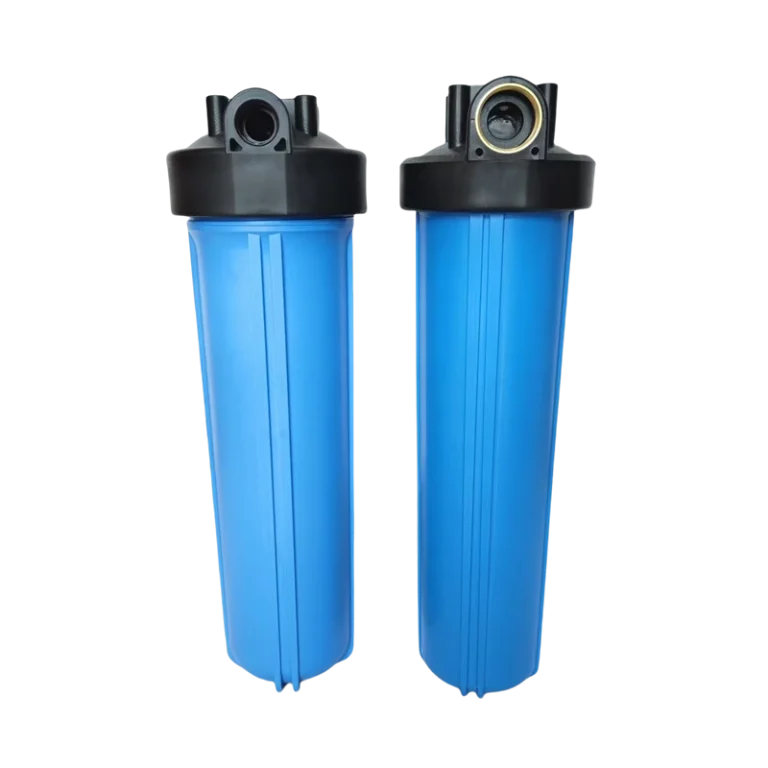
BasideWT Whole House Water Filter Housing Blue Color – Fit for 4.5″ x 20″ Filters – NPT Brass Port 1″ 1.5″Inlet/Outlet 20BB
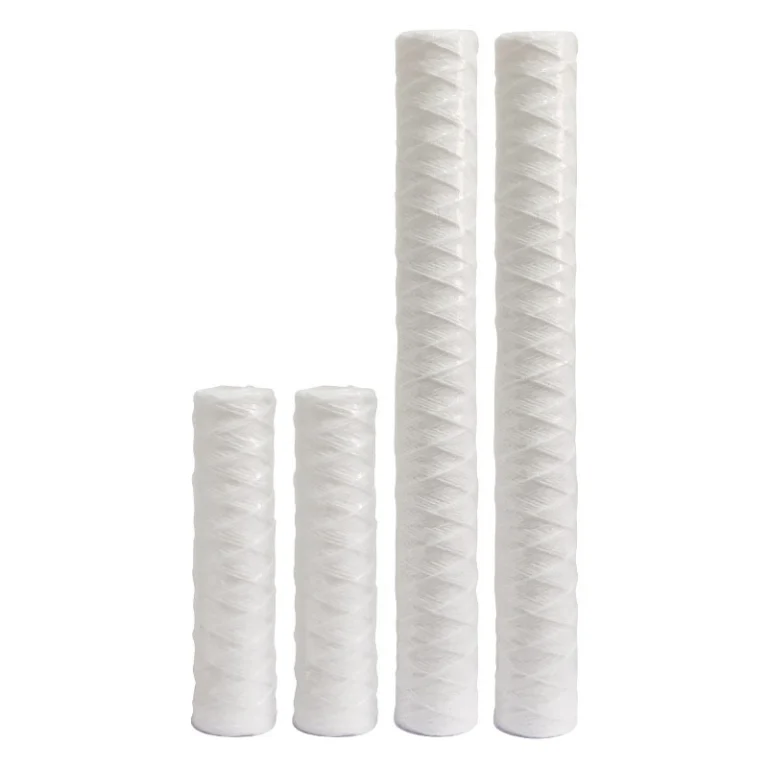
5 Micron 20” Whole House String Wound Water Filter Replacement Cartridge for Well Water Filtration
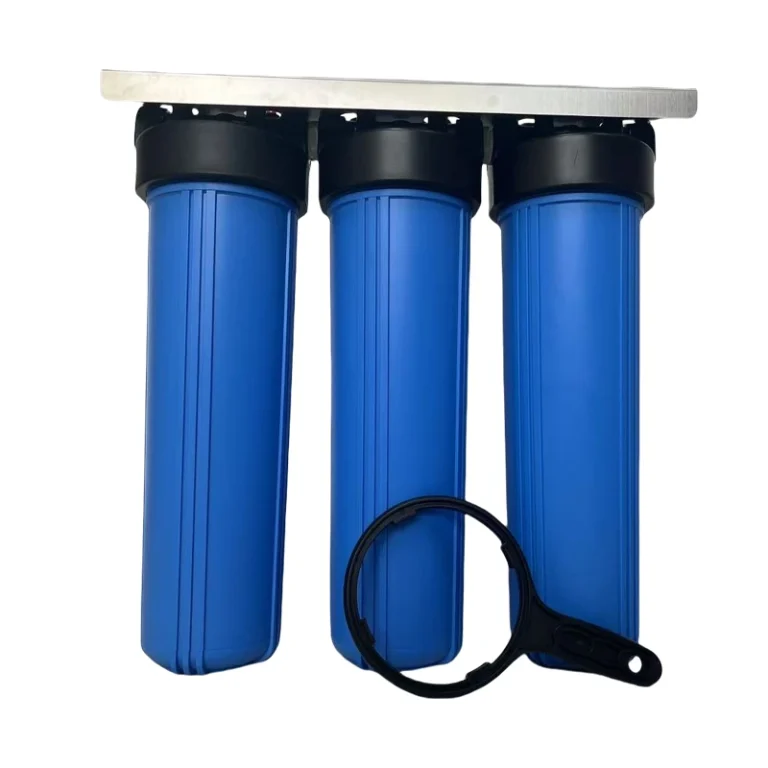
3 Stage Whole House Water Filter System 20″x4.5″ KDF Carbon Heavy Metal Filtration System
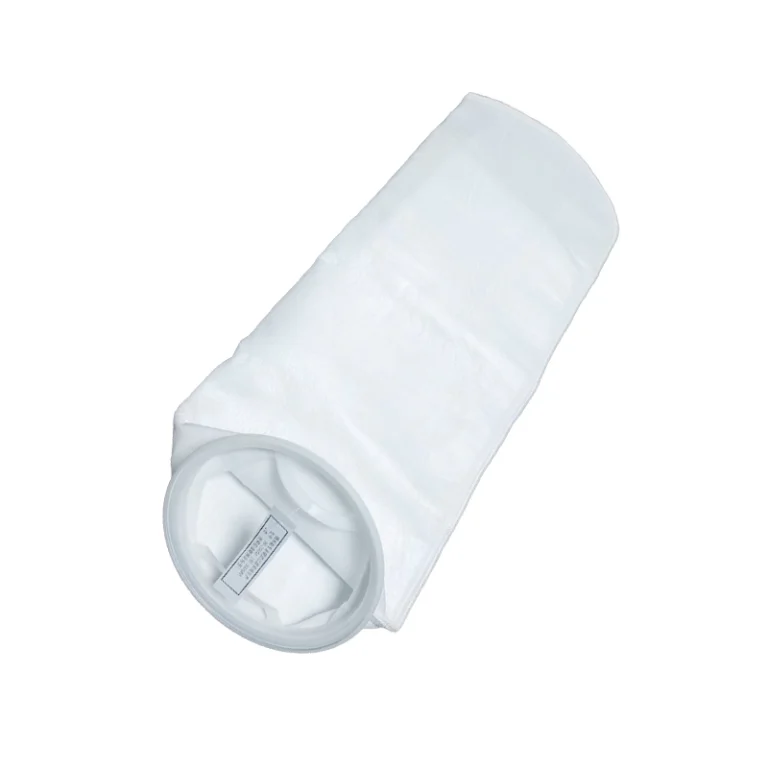
#2 Size 5 Micron Industrial Liquid Filter Bags, Polyester Felt, Polypropylene Ring
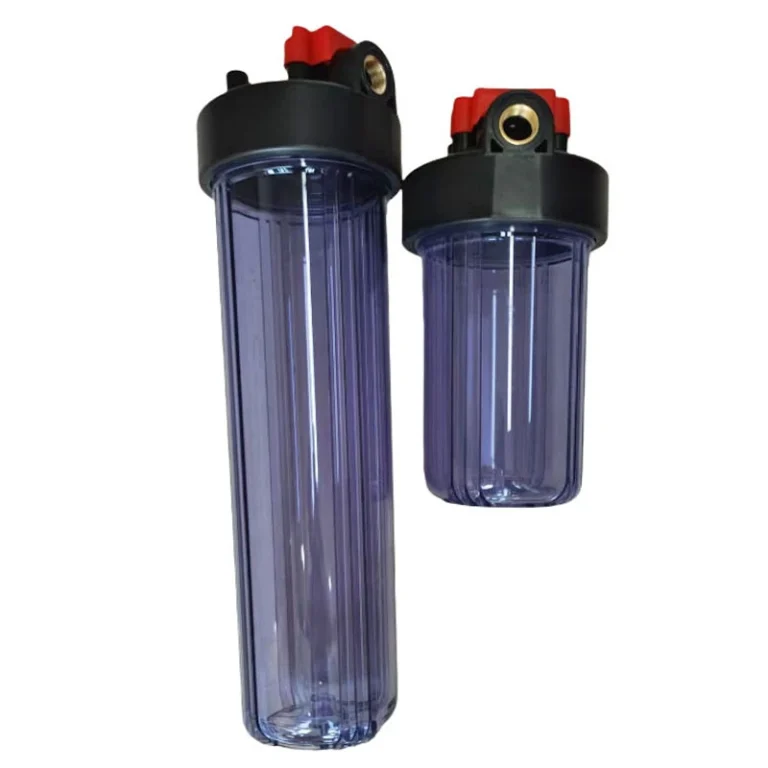
Whole House 10” 20” Purple Clear Water Filter Housing Pre-Filtration System, 1″ NPT with Pressure Gauge Wrench and Bracket