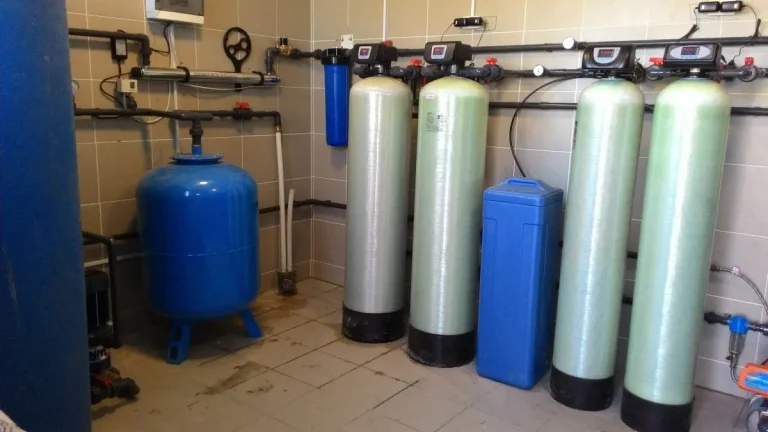
BasideWT- Whole Home Water Filtration System & Replacement


Water Filter Housing Size Guide: How to Choose the Right Size
Choosing the right Water Filter Housing Size Guide starts with understanding how housing size affects filtration performance. Picking the wrong water filter housing size can reduce flow rate, increase pressure loss, and shorten cartridge life. This Water Filter Housing Size Guide explains how to choose the correct housing size for residential, commercial, and industrial filtration systems.
This guide breaks down water filter housing sizes in plain terms. You will learn how standard, Big Blue, and high flow housings differ, how dimensions affect performance, and how to match a housing to your specific application. If you are still building foundational knowledge, our complete guide to water filter housing types, sizes, and materials is a useful starting point before diving into the sizing details below.
Why Choosing the Right Water Filter Housing Size Matters
Housing size is not just about fitting a cartridge inside a shell. It directly controls how much water your system can process, how often you need to change filters, and how much pressure the system loses along the way.
A housing that is undersized for your water demand forces water through too small a surface area. This raises pressure drop, reduces flow, and shortens the cartridge’s usable life. On the other hand, an oversized housing adds unnecessary upfront cost and takes up more installation space than the application requires.
Correct sizing also protects your plumbing. When a housing restricts flow, pumps and fixtures downstream work harder than they should. Over time, that added strain can shorten the life of connected equipment.
Because sizing touches so many parts of a filtration system, it helps to understand what a housing actually does before choosing dimensions. Our article on what a water filter housing is and how a water filter housing works covers those fundamentals in more depth.
Standard Water Filter Housing Sizes Explained
Most residential and light commercial systems use one of five common housing categories. Each one is built for a different flow range and cartridge type.
10″ Standard Housing
The 10″ standard housing is the most widely used size for point-of-entry and under-sink filtration. It accepts standard 2.5-inch diameter, 9.75-inch to 10-inch length cartridges. This size works well for households with moderate water demand and space constraints.
20″ Standard Housing
The 20″ standard housing uses a longer cartridge with the same 2.5-inch diameter. Because the cartridge offers roughly double the surface area of a 10″ cartridge, this housing supports higher flow rates and needs less frequent replacement. It suits larger households or properties with higher daily water usage.
10″ Big Blue Housing
Big Blue housings use a wider 4.5-inch diameter cartridge instead of the standard 2.5-inch version. The extra surface area allows significantly higher flow rates than a standard housing of the same length. A 10″ Big Blue housing is a popular choice for whole-house systems in small to mid-sized homes.
20″ Big Blue Housing
The 20″ Big Blue housing combines the wider 4.5-inch diameter with the longer 20-inch cartridge length. This combination delivers the highest flow capacity among Big Blue options and is common in whole-house systems for larger homes, small commercial buildings, and well water setups. Buyers researching this option often compare it against our standard whole-house 2.5″ x 20″ replacement housing to weigh flow capacity against footprint.
High Flow Housing
High flow housings accept large-diameter pleated cartridges designed for commercial and industrial flow rates. A single high flow cartridge can replace several standard cartridges, which reduces the number of housings needed and simplifies maintenance. For a deeper look at when this option makes sense, see our guide on high flow water filter housing benefits and applications.
Comparison Table: Standard Housing Sizes at a Glance
| Housing Type | Cartridge Diameter | Cartridge Length | Typical Flow Range | Best For |
|---|---|---|---|---|
| 10″ Standard | 2.5″ | 9.75″–10″ | 1–5 GPM | Under-sink, small households |
| 20″ Standard | 2.5″ | 20″ | 3–8 GPM | Larger households, moderate demand |
| 10″ Big Blue | 4.5″ | 9.75″–10″ | 8–15 GPM | Whole-house, small to mid homes |
| 20″ Big Blue | 4.5″ | 20″ | 15–25 GPM | Larger homes, small commercial, well water |
| High Flow | 6″–8″ (varies) | 20″–40″ | 40–150+ GPM | Commercial and industrial systems |
Flow figures vary by manufacturer, cartridge micron rating, and water pressure, so treat these as general planning ranges rather than fixed specifications.
Understanding Water Filter Housing Dimensions
Choosing the right size means looking past the headline “10-inch” or “20-inch” label and understanding the individual dimensions that determine fit and performance.
Length
Length determines cartridge compatibility and how much filter media the system can hold. Longer housings generally allow higher flow before pressure drop becomes a problem, since the cartridge inside has more surface area to work with.
Diameter
Diameter affects both flow capacity and physical footprint. A wider housing accommodates a wider cartridge, which increases the filtration surface area without requiring a taller unit. This is why Big Blue and high flow housings can outperform standard housings even at similar lengths.
Inlet & Outlet Sizes
Port size matters as much as the housing body itself. A housing with a large body but a narrow 3/4-inch inlet still restricts flow at the connection point. Residential housings typically use 3/4-inch to 1-inch ports, while commercial and industrial housings often require 1.5-inch to 2-inch ports to match higher flow demand.
Cartridge Compatibility
Not every cartridge fits every housing, even within the same nominal length. Standard and Big Blue housings use different diameters, and thread patterns or sump depths can vary between manufacturers. Always confirm cartridge compatibility before ordering a replacement, particularly if you are pairing a housing from one supplier with cartridges from another. Our water filter cartridge category page lists compatible options by size.
Installation Space
Beyond the housing itself, you need clearance above the unit to remove the sump for cartridge changes. As a rule of thumb, allow at least the housing’s full length again in vertical clearance. Skipping this step is one of the most common installation headaches, since it often means relocating the unit after the fact.
How Housing Size Affects Filtration Performance
Size is not a cosmetic choice. It has a direct, measurable effect on how the filtration system performs day to day.
Flow Rate
Larger diameter housings support higher flow rates because the water has more surface area to pass through. When flow rate exceeds a housing’s rated capacity, pressure drop rises sharply and water pressure at your fixtures drops.
Pressure Drop
Pressure drop is the difference in water pressure before and after the filter. Undersized housings create excessive pressure drop, especially as the cartridge loads with sediment over time. Choosing a housing with adequate flow headroom keeps pressure drop manageable even as the cartridge nears the end of its service life.
Cartridge Capacity
Bigger housings hold cartridges with more filter media, which means more dirt-holding capacity before replacement is needed. This is particularly important for high-sediment water sources, where undersized cartridges can clog within weeks.
Service Life
A properly sized housing extends cartridge service life because the filter is not working beyond its intended flow range. Oversizing slightly, rather than undersizing, generally results in longer intervals between cartridge changes.
Maintenance Frequency
Correctly matching housing size to actual water demand reduces how often maintenance staff or homeowners need to intervene. This is especially relevant for commercial buyers, where labor cost for filter changes adds up over a facility’s lifetime.
Choosing the Right Size for Different Applications
Water demand varies enormously between a single apartment and a food processing plant. The table below offers general starting points, though actual sizing should also account for local water pressure and quality.
| Application | Typical Flow Demand | Recommended Housing |
|---|---|---|
| Apartments | 1–3 GPM | 10″ Standard |
| Single-family homes | 3–8 GPM | 10″–20″ Big Blue |
| Well water systems | 5–15 GPM | 20″ Big Blue |
| Commercial buildings | 15–40 GPM | High Flow or multi-housing bank |
| Hotels | 20–60 GPM | High Flow |
| Food & beverage facilities | 30–100 GPM | High Flow |
| Manufacturing plants | 50–150+ GPM | High Flow, multi-cartridge |
| RO pretreatment systems | Varies by RO capacity | Sized to match RO system inlet flow |
Apartments
Apartments typically have limited installation space and modest water demand. A 10″ standard housing usually covers point-of-entry or under-sink filtration without crowding utility areas.
Single-Family Homes
Homes with two or more bathrooms and standard appliance loads generally benefit from a 10″ or 20″ Big Blue housing. This size range balances flow capacity with a manageable footprint for garage or basement installation.
Well Water Systems
Well water often carries higher sediment loads than municipal supply, so a 20″ Big Blue housing is a common baseline. Homeowners with iron, manganese, or heavy turbidity issues may need to pair the housing with pre-filtration stages to avoid rapid cartridge clogging. Our guide to whole-house water filter housings explains how these systems are typically configured.
Commercial Buildings
Office buildings, retail spaces, and multi-unit residential properties usually need more than a single Big Blue housing can provide. High flow housings, or a bank of multiple standard housings, are common solutions depending on available space.
Hotels
Hotels combine high, variable water demand with strict expectations around water quality and pressure consistency. High flow housings are typically sized with headroom above peak demand to avoid pressure drops during high-occupancy periods.
Food & Beverage Facilities
These facilities often require both high flow capacity and tight micron control to protect downstream equipment or product quality. Housing selection here usually involves multiple stages, moving from coarser sediment filtration to finer polishing filters.
Manufacturing Plants
Industrial water use varies widely by process, but manufacturing plants generally need the highest flow capacity on this list. Multi-cartridge high flow housings, sometimes arranged in parallel banks, are standard for these operations. Our industrial water filter housing guide covers selection criteria specific to industrial environments in more detail.
RO Pretreatment Systems
Reverse osmosis systems are sensitive to particulate fouling, so pretreatment housing size should match the RO system’s rated inlet flow rather than general building demand. Undersized pretreatment housings shorten membrane life significantly, since sediment that should be caught upstream ends up loading the RO membrane instead.
Common Sizing Mistakes
Even experienced buyers run into a handful of recurring sizing errors.
Choosing housing size based on pipe diameter alone is a frequent mistake. Pipe size tells you the connection, not the actual flow demand of the building or process.
Ignoring peak demand is another common issue. A household or facility rarely uses water at a constant rate, so sizing for average flow instead of peak flow leads to pressure problems during high-usage periods.
Overlooking micron rating’s effect on flow is easy to miss. A finer micron rating reduces flow capacity for a given housing size, so a system sized correctly for 5-micron filtration may underperform if switched to 1-micron cartridges without resizing.
Skipping clearance space for cartridge changes causes real installation problems. Housings placed too close to a ceiling or wall often need costly rework once maintenance staff can’t remove the sump.
Assuming all “20-inch” housings are interchangeable overlooks the diameter difference between standard and Big Blue cartridges. Always confirm both length and diameter before ordering replacements.
Expert Recommendations Before Buying
Before finalizing a housing size, calculate your actual peak flow demand rather than relying on average daily usage. Peak demand, not average consumption, is what determines whether your housing keeps pace during busy periods.
Factor in future growth if you’re outfitting a commercial or industrial facility. Sizing slightly above current demand avoids a costly upgrade later, particularly for buildings expecting expansion.
Match micron rating to your water source before finalizing housing size, since tighter filtration reduces the effective flow rate of any given housing. If your water source has variable sediment levels, consider a two-stage approach with a sediment pre-filter ahead of your main housing.
Confirm port sizing matches your plumbing, and don’t assume a larger housing automatically means larger ports. Some manufacturers offer the same housing body with multiple port size options.
For a broader framework covering material selection, mounting style, and application fit alongside sizing, our complete buyer’s guide to choosing a water filter housing walks through the full decision process.
For technical background on how cartridge length and flow rate interact during sizing calculations, Econe Filtration’s guide to selecting cartridge filter flow rate offers a useful technical reference on the relationship between micron rating, cartridge length, and flow capacity.
Final Thoughts
Sizing a water filter housing correctly comes down to matching flow demand, cartridge dimensions, and installation space to your specific application. Residential buyers usually have a straightforward choice between standard and Big Blue housings, while commercial and industrial buyers need to think in terms of peak demand and multi-housing configurations.
Take the time to calculate real flow requirements before purchasing, and don’t hesitate to size slightly above current demand if growth is likely. A correctly sized housing pays for itself through longer cartridge life, steadier water pressure, and fewer maintenance headaches down the road.
If you’re ready to compare housing options directly, browse our full range of water filter housings, including high flow cartridge filter housings and whole-house housing solutions sized for homes and light commercial properties. Comparing housing types side by side, such as our breakdown of clear vs. blue housings or plastic vs. stainless steel construction, can also help narrow down the right fit once size is settled.
RELATED POSTS
how much does a home water treatment system cost
RO Membrane Rejection Rate: What It Means & How to Improve It
Water Filter System: How It Works, Types, Benefits & Buying Guide
RO Water System Filter Replacement Guide: When & How to Change RO Filters
Residential vs Commercial UF Membrane: What’s the Difference?