BasideWT- Whole Home Water Filtration System & Replacement


RO Water System for Well Water: Benefits, Challenges & Complete Buying Guide
An RO water system for well water can solve some of the toughest problems that well owners face. However, it rarely works alone. Well water pulls straight from the ground, so it often carries iron, sediment, hardness minerals, and sometimes bacteria. A standard RO unit was never designed to handle all of that by itself.
This doesn’t mean RO is a poor fit for wells. Instead, it means the system needs the right support in front of it. This guide explains when RO makes sense, which contaminants show up most often, and how to choose a setup that lasts.
Well owners often assume that any RO system will handle groundwater the same way it handles city water. In reality, that assumption leads to disappointment fast. Groundwater brings its own set of challenges, and understanding them upfront saves both money and frustration later.
Why Well Water Behaves Differently
City water passes through several filtration and disinfection stages before it reaches your tap. As a result, most heavy contaminants are already gone by the time it meets an RO unit.
Well water skips that process entirely. It travels from an aquifer, through a pump, and straight into your plumbing. Consequently, it carries whatever minerals, sediment, or microorganisms happen to be present underground.
That difference is exactly why a well water RO system needs its own strategy.
Is an RO Water System Good for Well Water?
Yes, an RO water system for well water is a strong choice overall. But it only works well when it’s paired with proper pretreatment.
Reverse osmosis membranes remove dissolved solids, nitrates, and many heavy metals with ease. That’s the good news. On the other hand, RO membranes are also sensitive.
Raw well water can clog a membrane quickly without preparation first. High iron levels, loose sediment, and hard water minerals often foul a membrane within weeks instead of years. So here’s the honest answer: RO works well for wells when pretreatment does the heavy lifting. It performs poorly when asked to do that job alone.
For a broader look at how these systems function, the pillar guide to RO water systems covers the fundamentals in more depth.
Common Well Water Contaminants
Every well is different. Still, a handful of contaminants show up again and again. Understanding which ones affect your water helps you plan pretreatment correctly.
Geology plays a major role here. Wells drilled near agricultural land often show higher nitrate levels, while wells in rocky or mineral-rich soil tend to carry more iron and manganese. Knowing your region’s typical groundwater profile gives you a helpful starting point before testing.
Iron gives water a metallic taste. It also leaves reddish-brown stains on fixtures and laundry over time.
Manganese behaves like iron in many ways. However, it leaves black or dark brown stains instead.
Hardness comes from dissolved calcium and magnesium. As a result, it causes scale buildup and shortens the lifespan of appliances.
Sediment includes sand, silt, and fine particles. These enter through the well casing or pump, and they clog filters fast.
Nitrates typically come from agricultural runoff or septic systems nearby. They pose a real risk to infants and pregnant women.
Heavy metals, such as arsenic and lead, occur naturally in some soils. Sometimes they also leach from old plumbing.
Bacteria, including coliform and E. coli, can enter a well through cracked casings or flooding.
These contaminants rarely appear alone. A well with high iron often carries manganese too, and hardness frequently joins both. Because of this overlap, each contaminant places a different kind of stress on equipment.
Sediment wears down filters mechanically. Meanwhile, iron and manganese cause chemical fouling at a microscopic level. Hardness minerals, in turn, crystallize on membrane surfaces and slowly reduce flow rates.
Some problems are obvious the moment you turn on a tap. Others stay hidden until lab testing reveals them. Nitrates and heavy metals fall into that second group, which is why annual testing matters.
Well Water Contaminant Comparison
| Contaminant | Common Source | Typical Sign | RO Effectiveness |
|---|---|---|---|
| Iron | Natural geology, old pipes | Reddish stains, metallic taste | Needs pretreatment first |
| Manganese | Natural geology | Black staining | Needs pretreatment first |
| Hardness | Calcium and magnesium | Scale, soap scum | Needs softening first |
| Sediment | Well casing, pump wear | Cloudy water | Needs sediment filtration first |
| Nitrates | Agricultural runoff, septic systems | Often undetectable without testing | Removed well by RO |
| Heavy metals | Natural geology, old plumbing | Often undetectable without testing | Removed well by RO |
| Bacteria | Surface contamination, flooding | Unusual taste or odor | Needs disinfection first |
Why Pretreatment Is Important Before Reverse Osmosis
Skipping pretreatment is the biggest mistake well owners make. Without it, the membrane takes on damage that no maintenance schedule can reverse.
Sediment and Carbon Filters
Sediment filters catch sand, silt, and rust before they reach the membrane. This single step extends membrane life significantly.
Carbon filters remove chlorine, organic compounds, and unpleasant odors. In addition, they protect the membrane from chemical degradation.
Softeners, Iron Removal, and UV
Water softeners strip out calcium and magnesium. This prevents scale from forming on the membrane surface, especially in high-hardness wells.
Iron removal systems target dissolved and oxidized iron before it fouls the membrane. Depending on iron levels, this might involve an oxidizing filter or an air injection system.
UV sterilization becomes necessary once testing confirms bacteria. It neutralizes microorganisms without adding chemicals to your water.
How the Pretreatment Chain Works
Think of pretreatment as a series of checkpoints. Each stage removes a specific contaminant before water moves forward.
Sediment gets filtered out first, since it’s the cheapest to remove. Iron and hardness come next, because they need more specialized equipment. Only then does water reach the RO membrane, where finer contaminants are removed.
Skipping a stage doesn’t just risk membrane damage. It also shortens the life of every component downstream. For a full walkthrough, the step-by-step installation guide explains how these stages connect.
Staying Ahead of Filter Changes
Pretreatment filters wear out faster on well water than on municipal supplies. Heavier sediment and mineral loads mean cartridges reach capacity sooner.
Sticking to a proper filter change schedule protects the whole system. The filter replacement guide outlines realistic timelines for well water conditions specifically.
Benefits of Using an RO Water System for Well Water
Once pretreatment is in place, an RO system delivers real advantages. Drinking water quality improves substantially, since RO removes dissolved solids and trace contaminants that pretreatment alone can’t catch.
Taste improves too. RO strips out the minerals responsible for metallic or earthy flavors common in well water. Appliances benefit as well, since water heaters and coffee makers last longer without constant scale buildup.
Most importantly, RO delivers reliable output even when the well itself fluctuates. Groundwater conditions shift with rainfall or drought, yet a properly maintained RO system keeps quality consistent regardless.
There’s also a peace-of-mind factor worth mentioning. Public water systems face regular regulatory testing, but private wells don’t get that oversight. Responsibility falls entirely on the homeowner instead.
An RO system, backed by pretreatment and periodic testing, gives well owners real control. That confidence is hard to achieve with groundwater alone.
Many families also notice a difference in everyday routines. Cooking, brewing coffee, and even watering houseplants all benefit from water that’s free of the sediment and minerals typical of untreated wells.
Potential Challenges and How to Solve Them
RO systems on well water face a few recurring problems. Fortunately, each one has a practical fix.
- Membrane fouling happens when pretreatment is inadequate. Install sediment, carbon, and iron pretreatment sized for your water chemistry.
- Low pressure reduces RO efficiency and slows production. A booster pump usually resolves this issue.
- High maintenance frustrates owners who expected a maintenance-free system. Quality pretreatment components reduce how often filters need attention.
- High iron content overwhelms standard sediment filters quickly. Dedicated iron removal equipment prevents this from becoming routine.
- Poor pretreatment ties all of these problems together. Cutting corners here costs more later in membrane replacements.
It helps to treat these challenges as symptoms rather than isolated events. A membrane that keeps fouling usually points to weak upstream filtration, not a defective RO unit.
Likewise, chronic low pressure rarely starts as an RO problem. It’s typically a pump or plumbing issue that surfaces at the final treatment stage. Diagnosing the real cause saves both money and frustration.
A quick troubleshooting mindset helps here. Before replacing any component, ask what upstream condition might be causing the symptom. Nine times out of ten, the answer points back to pretreatment rather than the RO unit itself.
How to Choose the Best RO Water System for Well Water
Selecting the right system starts with data, not guesswork. Here’s what to check before you buy anything.
- Test your water first. A certified lab test reveals exactly which contaminants your well produces.
- Calculate daily demand. A family of four uses far less water than a small farm or commercial kitchen.
- Match pretreatment to test results. Iron, hardness, and sediment levels each dictate specific equipment.
- Size for peak demand. Account for moments when multiple appliances run at once, not just average use.
- Check certifications. Look for NSF/ANSI certification, since it verifies contaminant removal claims.
It’s worth resisting the urge to buy pretreatment and RO equipment separately without a coordinated plan. Mismatched components, like an undersized softener paired with an oversized RO unit, create inefficiencies. These often show up later as higher costs or inconsistent output.
Working from your test results avoids that kind of costly trial and error. If you’re still comparing options, the complete buying guide breaks these factors down further. Browsing the RO system product line is a natural next step once you know your requirements.
Expert Tips for Well Water Users
A few practical habits make a real difference over time. These apply whether you’re managing a single household or a larger operation.
Homeowners should retest well water every year. Groundwater chemistry can shift with seasonal rainfall or nearby land use changes.
Farms and agricultural operations should watch nitrate levels closely. This matters most near fertilizer application or livestock activity.
Factories and industrial facilities benefit from routine pretreatment audits. Production demands place heavier strain on filtration than typical residential use does.
Commercial facilities, including restaurants, should size systems around peak-hour demand. Average daily figures alone rarely tell the full story. For higher-capacity needs, the commercial RO system guide addresses these applications directly.
Keep Simple Records
Across every use case, consistent maintenance beats reactive troubleshooting. Replacing filters on schedule costs far less than repairing a fouled membrane.
Logging test results and filter changes also pays off. This record makes troubleshooting easier down the road, since it often points directly to the cause. It’s a small habit, yet well owners who keep it rarely face the same problem twice.
Conclusion
An RO water system for well water works well when it’s set up correctly from the start. The RO unit itself isn’t the deciding factor. What happens before the water reaches the membrane matters most.
Sediment, iron, hardness, and bacteria all need proper pretreatment. Once that foundation is in place, RO delivers cleaner, better-tasting, and more reliable water than most alternatives.
Taking the time to plan pretreatment properly pays off for years. It’s a far better approach than troubleshooting a fouled membrane after the fact.
If you’re weighing your options, testing your water is the right place to start. From there, the pillar guide to RO water systems offers a broader foundation. Resources like Penn State Extension’s guidance on private water system maintenance and treatment can also help you understand what your well may need before you invest in equipment.
RELATED POSTS
Deionized Water vs Distilled Water: What’s the Real Difference?
How Does an RO Water System Work? Step-by-Step Process
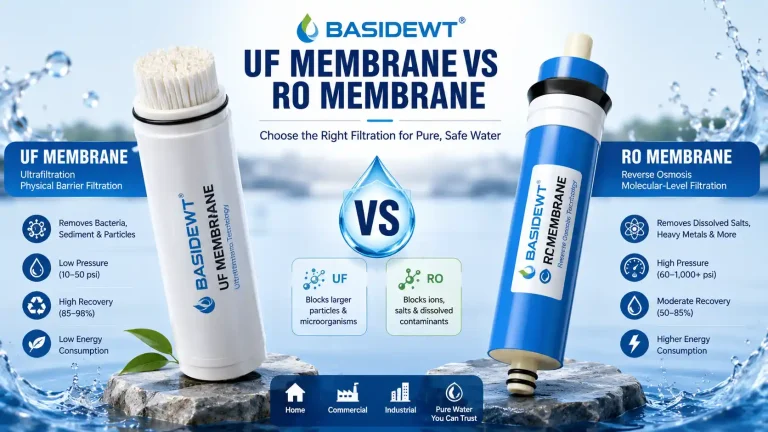
UF Membrane vs RO Membrane: What’s the Difference?

Is Reverse Osmosis Water Good for You? A Complete Guide to RO Water Benefits and Safety
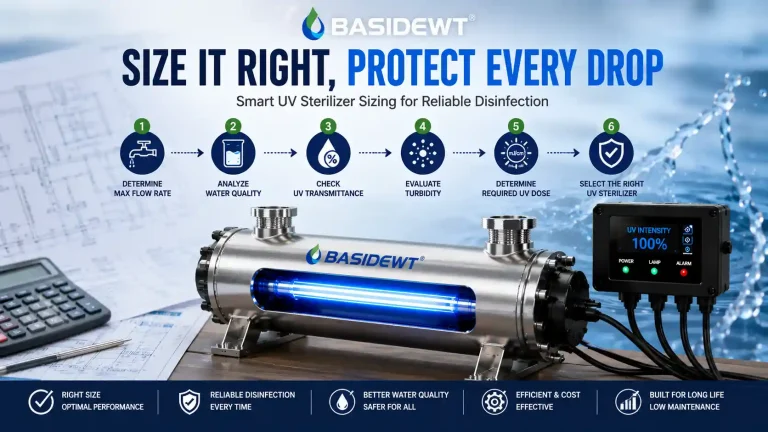
How to Size a UV Water Sterilizer for Your Water System