BasideWT- Whole Home Water Filtration System & Replacement


RO Membrane Maintenance: Cleaning, Storage & Care
RO membrane maintenance keeps your reverse osmosis system producing clean water efficiently for longer. Regular performance checks, proper cleaning, correct storage, and good pretreatment help prevent fouling, scaling, and premature membrane failure.
The best RO membrane maintenance routine combines regular performance monitoring with proper pretreatment, timely cleaning, and correct storage.
This guide walks through the practical side of caring for an RO membrane: what to check, when to clean, how to store a membrane properly, and when maintenance stops being enough.
What Does RO Membrane Maintenance Actually Mean?
RO membrane maintenance covers everything that keeps a membrane element functioning correctly between installation and eventual replacement. It is not a single task. It is a combination of habits.
At its core, membrane maintenance includes:
- Regular visual and performance inspection
- Monitoring permeate flow, permeate TDS, and rejection rate
- Cleaning the membrane when fouling or scaling reduces performance
- Storing spare or removed membranes correctly
- Handling membranes carefully during installation and removal
- Protecting the membrane through proper pretreatment
Maintenance is preventive by nature. The goal is to catch small performance changes before they become larger problems that shorten membrane life.
Why Regular RO Membrane Maintenance Matters
A membrane’s job is simple to describe but demanding in practice. It separates dissolved solids from water under pressure, and it does this continuously while exposed to whatever is in the feed water.
Without adequate maintenance, fouling and scaling can gradually reduce permeate flow and increase the pressure required to maintain the same production rate. Over time, that added stress can permanently damage the membrane surface.
Consistent maintenance helps a system:
- Maintain stable permeate flow
- Keep salt rejection performance steady
- Avoid unnecessary pressure increases
- Reduce energy use in pressure-driven systems
- Extend the practical service life of the membrane
Maintenance intervals are never universal. They depend on feed-water quality, pretreatment effectiveness, operating pressure and temperature, recovery rate, membrane type, and manufacturer guidance. A system running on well water with high hardness will need different attention than one running on treated municipal water.
How Often Should an RO Membrane Be Checked?
There is no single fixed schedule that applies to every system. Inspection frequency should match the system’s feed-water conditions and how the manufacturer classifies the application.
For residential systems, check membrane performance every 3–6 months or whenever you notice changes in flow, TDS, or water quality. Commercial and industrial systems generally require more frequent monitoring — often weekly or monthly tracking of pressure, flow, and rejection data — based on operating conditions and manufacturer recommendations.
Always follow the membrane manufacturer’s recommended inspection schedule where one is provided, since it reflects the specific membrane’s design tolerances.
Signs an RO Membrane Needs Attention
Certain warning signs suggest it’s time to inspect or clean the membrane rather than wait for the next scheduled check:
- A noticeable drop in permeate flow at the same operating pressure
- Rising permeate TDS despite stable feed-water quality
- A need for higher feed pressure to maintain normal output
- Unusual pressure drop across the membrane housing
- Visible scale, slime, discoloration, or debris when the membrane element or housing is inspected during scheduled service
If you’re unsure whether the membrane itself, the housing, or another component like the pressure vessel is the source of the issue, reviewing background on how an RO membrane works and what it’s made of can help clarify what a healthy membrane should look like before troubleshooting begins. For more foundational context, the guide on what an RO membrane is and how it functions is a useful starting point.
How Fouling Affects Membrane Performance
Fouling is the accumulation of unwanted material on the membrane surface. It’s one of the most common reasons RO membrane performance declines over time, and it doesn’t happen the same way in every system.
Scaling and Mineral Buildup
Scaling occurs when dissolved minerals, such as calcium carbonate or calcium sulfate, exceed their solubility limit and precipitate onto the membrane surface. This is more likely in systems with hard feed water and higher recovery rates.
Scale reduces active membrane surface area. It also increases the pressure required to push water through the membrane, which strains the system over time.
Sediment and Particulate Fouling
Sediment fouling happens when suspended solids, such as sand, silt, or rust particles, physically block membrane pores or coat the surface. This type of fouling is often preventable with proper prefiltration.
Organic and Biological Fouling
Organic fouling comes from natural organic matter, oils, or biological growth on the membrane surface. Biofilm formation is particularly troublesome because bacteria can multiply within the system if conditions favor growth, especially in warmer, low-flow, or intermittently used systems.
| Fouling Type | Common Cause | Typical Warning Sign |
|---|---|---|
| Scaling | Hard water, high recovery, low pretreatment | Rising feed pressure, flow decline |
| Sediment fouling | Poor prefiltration, turbid feed water | Pressure drop across housing |
| Organic/biological fouling | Organic matter, stagnant flow, warm temperatures | Odor, slime, inconsistent rejection |
How Feed-Water Quality Shapes Maintenance Needs
Feed-water quality is one of the most important factors influencing how often a membrane needs cleaning or replacement. Higher TDS, hardness, iron, or organic content all increase the maintenance burden.
Higher feed-water TDS increases osmotic pressure, reducing the net driving force available for permeate production. Depending on the system design, additional feed pressure may therefore be required to maintain production, which places extra stress on the membrane over time.
Pressure and temperature also interact with feed-water chemistry. Warmer water lowers viscosity and can increase permeate flow, while temperature can also influence biological activity and fouling behavior. Understanding how pressure, temperature, and feed water together influence membrane behavior makes it easier to interpret performance changes accurately. The detailed breakdown in the RO membrane pressure and temperature guide covers this relationship in more depth.
Why Prefilters and Pretreatment Matter
Prefilters exist specifically to protect the RO membrane from the fouling types described above. Sediment prefilters remove particulates before they reach the membrane surface. Carbon prefilters reduce chlorine, which can degrade certain membrane materials if left unaddressed.
Proper pretreatment is not optional maintenance. It’s the first and most cost-effective line of defense against premature fouling. A membrane operating behind well-maintained prefilters will almost always need less aggressive cleaning than one exposed to poorly filtered feed water.
RO Membrane Cleaning: When and How
Cleaning is not a routine step for every system. It becomes appropriate when performance monitoring shows a meaningful decline that inspection confirms is caused by fouling or scaling, rather than a mechanical issue elsewhere in the system.
Cleaning is typically appropriate when normalized permeate flow drops noticeably below baseline, salt rejection declines, or pressure differential across the membrane rises beyond what pretreatment alone can explain.
Basic Cleaning Principles
Membrane cleaning generally follows a defined sequence, though exact steps vary by manufacturer and fouling type:
- Identify the likely foulant type based on performance data and visual inspection.
- Select a cleaning approach matched to that foulant, since scale and organic fouling respond to different treatments.
- Circulate the appropriate cleaning solution through the system at manufacturer-specified conditions.
- Allow adequate soak or recirculation time as specified by the membrane manufacturer.
- Flush the system thoroughly before returning it to service.
Cleaning Chemicals and Precautions
The correct cleaning chemical, concentration, temperature, and pH range depend entirely on the membrane manufacturer’s specifications. These parameters vary by membrane material and construction, so there is no universal cleaning recipe that applies to every element.
Using the wrong chemical, an incorrect concentration, or excessive temperature can permanently damage the membrane’s active layer. Aggressive cleaning is one of the most common causes of irreversible membrane damage, sometimes causing more harm than the fouling it was meant to remove.
Always consult the manufacturer’s technical documentation before attempting a cleaning procedure, and avoid combining cleaning chemicals unless specifically instructed to do so.
Rinsing After Cleaning
Thorough rinsing after cleaning is essential. Residual cleaning chemicals left in the system can affect permeate water quality and, in some cases, continue to interact with the membrane surface after service resumes. Rinse thoroughly with the manufacturer’s recommended rinse water until residual cleaning chemicals have been removed and the system is ready for normal operation.
How to Store an RO Membrane Correctly
Storage matters whenever a membrane is not actively in service, whether it’s a spare element waiting for installation or one temporarily removed from a system.
Wet Storage vs. Dry Storage
RO membrane storage requirements vary by membrane type, manufacturer, and whether the element is new or previously used. Never assume that a used membrane can be stored dry simply because a new membrane is supplied dry or in different packaging.
- Wet storage keeps the membrane moist, often with a preservative solution, and is generally suited to shorter storage periods. The membrane must not be allowed to dry out or freeze during wet storage.
- Dry storage may be permitted for some membrane types or unused elements, but previously used membranes should only be dried or stored dry when the manufacturer specifically allows it.
Never assume a storage method without checking manufacturer instructions, since incorrect storage can degrade membrane performance before it’s ever installed.
Proper Storage Conditions
Regardless of storage method, a few conditions apply broadly:
- Store membranes in a cool, shaded location away from direct sunlight.
- Avoid temperature extremes, especially freezing conditions.
- Keep membranes sealed in their original or manufacturer-approved packaging.
- Prevent contact with dust, chemical vapors, or contaminants.
- Label stored membranes with the date they were removed or received.
Protecting Membranes from Contamination
Contamination during storage is a common but avoidable problem. Open ports, unsealed packaging, and contact with unclean surfaces can introduce bacteria or debris that affect performance later.
Always reseal membrane end caps and packaging immediately after handling, and store elements upright or as specified by the manufacturer to avoid physical stress on internal components.
Handling and Installation Precautions
Careful handling prevents a surprising number of premature membrane failures. Physical damage during removal or installation can be just as harmful as fouling.
Before reinstalling a stored membrane, check that:
- The membrane has been stored within the manufacturer’s recommended time and conditions.
- O-rings and seals are inspected and lubricated according to manufacturer guidance.
- The membrane element shows no visible damage, cracking, or telescoping.
- The pressure vessel and housing are clean before the membrane goes back in.
When installing, avoid forcing the membrane into the housing, and never use sharp tools near the membrane surface or end caps. Small punctures or scratches can create permanent performance losses.
Monitoring RO Membrane Performance
Ongoing monitoring is what turns maintenance from guesswork into an informed process. Several measurements help track membrane condition, but permeate flow, permeate TDS, feed pressure, and salt rejection are among the most useful indicators.
Permeate Flow
Permeate flow is the volume of purified water the membrane produces over time. A gradual decline at consistent operating pressure usually points to fouling or scaling.
Permeate TDS
Permeate TDS reflects how well the membrane is rejecting dissolved solids. A rising trend suggests declining rejection performance, membrane damage, or a sealing issue somewhere in the system.
Salt Rejection Rate
Rejection rate ties flow and TDS data together into a single performance indicator. Tracking it over time is more useful than a single reading, since it reveals trends rather than isolated fluctuations. A deeper explanation of how rejection rate is calculated and what influences it is available in the RO membrane rejection rate guide, which pairs well with routine monitoring.
| Metric | What It Indicates | Typical Response |
|---|---|---|
| Permeate flow drop | Fouling, scaling, or pressure issue | Inspect prefilters, consider cleaning |
| Rising permeate TDS | Reduced rejection or membrane wear | Check seals, review cleaning history |
| Declining rejection trend | Combined performance decline | Compare against baseline, plan cleaning or replacement |
How Maintenance Affects Membrane Lifespan
Consistent maintenance directly supports a longer, more predictable membrane service life. Membranes exposed to poor pretreatment, inconsistent monitoring, or delayed cleaning tend to lose performance faster than well-maintained ones.
That said, maintenance has limits. Cleaning restores performance lost to fouling and scaling, but it cannot reverse physical damage, membrane compaction, or degradation caused by oxidizing chemicals over time. Lifespan expectations also vary by membrane type, feed-water conditions, and system design, so it’s worth reviewing the broader factors covered in the RO membrane lifespan and replacement guide alongside your own performance data.
Common RO Membrane Maintenance Mistakes
Several recurring mistakes shorten membrane life unnecessarily:
- Skipping prefilter changes, which accelerates fouling on the membrane itself.
- Using cleaning chemicals not specified for the membrane type.
- Ignoring gradual performance decline until output drops sharply.
- Storing membranes without checking wet or dry storage requirements.
- Reinstalling a membrane without inspecting seals and housing condition.
- Assuming cleaning frequency from one system applies to another.
Avoiding these mistakes often does more for membrane longevity than any single maintenance task on its own.
Practical RO Membrane Maintenance Checklist
| Task | Purpose | Suggested Timing |
|---|---|---|
| Visual inspection | Check for scale, discoloration, or damage | Based on system type and usage |
| Record permeate flow and TDS | Track performance trends | Regularly, per system logs |
| Inspect prefilters | Confirm pretreatment is protecting the membrane | Per prefilter schedule |
| Evaluate need for cleaning | Determine if fouling is affecting performance | When performance data shows decline |
| Rinse thoroughly after cleaning | Remove residual chemicals | Immediately after any cleaning |
| Review storage conditions | Protect spare or removed membranes | Ongoing, for stored elements |
| Inspect seals before reinstallation | Prevent leaks and contamination | Before every reinstall |
Cleaning vs. Replacement: Making the Right Decision
Not every performance issue can be solved with cleaning. Recognizing the difference between a fixable problem and a membrane that has reached the end of its service life saves time and avoids unnecessary chemical use.
Cleaning is usually appropriate when performance decline is caused by fouling or scaling and the membrane otherwise shows normal rejection behavior after cleaning attempts.
Replacement is usually the better option when rejection performance stays low even after proper cleaning, when physical damage is present, or when repeated cleaning cycles no longer restore acceptable output.
| Situation | Cleaning | Replacement |
|---|---|---|
| Flow drop due to fouling, membrane otherwise intact | Often appropriate | Not usually needed yet |
| Rejection stays poor after cleaning | Limited benefit | More appropriate |
| Visible physical damage or telescoping | Not effective | Necessary |
| Repeated fouling despite good pretreatment | Investigate cause first | Consider if performance won’t stabilize |
If cleaning consistently fails to restore acceptable performance, reviewing the membrane replacement decision guide can help determine the right next step and timing.
Residential vs. Commercial Maintenance Considerations
Residential systems typically run intermittently, with lower daily water volumes and simpler monitoring needs. A basic inspection schedule combined with periodic prefilter checks is often sufficient.
Commercial and industrial systems run continuously or near-continuously, often at higher recovery rates. These systems usually require closer performance logging, more frequent prefilter attention, and a documented cleaning protocol tied to specific trigger points in flow and rejection data.
In both cases, the underlying maintenance principles are the same. What changes is the frequency and formality of monitoring. Reviewing how membrane sizing and system design influence these requirements is worth doing before setting a maintenance schedule; the RO membrane types, sizes, and buying guide offers useful background for matching maintenance expectations to system design.
Membrane fouling is a persistent operational challenge in pressure-driven membrane systems, which is why effective pretreatment, performance monitoring, and manufacturer-approved cleaning procedures remain central to RO membrane maintenance across residential and commercial applications alike.
Conclusion
RO membrane maintenance is less about following one fixed schedule and more about staying attentive to how a membrane performs over time. Regular inspection, careful monitoring of permeate flow and TDS, and cleaning only when data supports it will protect membrane performance without unnecessary chemical exposure.
Correct storage and careful handling prevent damage before a membrane ever sees service again, while understanding the limits of cleaning helps avoid wasted effort on a membrane that genuinely needs replacement. Applied consistently, good RO membrane maintenance keeps water quality stable and helps every membrane reach the fullest life its operating conditions allow.
RELATED POSTS
How Do Water Treatment Systems Work?
RO Water System vs Bottled Water: Which Is Better for Drinking?
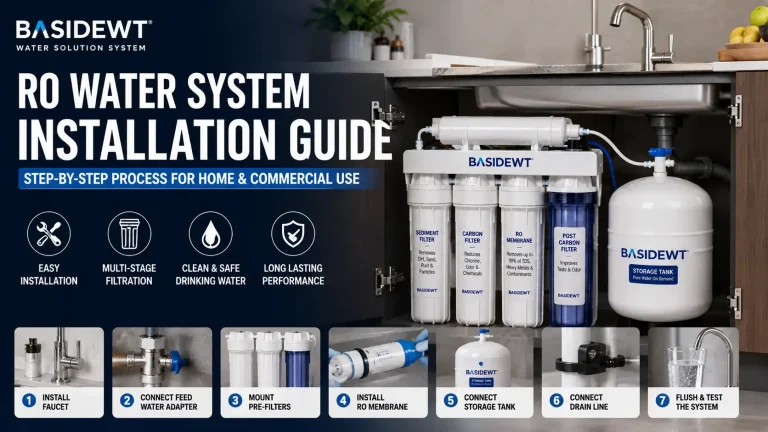
RO Water System Installation Guide: Step-by-Step Process for Home & Commercial Use
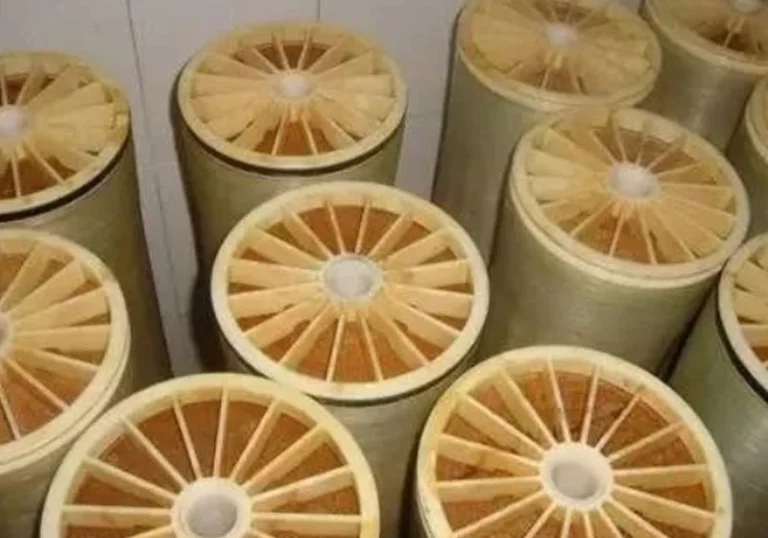
Is Your RO Membrane Clogged?
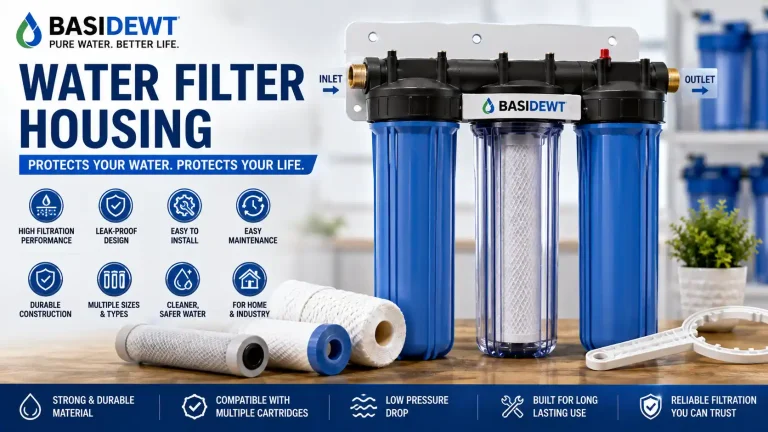
Water Filter Housing: Types, Sizes, Benefits, Installation, Maintenance & Buying Guide