BasideWT- Whole Home Water Filtration System & Replacement

Spotless Water System Guide: End Water Spots for Good
If you have ever hand-dried a car only to watch pale rings appear as the paint dries, you already know the frustration. Those marks are not dirt. They are mineral deposits left behind by ordinary tap water, and no amount of wiping prevents them once the water evaporates. A spotless water system solves this problem at the source by stripping those minerals out before the final rinse ever touches the vehicle.
This guide explains exactly how the technology works, why water spots form in the first place, and how to choose the right system for a home garage, a mobile detailing business, or a full commercial car wash. You will also find maintenance advice, common mistakes to avoid, and honest comparisons between deionized water and other purification methods. By the end, you will understand not just what a spotless water system does, but why professional detailers consider it essential rather than optional.
Quick Answer
A spotless water system removes dissolved minerals from tap water using deionization or reverse osmosis, producing water with near-zero total dissolved solids. Because there are no minerals left to crystallize during evaporation, vehicles air-dry completely spot-free without hand-drying or streaking.
What Is a Spotless Water System?
A spotless water system is a purification setup designed specifically for the final rinse stage of vehicle washing. Rather than filtering out dirt or sediment, its job is to remove dissolved minerals such as calcium, magnesium, and silica that ordinary filters cannot catch. These minerals are what create the cloudy spots you see after a car air-dries.
Most systems combine one or more purification stages, typically a carbon pre-filter, a reverse osmosis membrane, and a mixed bed resin tank. Each stage removes a different category of impurity. The result is water measured in near-zero total dissolved solids, often abbreviated as TDS, which is the industry standard for judging purity.
Detailers and wash operators use this purified water only for the final rinse. Earlier wash stages still use regular tap water for soap and pre-rinsing, since minerals do not matter until the very last pass before the vehicle dries. This targeted approach keeps operating costs reasonable while still delivering a flawless finish.
You can explore a ready-to-install option through our spotless water system, which is built for exactly this final-rinse application in both home and commercial settings.
Why Does My Car Have Water Spots After Washing?
Water spots are not stains in the traditional sense. They form because tap water naturally carries dissolved minerals, and when that water evaporates, the minerals stay behind on the paint, glass, and chrome. The water disappears, but everything it was carrying does not.
Regions with hard water see this problem more severely, since hard water contains higher concentrations of calcium and magnesium. Over time, these mineral deposits can etch into clear coat if left untreated, especially under direct sunlight where heat accelerates the bonding process. What starts as a cosmetic annoyance can become a genuine paint protection issue.
Total dissolved solids is the measurement that predicts this outcome. Tap water often reads between 100 and 400 parts per million, while purified rinse water from a properly maintained system reads close to zero. That gap explains why identical washing techniques produce completely different drying results depending on the water source.
According to the International Water Association, mineral content varies significantly by region and source, which is part of why water quality guidance differs so much from one municipality to the next. This is also why a system calibrated for one area may need different resin capacity in another.
How Does a Spotless Water System Work?
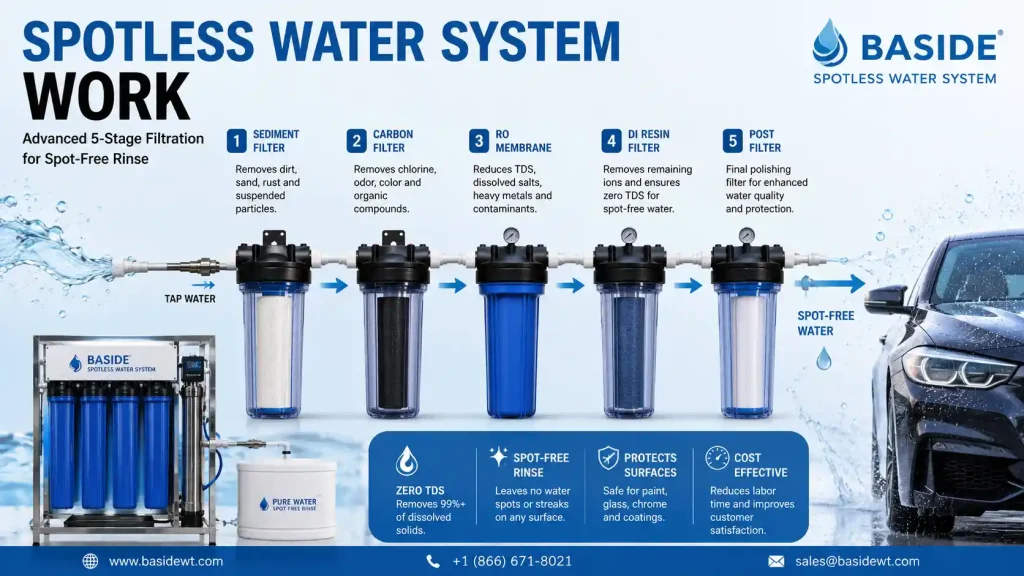
The process starts with pre-filtration, which removes sediment, rust particles, and chlorine that could otherwise damage downstream components. This step protects the more delicate purification media further along the system and extends its usable life considerably.
Next, water typically passes through a reverse osmosis membrane. This stage forces water through a semi-permeable barrier that blocks a large percentage of dissolved solids, cutting TDS dramatically before the water ever reaches the final polishing stage. Reverse osmosis handles the bulk purification work efficiently.
The final stage runs through a mixed bed resin tank, which combines cation and anion exchange resin to capture whatever minerals slipped past the membrane. This step is what pushes TDS down to near zero, the threshold needed for a truly spot-free finish. Many detailers refer to this combined RO plus DI approach as a two-stage spotless water system, and it remains the gold standard for consistent results.
Once water exits the resin tank, it goes directly into the final rinse, ideally through a dedicated hose or wand kept separate from the wash-stage equipment. Keeping the pure water isolated from soap residue and hard water lines prevents cross-contamination that could compromise the results you just paid to achieve.
What Is the Best Water for Washing a Car?
The honest answer depends on which stage of the wash you mean. For the initial wash and rinse, regular tap water works fine, since soap and agitation do the heavy lifting of lifting dirt. Minerals in tap water do not matter until the vehicle is drying.
For the final rinse, purified water with low TDS is clearly superior. This is the stage where evaporation happens, and evaporation is exactly when minerals get left behind. Using deionized or reverse osmosis water only for this last pass gives you the spot-free benefit without the expense of purifying every gallon used during the entire wash.
Some detailers try to shortcut this with distilled water bought at a store, which technically works but becomes impractical and expensive at any real volume. A dedicated spot free car wash system produces purified water on demand from your existing water line, which is far more practical for repeated use.
DI Water vs RO Water: What’s the Difference?
Deionized water and reverse osmosis water are often mentioned together, but they are not identical, and understanding the difference helps you choose the right setup for your volume and budget.
| Feature | Deionized (DI) Water | Reverse Osmosis (RO) Water |
|---|---|---|
| Purification method | Ion exchange resin | Semi-permeable membrane |
| Typical TDS output | Near 0 ppm | 5–20 ppm depending on membrane |
| Speed | Fast, limited by resin capacity | Slower, limited by membrane flow rate |
| Upfront cost | Lower for small tanks | Higher due to membrane and pump |
| Ongoing cost | Resin needs periodic replacement | Membrane needs periodic replacement |
| Best for | Small to mid volume, mobile detailing | High volume, commercial car wash |
Many professional operations combine both, using RO to handle bulk mineral removal cheaply and DI resin to polish the water down to true zero TDS. This layered approach, sometimes marketed as an RO/DI system, balances cost and performance better than either method alone. If you want a deeper technical breakdown, our article on RO vs DI water for car wash compares the two in more detail.
Is RO Water Better Than DI Water?
Neither option is universally better. Reverse osmosis excels at high-volume, continuous operation because membranes can process large amounts of water without needing frequent replacement, making it a natural fit for busy commercial car wash locations.
Deionized water, on the other hand, achieves lower TDS readings and works well for lower-volume needs where a compact resin tank is easier to manage than a full RO setup with pumps and membranes. Mobile detailers and home users often prefer DI-only systems for this reason.
The right choice comes down to your typical wash volume, your water hardness, and your budget for ongoing media replacement. A busy commercial site benefits from RO’s throughput, while a boutique detailing shop may find a DI-only spot free water system perfectly adequate and simpler to maintain.
Spotless Water vs Tap Water: Side-by-Side Comparison
| Factor | Tap Water | Spotless (Purified) Water |
|---|---|---|
| Typical TDS | 100–400 ppm | 0–15 ppm |
| Drying result | Water spots, mineral film | Spot-free air-dry |
| Hand-drying needed | Usually yes | No |
| Risk to clear coat over time | Mineral etching possible | Minimal |
| Best use in wash process | Pre-rinse, soap stage | Final rinse only |
| Cost per gallon | Very low | Moderate, media dependent |
This comparison shows why smart operators do not replace tap water entirely. They reserve purified water for the one stage where mineral content actually determines the visible outcome, keeping costs controlled while still delivering a professional finish every time.
Does DI Water Prevent Water Spots?
Yes, when TDS is kept near zero, there are essentially no minerals left to crystallize as the water evaporates. This is the entire mechanical reason spot-free rinsing works, and it holds true regardless of climate or sun exposure during drying.
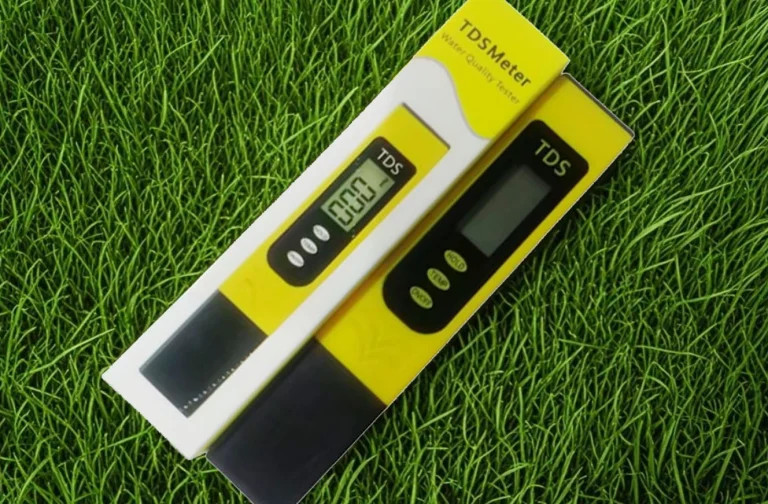
That said, DI water only prevents spots if the resin tank is still active. Once resin becomes exhausted, TDS readings climb back up, and spotting returns even though the water looks and feels identical. This is why monitoring TDS with a simple handheld meter matters more than trusting the system blindly.
A quick weekly TDS check takes under a minute and tells you immediately whether your resin still has capacity or needs replacing. Skipping this step is one of the most common reasons operators think their system has failed when the fix is simply fresh resin media.
Is Deionized Water Safe for Cars?
Deionized water is safe for vehicle exteriors and is specifically formulated for this kind of use. Because it lacks the minerals that cause spotting, it is actually gentler on clear coat and chrome than untreated tap water over repeated washes.
One nuance worth understanding is that pure water with very low mineral content is naturally slightly acidic and can be mildly corrosive to certain metals if left standing in contact for extended periods, which is a separate consideration from paint safety. This is rarely an issue during a normal wash and rinse cycle where contact time is short.
Professional detailers commonly use deionized water cleaning methods precisely because the water leaves nothing behind, protecting the investment a customer has made in their vehicle’s finish over the long term.
How Do Professional Detailers Avoid Water Spots?
Experienced detailers rarely rely on speed or towel technique alone. They build their workflow around water quality first, because no amount of fast wiping beats water that simply does not leave residue in the first place.
A typical professional approach separates the wash into stages: regular water for soap and agitation, then a dedicated spot-free rinse using DI or RO water for the final pass. Many also keep a TDS meter on hand to verify output before every shift, catching resin exhaustion before it affects a customer’s vehicle.
Shading the vehicle during the final rinse and drying phase helps too, since direct sun accelerates evaporation and gives minerals less time to be rinsed away naturally. Combining shade with purified water produces the most consistent, streak-free results, especially on dark paint where water spots show most clearly.
Common mistakes include letting resin run past its capacity, mixing hoses between tap and purified water lines, and assuming a system needs zero maintenance simply because it has no moving parts to wear out. Treating the system as “install and forget” is the fastest way to lose the spot-free benefit you paid for.
Do I Need a Spotless Rinse System?
If you wash vehicles professionally, whether mobile detailing or a fixed commercial location, a spot free car wash system quickly pays for itself in labor savings alone. Hand-drying every vehicle takes real time, and eliminating that step speeds up throughput noticeably.
For home use, the calculation depends on your local water hardness and how much you care about a showroom finish. In areas with genuinely hard water, even careful hand-drying leaves faint spotting over time, and a compact home unit removes that variable entirely.
If you are unsure whether your water justifies the investment, a simple TDS test of your tap water gives a clear answer. Readings above 150 ppm generally indicate enough mineral content to cause visible spotting, which is the threshold most professionals use as a rule of thumb.
Benefits of Deionized Water for Car Washing
Beyond the obvious spot-free result, purified water offers several advantages that are easy to overlook until you experience them directly in daily use.
- Faster turnaround. No hand-drying step means vehicles move through the process quicker, which matters most at high-volume commercial sites.
- Consistent results. Every vehicle gets the same clean finish regardless of who dries it or how experienced they are with a towel.
- Reduced microfiber use. Fewer drying towels means less laundering, less linen cost, and less wear on paint from repeated wiping.
- Better protection for glass and chrome. Mineral buildup on trim and windows is just as visible as spots on paint, and purified water eliminates both simultaneously.
These benefits compound over time, particularly for businesses washing dozens or hundreds of vehicles weekly, where even small efficiency gains add up to meaningful labor savings.
Best Water Filtration System for Car Wash: What to Look For
Choosing the right car wash water filtration setup means matching capacity to your actual usage, not simply buying the largest available unit. Oversized systems waste money upfront, while undersized ones exhaust resin too quickly and drive up ongoing costs.
Flow Rate and Tank Capacity
Check the gallons-per-minute rating against your typical rinse demand. A mobile detailer washing a handful of vehicles daily needs far less flow capacity than a commercial car wash running continuous traffic through multiple bays.
Resin or Membrane Quality
Mixed bed resin quality varies between manufacturers, and higher-grade resin holds capacity longer between replacements. Ask specifically about the resin type used, since this single factor affects both output quality and long-term cost more than almost anything else in the system.
Portability vs Fixed Installation
Mobile detailing businesses generally need a portable, cart-mounted unit that connects to any standard hose bib. Fixed commercial locations benefit from a plumbed-in system with larger tank capacity and simpler bulk resin changes.
You can compare specific configurations, including the spot free car wash system built for exactly these professional applications, alongside our detailed DI water system for car washing breakdown if you want to weigh commercial-scale options side by side.
Spotless Water System Buying Guide
Before purchasing, work through a short checklist to make sure the system you choose actually matches your real-world needs rather than a generic sales pitch.
| Checklist Item | Why It Matters |
|---|---|
| Local water hardness tested | Determines resin capacity you actually need |
| Expected weekly wash volume | Sizes the tank and flow rate correctly |
| Portable vs plumbed-in preference | Affects installation cost and flexibility |
| Resin replacement availability | Avoids downtime when media needs changing |
| TDS meter included or purchased separately | Essential for ongoing monitoring |
| Warranty on tank and fittings | Protects against manufacturing defects |
| Space available for tank footprint | Prevents sizing mistakes before delivery |
Working through this list before buying prevents the most common regret detailers mention: purchasing a unit that is either too small for their volume or too large for their available space and budget.
Installation and Maintenance Tips
Proper installation sets the foundation for years of reliable spot-free rinsing, while poor setup causes problems that get blamed on the equipment when the real issue is plumbing or placement.
Mount the system where it stays out of direct sun and freezing temperatures, since both extremes shorten resin and membrane lifespan. Keep the purified water line completely separate from tap water hoses to avoid accidental cross-contamination that reintroduces minerals right before the final rinse.
| Maintenance Task | Recommended Frequency |
|---|---|
| TDS output check | Weekly |
| Pre-filter inspection | Monthly |
| Resin tank capacity test | Monthly or when TDS rises |
| Full resin replacement | Every 3–12 months, usage dependent |
| RO membrane replacement | Every 12–24 months |
| Hose and fitting inspection | Quarterly |
Sticking to a maintenance schedule like this one keeps output consistent and avoids the surprise moment when spots suddenly reappear mid-shift. Most operators find that logging TDS readings in a simple notebook or spreadsheet makes it obvious exactly when resin needs changing, rather than guessing.
Common Mistakes to Avoid With a Spotless Water System
Even a well-built system underperforms if a few common habits creep into daily use. Watching for these keeps results consistent.
- Ignoring TDS creep. Resin exhausts gradually, not suddenly, so spots can return before anyone notices the trend on a meter.
- Mixing purified and tap water lines. A single cross-connected hose undoes the entire purpose of the system in seconds.
- Skipping pre-filtration. Sediment and chlorine shorten resin and membrane life dramatically when pre-filters are neglected or skipped entirely.
- Undersizing tank capacity. Running past rated capacity strains resin and produces inconsistent output during peak demand.
- Delaying media replacement. Waiting until spots visibly return means customers already saw the problem before it was addressed.
Avoiding these mistakes is less about technical skill and more about building a simple, consistent monitoring habit into daily operations.
Cost Comparison: Is a Spotless Water System Worth It?
| Cost Factor | Hand-Drying Approach | Spotless Water System |
|---|---|---|
| Labor per vehicle | Higher, 5–10 minutes typical | Minimal, air-dry only |
| Microfiber towel cost | Ongoing, replaced regularly | Significantly reduced |
| Equipment investment | Low upfront | Moderate upfront, tank and resin |
| Ongoing consumables | Towels and laundering | Resin or membrane replacement |
| Customer satisfaction impact | Inconsistent, technique dependent | Consistent, predictable finish |
For any business washing meaningful volume, the labor savings alone typically justify the equipment cost within a matter of months. Home users should weigh the upfront investment against how often they wash and how hard their local water actually is before deciding.
Final Thoughts
Water spots are a water chemistry problem, not a drying technique problem, and that distinction is the key to solving it permanently. A spotless water system addresses the actual cause by removing dissolved minerals before evaporation ever has a chance to leave them behind on the paint, glass, or chrome.
Whether you run a commercial car wash, offer mobile detailing, or simply want a flawless finish at home, matching the right system to your water hardness and wash volume makes the difference between a worthwhile investment and wasted money. Test your water, size your resin correctly, and stay consistent with maintenance, and the spot-free result becomes routine rather than occasional.
If you are ready to see the difference purified rinse water makes, take a closer look at our spot free car wash system or explore the best deionized water system for car washing to find the right fit for your setup.
Frequently Asked Questions
What is a spotless water system?
A spotless water system is purification equipment that removes dissolved minerals from water, typically using reverse osmosis, deionization resin, or both together. It is used specifically for the final rinse stage of vehicle washing, so cars air-dry without leaving mineral spots behind.
How does a spotless water system work?
Water passes through pre-filtration, then usually a reverse osmosis membrane, and finally a mixed bed resin tank that captures remaining minerals. The output reaches near-zero total dissolved solids, which means there is nothing left in the water to crystallize as it evaporates off the vehicle.
Does DI water prevent water spots?
Yes, as long as the resin still has active capacity. Deionized water with near-zero TDS leaves no mineral residue during evaporation, which is the direct cause of spotting. Regular TDS testing confirms the system is still performing correctly.
Is deionized water safe for cars?
Deionized water is safe for washing vehicle exteriors and is commonly used by professional detailers for exactly this purpose. It contains no minerals to cause spotting or buildup, making it gentler on paint and chrome than untreated tap water over time.
Is RO water better than DI water?
Neither is strictly better; they suit different volumes. Reverse osmosis handles high-volume commercial demand efficiently, while deionization achieves the lowest possible TDS readings and works well for smaller-scale or mobile detailing setups.
Can hard water damage car paint?
Over time, yes. Mineral deposits from hard water can bond to clear coat, especially under sun exposure, leading to etching that goes beyond a simple surface spot. Regular use of purified rinse water prevents this cumulative damage.
What is the best water for washing a car?
Regular tap water is fine for the soap and pre-rinse stages. For the final rinse, purified water with low TDS from a DI or RO system produces the spot-free result that tap water cannot match.
Do I need a spotless rinse system?
If you wash vehicles professionally or live in a hard water area, a spot-free rinse system saves significant time and consistently improves results. Home users in soft water areas may find it less essential but still beneficial for a showroom finish.
How often should I replace resin in my spotless water system?
Replacement frequency depends on wash volume and local water hardness, typically ranging from every three to twelve months. Weekly TDS testing is the most reliable way to know exactly when resin capacity has been used up.
Can I use a spotless water system for detailing glass and chrome, not just paint?
Yes, purified water works equally well on glass, chrome, and trim, all of which show mineral spotting just as clearly as painted surfaces. Many detailers use the same final rinse across the entire vehicle for a uniformly spot-free finish.
RELATED POSTS
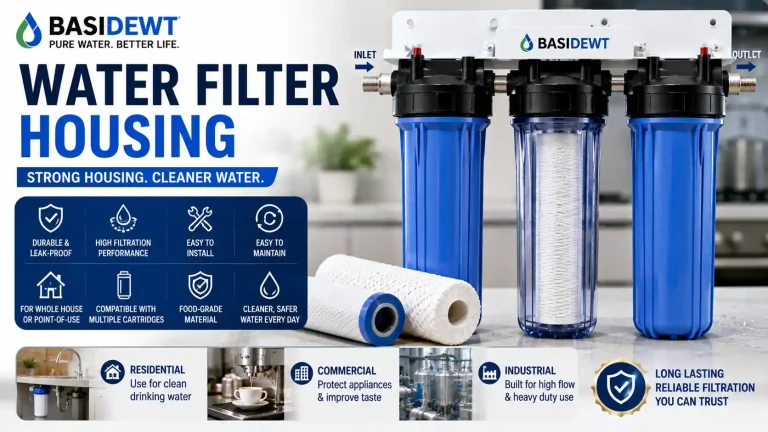
What Is a Water Filter Housing? Complete Guide for Beginners
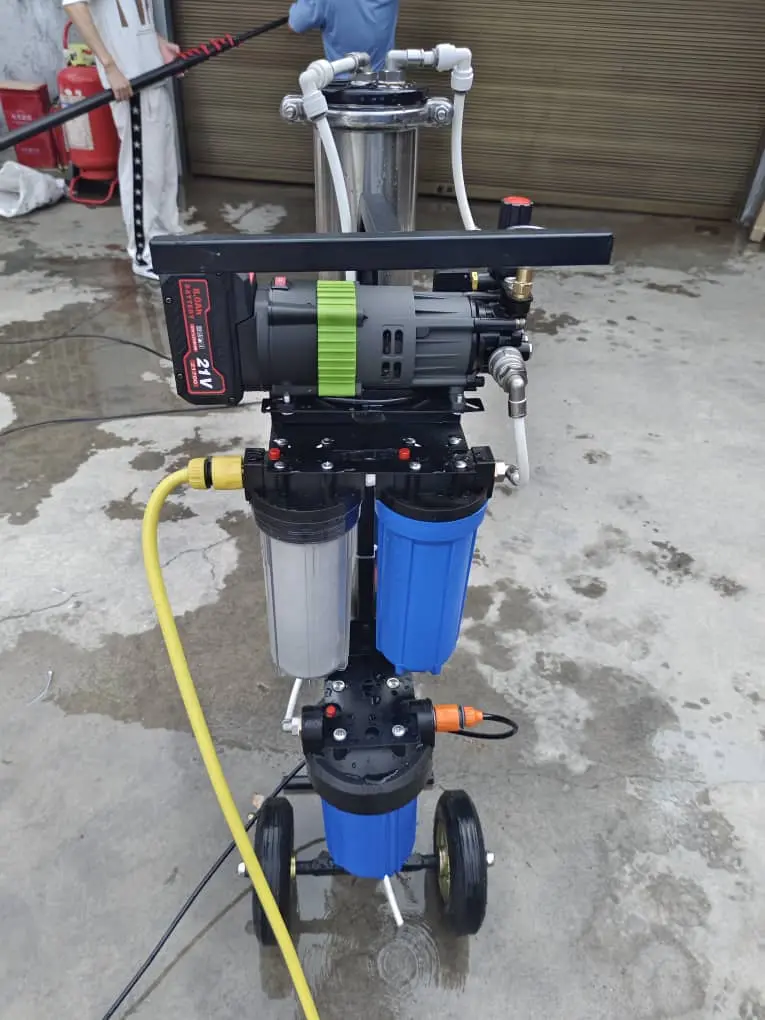
How to Choose the Best Water Fed Pole System for Your Cleaning Business
How Much Is a Water Softener? Complete 2026 Cost Guide
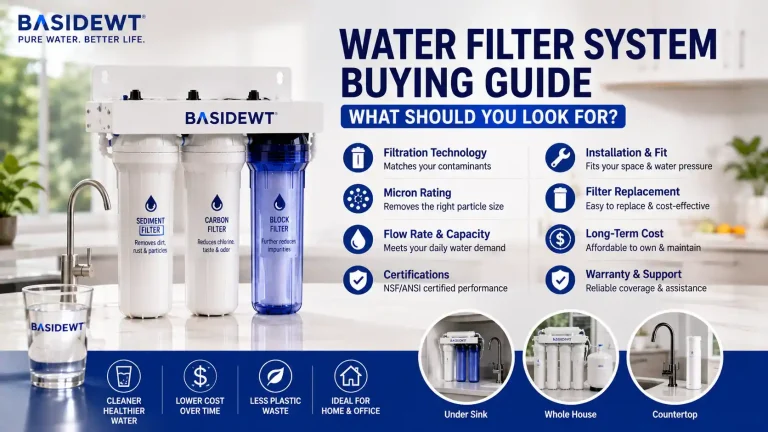
Water Filter System Buying Guide: What Should You Look For?
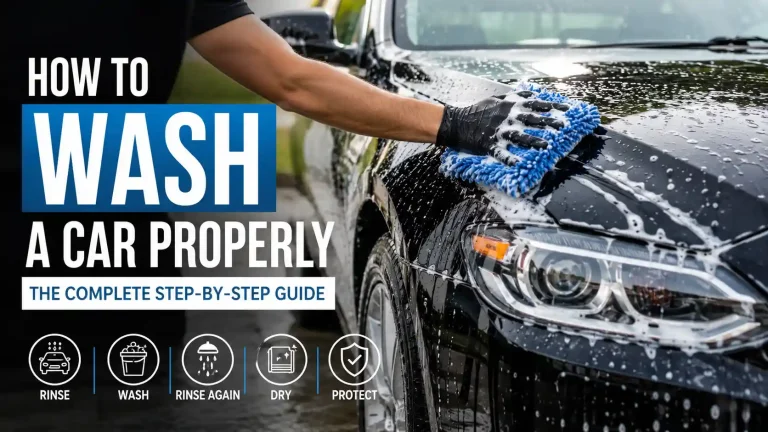
How to Wash a Car Properly: The Complete Step-by-Step Guide